Category Archives: History

Snippets from a Sojourn in London…of tales and tours

Standard
IMG_3124

A typical London street scene with the iconic red phone box; the first one appeared in the 1920s

Ten days of re-connecting with friends, of culinary delights, of sightseeing and incongruously, of waiting for a visa to live in Kazakhstan. Of glorious weather, museums and navigating London’s underground until I no longer had to consult whether it was the Piccadilly or the Bakerloo line that I needed to hop onto…I was rather chuffed with myself! With so much that inspired me, where does one begin to write? This trip revealed some fascinating aspects of London; mostly because of a tour, three in fact.

Thanks to my friend Patrick who currently lives in London, he arranging a tour the day after I arrived.  It wasn’t surprising this is how we chose to spend time together as we had been colleagues as tour guides in Norway. But now instead of Vikings, we were focusing on more literary matters, on Charles Dickens. The tour was of Dickens’ London. It was fascinating as we wandered the streets that had shaped the authour’s life. One such spot was the wall of Marshalsea Debtors Prison where Dicken’s father had twice been imprisoned. This would greatly impact the young boy and these early experiences would manifest themselves in his classics such as David Copperfield (his thinly disguised autobiography),

The Red Cross Church that pays homage to Octavia Hill

The Red Cross Church that pays homage to Octavia Hill

Oliver Twist and A Christmas Carol.  During one of his father’s terms in prison, the young Charles laboured in a shoe blackening factory. The harsh conditions would render him rather OCD later in life with regards to cleanliness. He would become an ostentatious dresser as well. All to wipe away the painful childhood memories of wearing rags, of filth, of poverty.
IMG_3151

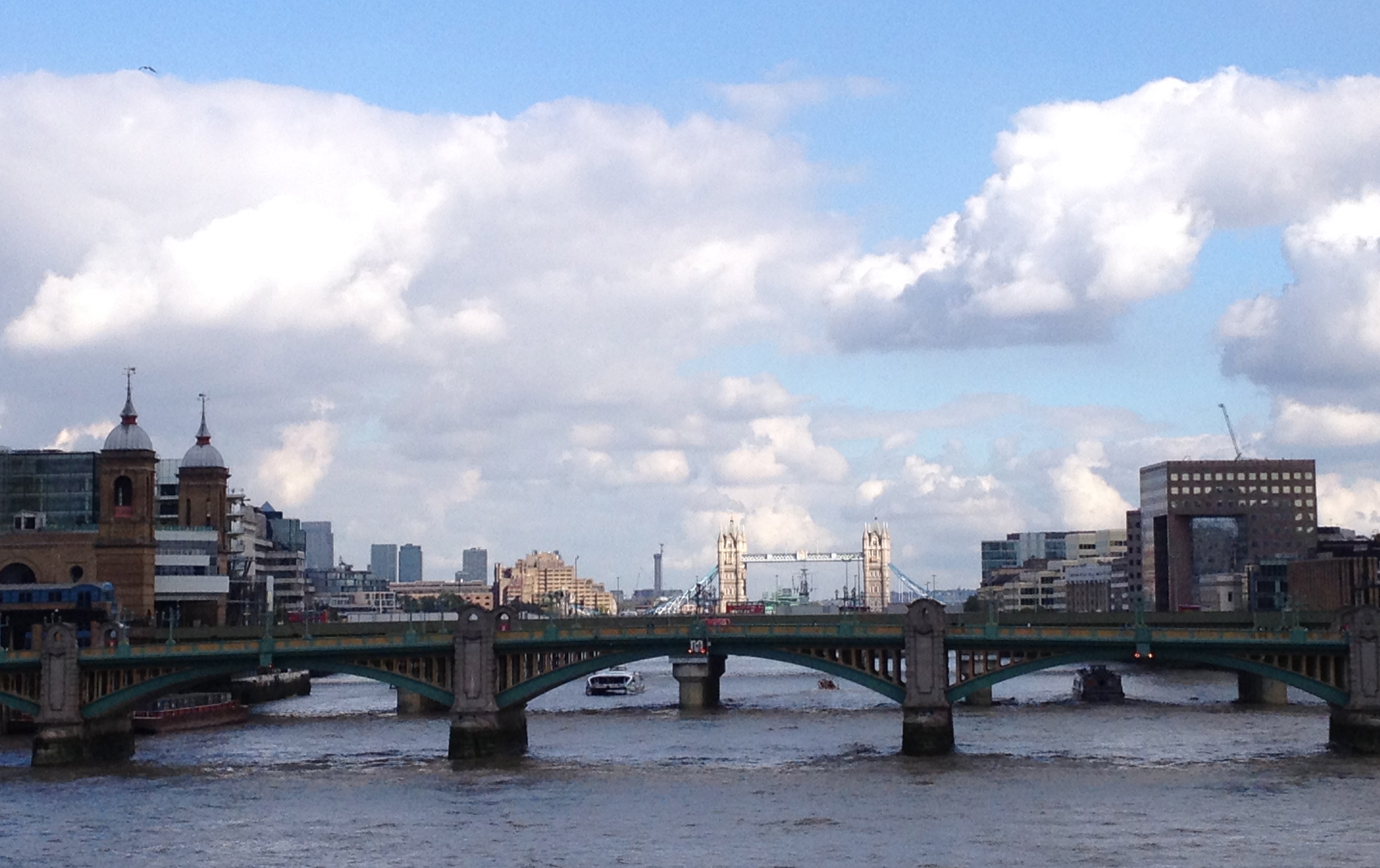
A view of the river Thames

Years later, Dickens would also become a generous philanthropist which was evident when the tour wound its way past the simple Red Cross Hall in Southwark. It pays homage to social reformer, Octavia Hill. Dickens supported her initiative, ‘The Cottage Movement’. Hill endeavoured to instill self respect and responsibility to ‘fallen’ ladies by providing small gardens for them to work in. The gardens were also places where the poor could commune with nature and escape the harsh, everyday life of Victorian England. Octavia Hill is said to have coined the phrase ‘green belt’ as she campaigned to save many green spaces in the London area. This intrepid lady was also a co-founder of the National Trust.
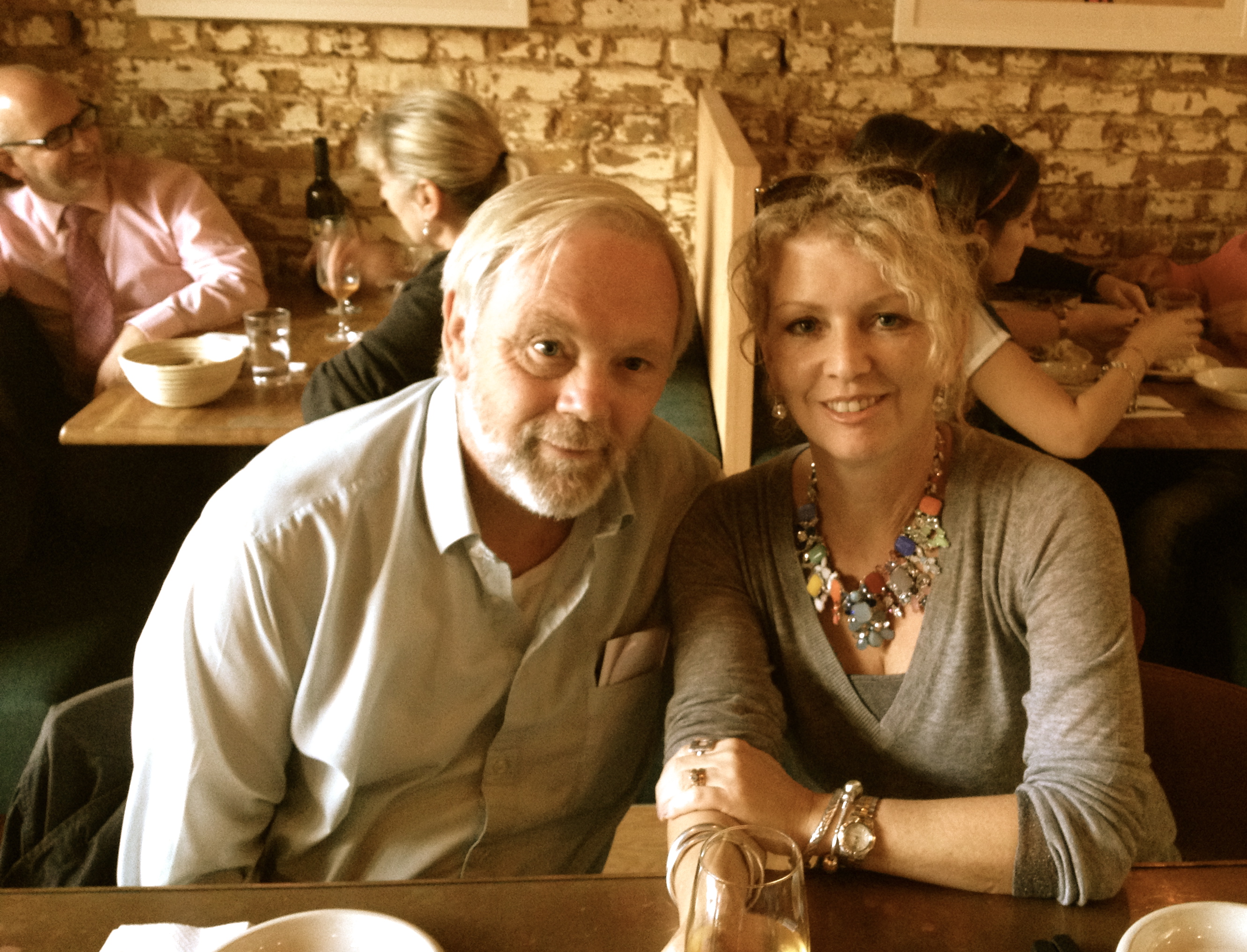
An after tour lunch with Patrick in the lively Borough district

An after tour lunch with Patrick in the lively Borough district

As we made our way through the Borough area, close to the south bank of the River Thames, our guide relayed another interesting, yet this time gruesome scenario for us. Bodies have always washed up ashore along the river; even now as many as fifty a year are recovered.

In Victorian England, muggings were rife with the victim’s bodies often dumped into the murky Thames. But not before their hair had been shaved and sold for wigs, their teeth pulled for dentures and the corpse stripped of clothing. The bodies would become known as…whoppers. These whoppers were prone to clog up in a sharp bend in the river, much to the irritation of the Kings as their flotillas tried to make way. That term for a bend in the river is Charing, as in Charing Cross. A bend that certainly has a colourful past.

Referring back to Charles Dickens and on a lighter note, we have that great novelist to thank for the phrase ‘Merry Christmas’…it was coined in A Christmas Carol in 1843.

On another day I found myself in Kensington on a tour with London Walks. A few minutes into the tour, the guide held up a book and read aloud, his booming voice rich with expression, “…you’ve got a millennium of Kensington in the palm of your IMG_3300hand. You can peel the centuries off like the layers of an onion.” I realized that I had read those words that morning before the tour. The penny dropped. This was the fellow that had written much of the book that was now tucked away in my bag, its pages already dog-earred from my continuous reference to it.
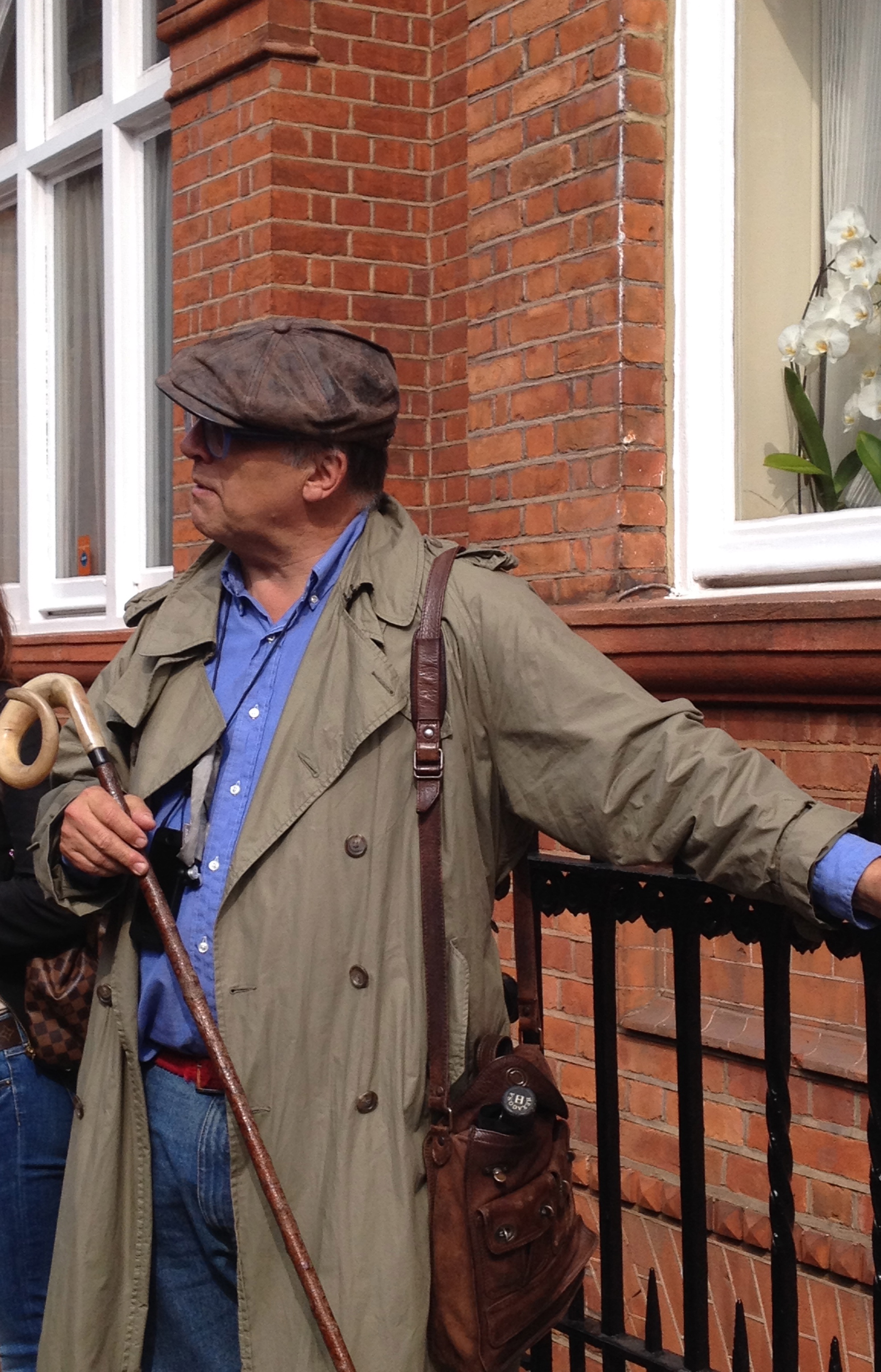
IMG_3290

David Tucker of London Walks

David Tucker’s tour was just as compelling as the book he and fellow guides had compiled. Lively and filled with history, its anecdotes and personal perspectives meld the past and present.

As we traversed through Old Kensington Village, it indeed revealed intriguing periods over the bygone centuries. The name itself? Well, the ington ending means an estate associated with someone and in this case it was a man named Cynesige. Sadly nothing else is known of him. Since then, it has been home to countless artists and writers such as Thackeray, Virginia Wolf and J.M. Barrie. It’s believed Barrie met a young boy here that would inspire his character, Peter Pan. Winston Churchill lived and died in Kensington and of course Princess Diana called the nearby Palace her home. The Palace gate is still adorned with flowers and tributes. The Princess and I share the same birthday and I wasn’t the only visitor to stop and peer solemnly through the stately gate.

IMG_3310

The gate at Kensington Palace with tributes to Princess Diana
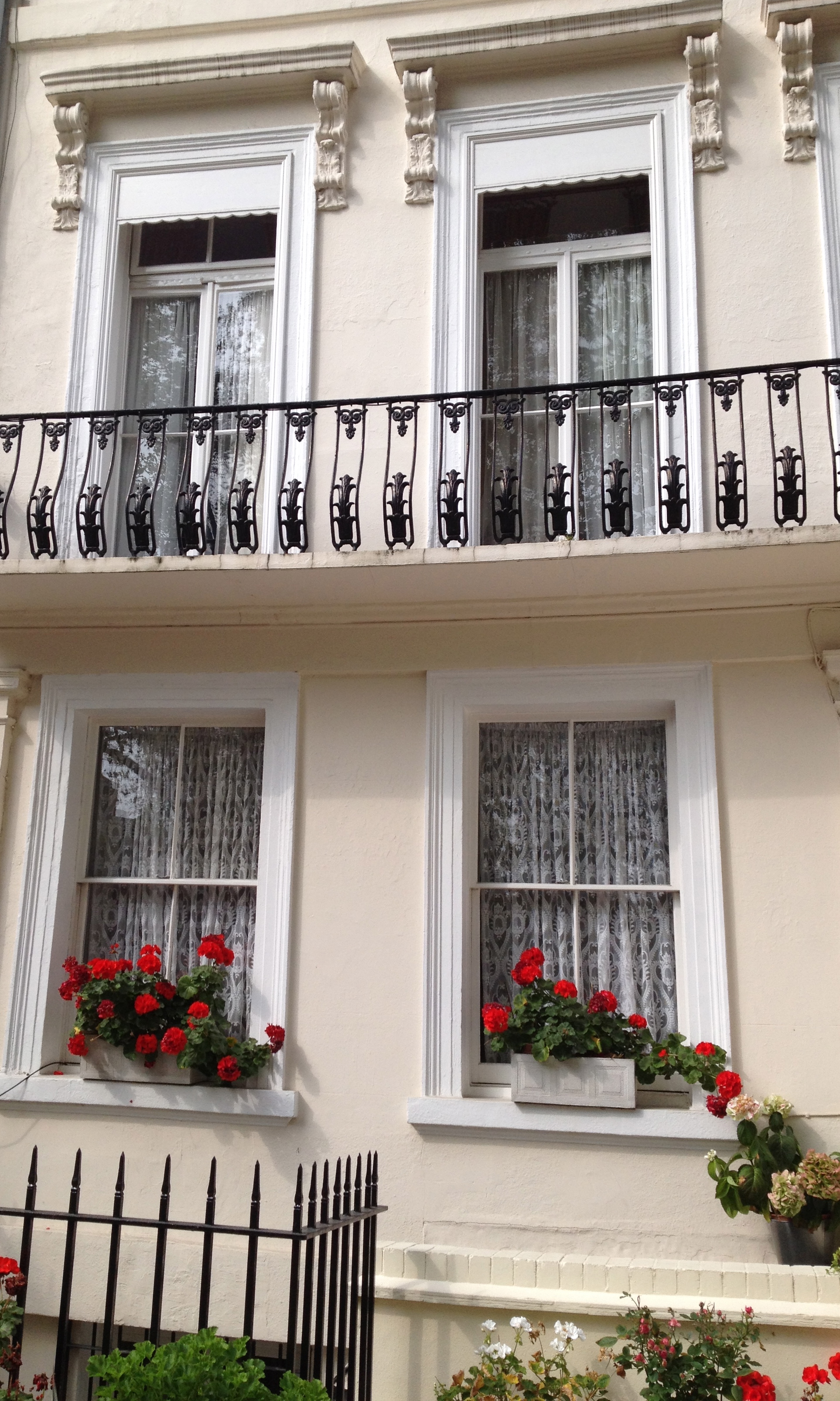
IMG_3284

A Kensington townhouse with curved balcony

One of the oldest squares in London lies here, its tall townhouses commanding some of the most expensive prices in the city. Many are decorated with wrought iron balconies. They billow out, curving slightly at the bottom. In the 19th century, ladies wanted to stroll onto the balcony and the curved iron accommodated their round crinolined skirts. Allowing more room to stand, it makes perfect sense once it’s pointed out to you.

As do the coal hole covers that decorate older, wealthier streets of London, such as Kensington. Some of them survive from the mid 1700’s and they are trod on daily, with all but a few oblivious to their significance. At the time, all heating was fired by coal.  The cast iron covers protected the chutes through which the coal was delivered to wealthier homes. Though locked from the inside to prevent theft, apparently the odd lithe child was able to infiltrate them. Yes London was ‘foggy’, not only from the weather, but also from the soot, from all that coal.
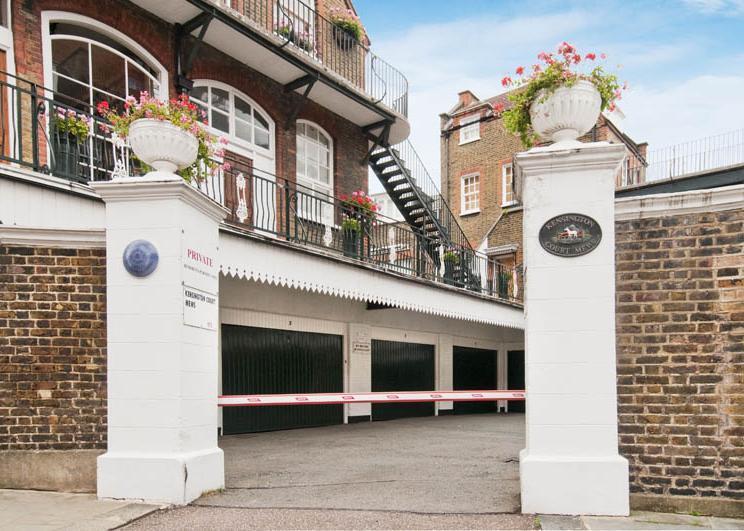
48934_321612_IMG_01_0000

A fine example of Cottage Mews

Kensington is also known for its mews and David revealed their history. In present day, cottage mews are charming terraced cottages but originally they were not quite as sophisticated. In the 18th and 19th centuries, London’s housing for the wealthy generally consisted of streets of large terraced houses, IMG_3316with stables at the back for horses. Carriages were kept on the ground floor and traditionally a ramp would lead to the second floor where the horses were stabled. As David quipped, “It’s far easier to drag a horse up to the second story than it is a carriage.”  The third story was for the stablemen.

Interestingly however, mews derives from the word for mewing or moulting as in feathers. From 1377 onwards, the king’s falconry birds were kept in the King’s Mews at Charing Cross. The name remained when it became the royal stables in 1537 during the reign of King Henry VII, I though it was later demolished to make way for Trafalgar Square. The present Royal Mews was then built in the grounds of Buckingham Palace.

As is typical in London, Kensington is not without its fair share of pubs. I was curious why they are so prevalent, often with intriquing names. During the Middle Ages, a large proportion of the population was illiterate and so illustrations on a sign were more practical than words. One could distinguish a duck and dog, or a dragon being slain, for example. There was often no need to write the establishment’s name on the sign and pubs sometimes opened without a formal written identity. That ‘minor detail’ was often derived later from the picture on the pub’s original sign.
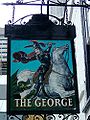
 

An example of a pictorial sign 

As for the vast number of London pubs; we partly have the great fire of 1666 to blame, or thank for that. After the devastation, the city was rebuilt and the workers that did so needed food and ale, even better if they were situated on corners for convenience. Traditionally ale was much safer to drink than the water; this also applied to children who drank ale at a young age.


IMG_3167

A pub on Fleet Street, rebuilt one year after the Great Fire,

The last tour I enjoyed in London is a must. My dear friend Kristen had joined me from Norway and it transpired that the London Food Lovers tour is how we spent our final day together. She’d return to Stavanger that night and I’d depart to Frankfurt, Istanbul and finally Aktau, Kazakhstan. Needless to say, a lot of emotions were surfacing and I was thankful for a good friend by my side…and some wonderful food.

Sarah is the founder of London Food Lovers and a knowledgeable guide who led us through the streets of Soho. Oh the culinary delights we encountered!
IMG_3403

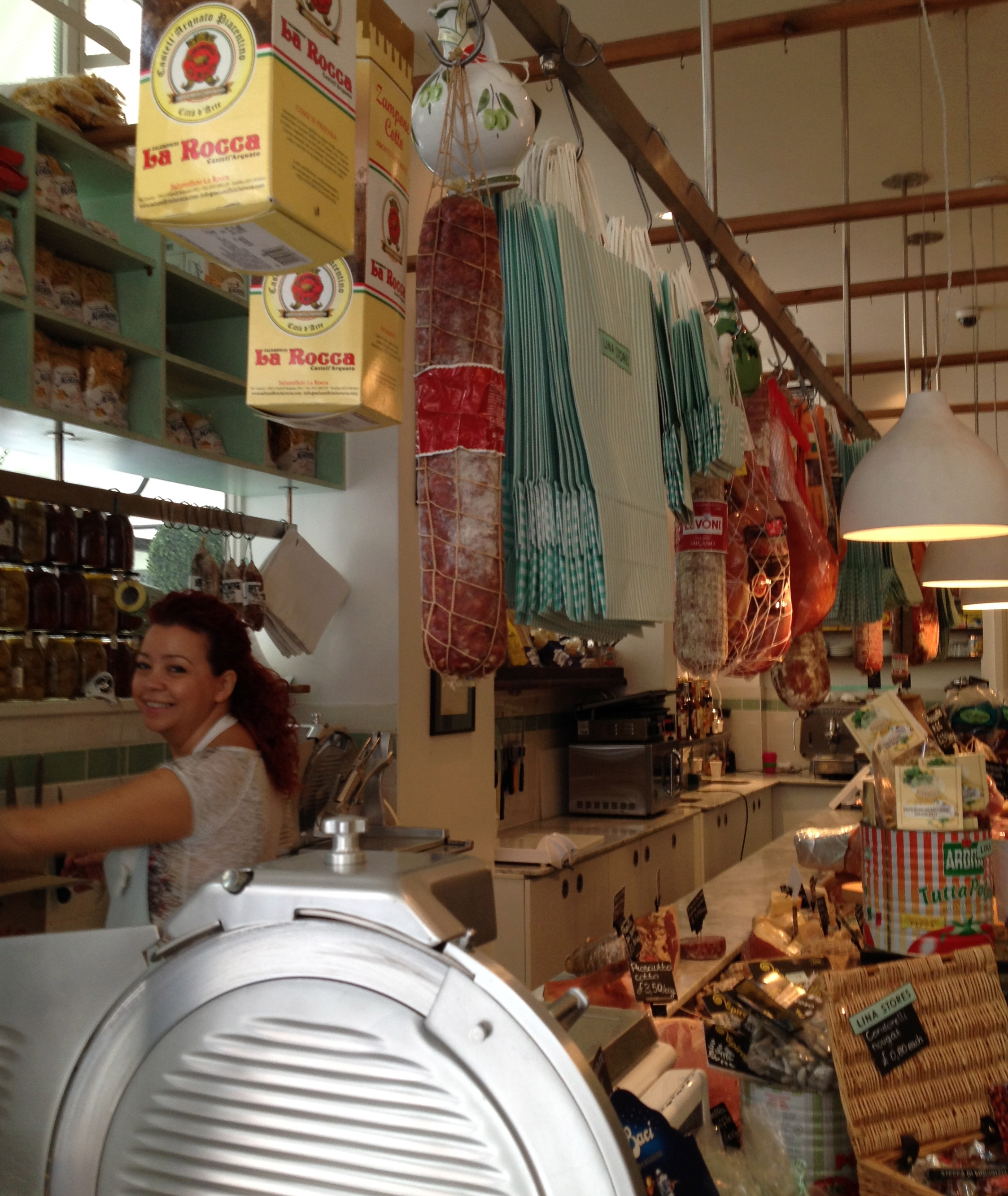
The Italian shop, Lina’s on Brewer Street

The Golden Square in Soho, where the walk originates, encapsulates the spirit of the tour. This square, tucked away behind Piccadilly Circus, was farmland until Henry VIII tacked it onto the Palace of Whitehall as a Royal park in 1536. The origin of the name? It was a hunting call before the hunt, SOHO, and off they galloped.

Fast forward and it became an area that immigrants gravitated to for cheap housing, especially the French Hugenots which is why it became know as London’s French quarter.


Many of those immigrants shared their culture and unique food. Today this is still what Soho is known for, as well as entertainment and business. In the early 20th century, cheap eating-houses were established and the neighbourhood became a fashionable place for intellectuals, writers and artists. From the 1930s to the 1960s, Soho folklore holds that the pubs were packed every night with creative minds. Many of whom, legend has it, never stayed sober long enough to become successful.
IMG_3407

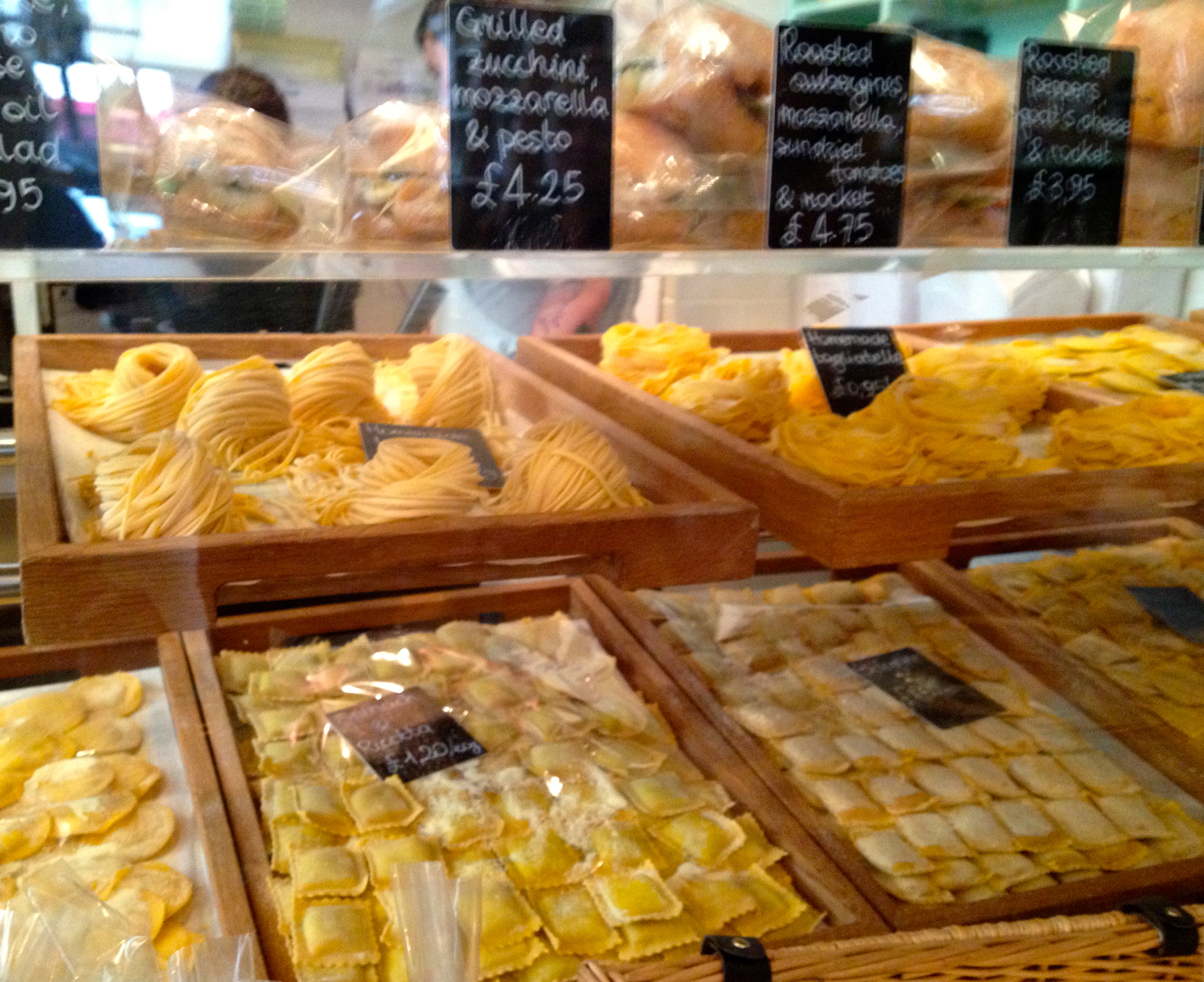
Fresh Ravioli with a multitude of fillings

Today the area is a culinary delight as the wonderfully detailed tour would reveal to us. From the divine Italian chocolate shop, SAID, to Lina Stores where the freshly made ravioli was displayed as perfectly as it tasted. To Govind’s, a vegetarian spot where we sampled scrumptious samosas on the street. All preparations in the restaurant are first offered to Lord Krishna before being served; indeed they were heavenly. Another stop was at the Mexican restaurant La Bodega Negra (a favourite haunt of the A list), the margaritas and food were excellent.

On we went to the Dog and Duck (yes, the afore mentioned) where we not only sampled three different ales, but discussed the importance of ale in society as noted previously.  As someone who enjoys wine over ale, I can admit I actually enjoyed a ‘wee jar’ in the setting of an old, classic British pub. Two very enticing stops were yet to come.
IMG_3428

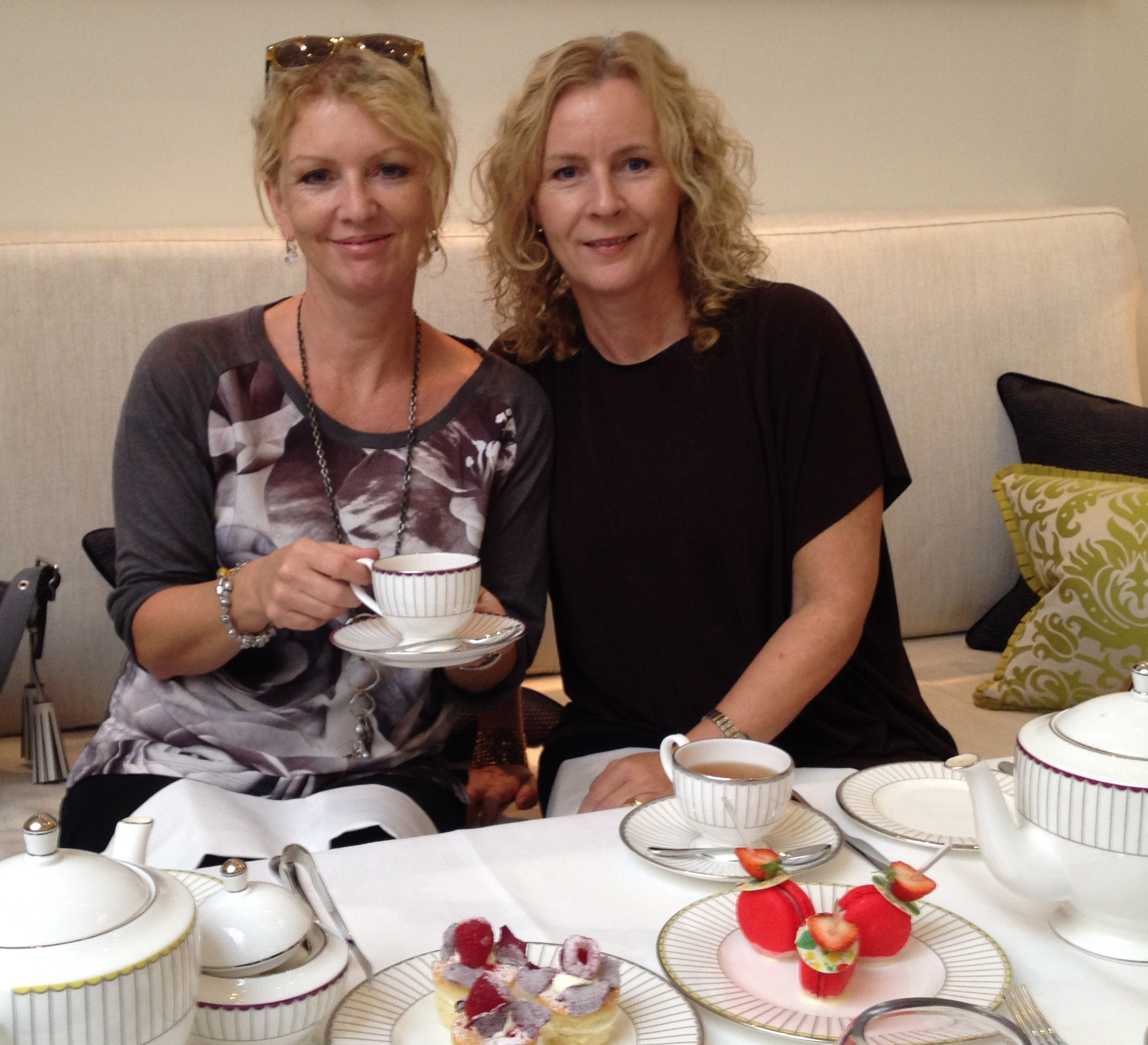
Perfection at Corinthia Hotel with Kristen

Kristen and myself had intended to include a traditional British tea into one of our afternoons, but had run out of time. Wonderfully this was taken care of with the unexpected visit to the Corinthia Hotel for tea and cakes. The breathtaking setting caught us all off-guard and our small group of ladies was captivated by the perfection of it all. The lobby is an oasis of beauty, as is the tea service, as were the delectable cakes. We pictured ourselves in a movie set perhaps, or even Downton Abbey when we heard the hotel was once the Metropole and referred to in the series. We would have been delighted if this had been the final stop, yet there was one last quintessential London sight to experience.
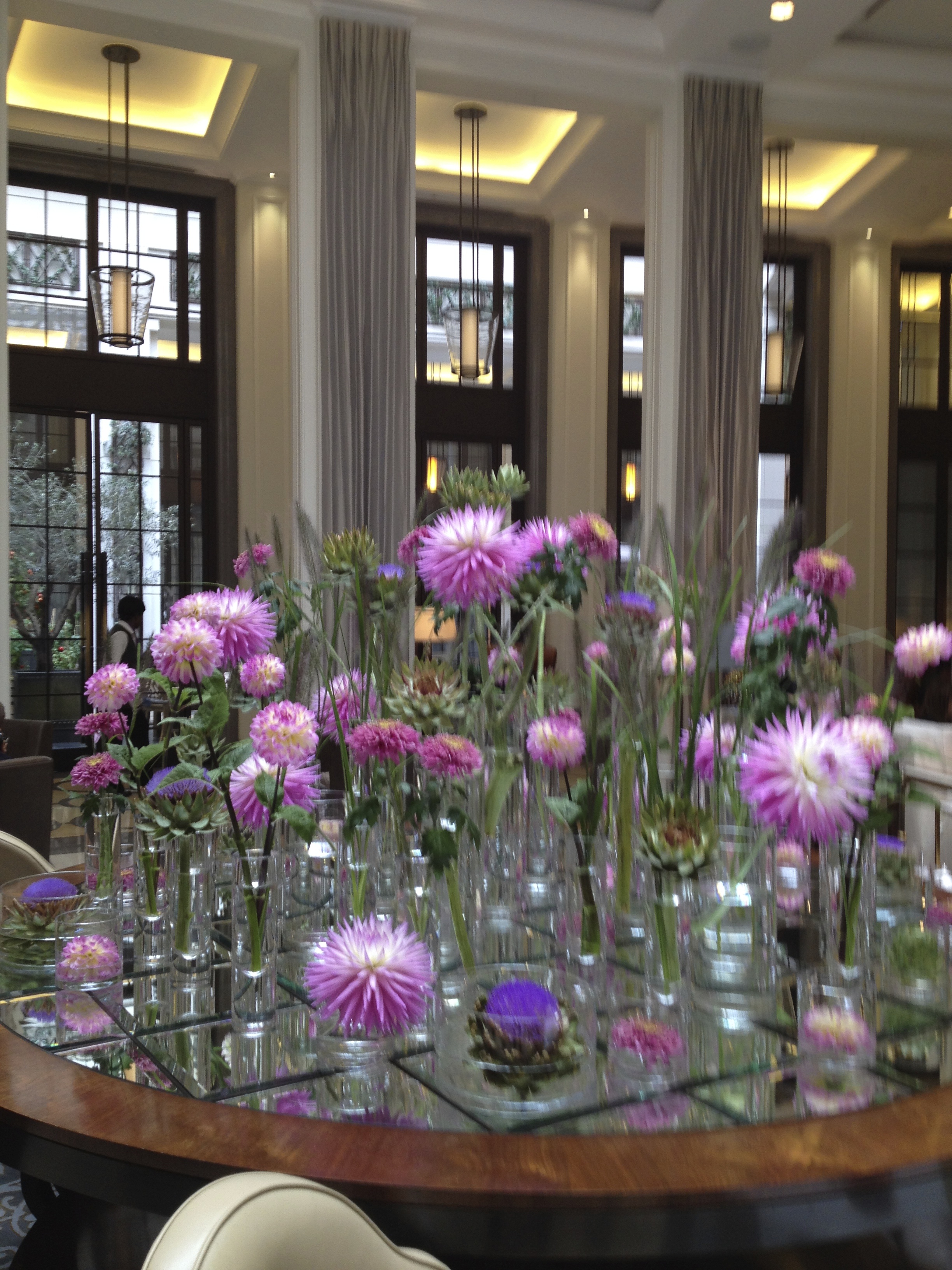
 

The grandeur of The Corinthia

The grandeur of The Corinthia

Each stop had been carefully chosen by Sarah, an American that had left home early and headed to Italy to discover her roots. Along the way she trained as a sommelier, gave food tours in Italy and later decided that London was calling. This tour is a unique (and delicious) experience in London. Try to book the tour at the start of your trip however, so you can actually return to some of the spots.

And so our last location was Gordon’s Wine Bar, reputed to be the oldest in London and just a stone’s throw from the Embankment tube station. We entered the cavern-like atmosphere; redolent with centuries of conversation prevading the musty air. As the candles illuminated the dark recesses, we toasted each other with wines from around the world. Four hours previous we had chosen to come together because of our love of food and we unanimously agreed that we had experienced a side of London we pleased to have seen and tasted. Uncharacteristically, I actually had to tear myself away and leave a wine bar early. My flight was only hours away.
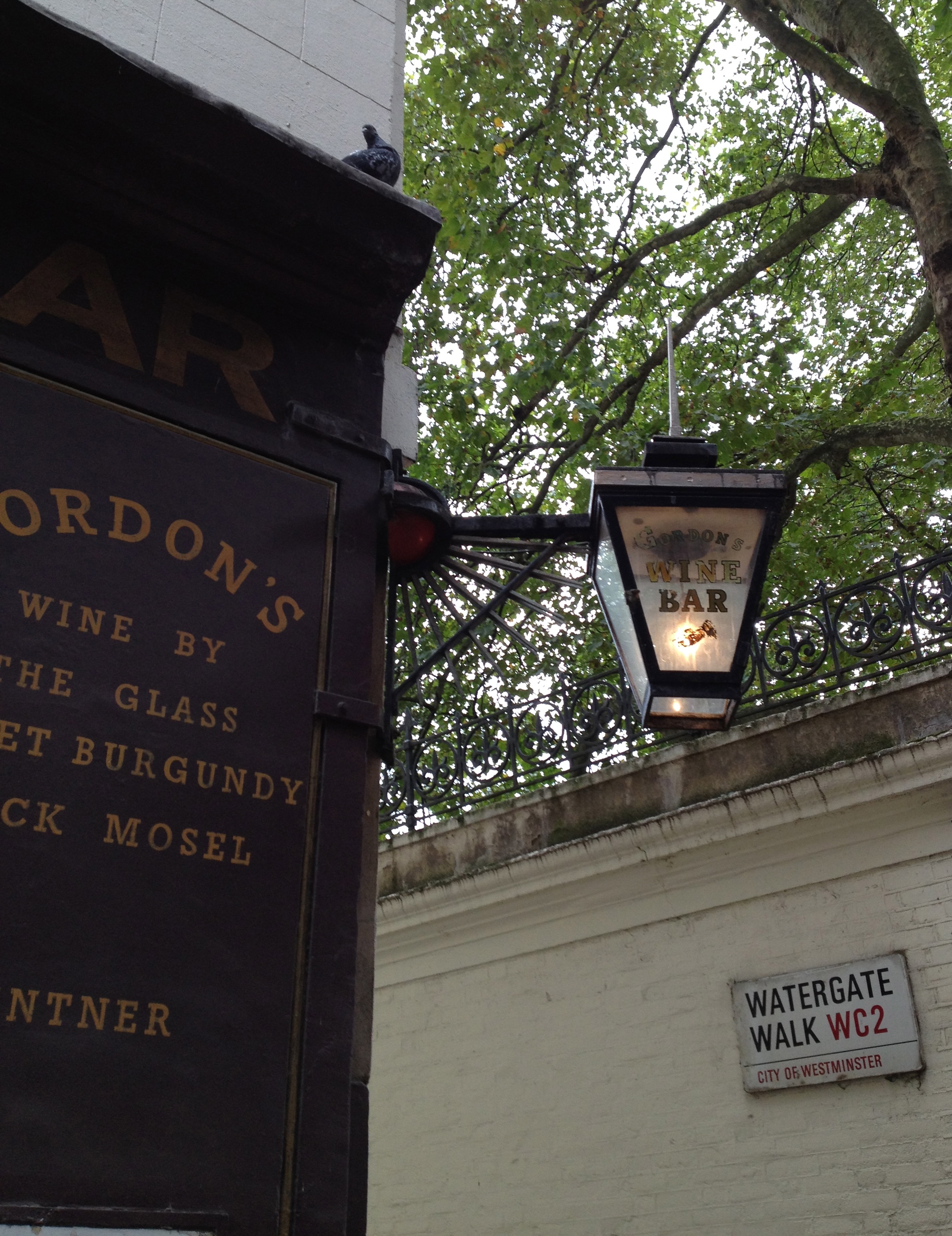
The perfectly aged, Gordon's Wine Bar

The perfectly aged, Gordon’s Wine Bar

With hugs all around, I dashed onto the nearby tube station, fetched my luggage. On to Heathrow where flights awaited to journey me to Kazakhstan, yet another country to add to our list of countries of residence. The distraction of the tours had been crucial for someone venturing to an ‘unknown’ country.

It had been a great sojourn and wonderful to see friends and spend time in lovely England. And to London, that grand city to which I can’t wait to return and peel away more intriguing facts, more layers of that onion. I certainly know where I’ll be dining next time as well!


*London Stories by David Tucker and The Guides, Virgin Books 2009


These particular ones are green…

Standard
20140826_104116

New challenges through a blue doorway in Sweden

As I closed my front door a few days ago, I thought of the new door that will soon open for me, wide with opportunities. It’s been a flurry of activity, packing and departing our house in Canada and I write this, finally relaxed, in a cozy hotel lobby in Sweden.  Sunk into a deep sofa, candles flickering on a simple wooden coffee table, we’ve been mostly awake for the past 32 hours.  Trying to keep jet lag at bay, soon after arriving in Copenhagen we made our way to nearby Lund. It’s a beautiful Swedish university town where our eldest has recently moved to study for his Masters degree.

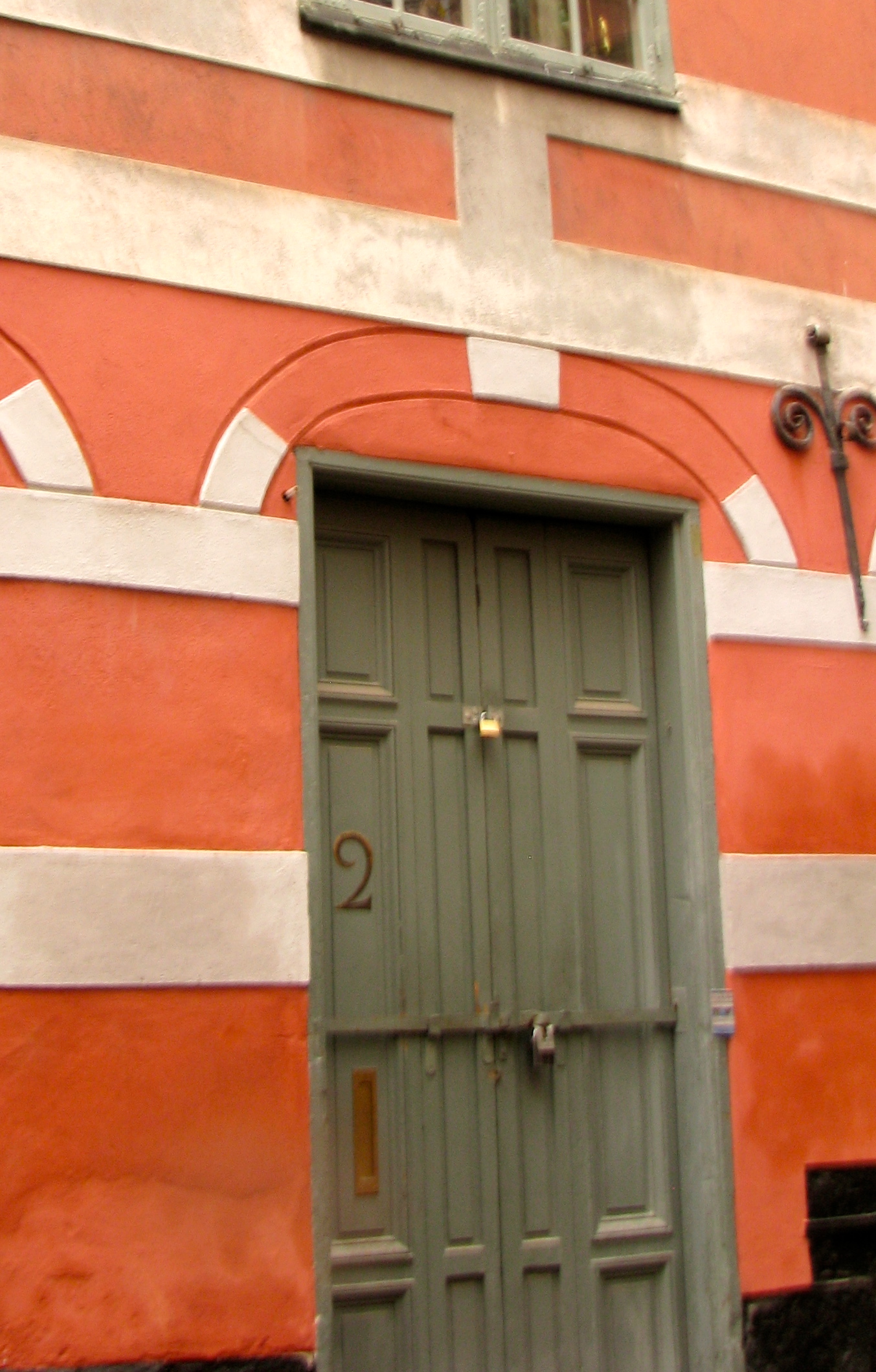
It’s good to see him settled in his little loft apartment and know he’s ready for this next challenge, his new doorway of opportunity. I’m empathetic that many of us are experiencing change at this time of year. It’s the end of summer and the season of new beginnings for students, yet often a time of struggle for parents coping with their departure. By chance, my moving to Kazakhstan has coincided with our son’s transition and as we visited him this evening, I insisted on taking a picture in front of his new blue door.  Although I suggest these photos rather casually wherever we may reside, I know that there’s an ulterior motive. These photos of our more than two dozen front doors evoke poignant and treasured memories of life lived inside, around and through those portals.

IMG_0267

The doors that inspired a piece of writing in Tuscany

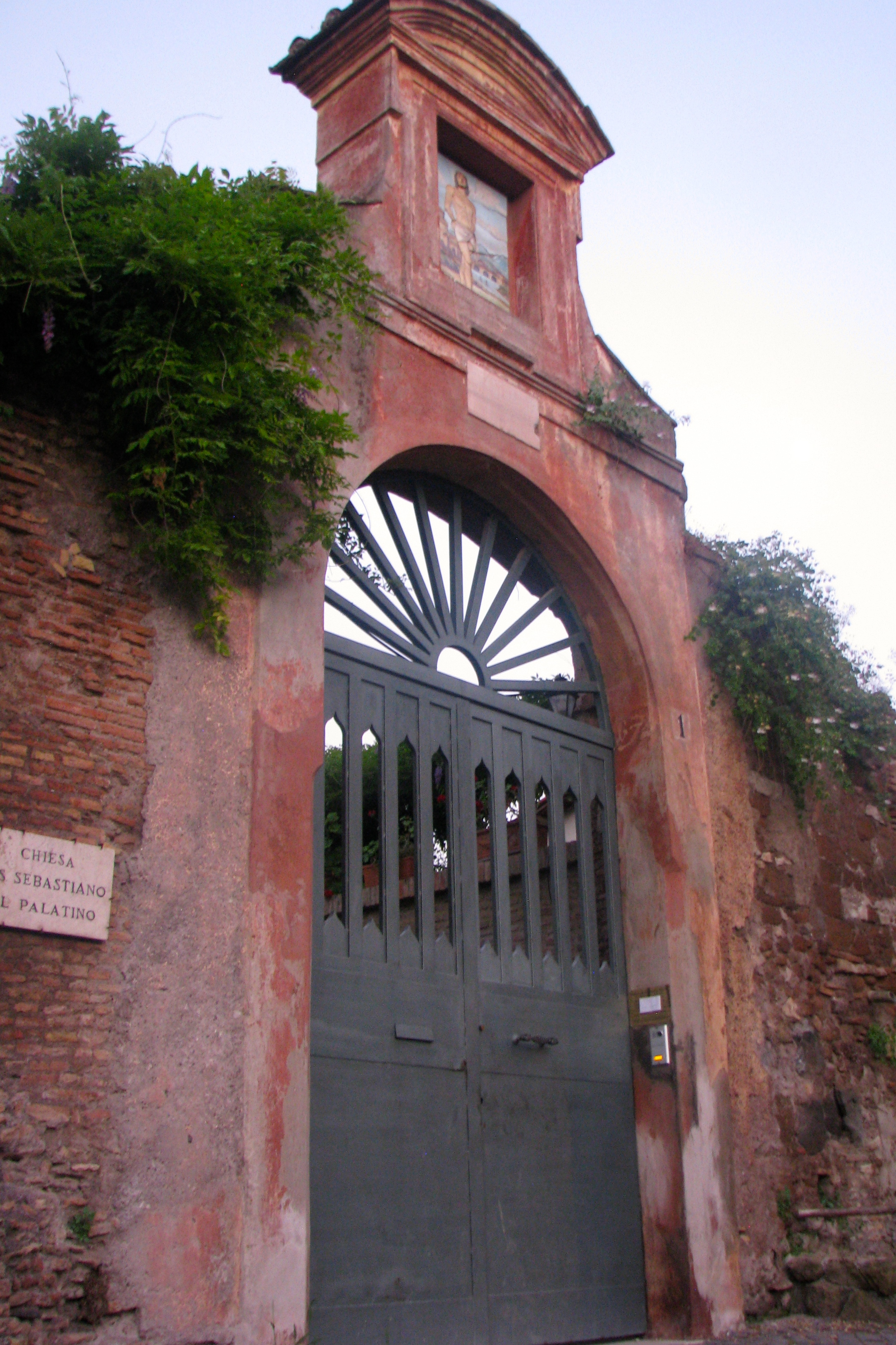
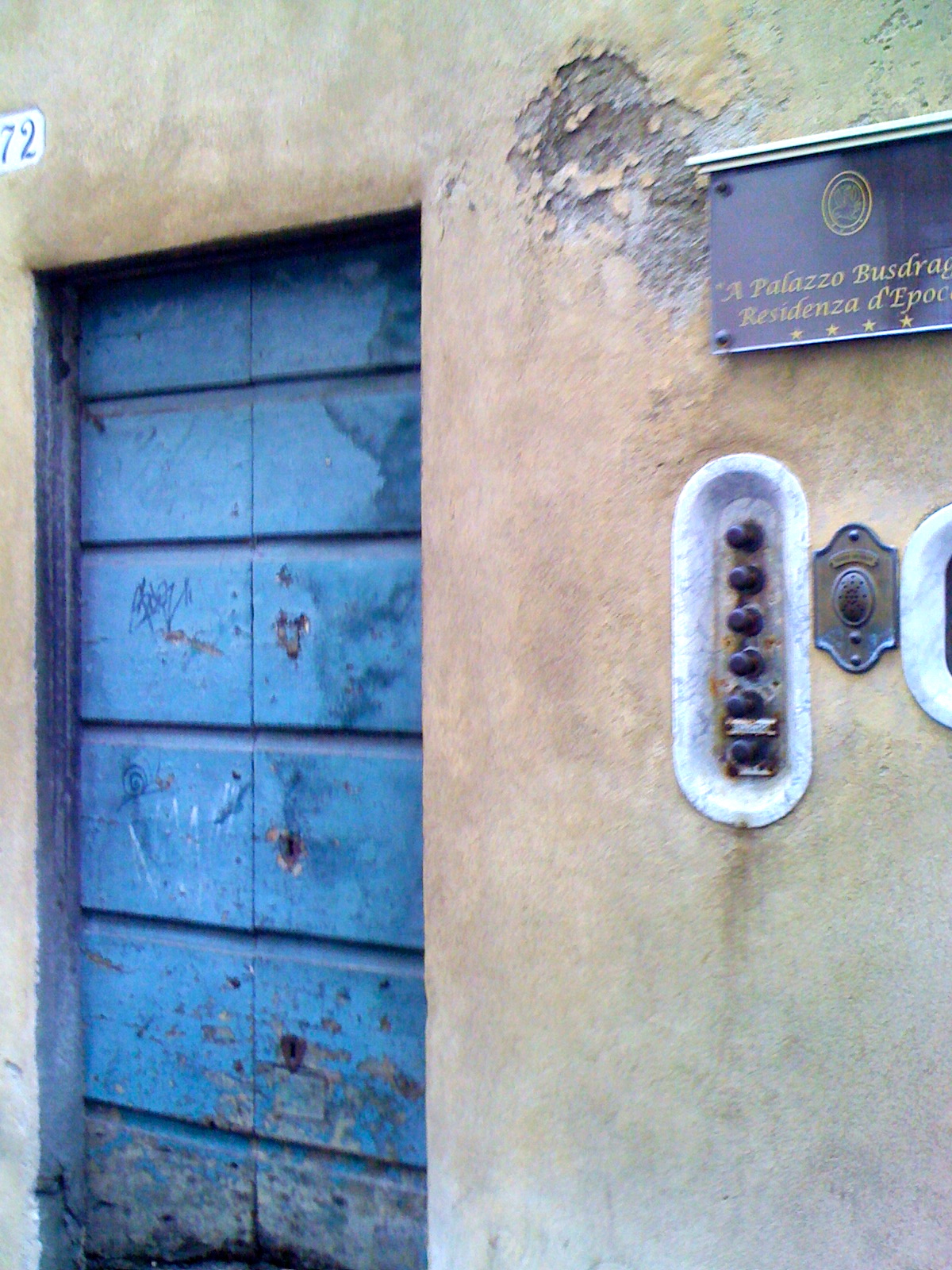
Anyone who knows me well, knows, I love doors.  In fact, one of the tasks at a fondly remembered writing retreat* was to wander silently for thirty minutes gathering inspiration for a piece of writing.  Set in a serene bamboo grove, it’s curious that my muse was not drawn from a natural setting within the Watermill grounds. Rather, I was intrigued by a stack of abandoned doors.  Then again, my choice wasn’t all that surprising for someone who sees them as more than a barrier to keep out the elements. For me, a door can be exciting, mysterious and even better if there’s an interesting ‘knocker’ or other hardware on it!

Of those doors tucked away in an old Tuscan shed I wrote;

IMG_0965

In Krakow, Poland

IMG_6949

Stockholm, Sweden

These particular ones are green, in fact many shades of green, the peeling paint revealing layers of life’s moments. They are now stacked in a vertical pile, discarded behind the archway they once inhabited. I am endlessly intrigued by them; their texture and colour, their hardware and design. To me they become subjects to admire, photograph and even collect.  The doors I prefer are old, often in abandoned structures or homes.  They no longer have the joy of being opened, closed, or being left ajar so the cat can slink in and out. Behind their scratched panels and knotted wood, they hold secrets of lives lived within their protection. Lives, perhaps of hard work, turmoil, misery, even grief – but also of joy, laughter and secret words that cascaded up to their secure surface but didn’t venture further; keeping those vignettes tucked safely inside, keepsakes for family and friends.


IMG_1643

An old Roman Villa

Doors are often portrayed as metaphors for life; for hope, opportunity or invitation.  In fact, in Roman religion and myth, Janus is the God of beginnings and traditions, and thereby of gates, doors and doorways. He is depicted as having two faces, one towards the future and one to the past. The Romans even named a month after him – the gateway to the year, January.

220px-HK_Wan_Chai_Stone_Nullah_Lane_Blue_House_74D_n_Door_Gods_n_Letter_Box

A door in China, protected with door gods

The Chinese and other eastern cultures believe in a ‘door god’, represented in decorations positioned on each side of an entry to a temple, home or business. The ‘god’ wards off evil spirits and fosters good will.  It seems doors have always been symbolic and endowed with purpose; often as portents of change.

IMG_7051

A symbolic heart graces a Norwegian door

In Norway, I was charmed  by ‘hearts’ that were hung on wooden doorways, especially at Christmas time. They seemed to beckon one inside, perhaps away from the damp and cold, into a warm hearth. Doors have traditionally been of wood; oak, cedar, cypress, elm or even olive. However constructed, even flimsily such as a tent or teepee, the door has ever signified a secure boundary.   And yet that boundary opens wide to allow one to go forth and explore, though we all know how comforting the sight of your own front door can be after a tiring day or late night out.

DSC00731

One of my favourite doors; the town hall in San Gimignano in Tuscany

I have photographed them in many countries, often for their beauty but typically for the curiosity they invoke. Upon leaving the Middle East where we lived for seven years, I even brought two home with me.  One is embedded within a coffee table, the worn, dark red wood now protected with glass. The other was rescued from a garbage pile beside a once imposing, but now dilapidated fort in the barren foothills of Oman.  I like to think I rescued that one from being chopped up for campfire kindling!

Sintra, Portugal

An abandoned door in Sintra, Portugal

And as for the changes they represent, for someone like myself who happens to open and close more than my fair share, it isn’t always easy.  A few days ago as the cabin lights dimmed and the plane taxied down the runway, tears escaped from my eyes. My anticipation for this next phase was overshadowed by a mother’s love for her children. As two of ours remain in Canada the knowledge of the impending distance tore at my heart knowing this family of five is once again separated by countries, even continents.  Yet, there’s the underlying comfort that within some months, a door will be flung open and family will be reunited with stories to tell of all our adventures.

For now, I can’t wait to see the interesting portals I’ll find to walk through to explore, to appreciate more wonders of this interesting world.  Did I mention my next front door will actually be a Hotel…there just might be a few stories forthcoming from there!

DSC03536

In Christiania, Copenhagen


IMG_0358

Lucca, Italy


*The Watermill at Posara in Tuscany, as written about in blog post ‘ So you want to be a writer…’

Ode to a vibrant city, recalling transition and the help of serendipity

Standard


IMG_2527

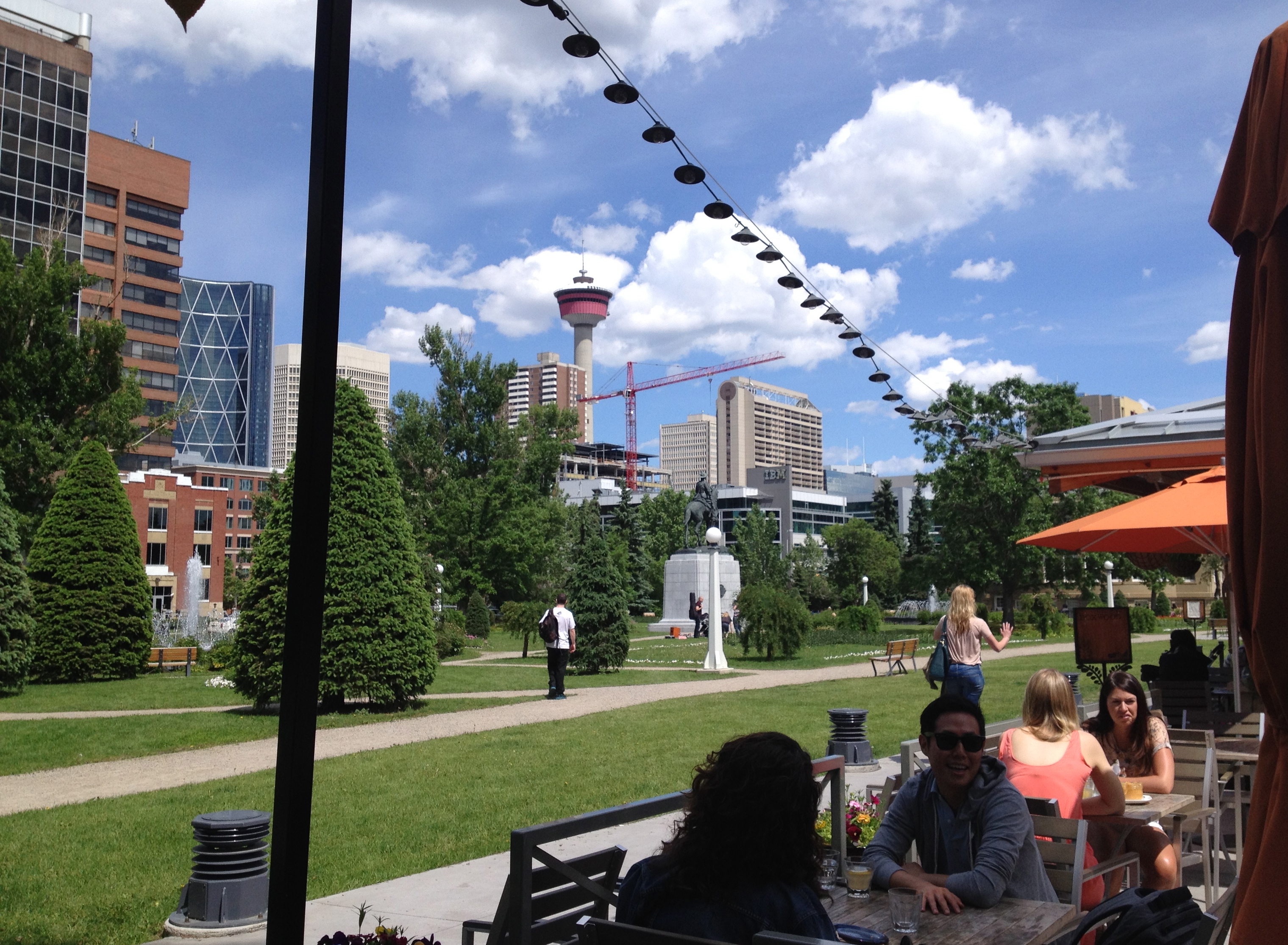
‘Dining’ in Memorial Park at Boxwood Cafe

Sadly, my new found love affair with Calgary is to be interrupted; for now at least.  Having returned not quite a year ago, I’m about to pack up again. Yes it’s all too soon, but simply, my husband and I aren’t prepared to continue living at the opposite ends of the earth.  He’s been commuting from Kazakhstan, which is where I plan to join him at the end of August. Admittedly, I can think of far more ‘exotic’ places to become acquainted with, but adventure comes in many forms it seems!  That, however isn’t what this post is about…not quite yet anyway.  It’s about this great city, the transition woes that I’ve experienced and the start of settling and healing, thanks in part to a chance encounter.

IMG_2552

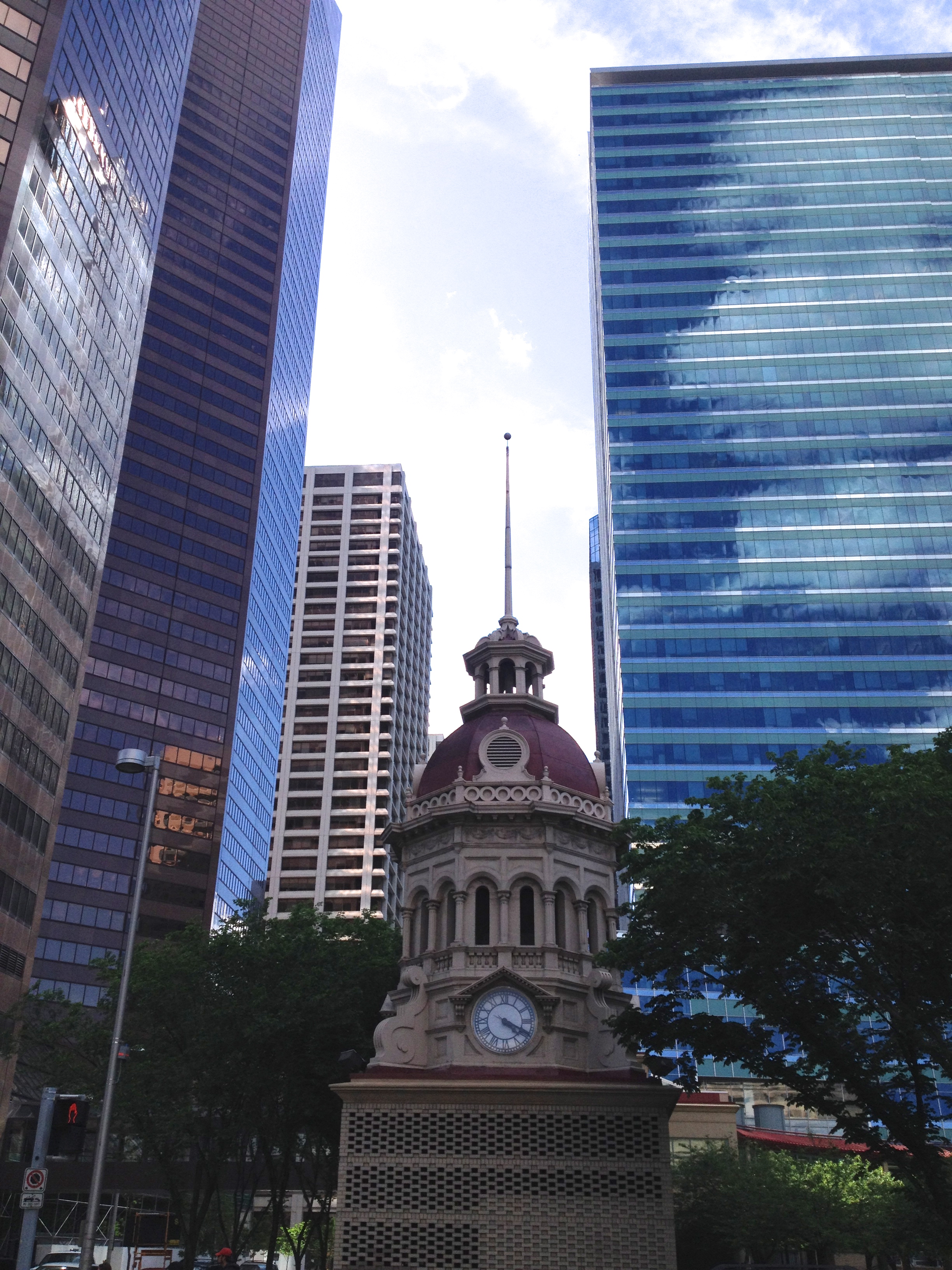
The cupola in James Short Park, now surrounded by glass. It marks the spot of the James Short School from 1905

Calgary was my home from 1982 to 1989.  After College, I loaded up my ’77 Camaro and headed to the ‘big city’, knowing it was where I wanted to be.  I’m living relatively close to where I was then, in the inner-city.   In my opinion, it’s the only place to be for someone who is often here on their own, as I’ve been this past year.  It’s vibrant and interactive.  It’s ideal for walking and cycling.   And it’s a changed city since I left when a mere  600,000 people called it home.  It’s now much more international and ‘hip’ with endless festivals, markets, and events.  Yet at the same time, it’s still a city that is caring and personal, despite a burgeoning population of 1.2 million.

I’ve often wandered to sit and write in one of the many vibrant cafes, which seem to be in endless supply along with bars and restaurants.  I’ve looked at this city from the viewpoint of ‘someone that returned after 24 years’, but also as a newcomer.  Inevitably, I meet people eager to chat, many of whom are from elsewhere but have chosen to call Calgary home.  I’ve been charmed by people’s warmth, the small town feeling and sense of cohesion and belonging.   That cluster of a fort and tents that would become Calgary, was established by the North West Mounted Police in 1885 and initially called Fort Brisebois.  This settlement at the confluence of the Bow and Elbow River has come a long way indeed. It was recently named by the New York Times as one of the world’s top sights to see, imagine that!

IMG_2556

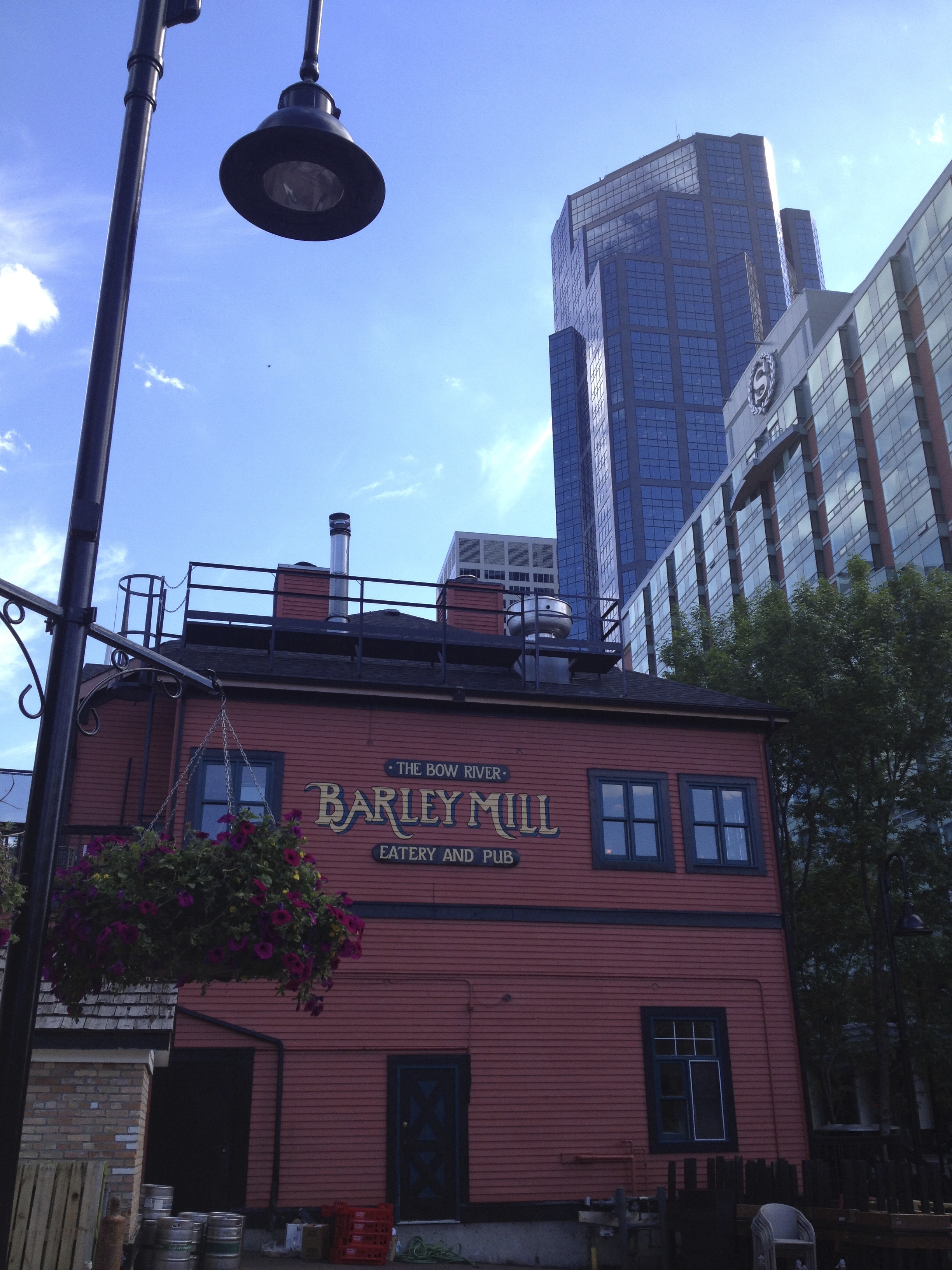
The Barley Mill in Eau Claire. Reminders of the wooden buildings that were built during the time of the nearby Eau Claire and Bow River Lumber Company

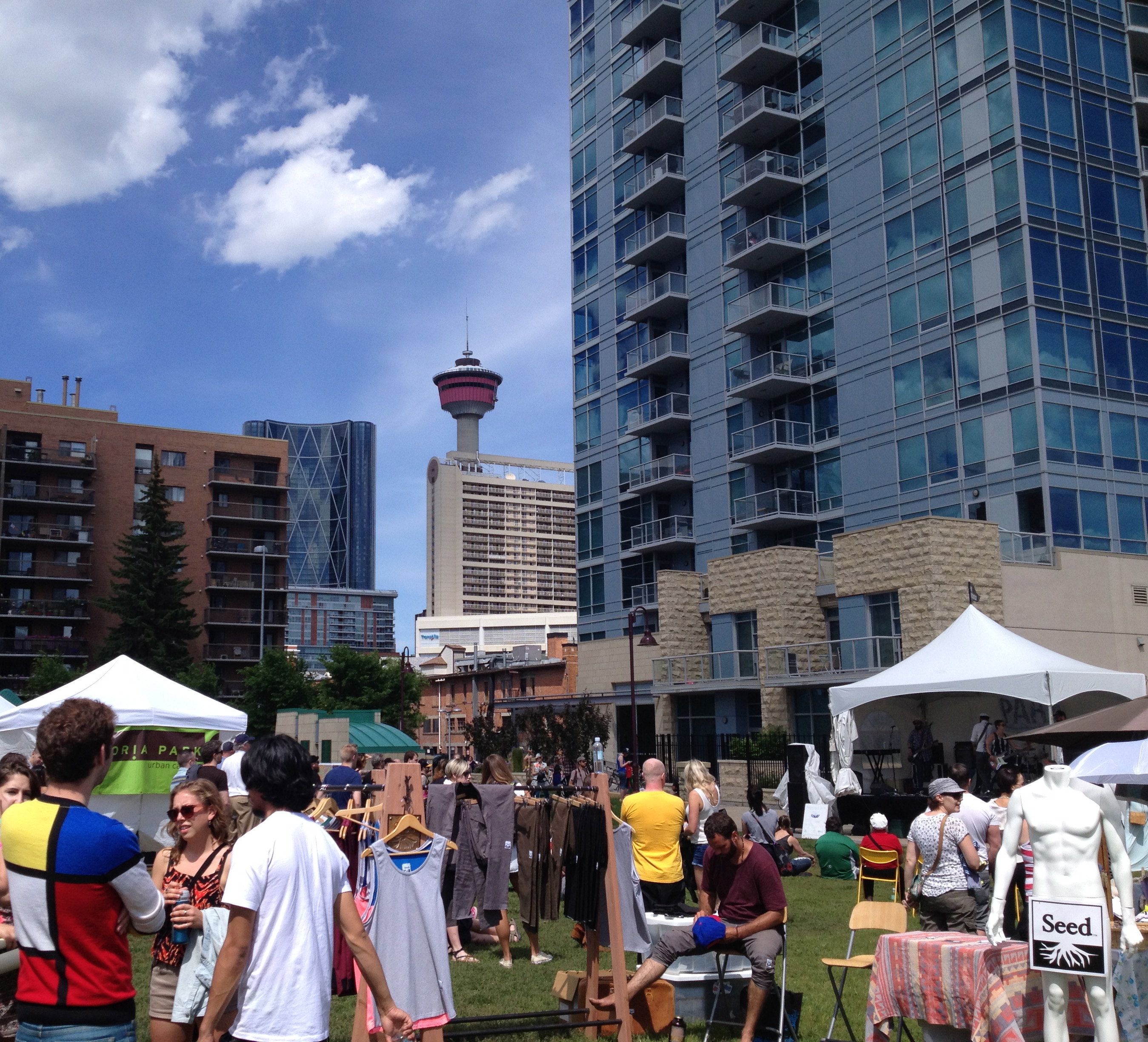
I was on my own this past weekend and found myself out exploring in the gorgeous weather.  People were reading, playing and ‘dining’ in the park.  Kids played in water parks, people enjoyed music festivals and markets.  I experienced a city in perpetual motion of cycling, walking, long boarding and busking.  People of all ages but definitely many young and hip.  The average citizen of the city is now in their 30’s. They are active, globally conscious and oh so ‘switched on’.

I spoke to one such ‘hipster’ only in his mid twenties, at a 17 Ave. restaurant. He told me they were endeavouring to only use produce from a nearby flood affected area; to help them get ‘back on their feet’.  He then proceeded to point out the elements in the restaurant that have been reclaimed so as to minimize their carbon foot print.  I’ve noticed this change in attitude time and time again here.  I don’t think many of us had those concerns at the same age as we partied through the ’80’s.  I’m impressed!

Outwardly, it’s also a vastly altered city from when I Ieft in 1989.  The landscape is rapidly changing with an increasing number of tall towers and condos soaring over the compact inner city.  In fact the skyline is dotted with cranes, building for the future.  But thankfully there are still some charming vestiges of the ‘old’ Calgary and I sincerely hope they remain. Stately homes and buildings from the early 1900’s

IMG_2522

Beaulieu or Lougheed Mansion, 1891. The Lougheeds hosted many social gatherings and visitors, including the Prince of Wales in 1919

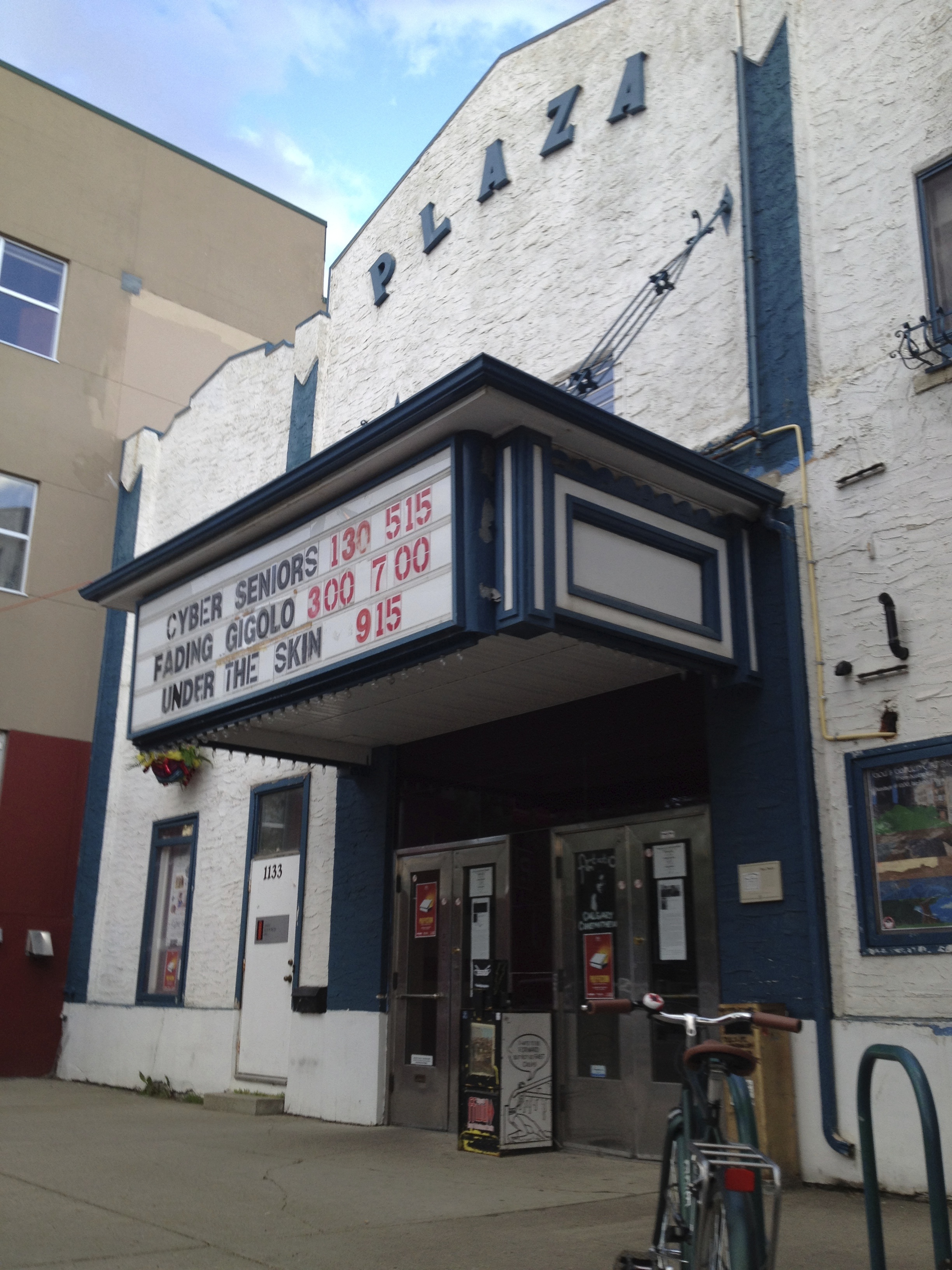
such as the Lougheed Home and Memorial Park Library (the first library in Alberta), not to mention many that  proudly still stand on Stephen Avenue Mall.   And there’s also the quirky and timeless images to be found such as the Galaxie Diner, the Plaza in Kensington or the wooden Barley Mill at Eau Claire that is now dwarfed by skyscrapers.

And as I cycled along the Bow River on Sunday, I mused over the phases that I’ve gone through in settling here. It hasn’t been without its trials, despite seeing family more often.  One would think being ‘home’ should be an easy adjustment.  But, we know from writers like Robin Pascoe in her book Homeward Bound, that repatriation is often a struggle for expats. It warrants the need for discussion and understanding of what re-entry has in store for us.  “It has a cycle of its own and mercifully, it ends.  It just doesn’t end overnight…”, Robin reminds us.

How true that is.  For me, it was last September when the ‘honeymoon period’ came to an abrupt end and I found myself in ‘crisis mode’, about two months after I had moved back.

The irony wasn’t lost on me. Early one afternoon that month, I had cried on my son’s shoulder.  I was an emotional wreck as I sat at my desk trying to concentrate on work.

“What am I doing here, not that it isn’t great to be here with you, but..?”

The iconic Plaza Theatre in Kensington

The iconic Plaza Theatre in Kensington

With more tears falling from my already swollen eyes, I lamented that I was missing my life of four years in Norway, my friends, my job, not to mention my husband.  And for the first time in 20 some years, I didn’t have a return ticket for the end of the summer; that seemed to be what pushed me ‘over the edge’. Normally at that time I’d be departing from our vacation home in Kimberley after an eventful summer, off to my ‘other life’. No, now I was staying put, in Calgary and I wasn’t coping very well.

A festival and Market in Haultain Park

A festival and market in Haultain Park


In a role reversal, my twenty-two year old had comforted me.   Heeding his heartfelt and sage advice, I had no choice but to pick myself up and get on with the task at hand. I had a deadline to meet. A cross-cultural presentation to prepare and here is where the irony lay. I needed to research and prepare a one and a half hour presentation that would inform and inspire a client in the Oil and Gas industry who was soon moving to Calgary. It would be a synopsis of life in the city, the advantages of what this ‘Cowtown’ has to offer. And so in tears and overwrought, I began the work, perplexed at the irony of doing this just as I was experiencing the worst day thus far of repatriation.

IMG_2545

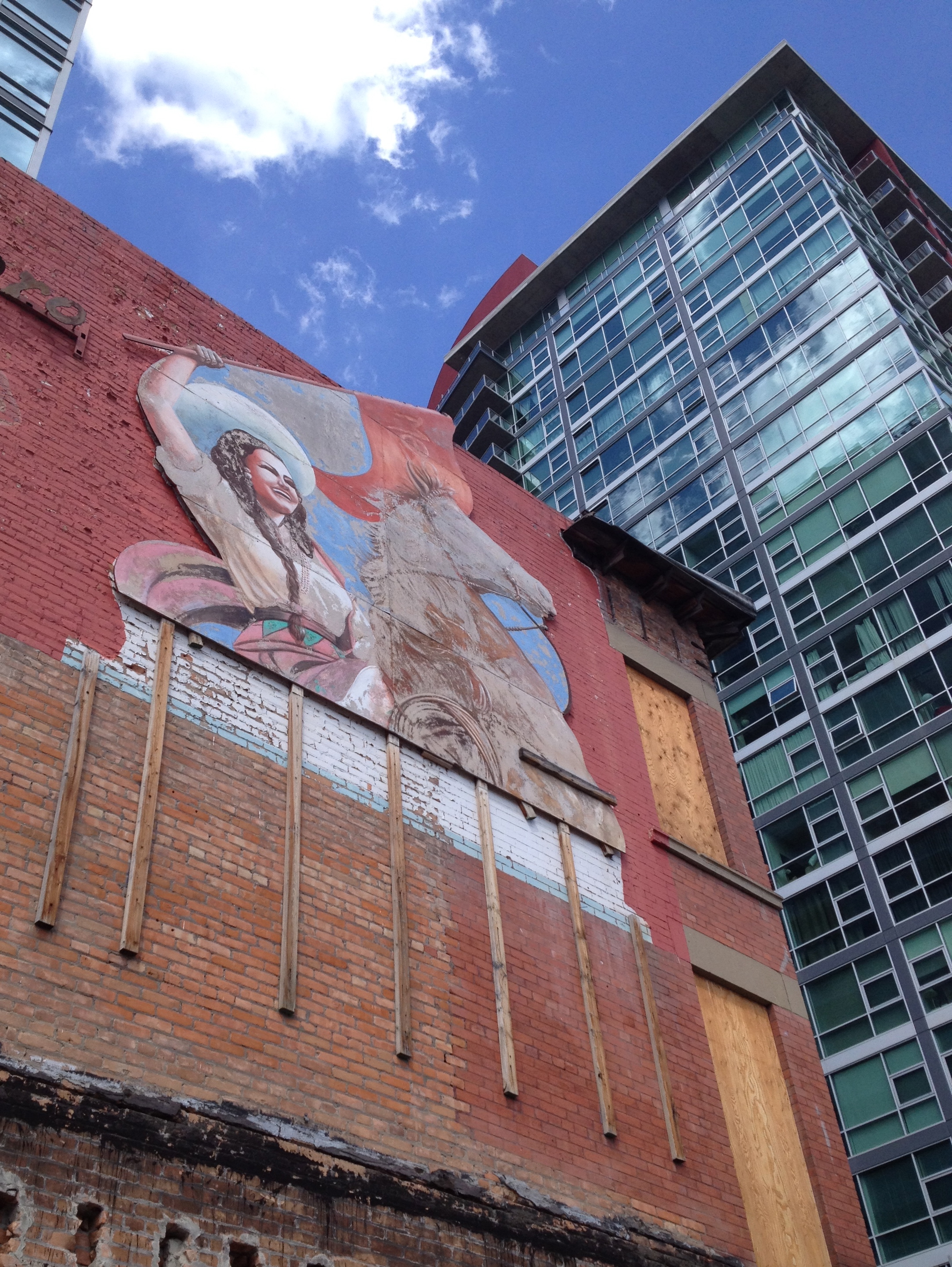
A wooden ‘cowgirl’ sign that has survived, for now.

IMG_2573

The city skyline, looking out from Mount Royal

However, as time passed and I worked into the wee hours of the morning, my mood changed. Yes, I could attest to the colourful mosaic the city embraces due to people here from all over the world.  Absolutely, the restaurants are second to none.  Naturally, the Calgary Stampede attracts people worldwide as does the nearby Banff National Park, and so on and so on.   By the time I finished at 3 a.m., my mood had lifted dramatically.  I pressed the ‘send’ button and the presentation was transmitted to, of all places, Norway. Four days later, I presented to a delightful gentleman from Bergen. With each of us focused on my presentation on a computer screen, I would do my best to convince him that his two year stint in Calgary would be an enjoyable experience.  Of course he was a skier, being Norwegian, how far was Banff?  Yes, he was looking forward to dining out without it costing a small fortune  (no, I wasn’t missing that aspect of Norway!)  And yes he loves cycling and are there bike trails?  ‘Only’ about 800 km. or so I happily assured him.  And so the presentation went well and it helped remind me that there was so much to do in the city. I had to accept where I was, move forward and take advantage of it.

I return to the day after that 3 am. finish.  And this is where serendipity comes into play and how it also helped pull me out of my melancholy state, out of that ‘crisis stage’.

A  ‘wee’ story within…

I decide the next afternoon that I need a walk but don’t get very far.  I’m tired from the 3 a.m night before and still emotionally jaded, so decide to turn back and have a late lunch on 17th Ave.  I make my way to our new ‘local’, 80th and Ivy. Serendipity is a wonderful thing that thankfully seems to present itself at times most needed, for on this particular day, the friendly manager greets me and we chat. Normally, I, (we) sit in the bar but today he suggests I sit in the restaurant. It’s comfortable in a trendy, minimalistic way and it just so happens to be six dollar wine and twelve dollar pizza Tuesday. Perfect, it’s now 3 in the afternoon and I’m looking forward to a glass of Shiraz and a small designer pizza (the pear and gorgonzola is amazing!)

I’m seated at a table for two on a long, leather bench seat that extends to other tables, one of them being where two lively women are sitting.  Once I’ve eaten, I pull out my Moleskin and proceed to write.  As I do so, the chatter and laughter of the two ladies, one empty table down from me, happily pervades  my concentration. They’re infectious and admittedly, I begin to eavesdrop just a little ( please tell me I’m not the only one to have ever done this!)   I notice a colourful gift bag perched on their table. Something is being celebrated and when I hear snippets of a new romance, I’m curious. I look over and the older lady of the two meets my curious glance. She has vibrant eyes, framed by a stylish, short haircut. Her strawberry blonde colouring is similar to mine and I’m soon to discover that her trendy hair style is thanks to the other lady of the dynamic duo.

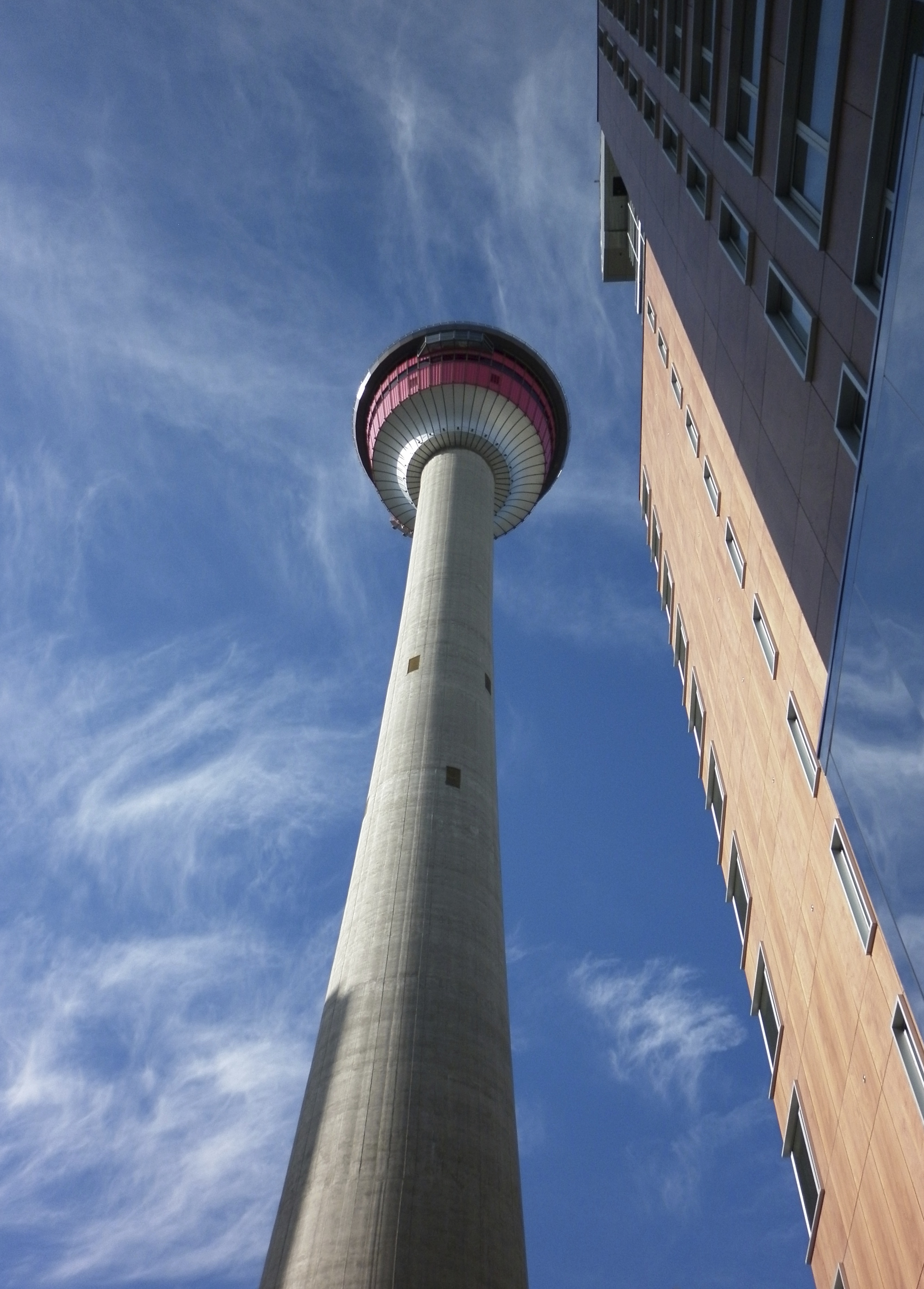
The Calgary Tower

The Calgary Tower

And they will tell me that though they’ve been client and customer for almost twenty-five years, this is the first time they’ve gone out together. That’s clearly a shame as they get along fantastically and I’m soon to join the fray.

Karen and Melissa Jean are intrigued by my story that begins to enfold an hour later. I’m impossibly happy to have met these ladies and I feel comfortable enough to share my ongoing ‘transition blues’.  I’ve now joined their soiree and as it’s already 6p.m., the dinner crowd is making their way to the nearby tables. By our lively chitchat and uproarious laughter, it’s clear we’ve been there awhile. Blame it on the six dollar glasses of wine and the endless stream of stories we all have to tell, but it feels like we’ve known each other longer than a few hours!

Through the trials of cancer and divorce, of retirement and leaving the suburbs, of relocating internationally, of leaving the city to a small town to be with that long lost high school sweetheart (who does look pretty hunky on that little i phone screen), it was one topic after another.   At one point, I suggest to Patricia that her accent is twinged with a note of Scots, ” I should know I’m married to one”, I say.  

“Aye lassie”, she says mischievously, laying on a thick Scottish accent, “I’m originally from the West Coast.”  

80th and Ivy, our 'local' now decorated for the upcoming Stampede

80th and Ivy, our ‘local’ now decorated for the upcoming Stampede

“Small world”, I reply excitedly “that’s where my husband is  from.” And there we go, off on another tangent.

“Terry Anne, you’re a gift from above”, Karen would quip intermittently as the evening wore on and the wine kept flowing.

“No, you two are the gift I needed today. You don’t know how I needed this respite, the laughter and the friendship”.  I tell them genuinely.

“Oh no”, pipe up my new friends, “it was meant to be, it was serendipity!”

As we all live in the same neighbourhood, we walk Melissa Jean a few streets down to her high-rise apartment. She laughs endlessly like a love-struck school girl. In two weeks, she’ll be happily ensconced in a new relationship at 50 something.  A new lease on life through decisions made on her own accord when she faced cancer and decided life was too short to settle for second best. I admired her as she was bold enough to take the plunge to a new life; a sentiment not lost on my ‘supposed hardship’ at the moment.  It brought me to my senses so to speak and I realized I had to make the most of my situation, despite living apart from Bruce.  It was time to ‘turn the page’.

The downtown city lights twinkle behind us, a reminder that the reason we live in an area where you can readily walk and you just might chance upon an afternoon and evening like today. A chance encounter where the joy of women and friendship revitalize a confused soul. The joy of having conversations you didn’t know you’d be having, with people you can’t imagine not having met. Twenty-four hours ago, melancholy had gotten the best of me.  The transition of the move had overshadowed the simple pleasures of being home; I felt the anticipation of not knowing what was around the next corner. As we neared my townhouse and said our goodbyes, Karen promised we’d meet again soon.   Perhaps a monthly ‘Tuesdays at 80th and Ivy’ we both agreed.


And since then, there’s been mostly joy and contentment being here with family and friends in this fair city. Yes there have been some lows on the roller coaster as I coped with some family issues over the months, but I know I needed to be here for those and I’m so thankful that I was. In retrospect, there isn’t any place I would have rather been.  I also had the privilege of being able to hop on a plane and ‘escape’ to visit Bruce in Europe.  What we have found however, is that each time he’s returned here, it’s becoming more difficult to part.  It’s time to live together again and let a new chapter begin.

globally-ranked_peace-bridge

The Peace Bridge designed by Calatrava

I know after spending August in Kimberley, I will again be on a plane.  That old familiar transition stage will start all over again as I move to the ninth country I will have lived in.

This time I’ll be missing Calgary. However, we’ve invested in a modest pied-e-terre that will perhaps become our emotional anchor to the city.  One of our sons will live there, but there’s a ‘wee’ room for us to call our own for when we visit.  And just outside the door are the walking and cycling trails, great places to wine and dine, we’ll be able to hear the Calgary Folk Festival from our balcony, the lights will twinkle on the frozen river and on and on. I truly now appreciate the privilege it is to come from this part of Canada, from this city. I’m grateful to embrace it as my own and hope it will give me the solace I’ll need, for the ‘interesting’ days ahead.


*Calgary was initially referred to as Bow River Fort then named Fort Brisebois by Inspector Ehphem Brisebois. He was the Mountie overseeing the new fort at the confluence of the Bow and Elbow River, during the brutally cold winter of 1875 – 76.  Colonel James Macleod then renamed it Fort Calgary after Calgary Bay on the Isle of Mull in Scotland.


Paris… Iron and Beauty, part one

Standard

On a recent trip to Paris I happened to become a little obsessed.  It wasn’t with the expected landmarks, the chic cafes, or even with the delicate mille-feuille pastries that I enjoyed daily (well just a slight obession with those.)

The graceful , timeless art form of iron

The graceful , timeless art form of iron

No, there’s an element to the city that can possibly be overlooked unless we narrow our gaze and ask; what is it that makes Paris so striking…so beautiful.

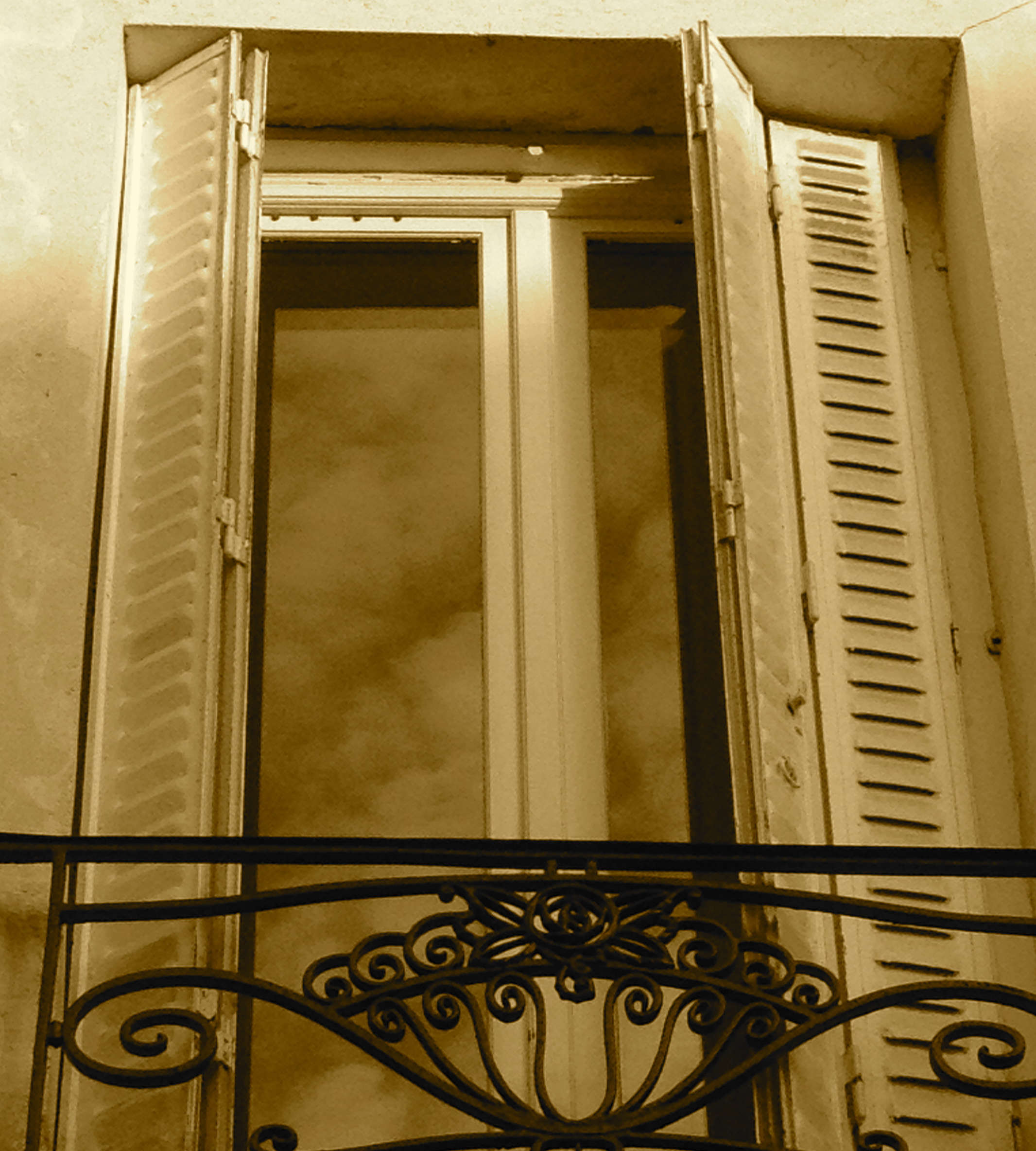
And, it’s everywhere.  Winding and curving in the decorative balconies, stairways and lamp posts. Inhabiting charming doorways, gates and the fanciful Metro signs and entrances.

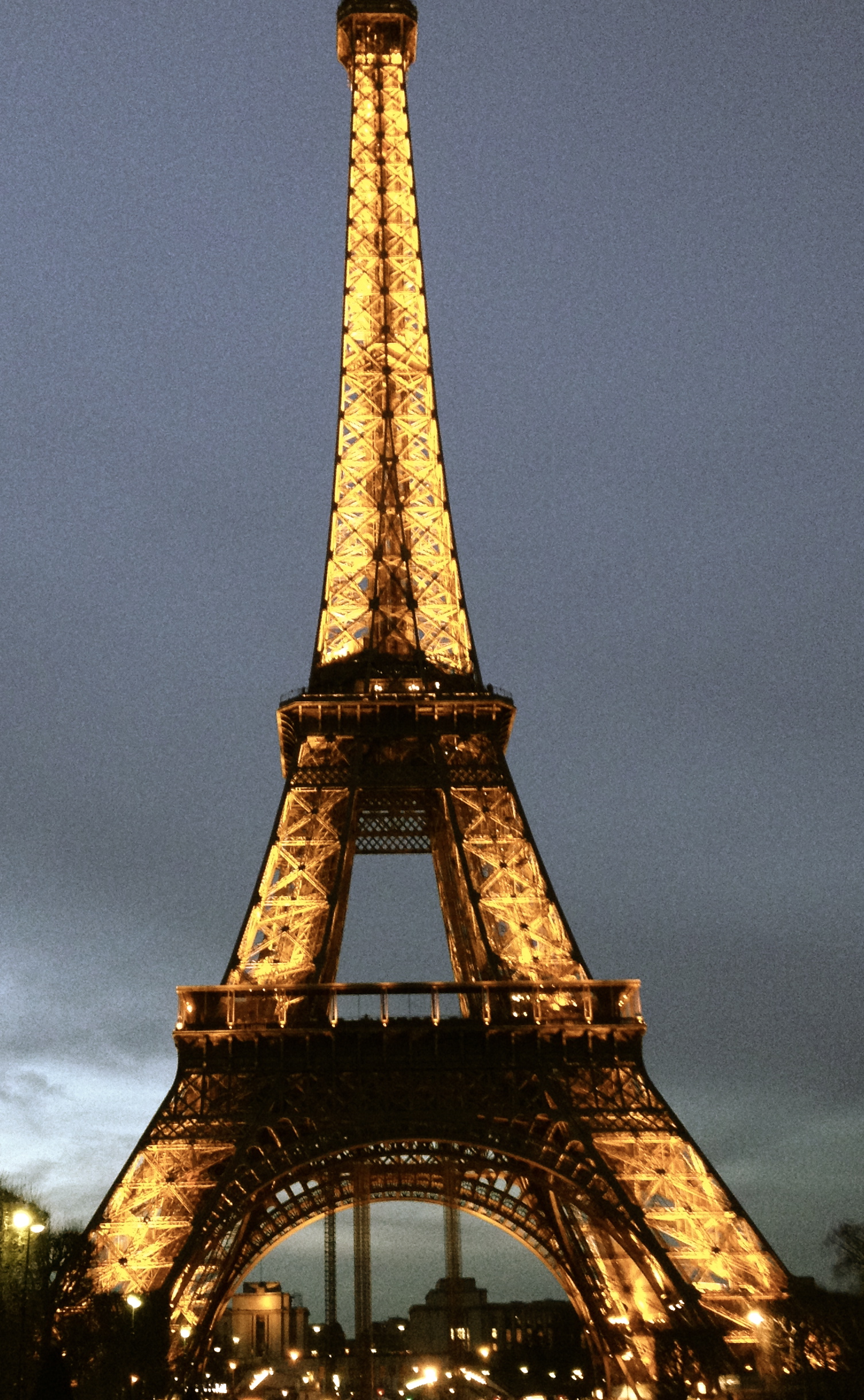
Not to mention, that the iconic Eiffel Tower is also abundant with the material. It stamps its romantic signature on the city; simply, it’s iron.

IMG_1929

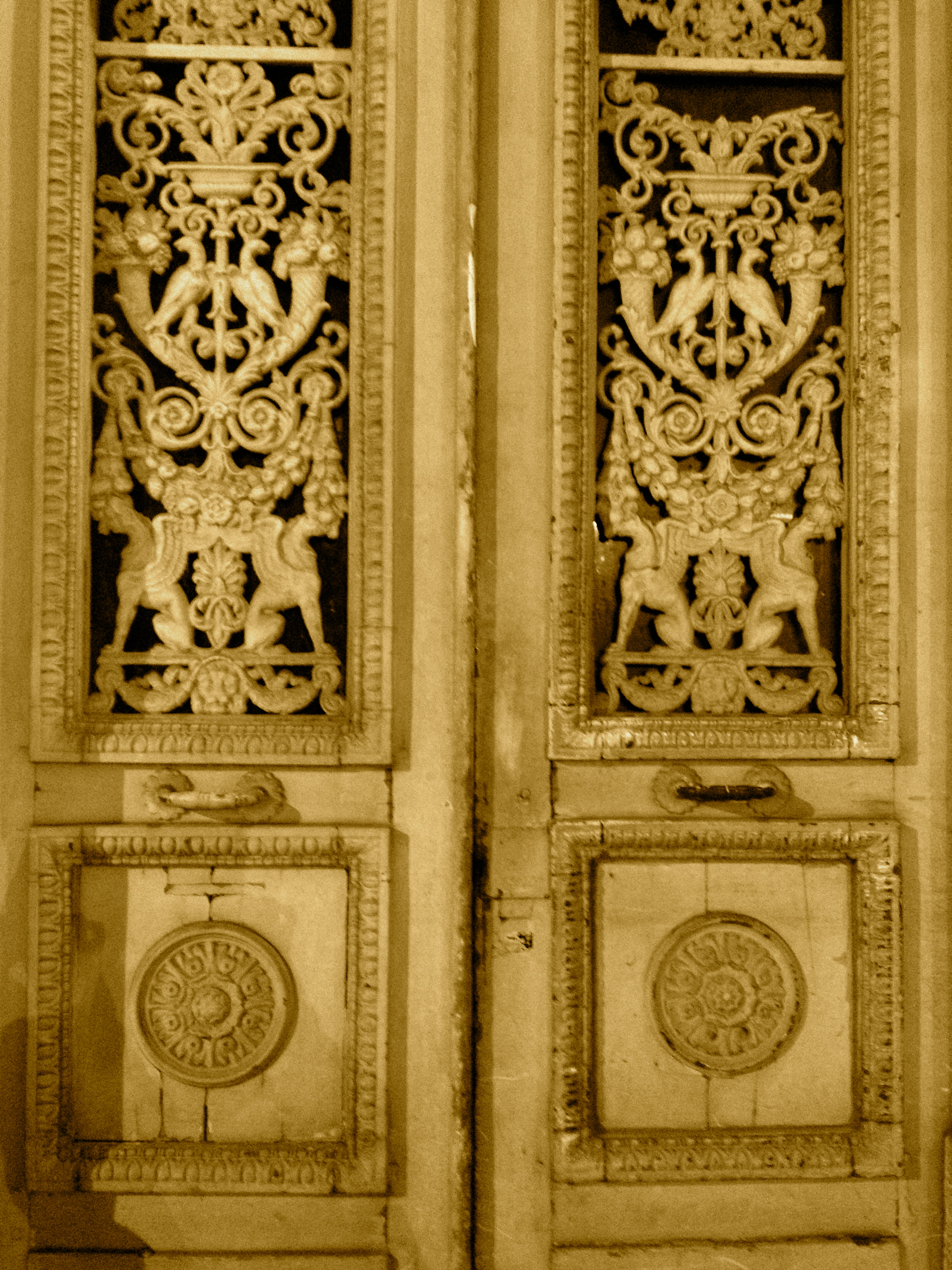
Intricate iron carvings ‘inhabiting’ a wooden door

IMG_2014

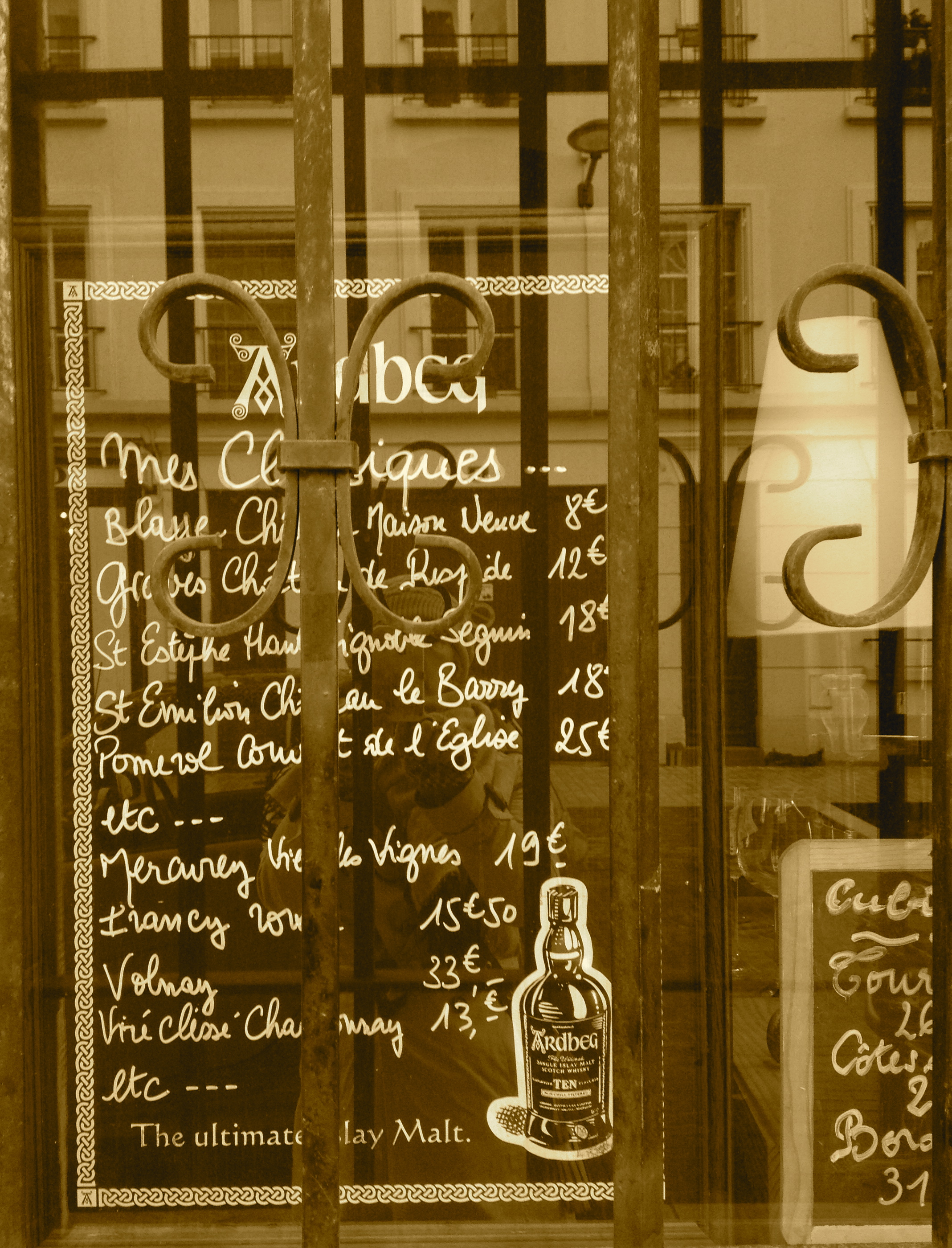
A flourish of iron protects a Parisian cafe

For me, history and architecture are inextricably linked, especially in the case of Paris.  The iron structure that is the Eiffel Tower would not loom over the city, if… The Metro signs that ‘play’ with iron and grace the streets of Paris would not stand if… if the city had not hosted the International Exposition in 1889.   Up until that period, iron had been a coarse, hard material used as far back as 1500 BC for weapons and tools.  After the Middle Ages, it began to appear in doors and windows for protection from raiders and marauders.  Moving forward, prior to the Industrial Revolution, the ‘village smithy’ was a staple of every town. In fact ‘Smith’ is from the German meaning “skilled worker,” which concurs with the high status they enjoyed at the time, a town couldn’t ‘move’ without them.  From the 1500’s onwards, iron became sophisticated and decorative which leads us to Paris in the late 19th century.

IMG_1866

The tower that Eiffel built. All 18,000 iron bars of it and 2.5 million rivets!

As a city hosting the International Exposition, an iconic landmark was needed for the occasion and a design competition was launched.  Gustave Eiffel was awarded the commission and proceeded to design the iron lattice tower for the entrance of the Expo, all 18,000 iron bars of it! It was fiercely maligned by leading artists and intellects of the time.  They loathed it and pointed out that it didn’t do anything; it wasn’t a palace, a burial chamber, or a place of worship.  Eiffel himself had to admit that he mostly wanted to build it for the pleasure and notoriety, even footing 80% of the cost.*  A petition submitted by three hundred leading artists and intellects of the time ensued with the plea, “We, the writers, painters, sculptors, architects and lovers of the beauty of Paris, do protest with all our vigour and all our indignation, in the name of French taste and endangered French art and history, against the useless and monstrous Eiffel Tower!” Understandably,  it must have been an abomination as it towered over majestic landmarks such as the Pantheon and Notre Dame Cathedral which had dominated the skyline since the 1160’s.

Madame Liberty on display at the World Fair

A part of Madame Liberty on display at the World Fair

But alas, despite the outcry, the massive edifice was constructed with record speed. Eiffel had already established himself as a prolific engineer and his resume included the design and construction of the Statue of Liberty (a gift from France), among countless other projects.  The Parisians would eventually warm to the Eiffel Tower, as would the world, which still does to this day.  More than a century later, all that iron and its millions of twinkling lights is the most visited, paid monument in the world.  C’est magnifique!  Monsieur Eiffel would be proud indeed.

IMG_2016

Iron leaves wrap themselves around the one hundred year old sign

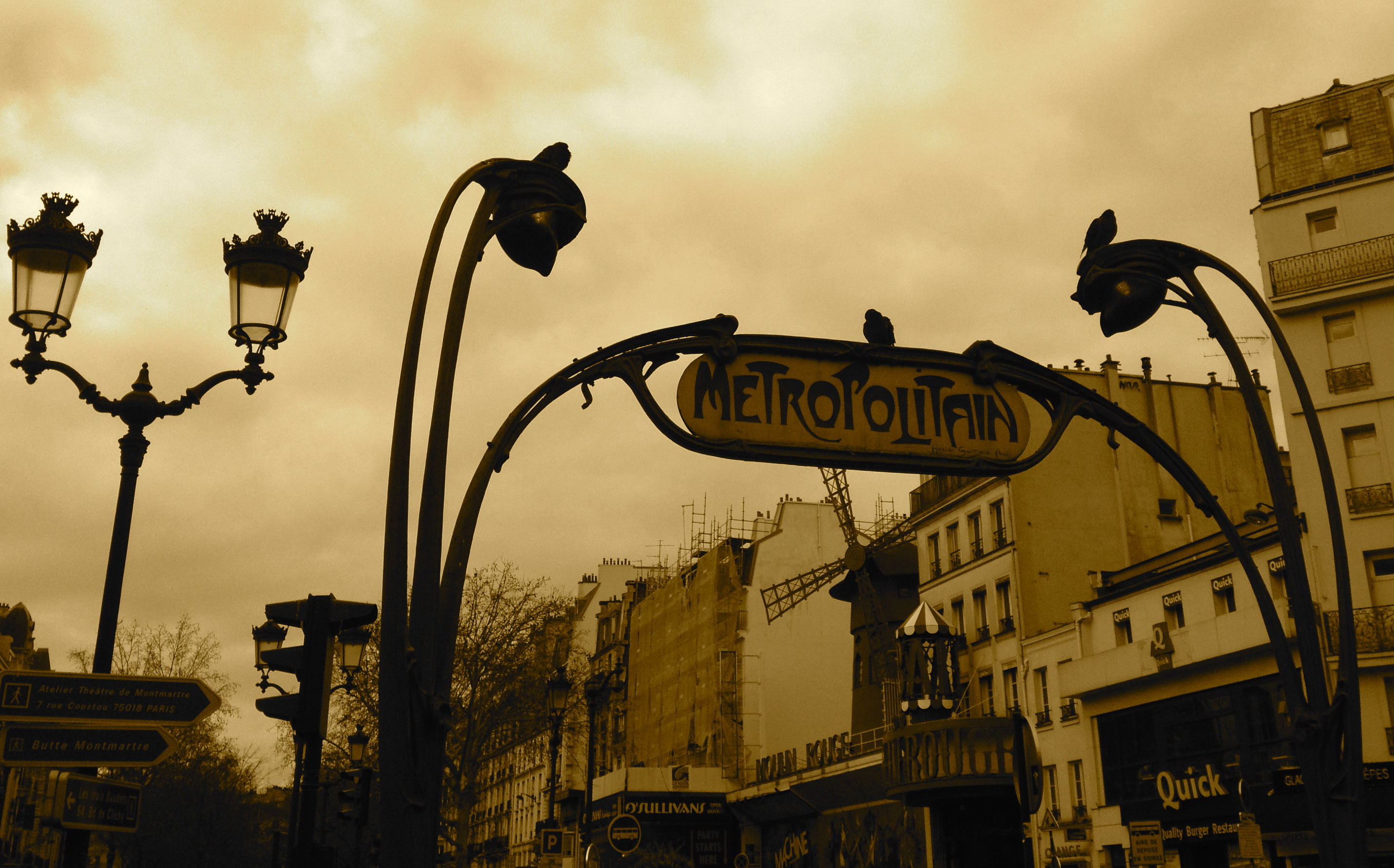
To prepare for the record number of visitors that would soon descend upon Paris for the Exhibition, a maze of underground transportation was planned by the Paris Subway (Métropolitain) Station.  We know it today as the Metro. The Parisian architect and designer Hector Guimard won the commission to not only mark the entrees and sorties to the new Metro, but to positively portray this new mode of transportation to the city folk.   And once again, the Parisians were not amused.

IMG_1901

A stately Metro sign along the Champs Elysees

Initially, they were opposed to the gaping holes in their boulevards that descended to the dark, maze of tracks below.  And they most definitely didn’t appreciate the new Art Nouveau style of the Metro entrances and signs, iron twisting as if to impersonate vines or flowers.  The style was now ‘in vogue’, drawing inspiration from nature and natural forms.  Plant vitality interpreted in abrstract-linear lines. There were also complaints that the freestyle font used in ‘Metropolitian’ was difficult to read.  Guimard certainly would have been offended as it was reportedly his own script that he had used for the ‘flourishing sign’.  How could they have known that eventually there would be people like me who would stand before it and deem it so pleasing, so original.  A pleasant contrast to the stone structures that dominate the Paris landscape.

IMG_2038

The Iconic Metropolitain sign (deemed difficult to read) held between two oracle lamp posts that portray plant stems. Moulin Rouge is in the background.

I can happily declare that on this trip, I mostly mastered the extensive labyrinth of stations, lines and routes that is the Paris Metro.  Along the way, I  adored the Metro signs as I flitted from one stop to the next. From Montmarte to the Seine, from St. Germain to Le Defence, stopping to photograph them as the Parisians rushed past on their daily commutes.  I had time.  Time to appreciate their elaborate designs, fluid despite the iron they’re wrought with.  Whimsical, yet sturdy and reassuring.  They made me smile, and they just so happen to direct more than 4.2 million passengers daily to their destinations. Paris wouldn’t be the same without them.

IMG_2009

A delightful, decorative iron design on a Parisian balcony

And what of those two artisans that elevated iron to a higher level,  Eiffel and Guimard.  We know they left lasting legacies to the city of Paris, but what of their fate?  Eiffel had an illustrious career, eventually making significant contributions in aerodynamics and meterology. He died happily, listening to Beethoven in his lovely Paris mansion.

Guimard however, did not fare as well. He and his Jewish wife fled to New York before the Second World War, perhaps never to again have the pleasure of strolling past his designs that grace many Paris boulevards.  He died in obscurity in New York.

Fortunately, the work of these creative men continue to delight visitors to the ‘city of light’.  Let’s also spare a thought for the unsung heroes that worked in countless foundries, transforming iron into art that adorns a city which one cannot help, but to fall in love with. C’est Paris!

* Bill Bryson sums it up in his entertaining and informative, non fiction book ‘At Home, A Short History of Private Life‘… “Never in history has a structure been more technologically advanced, materially obsolescent and gloriously pointless all at the same time.”

*The Universal Exposition of 1889 was visited by some 28 million visitors. Considering many of them would have travelled by vessels across the ocean, it’s a staggering number.  Attractions included, unbelievably, a ‘Human Zoo’.  I had not realized this had existed.   Also, the Wild West Show was at the Expo, Buffalo Bill and Annie Oakley lassoing their way to notoriety.