We rang in 2026 at our Canadian mountain home, cozy in the snow after a calm and picturesque Christmas. After an early family celebration, we were just three for the holidays – perfect for reading in front of the fireplace, playing games, watching home movies, and failing miserably at an intricate floral puzzle!
On that last day of 2025, I gazed at the twinkling Christmas tree lights, morning coffee in hand, reflecting with gratitude on an eventful year. Thankful for my small design business endeavours with my partner at Studio 1220, for our sparkling home renovation, for the two trips to Europe and for a beautiful summer wedding shared with family and friends from far and wide. I’ve also just closed a five-year chapter as the social media specialist for a local business… it’s finally time to concentrate on my next book project, a travel memoir.
I was privileged to travel to Spain twice last year, yet I was so thankful to return to Scotland in November. A place that was once home and the dramatic country that my husband originally hails from. Rediscovering Scotland felt different this time with more connection and a deeper appreciation for the country that is part heritage to my children. We were primarily there for Bruce’s work project, yet we took the time to wander down well trodden memory lanes and also forge new interesting pathways.
After stays in Edinburgh and Glasgow, we visited our former hometown of Banchory, a long stone’s throw from Aberdeen. Oh, how lovely it was to see our bonniewee home again, still nestled behind a cotoneaster draped wall and the weeping birch that we planted. Memories came flooding back of our young family, the house like a time portal. I could see the boys riding tricycles in the back garden, banging on pots and pans in the kitchen, cuddling up to me as they listened to their favourite bedtime story.
Out of the thirteen homes that we’ve lived in around the world, this one is particularly special as it was the first home of our second son. It’s where we welcomed family and friends into its tartaned wallpaper and matching carpeted embrace. And also into the gorgeous garden where the sound of bagpipes might just drift along up to us. The house became a basecamp to explore from. Perhaps to the Highlands, through lavender, heather-covered hills, to the whiskey distilleries. Their pungent bold aromas soon forgotten after a taste of fine Scotch. Perhaps a trip to Lochness in the hopes of spotting the mythical ‘Nessie’. I can still hear our son Luke’s plaintive cry as he stood at the loch’s edge, ‘Nessie I’m here, where are you?” It has always felt like an incredibly special place to have lived!
Nestled along the River Dee, Banchory is known as the Gateway to Royal Deeside. Queen Victoria and Queen Elizabeth visited their nearby Castle in Balmoral often. Between the 1940’s to 80’s, Banchory became world renowned for its lavender fields, now it’s better known for anglers hoping to catch prized salmon. Our local excursion on a chilly November afternoon wasn’t to fish, but to visit a number of castles, especially Crathes Castle, once a playground for our children. An unexpected snowfall had closed the road to the castle so we wandered through new-fallen snow through the pristine gardens and estate… catching glimpses of Highland Coos and hugging towering cedars – a counterpoint to the admirable topiary hedges of yew flanking the castle. Again in our mind’s eye, we pictured the kids running through the gardens on a summer’s day, the 16th century castle an unlikely yet stunning backdrop.
Memories, so many special memories. We stayed at the storied Banchory Lodge situated on the River Dee. Once a grand home, the reimagined boutique-style hotel is a blend of the historic and the modern. Over dinner and breakfast in front of the crackling fireplace, we took the time to relive and savour those early chapters in our life. We couldn’t have known how many more countries we’d be fortunate enough to live in – at 30 years old Scotland was already our third – and we didn’t yet have an inkling that we would gratefully welcome a third son into our family. Which circles back to the most important event of this year.
Just as Luke and Trixie’s nuptials three years ago in The Philippines were so special, Andrew and Ayla’s summer wedding closer to home was also a blessing and joyous occasion. A most perfect day. Another strong and loving daughter officially added to our family. Two families united, two celebrations between Banff and Kimberley, two events where family and friends mingled and danced the evenings away!
So with gratitude and hope for this year, I wish the same for you dear reader… calm and peacefulness that we all need more than ever.
Thank you for reading and a very Happy New Year, wherever you may be!
Post Script… 10 Things I Love About Scotland
The ‘New Scot’ – the term for new immigrants who are welcomed and encouraged to make the country their new home.
Friendly chit-chats at local pubs.
The deep, rich history that is still palpable and celebrated.
The beauty, from the architecture to the landscapes.
The proud tradition of music, you might even find yourself Scottish dancing in a pub on a Monday evening!
The beautiful heritage of tartan.
The culinary scene, from traditional to fusion to food from other lands… Dishoom Glasgow, Ivy Glasgow, Black Isle Brewery Inverness, The Chester Aberdeen, The Anchor Glasgow, Cafe Andaluz Edinburgh.
Train travel, easy and incredibly picturesque… The Caledonian Sleeper to London is a good option for flights arriving in London.
Museums, galleries and tours… informative and inspiring such as The National Museum of Scotland in Edinburgh, Aberdeen Art Gallery, Glasgow City Chambers Tour, Walking Tours Glasgow.
Hotels I’d recommend… Malmaison Aberdeen, The Address Glasgow, Banchory Lodge, Radisson Blu Edinburgh. AC Hotel by Marriott Inverness.
Early this summer, robins painstakingly formed a nest on our back deck… tiny twigs, sprigs of grass straw and plenty of pine needles weaved into the little home. Soon, three newborns awaited, their beaks endlessly agape, parents nourishing them with garden-sourced worms and unsuspecting bugs. As is nature’s way, a few teal-blue thrush eggs had sadly tumbled out of the nest, their glorious colour adding a striking accent to my garden blooms. I gathered the eggs gently, laying them next to my late father’s impossibly tall and vivacious hollyhocks.
Remembrance hollyhocks
We witnessed the fledglings take their first tentative flights. Then as they chirped away happily in our garden into the cool days of autumn, I mused that they too had a good home to return to. It seemed to reflect our journey of finally claiming our vacation home as our forever home. I find it hard to believe that its been seven years since we departed India and returned from overseas. I recall what I wrote in the late summer of 2018 in my co-authored book Monday Morning Emails, while home one summer. Still living in Bangalore, I was pondering my reluctance to return to Canada, yet always appreciated what this then-vacation home meant to us.
“I write from the deck of our home in beautiful British Columbia. I peer through tall pines out to the ski hill and watch deer munch on my parched grass. I gaze at the lines of our home’s tall timbers… just newly varnished, their knotted wood is rich and strong and stable. Perhaps they represent what this home means to us; warmth and stability. Perhaps this mountain town of Kimberley was meant to anchor our global lives and soothe our often fragile souls.”
As I write this Sunday afternoon with a view to crimson and golden trees, the ski hill beyond is dusted white with early snow. I muse with gratitude for these past twelve months, for the endeavour of re-imagining our Kimberley home to our forever-home. The renovation is complete… another nest that embraces and nurtures life.
The home is now painted a bold black, solar panels gracefully blending in, taking advantage of its south facing position. More landscaping was required as the deck was enlarged with new stairs to access my beloved mountain/covid garden. This ‘outdoor living room’ has already become a vibrant gathering and dining space – a place to savour a good book with a glass of wine, to Happy Hour with laughter and chatter, to gaze out as the robins explore and the deer and neighbours stroll past. As of a few days ago, the garden has been dug up for the season, the palms moved inside, the deck cleared in anticipation of winter… snow shovels stand at the ready!
The BeforeThe Construction & LandscapingThe After
The renovation also included substantial indoor improvements and oh my, how it has changed the way we gather with family and friends. There is more light and life in the house, and I can now fully imagine the pitter-patter one day of our grandchildren’s tiny feet. Yet there is even more to be thankful for as our youngest son married his beautiful bride in the mountain town of Banff this summer. A few days later as we welcomed friends and family to our expanded home and neighbourhood for an After Party celebration, I knew that the decision to return to Canada when we did was the right one. We have sunk our roots even deeper into this vibrant community. We have given ourselves a place that is truly home and with our immediate family also living here, our nest is rich and full.
The view from the new dining room is ever-changing today. The weather is variable.. rain, then snow, then rain again with dashes of sunshine. Another season is on its way, but of autumn? It’s about spectacular colours, about plump pumpkins backdropping family visits. It is ethereal, golden infused walks with our granddog Captain. It’s that first fireside evening with a game of Scrabble… of gratitude for the year that has already been before the anticipation of the Christmas season. However for Bruce and myself, a wee sojourn to Europe is coming up… a little work and play between Scotland and Spain. Stay posted and a warm hello in whichever season you’re reading from!
Post Script… from Bruce
I felt that Terry Anne had left something vital out of her piece on nest-building and I asked her to let me add a footnote.
I like to think that I got on nodding terms with the Robins nesting atop the speakers on our back deck. There was a certain flair to the nest’s construction, with a long sprig of grass lodged jauntily at the edge of the nest. But they are not alone in being prolific nest builders and so I thought to include a small appreciation of one of the best there is.
We have been fortunate to live and work and grow in many countries in the almost three decades of our international life. With no family close by and invariably living in rented or company-provided homes, life could feel a little devoid of that sense of home, and with that, the quality of our lives. But human nest-building instincts run deep and I look back on a life in which Terry Anne has made every space warm and welcoming, and ours in every way.
From our tiny ‘Japanese Mansion’, adorned with little treasures from the temple markets, to the elegant interior of our Dutch row house, the coziness and hygge of our Scottish and Norwegian family homes – she instinctively knew how to bring warmth, style and comfort to our dwellings. She imbued our lives with meaning and memories, anchoring us in our place, creating new roots.
In each new location Terry Anne started from scratch – new place, new schools, new friends, new home – bringing our growing inventory of furnishings and ornaments, the comforting fabric of our lives. In each, she lovingly, painstakingly created a nest, a place of safety and of familiarity. When all else felt new and strange – at times even threatening – she made a place to come home to that made everything okay.
I’ve lost count of how many homes she has created across these fabulous years together, but fifteen sounds about right. So as the glow of fall fades and the flurries of first snows swirl around us, I am ever thankful for my wife, partner in travel, and consummate nest-builder for how she has shaped our lives… one nest at a time.
I first published this in October, 2015, and now on the day of Truth and Reconciliation, it is still as important as ever. This post was part two of my interviews with members of the Ktunaxa Nation.
“My grandmother brought me to the school, it was 1957. We pulled up in a horse and buggy, my brother and sister were already here which helped a little.”
I‘m standing with Gordie at the bottom of the steps that lead to the imposing door of the St.Eugene Mission, once a Residential School. It is easy to imagine the foreboding, the instinctive fear that young Native children like Gordie felt when they entered the school for their first ten month term.
“I was frightened and remember the feeling of resentment towards my grandma. She had helped raise me. It wasn’t until later that I realized she didn’t have a choice but to let me go.”
Gordie is tall and lean, his long greying hair topped by a baseball cap. It’s the tradition of many First Nations to keep their hair long, it’s an extension of their spiritual self.
Having offered to give me a tour and talk about his time at the school, Gordie greets me warmly this cool autumn morning. He’s just finished his shift as the night-time superintendent of the St Eugene Mission Resort. As a student, Gordie lived and breathed this school, his memories are deeply etched. He now walks through it with some measure of peace and acceptance.
From 1912 to 1970, more than 5000 First Nation children were removed from their families to comply with the government assimilation program and brought to this school, one of eighty former schools across Canada. However, its perfect postcard setting in the interior of British Columbia is deceptive.
Refurbished and renewed
“I suppose I was lucky, I was dropped off by a family member. Some kids were left here by Indian Agents, whisked away before their families even knew they were gone.”
Gordie explains the cruel truth that Agents were often paid to ‘round up’ ‘Indian’ children, especially in remote areas. The children were sometimes taken when they ran to a plane that had landed, then spirited away with the promise of a ‘ride’.
“They were given a number, with no consideration of their name, then placed in a Residential School.”
Gordie will tell you that this was by no means the worst of the Residential Schools. The entrance of the former St . Eugene Mission School is now a hotel lobby. It has a welcoming and dignified atmosphere, vastly different than it once was. Solid in their longevity, the red brick walls are invisibly marred with strife and untold hurts. People like Gordie are now willing to tell their story.
“Our hair was chopped off, and from that moment the school did its best to eradicate our language and culture. This is where you waited to be taken away by the nuns to the dormitories.”
‘Indian Hall’, I believe Gordie called it as we begin a tour and conversation that lasts five hours, but felt like just a few. He points to a black and white photo near the front desk. The image shows a group of older girls gathered in front of the school, smiling proudly astride their horses.
Gordie Sebastian with a plaque that pays tribute to his role in the refurbishment of St. Eugene Mission
“Do you know anything about horses?” Gordie asks, pointing to their bridles and saddles. “Does this look like we were poor or wanting? No we had a culture, a life, it was taken away.”
I’m instinctively drawn to the collection of photos in the nearby corridor that I had been so taken with the previous day. Gordie reveals parts of his story through them, bringing the images to life with his narrative.
A seemingly typical school is portrayed; a hockey team, the school band, a choir, children in uniforms seated at their desks.
“It seems like you were involved in a lot of activities?”
“We were. Saturday was hockey, we also had a baseball field,” Gordie tells me.
“Are you in any of these?” I ask as my finger scans over children positioned in front of the school steps. Standing behind the children are a number of priests and nuns, some dressed in black habits, others in white.
“No I usually had some kind of injury when it was time for photos. One time I had a bruise on my eye from a hockey puck so couldn’t be in the photo. It might have looked like I had been hit by one of the staff…”
Gordie is referring to the now well-documented mental, physical and sexual abuse, even death, that students suffered at the hands of the priests and nuns who came from afar to work in these schools.
“I didn’t have as many issues as some. I was from one of the more respected Native families so was usually safe from the abuse of the staff and other students. My dad held some sway.”
Gordie Sebastian comes from a long line of prominent Ktunaxa who owned and bred horses. He points to a photo of a group of men, four sit on their horses. One of them wears a blanket, tucked-in at the waist.
“That’s my great-grandfather, Sabas, Joseph Sebastian. He was a medicine man.”
A medicine man was a highly respected member of an Indian tribe. They were healers or ‘shaman’ who did not believe in bloodshed.
Gordie explains that Sabas and the tribal head at the time, Chief Isadore, believed that no man had the right to erect fences on the Ktunaxa land. This held fast until European and Canadian settlers usurped their ancestral land following the signing of Treaty 7 in 1887. This treaty confined the First Nations peoples to Reserves, where many of the Ktunaxa stil live today.
Gordie gestures to the photo of St. Eugene Mission, the once cluster of tipis and houses around the church where his forebears would have gathered.
Red brick walls
He shows me a detail that had escaped me. A house stands with the top of a tipi sticking out from its roof. Like most First Nations, the Ktunaxa people didn’t adapt well to the confines of a house.
“That’s Indian Pete’s house, set his tipi up in the middle of it.”
In another photo dated 1887, a man dressed in baggy trousers and a waist coat stands in front of the St. Eugene Church. He smiles widely, beside him is a priest. They seem to know each other.
“That’s Father Coccola and Indian Pete. They paid to have the church built. In fact Indian Pete paid our way into heaven,” Gordie says with a chuckle.
Gordie is open and candid as he explains the more serious and devastating impact the Residential Schools have had on generations of First Nations people.
“But I’ve also been told by some people that these were the best of days, away from poverty and their alcoholic parents on the Reserves.” Gordie explains that many parents weren’t well adapted to parenting as they only saw their children during the two-month summer break and perhaps for a few hours once every three weeks. Also many of them had been students themselves; their own wounds ever present.
“My father was a student here, he never told me but I think he had been sexually abused. He always checked us for signs.” Gordie says quietly.
We talk about the Priests and the Nuns whose frequent indifference to their students’ humanity exacted so much pain.
“Some of the priests weren’t that bad, but the nuns were battle-axes. Some of them could teach well enough but they had little or no compassion. Through their actions we were taught hate. It was drilled into our heads that we were useless…little more than savages.”
The healing power of the tipi
Perhaps because of Gordie’s influential family, he reports having pushed the envelope a little further than other students. By the time he was a young teenager, he railed against his situation.
“One time I argued with a nun over a basic fact that she was teaching,” Gordie confided. “Now you know that St. Eugene Mission sits between two mountain ranges, the Rockies and the Purcells. Well she had the two ranges mixed up and I told her so. We argued back and forth, I wasn’t backing down. All of a sudden she hit me and I pushed back.”
Gordie was made to sit in the Priests’ office for the day as punishment. Once he told his side of the story, he wasn’t reprimanded further.
“Did she teach the correct mountain ranges after that,” I ask.
“Oh no, she kept telling us the wrong thing,” he says, making light of the story all these years later.
But not all punishment was that easy. Male students who ran away from the school were often found again by the Indian Agents and returned to the school. For the next two weeks they were forced to dress as girls. As shaming as this would have been, it pales into comparison of other punishments that Gordie leaves untold.
I‘m particularly haunted by his accounts of the tuberculosis outbreaks. Nodding to a photo of a clearly ill student, his head bandaged, he precedes to tell me of the infectious conditions that existed in the school.
“That student had TB, he shouldn’t have been with other students,” Gordie says matter-of-factly. The rate of deaths in the schools from influenza and TB far exceeded that of elsewhere in Canada.
The St. Eugene Mission Resort and Golf Course
Unlike many Residential Schools, only one death occurred here.
“This is her,” Gordie says pointing to a young girl. “She died when snow fell onto her from the roof. It’s good that her relatives have been here. Her name was Anette.”
Late in the interview, Gordie and I have coffee in the former chapel. It’s being readied for a function and we sit at a long table that will soon be set with linen and fine china. I’m told that healing occurs at St. Eugene on a regular basis. As painful as it is, many former students and their families return to confront the hurts of the past.
“The tipi outside is there for a reason. Even as the school was being re-purposed, it was provided for prayers and counselling.”
We glance out towards the tall white canvas. I learn that the poles of a tipi represent the different spiritualities of all people, yet they are bound together as one.
A painting of Elder Mary Paul
“Facing the past is difficult, but it brings peace. Just as Elder Mary Paul gave us the permission to do so.”
Gordie had pointed out the painting of Elder Paul as we entered the lobby. It is with her blessing that the re-construction of this building was undertaken.
We make our way upstairs to the ‘inner sanctuary’ of the school. Now mostly hotel rooms, Gordie points out the areas which were once dormitories, kitchens and mess halls. The rooms of the nuns and priests were close by.
My sense of this building’s history is suddenly very real. I’m shown the place where Gordie’s bed had stood. We look toward the window and beyond, where the road lies.
“At least I was able to look out of the window and see my father or grandfather pass on the road once in a while. Many kids were far, far from home.”
I’m shown where a young boy stood on a precarious ledge while attempting to run away. I see the burn marks from two arson attempts on the school. I become emotional as I contemplate the daunting stairs that girls as young as four had to negotiate in the middle of the night to go to the washroom. I feel their loneliness, the longing for their home, the yearning for a mother’s touch.
“There are 68 stairs,” Gordie tells me. “I should know, it was my job to sweep and scrub them.”
He tells me it was here that a young student was kicked down the stairs by a priest, tumbling helplessly to the bottom. Thankfully he lived.
“One of the workers saw it happen and pinned the priest up against the wall by the throat. He warned him never to hurt a student again,” Gordie recounts. “The next day we noticed that all of the straps had been removed from the classrooms.”
As the students reached their mid teens, I imagine control must have become more difficult. By the time Gordie is this age, one of the ‘Fathers’ uses government money to fund a swimming pool and provide horses for the students. Gordie takes on the role of the ‘horse guy.’
“Finally on Sunday afternoons we were allowed to leave the school premises and ride free on our land.”
I agree with Gordie how important that must have been; that sense of independence and freedom. This also evolved naturally as the older students were sent to a local school to complete their education.
“It didn’t get much better for us. We weren’t Native anymore and we weren’t ‘white’, so we didn’t fit in. We were ‘apples’…white on the inside but red on the outside.”
Gordie was eventually asked to leave his new school over an incident that he didn’t explain. When his father found out, he was also told to leave the house. He was seventeen and on his own. Gordie went north to work in the logging industry.
I don’t hear the entire story of the years between then and now. But I know a number of family members passed away due to alcohol abuse. And I know Gordie is raising the young daughter of a relative who still battles with the trauma of Residential School.
Solace and Peace
I also know that Gordie is one of the good guys. Not only is he helping to heal his own family, but also many of those who walk through the doors of St. Eugene Mission. They seek solace and peace from the past.
We call them mountain towns and nature has spoiled us with these veritable summer playgrounds. Nestled amongst majestic peaks and dazzling crystal-blue lakes and rivers, they’re gateways for hiking, biking, golfing, paddling, and camping. In our case glamping, as it comes with a dose of the glam with Lupin, our beloved Sibley Bell tent. With the car packed full to the gunnels, bikes and canoe strapped on, last month we chose a new mountain town to play in.
We often choose to stay in the heart of towns, in Municipal Campgrounds, as we did with our iconic glamp in Kaslo, near Nelson. In Golden, the choice graced us with a picturesque spot along the Kicking Horse River. Pesky mosquitoes were part of the welcome crew and with our site set up in about an hour, the campfire was soon crackling away, dinner and wine ensued. We savoured the slow unfolding of dusk and with the revelation of night upon us, we marvelled at a thousands stars in the twinkling sky above.
Nestled in the Rocky Mountain Trench, along the confluence of the Columbia and Kicking Horse Rivers, the town of Golden is surrounded by three different mountian ranges and five National Parks. Our camping spot was surrounded by other campers from the tiniest of tents, to grand trailers, to old-school camper trailers. It seemed that all of us – from the many Americans and overseas travellers, to fellow Canadians – were genuinely pleased just to be in the great outdoors, yet with amenities at our fingertips.
Each morning after coffee around the campfire, we’d set off on our bikes to explore the town. With its river running through it, Golden is bestowed with a stunning setting. The Kicking Horse Mountain Resort has an eagle eye’s view in the distance and a long promenade stretches alongside the river. Canada’s longest timber-framed bridge is its anchor.
We chance upon Betty and Lynn out for a mid-morning stroll. “Such a beautiful spot for a morning walk,” I say with a smile. They immediately offer a sincere apologize,” We’re sorry that our mountain is hiding behind the clouds.”
“Oh I know it’s there,” I confirm, “your beloved ski hill is hiding! We’re from Kimberley, another ski hill town.”
“I was raised in Kimberley,” one of the ladies says fondly and from there our conversation flows.
The peaks soon reveal themselves in the unseasonably chilly morning and the ladies happily relate a few local stories of life here in the ’50’s.
“When we first arrived, there were only two telephones in the town and one of them was at my place… well you can imagine the commotion!” They admit the town has greatly changed as it’s now a world-class ski resort and hiking destination.
I‘ve written previously of the Swiss guides who first made Adventure Tourism possible in the area. The Canadian Pacific Railway brought the guides to the area in 1899. Earlier in that century, the renowned fur trader, surveyor and map maker David Thompson was tasked with opening a trading route to the Pacific Northwest. Navigating the vast and treacherous Rocky Mountains, he first travelled to the future site of Golden in 1807. It wasn’t until 1881 that the CPR hired A.B. Rogers to find a rail route through the region. The base camp established for his crew eventually first of the settlement now known as Golden.
The ladies tell me that the town was eventually named Golden. “It had to out-do nearby Silvertown.”
After our chat and a browse through the market, we cycle through the wide streets to the local Museum. It’s charming, full of information, and regals with stories about the original Columbia River Lumber Company which grew the settlement, while also attracting a large hard-working Sikh population. The Museum also pays homeage to Victory gardens, or war gardens, vital during the first World War; utilizing backyards for food, both for personal and the war effort. And of course there is much mention of the vital role those Swiss guides played.
Swiss mountaineers were employed during the summers, returning home to Switzerland over the winter, most over-wintered working as caretakers for the seasonal CPR hotels. Of the fifty-six first ascents of mountains over 3000 metres prior to 1911, no fewer than 50 first ascents were made under the steady hand and sure foot of these experienced men. By 1925, CPR’s 35 Swiss Guides had led more than 250 first ascents in the mountains of western Canada. With no fatalities in their care, and perhaps basking in their reputation as gentlemen and colourful characters, many would bring their families to make their Golden home at the purpose-built Edelweiss Village.
We had visited their home-away-from-home a number of years ago, now it has greatly changed… refurbished, re-imagined and open to guests.
Our bike rides take us out of town, through forested trails, up and down mountains and on the last day to the famed Lake Louise… with a little driving in between. The beautiful drive from Golden to Lake Louise heads east, then south for about one hour through Yoho National Park. Stop at the Spiral Tunnels, the Golden Skybridge, Wapta Falls, Emerald Lake, or the sleepy but gloriously positioned town of Field.
After parking in Lake Louise Village, we biked the former route of the tramway up to the lake – about 10 km both ways. The Tramline Trail leads you to one of Canada’s most breathtaking views. As always people have flocked from around the world to catch a glimpse of its iconic magic.
Back at the campsite on our last evening, a young father strolls past for a pre-bedtime walk with his children. “What a beautiful set-up, a bell tent. I know them well as I was in the military,” he tells me.
We’re used to compliments about our Lupin, she is always the ‘belle of the ball’ at any campsite. Dramatic on the outside, inside she’s cozy and warm. Shadows play on her canvas and the noises of the night may awaken you, but they accompany the scene like a grand outdoors sound track. Even the trains thundering past through the night, just on the other side of the river, weren’t bothersome but a tangible reminder of our vast country and the endless task of moving goods.
The Sibley Bell tent was invented by American military officer Henry Hopkins Sibley. Patented in 1856, the conical design stands about 3.7 metres high, 5.5 metres in diameter and can comfortably house about a dozen men. In our case, the most Lupin has slept is six adults and our grand-dog Captain… cozy indeed!
The waiter places a dish of bacalao – confit of codfish – before me at Casa Grau Bistro. The Valencian creation is dappled with capers, pine nuts, slivered almonds and Javea’s legacy, raisins. “Like a painting,” he says with a wry smile.
As Javea was once an international exporter of raisins, I thought it was fitting to sample some and oh my, what a sublime blend of flavours. The long, leisurely luncheon is made even more enjoyable by Jacob, the Dutch transplant who’s made Javea his hometown for the past thirty-four years. He’s charming and witty, fitting right in with the our group gathered from around the world… The Netherlands, The UK, Canada, Australia and Spain itself.
“There’s just something special here and I could never go back home,” Jacob confides. The lunch has been a lovely ending to the excursion of the old town and as we leave, Jacob reverts to his Dutch culture and gifts me with a ‘three-kiss goodbye.’ “I’ll tell my mother that I’ve met someone from her home province in The Netherlands,” I promise.
Led by my dear friend, Jo Parfitt, publisher, mentor and co-author of Monday Morning Emails, the writing retreat includes these leisurely lunches, dinners and tapas moments… an opportunity to connect with fellow writers. They’re also a chance to sample the local life style in what is said to be one of the prettiest towns along the Costa Blanca. I’ve been to nearby Alicante, yet Javea is known to have a special luminousity of colour and light, a richness of life. My good friend Nikki – author of The Soul’s Compass – and I made the commitment ages ago to attend the retreat; a good excuse to meet again, to be inspired in our writing, and why not, it’s Spain!
Today, our group has meandered from the seaside and sheltered lower bay of Javea, up a gentle inclined road to the historic old town; a labyrinth of historic cobbled streets, pretty tiles on white washed homes and quaint plazas ideal for tapas stops. We are at once delighted by the richness and history of the town.
We meet Josh, our tour guide and Jo’s son, at the Mercato. The bustling indoor market is filled with a local’s favourite Cocteleria, Cocina, Panaderia and all those stalls bursting with earth-hued olives, mossy-green artichokes, cured Iberian ham, oil-bathed pimentos, seafood of every type, and sangria for inspiration! Like Jacob at the bistro, Josh has also settled here and is eager to reveal the history and secrets of his now-hometown.
As we exit the Mercato, across the way is the prominent Church of San Bartolome. Standing since 1304, it’s had time to expand to the fort-like edifice that once protected the locals from marauding Barbary pirates. As the tour begins, the bell tower which once doubled as a watchtower, makes itself known with a deep, rich cascade of bells. Charmingly, the carillon has individual identities too – Victoria, Sebastiana, Bertomeua – and are revered by the locals.
Making our way along narrow streets, Josh points out the many niches embedded high up on building walls. Behind the glass are carved wooden statues of San Sebastian, Javea’s Patron Saint. It was his duty to protect the town against the deadly plague in the middle ages and still today, each street may have its own niche, for prayer, for protection.
We also peek into the Soler Blasco Museum, housed in a magnificent rough stone facade. Built in the mid-1600’s by Antoni Banyuls, once a butler to King Felipe III, my eye is drawn to the Roman amphorea languishing in the lush courtyard. An amphora is a two-handled storage jar that held olive oil, wine, milk or grain; their pointed base allowed them to sit upright in soft ground or sand. I ponder their ages of use as the Romans, Visigoths, the Moors, and now the Spanish have all lived centuries of life on these shores. “Javea is a mongrel casserole, a melting pot, a rich and colourful fusion of history,” Josh tells us. We wander happily, delight in more local history, and I ask him how he had come to live here.
Like Jacob at the restaurant who had shared that he visited here on holiday and never really left, Josh tells me that this was never the place he planned or imagined moving to.
“I was posted here as a journalist to cover the Costa Blanca in English. I’d never even heard of it until I arrived in 2019. Discovering its history, culture and hidden secrets were a by-product of me covering it as a news writer and later as a content writer for local businesses. When I was furloughed during the Covid lockdown, I nearly went back to London to further my journalism career. But then realised, almost by accident, small-town Javea had become a place where I could walk down any street and probably bump into a familiar face. As someone who moved between 5-6 countries as a child, that was the kind of thing I always felt I had missed out on.”
I nod knowingly, so very knowingly. It echoes how my own children felt after being raised globally, moving from one continent to another. In fact, Jo’s and my account of this very specific way of life as expat mothers is the basis for our book, Monday Morning Emails. Like Josh, my three sons had a rich and varied childhood in various countries and cultures, yet they too didn’t have a hometown to call their own.
“Sure Javea is amazing – always a top 10 place in Spain to live.” Josh says. “But for me, it’s a place where I feel part of the community, that’s what has made me stay.”
It’s late afternoon as we stroll back to the seaside and I ponder how life has unfolded for Jo and myself since our book launch in 2018 at her lovely home in The Hague. I was living in India when we began writing emails back and forth, realizing we had so much to share about living a global life. Though time has passed, we’ve been fortunate to see each other in various places since… and now in this lovely spot.
A place where just beyond are shoulders of hills dotted with palm trees and neatly lined grapevines. Where white-washed and mustard-yellow villas of the once merchant families, now contrast with gleaming white and glass of expansive villas nestled in the hillside. Here, where the extraordinary play of light on the sea against the ginger cliffs has long rendered Javea as inspiring… indeed, quite the ideal spot for a writer’s retreat.
Over four days and three evenings, we writers take guidance from Jo and inspiration from each other. We ponder, muse, conjure words and stories. We delight in early morning walks along the seafront, we wine & dine, and share our work. We make new friends and rejoice in simply being with kindred spirits, all the while thankful for being cocooned from life’s daily commitments. Jo has inspired many writers and authors along the way, and as I know myself from my own writing workshops, the real reward is motivating fellow writers to put words to paper.
A quote from one of my participants from a workshop in Slovenia has always stuck with me. “Thank you so much for opening this new door for me. I’ve always known I can write, however, I never imagined that you could turn almost anything into a story. A child’s laugh… a van ride in the Cambodian countryside… my morning coffee… my feelings towards my grandma. You showed me that anything is possible. Can’t wait to create more! ”
And so, we writers also depart with a new zest for storytelling and renewed writing commitments. After the farewells, I decide to remain a few more days instead of going back to Barcelona to finish this Spanish sojourn. I move to the lovely Botanico Boutique Hotel, my balcony open wide to the sea-salt air and the hues of blue sky and sea seemingly melding into one glorious painting. I dip my toes in the cool Mediterranean Sea. I savour and soak up my beloved palm trees. I write some more. I stroll back up to the old town and like magic there’s Jacob. Savouring a repose at the door of Casa Grau, he greets me with three kisses, “Meisje, hoe gaat het?”
As Jo and I have one last chat at my favourite coffee stop overlooking the sea, the conversation meanders to our children. “It’s been so nice to see Josh again,” I tell her, “and how lovely you get to come here to visit!”
She comments on how special it must be for me to have our three children in one place. “It really is,” I agree. “It’s something Bruce and I couldn’t have imagined after so many years overseas. And like your kids Jo, they finally have their hometown, they’ve bloomed where they’ve planted themselves. Luke works virtually as a Communications Expert, Matt works locally in the Trades, and Andrew has a prominent position with our city’s Chamber of Commerce. And then there’s our two special daughters-in-law, even a grand-puppy!”
“So very blessed,” Jo agrees. “Sam is doing well in London and Josh is happy and settled here as you see.” After writing our book, Jo and I were often asked how our kids were, especially by readers who also lived a peripatetic life and could relate to the challenges. We’ve always been thankful that our collective five sons were gracious enough to allow us to share their journeys.
We also have gratitude for a friendship that began at a writing retreat in Tuscany. We reminisce that we once lived as neighbours, side by side for a month in The Hague. We speak fondly of the book project we worked on together in Penang, Malaysia and we share updates of mutual friends from both Families In Global Transition and writing retreats… the blessing of kindred spirits indeed!
With a final hug and a fond farewell, Jo and I part for now. The taxi arrives and I begin the long journey back to Canada… through Alicante, Barcelona, Paris, to Calgary. It’s been a fantastic trip, yet I feel the anticipation of being back in my hometown too.
As I check into the gorgeous Tayko Hotel, one of the friendly staff orientates me with the city. Miquel explains that there’s a fun saying in Seville. “There’s more tapas bars than people,” he quips as he jots down a few of his favourites on the city map. He explains that here in Andalusia, they love humour and exaggeration. Over the next four days, not only will I find my own favourite tapas bar, I’ll notice that the locals absolutely have a certain joy and exuberance for life, a love of music and dance… and then there’s the flamenco!
Seville (seh-VEE-yah) is flamboyant, beautiful, stately yet inviting. ‘A vibrant sangria of civilization,’ to borrow Rick Steve’s apt description. Also, I find it to be a veritable city garden, where luscious oranges and lemons really do dangle from tree-lined bouvelards. The City of Oranges, as it’s known, is also blessed with the tallest of palm trees, vivid bird-of-paradise, parakeets and white doves in abundance, gorgeous white bougainvillea against crinkly cacti, and the jasmine blooms are just beginning to perfume the late March air. Colourful mosaics adorn walls, musicians take their turns on street corners, and the layering of the past… Roman, Moorish and Spanish is an intoxicating palimpset of history.
I‘m delighted to have some warm weather as this trip started in rainy Barcelona. I use ‘I’m’ as this is mostly a trip of solo travel. Other than a lovely two day visit with a friend in Valencia and a writing retreat still to come with friends after Seville, I’m on my own. At breakfast this morning, another solo traveller from the Netherlands and I were discussing the advantages of meandering single. We celebrated the challenge and thrill of navigating and scheduling – thankfully the Spanish train system is efficient – and the satisfaction of arriving where you’d hope to be. Call me old school, yet I prefer a physical map to google – maps of Barcelona, Valencia and Seville are already tatty, marked and ‘souvenirs’.
Solo travel allows for serendipitous encounters, both with other travellers and locals. The Spanish are welcoming with a fascinating, proud culture. As a travel writer, being on my own allows me to observe and explore thoroughly, to fully embrace the history and nuances of a place. I admit by sunset, sitting alone at an outdoor cafe in a plaza thrumming with life can feel a little lonely and yet that’s how I’ve already met so many interesting people on this trip. Taking a local tour is also essential when you’re travelling alone. In Barcelona, I did a paella making course, fantastic and delicious! Here I tour twice in one day, the old town, then the Jewish area which finishes with a group tapas date… insightful, lively and lovely company for an evening.
Speaking of exploring, we know that explorers Amerigo Vespucci and Ferdinand Magellan sailed from this river harbour, discovering new trade routes and abundant sources of cocoa, tobacco, gold and silver. When Spain boomed as a gateway to the New World in the 1500’s, Sevilla also transformed. Yet another great explorer had sailed from nearby even earlier. In 1492, the Italian Christopher Columbus had persuaded the Spanish Monarchs to finance his bold scheme to trade with the East by sailing West.
Yet that’s really more ‘recent’ history. Seville was founded as the Roman city of Hispalis, one of the most important cities in the empire. Nearby Italica was founded in perhaps 200 BC, Trajan and Hadrian called it their hometown. Move forward to 711 AD, and it became Ishbiliyah during the Islamic conquest, then part of the Arab kingdom Taifa of Seville, eventually incorporated to the Crown of Castile in 1248.
Today this rich history is now a UNESCO World Heritage Site known as the old town… the Alcazar palace, the largest Gothic cathedral in the world – once a mosque – and the General Archive of the Indies as its anchors.
I tour the old town which finishes at the grand Plaza de Espana, a Renaissance/neo-Moorish monstrosity, built as a centerpiece for the Ibero-American Exhibition in 1929. Along with the multitude of pavilions and a canal for rowing, 48 alcoves and benches pay tribute to Spain’s provinces. Ensconced in Maria Luisa park, this masterpiece is also a showcase of azulejos, small tiles. Azulejos have been produced in Spain since the 14th century. Later, the bourgeoisie began embellishing their residences to identify their houses and portray their importance and wealth. Today they might also announce a town plaza or place of business; the Cerveceria, the Carnisseria, the Cocina, the Panaderia, the Taberna.
Cultural heritages are still relevant and part of everyday life in Seville and I immerse myself in two of them. One evening I attend my first-ever Flamenco performance at the intimate Casa De La Guitarra. This art form is based on folkloric music from this area, traditionally with performers of both Spanish and gitano heritage. Flamenco music dates back to 1774 and is a UNESCO declared Masterpiece of the Oral and Intangible Heritage of Humanity. The hour long performance is one of the most poignant you could experience.
The small audience waits in anticipation and soon our senses are filled with the evocative, the soulful, the sensual from the guitarist, the singer (cantaora) and the dancer. With fingers flying over his Spanish guitar, the guitarist leads the performance. The cantaora sings and claps the palmas, essential in flamenco music to punctuate and accentuate the song and dance, then carries the mournful, then exuberant tune with the occasional ole to cheer on and praise the dance performance. And of the dancer’s performance, I can hardly do it justice by describing her deep range of emotion, the raw magnetic energy, the machine gun-fire foot work, the grace, the soulful interpretation of the music. The audience is in awe of the three performers and their creation. Indeed, I now understand the poignancy in something I had read, ‘Seville is a place where little girls still dream of becoming a flamenco dancer.’
And of that other deep-rooted cultural tradition, of bullfighting? It’s not yet quite the season here in Seville and I wouldn’t have attended, yet as Miquel had told me back at the hotel, “Half of the population still revere it as a cultural practice, the other not.” And indeed, while some consider it a blood sport, many in Spain define bullfighting as an art form. Seville’s La Maestranze is the oldest bullring in Spain.
Situated within the heart of the city, I pay a small fee to visit apparently one of the world’s most challenging bullrings. For bullfighting aficionados, the history, memorabilia and grandeur of this bullring speaks volumes and is considered an essential visit when in Seville. Construction of the circular ring began in 1749 and has seen many evolutions, today’s seating capacity is 12,000. I wander through the museum, marvelling at the matador’s costumes, the awards and the posters that are works of art unto themselves. When I venture out into the stands, the vast ring before me, I get a small sense of what LaMaestranze must be like during the season… this same sensation as standing in the Roman Colosseum and imagining the roar of the crowds, the excitement, and the misery.
By chance, my go-to bar pays homage to bullfighting with iconic, aged posters and the many regal heads of bulls on display throughout the cozy, historic bar. My new friend, Maria, explains the plaques under each majestic head; the bull’s name, to which matador it lost its life, where and when. They are noble even in death and there’s some relief in knowing they are preserved for posterity.
Located on the gastronomic haven of Mateos Gago Street, just along from the Cathedral, Cerveceria Catedral Bar becomes my once-daily pause for tapas, a glass of white redjo, and just to watch the world go by after a day of discovery. As a solo traveller, don’t be afraid to return to a place where you feel comfortable and welcomed.
“Hola la senora?” Maria says cheerily, “Same, a Verdejo?
I nod, “Si, por favor,” find a seat and plot which delectable tapas I’ll have this fine, late afternoon…
Oh NYC, you are as spectacular as I hoped you would be. Your vibrancy and beauty, your energy and grandeur is intoxicating.
From Soho to East Village, from Greenwich to Chelsea, Harlem, Brooklyn, the Upper East Side to Central Park, we wandered endlessly from our Midtown Manhattan hotel. Chilly, crisp days of discovery and delightful marvel… from the grand iconic skyscrapers and venerable architecture, to the intimacy of brownstone townhouses and stamp-sized courtyards. From your Dutch West India Company Fort, a few windmills and men with lofty dreams, you grew to the enclave of New Amsterdam. The local Lenape peoples had called you Manna Hata, Island of the Hills.
Governor Stuyvesant soon arrived, bringing order to your unruly colony. Tobacco, beaver pelts, sugar and slaves now passing through your shores. Yet even as wealth ensued, you fell to the British in 1664 with little opposition – your new name, a tribute to the English Duke of York.
After revolutionary war and ravaging fires, the world began arriving on your shores. Soon, the juxtaposition of poor crowded neighbourhoods, with the elegance of mansions of the wealthy merchant classes would start to shape your burgeoning enclave. Many of your iconic, grand structures are from this Gilded Age, the late 1800’s. And then with their many newcomers, you welcomed Brooklyn, Queens, Staten Island and the Bronx into your fold to become the diverse, exuberant, city-that-never-sleeps of today.
We ferried past that welcoming symbol of freedom and liberty. When she arrived from France in 350 pieces, the Statue of Liberty wouldn’t know the enduring beacon of hope she symbolizes in New York Harbour still today. It’s believed that forty percent of Americans can trace their arrival on the continent from Ellis Island.
NYC you are familiar in our minds even without having visited. The movies, the TV shows, the music, and once you’re here it all falls into place.
The expansiveness of Grand Central Park, a lush bucolic retreat from the hectic streets.
A stroll across the 1883 Brooklyn Bridge and through its iconic Gothic arches… Manhattan’s sweeping skyline seemingly at your fingertips.
The dazzling Times Square in Midtown, the most visited place globally with 360,000 pedestrians visitors daily.
Museum Mile nestled amongst the elegant Beaux-Arts mansions flanking the Upper East side.
The salmon-hued and wide stoops of Harlem townhouses, nestled along storied leafy streets.
The beloved New York Public Library with its lavish architecture and vast Rose Reading Room… stretching two blocks with just seven million volumes to indulge in.
Cuisines from around the world, and that American icon of NYC pizza as well!
The spectacle of Broadway shows in breathtaking theatres, many now designated Historic Landmarks.
The evocative steam stacks erupting on busy streets – the largest such steam system in the world.
The opportunity to remember and honour at the National September 11 Memorial & Museum site.
And of course the friendly, hospitable people in your rich, and diverse metropolis. Thank you NYC, you are a true gem…
If You Visit…
The Guggenheim Museum is a great alternative to the more expansive museums and part of the experience is the building itself. Designed by Frank Lloyd Wright it is a masterpiece, like many of the old Masters that you’ll see.
Close by on Museum Row is The Neue Galerie New York, showcasing Gvstav Klimt and other Austrian Masters. Housed in a designated landmark building, once the home of society doyenne, Mrs. C. Vanderbilt III.
New York Public Library is an essential experience with its own fascinating museum and grand sweeping architecture.
The ferry tour with Starship NYC is an insightful 90 minute tour of the Harbour, Statue of Liberty and a cruise under the Brookyln Bridge. The commentary is informative and entertaining.
Purchase a $35 bus and subway pass and traverse the entire city – easy, safe and a chance to be part of everyday NYC life.
Stroll the picturesque High Line, the former railway is now an elevated green walking space with dramatic city views. Finish with a cocktail at the iconic The HotelChelsea.
Admire the intricately designed cast-iron facades in SoHo and Tribeca. SoHo stands for ‘South of Houston Street’ and Tribeca for ‘Triangle Below Canal Street’.
My information for this trip was the excellent guide book, NEW YORK CITY by DK, 2025.
A few of our favourite restaurant finds…
Buvette Gastrotheque in Greenwich Village for that special night out. Sit at the bar to enjoy the action unfold.
Cafe Gitane, Mott Street, East Village. Casual but cozy in a lovely neighbourhood.
5 NapkinBurger in Hell’s Kitchen for burgers and cocktails in a cool, diner vibe… our veg burger was great.
Eataly NYC Flatiron, a vibrant Italian marketplace with an array of eateries. Also a good excuse to see the iconic Flatiron building in the Gramercy District if you haven’t already done so.
Our two week sojourn in this charming city comes to an end on a gorgeous, sun-filled evening… just the serendipitous way it was meant to. After strolling the city walls one last time, Bruce urges me to climb the Guinigi Tower with him, that one historic icon of the city we’ve left unexplored. But I’m exhausted. My legs have carried me along myriad streets over the past three weeks, up endless stairs and hills – Rome, the Amalfi Coast, Pompeii, Perugia, Lucca – and I simply can’t move another step. “You go ahead, I’ll perch myself right here,” motioning to a stone bench set into the walls of the Palazzo Guinigi. As was often the case in the grand palazzi of the 13th and 14th century, benches lined one side of the expansive home, a place for visitors to wait or for the common folk to linger. I eye the bar across the narrow Via Sant’ Andrea – seeing others happily enjoying a cocktail. “I’ll be right here on my ancient ‘bar seat’ with a glass of wine. Enjoy the view up there!”
As the hour passes, I count my blessings for the unexpected treasure that is Lucca. I had twice been here but only briefly, and choosing Lucca (and later Cortona) for the first of our leisurely two-week stints has been a wonderful revelation. Lucca’s compact inner city, inhabited for over two-thousand years and still fully embraced by impressive ancient walls, is rich in culture, history and beauty. With its original Roman street layout, this once silk producing capital of Europe beguiles visitors with intriguing scenes around every corner… countless piazzas, ninety-nine churches and vibrant cafes.
The intact Medieval wall encircles the city. Topped by a broad pathway flanked by elderly trees, it offers four kilometres of cycling or walking and the views are superb. When we arrived two weeks ago, the soaring Sycamores were readying to unfurl their canopies. Now, spring is announced by their baby-green leaves, the heavenly scent of wisteria and the already lush rhododendrons blooming along the stone walls.
Bruce is back down from the quaintly tree-topped Guinigi Tower and orders a beer. “Quite the view in every direction, I could even see the marble mountains near Carara.” The Guinigi family clearly had the best view in town, as would have been expected of one of the most prominent families in Lucca. From the 1200’s onwards, noble and wealthy families in Tuscany built impressive urban tower houses, part palazzo and part stronghold… signs of power and economic prosperity. From these palatial perches, they were able to play a greater part in running the ‘commune’ of Lucca, one of the prominent city states of Tuscany. Only nine towers remain in Lucca today, yet as many as 250 defensive tower houses once framed the skyline. With narrow via and narrower still vicoli, and at times hemmed in by towers and four-storied buildings, Lucca can feel a little closed in at times. Yet there is always sunshine to be found in the piazzas!
I fall head over heels with the multitude of piazzas, piazzales and piazzettas – from grand squares, to not quite square-shaped squares to little postage-stamp corners that might be no more than the broadening of a street, marked by a tree or an ornate fountain. Let me take you to a few that became dear to me, for it’s here that the stories of lovely Lucca tend to reveal themselves.
Piazza San Michele
This is the beating heart and the crossroads of the city, where life swirls around you at any time of day. I have the feeling that writers over the centuries have claimed their favourite spot at one of the corner cafes on this massive square, for me it’s Caffe Casoli. Dal 1880 is indicated on its frontage – it’s been here awhile – but might still be considered a young upstart in this ancient town. From my usual perch, a wrought iron chair at the tiny round linen-decked table, I jot notes and observe. The square surrounds the Church of Saint Michele before me. Children kick a football, others play tag, parents chat and people of all ages settle themselves against the massive wall to savour their gelatos. Like many, I gaze up in admiration.
The great Church of Saint Michele was built over the ancient Roman forum – the Etruscans were here before that – with the church first mentioned in 795. In the middle ages it was a place of pilgrimage with a hospital nearby to care for pilgrims passing through on the Via Francigena. This ancient road ran from Canterbury in England, through France, Spain, Switzerland, and onward to Rome. Or if you were making the ultimate Christian pilgrimage, further yet to Apulia where ports of embarkation sailed you off to the Holy Land. Lucca was on this pilgrimage trail, just before Siena and Rome, yet the pilgrim road wasn’t only about the destination. The route facilitated an exchange of ideas, goods and trade in the 12 and 1300’s.
In the Middle Ages, rivalry between neighbouring towns was intense with churches being bragging pieces. From my vantage point, the facade of San Michele is a spectacular projection of power and a fine example of Tuscan architecture. I marvel at the 12 ft high statue of the Archangel Michael watching over his city, angels by his side trumpeting victory over sin. I love the horizontal stripes of muted whites, grey and green marble that define this and most of the churches in Lucca.
On the left side of the square, the elegant old family palaces – palazzi – still add grandeur to the setting. And to my left at the corner of Via Roma and Via Beccheria, is the intersection I never tire of. The Lucchese are in constant motion – bike riders, dog walkers, shoppers coming from the Farmacia, the Enoteca. Going about their day with so many visitors to contend with, at times I sense the occasional annoyance with the crowds, yet as always there is a certain style and grace as they live their daily life. And they never seem too busy to slow down and catch up with their friends along the street. Lucchese know the art of mingling and good conversation!
Piazza Cittadella
I‘m sitting at Madama Butterfly Caffe for a leisurely lunch as groups of tourists wander along and pose with the stately bronze statue of Giacomo Puccini. Once home to the celebrated composer, the cozy square is infused with hues of lemony yellows and ochres, white and faded green shutters and cafes aptly named after Puccini’s famous operas. After visiting the Puccini museum in the once family home, I understand Lucca’s pride in this dynasty of five generations of composers. The last, Giacomo, and his celebrated works that include Madame Butterfly, Tosca, La Boheme and Turandot, are interwoven into Lucca’s identity. From cafes and souvenirs, to impromptu recitals and evening operatic performances, Puccini is part of the experience of the city. Puccini, who passed away in 1924, would undoubtedly be thrilled to know that on evening after evening, people from around the world revel in the heavenly operatic performances of his masterful works… fantastic, assolutamente fantastico!
Piazza San Martino
“When’s the last time you came across a postcard cart?” I muse to Bruce as we wander into Piazza San Martino. “How terrific, it reminds me of my first time in Italy!”
The tiny shop on wheels is wonderfully incongrous against the luminous, grand Cathedral of San Martino. Postcards and guide books line the cart, leaving just enough space for the friendly seller to climb off and on the bike buried beneath his wares. Originally from Venezuela, Arron tells me he’s been selling here for some 25 years. I meet his dog Pongo who lies patiently in the shade of the cart. Periodically his master jumps on his e-scooter and they zip through the piazza for a quick ‘walk’ between customers. After our chat, Arron calls out a ‘Ciao bella,’ to me and thereafter each time I visit the square. I feel like there should be a postcard of him, Pongo and his timeless tiny shop!
Bruce and I go back a few times to gaze up at the Cathedral. We stare in wonder ; su, su, su – up, up, up – at the imposing, almost impossible ediface and tower. The 700’s were years of growth for Lucca – surrounding buildings were torn down to make space for the church and piazza. The creativity and the intricacy of the carvings on the facade of the church are every bit as outstanding as the chapel’s interiors and priceless works of art.
On a fine Sunday morning, the Cathedral becomes the backdrop for a celebration dear to the Lucchese. Each spring, they pay homage to their liberation from those pesky Pisans as the city honours the 1369 liberty of Emperor Charles IV exchanging Lucca to Pisa for a large sum of money… La Festa della Liberazione – Liberation Day. Lucca fought hard to maintain its continued independence from Pisa and Florence. These days Pisa is just a mere twenty minutes by train over the hills, one of my favourite Tuscan cities.
The costumes, musicians, and flag throwing is resplendent, evoking celebrations of the Middle Ages. Flags are sent spinning up into the air, are caught and tossed again. Four flags are handled at once to the huge appreciation and applause of the crowd. This craft dates back to medieval guilds in many European countries when a guild’s banner or flag was considered a symbol of purity. Best not to let it touch the ground or fall into enemy hands! As I crouch down to take video, a local asks me where I’m from, pleased that I’m witnessing the event. She wants me to know the importance of it all. I playfully ask if there’s still a rivalry between Lucca and Pisa? “Allora, maybe only in football,” she says with a wink.
Piazza San Frediano
This piazza becomes our ‘home square’. Just a stone’s throw from our apartment on Via Fillungo, there seems never to be a dull moment; whether during our strolls, cutting through the square to the nearby streets or while enjoying a glass of local Vermentino to the strains of musicians. Anchoring it all is the golden mosaic adorning the Roman Basilica of San Frediano. An Irish bishop in Lucca built a church on this spot in the early 500’s, yet the present day appearance is more an 1100’s version of Roman simplicity. It’s less grand than others, yet has a welcoming feel. I’m intrigued to hear the story of the church’s patron saint, Santa Zita.
Zita entered domestic service at the age of twelve, serving a prominent silk merchant family for almost fifty years. She was known for doing ordinary things well and for her kindness and generosity to the poor. It’s said that a star appeared above the bedroom attic at the moment of her death at sixty years old. After 150 miracles had been attributed to Zita’s intercession she was recognized by the church and canonnized in 1696. Guilds were established in her honour and still today on April 27th, families bake a loaf of bread and gather in celebration of Saint Zita. I notice that she’s portrayed with a bundle of keys and is the saint to invoke if indeed you’ve lost yours. Not possible for us – the iron key to our ancient accommodation is the size of a serving spoon!
Spending time in this square feels quintessentially Lucca, especially when beautiful melodies float this way from the nearby Music Conservatory. People stroll through on passeggiata while the bells toll their pleasant sonorous melody. ‘Meet me in the piazza’ becomes the phrase I say to Bruce if I’ve gone out and we plan to meet later for appertivo. He’ll know where to find me. And so we meet, we sit, we listen, we sip… late afternoon fades into evening.
When I started ‘notes’, I wouldn’t have known that last week on the tenth anniversary of that first post, I’d be in the Eternal City of Rome. It seems almost too perfect a full circle; after all, it was here in Italy that my passion for travelling was first kindled. I’ve returned often since that first trip in the late ’80’s, yet this visit is more of a sojourn. Over these seven weeks, we’ll not only travel but situate ourselves in small Italian cities to gain a sense of actually ‘living’ here and embracing that dolce vita!
If you’ve followed along on ‘notes’ you’ll know that after thirty years of life overseas, we’ve settled in the beautiful Canadian mountain town of Kimberley in British Columbia. We have our children around us, we’re part of the community and Bruce and I are both working on projects that we love. And yet for us, travelling and journeying together is part of our ongoing story.
I opened my blog recently to a ‘Ten Year Congratulations’ message from WordPress, making me smile widely. Yes I wish I had written more often, yet I’m thankful that I’ve captured the essence of many travels and experiences. It’s also heartwarming to know that in 155 countries, people have taken the time to read my stories and I consider it an absolute honour to perhaps have made the world a smaller and more colourful place in my own little way. I’ve shared posts from Kazakhstan to Norway, from Malta to India and so many more in between. On this tenth anniversary, I’m especially thankful for my husband/travel partner for the inspiration that encourages me to research, wander, explore and then write.
Before arriving in Rome, I received a message from Bruce who was working and travelling in Scotland. “Can’t wait for our first passeggiata in Rome sweetheart!’ This seemingly simple statement sums up so much as we both anticipated that first early evening stroll along cobblestoned strade, that Italian tradition of ambling leisurely to the piazza and watching life play out against the avenues and architecture that we have come to love. And so this milestone is really an ode to my travel partner. The one who carries that extra bag for me, navigates the train schedules, figures out the best route to hotels. The one who waits patiently or joins me as I meander down yet ‘one more side street.’ That once travel boyfriend who I’ve travelled through life with hand in hand while working and raising children… and to have the great fortune to experience life in many places. And through those experiences and this continued traveling life, we’re ever thankful for this precious gift of time together.
So this post is a short missive, an ode to embracing travel and the life experiences that it encourages. And most of all it’s a heartfelt grazie mille to Bruce – my forever partner-in wandering – see you in the piazza!
I leave you with a piece I wrote on Monday Morning Emails the last time we were in Italy together…
This past month, while away on a month-long trip through Italy and Slovenia, a dear friend messaged me.
“How is it that you have so many clothes with you? Following your social media pics, it seems you always have the right thing to wear,” Gillian wrote. “A friend and I have a question – do you travel with a suitcase or only a carry on? The bet is on!”
I practically laughed out loud when I read it. Oh how I wish I could stroll onto a plane with just a sleek carry-on and a handbag… if only! But no, this traveller goes prepared; a selection of shoes, a good clutch of scarves, some basics of course, but also outfits I might only wear once as was the case for the writer’s retreat, the main pretext for this trip. Naturally it was all too much and I regretted over-packing, yet again.
Was it because I knew that in the back of my mind my porter, aka my travel companion of thirty years, was joining me? He does often joke that the sole reason he meets me, wherever I might roam, is to help carry my bags home. And it seems, this trip was no different.
After the writer’s retreat, we agreed to rendezvous in Florence before making our way north and onwards to Slovenia. Checking into a rather stately hotel, was it not confirmed that my beloved Bruce is surely my very own personal porter?
Let me back up. After fleeing an Air B n B (a veritable ‘subterranean cavern’) that he had inadvertently booked for our reunion (accommodation is usually my department), we arrived at that lovely hotel on one of Florence’s prettiest streets.
But no, we didn’t glide into the lobby as if we belonged there. It was more a barrage of luggage, backpacks and two overheated travellers. We had rattled our way from one end of town to the other, the clatter of my luggage causing an obnoxious racket on ancient cobblestone streets. Did I imagine looks of disdain as the locals enjoyed their la passeggiata, their evening stroll?
But allora, then, we present ourselves at the hotel.
“Checking in for Wilson,” I say to the perfectly coiffed, attractive lady behind the sleek check-in desk, all the while attempting graceful dabs at my ‘glowing’ forehead. The silk scarf looped around my neck has come in handy indeed!
Bruce is standing off to the side, laden with two backpacks, my overstuffed suitcase and my shiny new leather grip-bag that I seemingly could not leave Pisa without. I glance over and smile at my travel companion, the one I’ve logged a ‘million’ miles, but the not so-romantic-image of the porters at Indian train stations suddenly pop into my mind – all he’s missing is yet another bag perched precariously on his handsome head.
“Yes, checking in… with my porter,” comes out of my mouth. It seems I’ve attempted a joke.
“But madam,” the lady replies matter of factly, “you’ve only booked for two.”
She surveys Bruce with a wry glance. Yes, she’s truly under the impression that indeed he is my porter and that apparently, my true romeo will appear at any moment. Perhaps he’s out front, parking the Maserati or the Lamborghini.
“Oh no, no, no,” I clarify. “He isn’t my porter, this is Mr. Wilson,” and hand over our passports as proof.
“Ah, va bene. Good then. Do you need help carrying the bags to your room Mr. Wilson?”
“Oh no,” my intrepid companion says with a grin, “I’ve got this!”
One last thing about that beautiful new leather bag. Surely it is part of a fervent plan. On my next trip, I will glide onto a plane with it and it alone… oh one can but dream!
They flutter and wave gently in the breeze; evocative, colourful and providing just that little hint of shade and shadow. Called papel picado (perforated paper) this traditional Mexican decorative craft instantly charms and intrigues me. Throughout our eleven days on the Pacific coast I encounter these small celebrations of shape and design everywhere, often themed to reflect some aspect of the town. Celebrated for their cultural significance, they are also much beloved… even notable papel picado artists are a living cultural heritage, their work often displayed in prominent museums.
Papel picado feels like a natural complement to the vibrance of Mexican life, along with the buildings in rainbow hues, the vivacious flowers and lush tropical greens. In early Mexico, the Aztec used mulberry and fig tree bark to make a rough paper called amate, then chiseled figures into it, eventually evolving into this perforated art form. Artisans usually layer 40 to 50 layers of tissue paper and punch intricate designs using atype of chisel called a fierrito. Nowadays, most in public spaces are made of plastic yet the concept continues as I see umbrellas and crocheted pieces of yarn working the same magic as traditional papel picado... so delightful!
Puerta Vallarta
To kick off our trip, we choose Puerta Vallarta’s bustling Romantica Zone for four nights. From our older but well-situated hotel on the beach, we explore the many areas of Vallarta by foot. The city stretches along the coast, nestled between gentle verdant hills and the constant crash of Pacific Ocean waves.
We find fantastic restaurants to indulge ourselves, from the simple and authentic to the touristic and pricey… and absolutely, sampling guacamole and salsa become almost a twice-daily ritual! We enjoy live music, stroll the Malecon, attend an Art Walk, and I fill my suitcase with a few artisanal pieces. And of course, we simply spend a little time on the beach and revel in the exquisite sunsets.
On day three, we escape the city and hop on the bus at Station 3; the bus system is efficient and costs just a handful of pesos. As the lumbering bus snakes its way south along the coast, we drive past Boca De Tomatlan and the village of Mismaloya where the movie The Night of the Iguana was filmed in 1964. Starring Richard Burton and Ava Gardner – spiced up by the frequent visits of Elizabeth Taylor with whom Burton was having an affair – the extensive coverage helped catapult Vallarta into the tourist destination it is today.
This large bay had once helped protect the cargo ships sailing the galleon trade route to the Philippines which started in the mid 1500’s. Banderas Bay and the area was eventually a hub for silver mining and palm oil production, yet from the mid 1800’s local vacationers pre-empted todays tourists and enjoyed the endless beaches, many now dotted with resorts. As we alight from the bus at our destination, Vallarta Botanical Garden, we arrive at a magical space. At once, a feeling of serenity envelopes me as the explosion of unique plants and birdsong welcomes us.
The Botanical Garden has been a top conservation leader in Mexico since 2004, playing a vital role in the conservation of the military macaw and Mexican native plants, especially the propagation of orchids. As we wander amongst the towering palms, cacti, bougainvillea and so much more, we find the romantic Our Lady of the Garden Chapel nestled amongst the verdant setting. It beautifully interrupts the scene with a mission ‘to inspire the human spirit to live in harmony with the natural world while promoting peace and understanding among diverse cultures and faiths.’ Once inside, a modern day fresco bursts on the walls ‘in honour of hummingbirds and pollinators, the little angels, that dance around the chapel’. Beautiful, such a glorious, modern celebration of flora and fauna. We finish our visit with a late lunch at the Hacienda de Oro. With outstanding views, delicious food and live music, it’s a must visit!
San Francisco, aka San Pancho, on Riviera Nayarit
After a two-day stint in Nuevo Vallarta – an enclave of immaculate planned communities and large resorts – we choose the small town of San Pancho for a five day stay. It seems that many people I know have their chosen favourite Mexican spot that they return to time after time. As this is our first time vacationing in the country, San Pancho couldn’t have been a better introduction to a charming yet still authentic-feeling town. The type of place where locals might trot past on their horse and the pineapple guy comes into town with a pickup full of plump pinas. The kind of town where locals welcome you into their boutiques and in the evenings live music flows out from inner courtyards and intimate spaces. Main street runs down into the beach and ocean, its cobblestones and papel picado a backdrop for constant motion. There are surfers and their boards, locals, vendors and tourists alike. And a collection of dogs – most sporting tiny sweaters despite the heat – who seemingly idle away the day, making their way back home in the evening. All living peacefully under the brilliant blue skies.
We settle into the CiyeHotel on main street and love the relaxed, yet vibrant vibe. The bustle of life below drifts up to our balcony and the rooftop pool, the at-least-three-story tall Amapa tree reaches up through the courtard… home to birdsong and climbing ardillas. Apparently, the squirrels here are not afraid of heights!
Our days are spent wandering the charming back streets, cycling, playing in the waves, sampling yet another restaurant, and wonderfully, we happen to share a few days with our son and daughter-in-law. And we come to learn that there’s a lot more to San Pancho’s history than meets the eye. We had noticed a number of factory-type buildings at the beginning of the long main street, Calle Tercer Mundo, (Third World Street) which helps explain the past.
From long before the arrival of the Spanish, until the present day, this mountainous region of the Sierra Madre Occidental has been populated by the indigenous Cora and Huichol people. Following Mexican independence from Spain in 1821, the land that occupies San Francisco and nearby Sayulita was transferred to communal ejido or communal land for the use of agriculture. This town relied on fishing and tropical fruit cultivation until in 1970 when President Echeverria made this his family’s vacation retreat. What followed was a dream of a ‘self-sufficient Third World Village’, including factories for the processing of meat, milk and tropical fruit. These thrived only until their sponsor fell from power in the mid 80’s. As funding and support evaporated, businesses failed, leaving a sprawl of abandoned buildings that sat patiently for two decades, waiting to be re-imagined.
Giles St. Croix, the founder of Cirque du Soleil, and his wife did just that, forming Circo de los Ninos de San Pancho in a clutch of former factory buildings. Encouraging artistic, technical and personal development through the disciplines of circus and dance, this state of the art Circus School and performance space is a rare treasure. As is Entreamigos, just down the road. We happen to encounter Indira Santos, a co-founder who kindly guides us through the multiple buildings. They’re now repurposed into a thriving collection of community spaces offering a library, workshops, education for stewardship of the environment and community engagement. Indira explains the importance of the organization and its creative spaces, how it bridges between the English speaking and Spanish communities, and that it fosters entrepreneurship for women as well as supporting continuing education for children.
“It all began so humbly,” Indira explains as she walks us through the multiple spaces, “and now we’re building bridges and making a difference in so many people’s lives… including the local Huichol community.”
In yet another of the former processing facilities, a community theatre has been established and as we pass one evening, the audience has spilled out into the street to chat and take the air. We understand the power of these community spaces to ensure that the growth of San Pancho is for locals and transplants alike. These success stories speak to a future in which growth that caters for the tourist industry is balanced with sustainable and thoughtful community building.
Back on the streets, both in Vallarta and in San Pancho, we notice a plethora of a certain type of car. VW Beetles are seemingly everywhere! Many are dusty and rusty, some beautifully restored, yet all undoubtedly still charming. So why is Mexico covered in VW’s? It turns out the Beetle had been produced since 1954 and despite the company halting production in Germany in 1978, the original Type 1 model was still rolled out in the country until 2003. Described as ‘the car that motorized Mexico’, they’re affectionately known as ‘Vochos’ (pronounced Bochos).
Despite VW advertising the car as, ‘It’s ugly, but it gets you there’, Mexico wholeheartedly embraced Vochos. Simple to repair, affordable, reliable and dexterous on steep roads, they’re apparently much beloved and considered one of the family. They remind me of places we’ve lived where certain cars seemed so iconic – the Lada in Kazakhstan, the Padmini in India – each an intriguing curiousity from a distance yet a bit of a box-checker once you had bumped and juddered your way through the streets in them. On reflection, it would have been a fun experience to have hired one for the day!
As our vacation comes to an end, sunset on the beach is a striking way to mark this all-too-brief yet reviving sojourn. As the sun slowly bids farewell for the day and edges into the horizon, a crowd gathers on the beach. Sunset cocktails are sipped, dogs frolic in the waves, yoga poses create striking silhouettes. As the sun fades away, an appreciative applause ripples out from the crowd… all thankful for another beautiful day in Mexico!
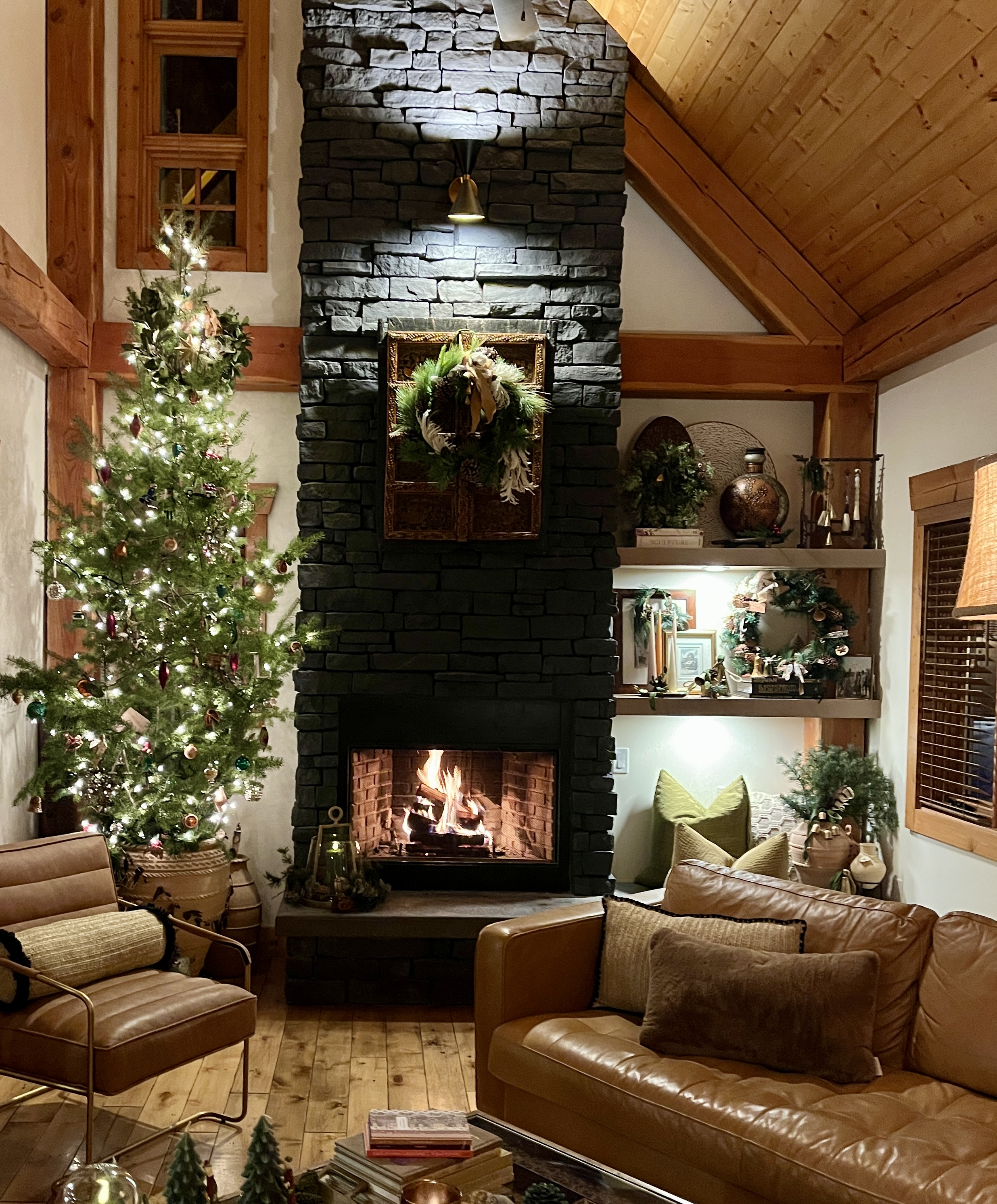
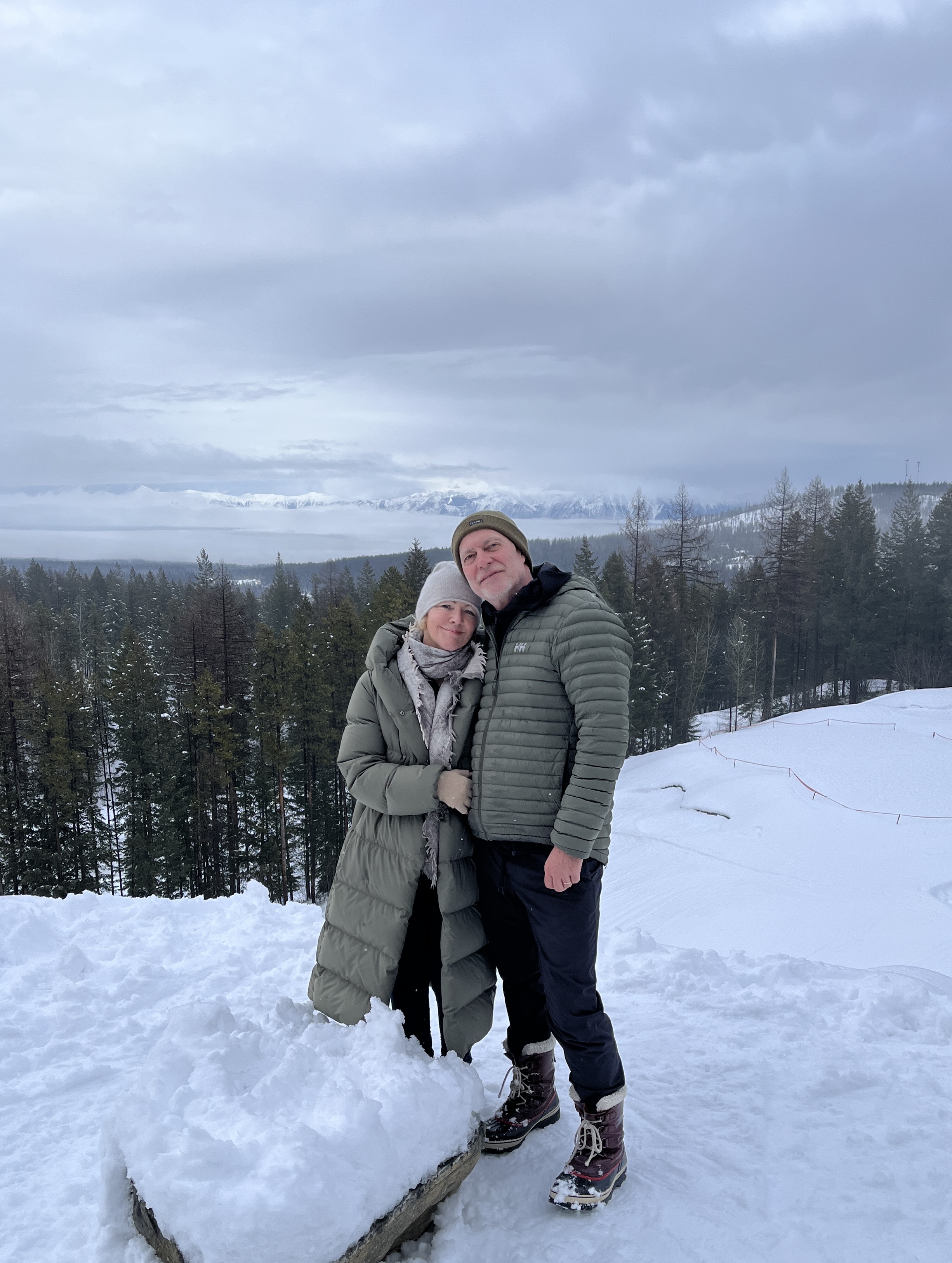
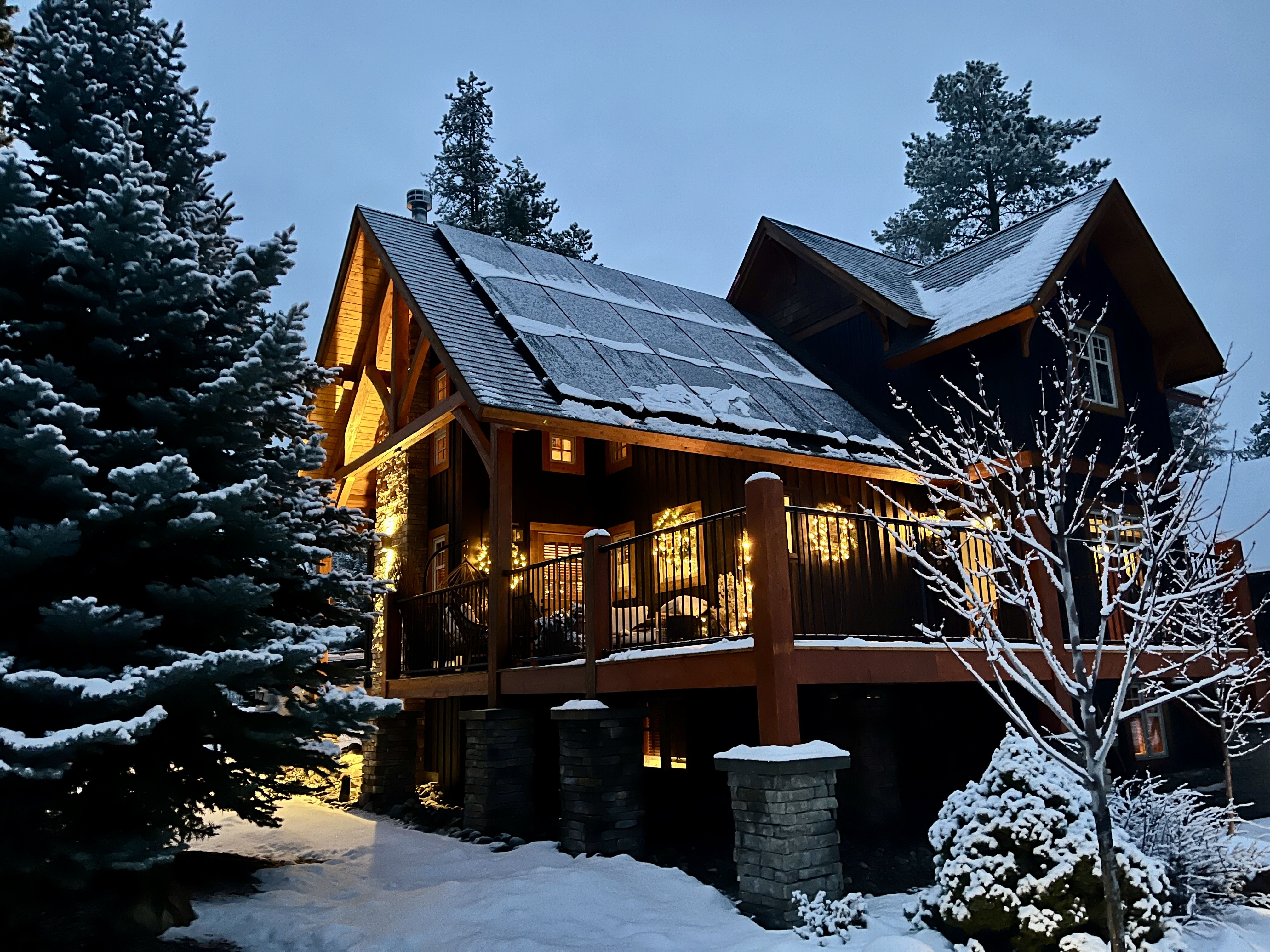
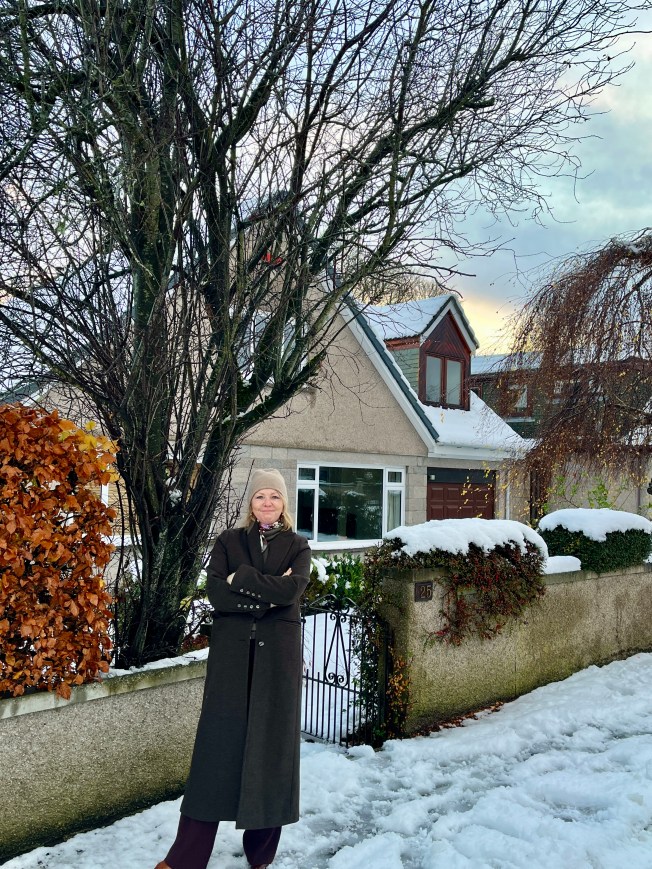
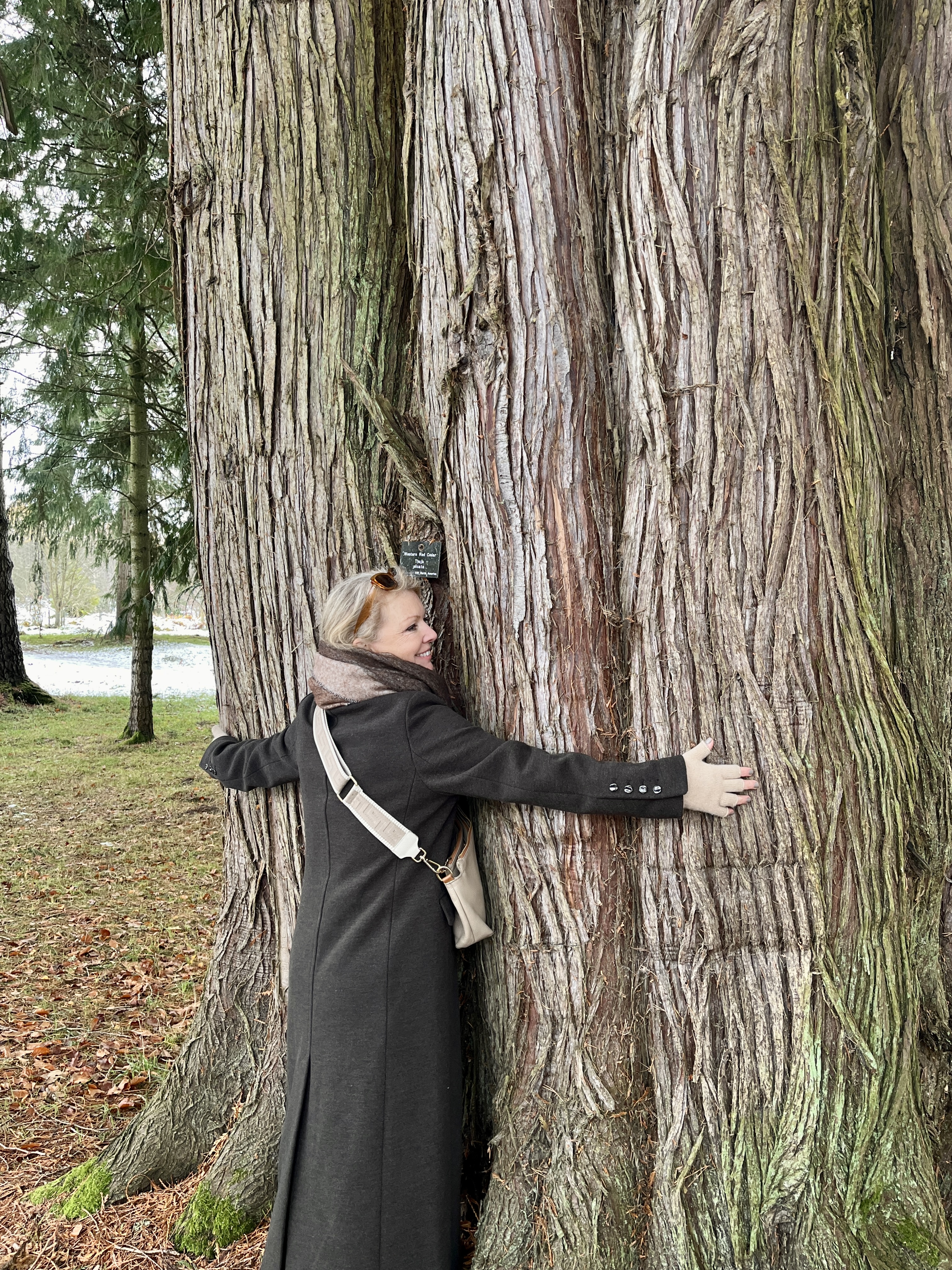
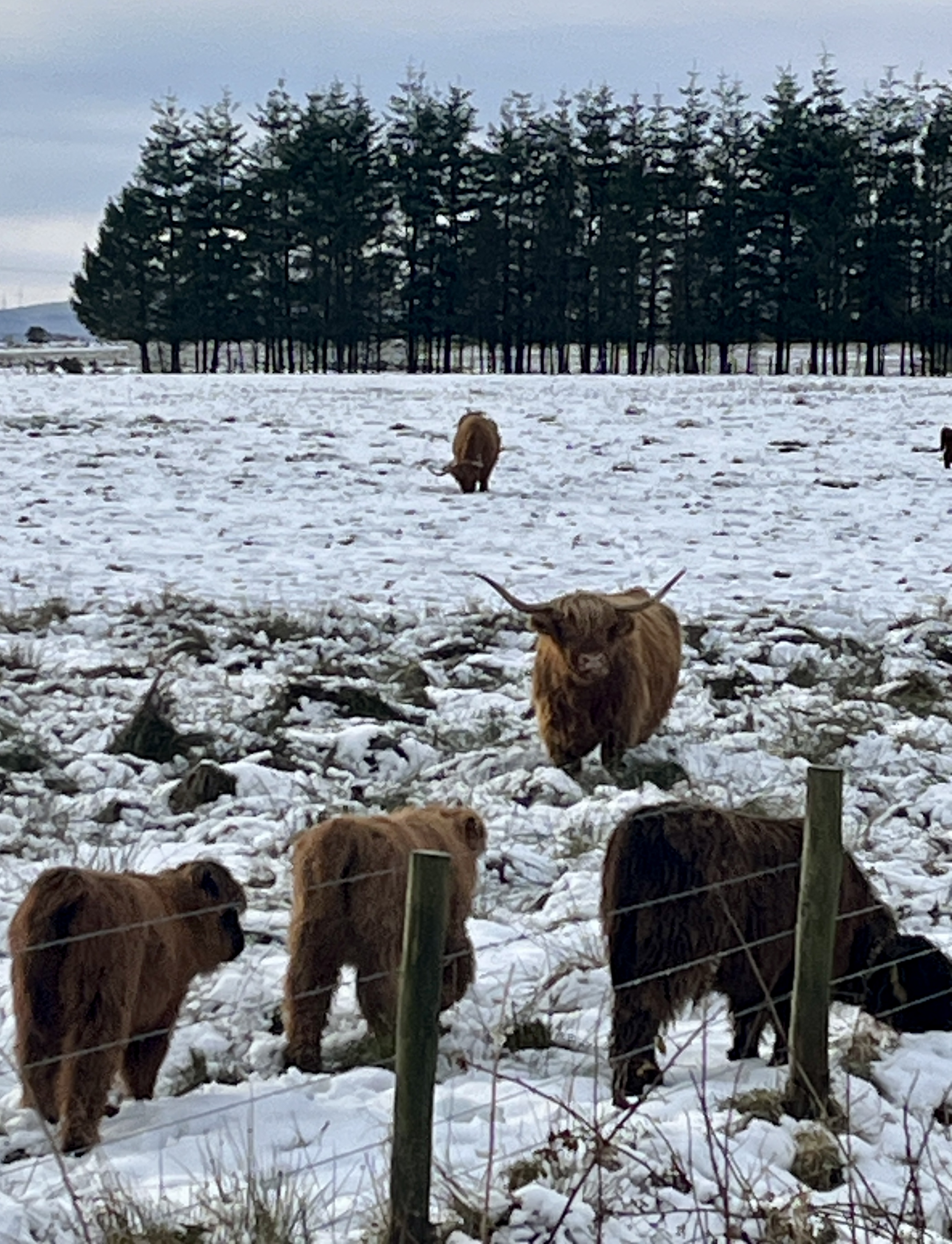
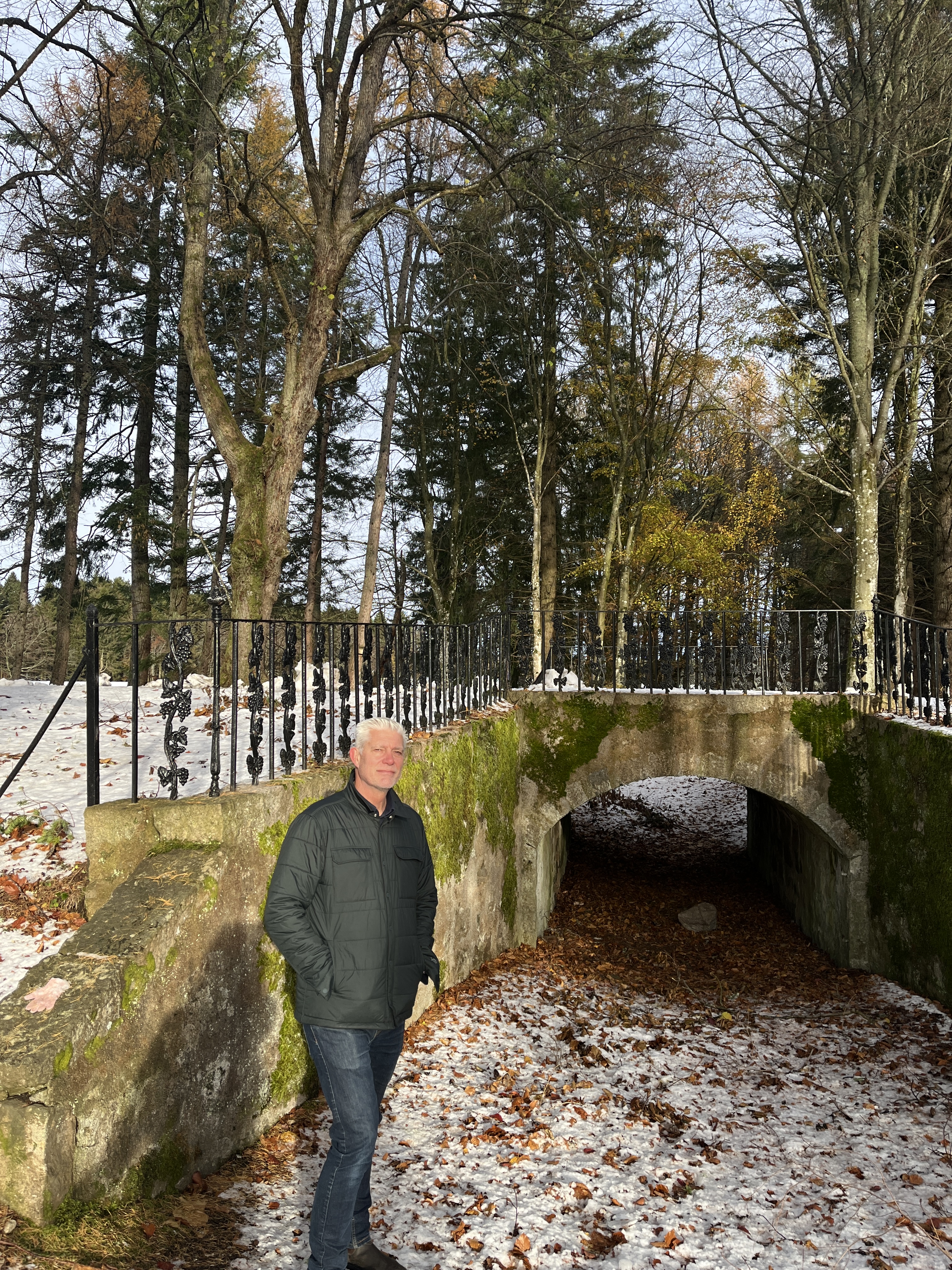
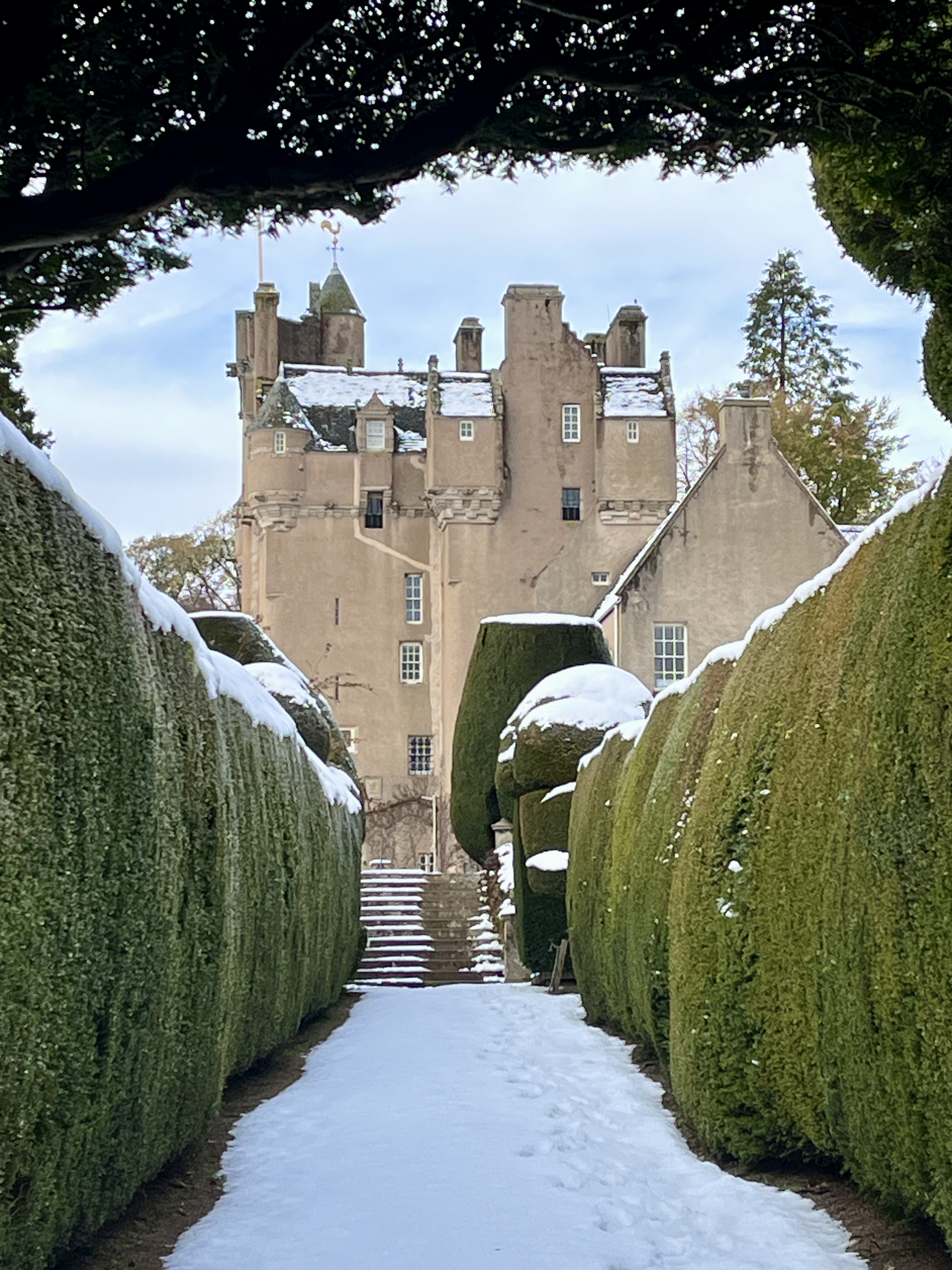
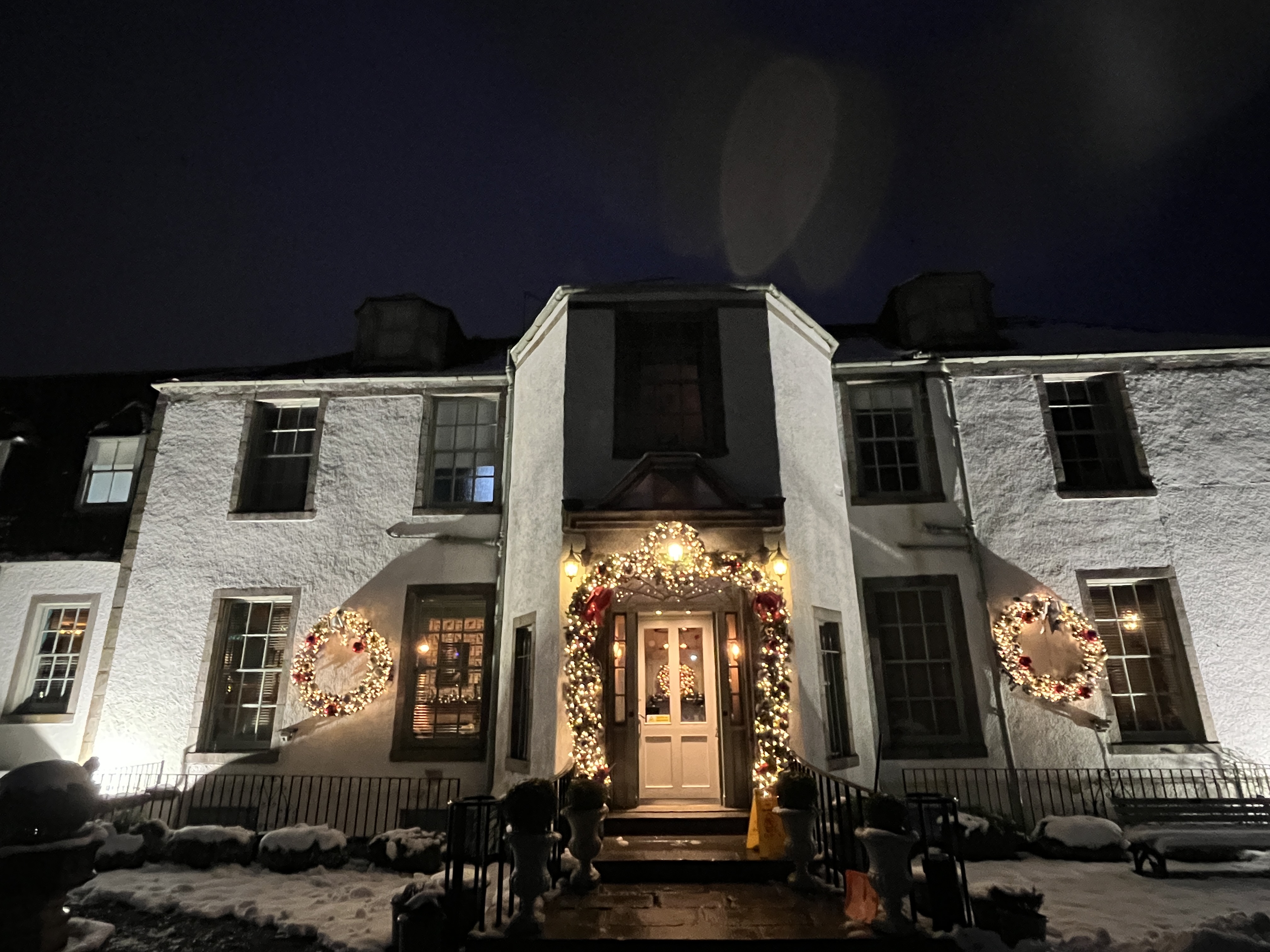
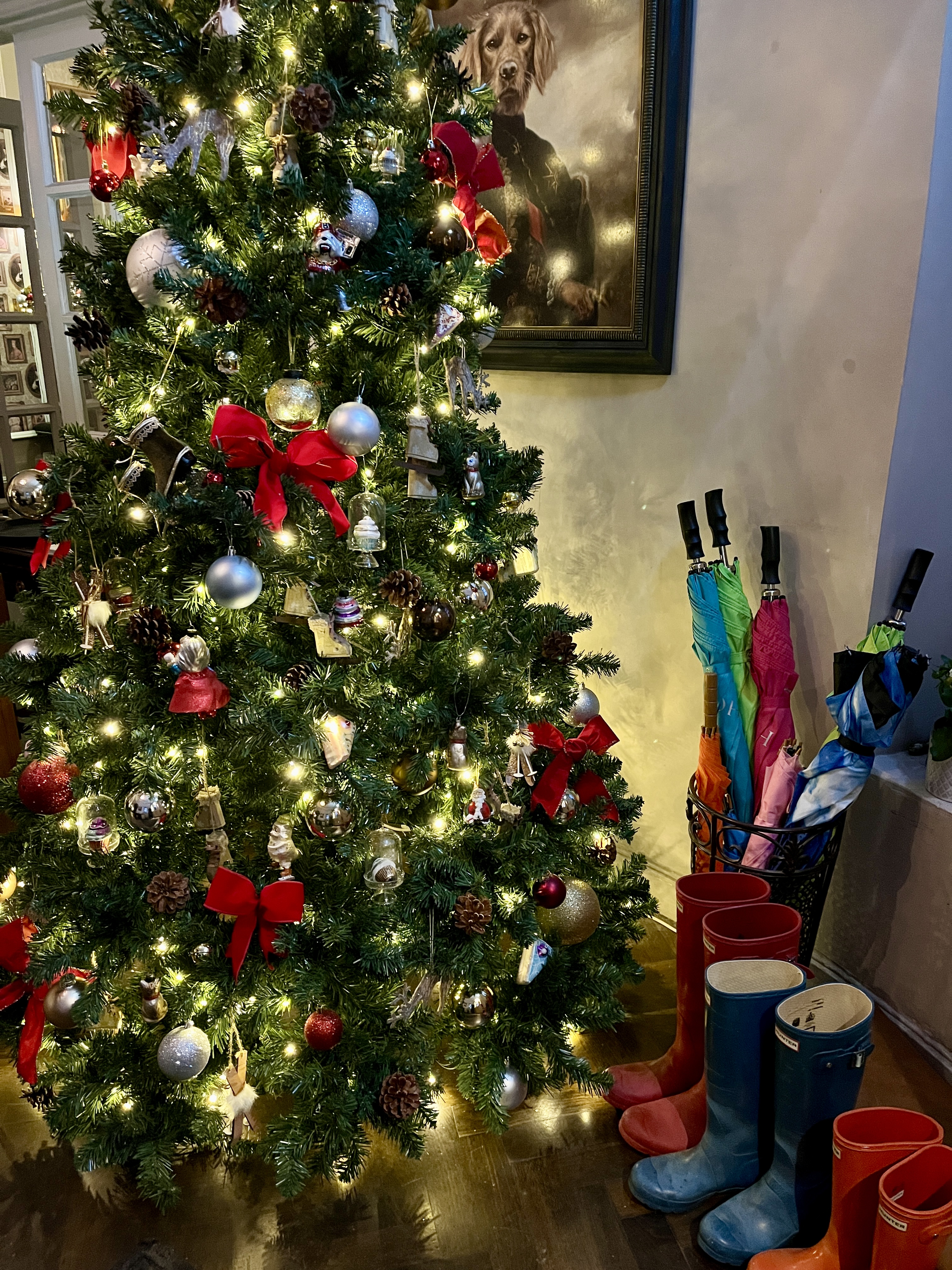
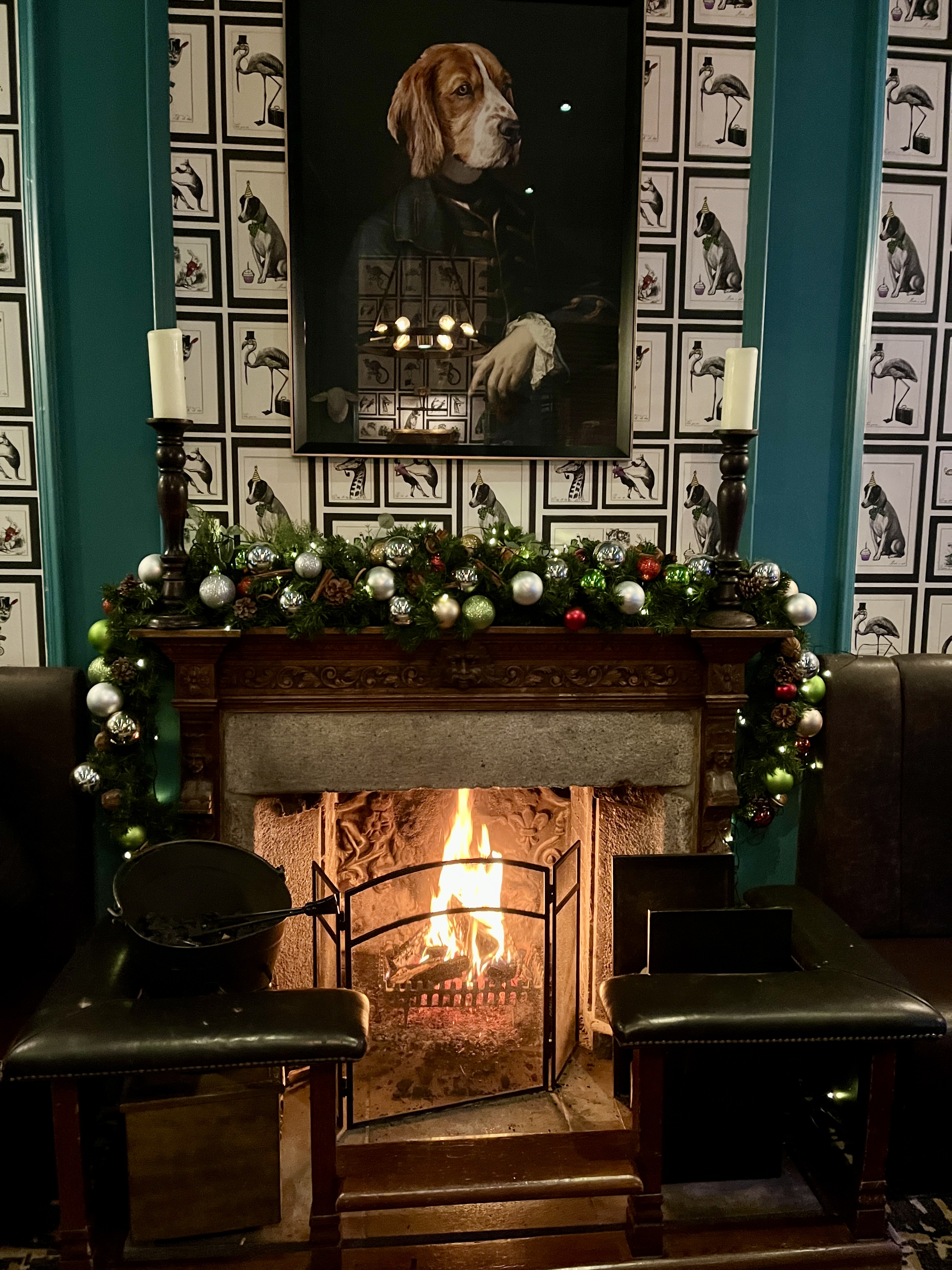
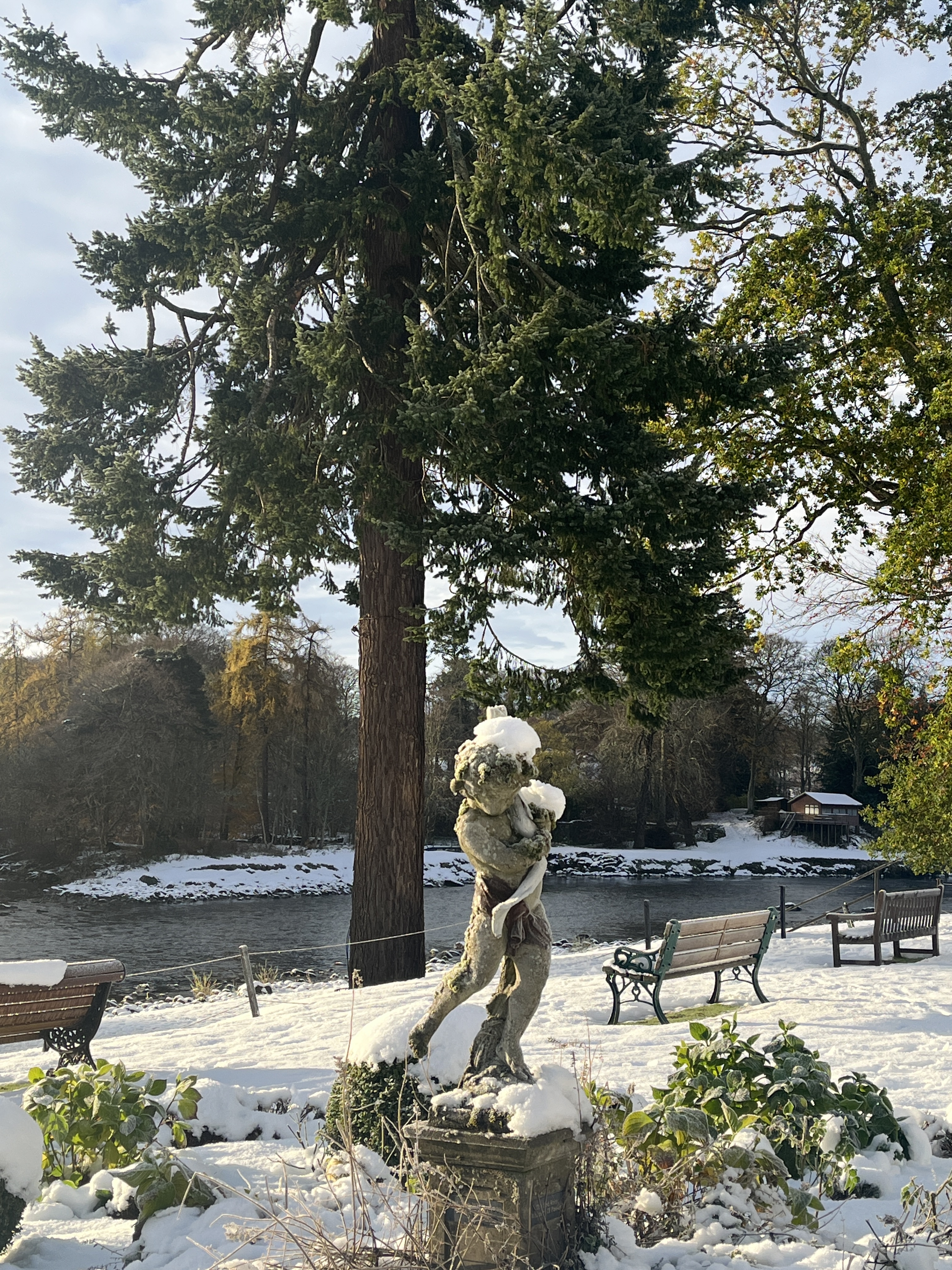
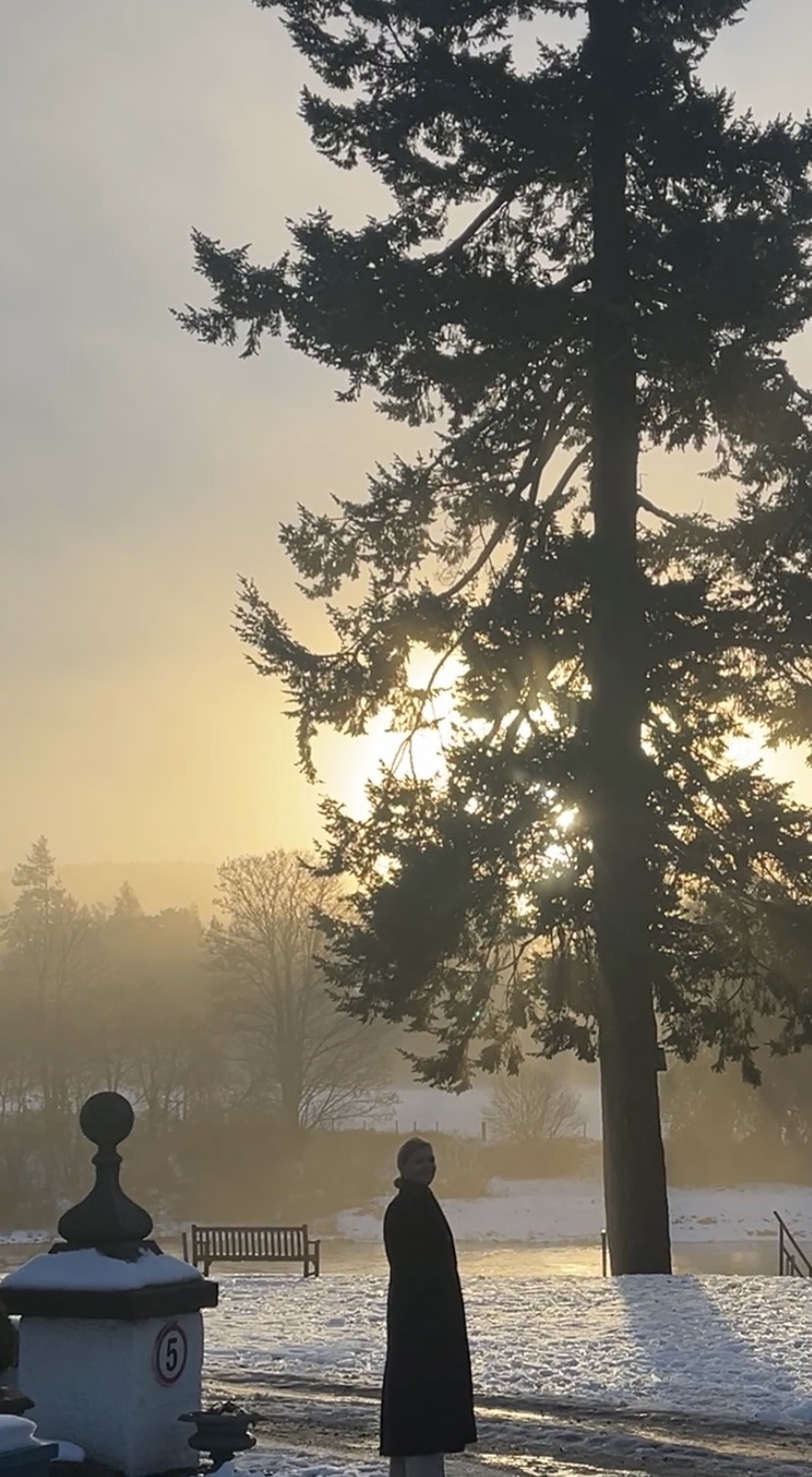
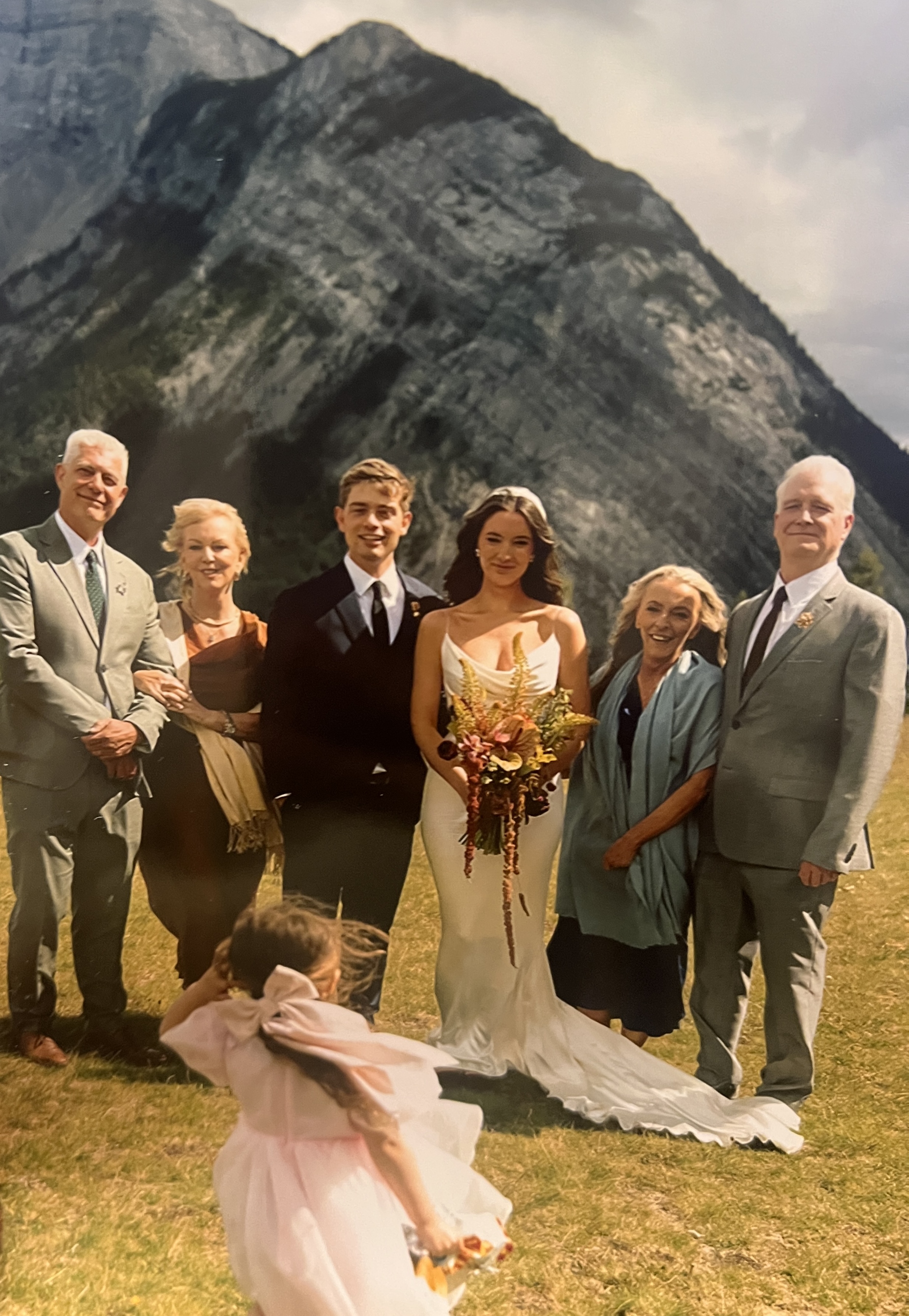

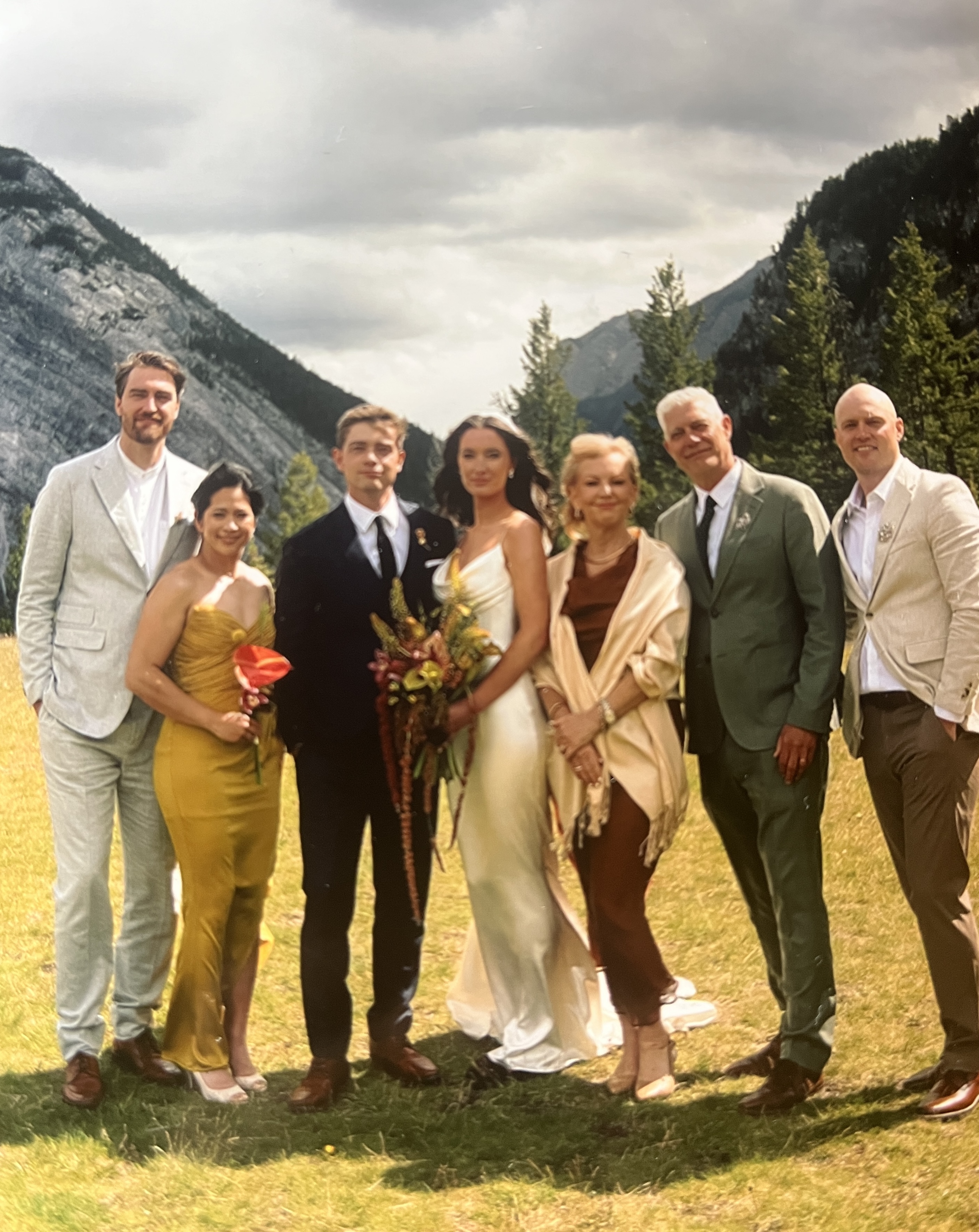
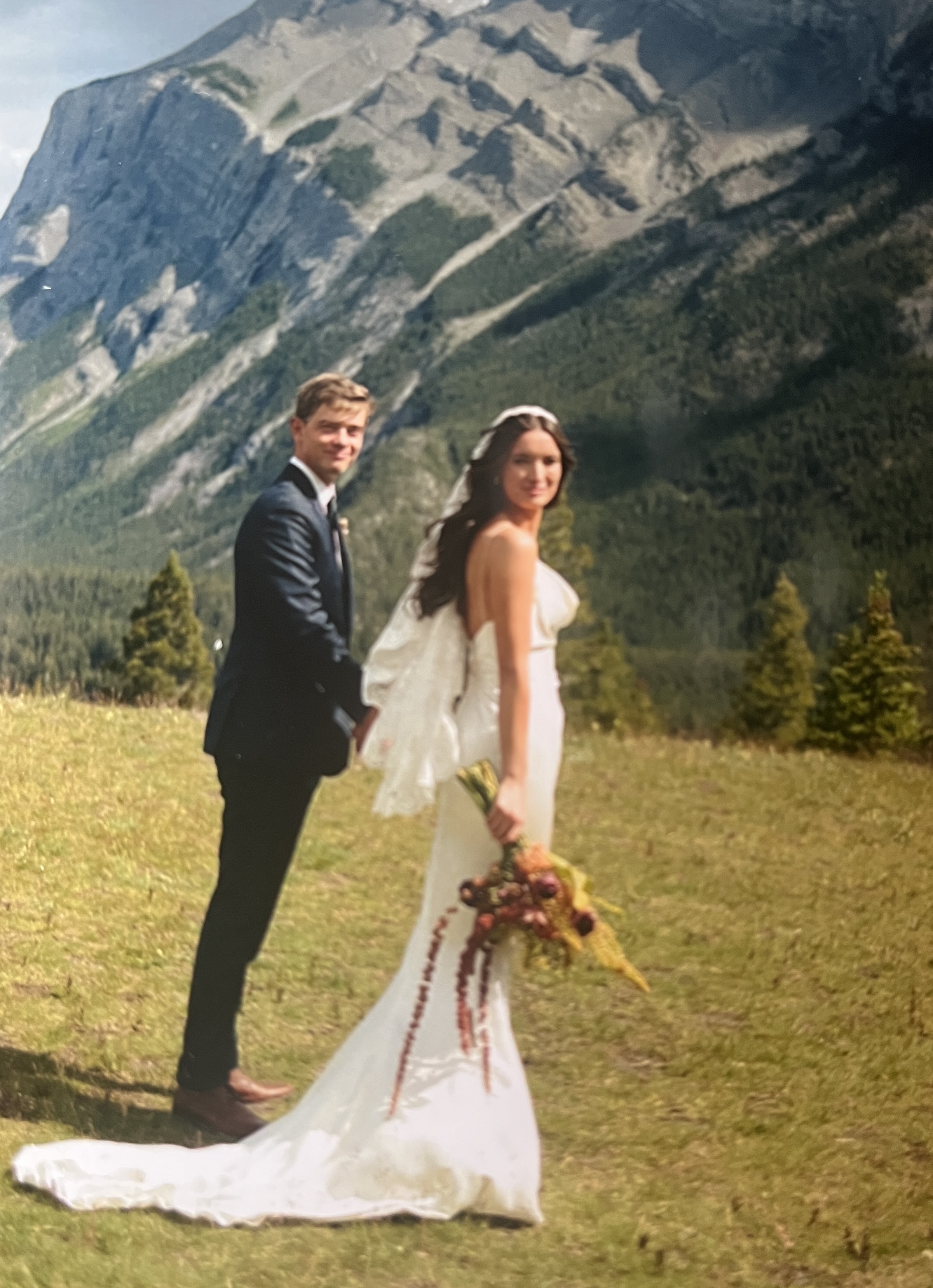
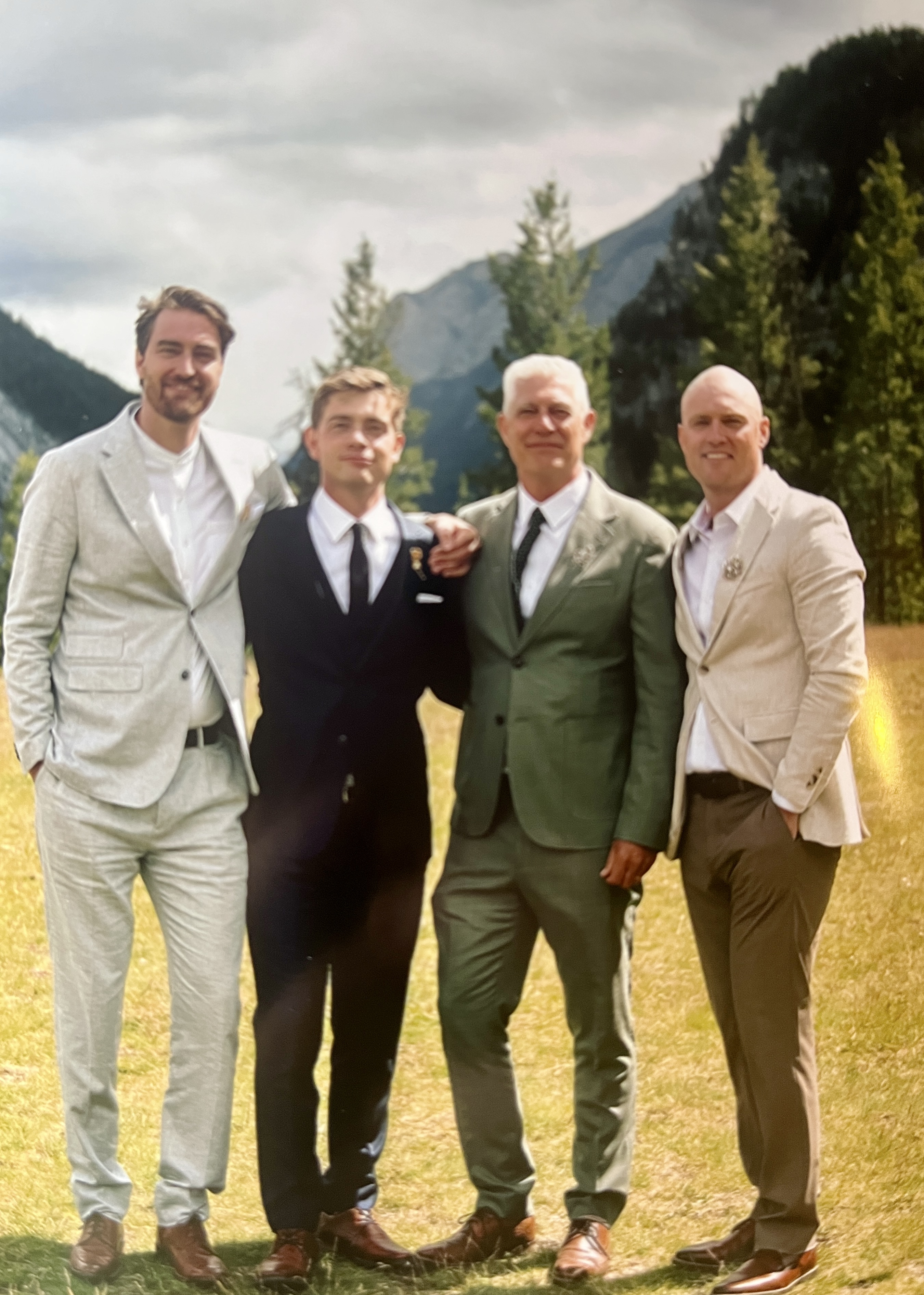

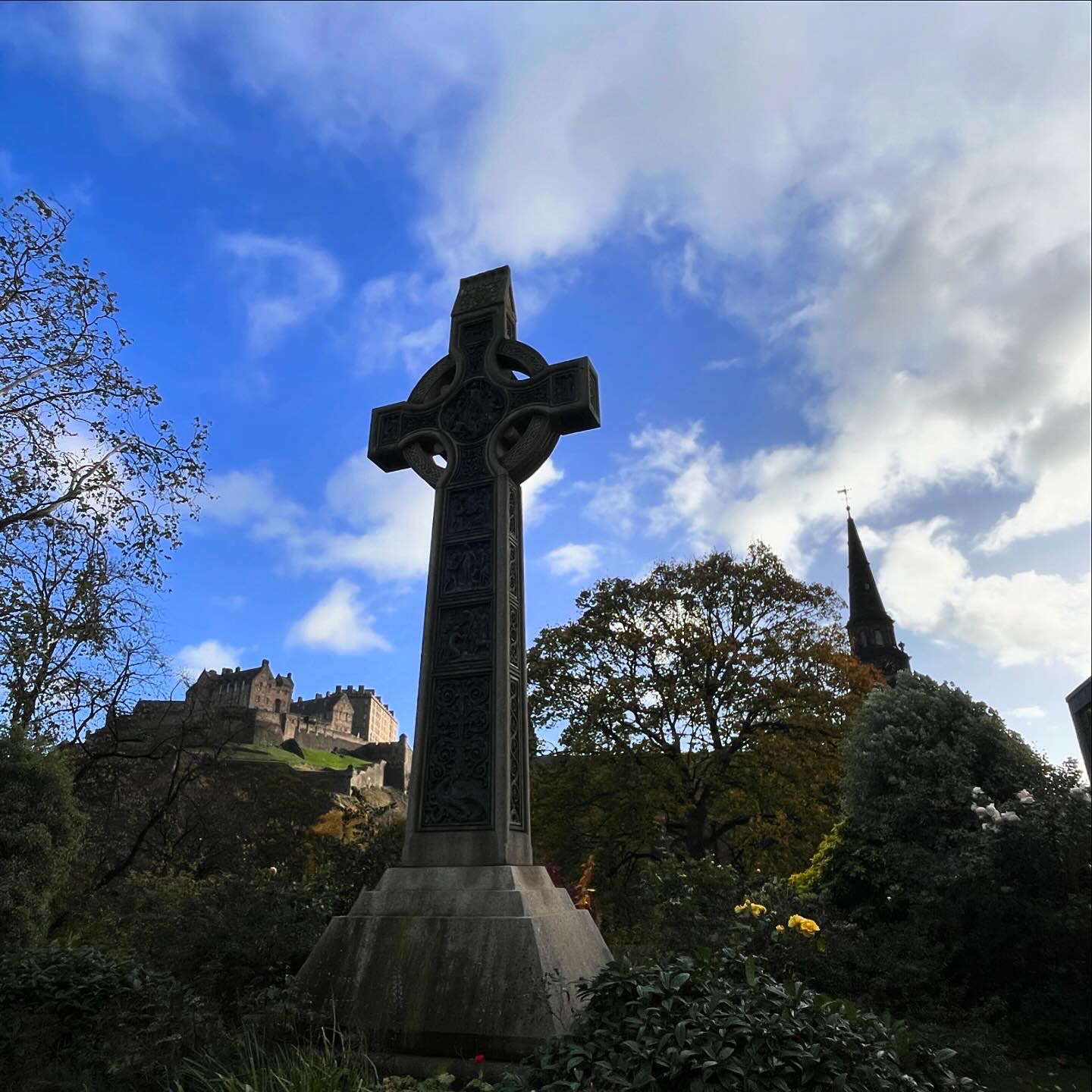
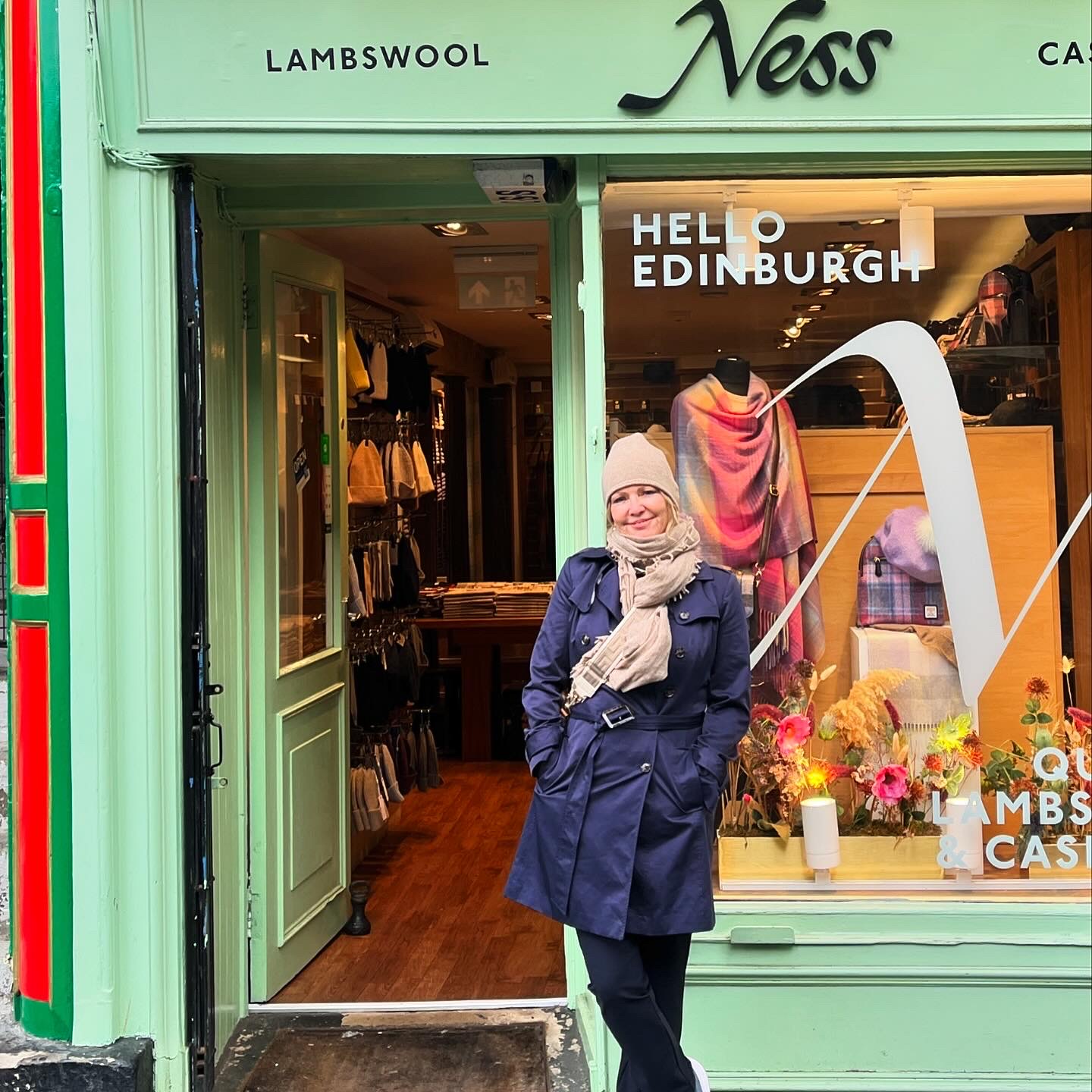
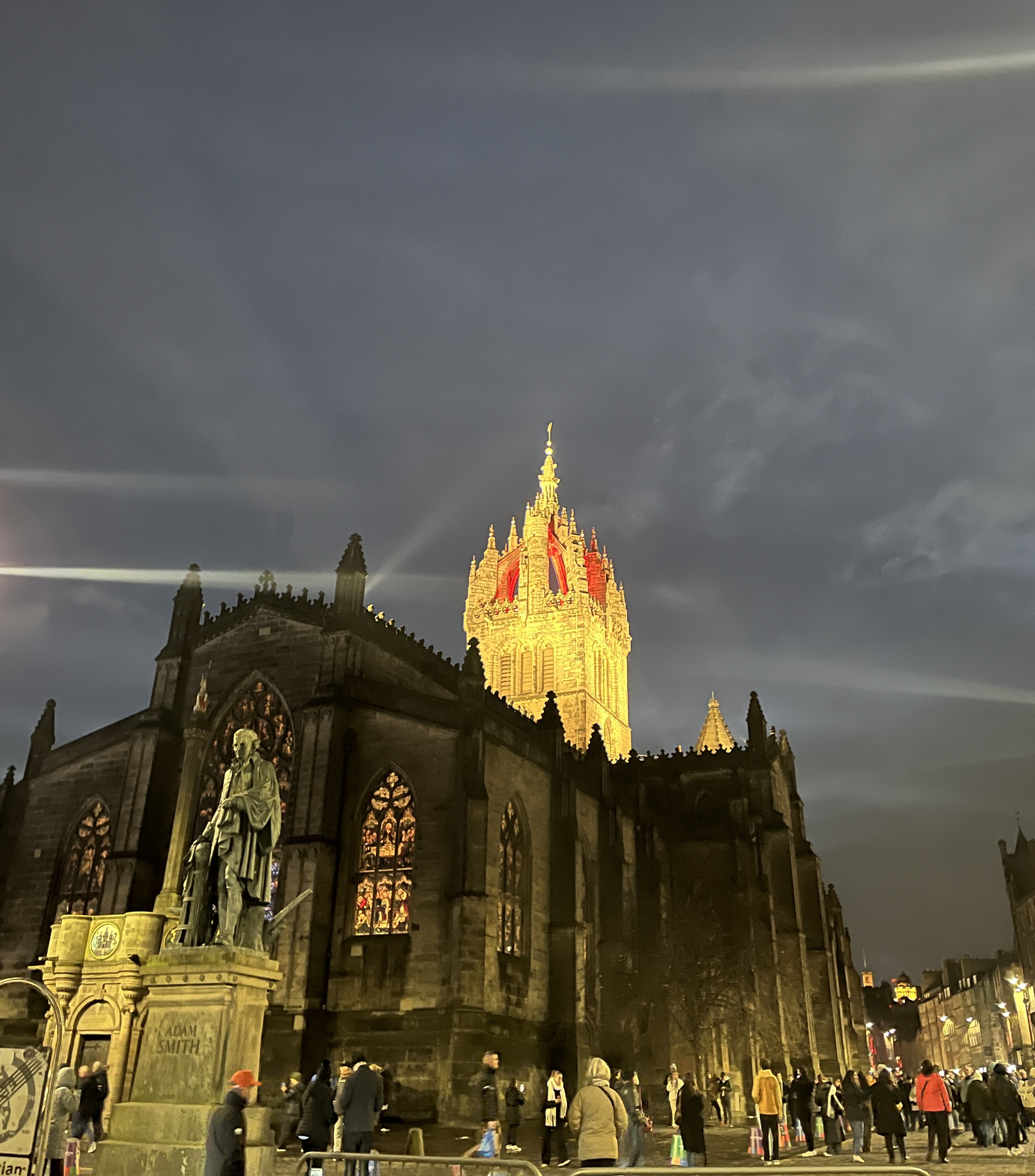
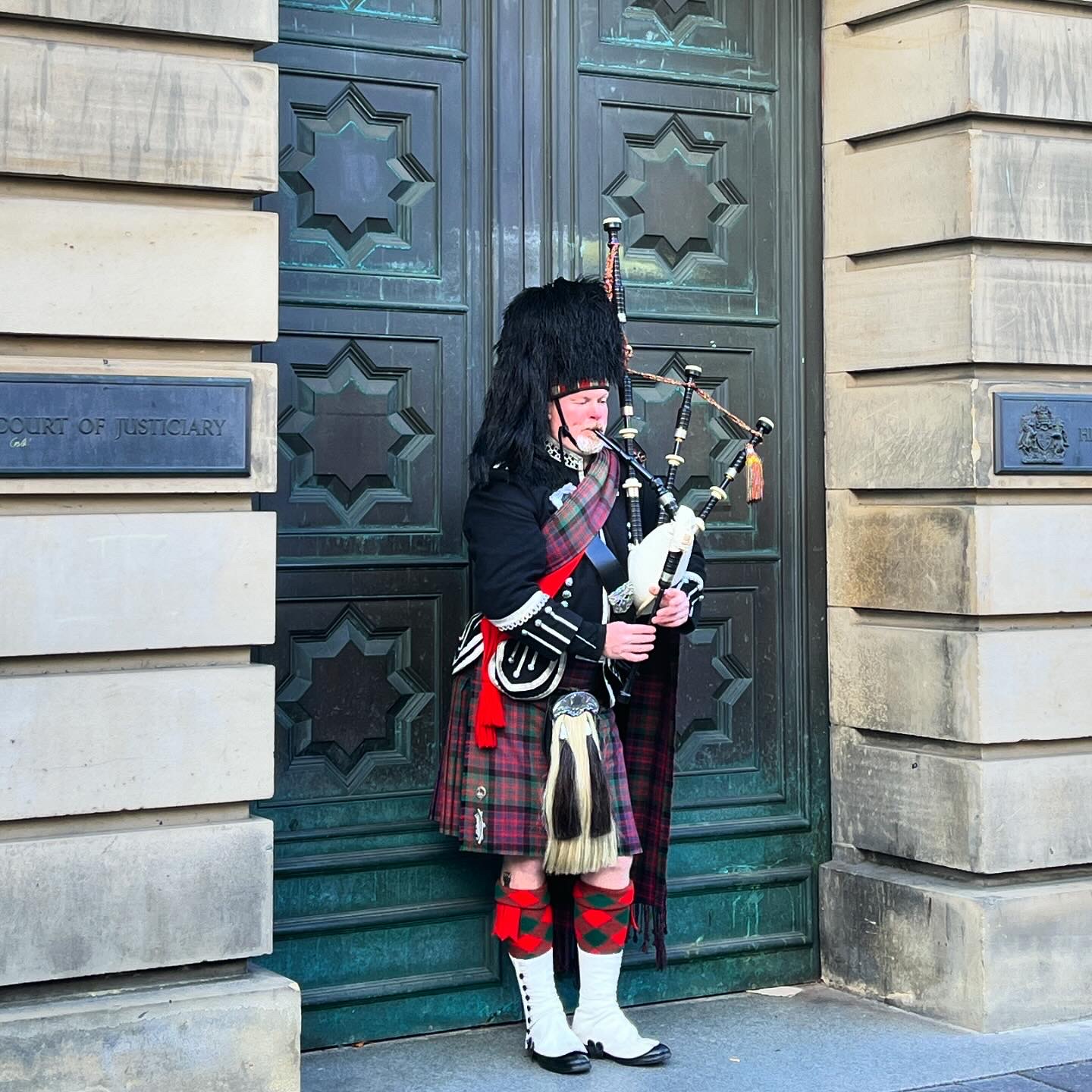

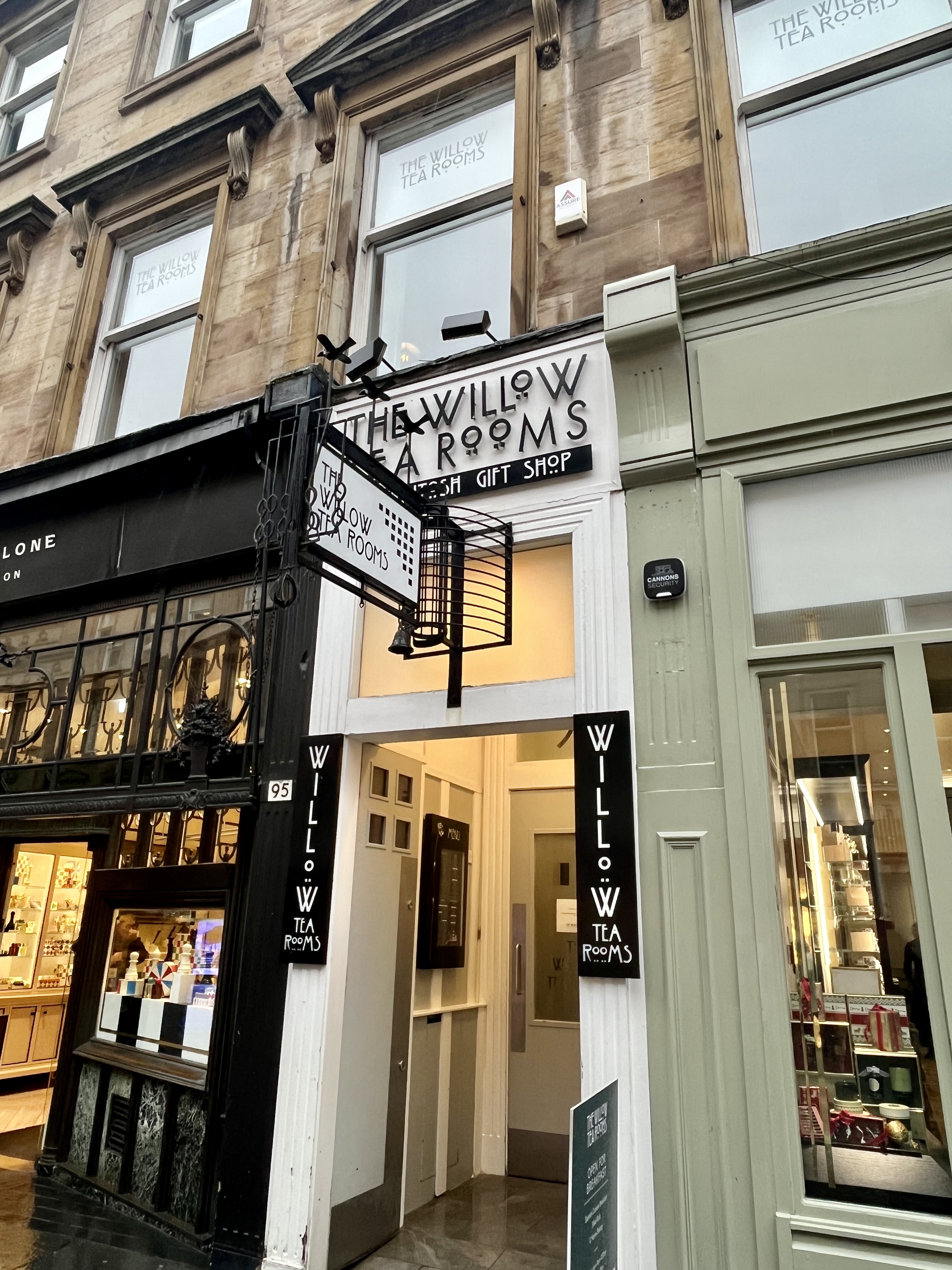
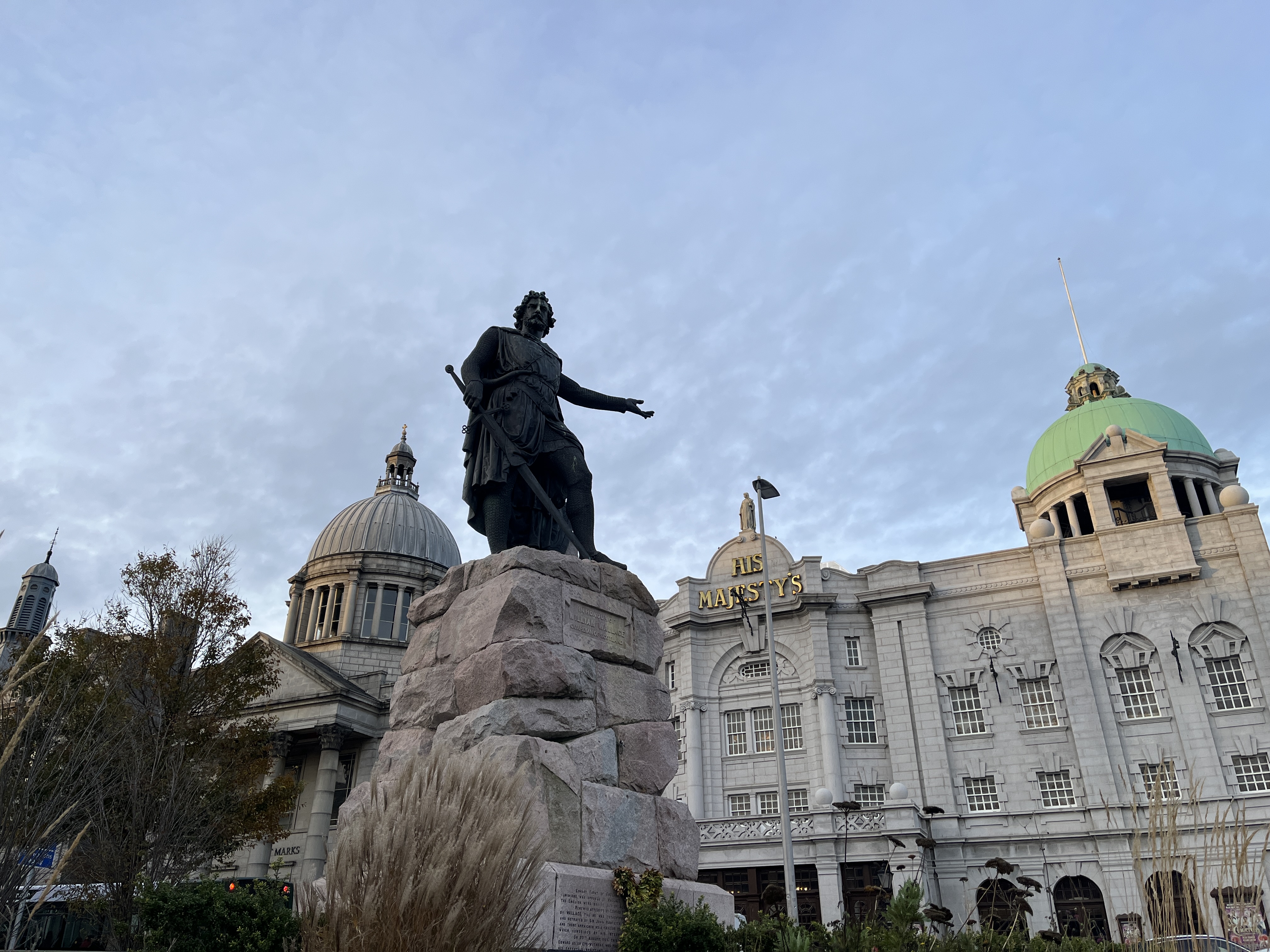
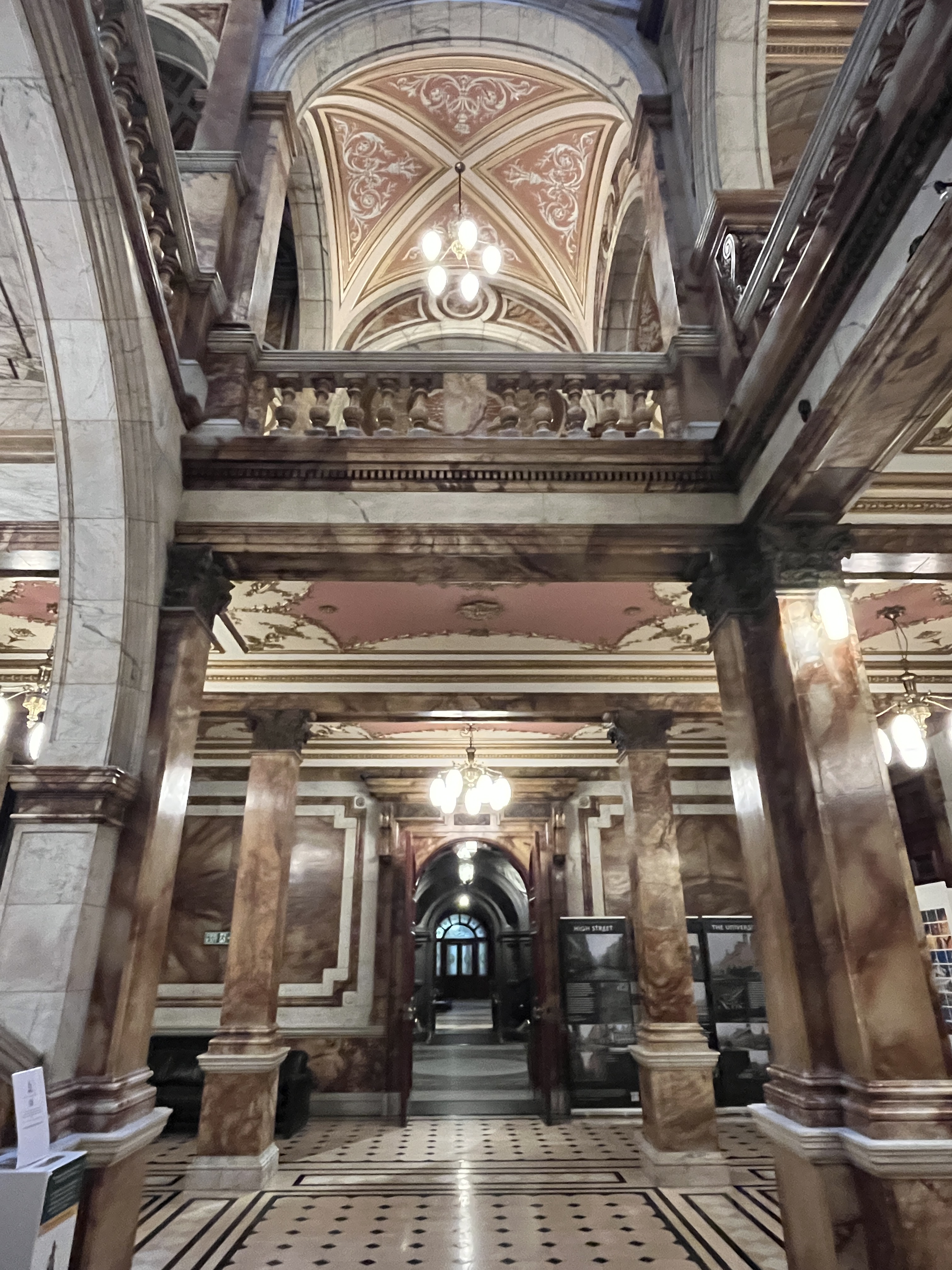
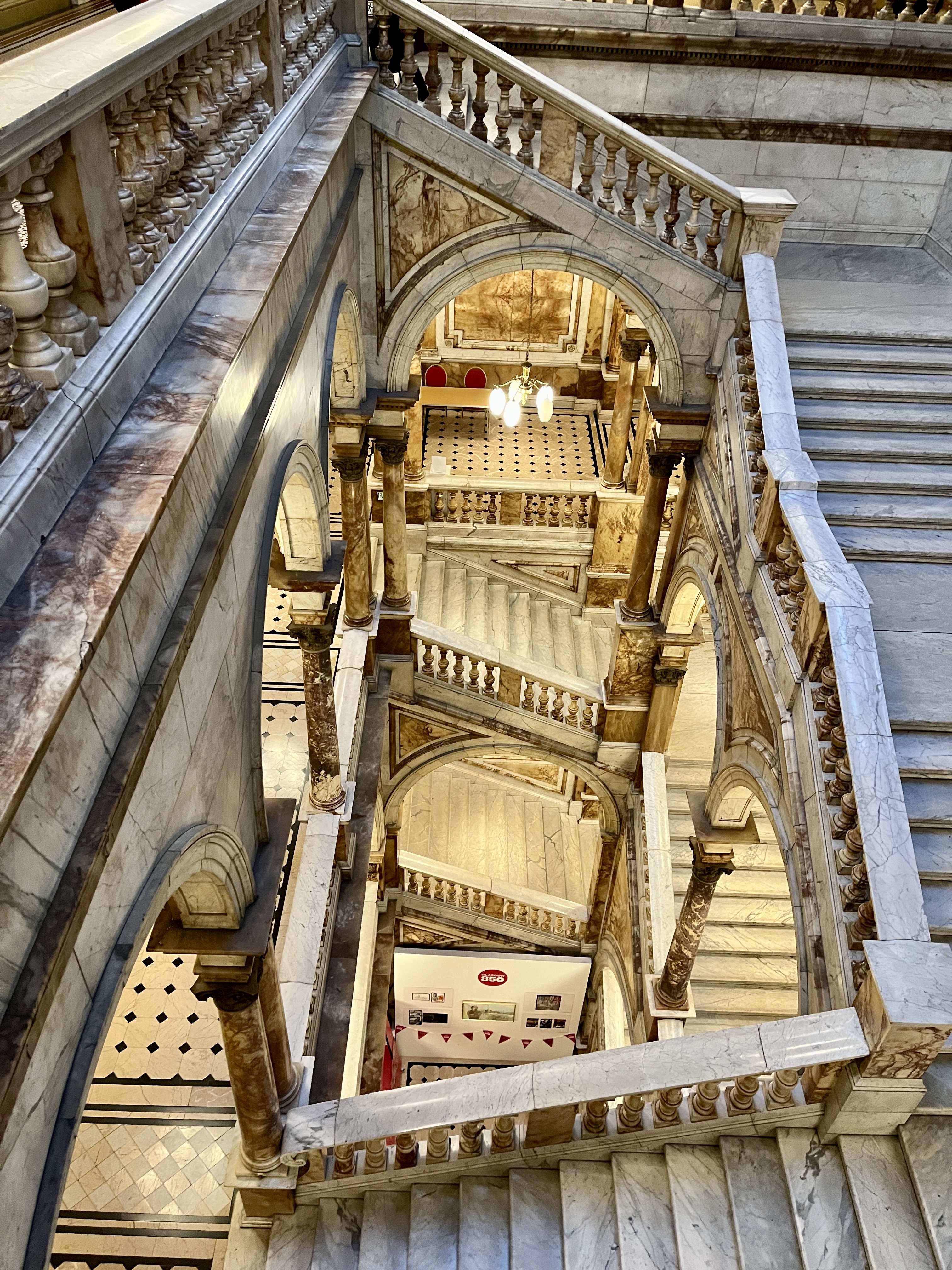
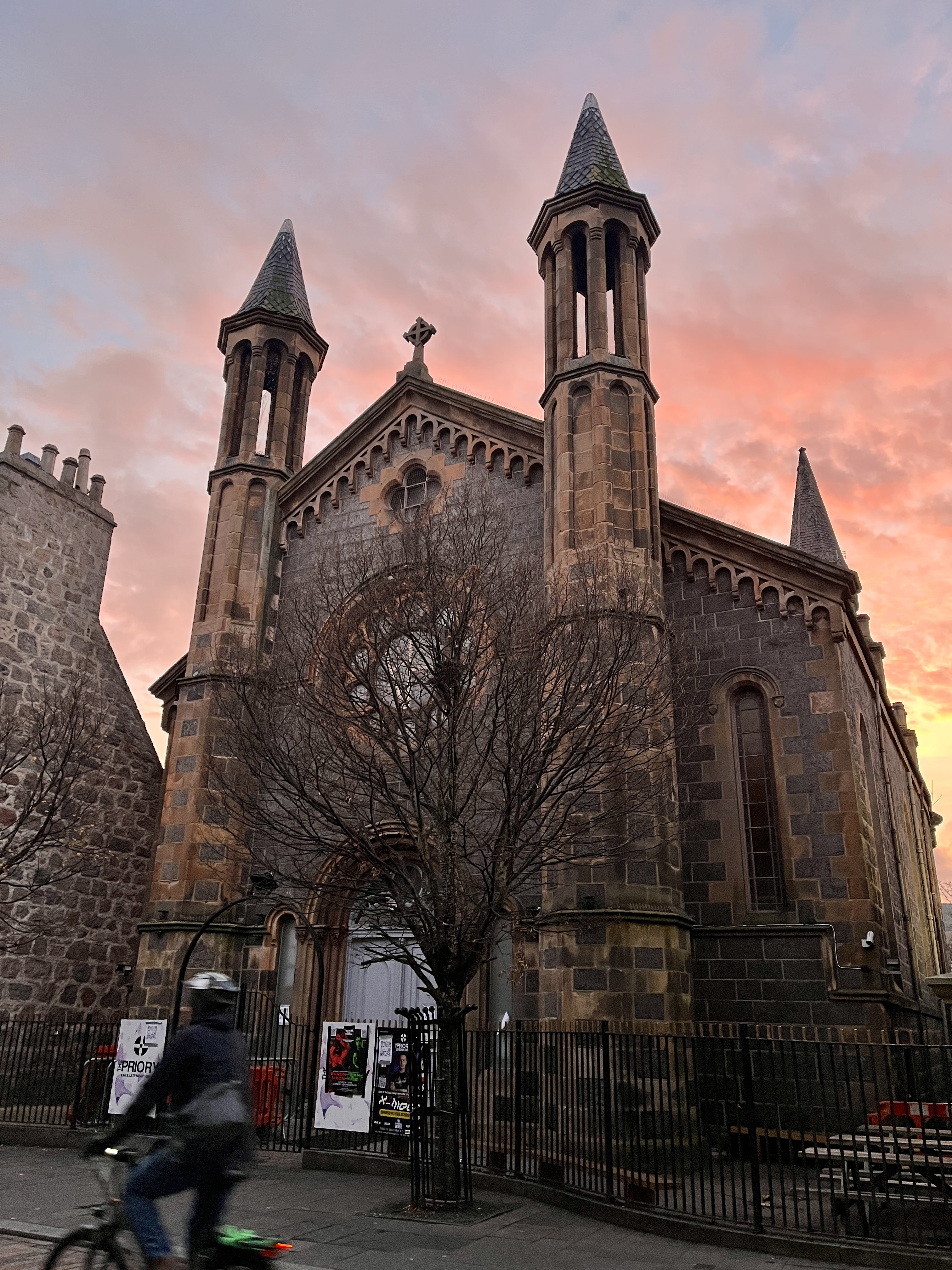
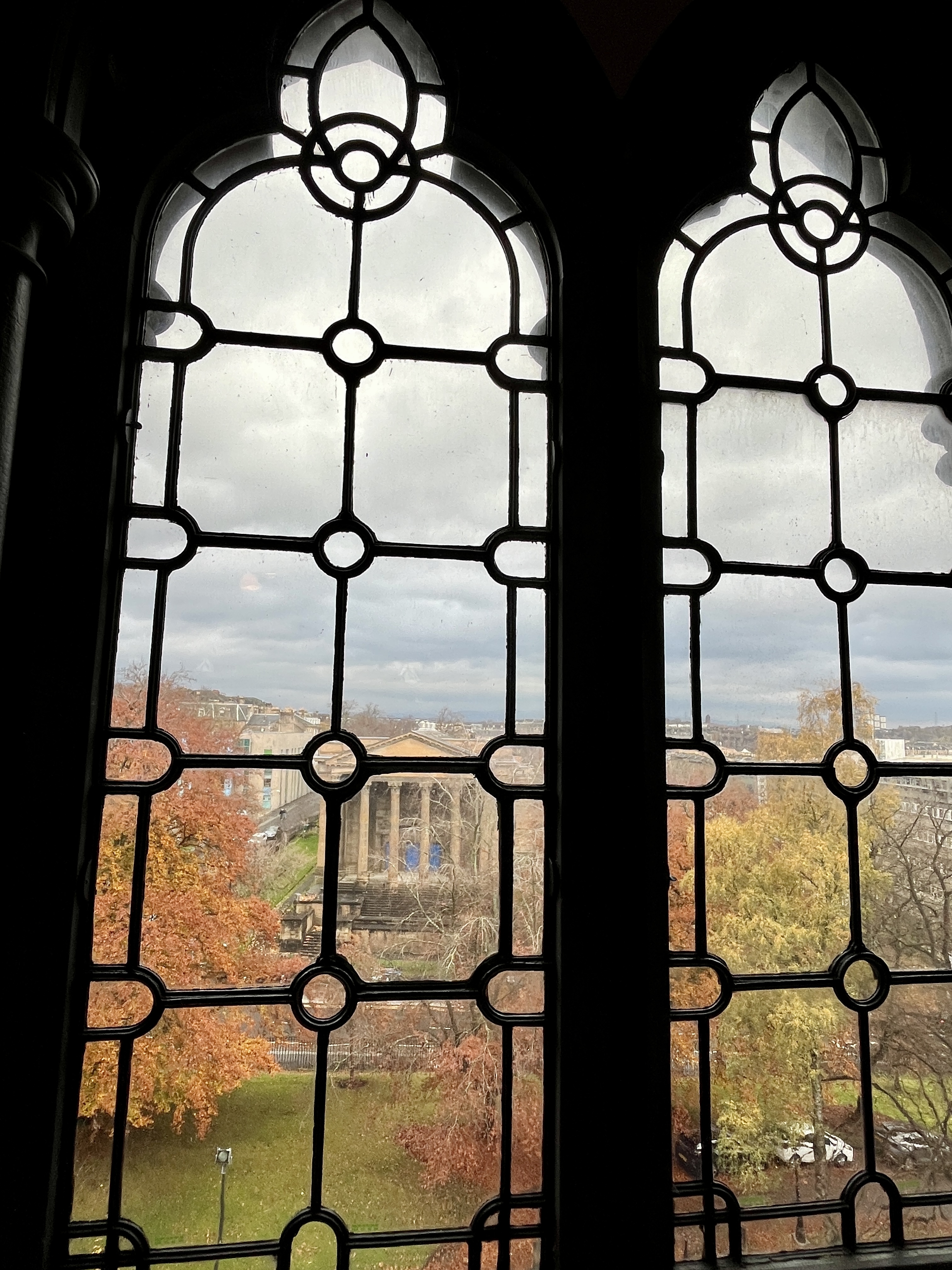
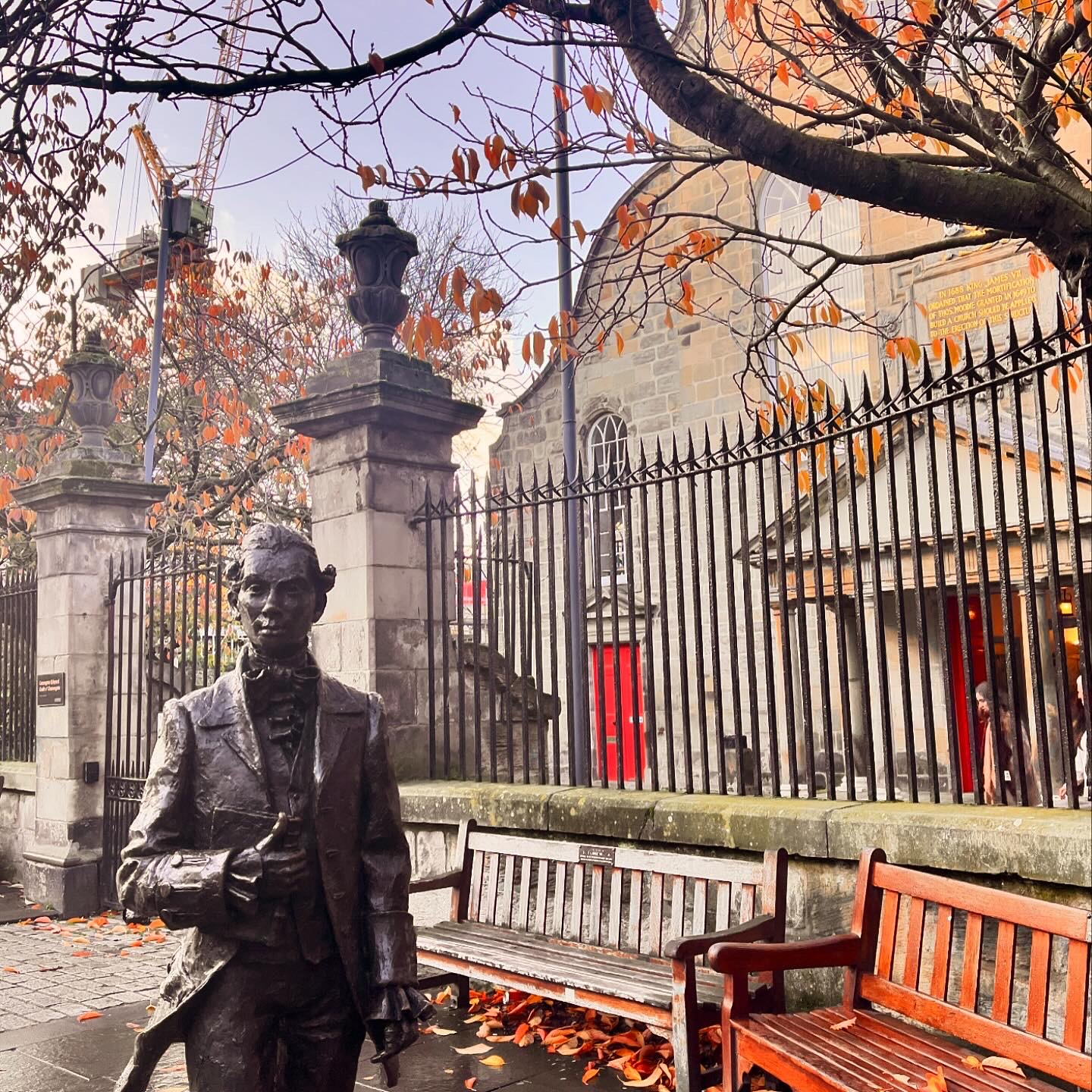
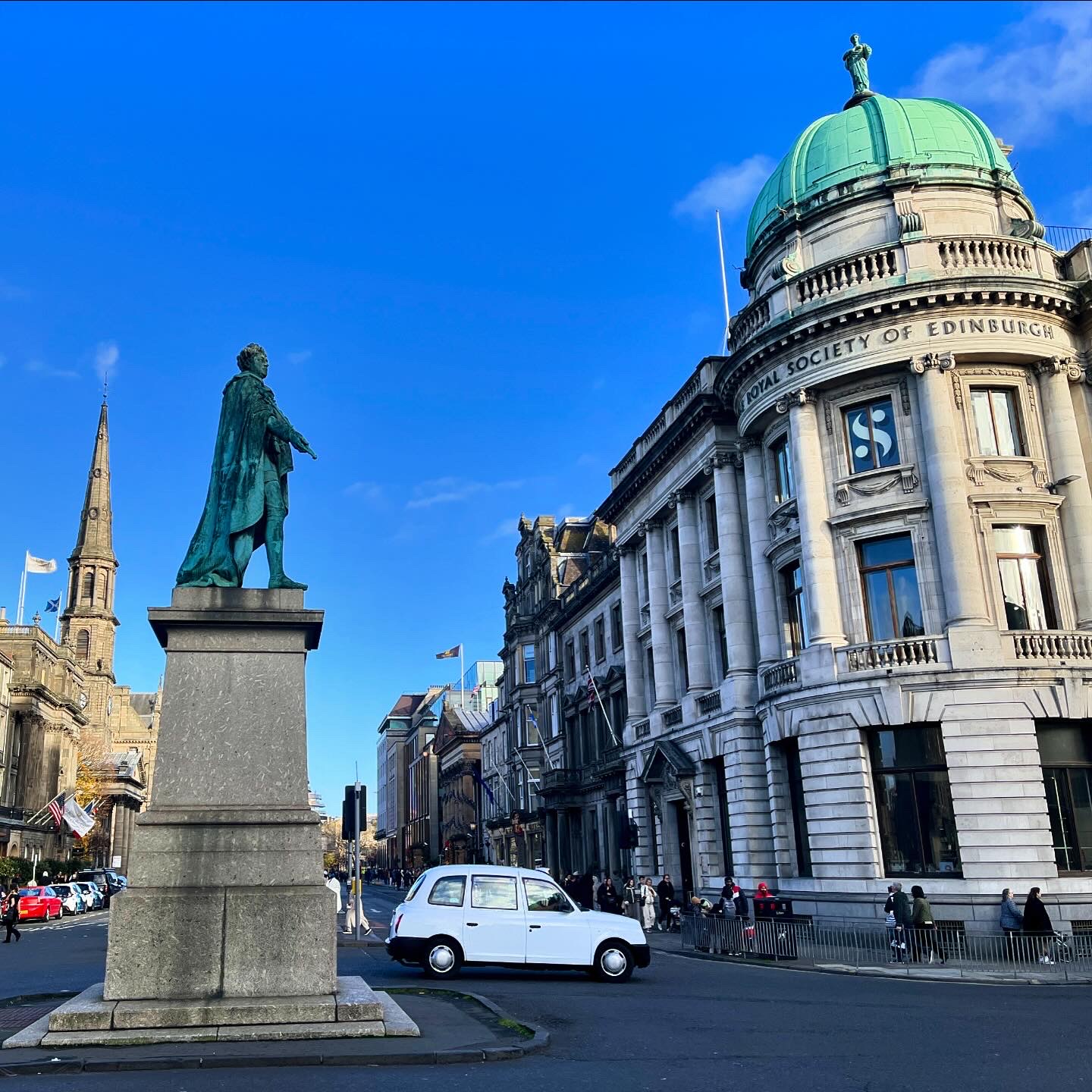
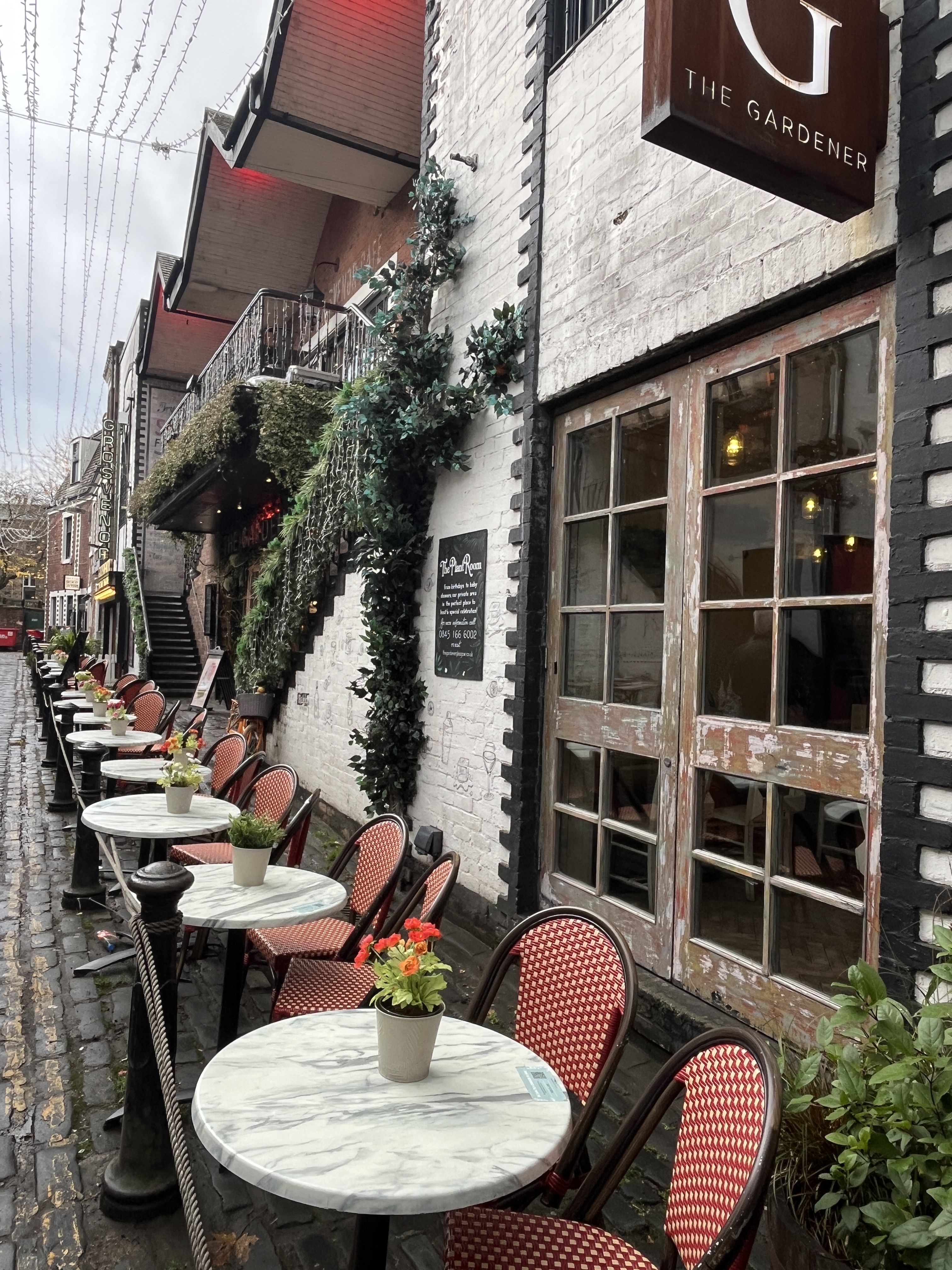
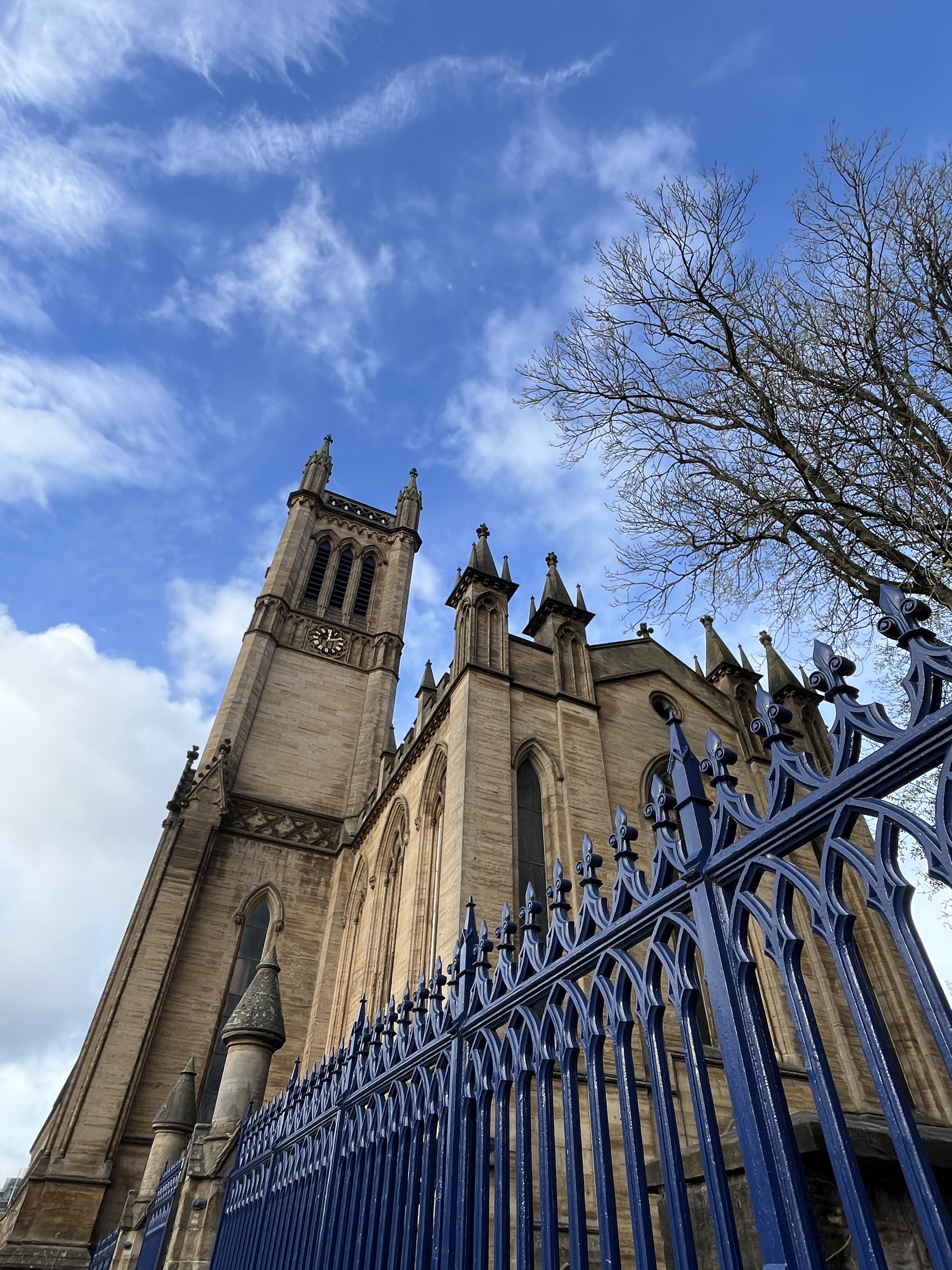
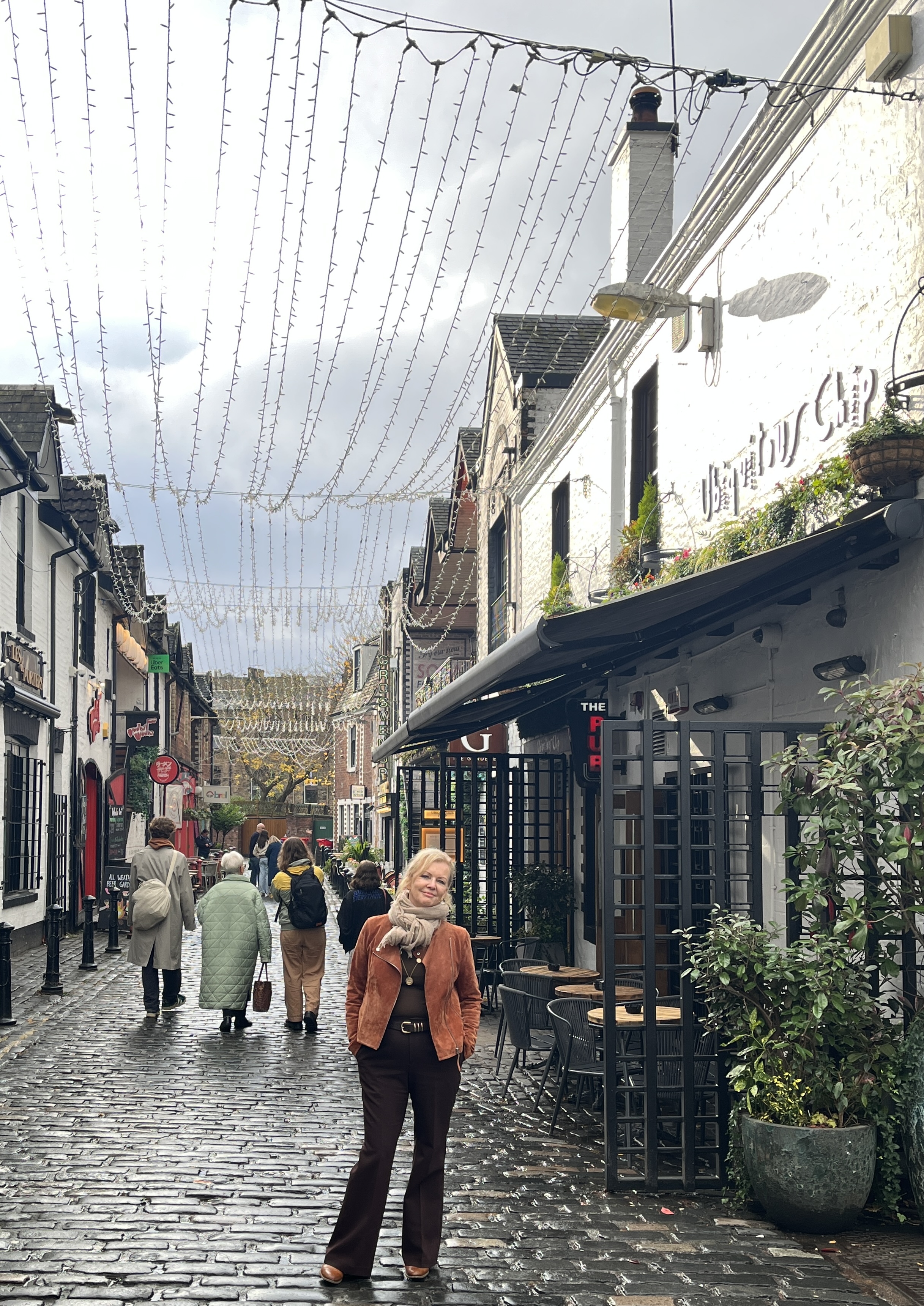

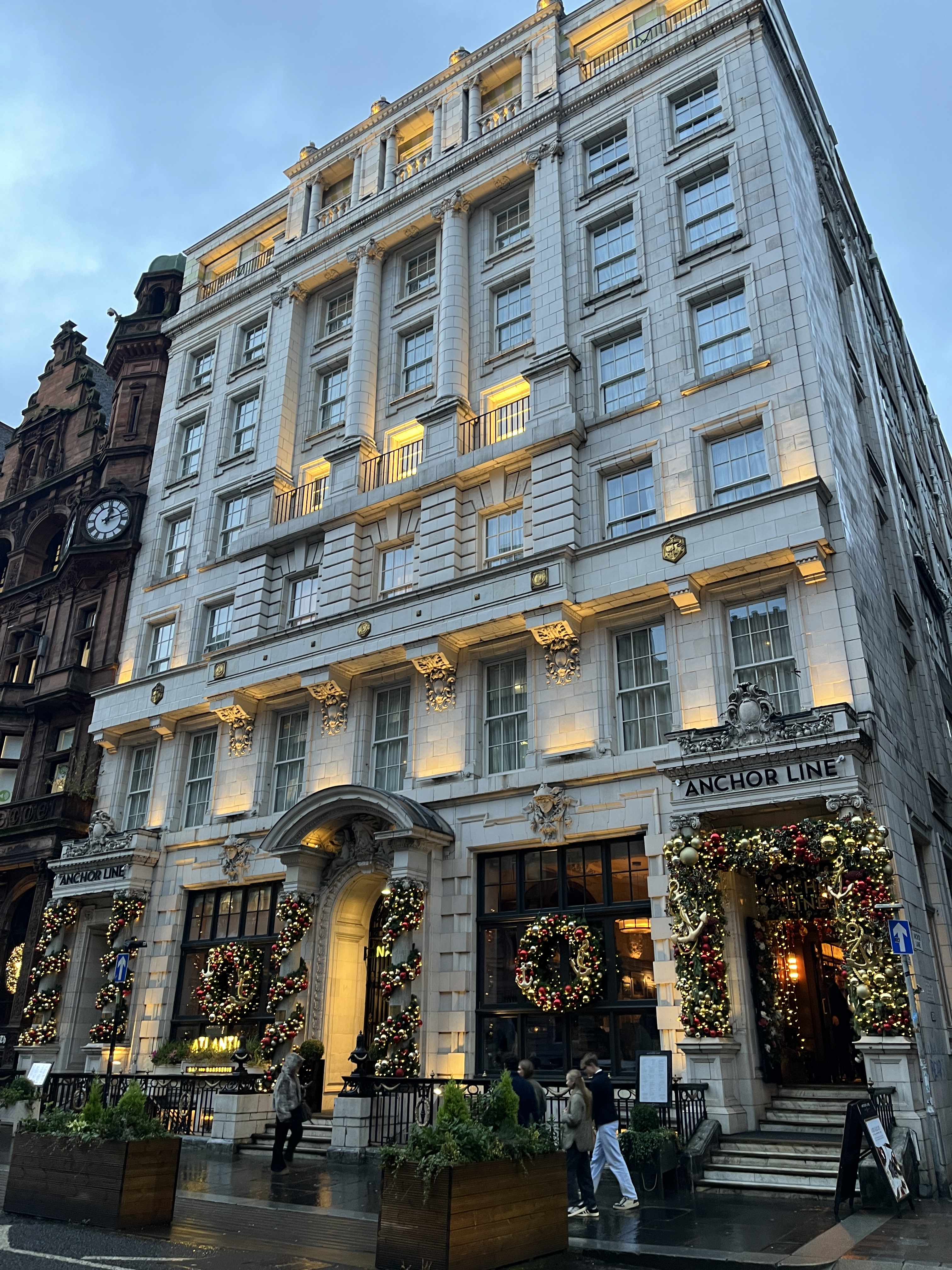
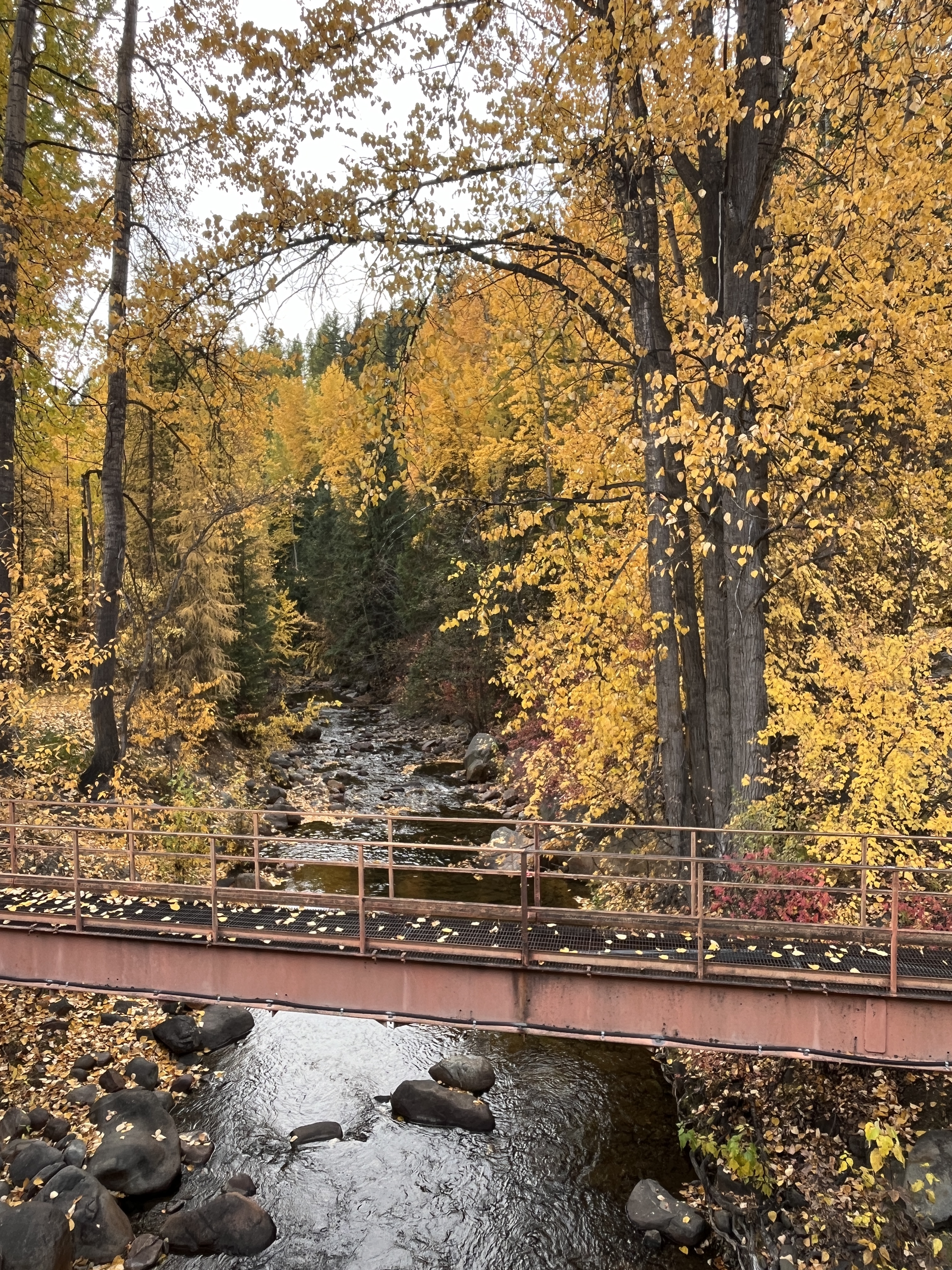


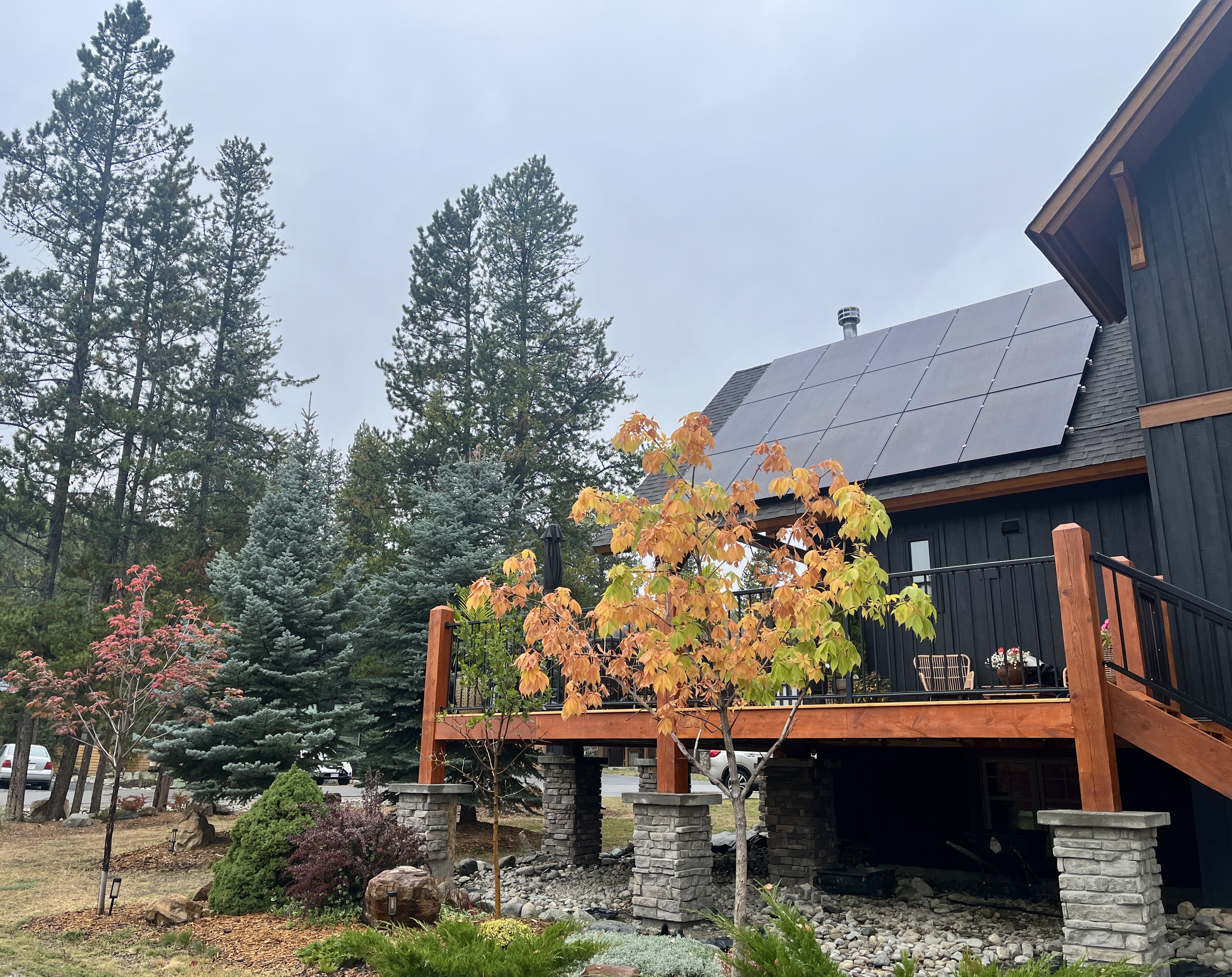
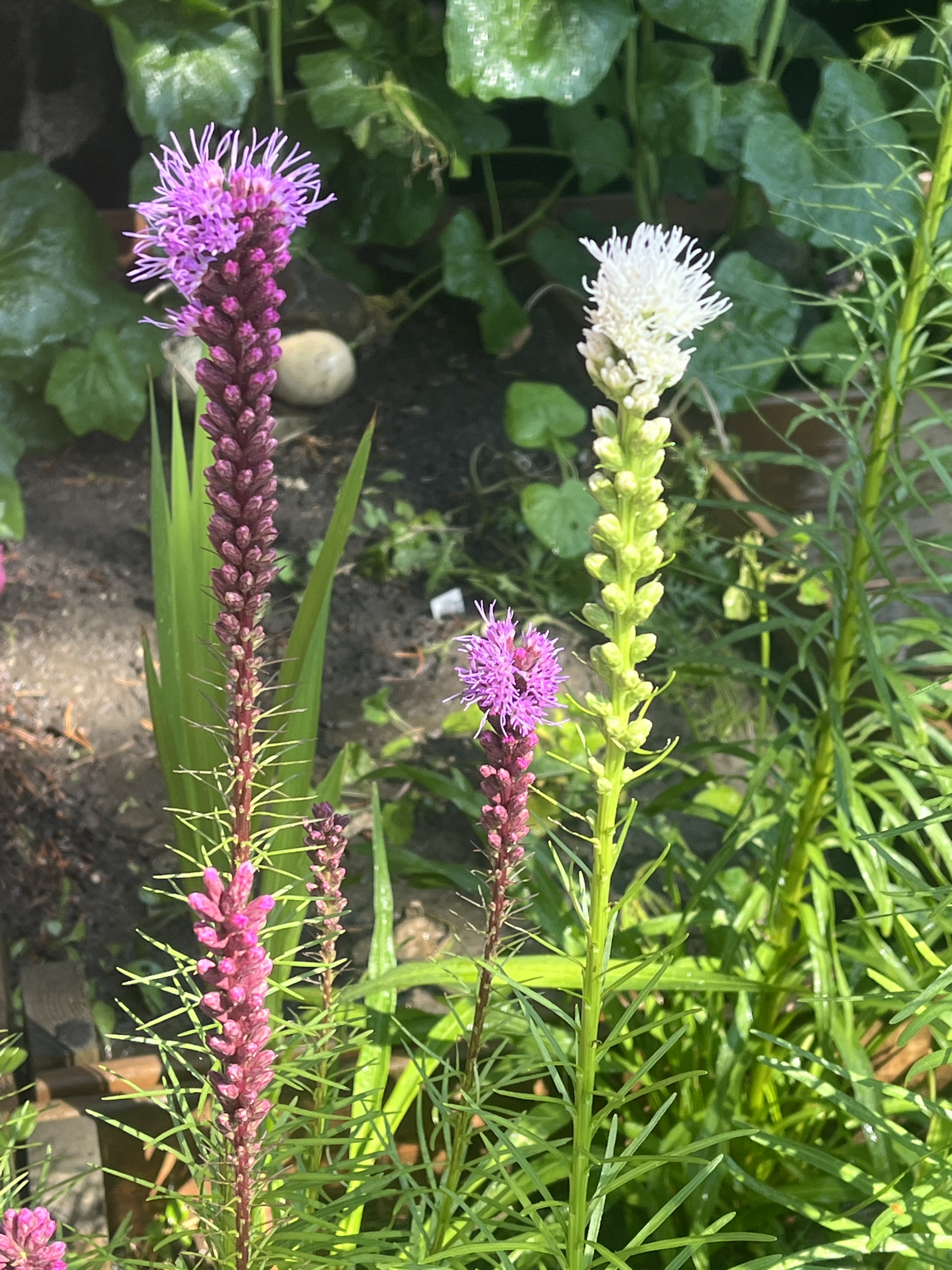

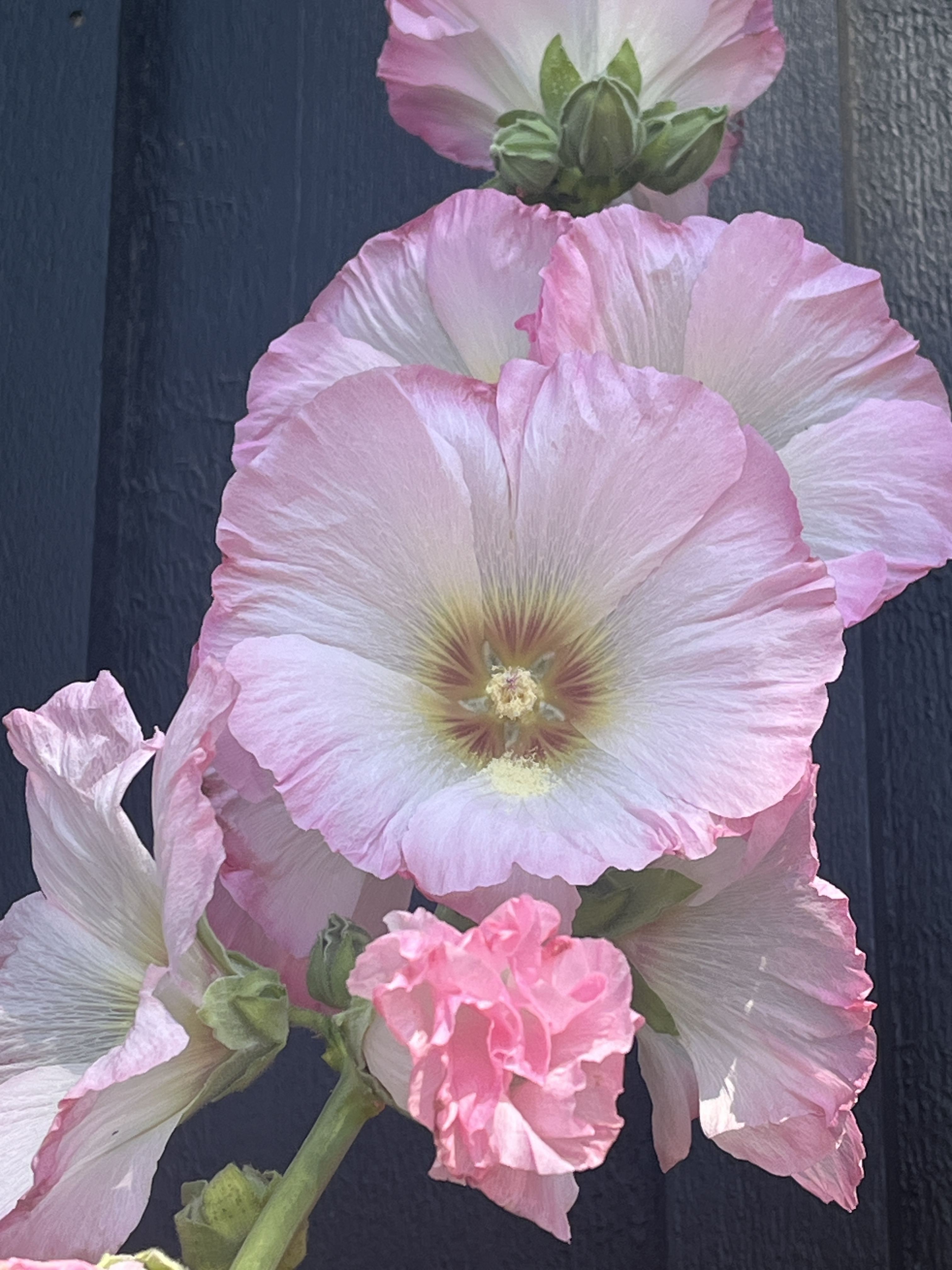


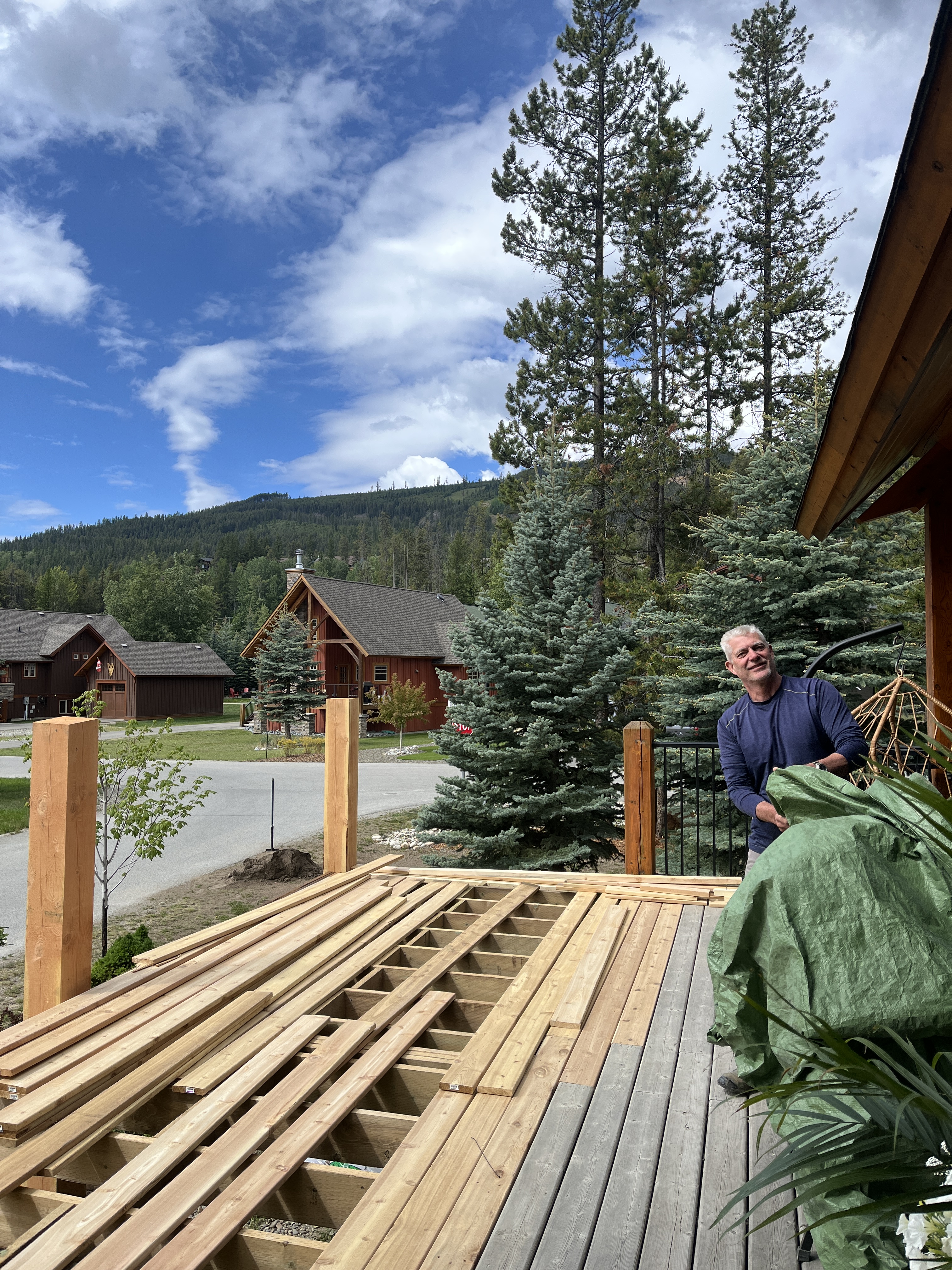
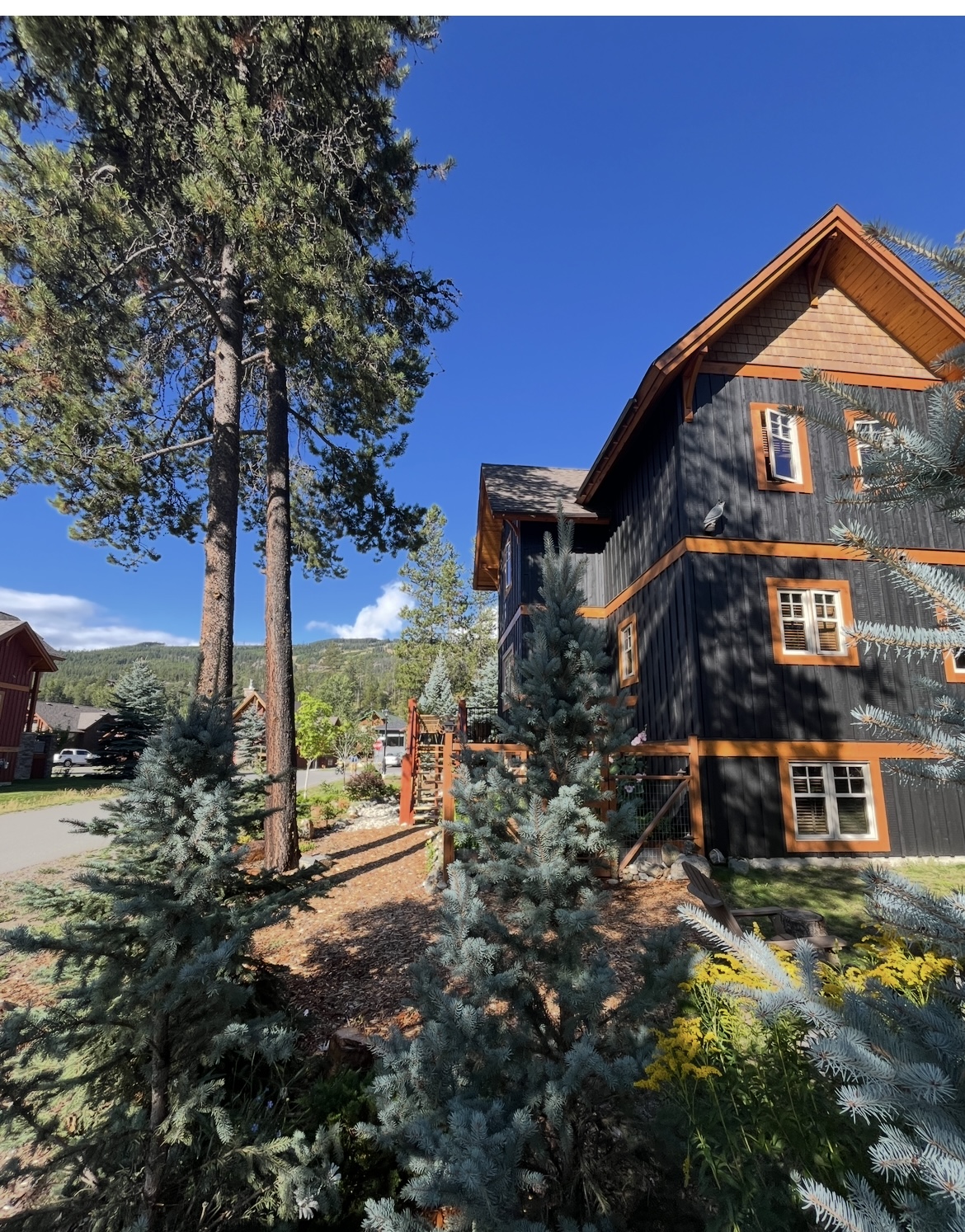


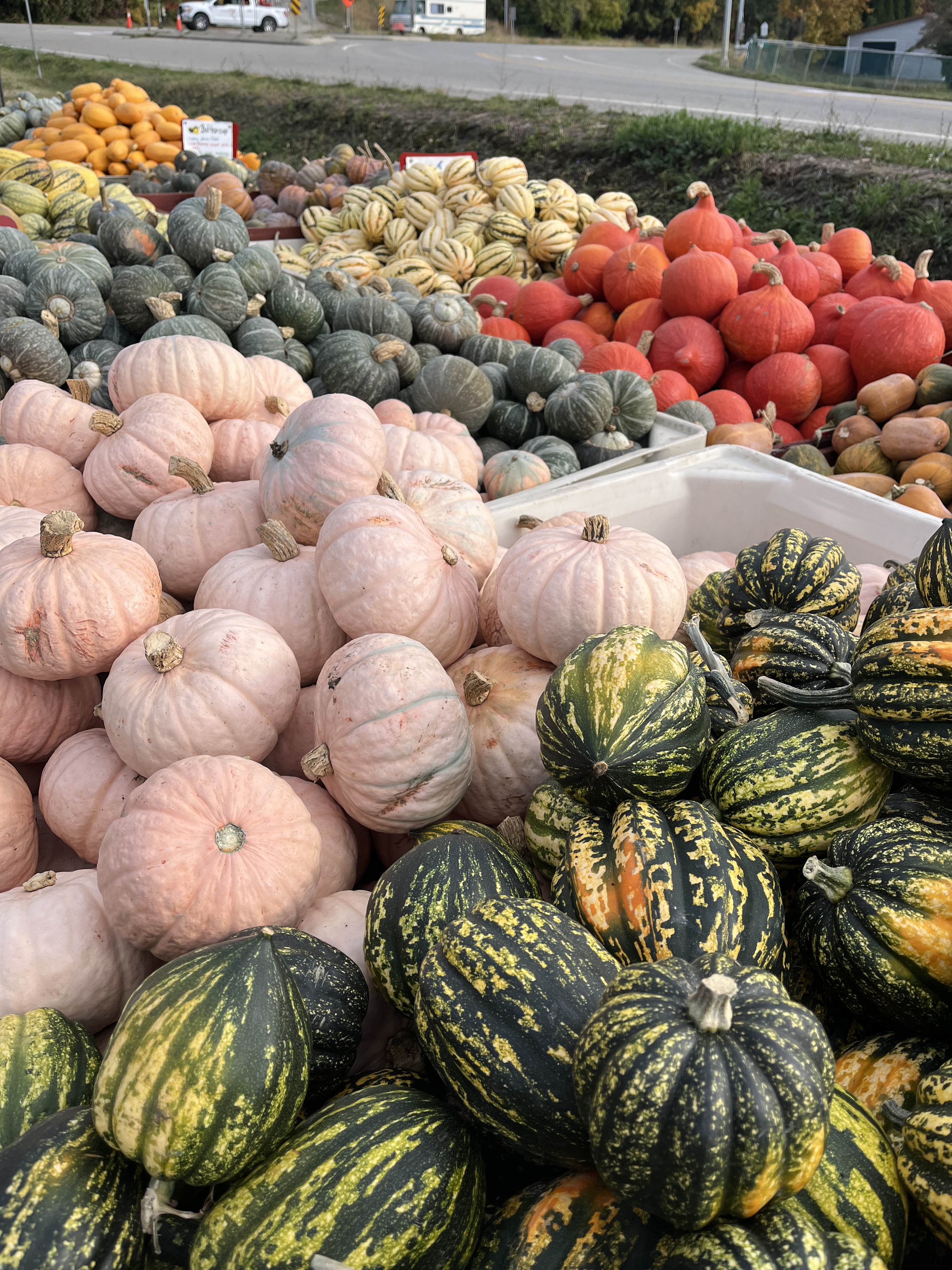

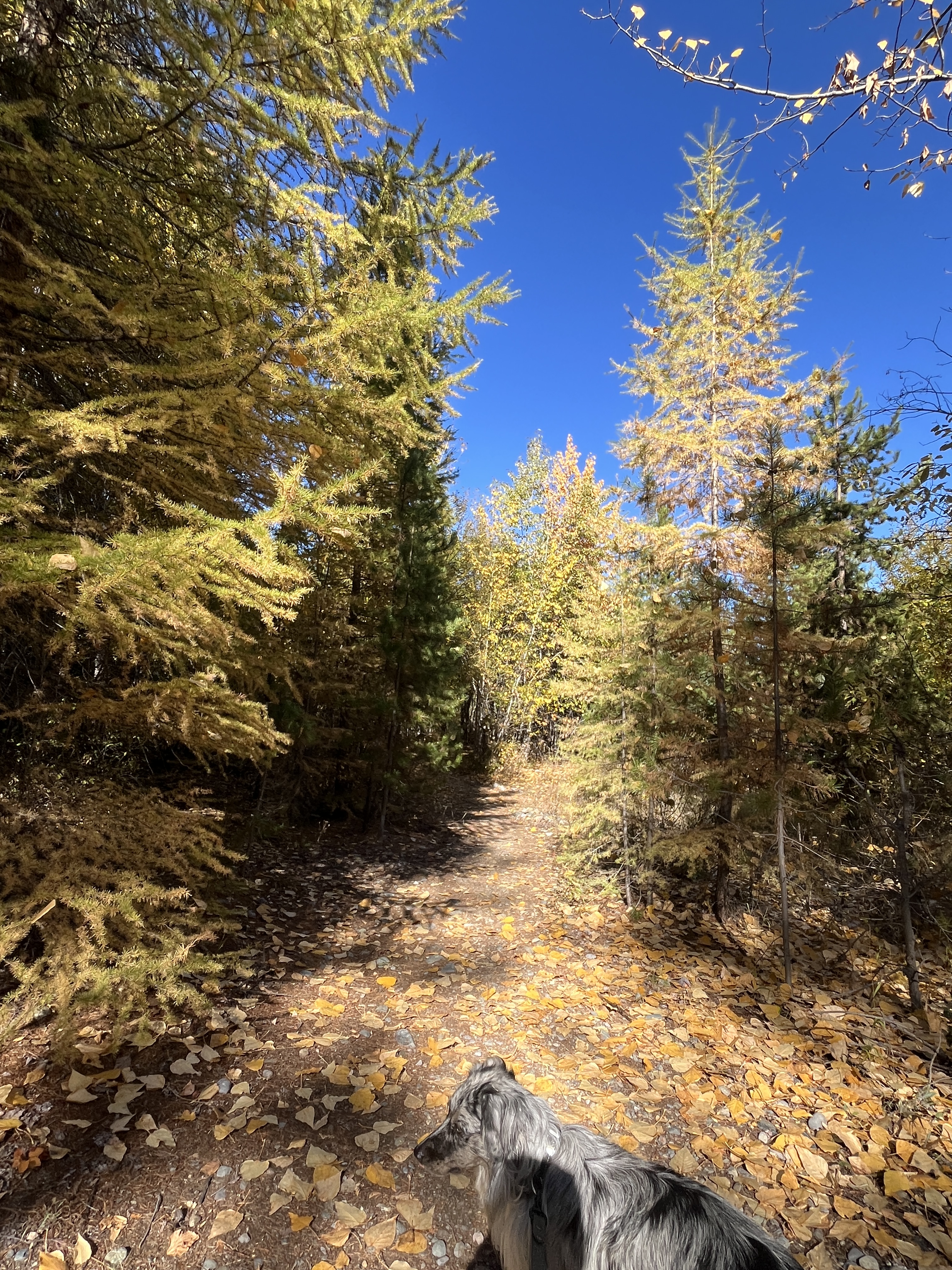
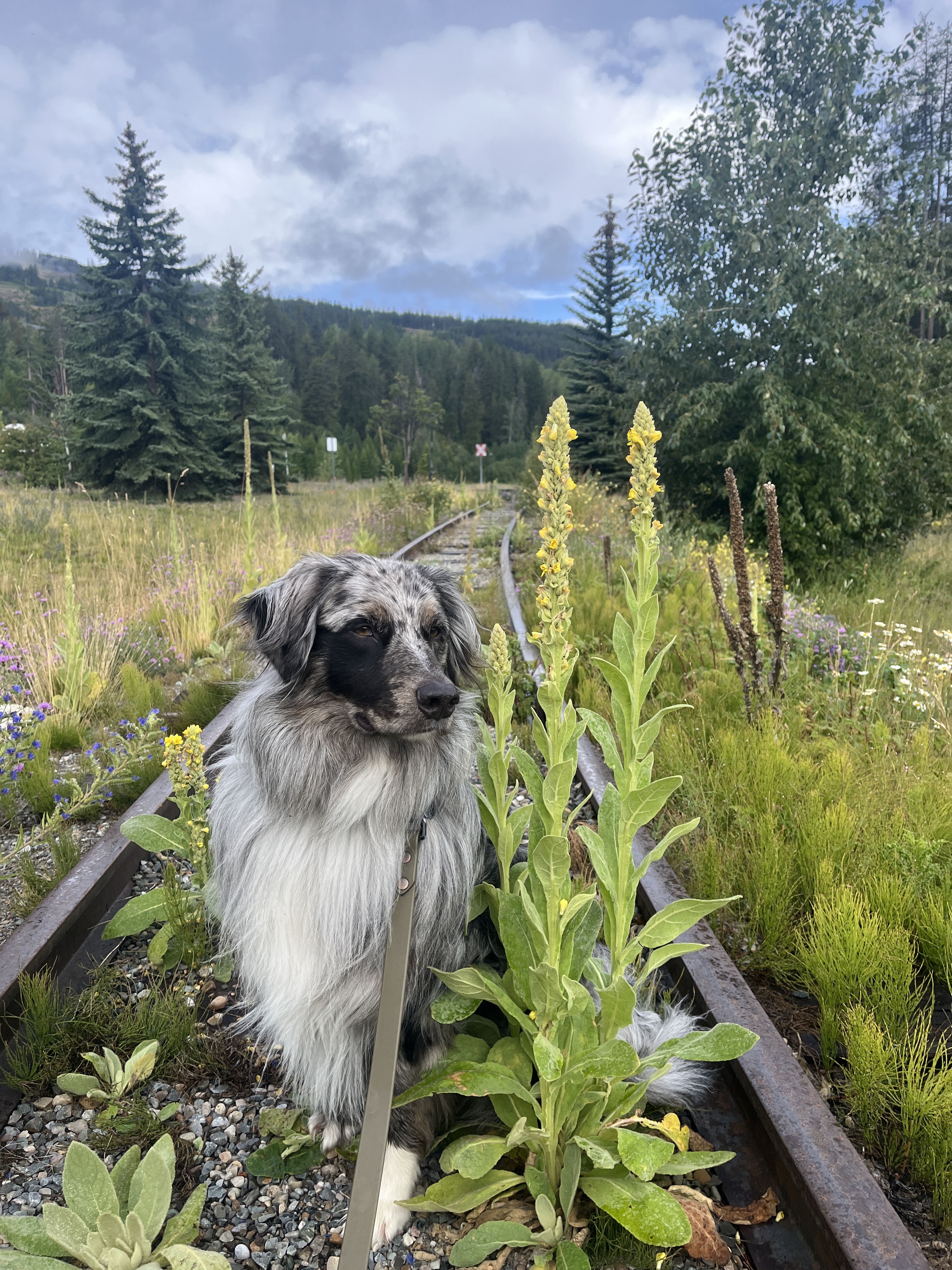
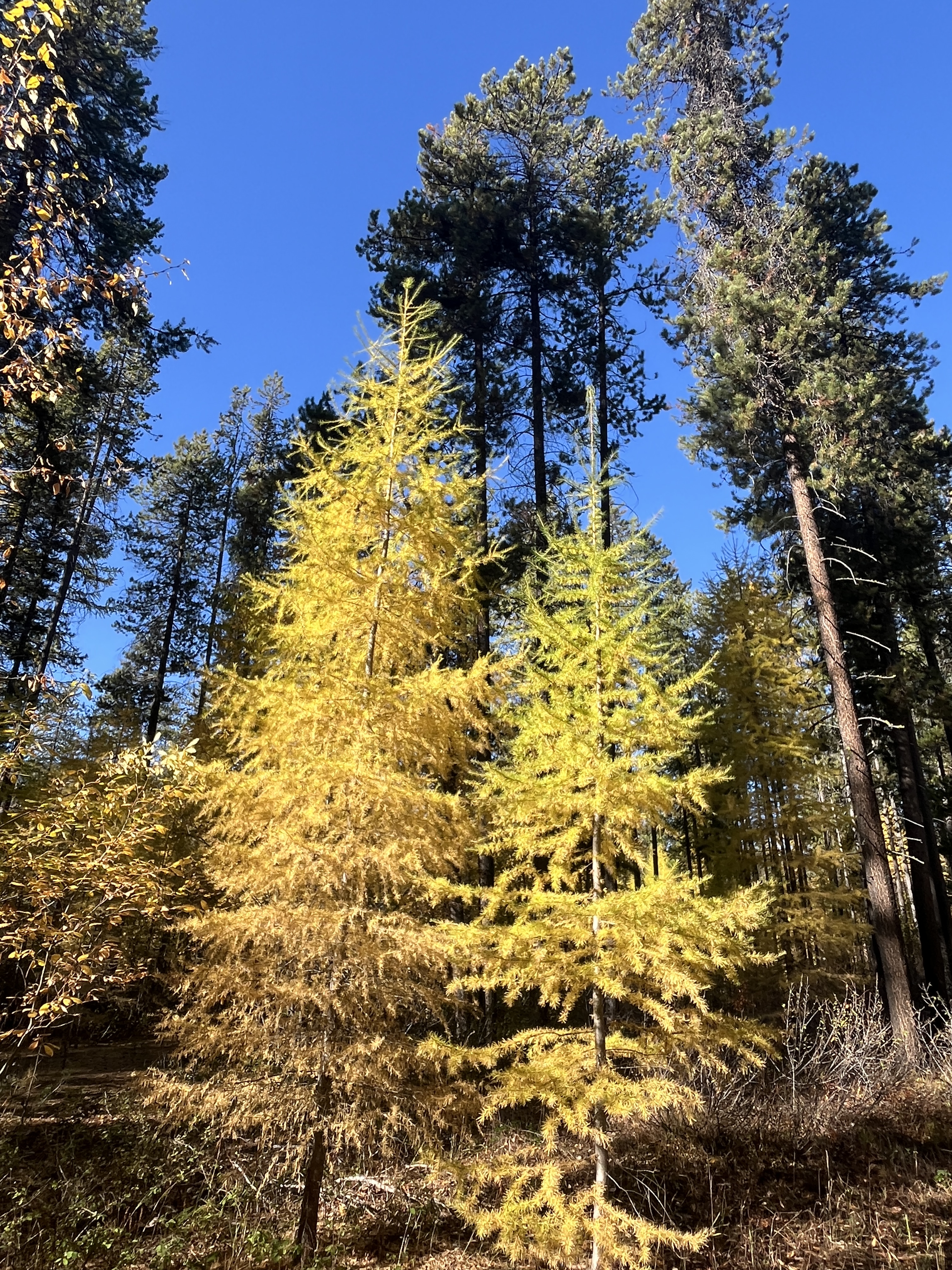

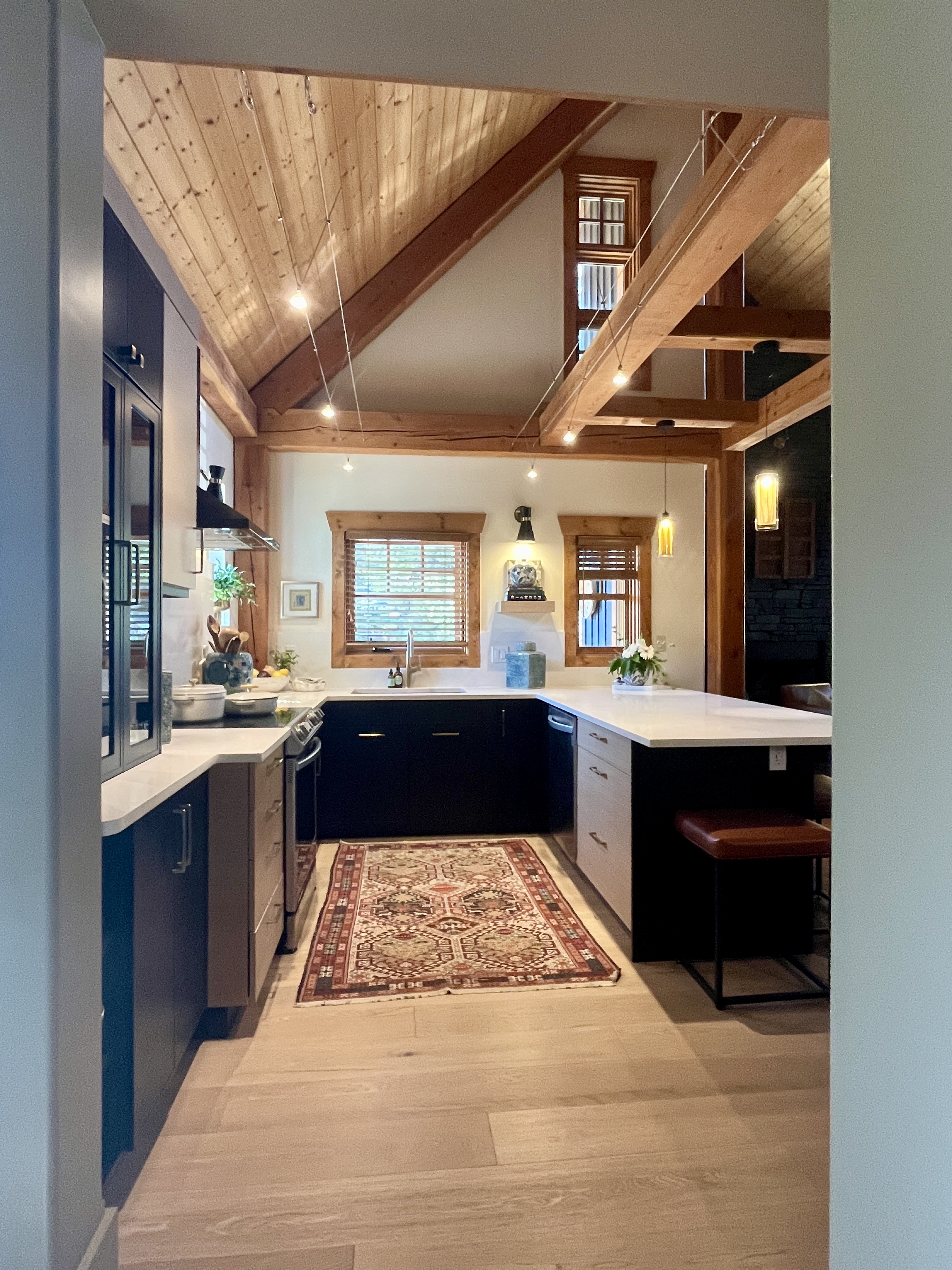
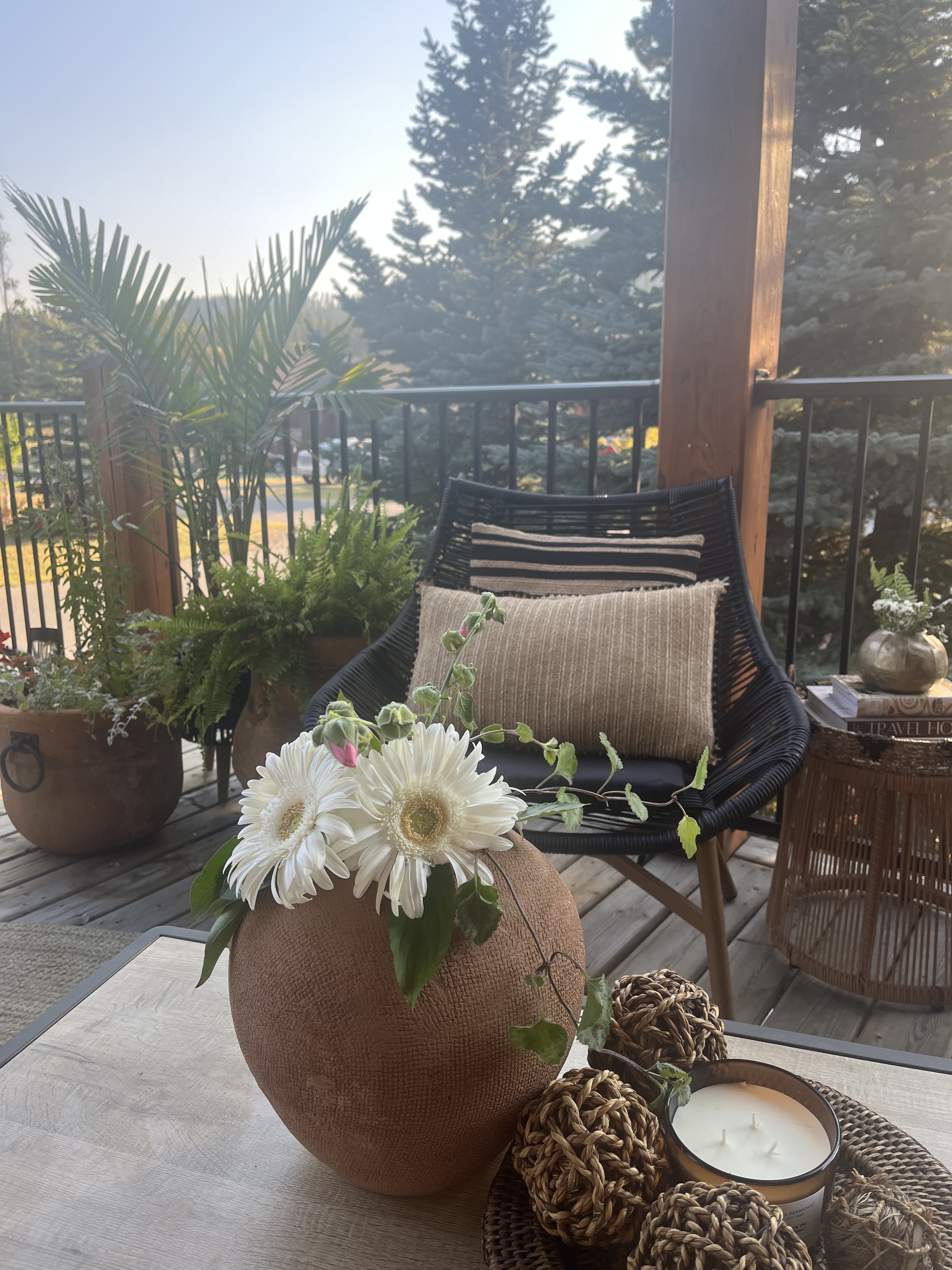

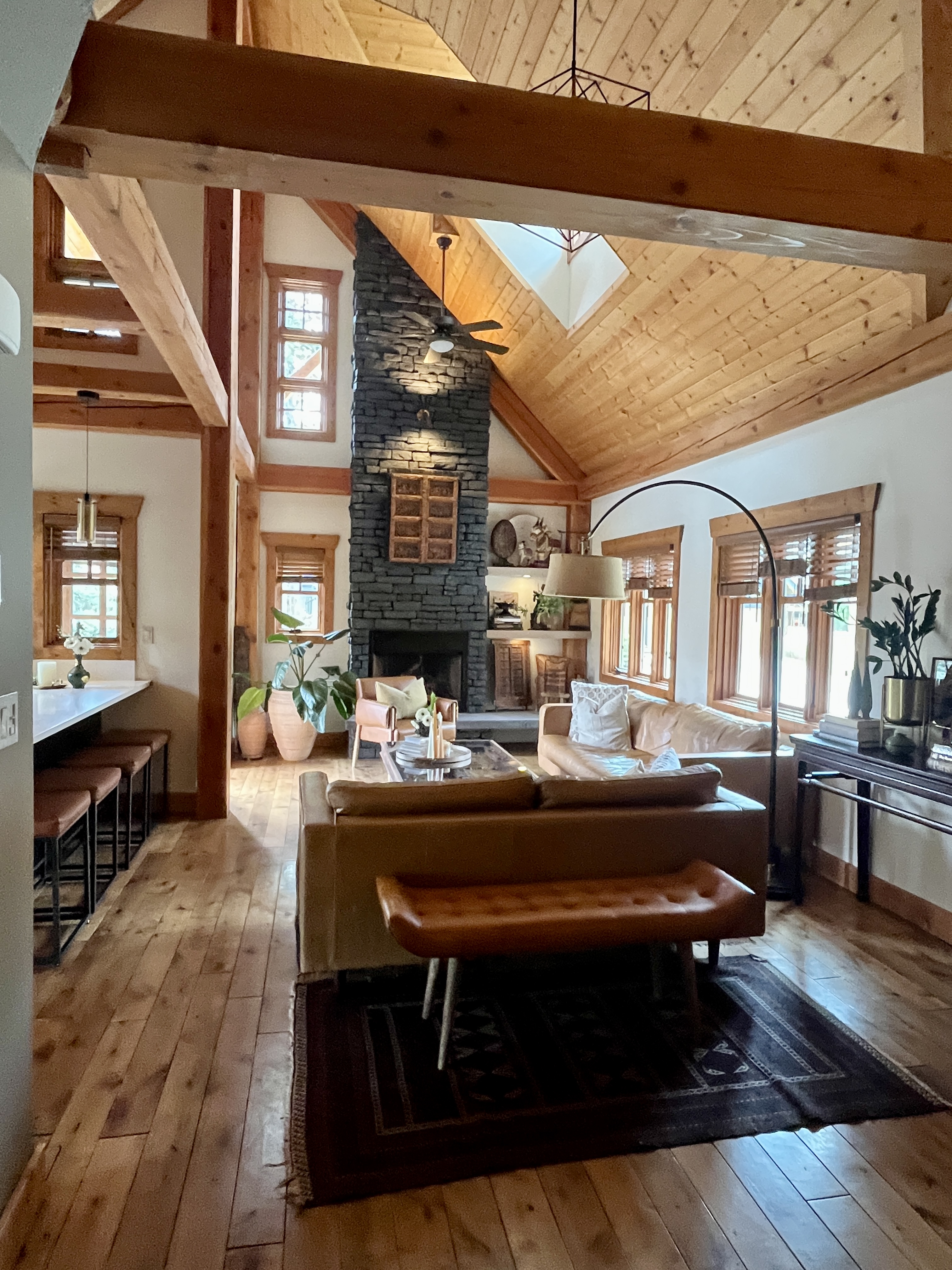
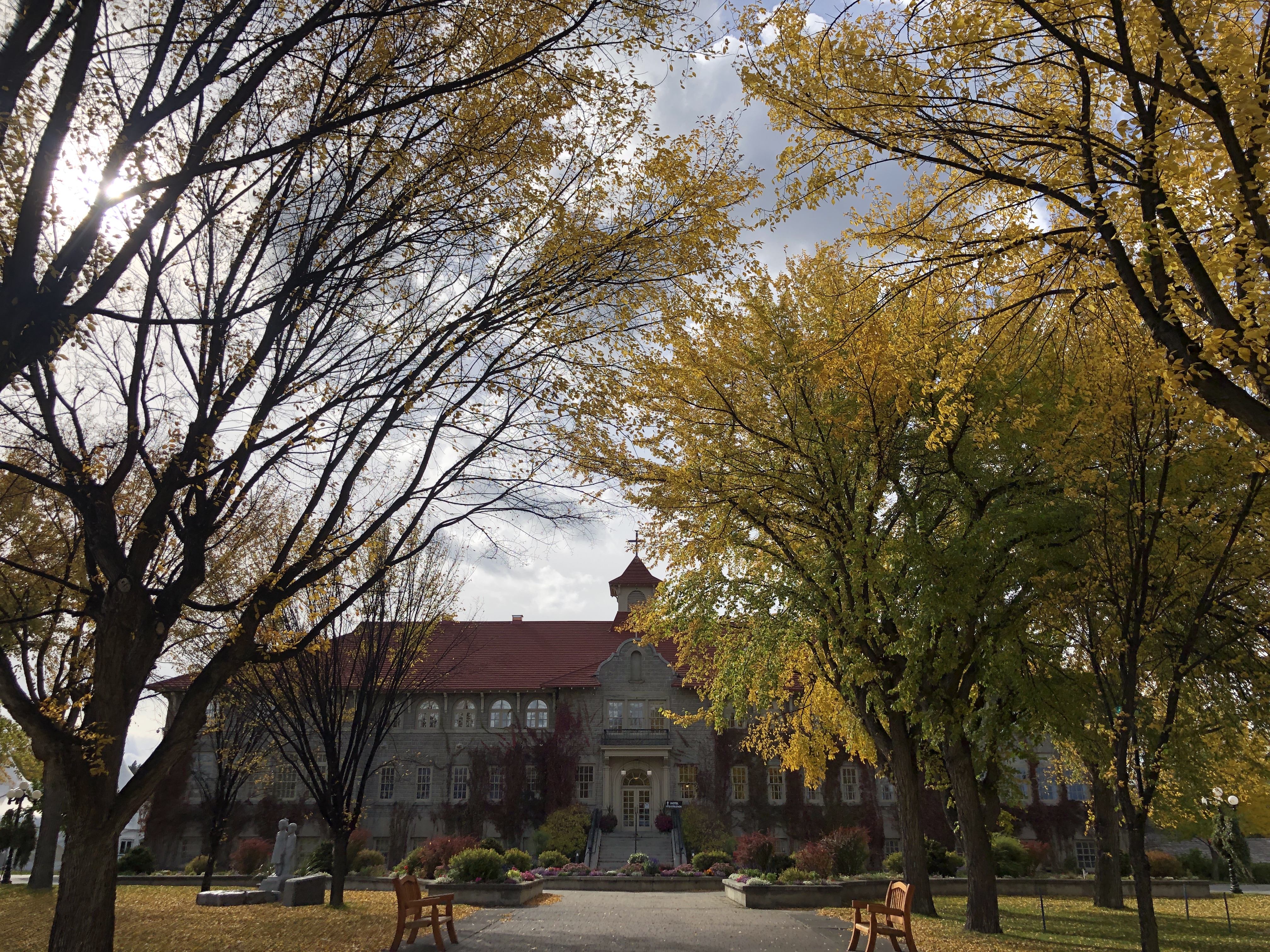
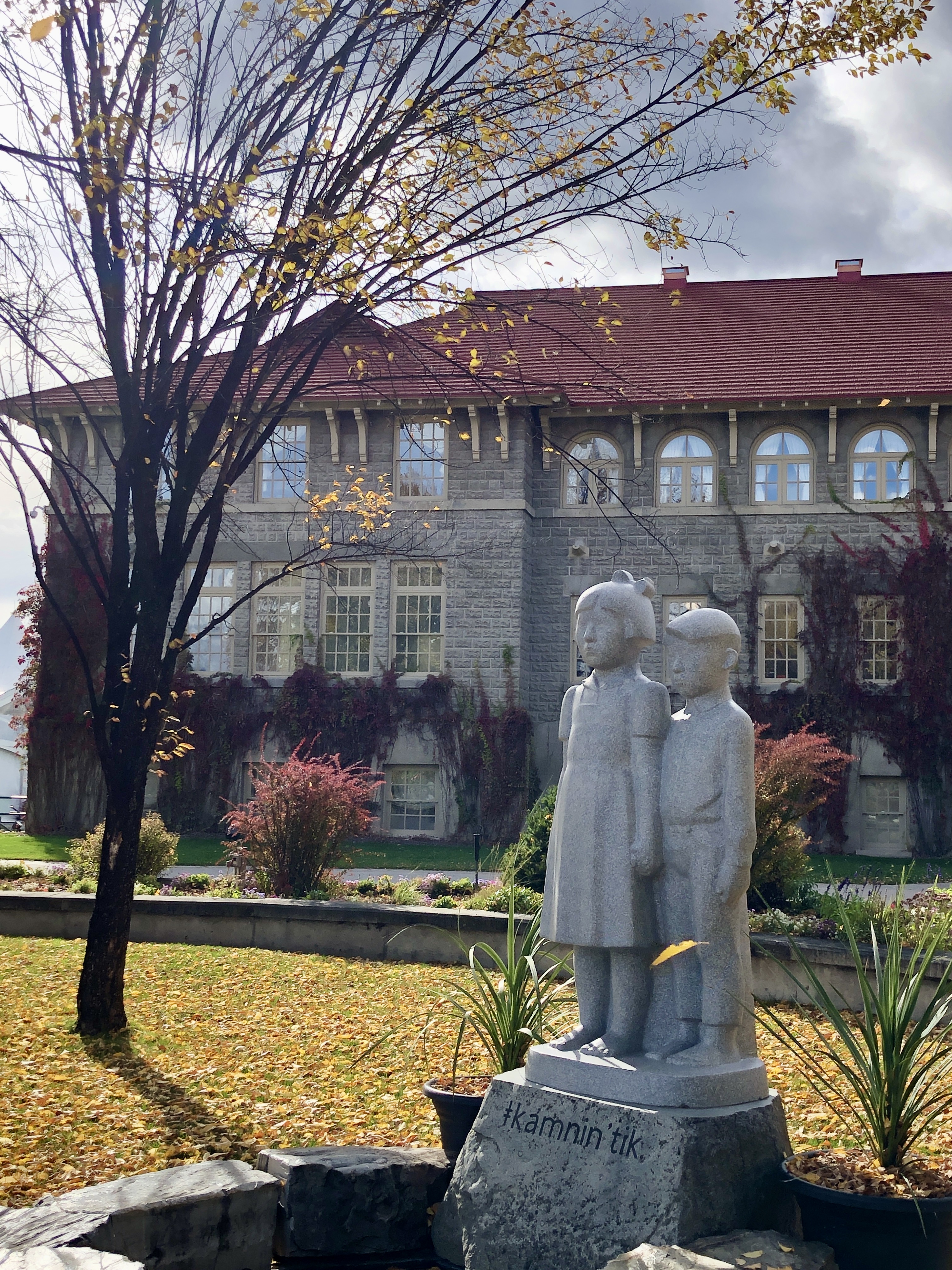
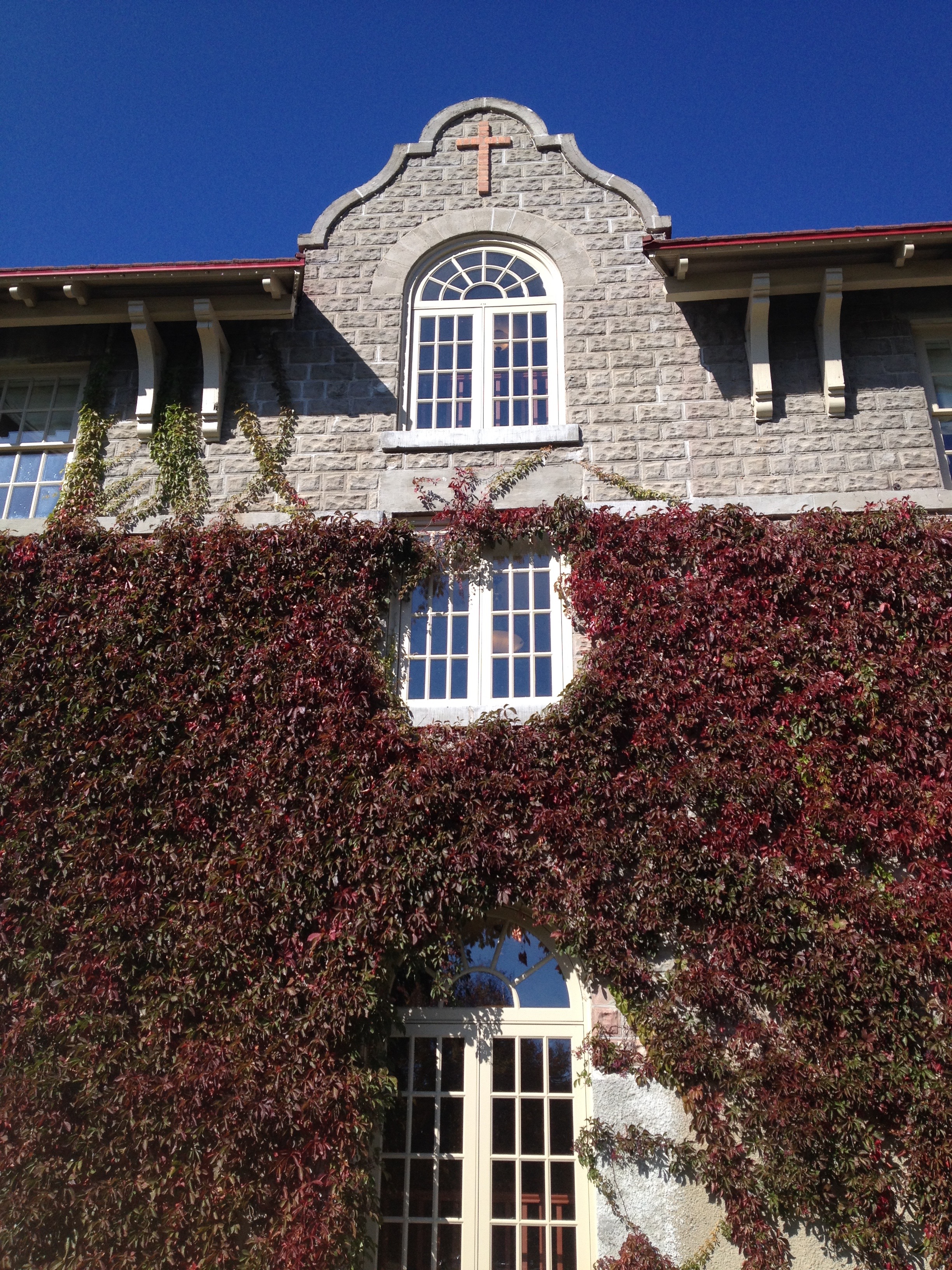
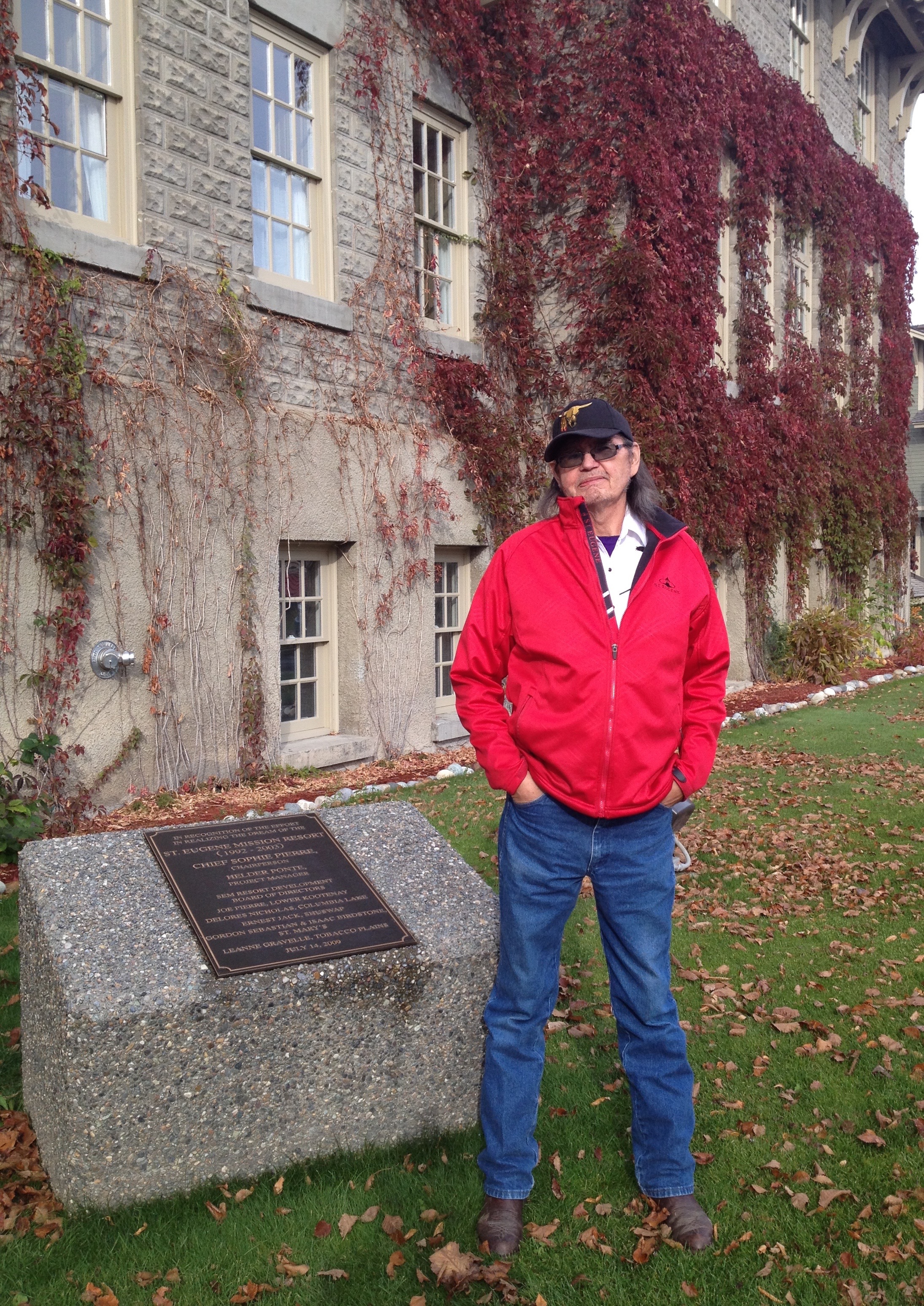


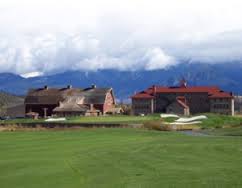


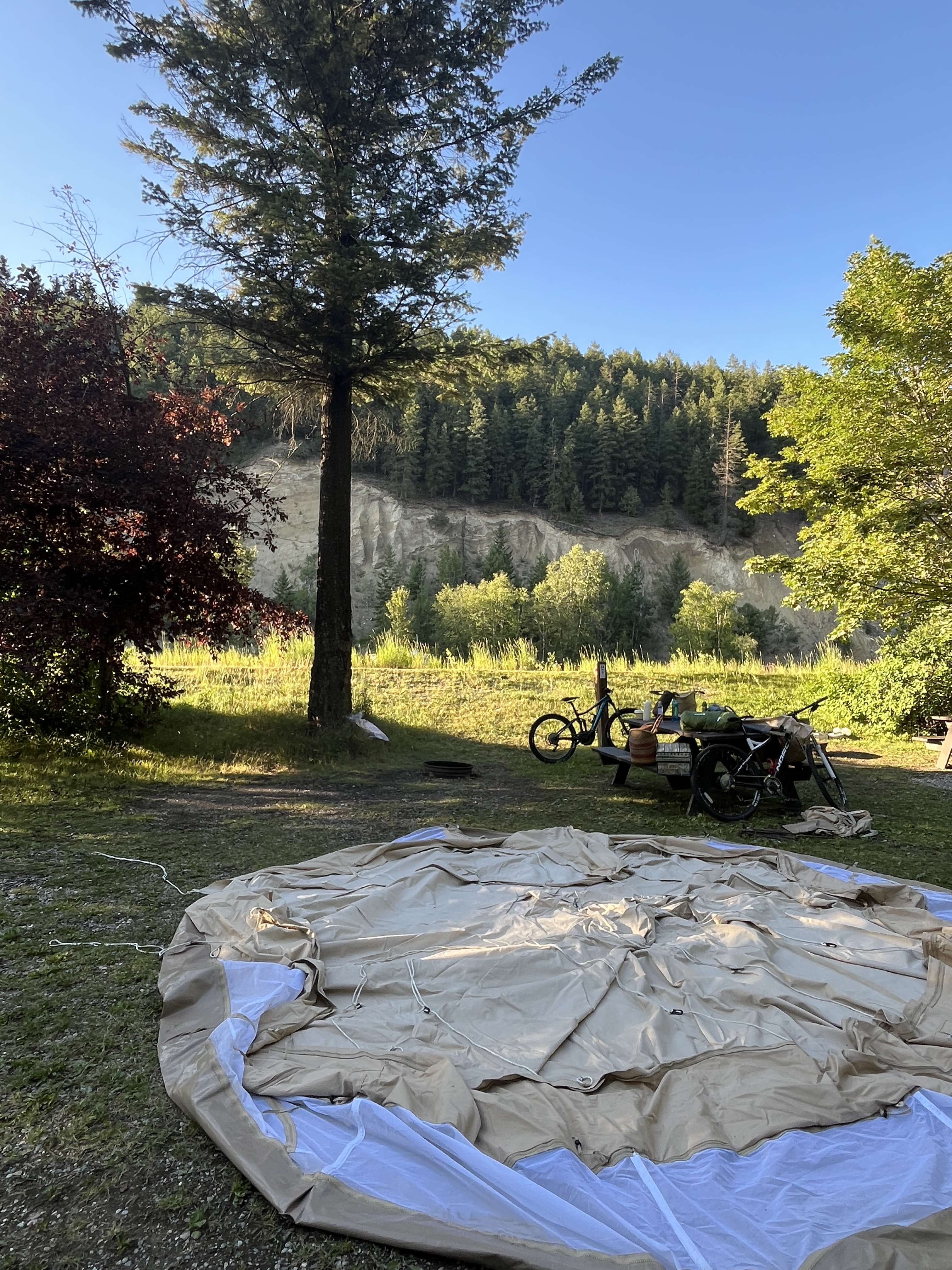


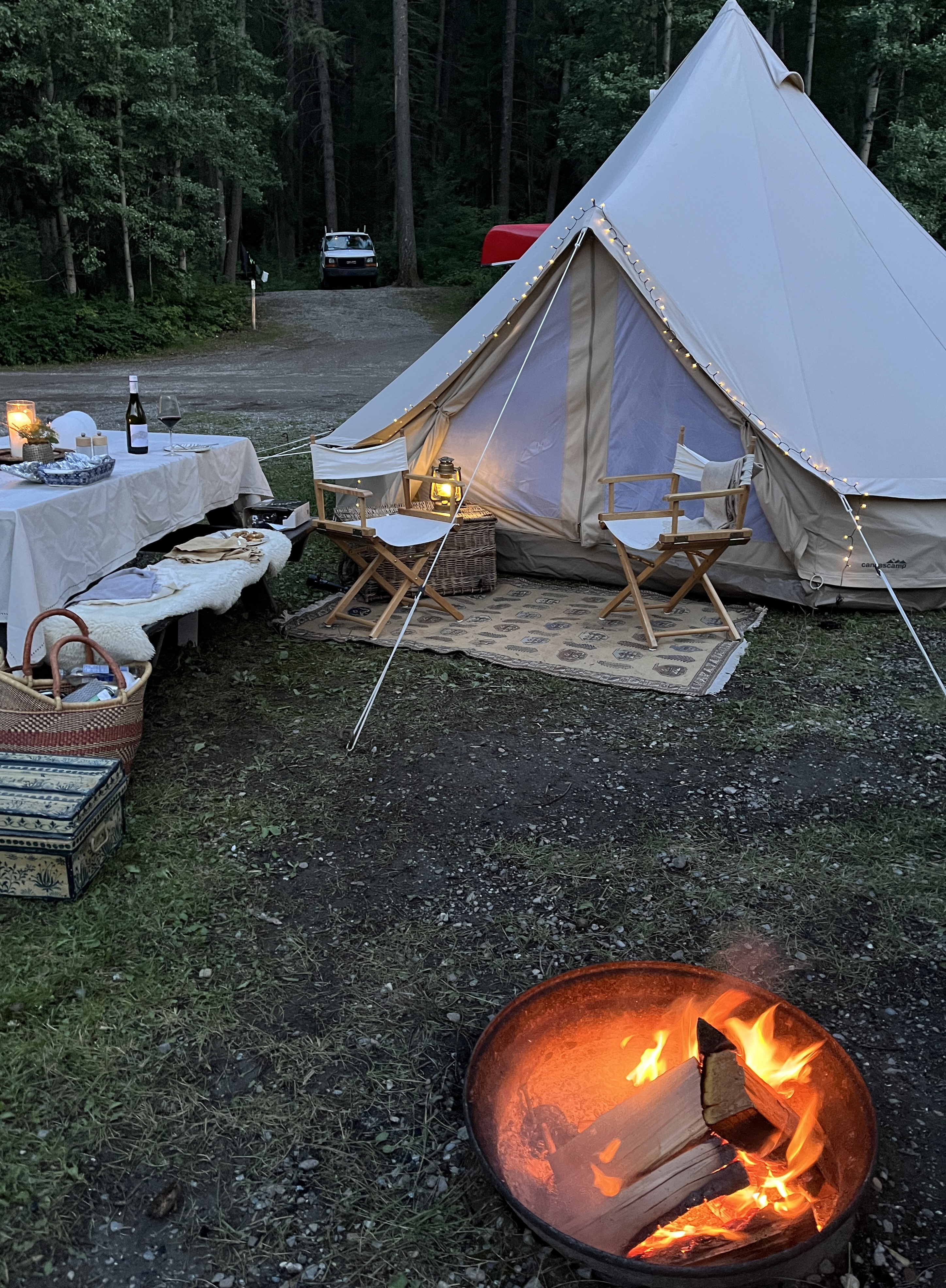

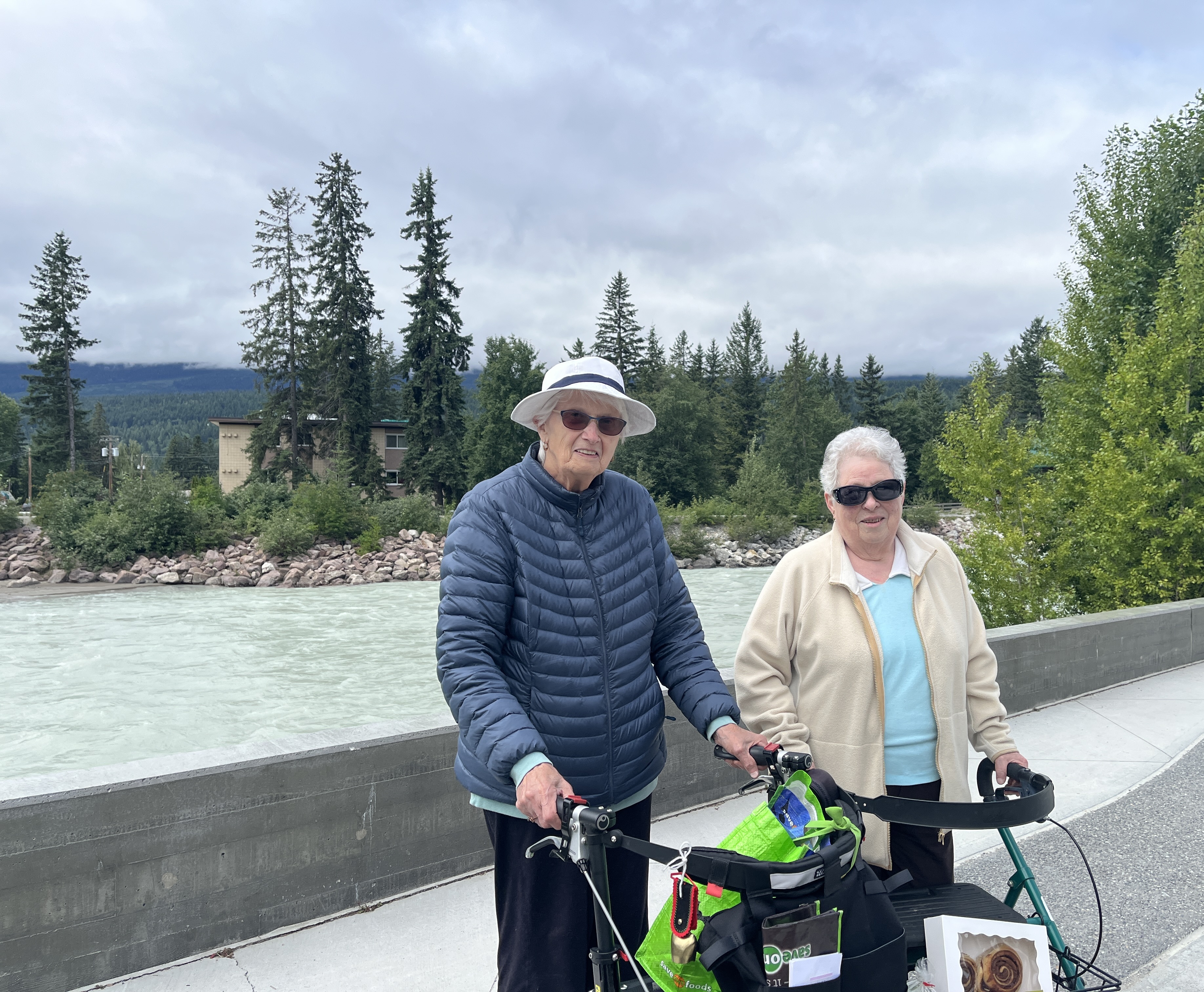
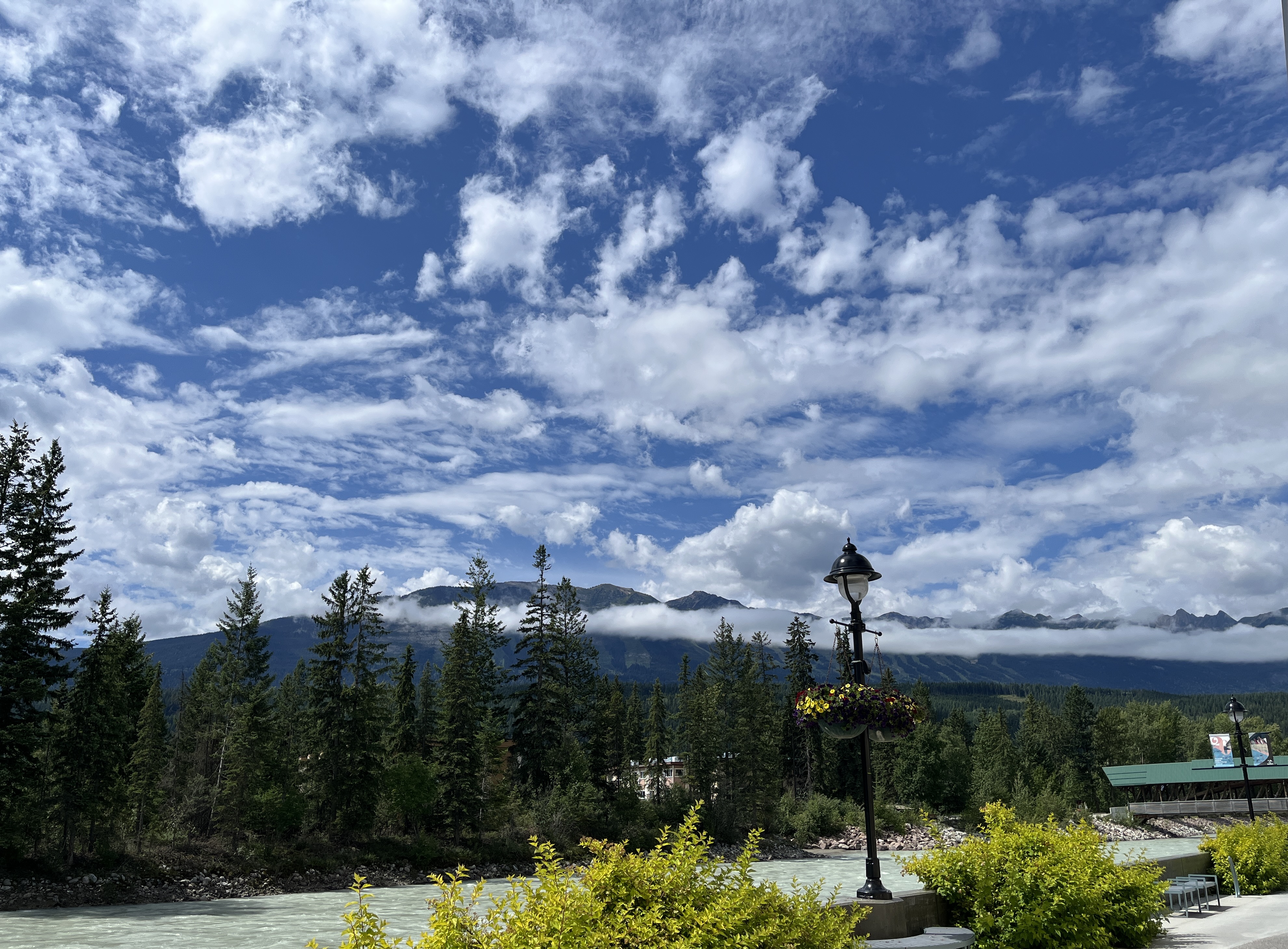


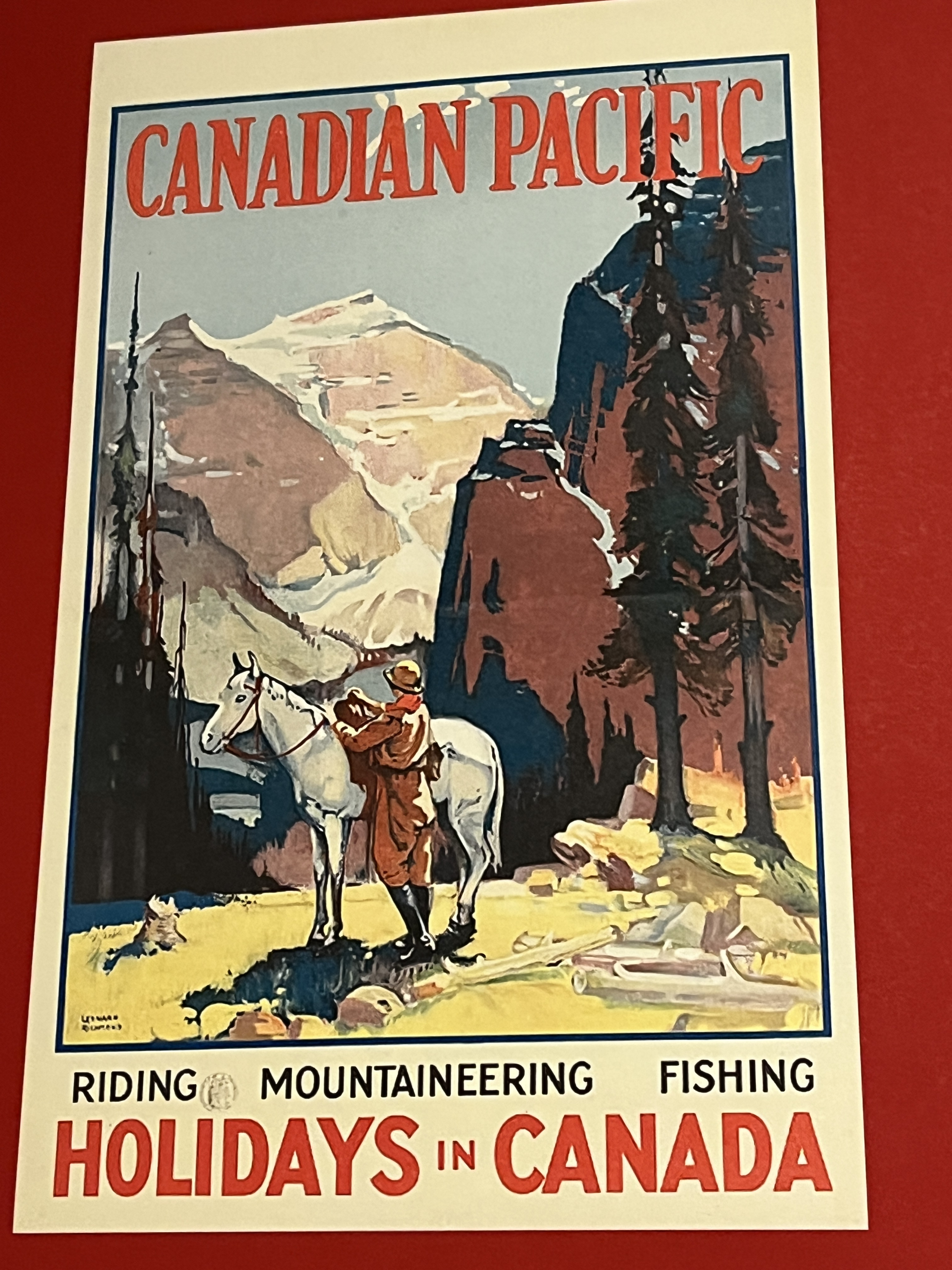
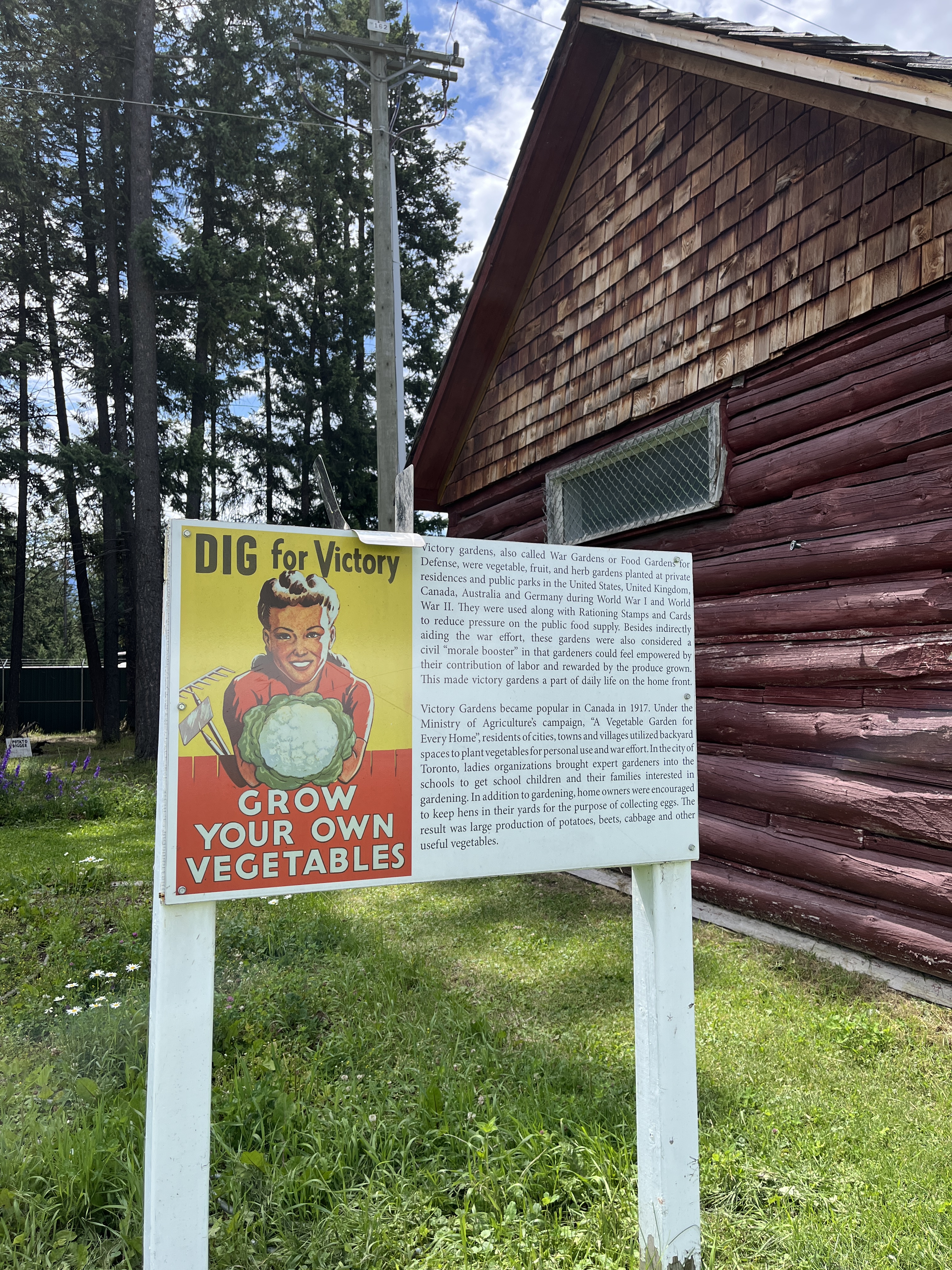


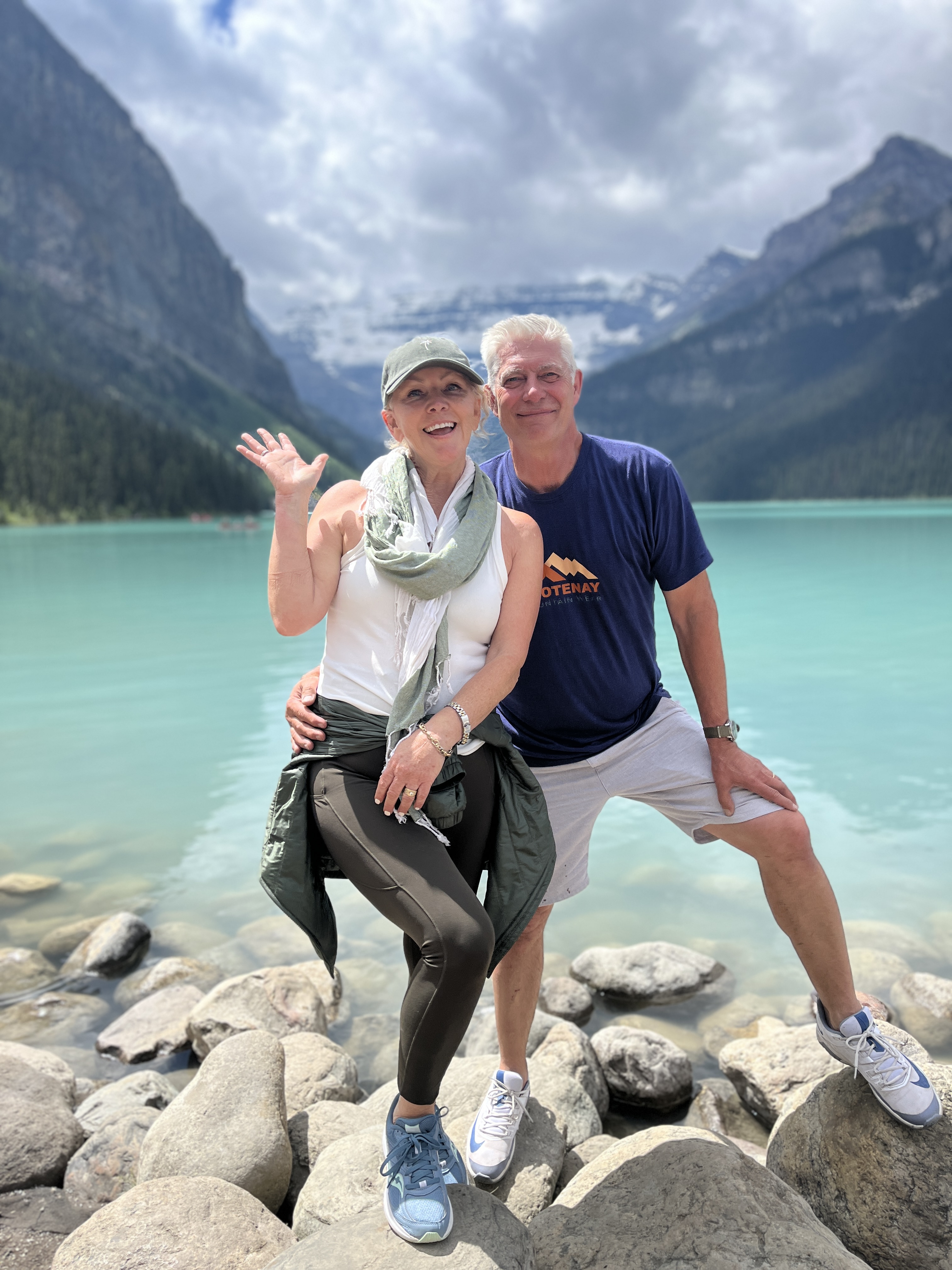
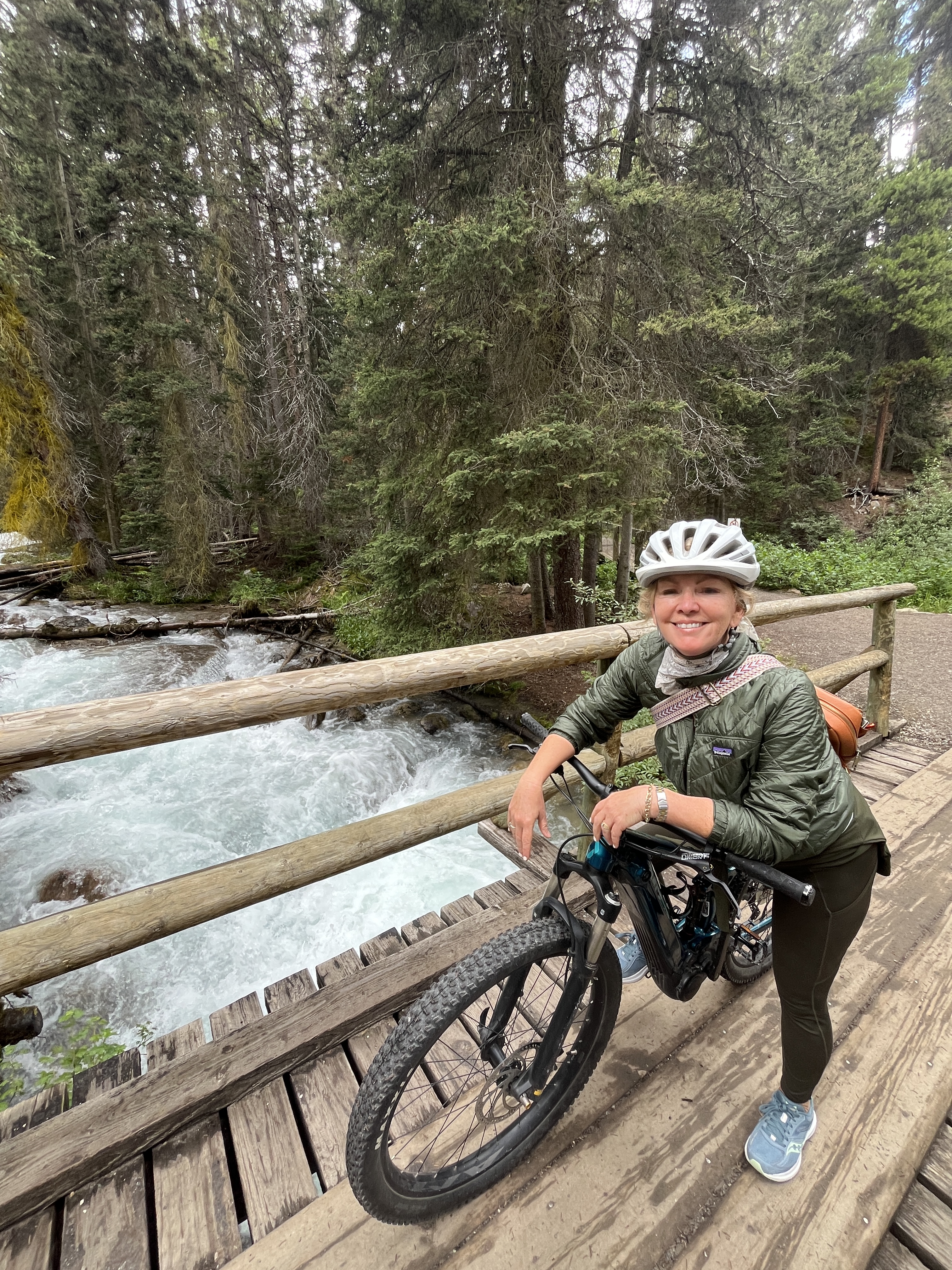
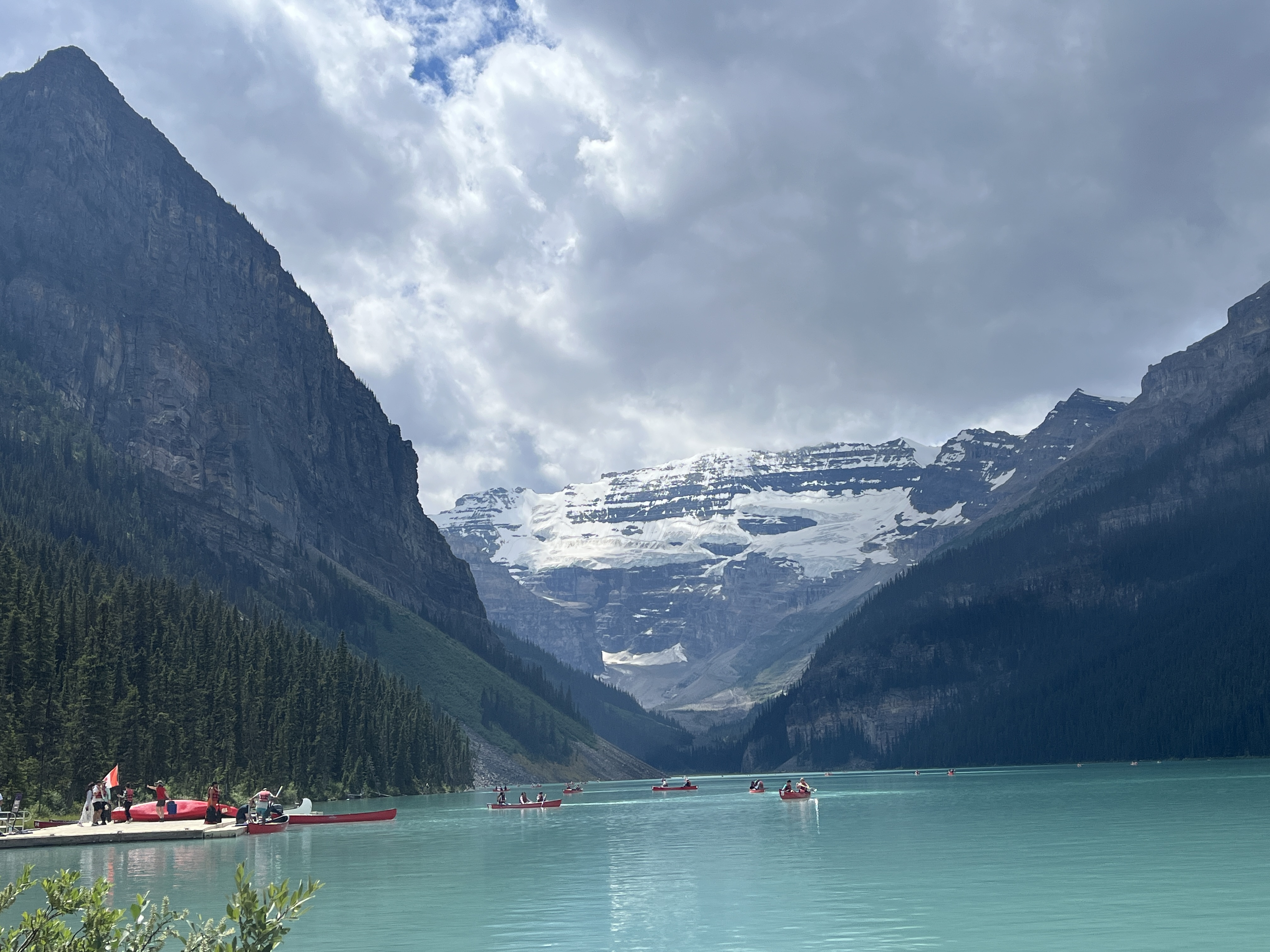
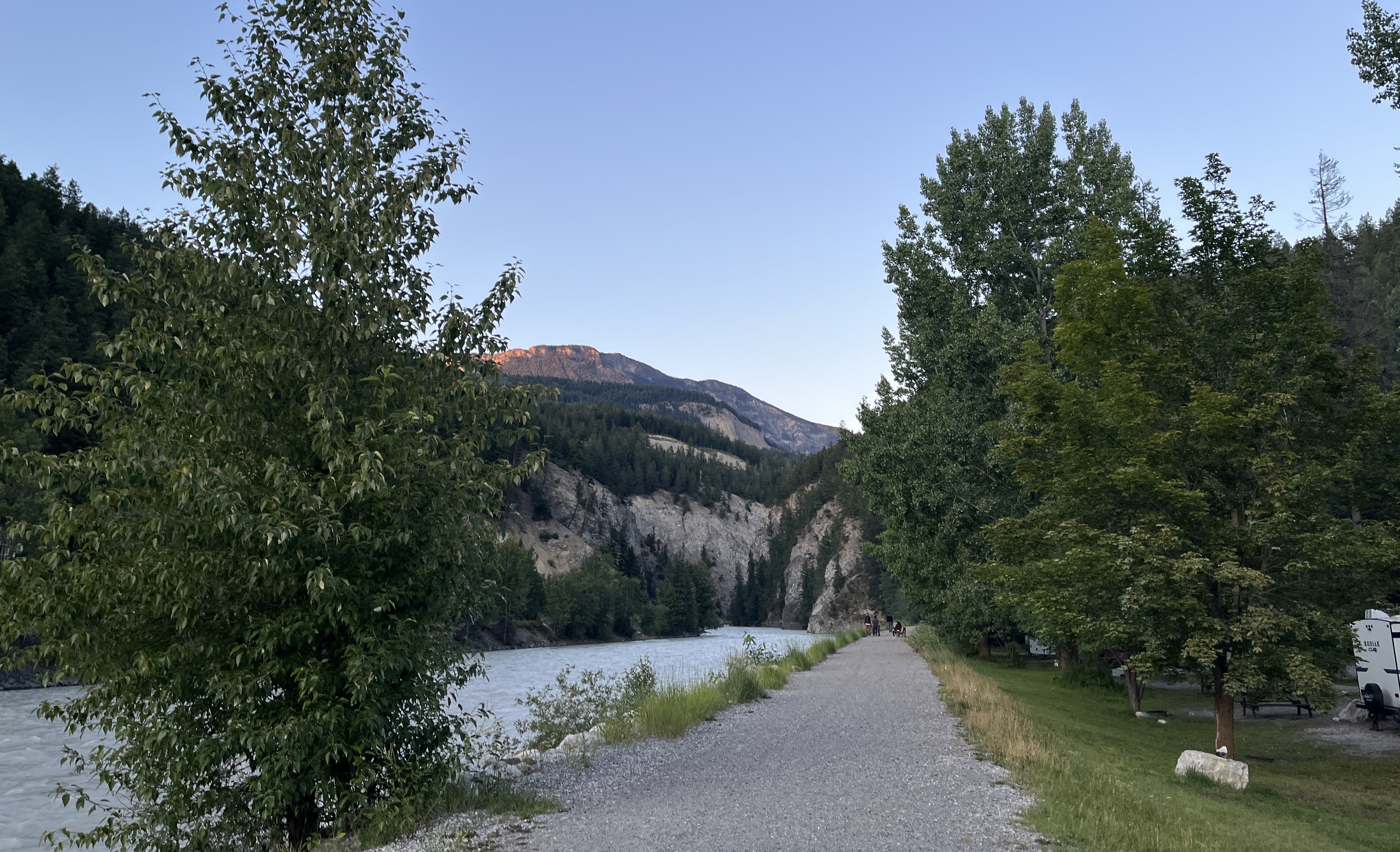
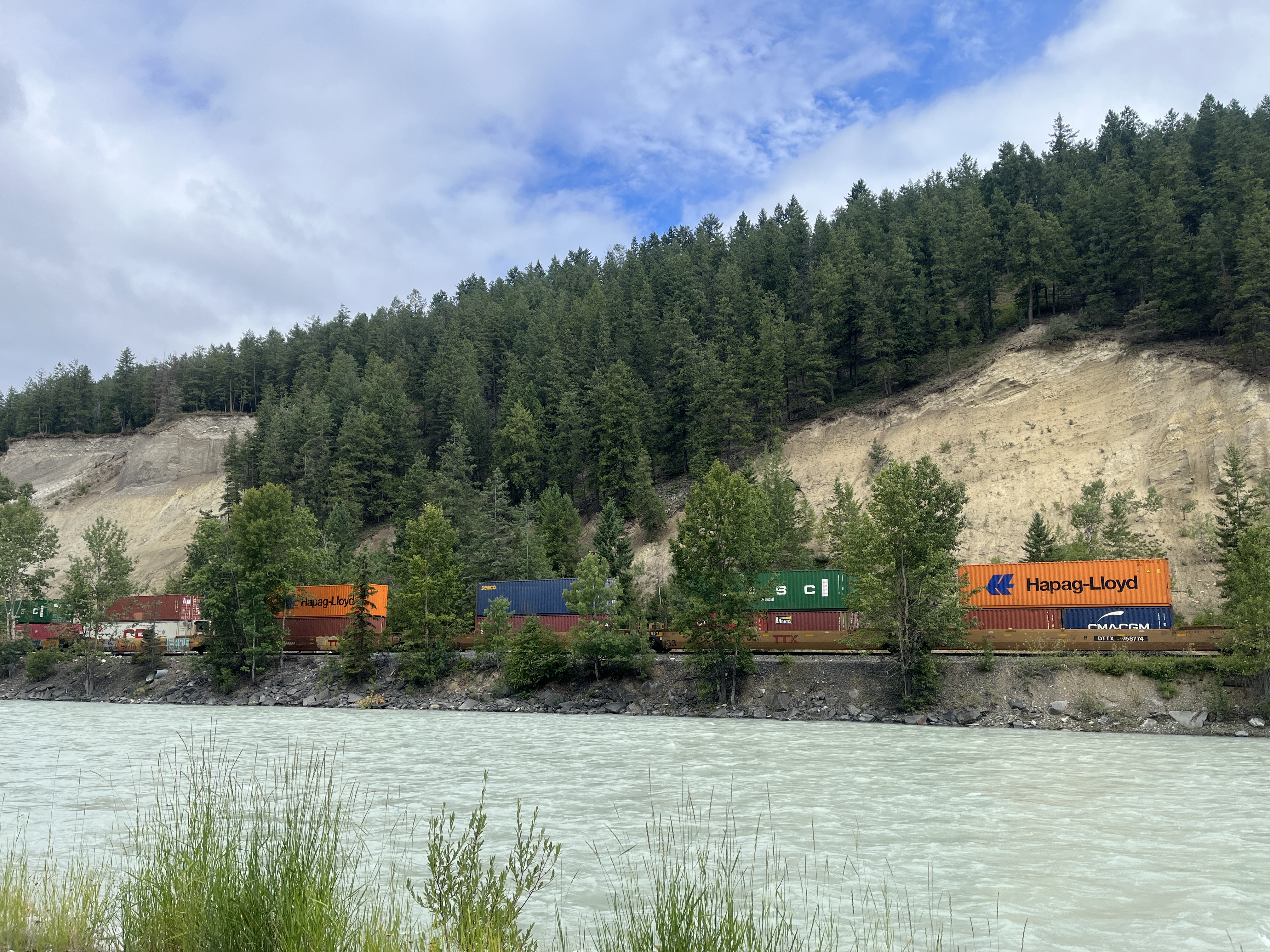
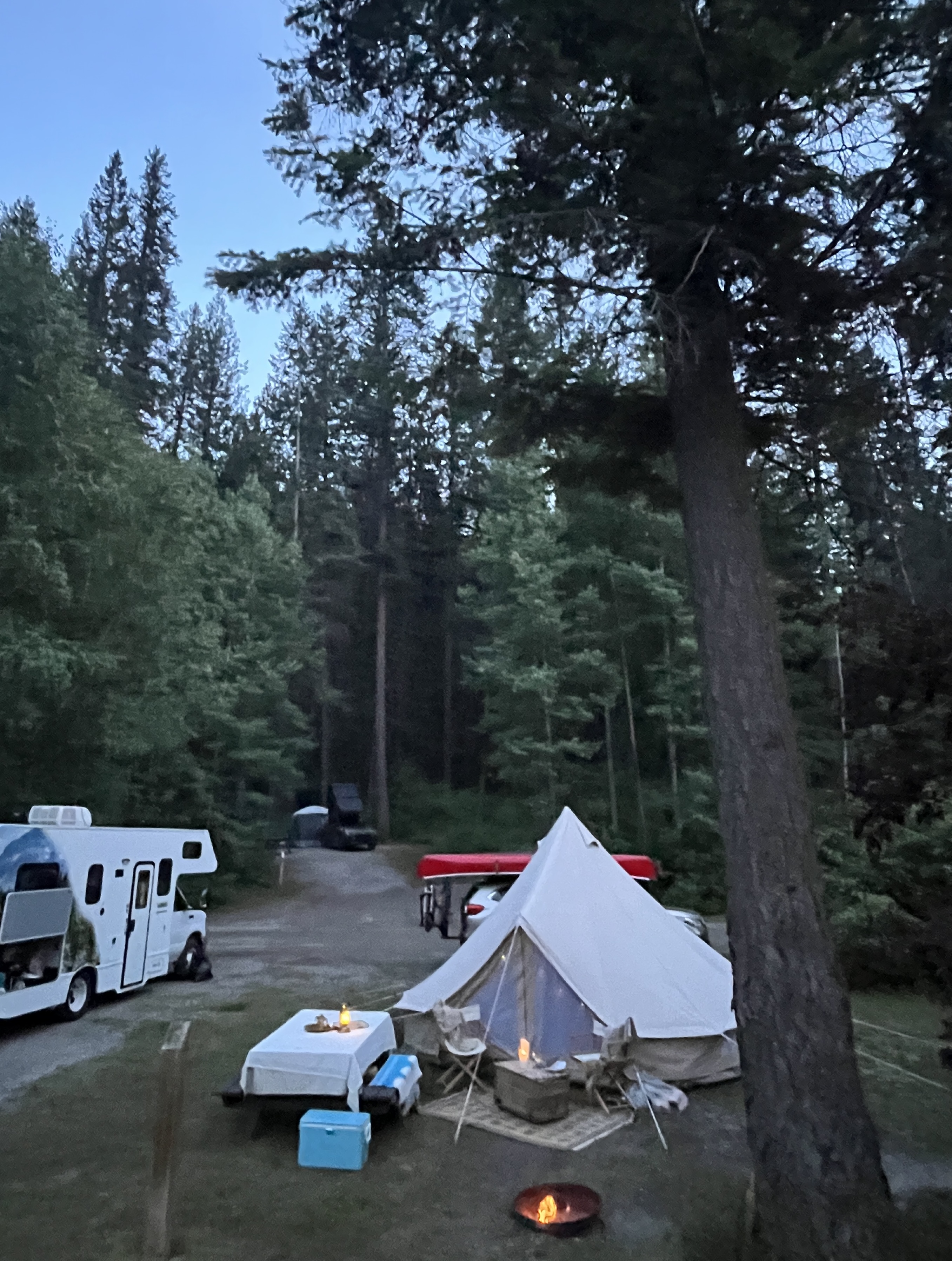

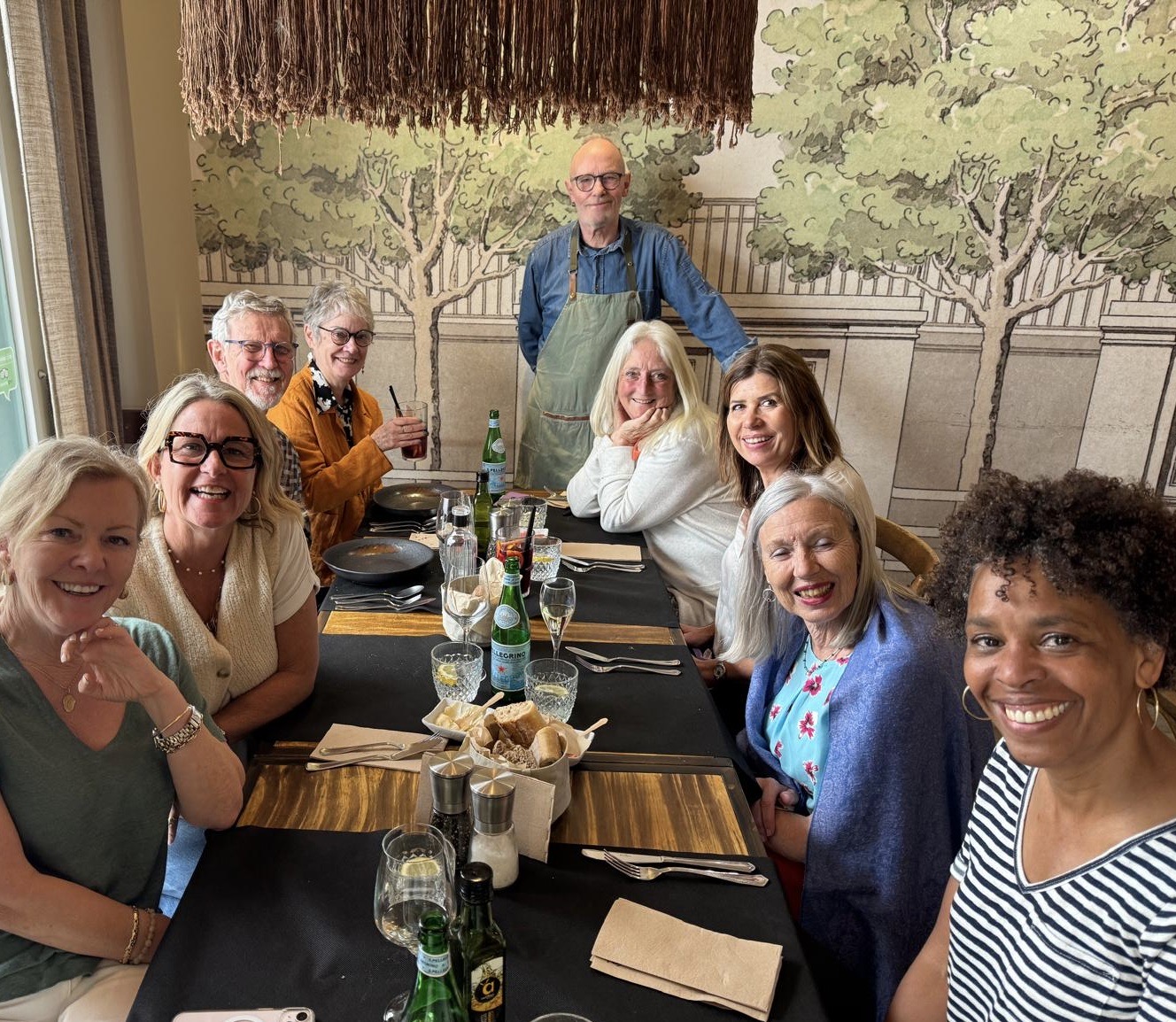
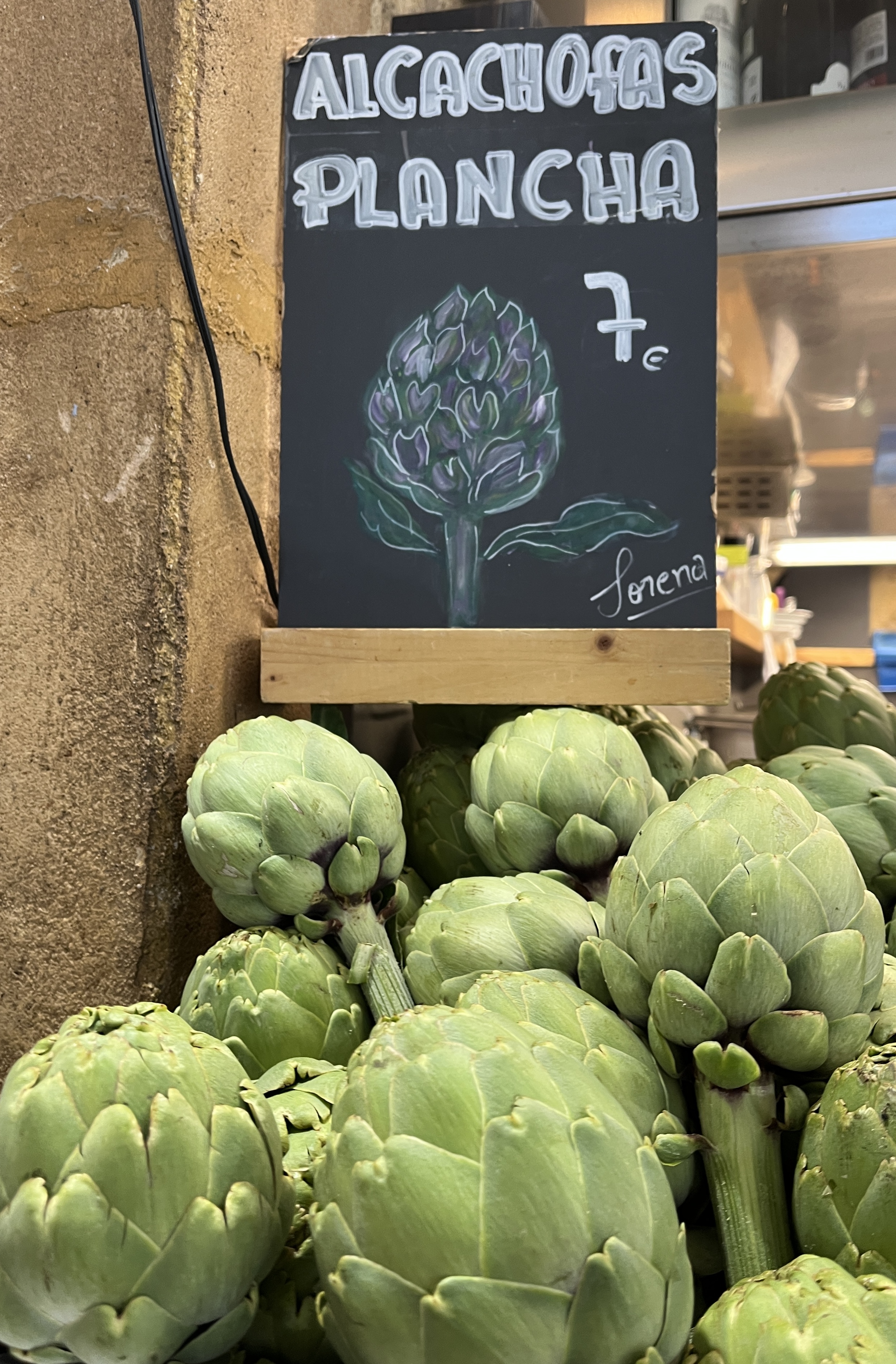
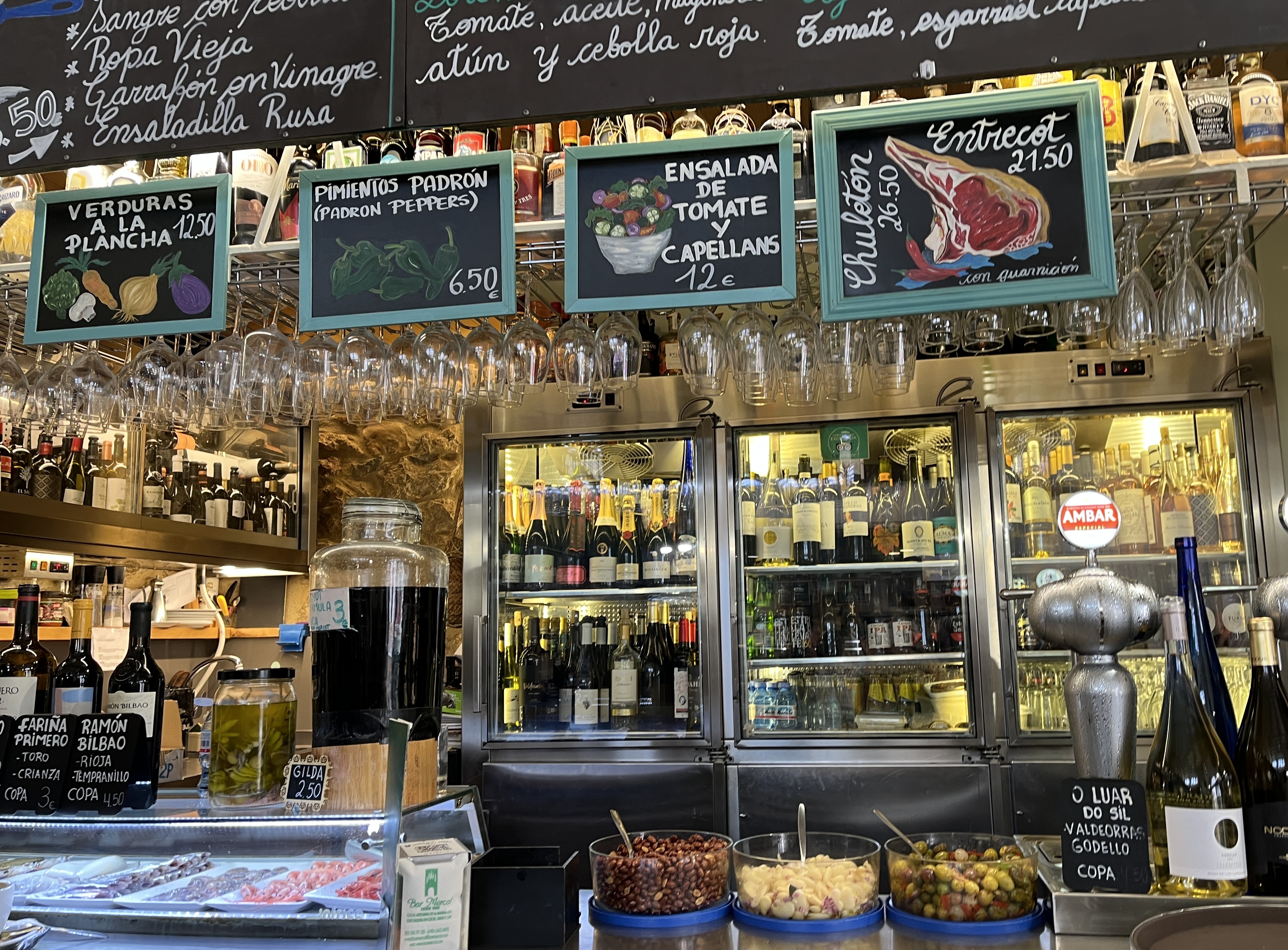
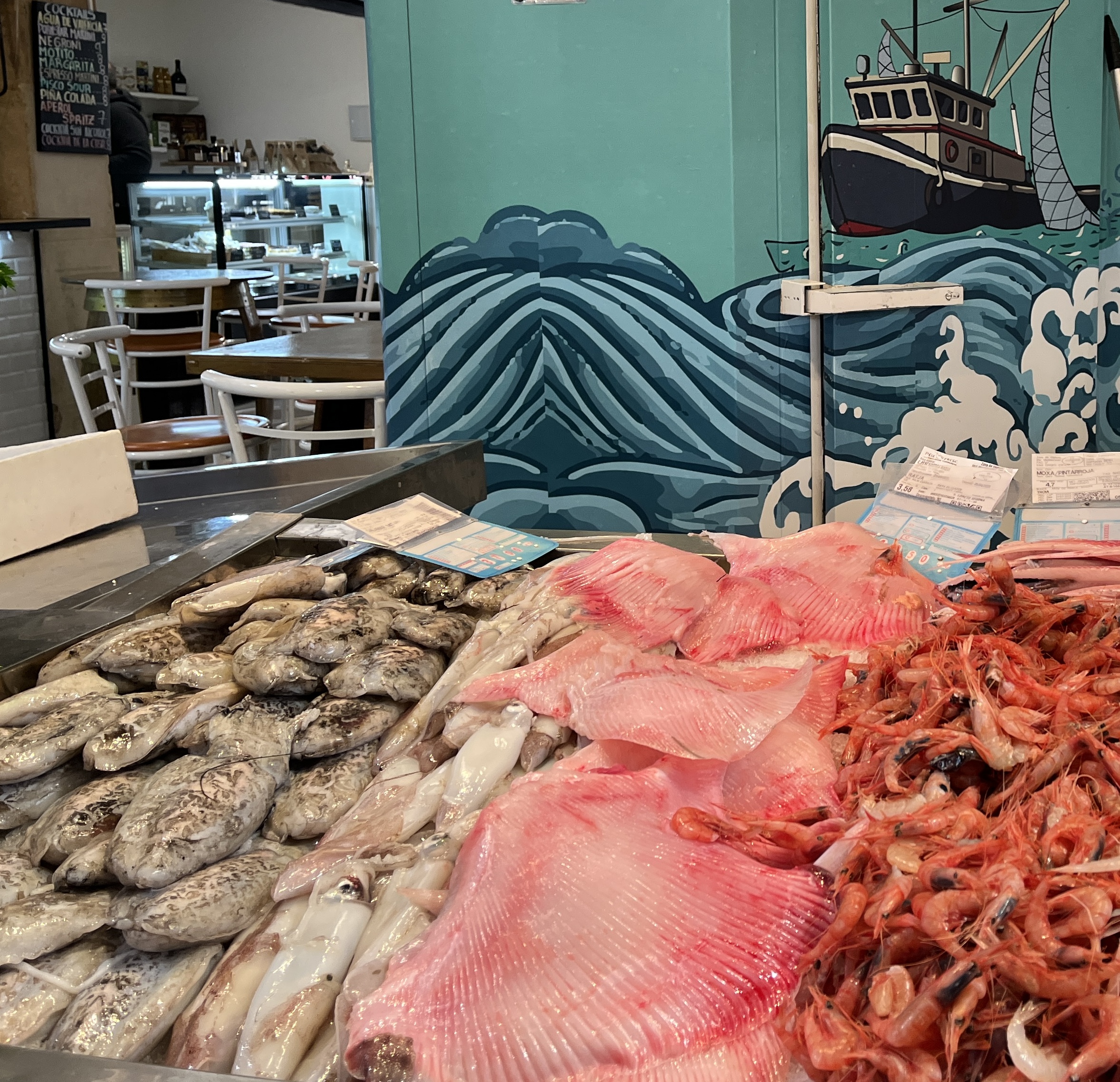
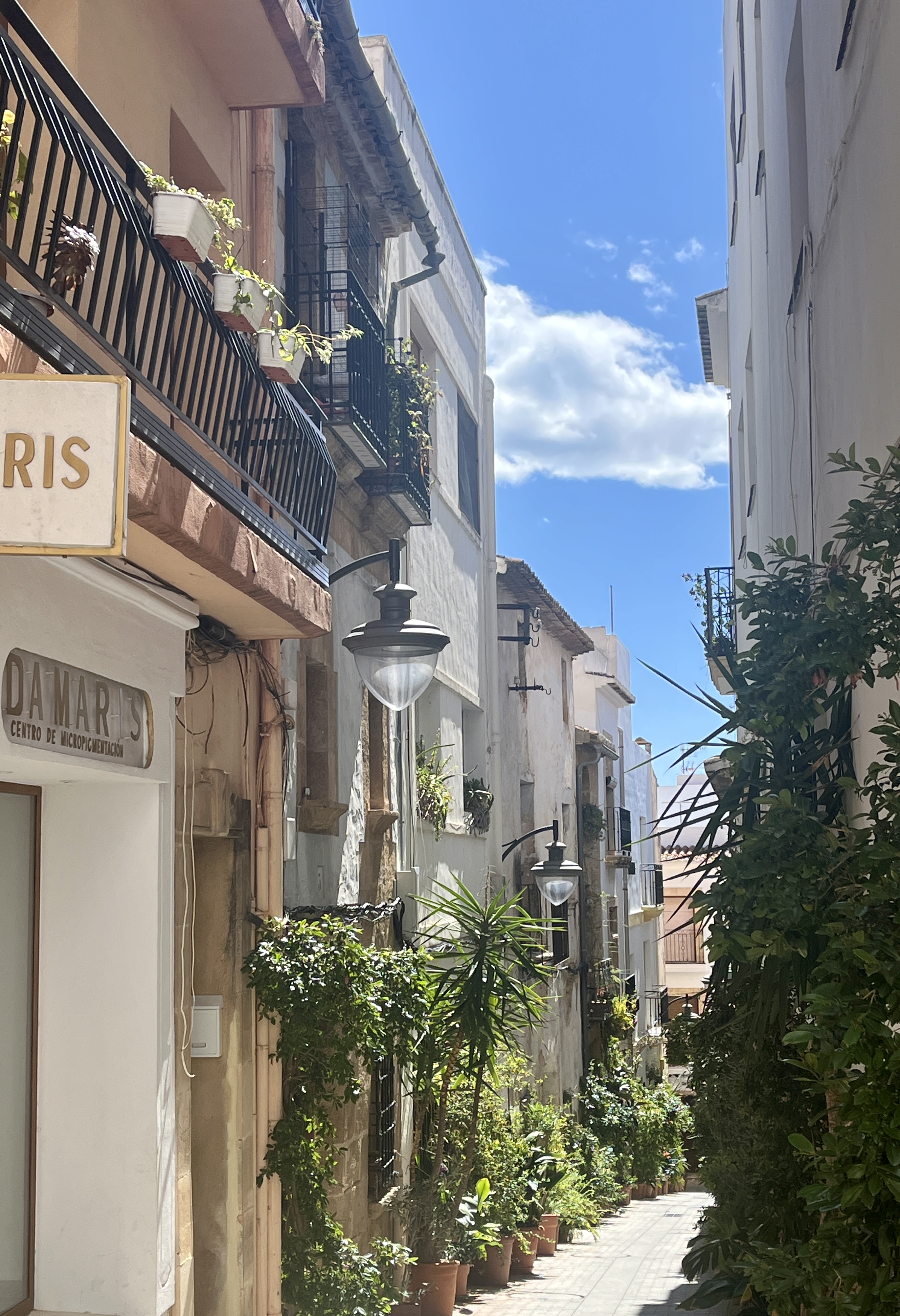
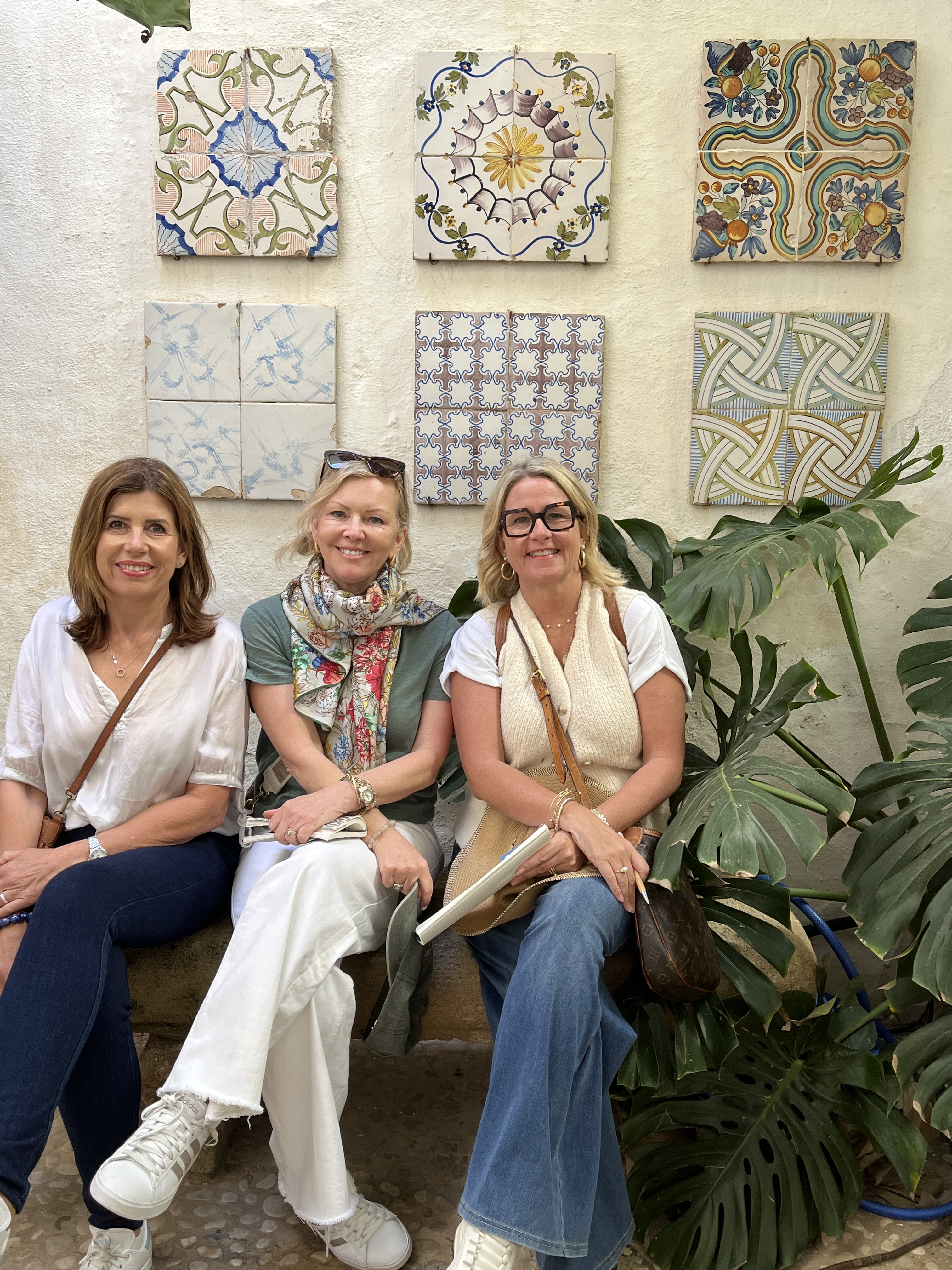

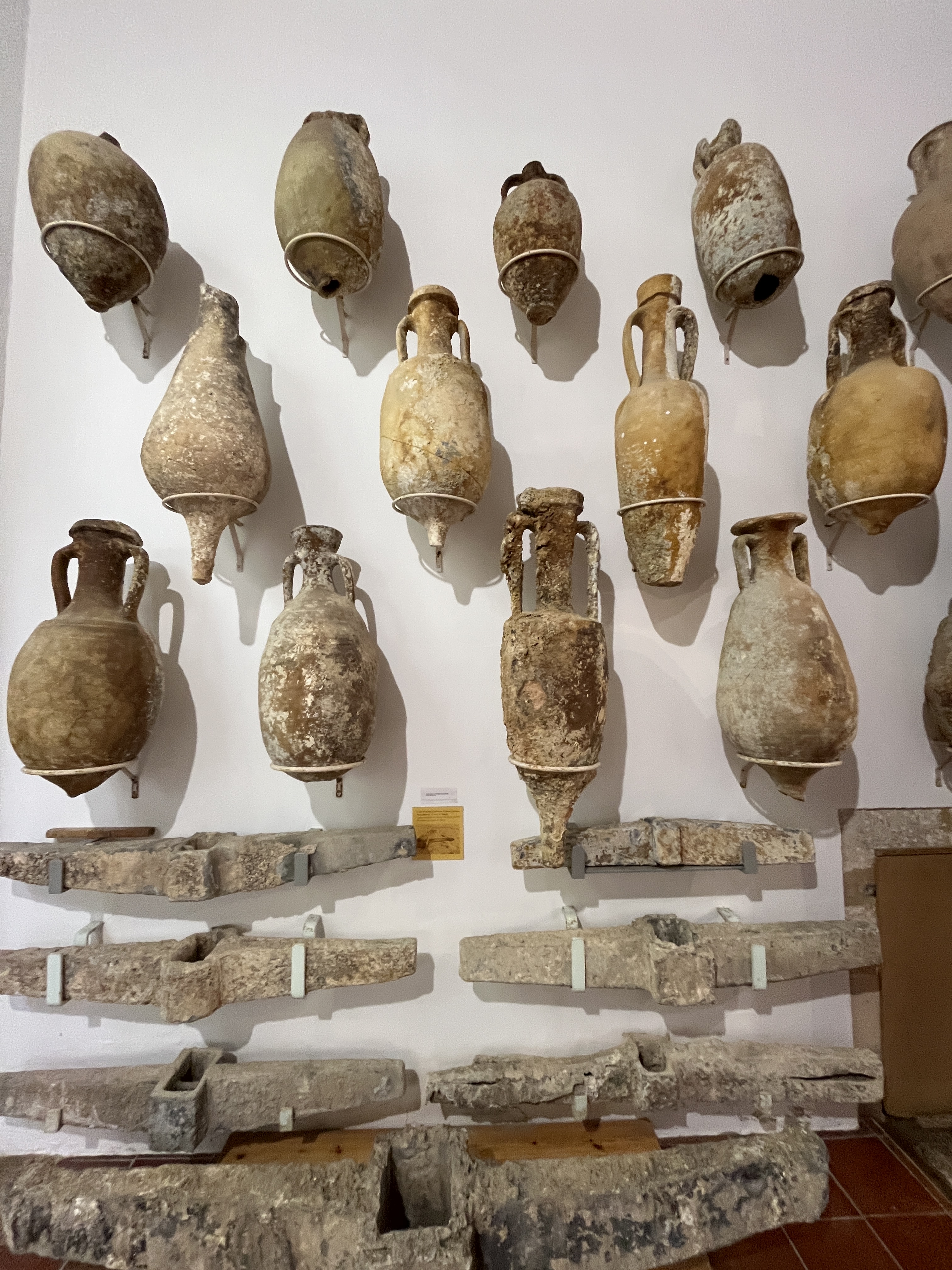

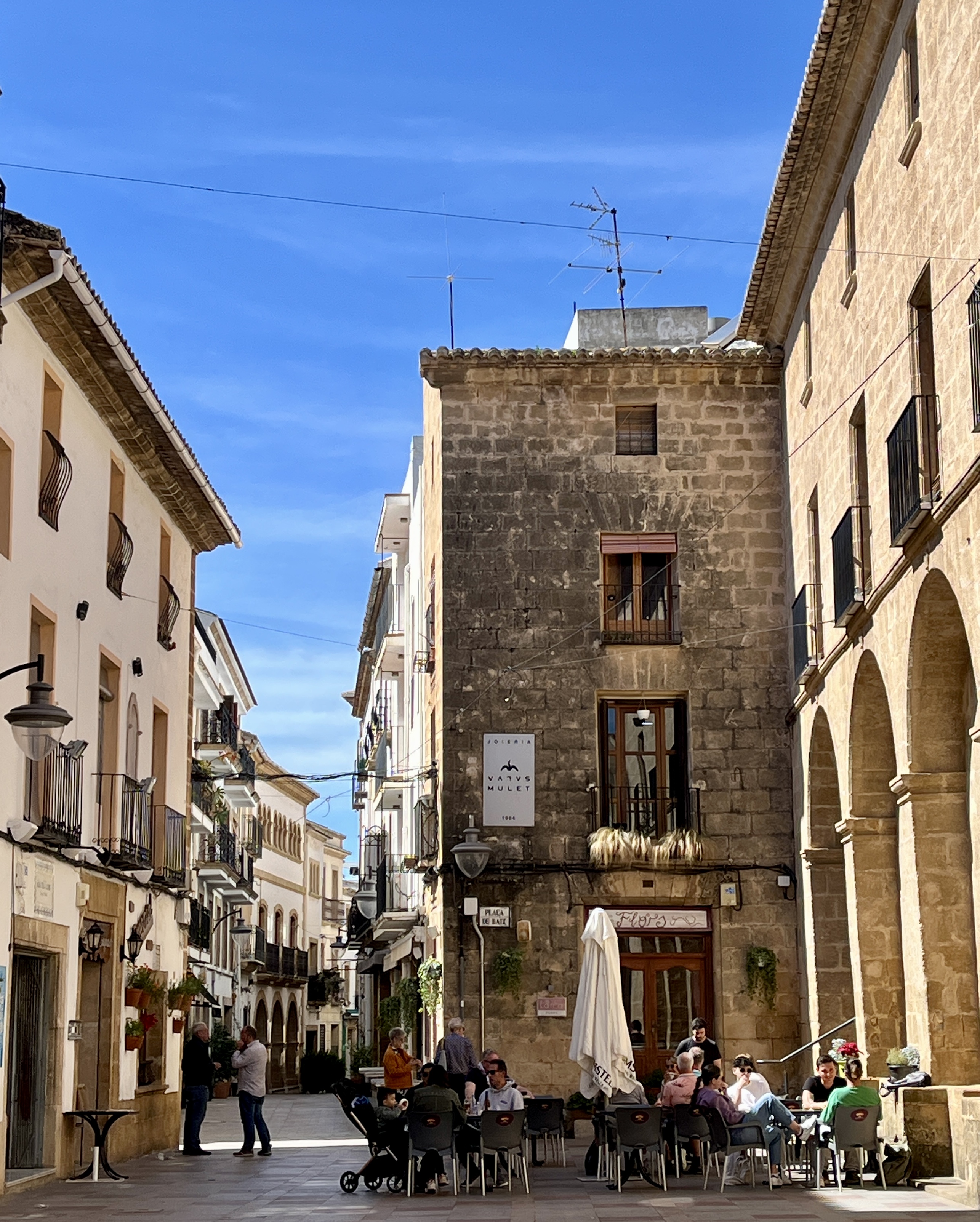
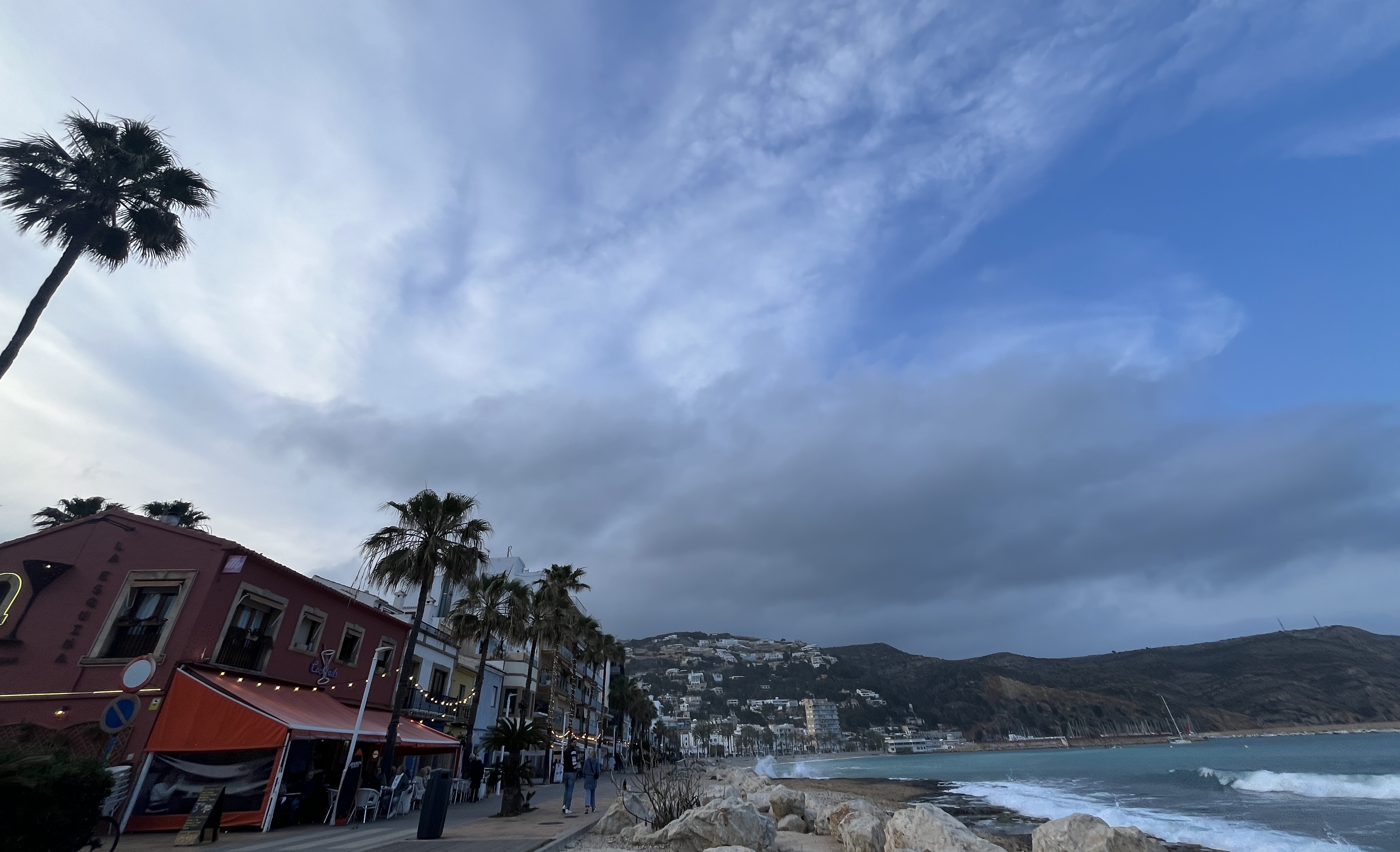
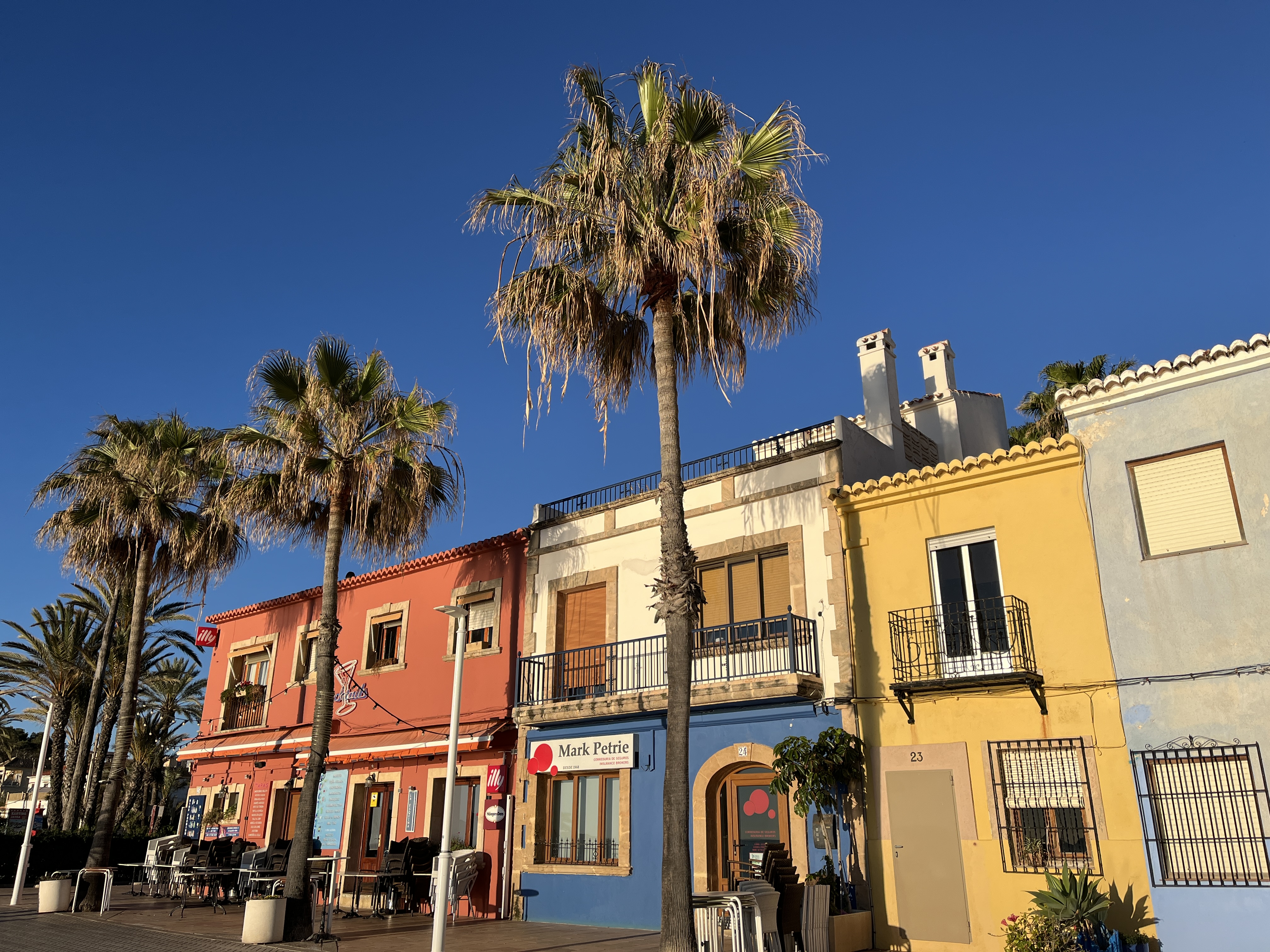

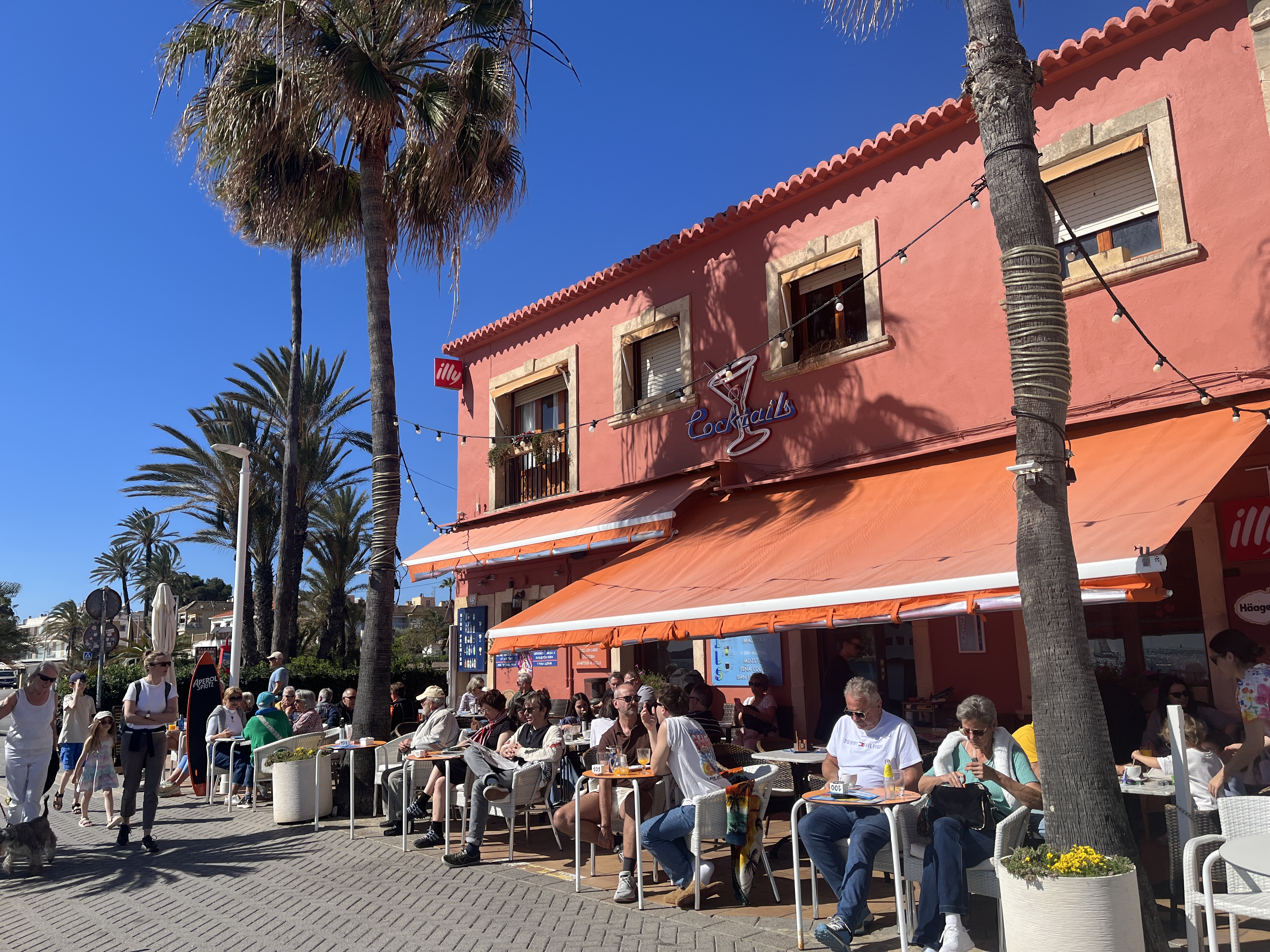

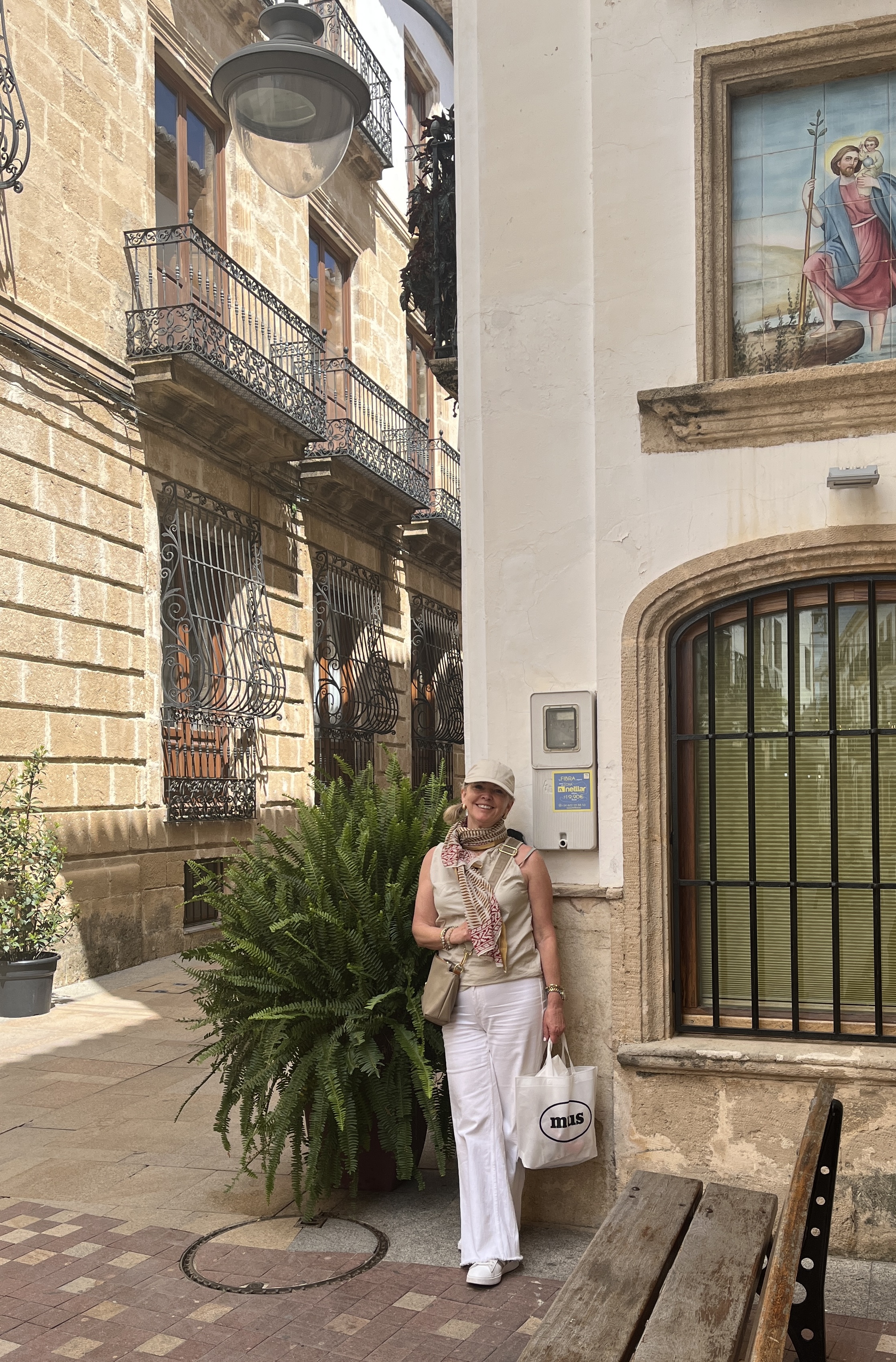
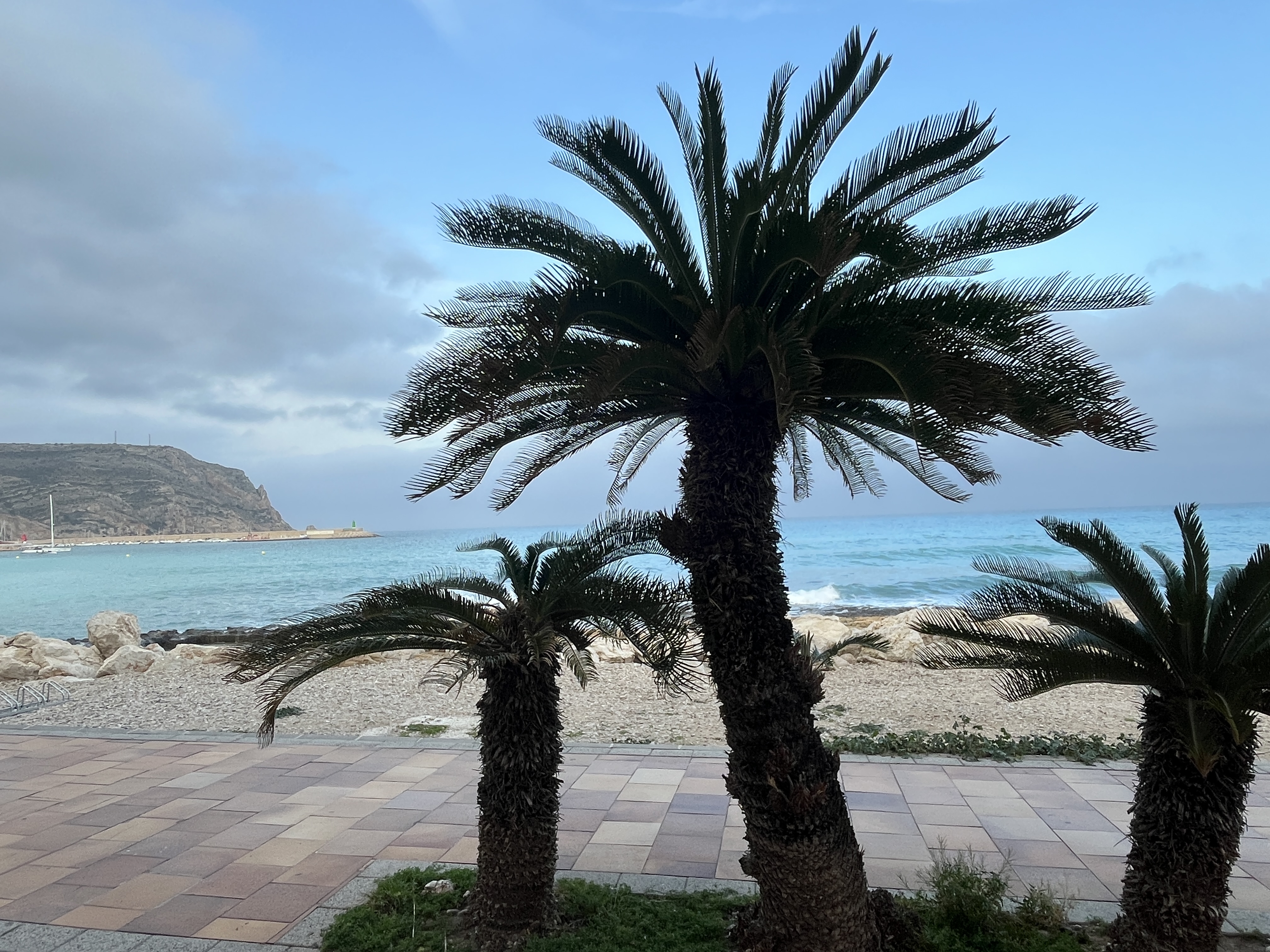

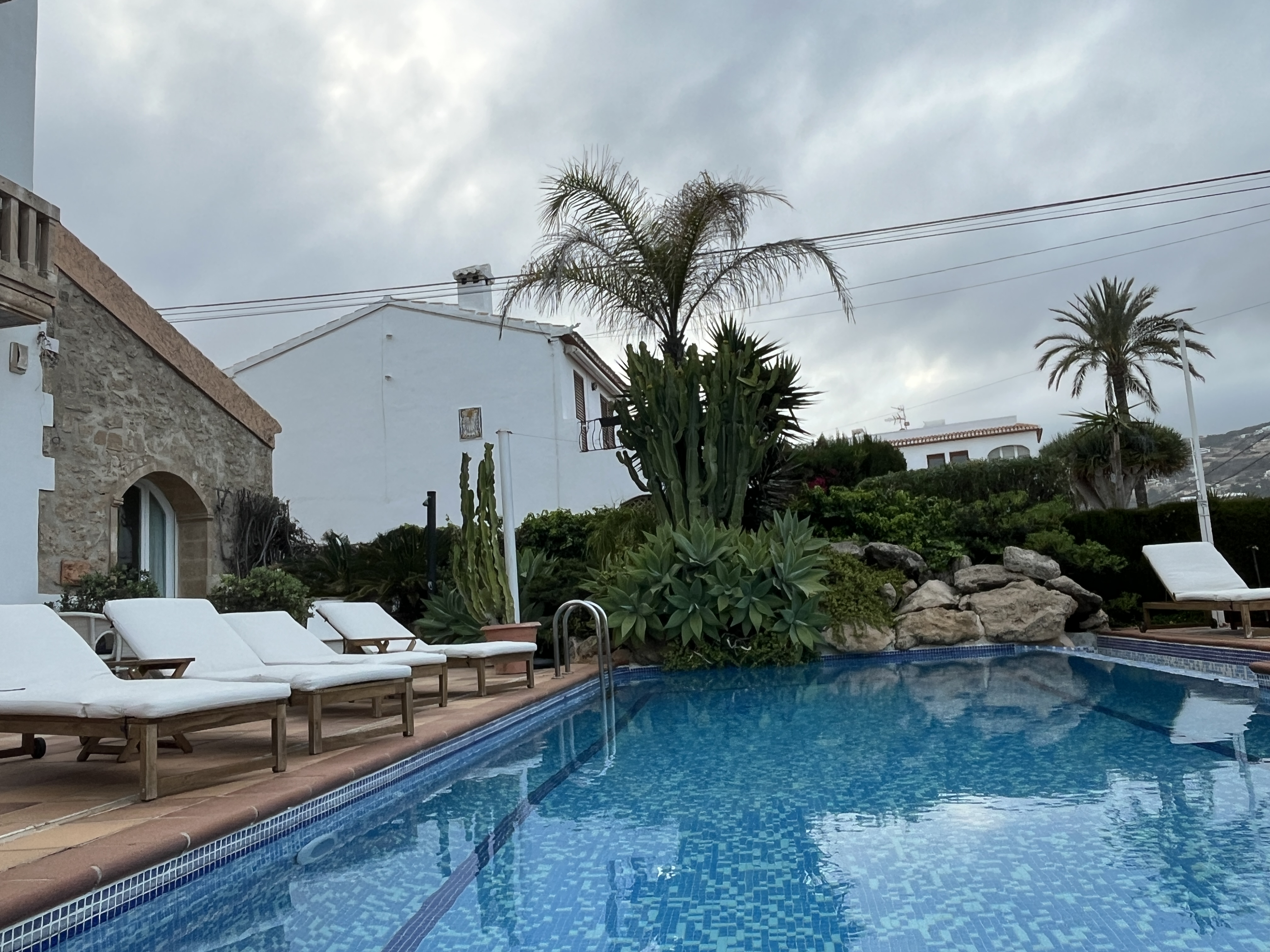
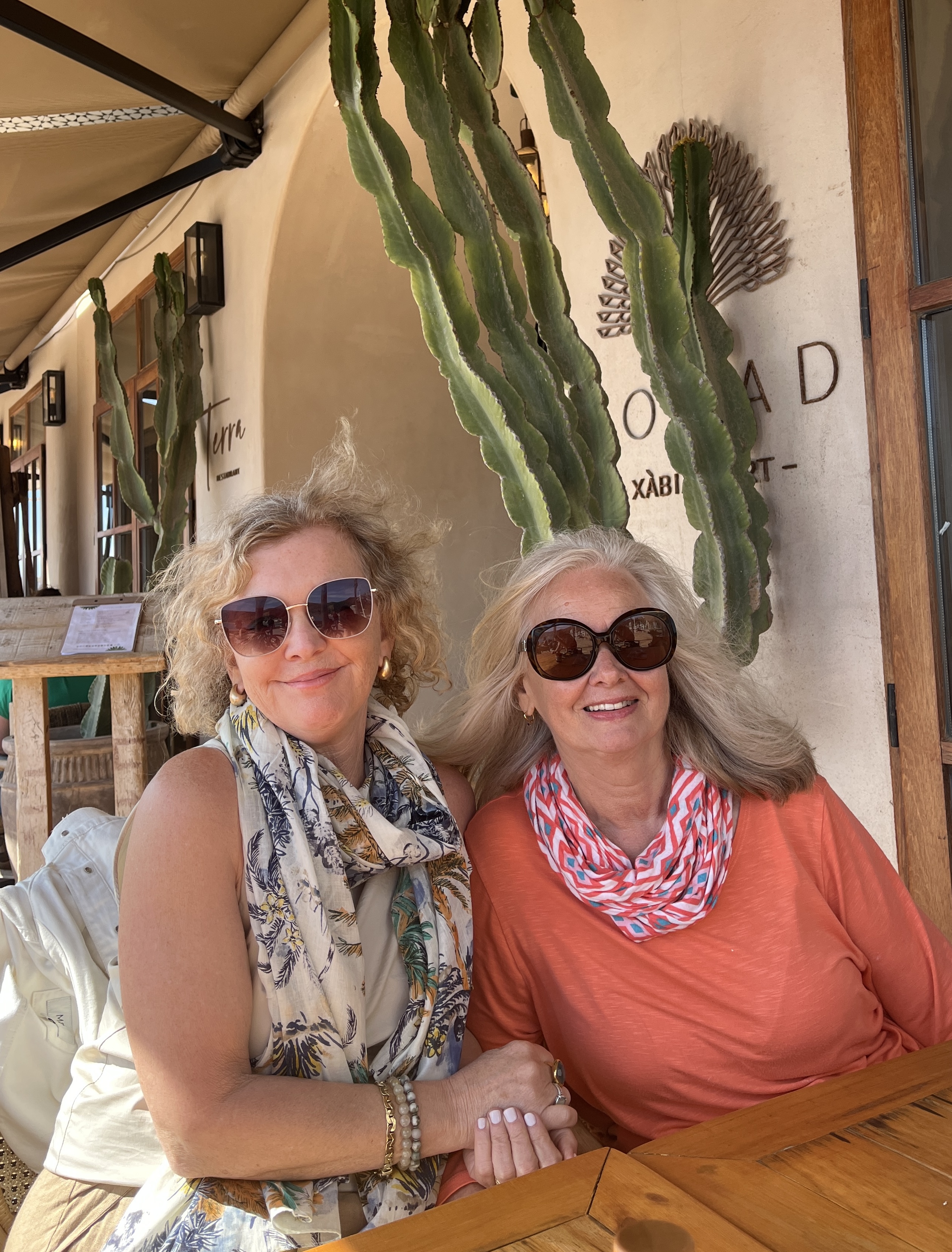


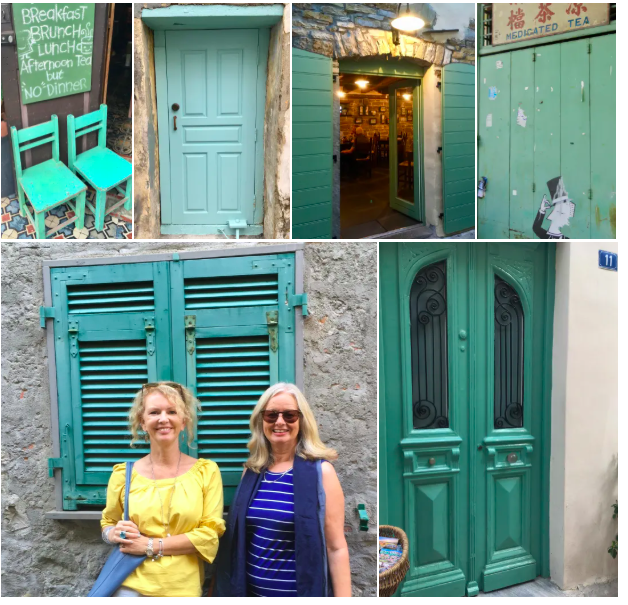
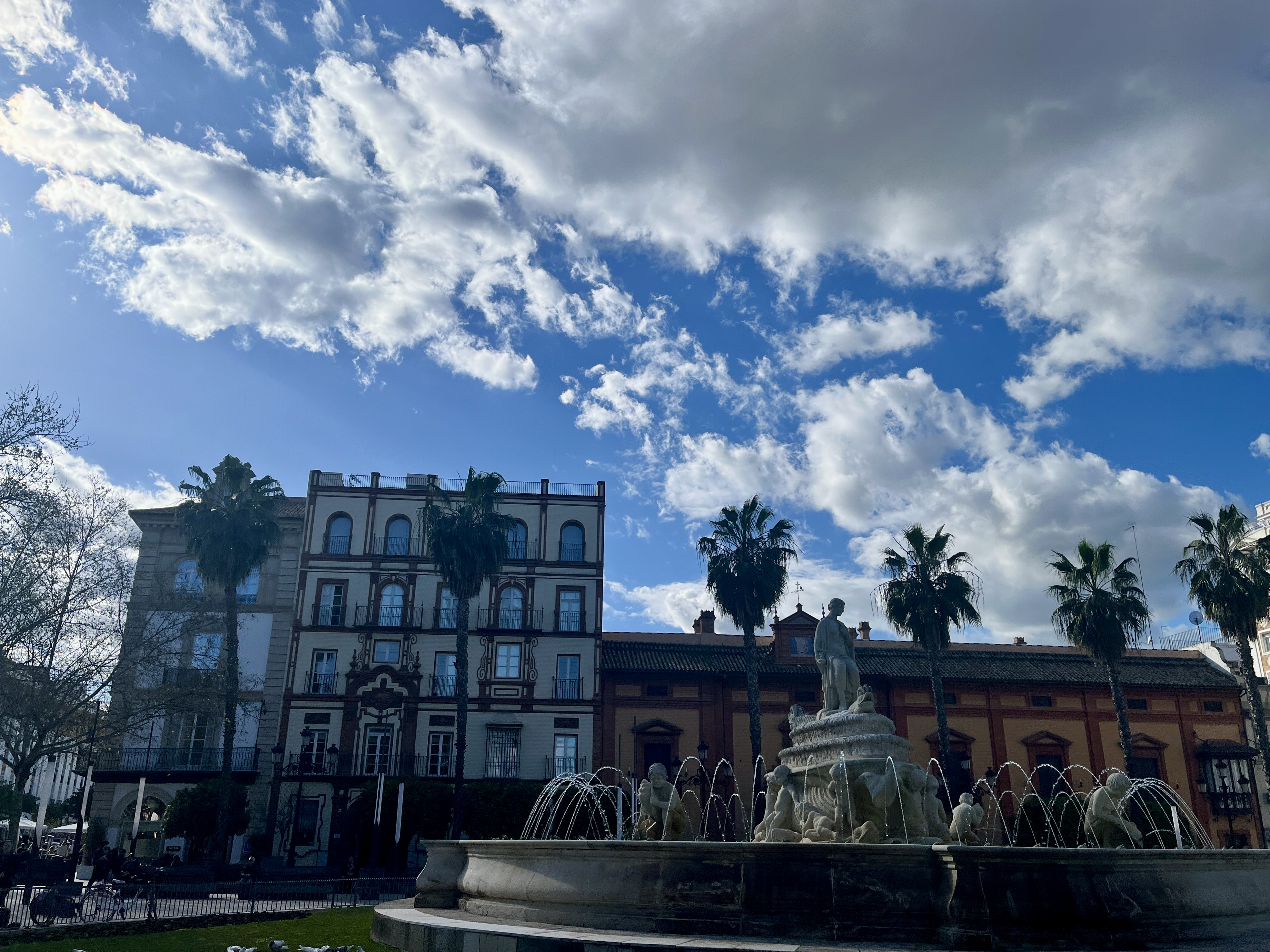


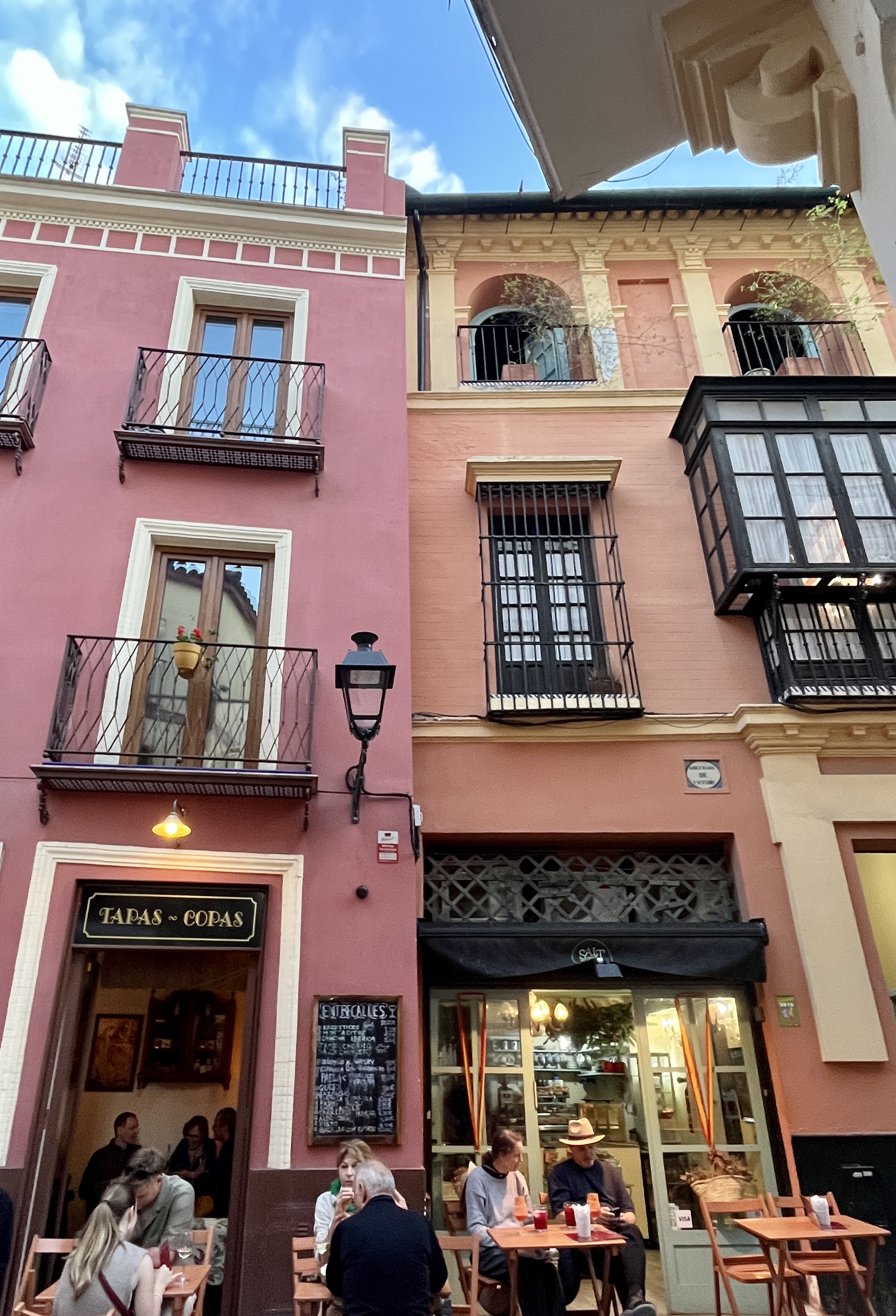


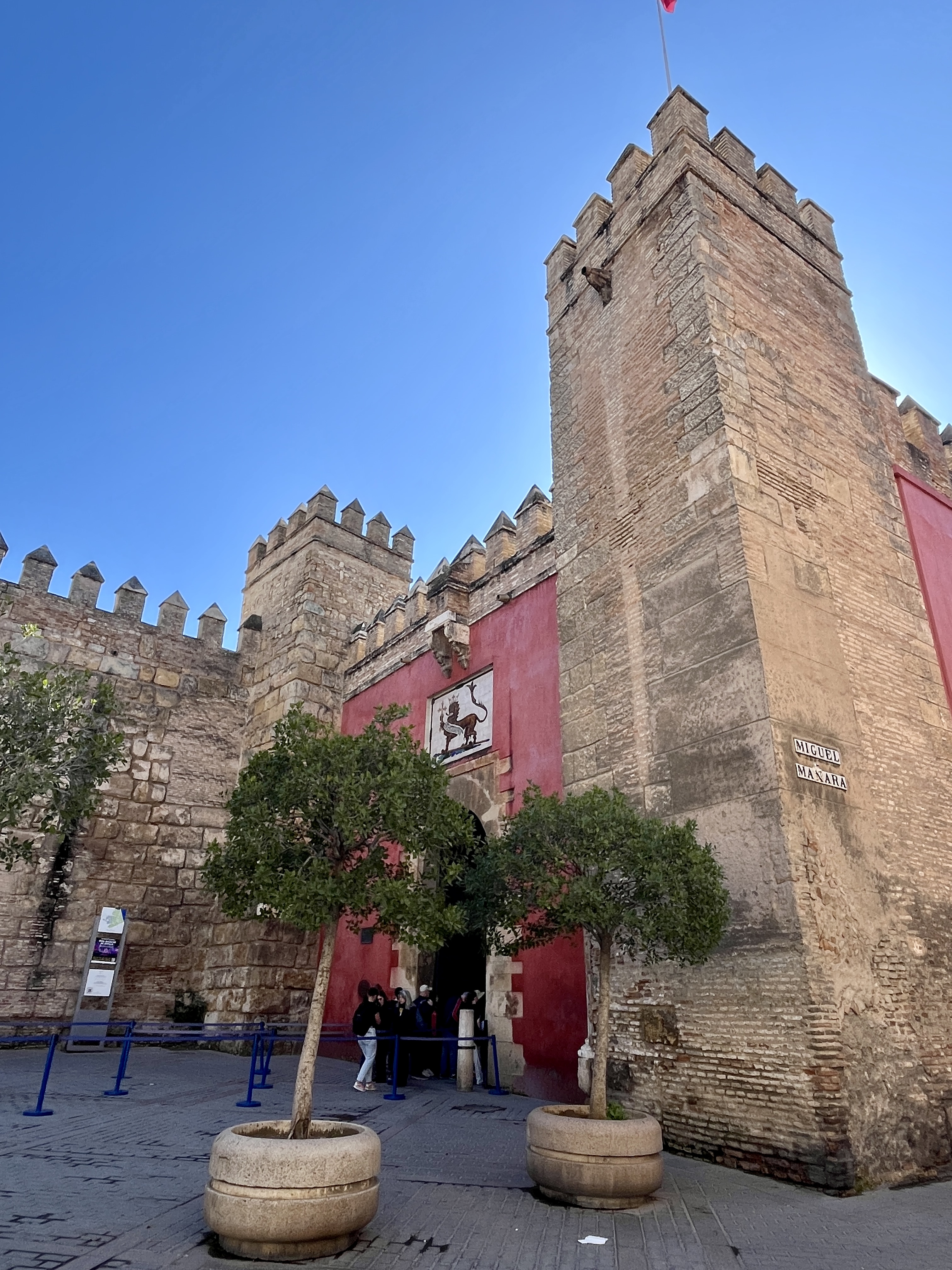


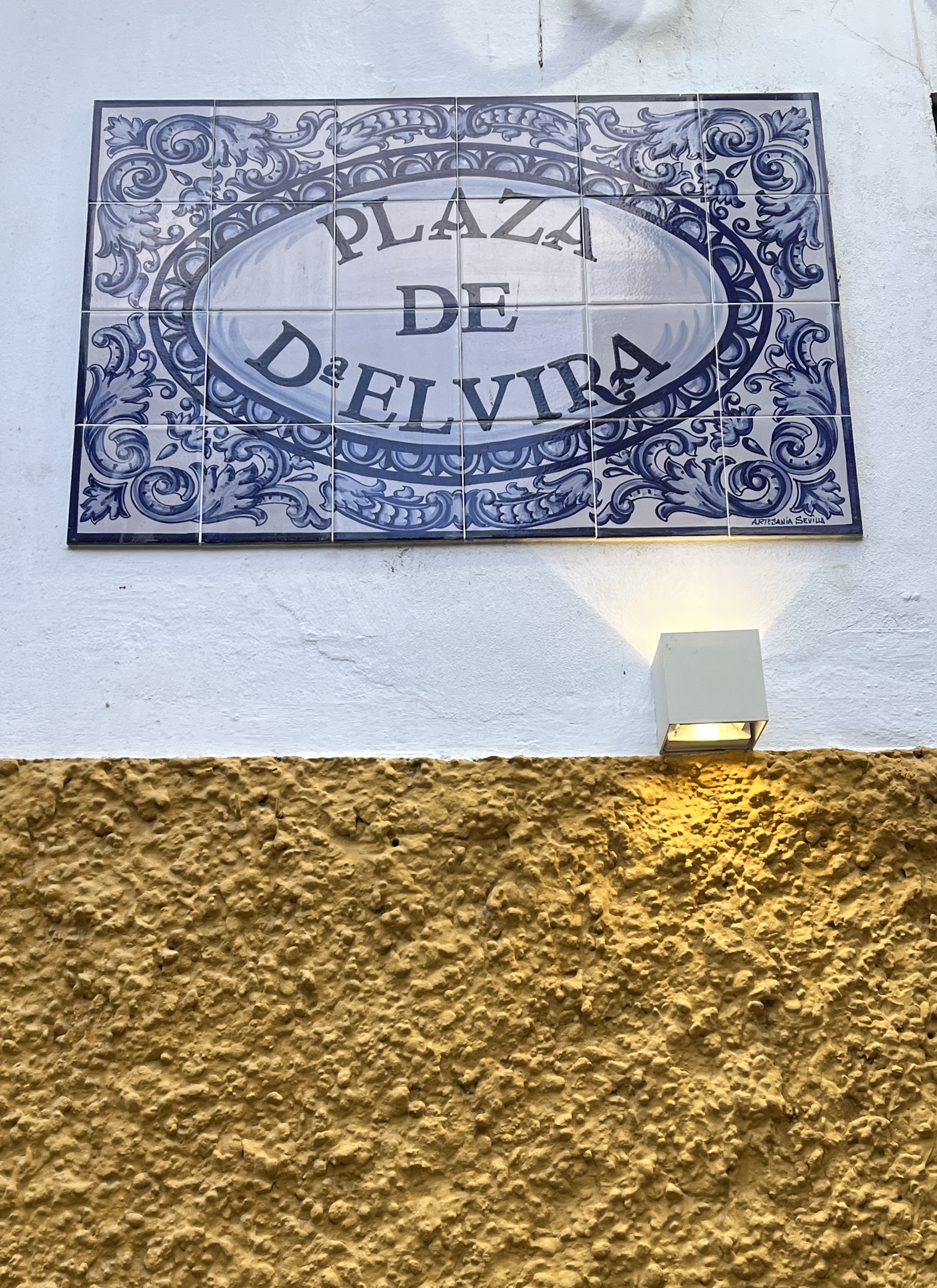


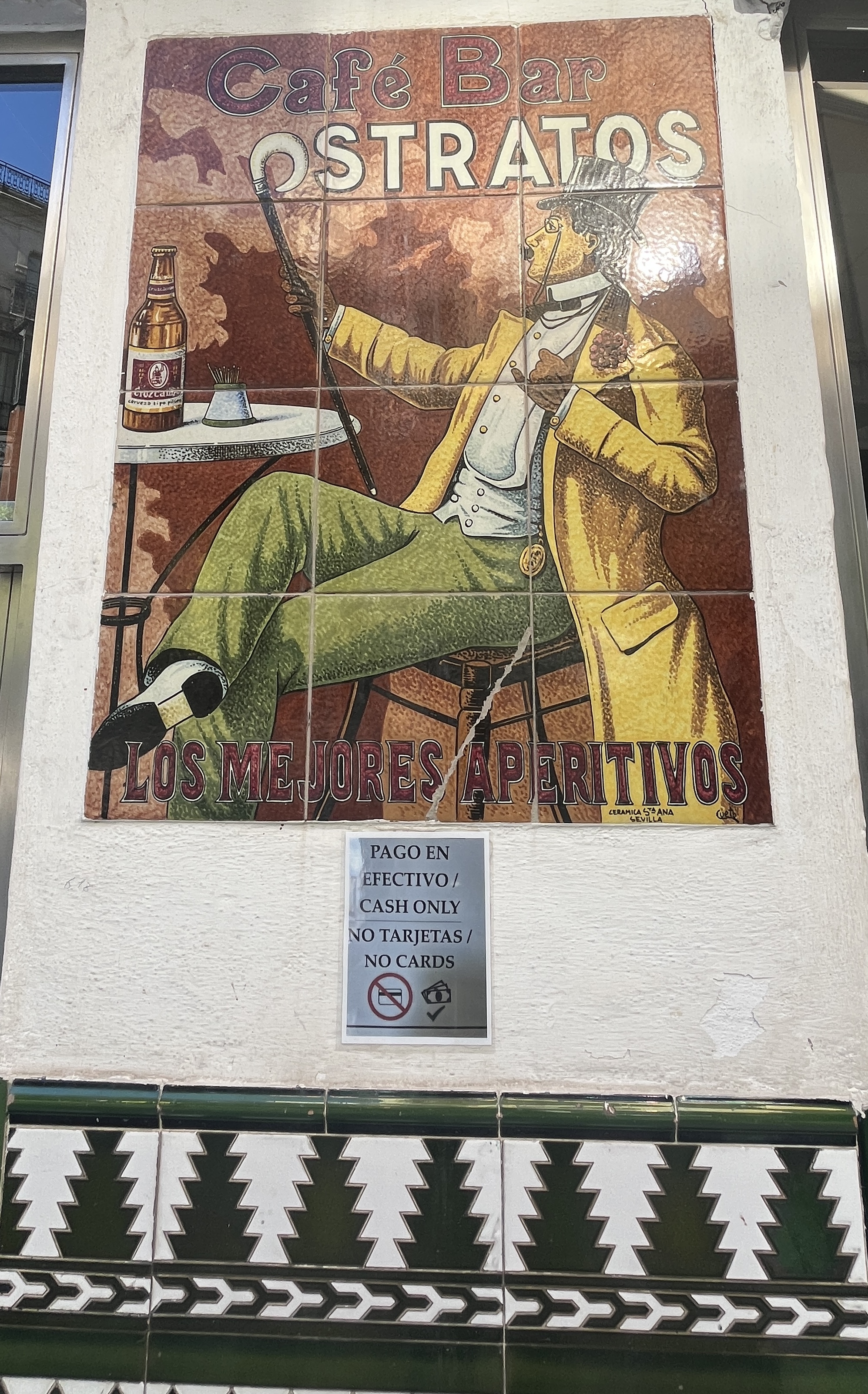
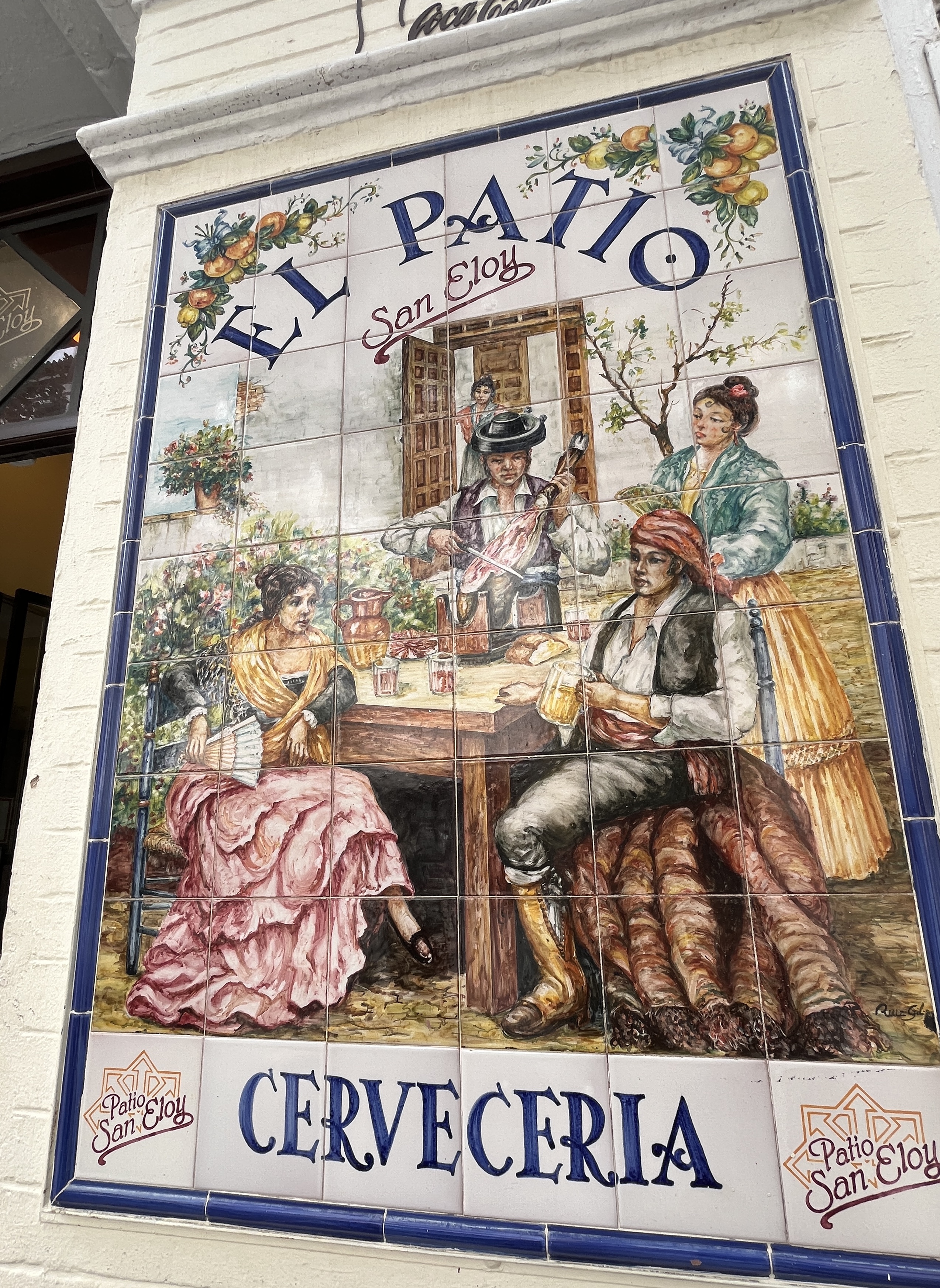
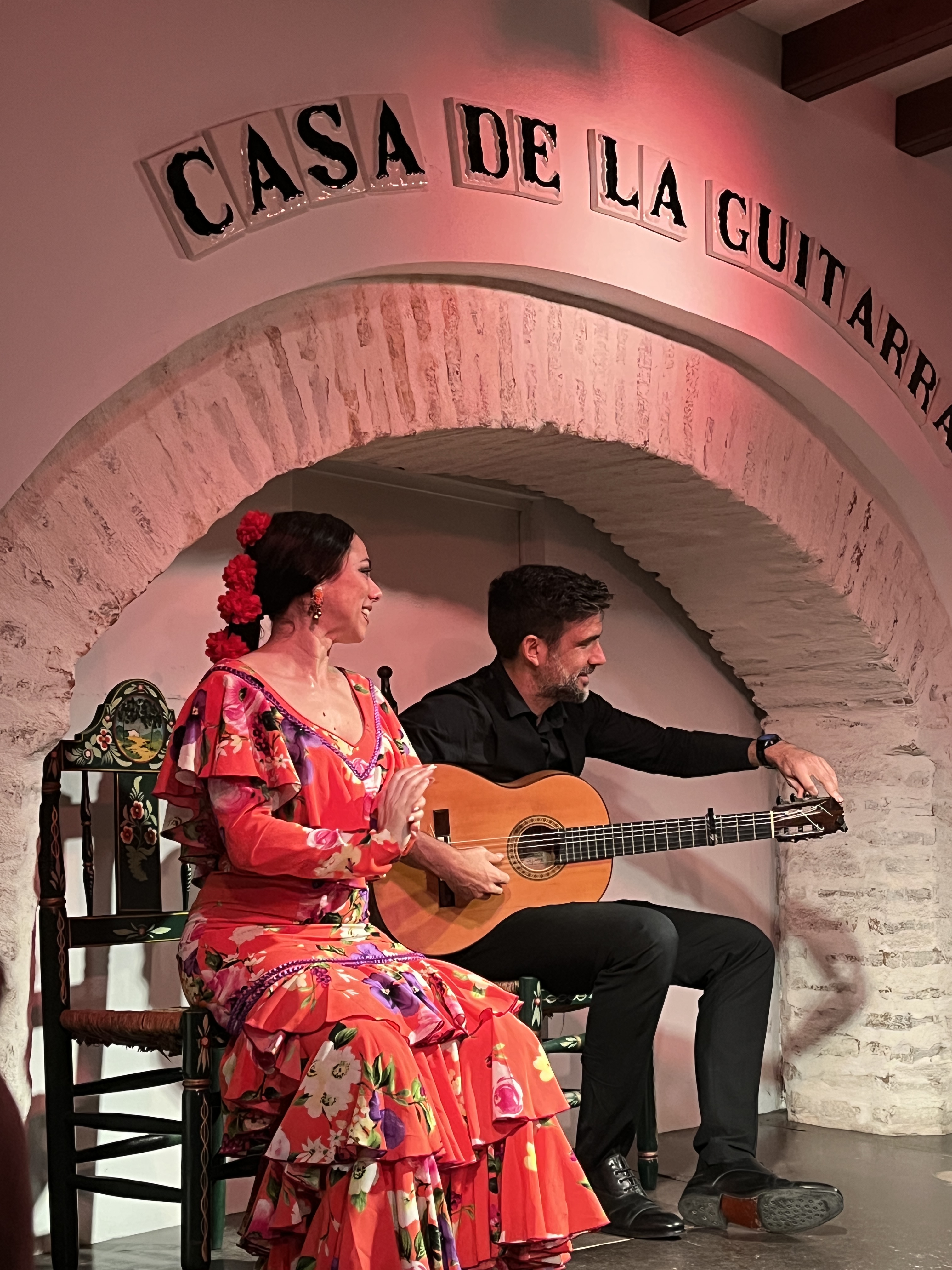
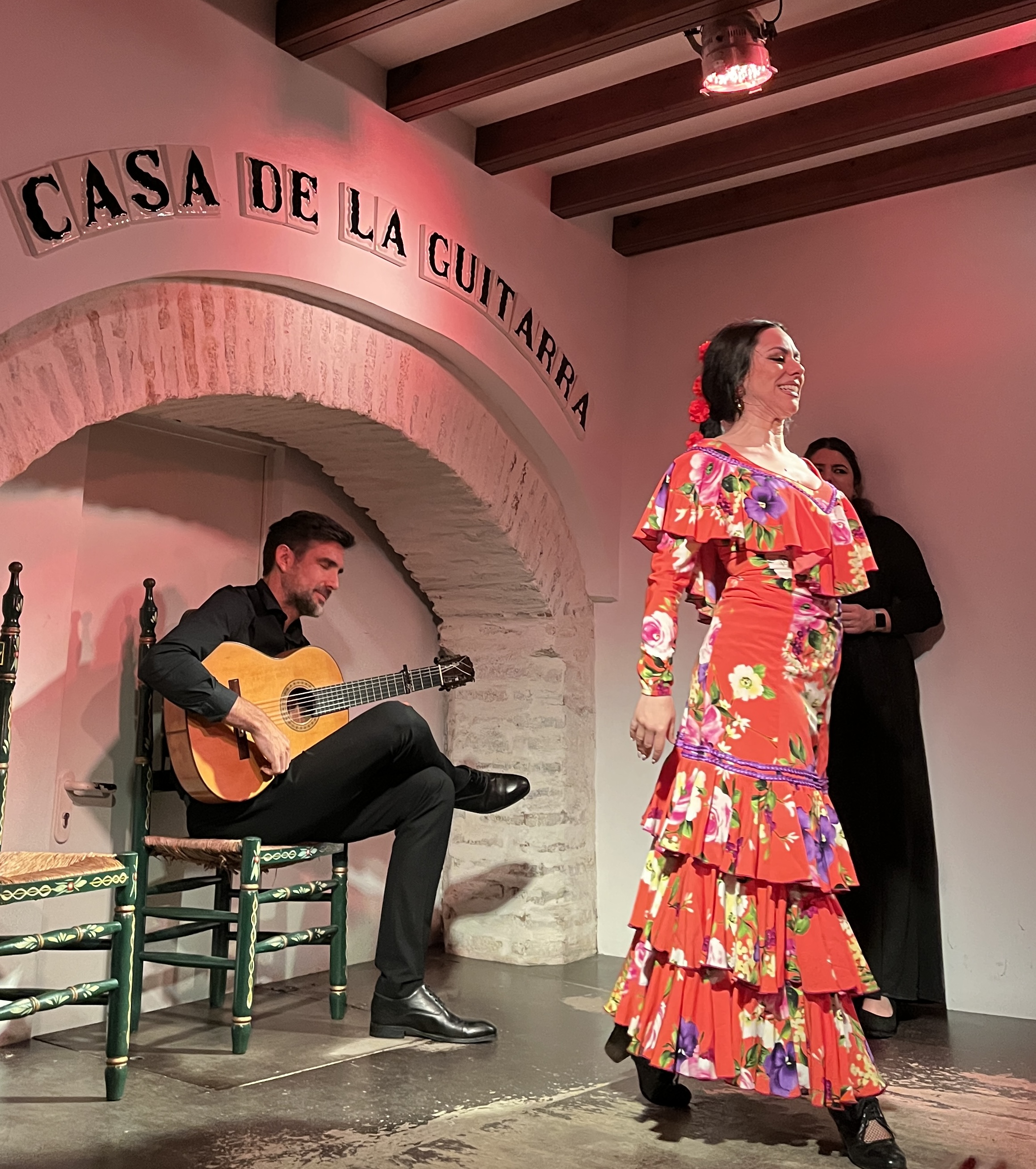

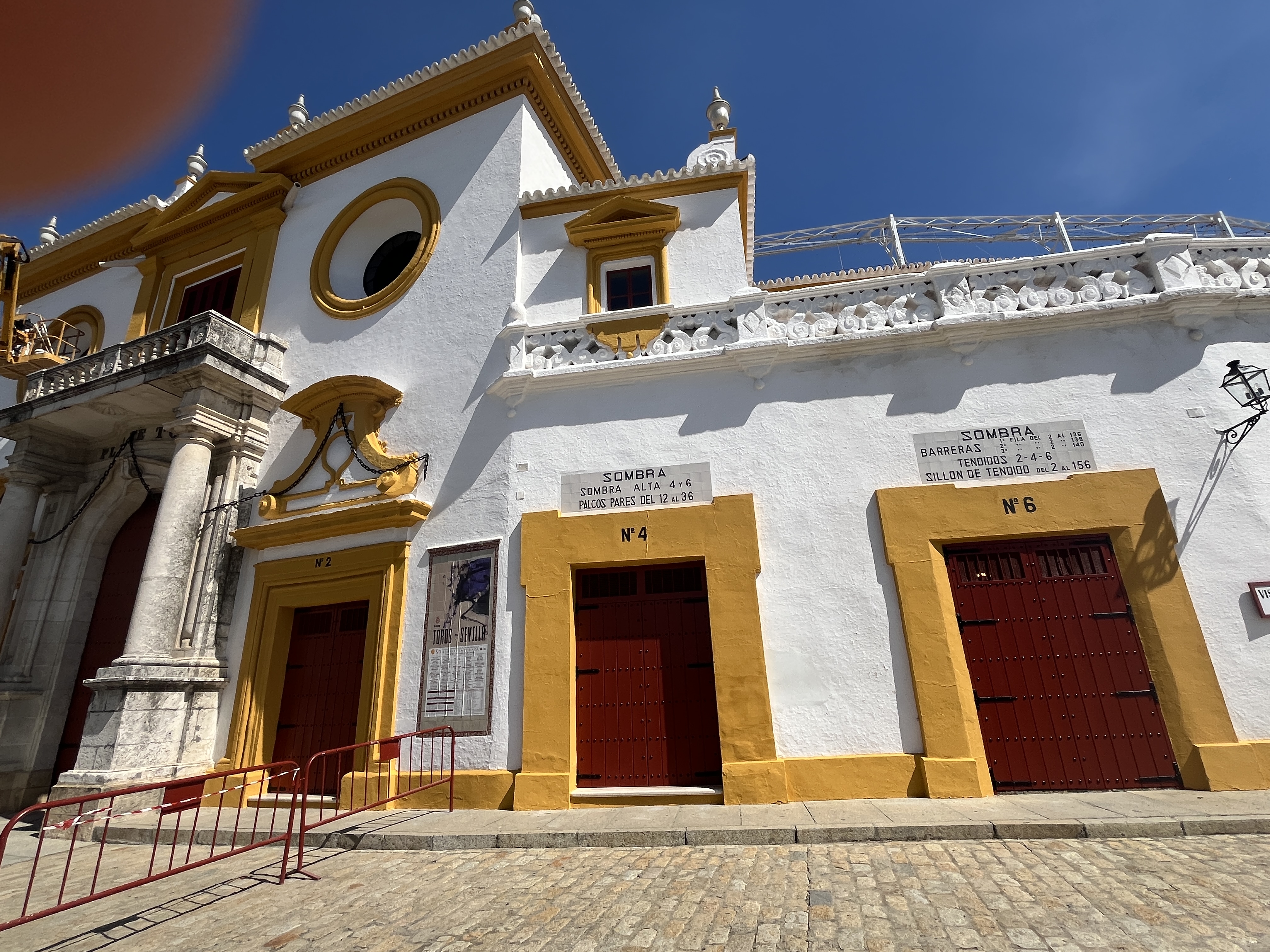


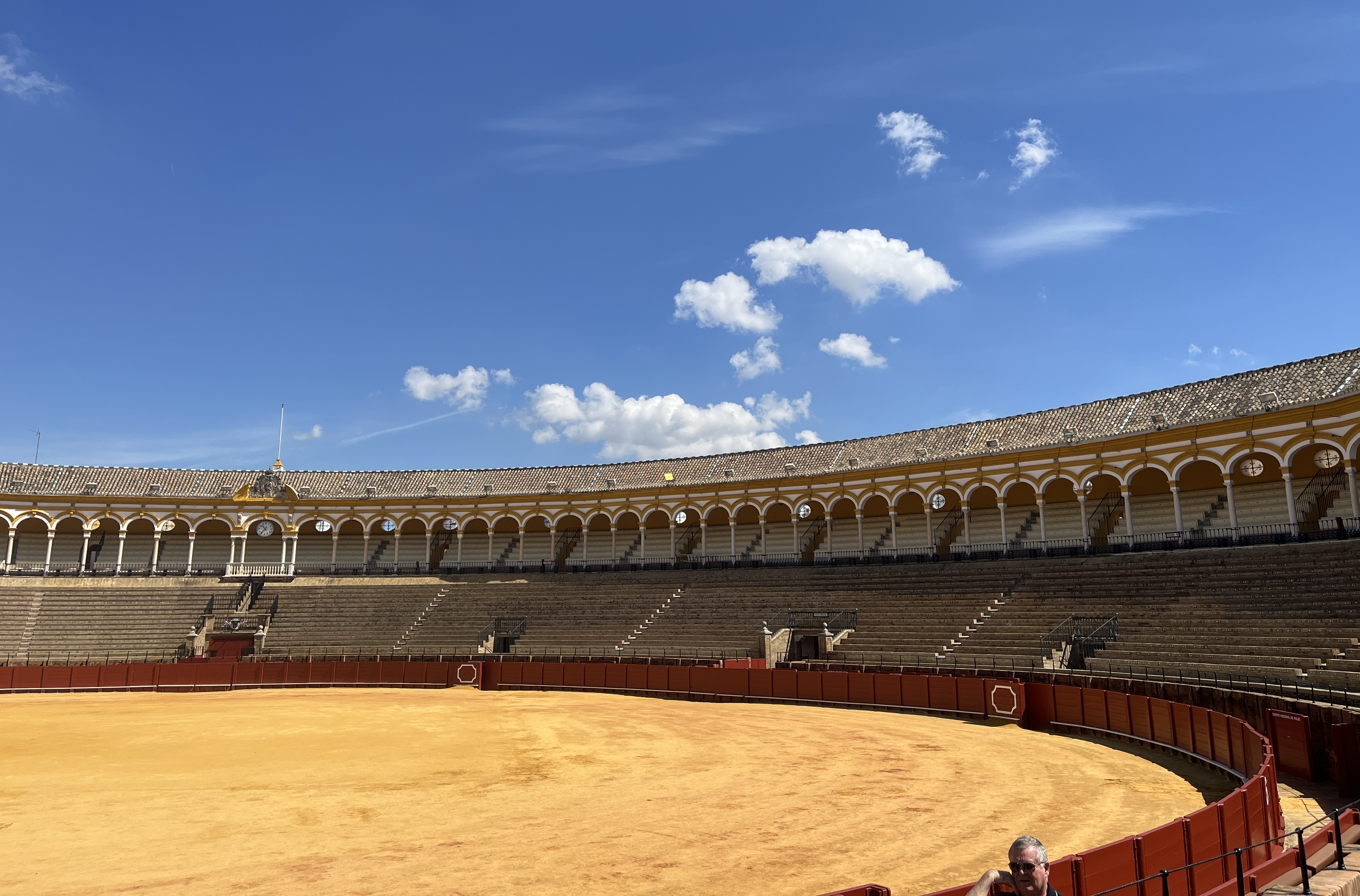


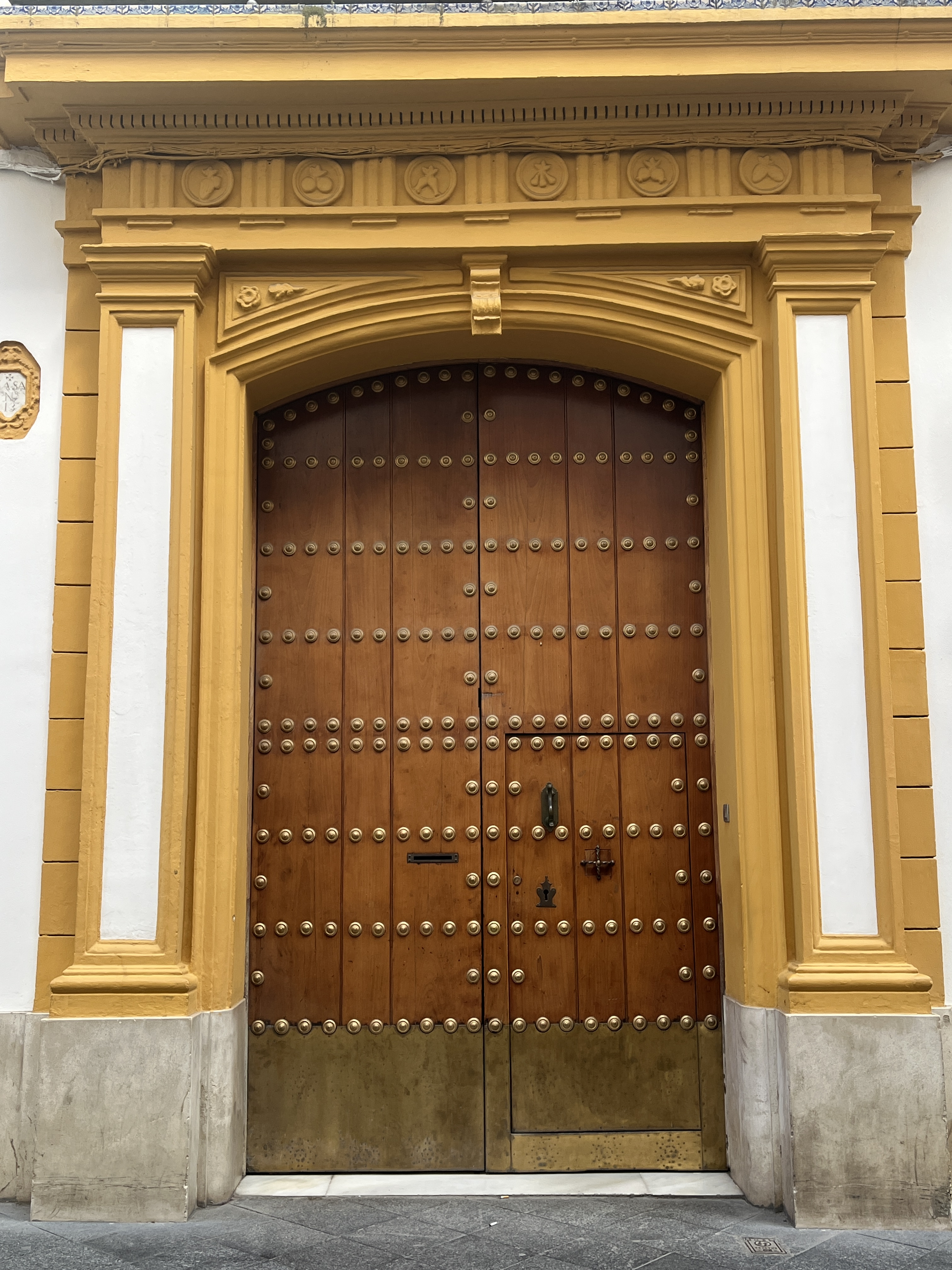

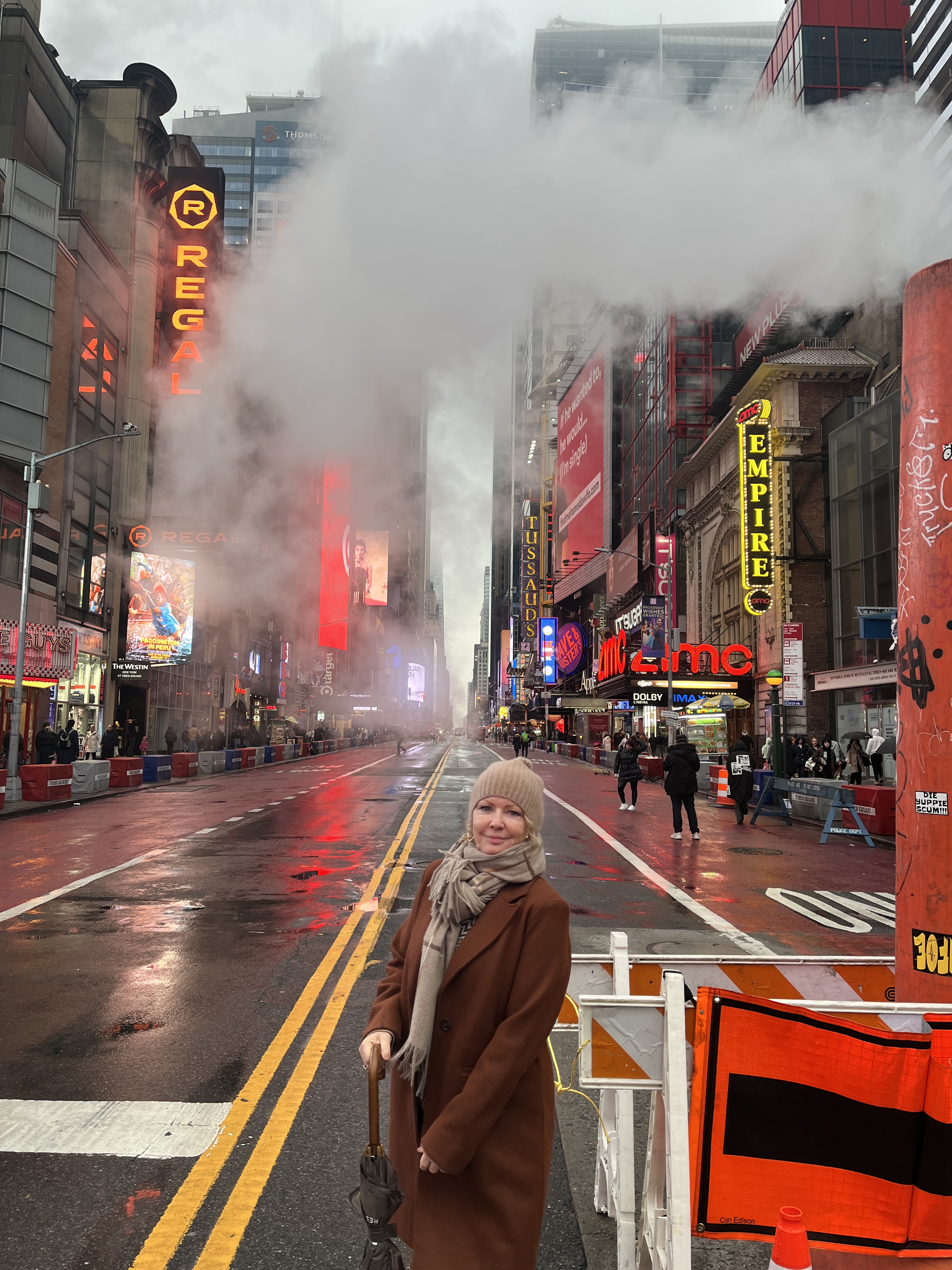


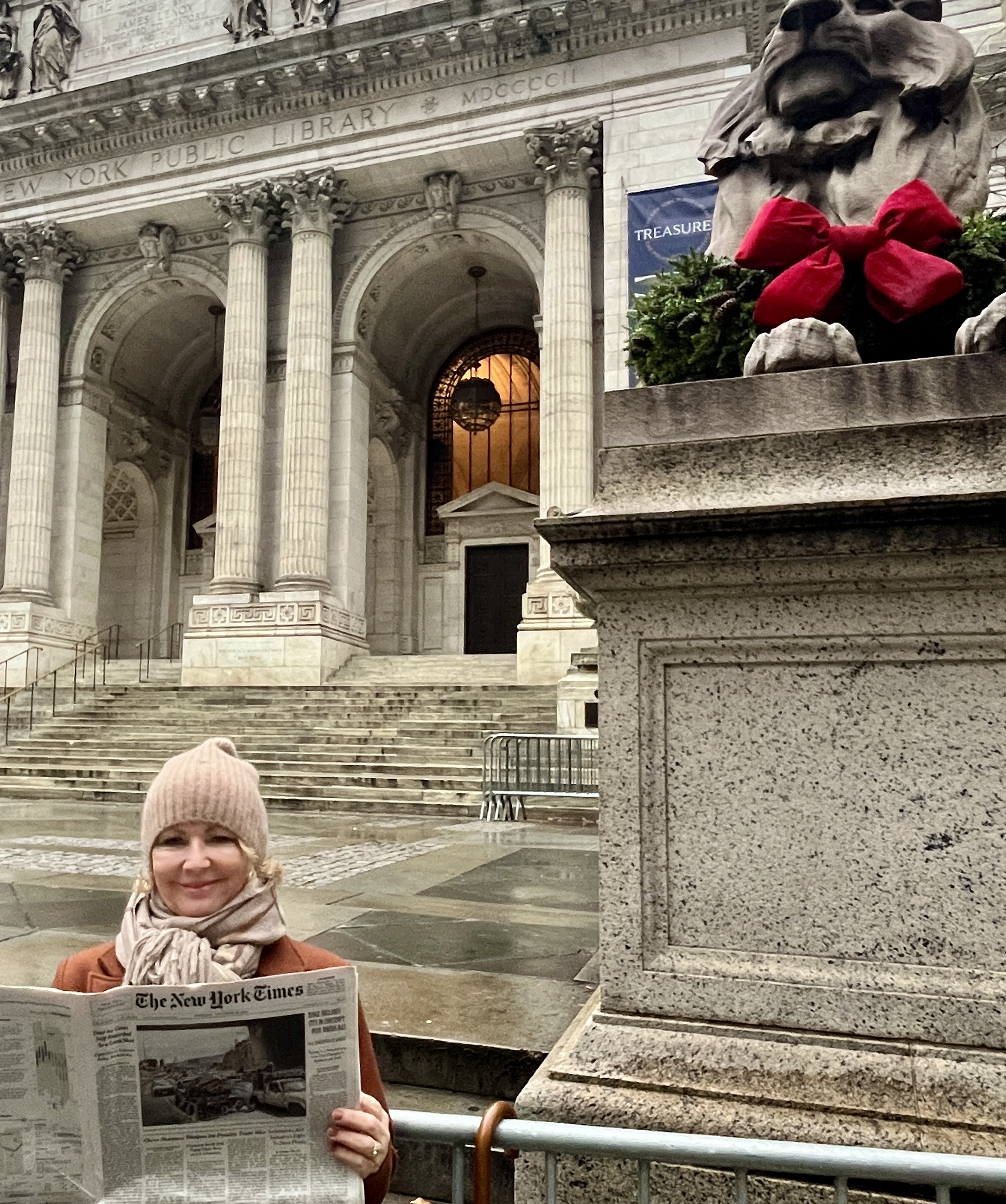
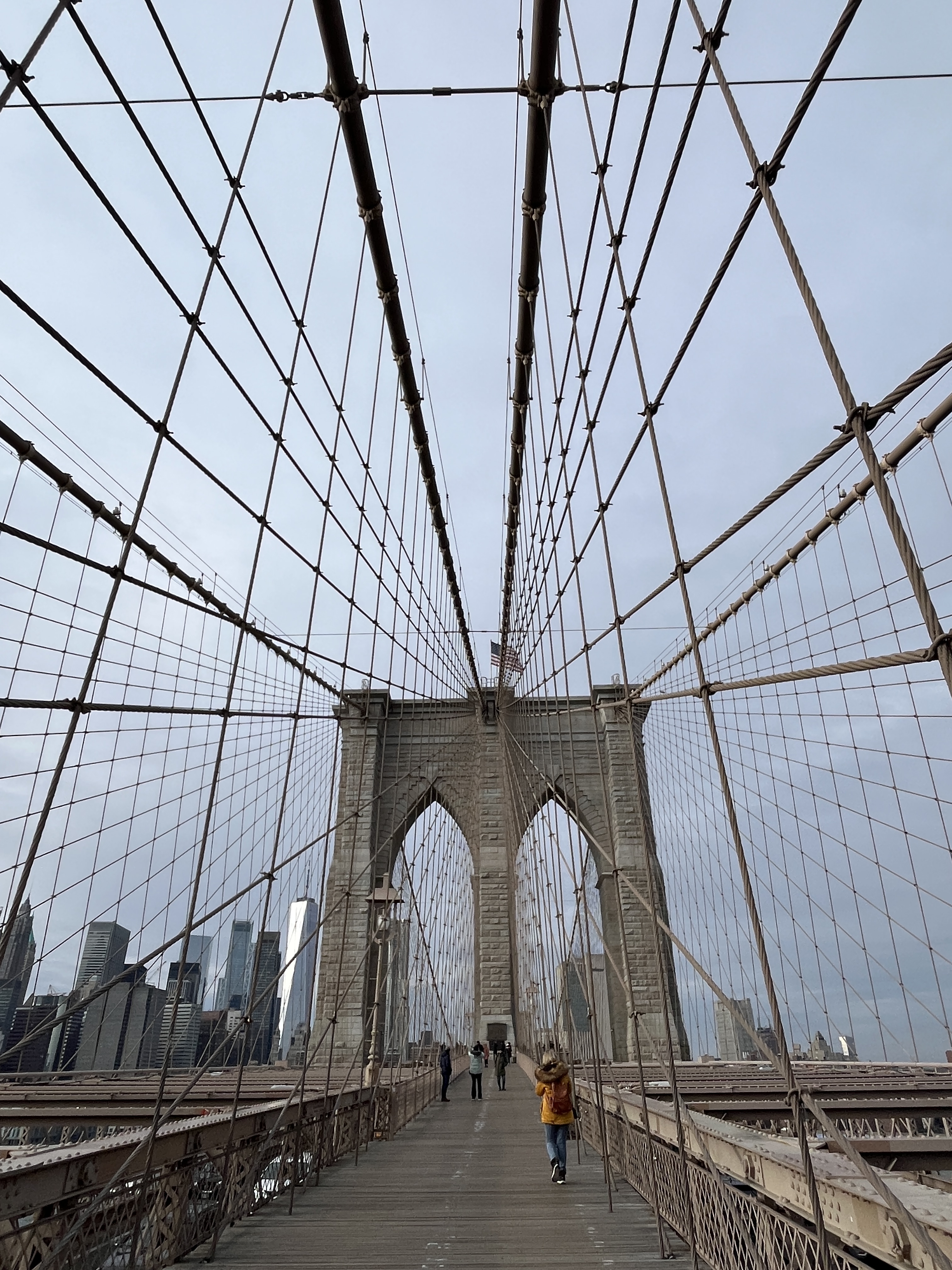
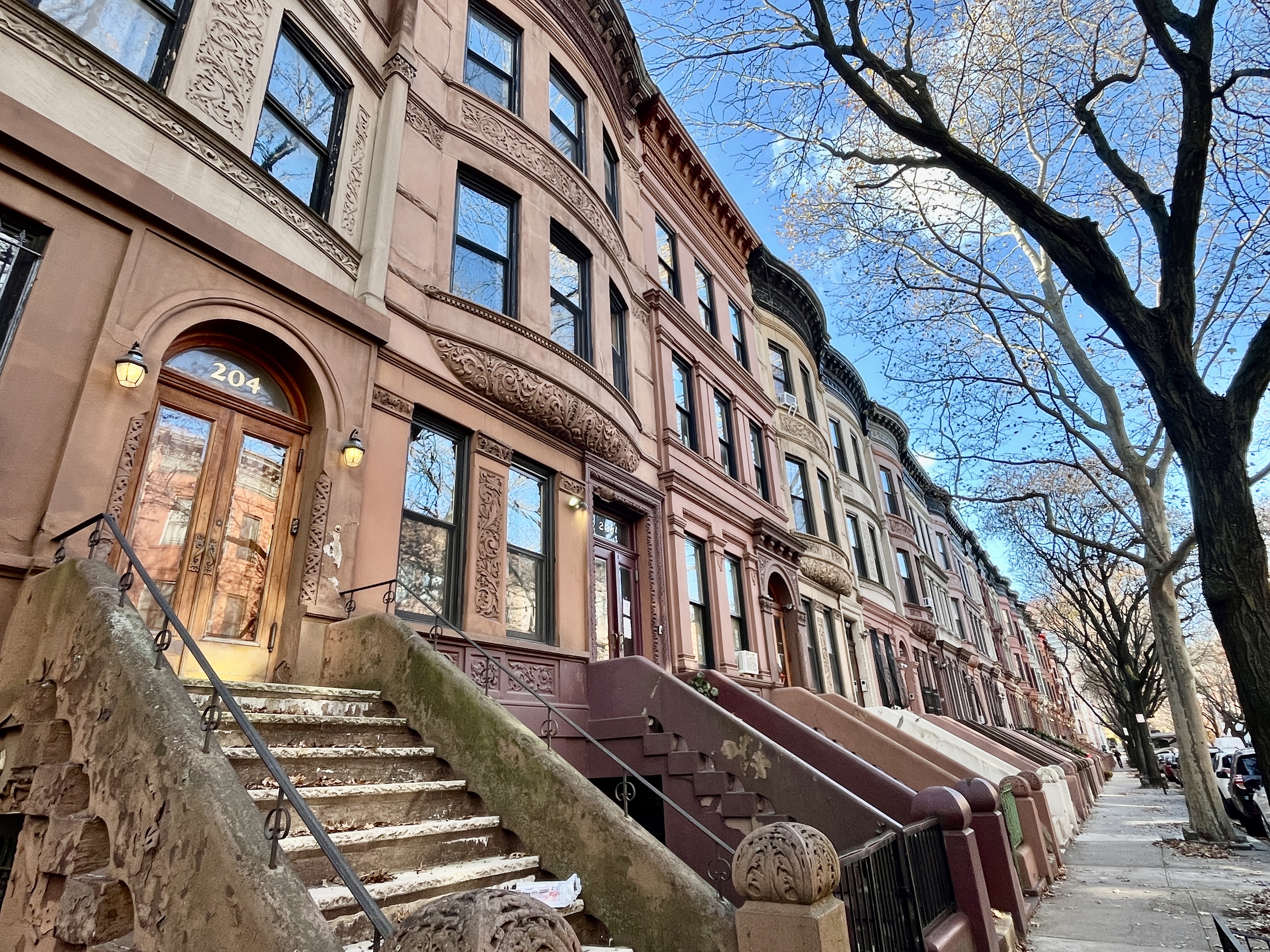
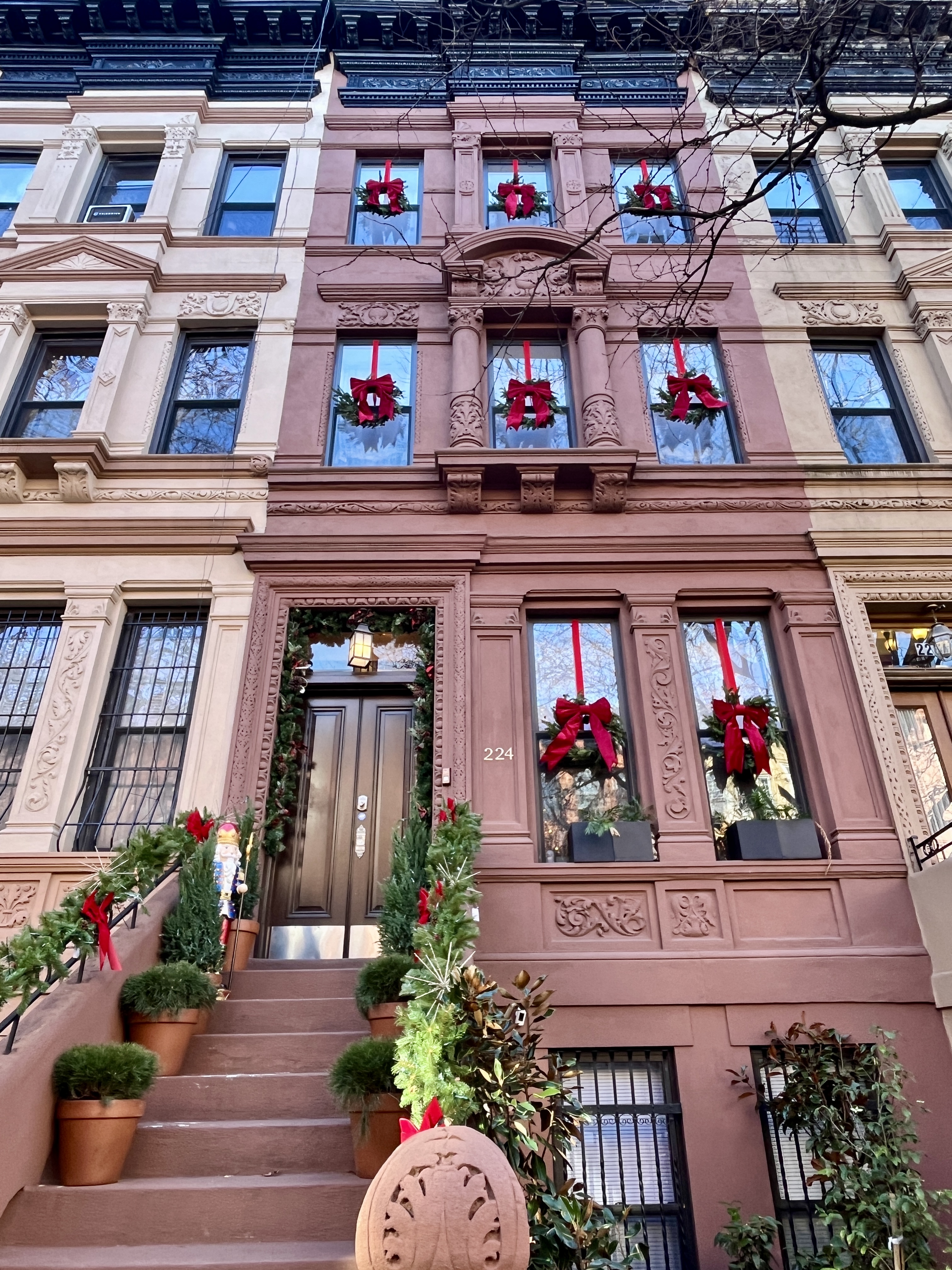

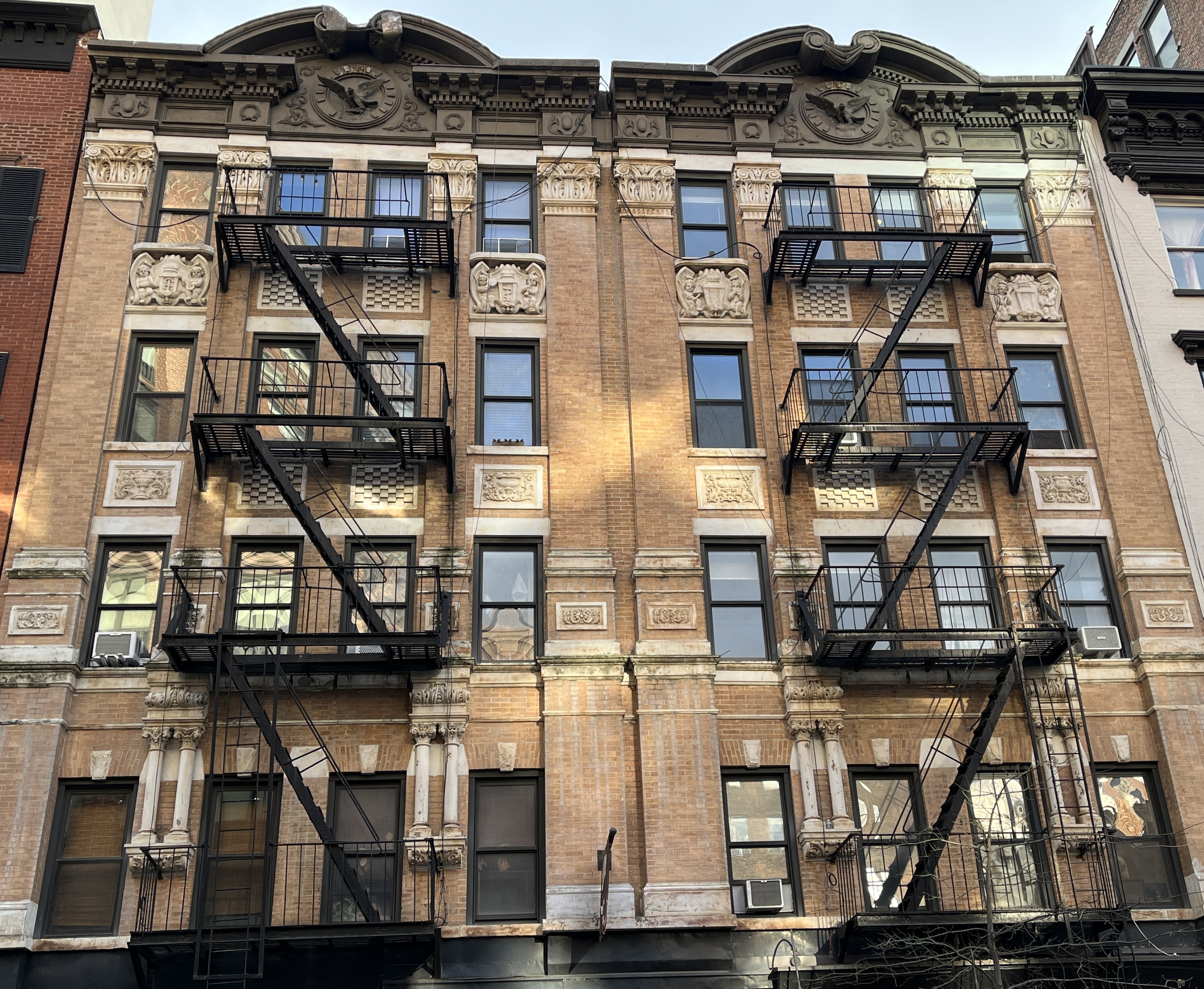
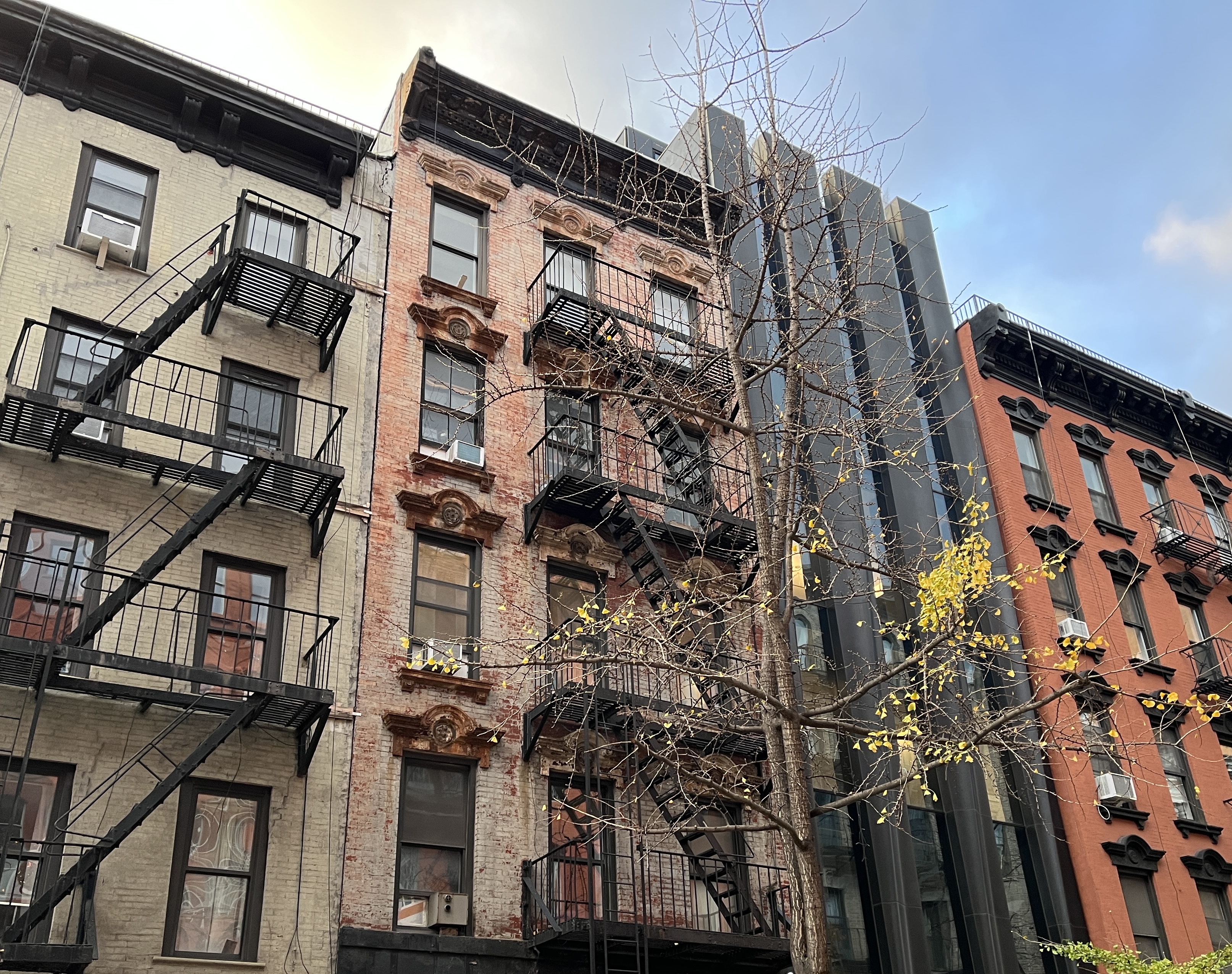

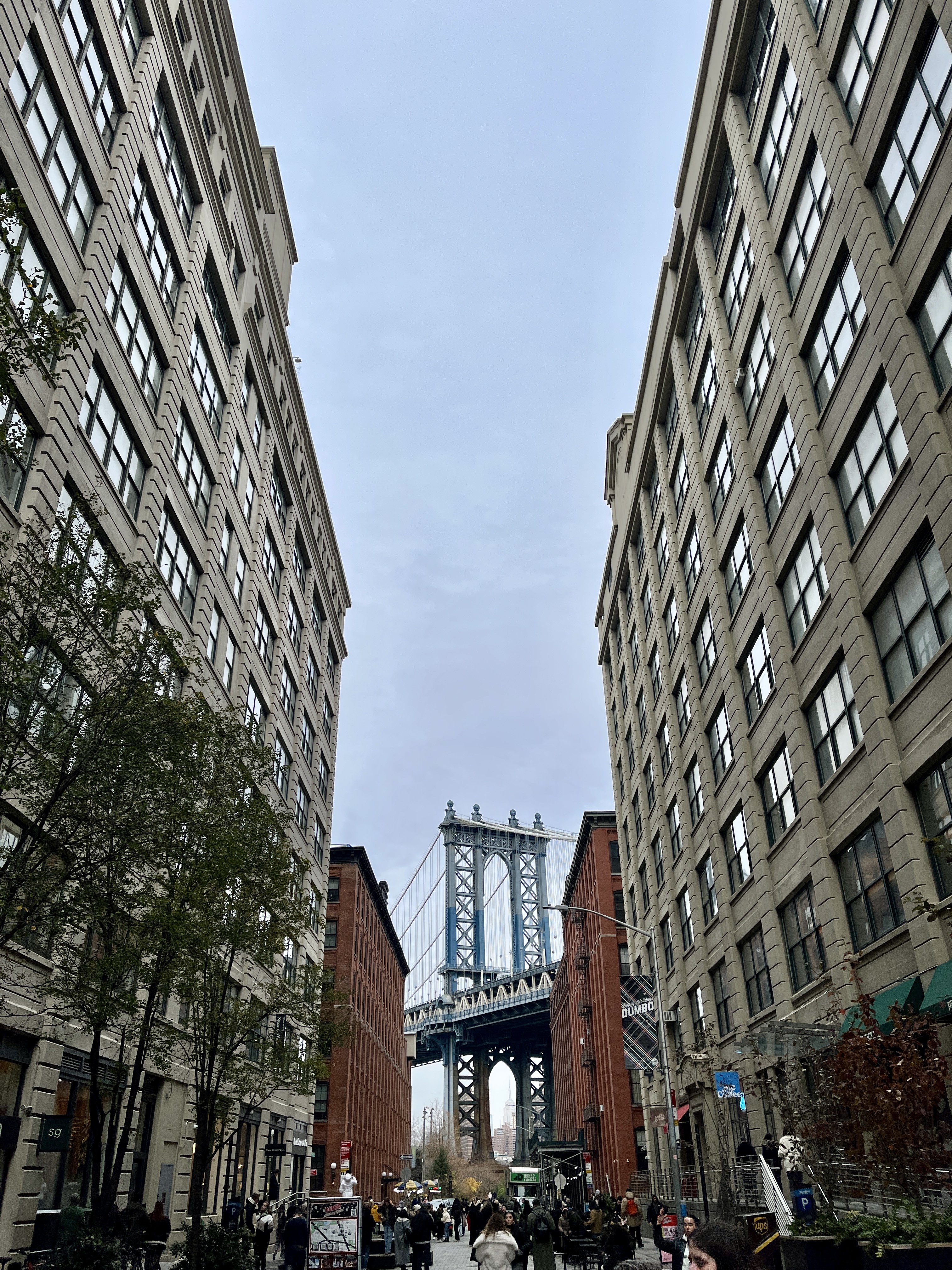
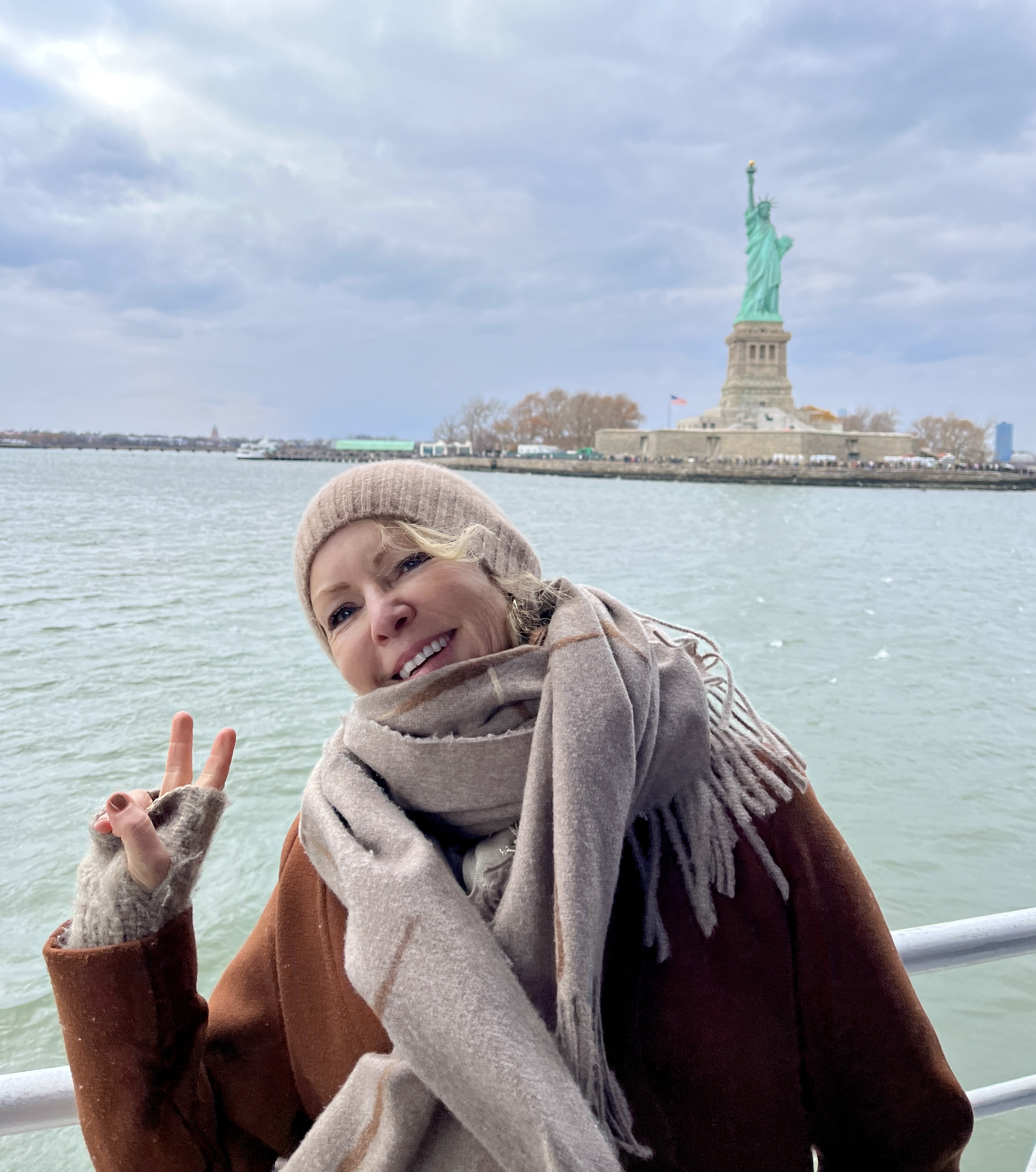
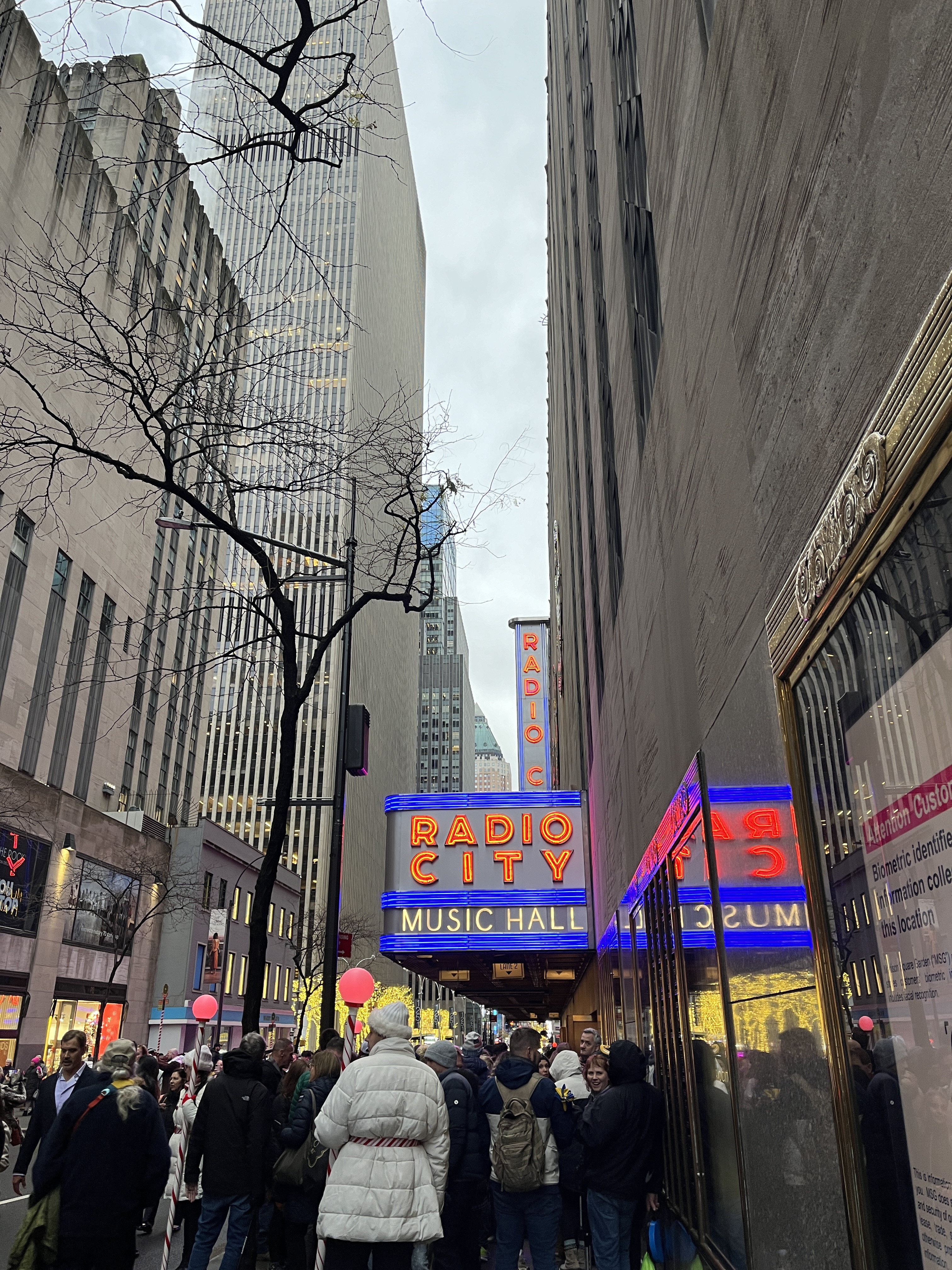
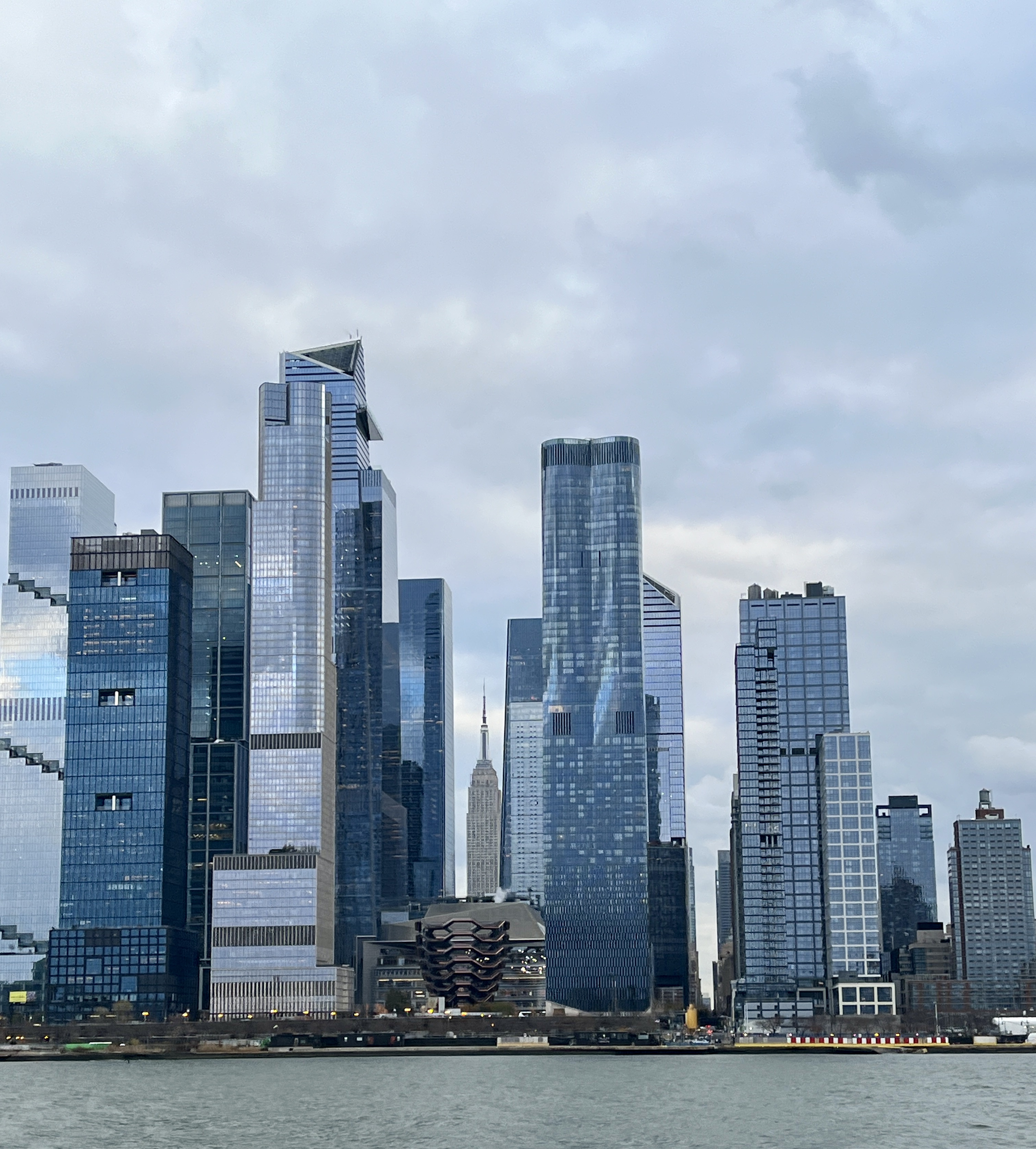
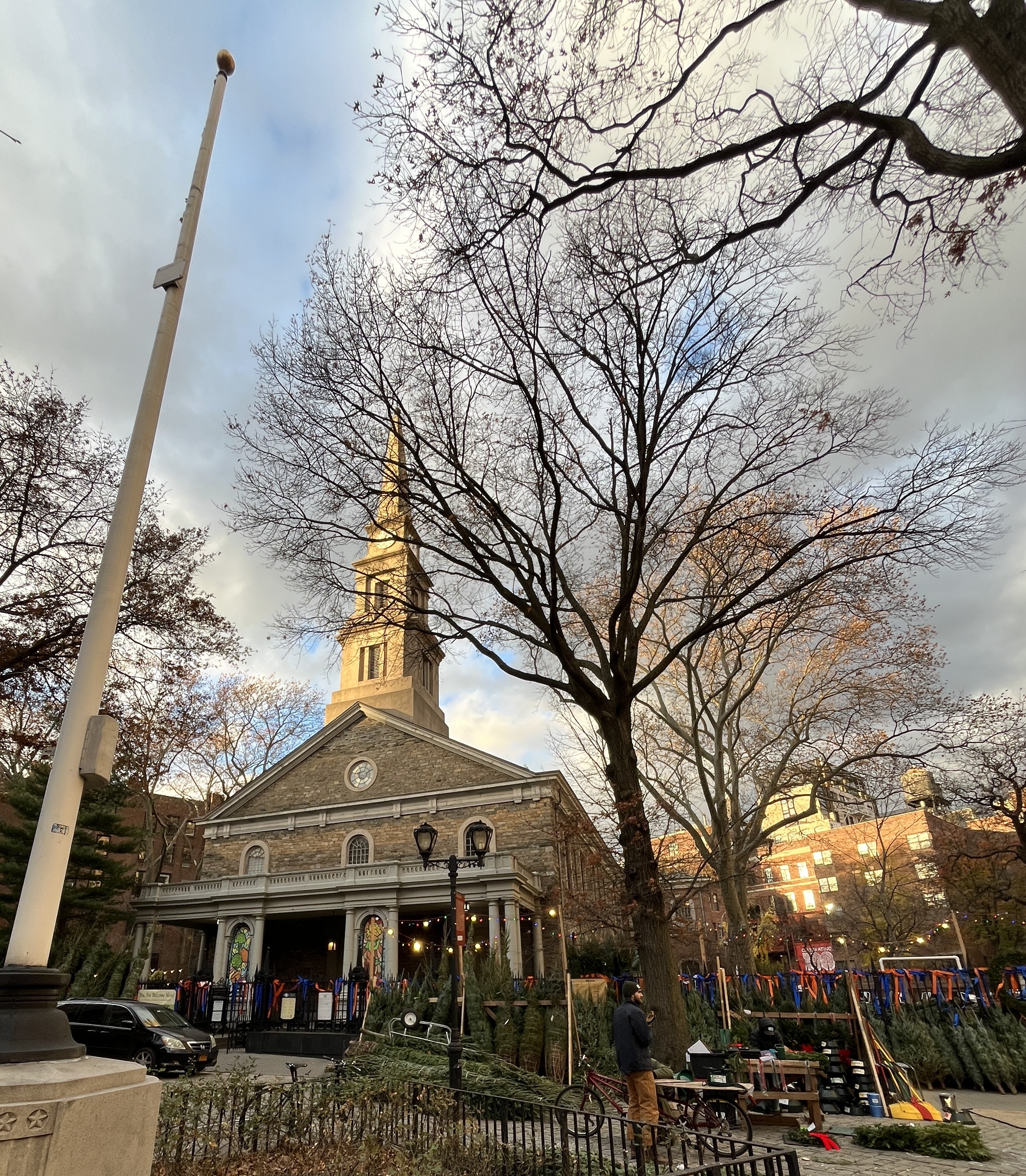

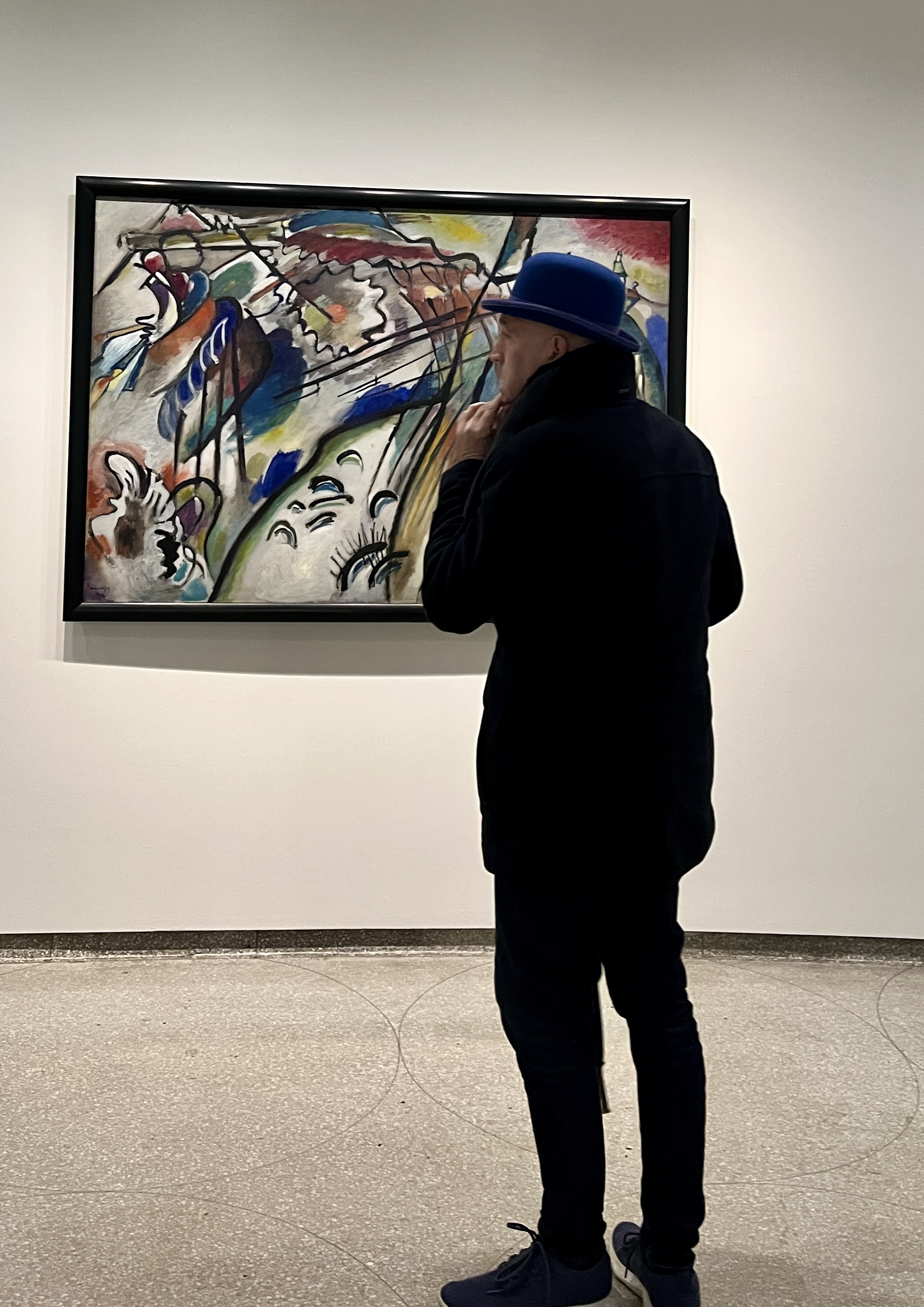


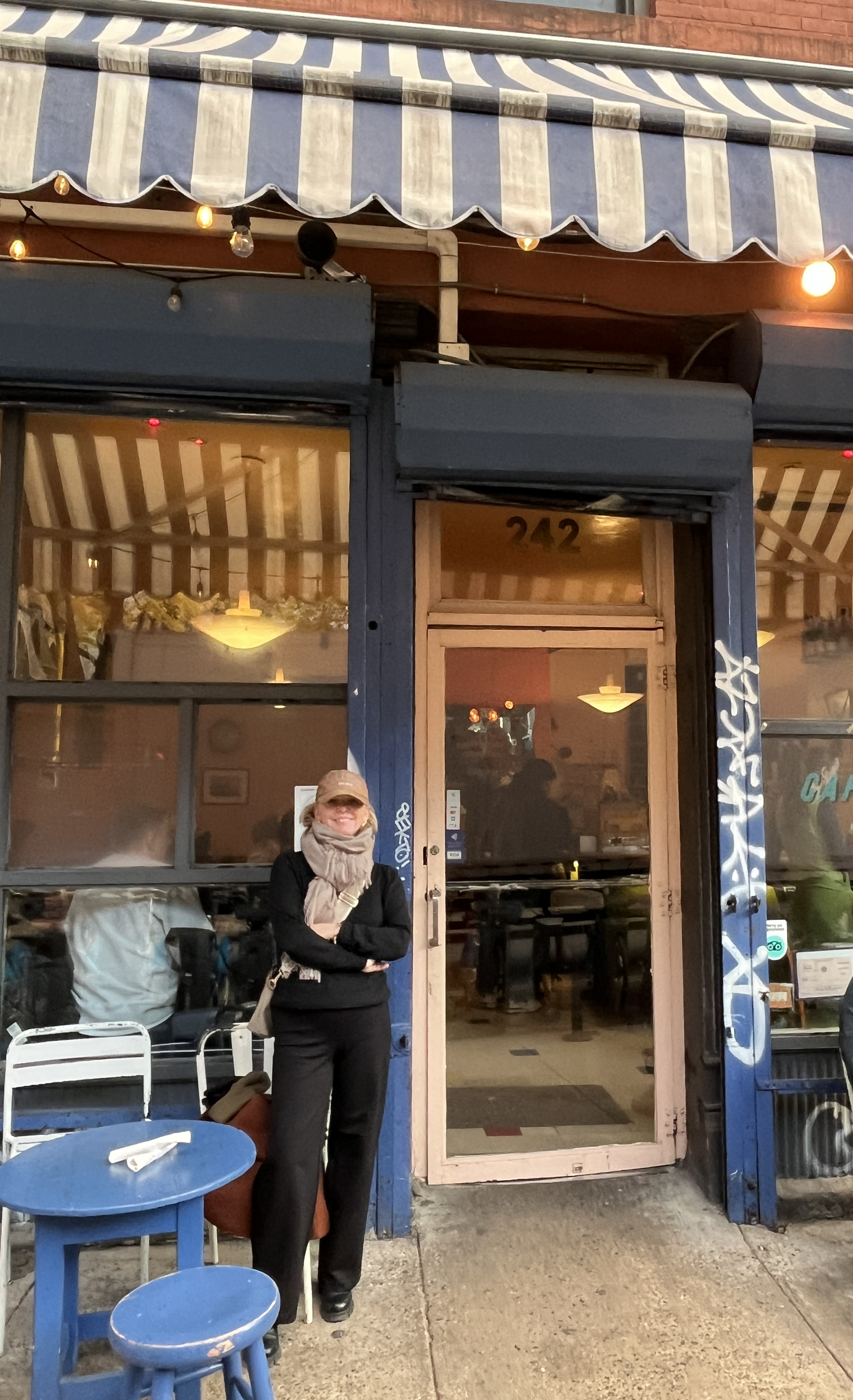


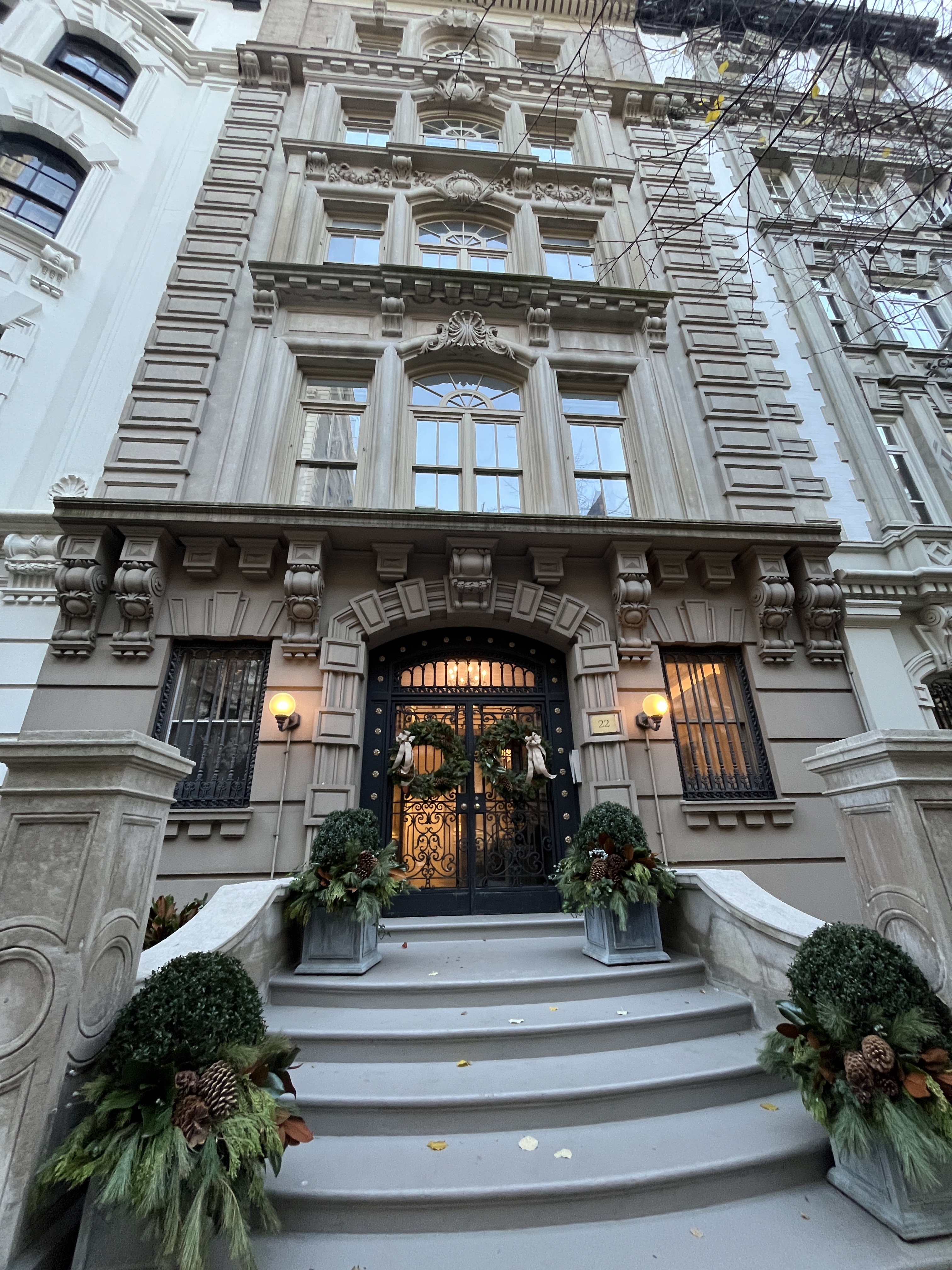
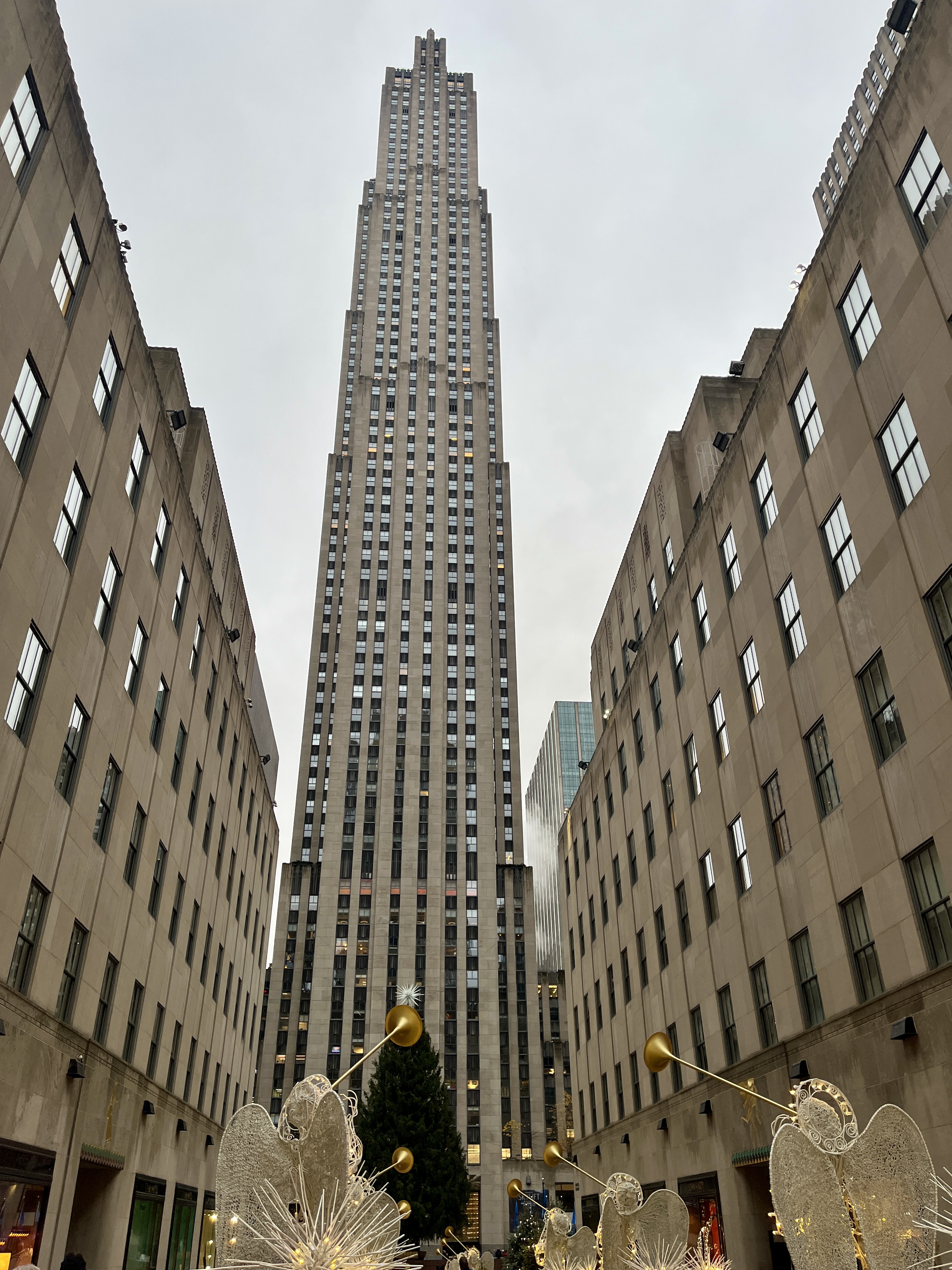
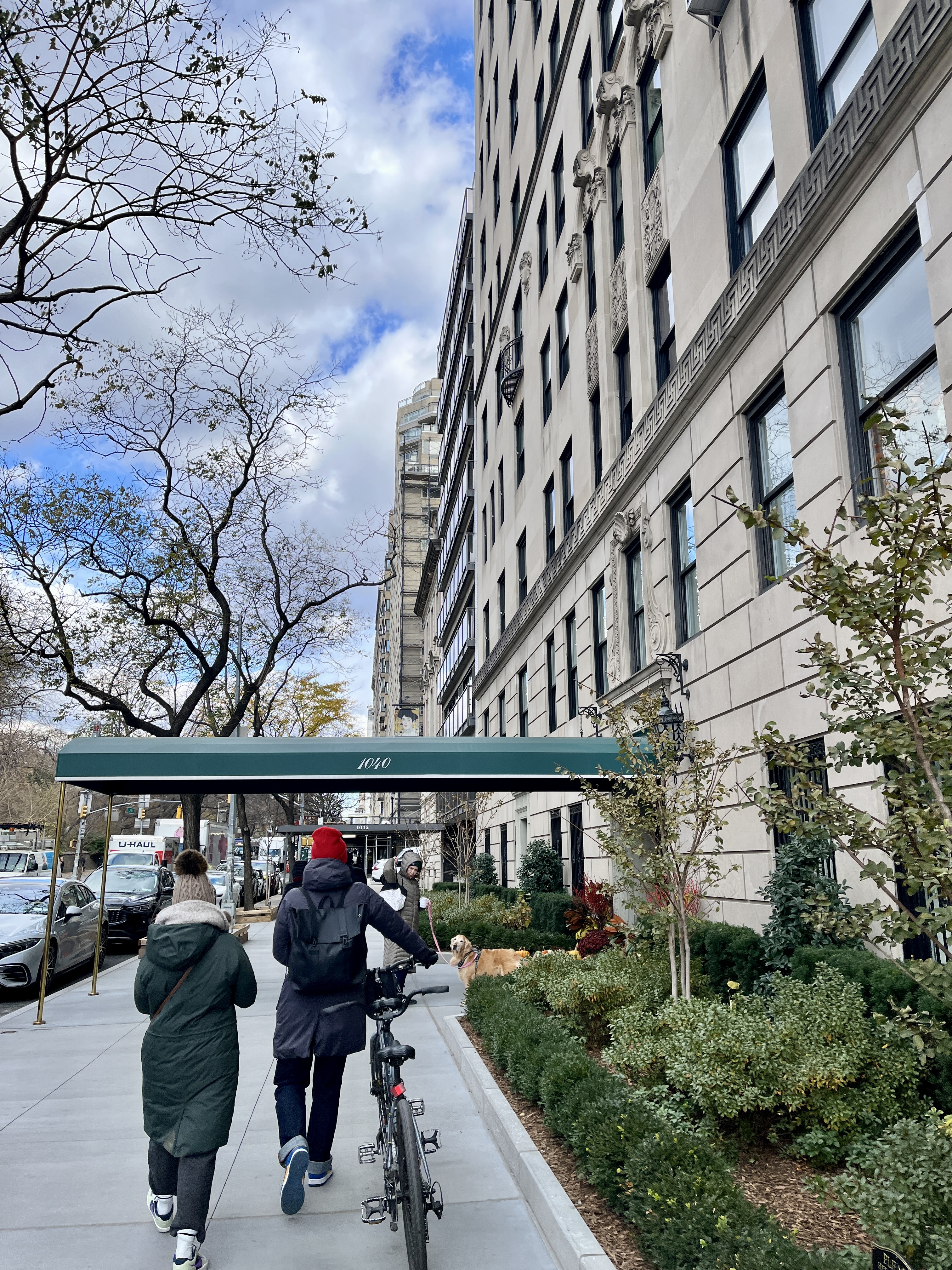
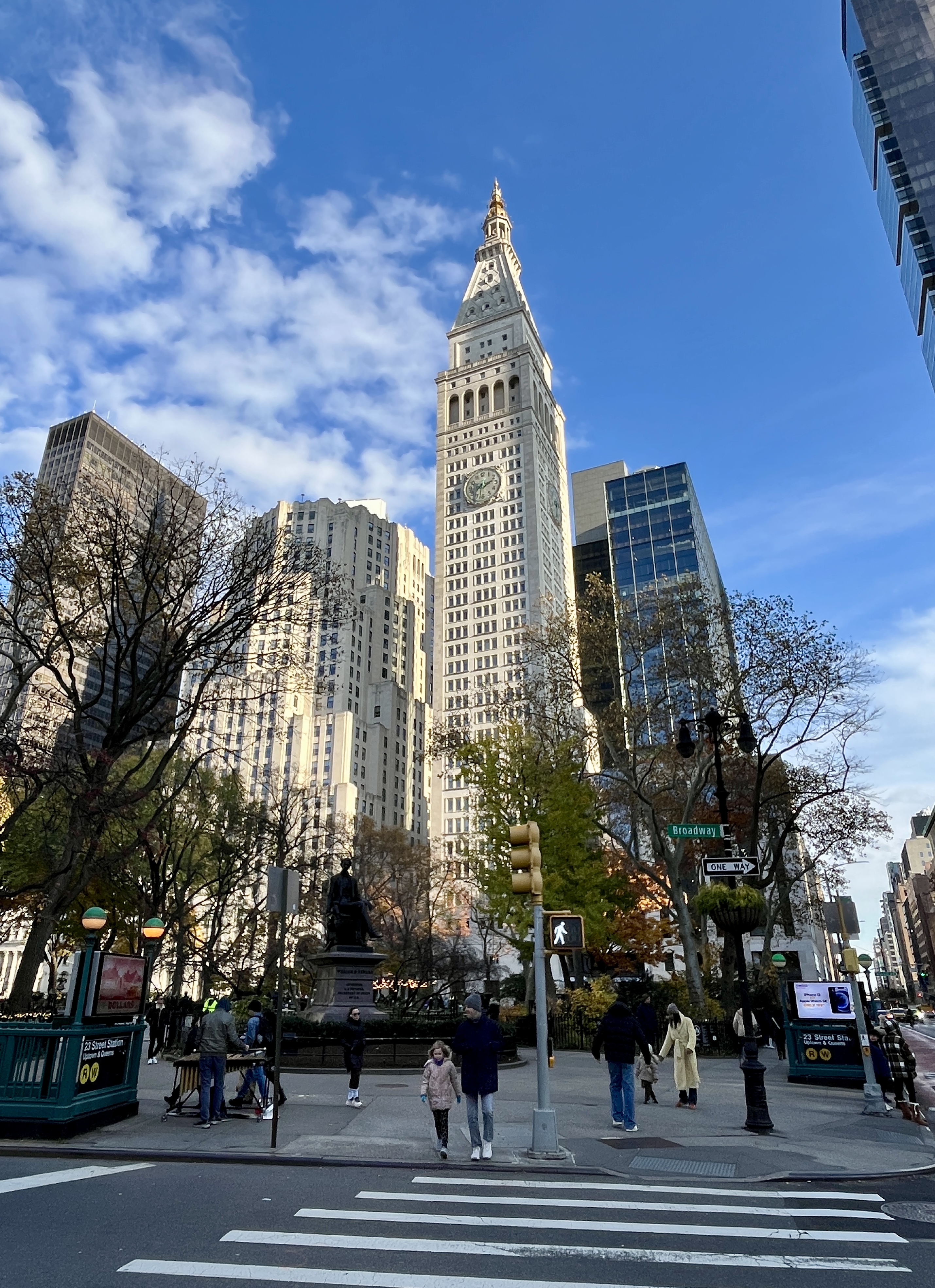
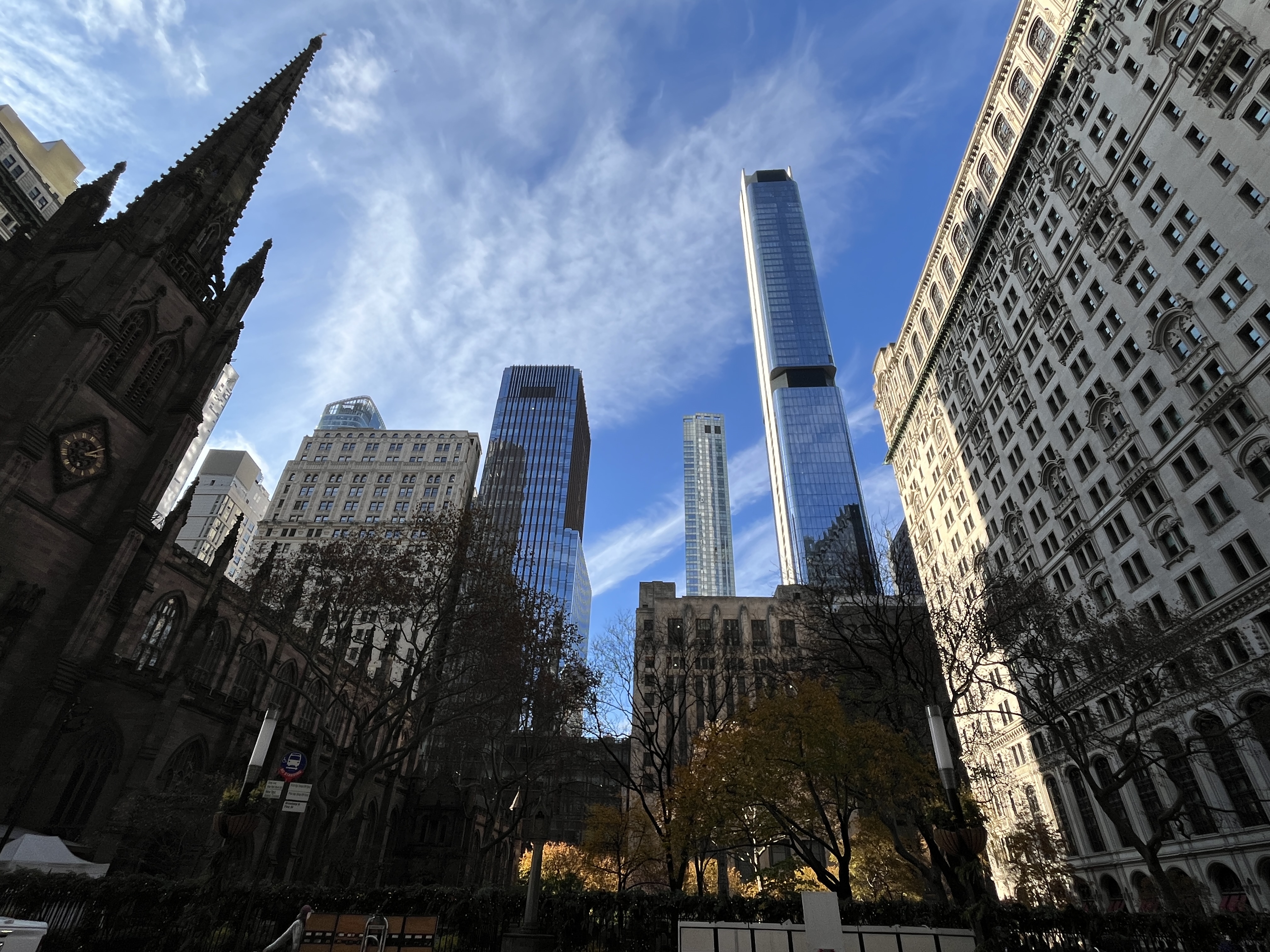


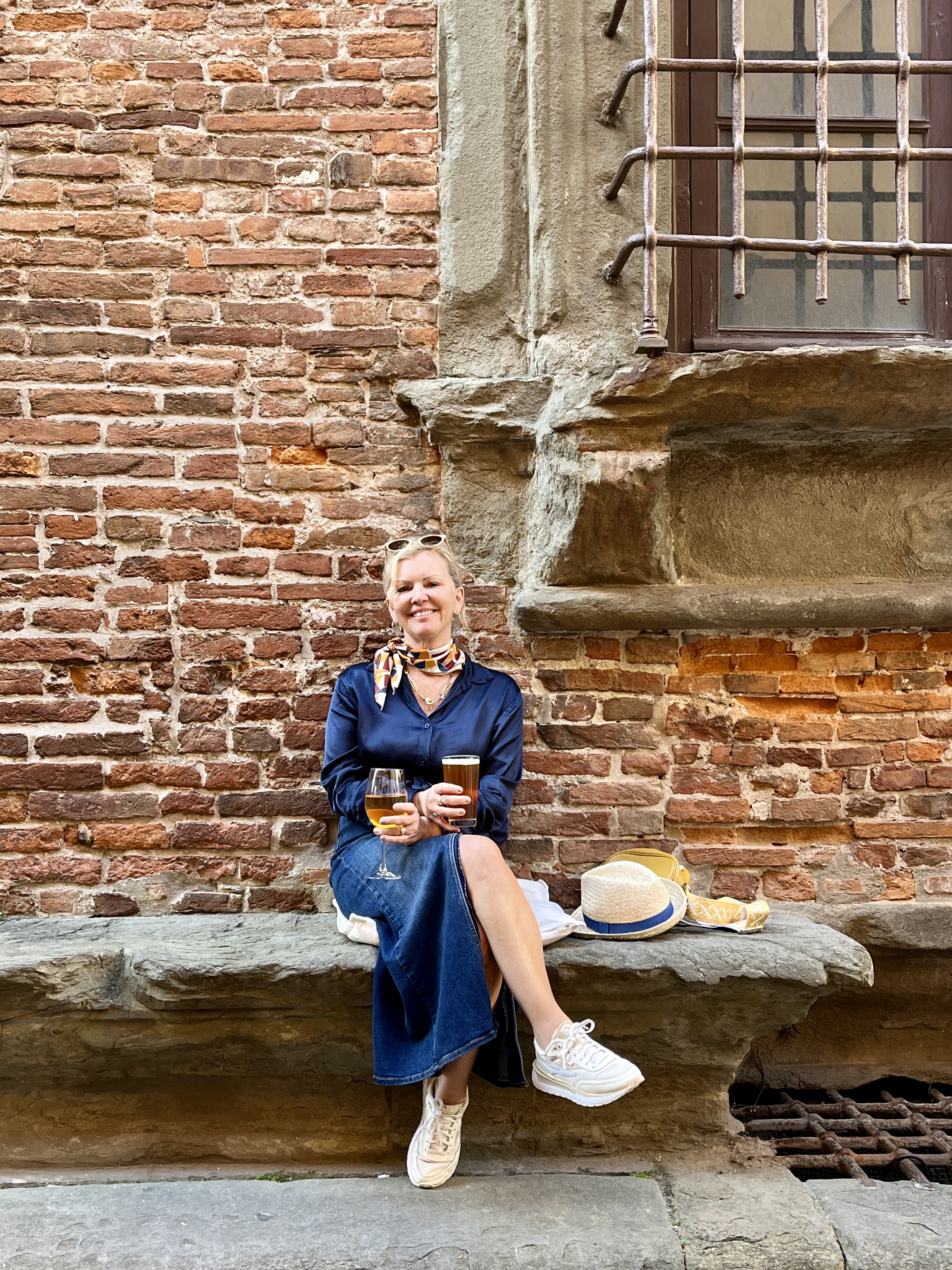


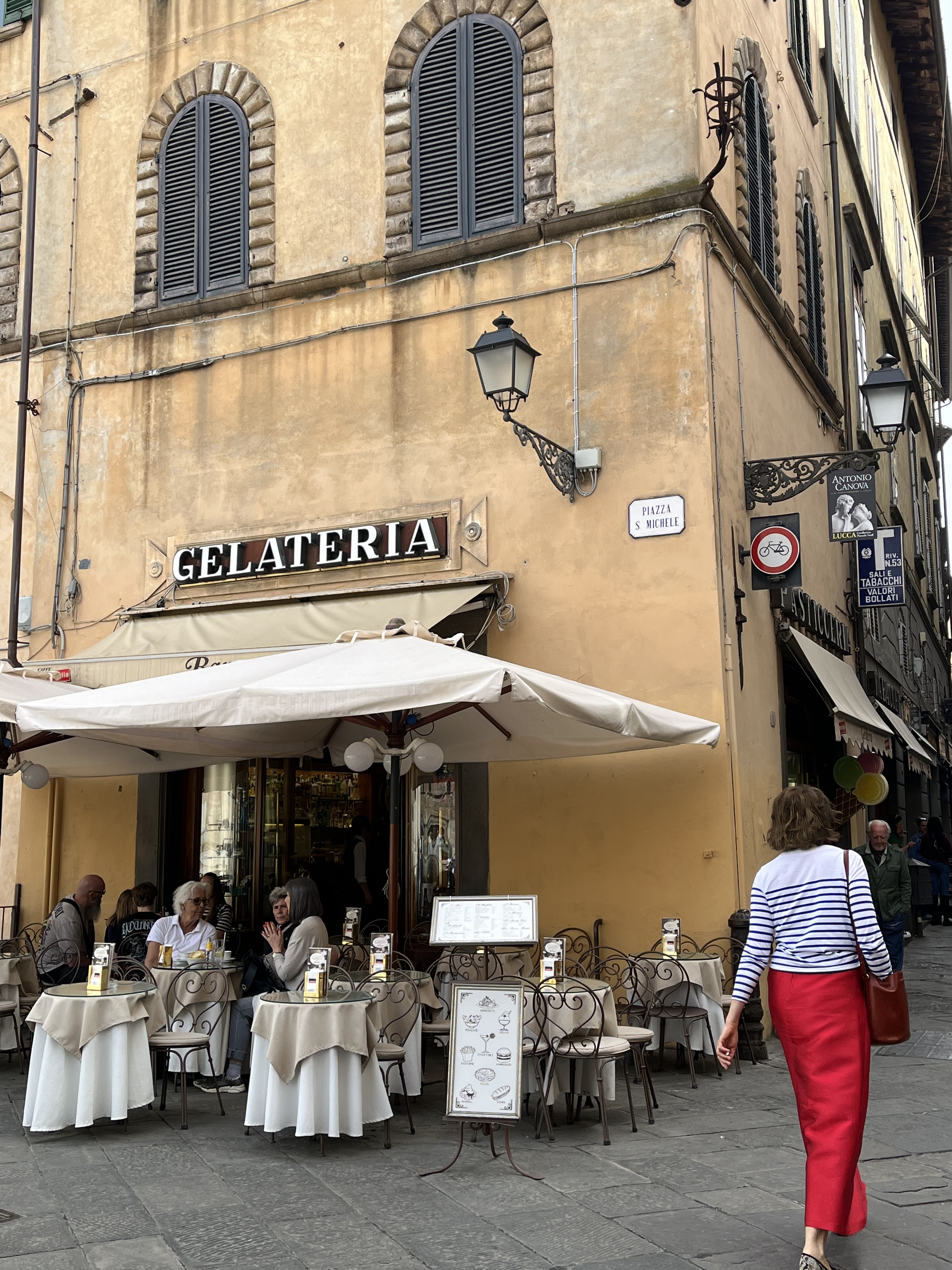
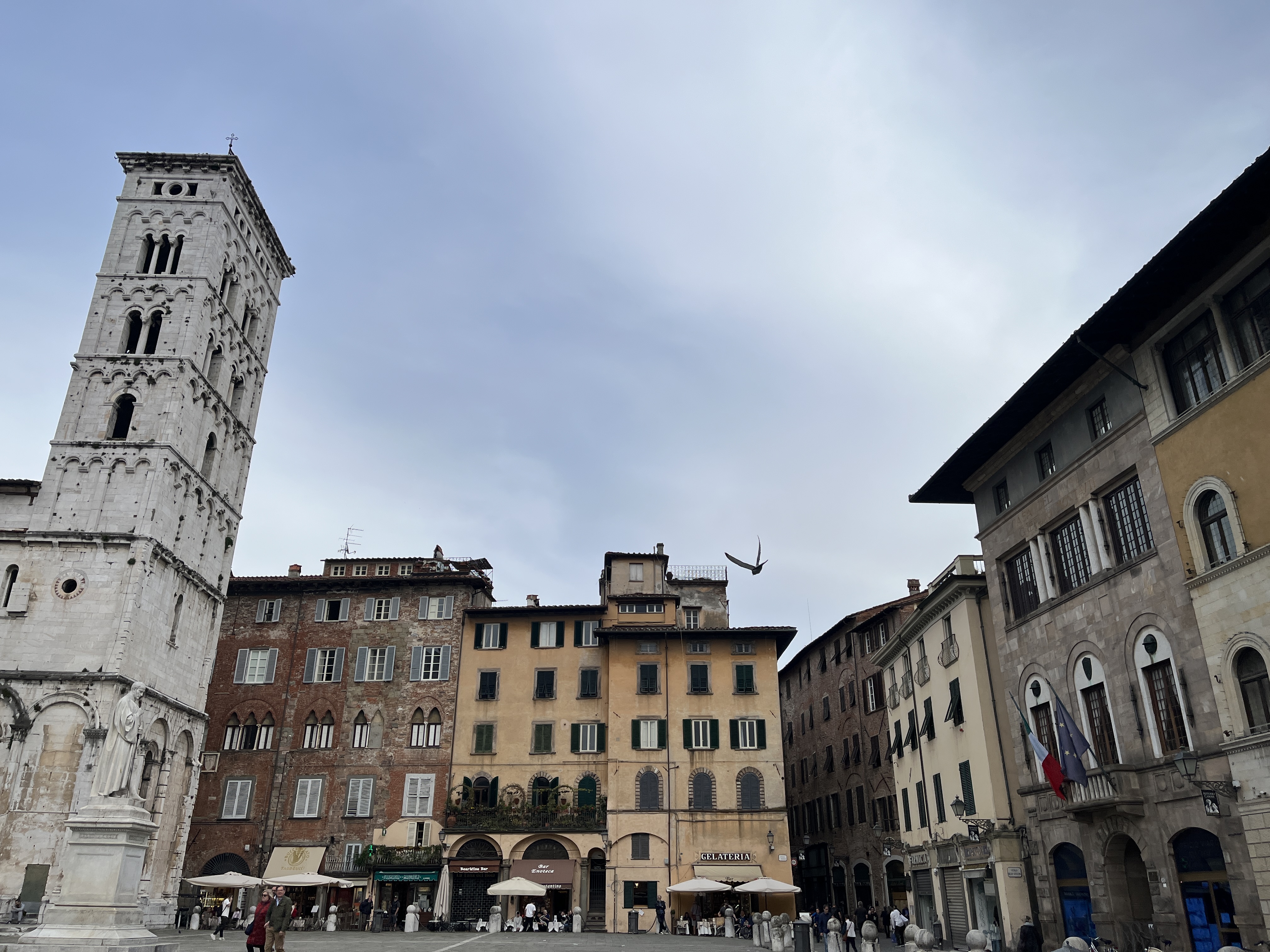
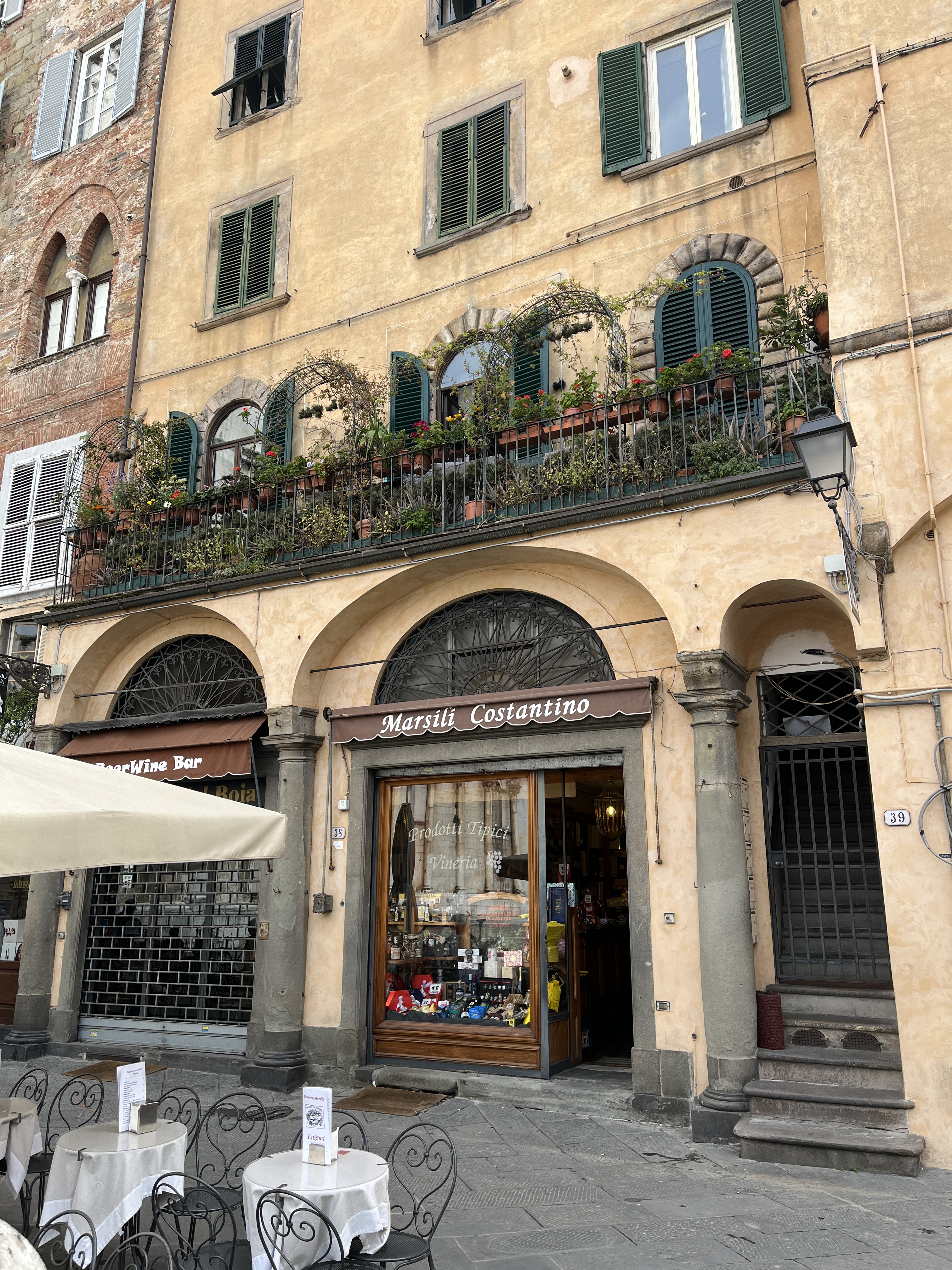

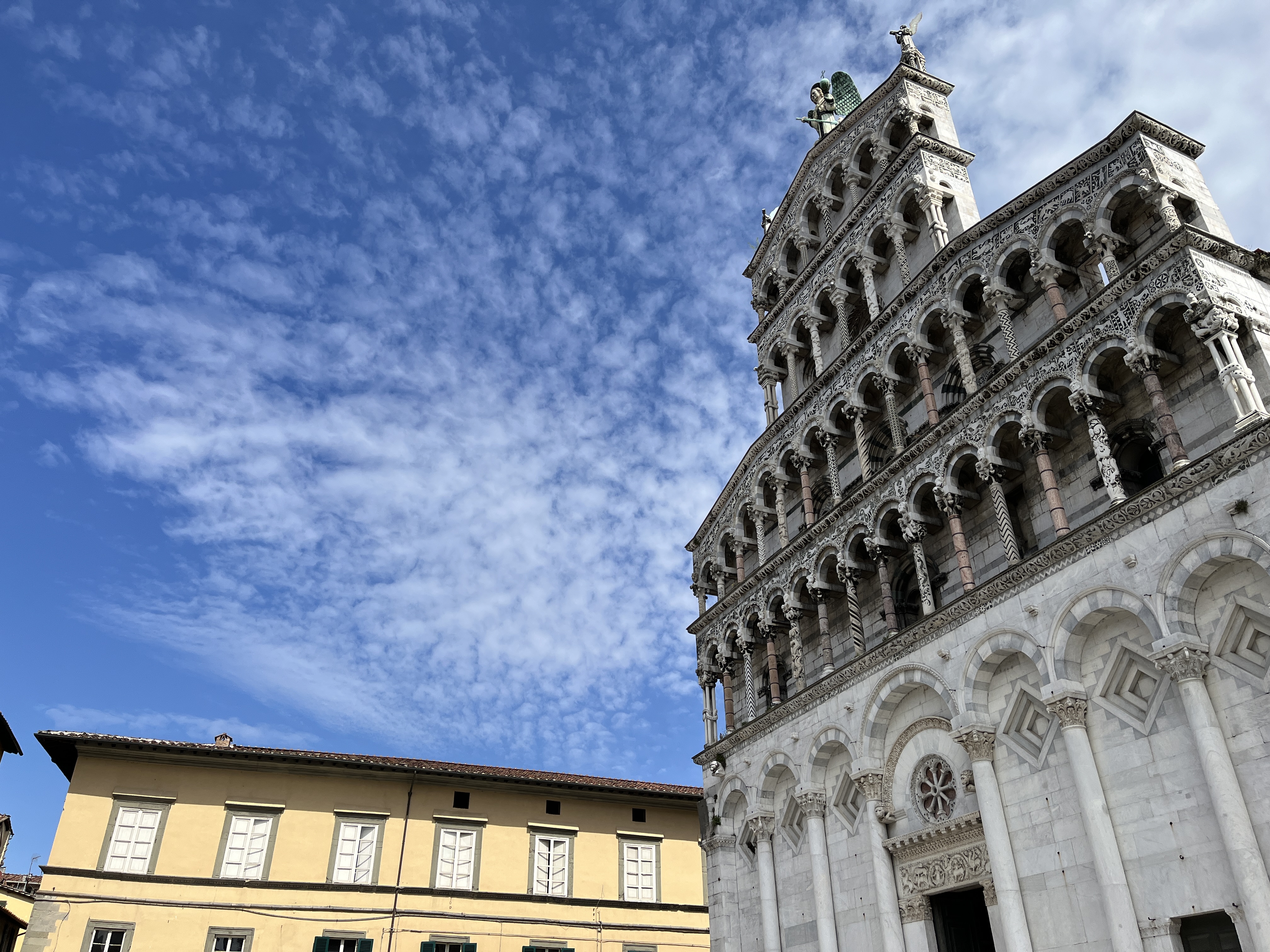
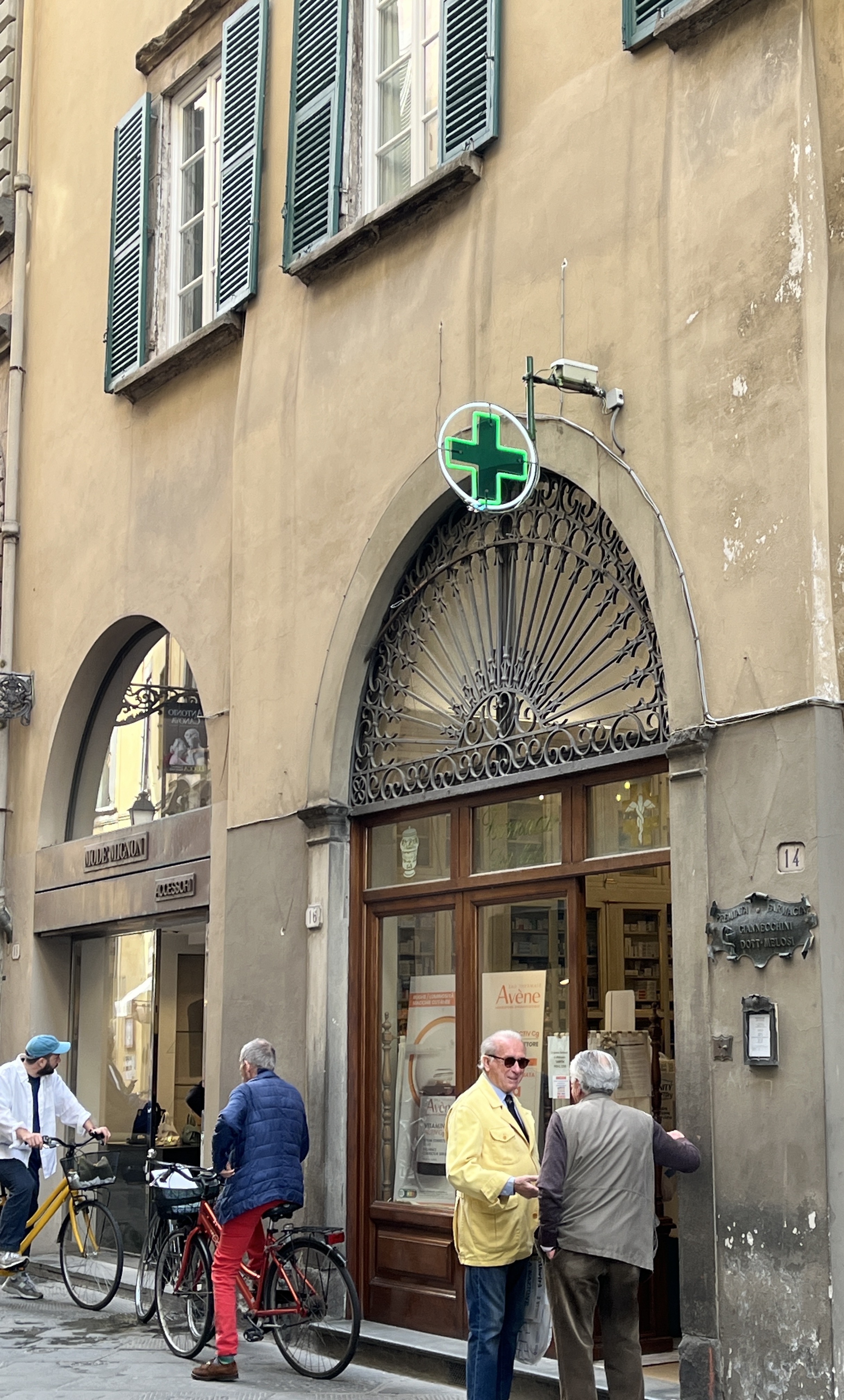
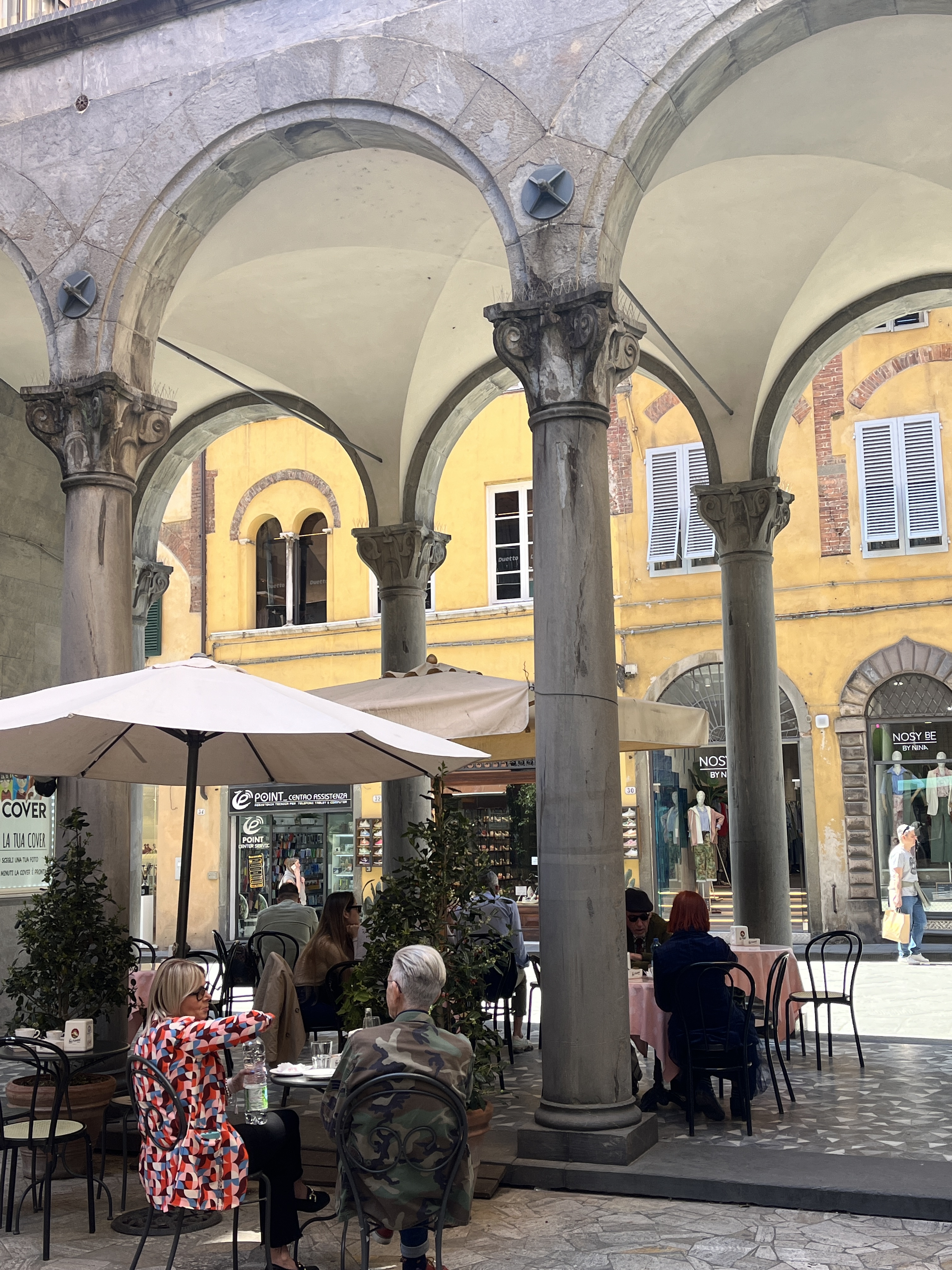
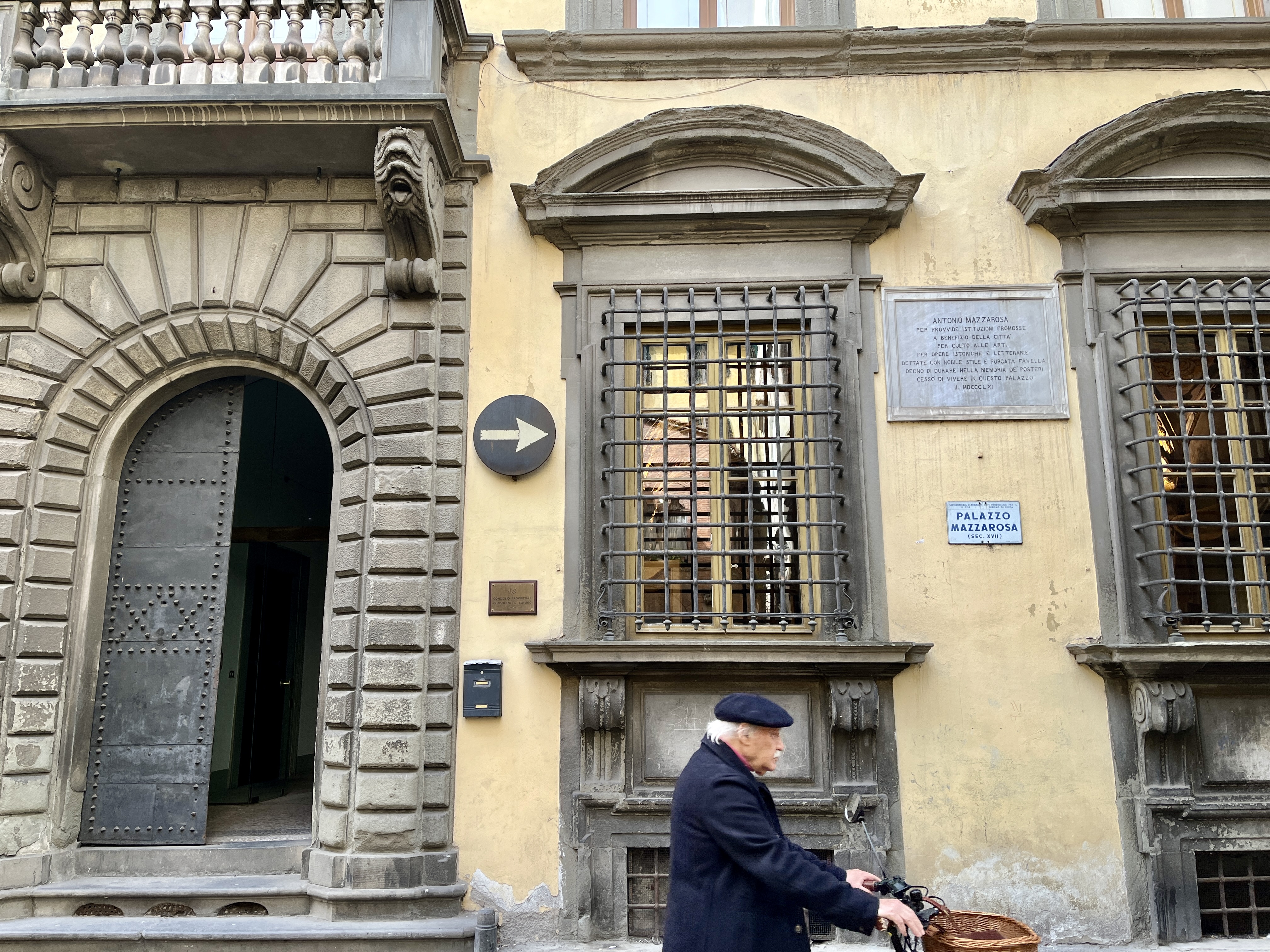


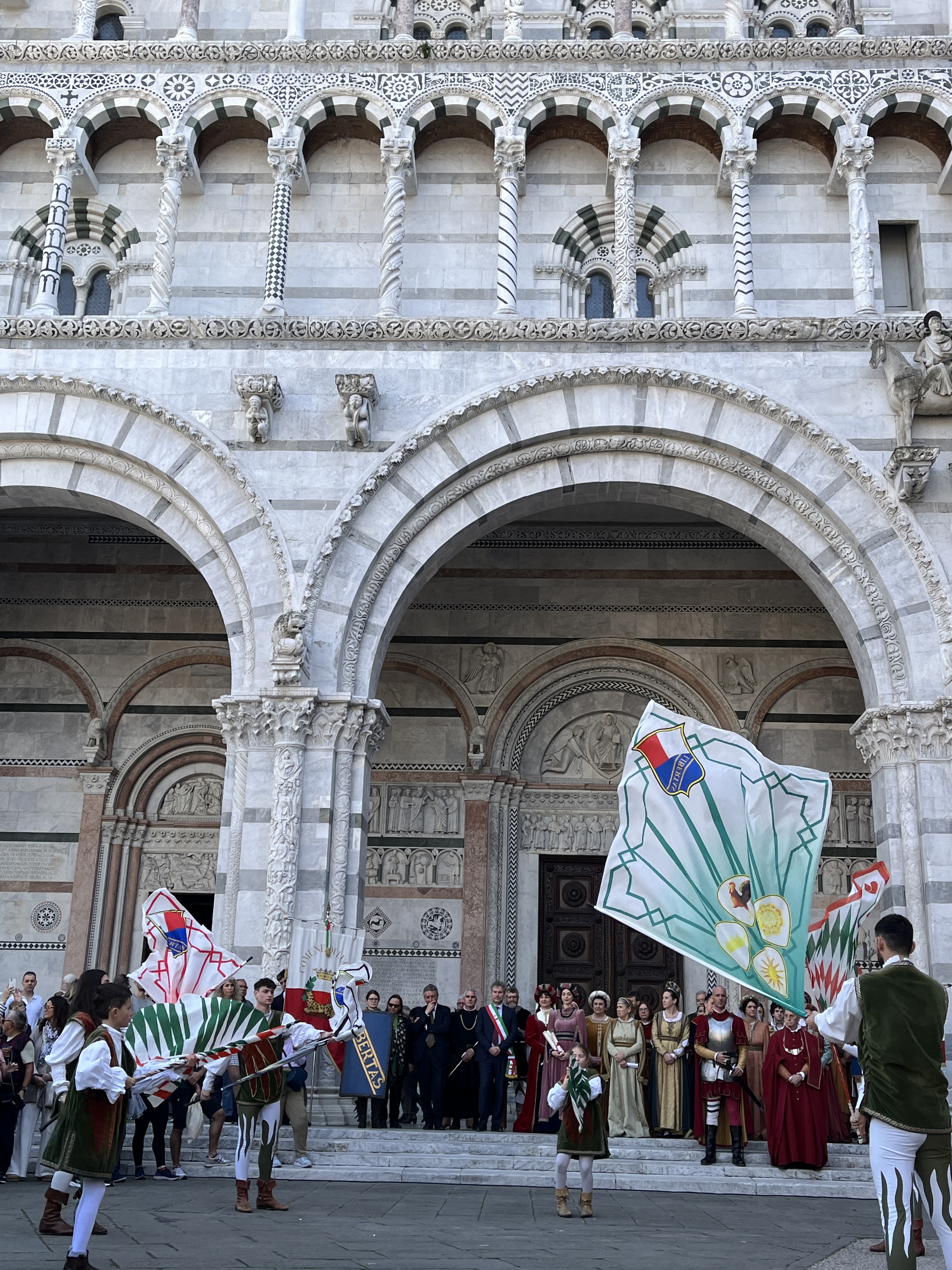
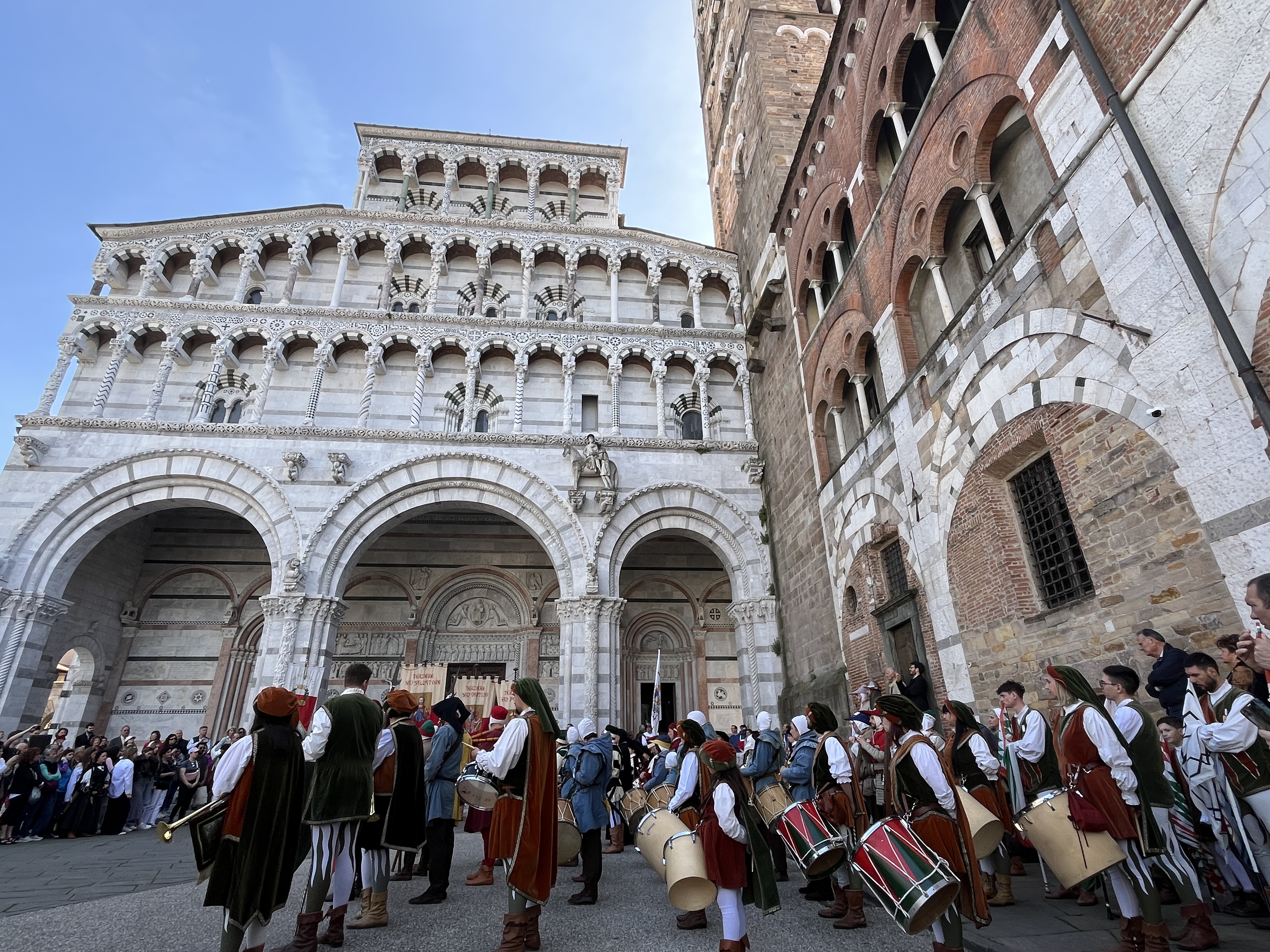

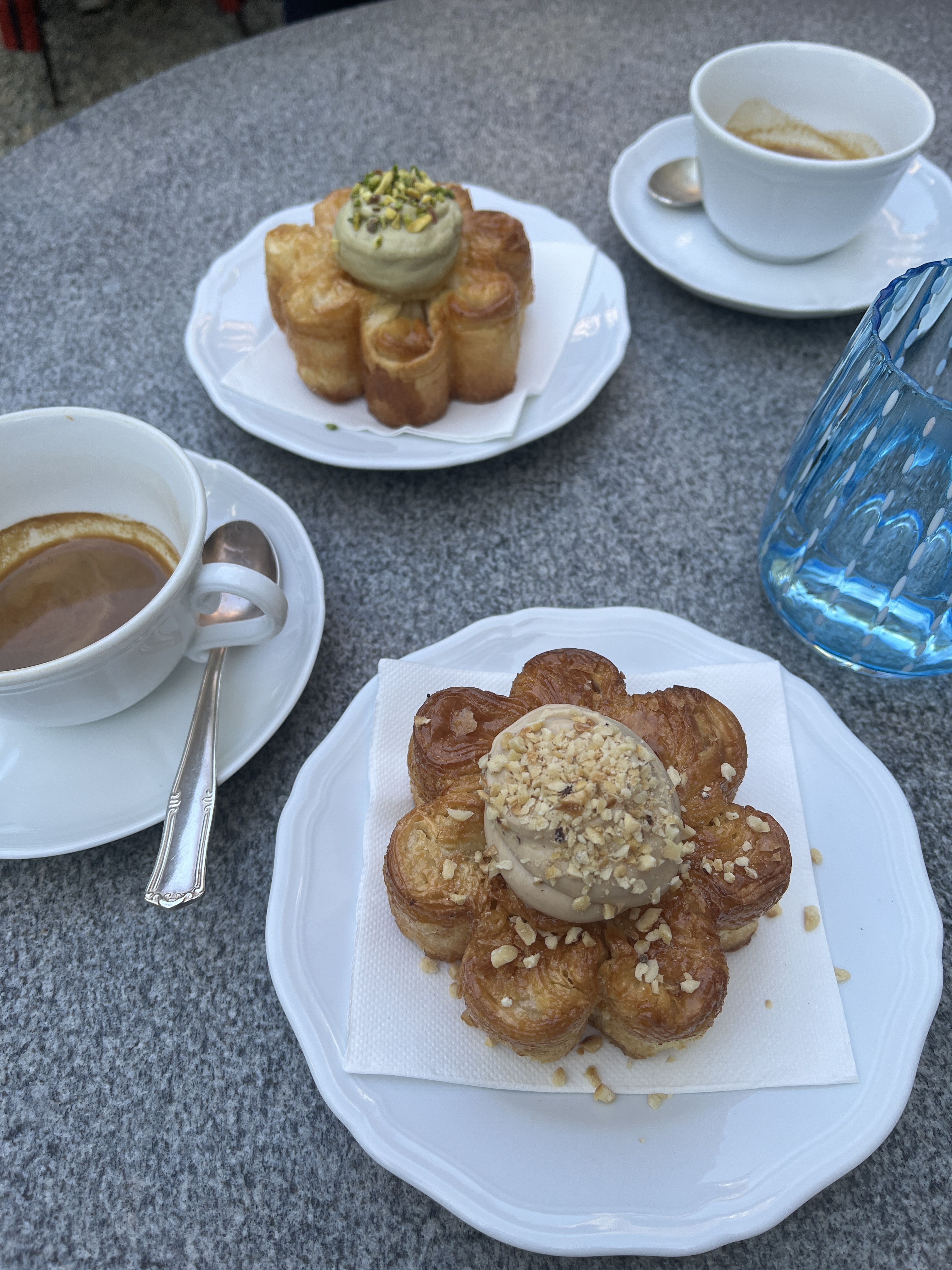

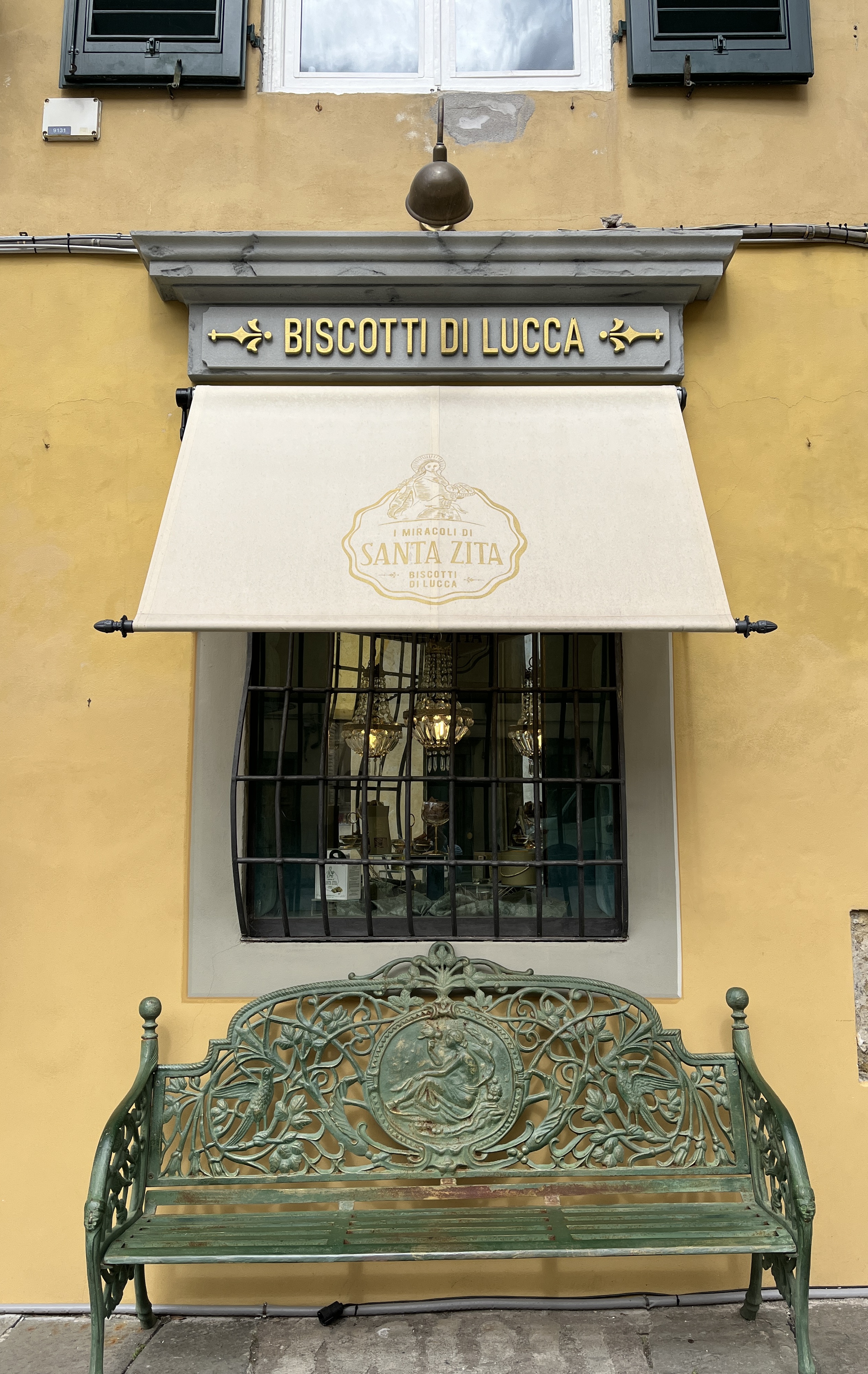
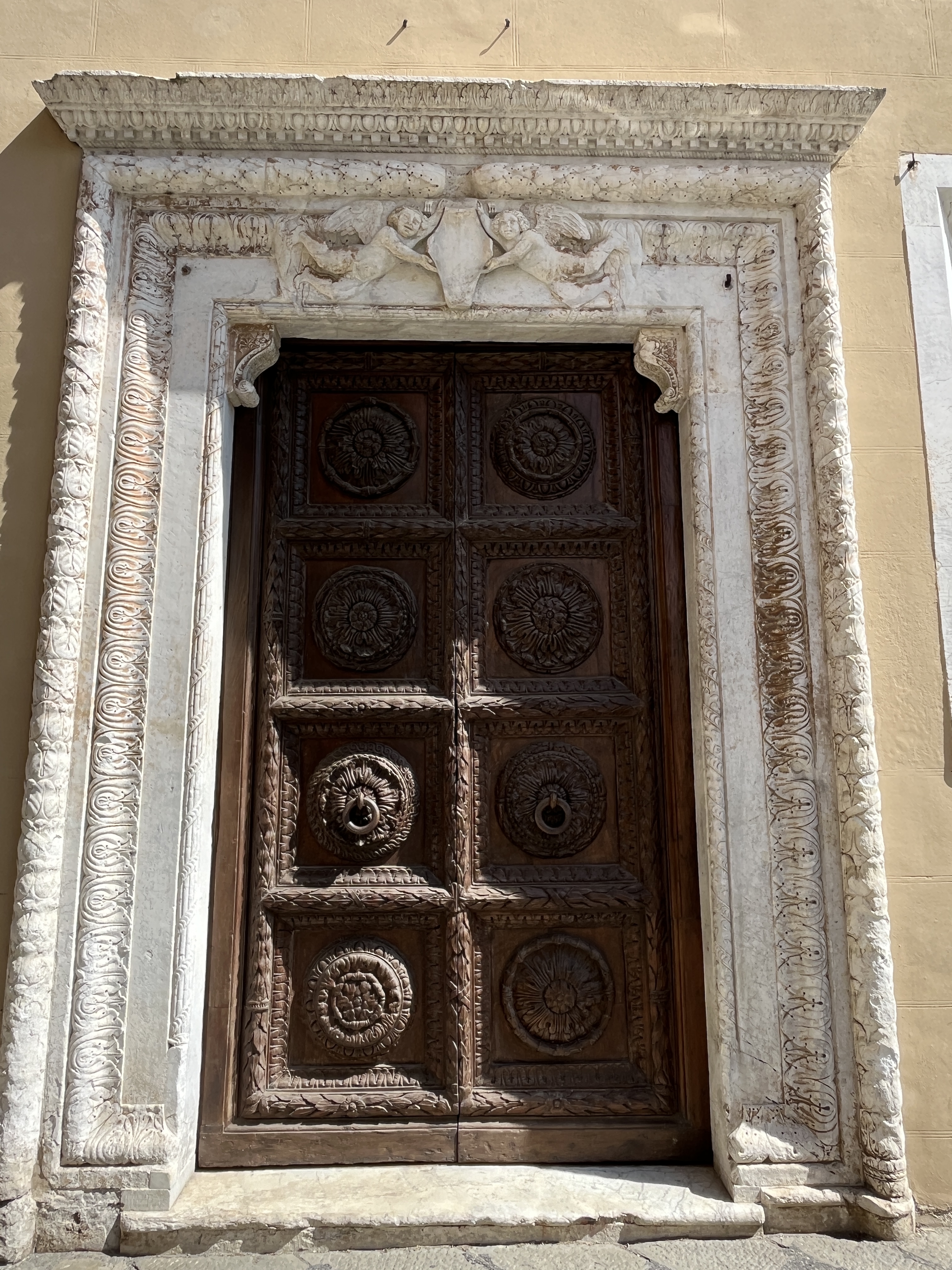


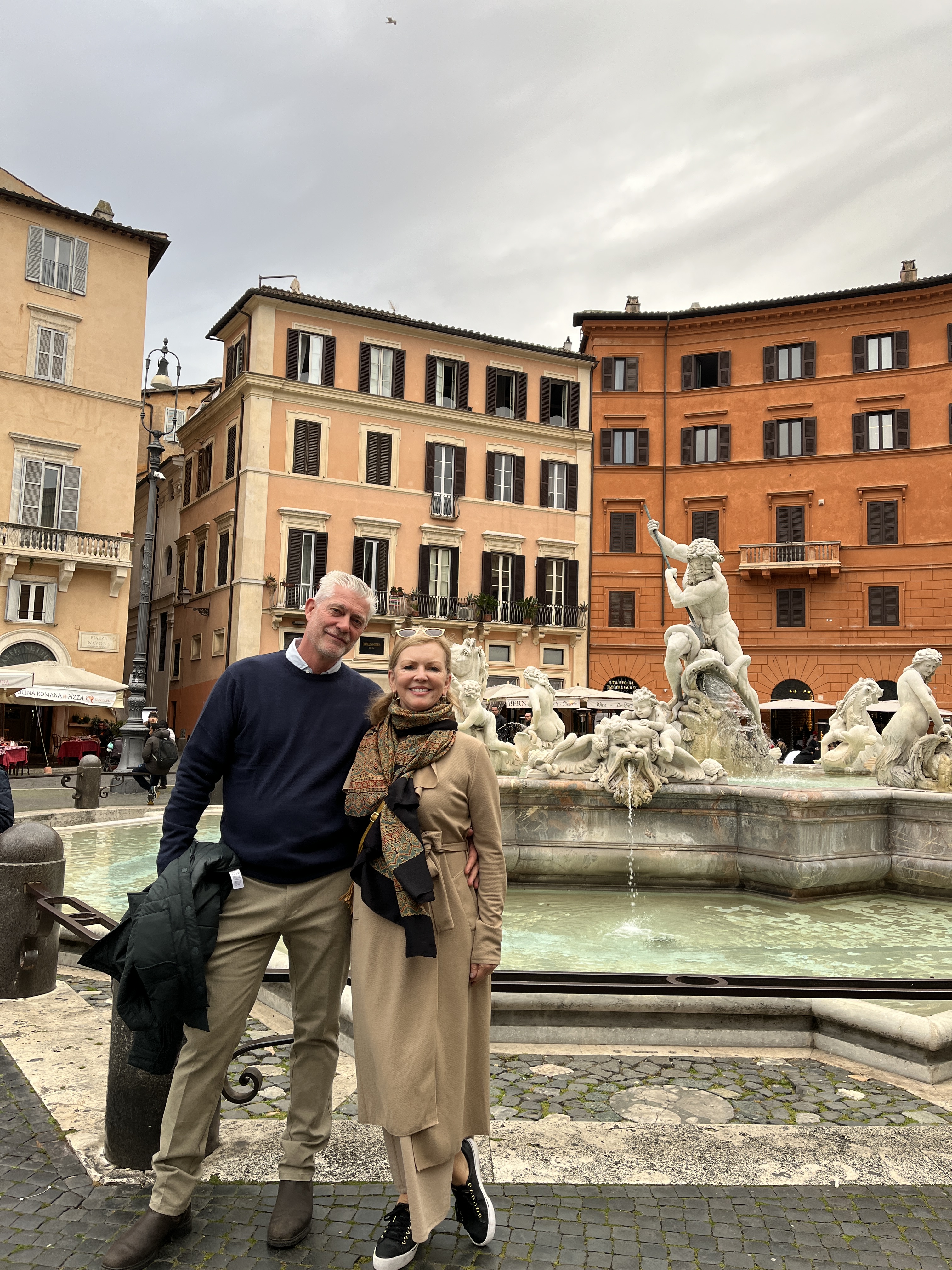

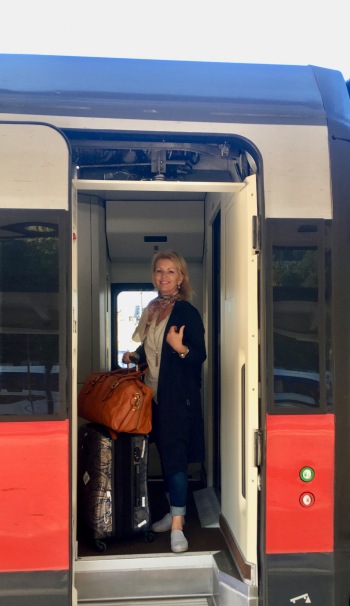

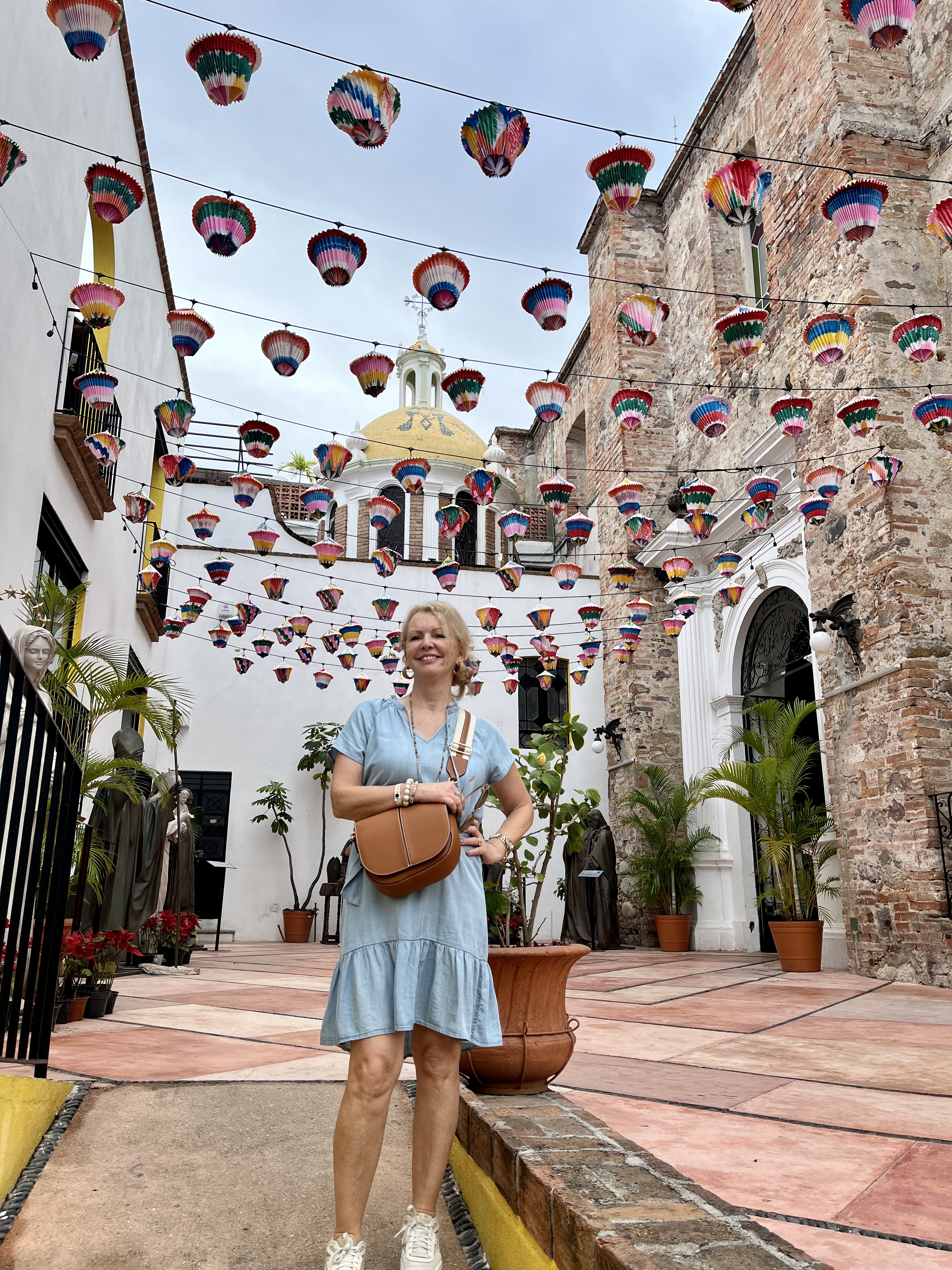

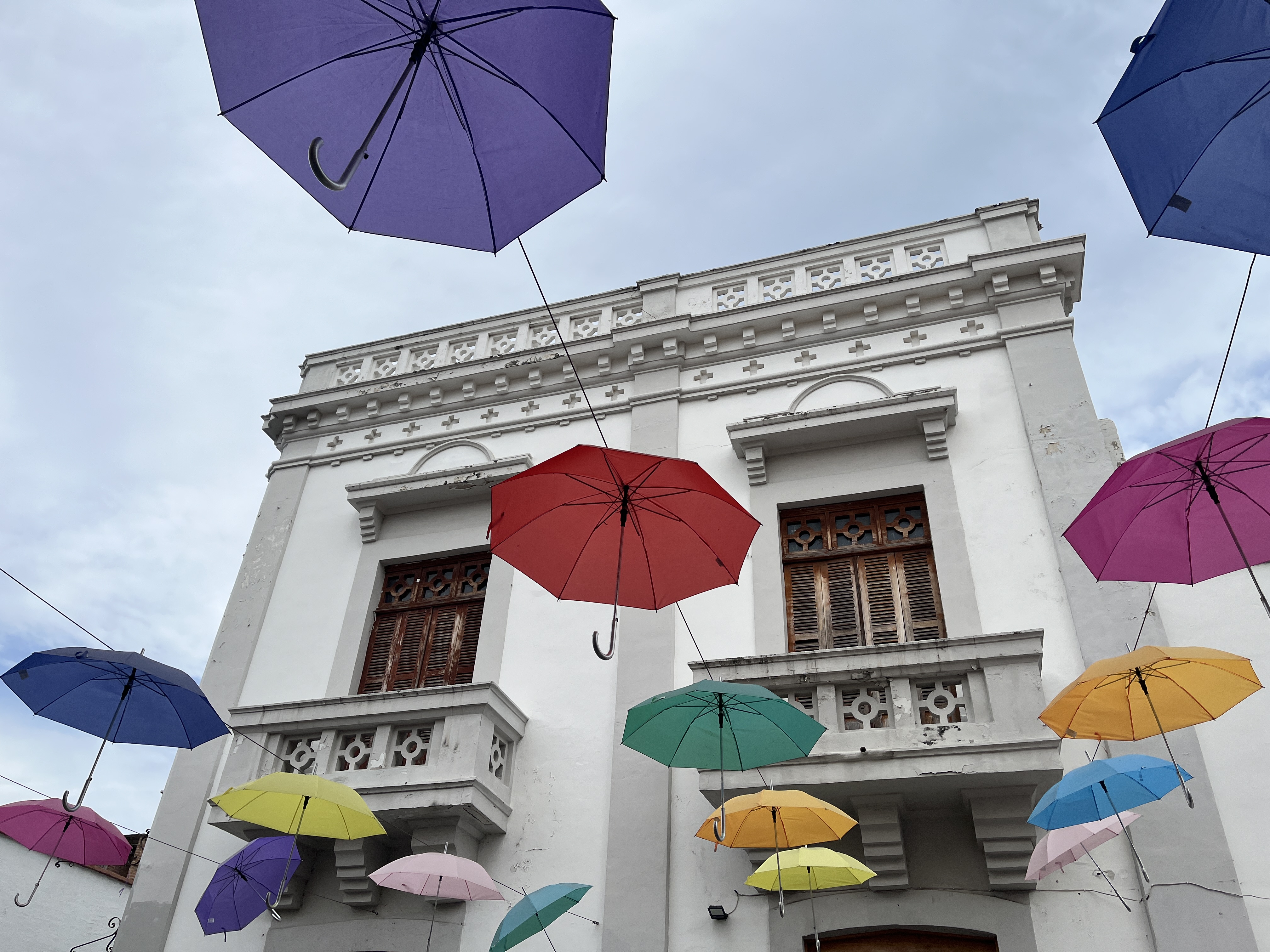

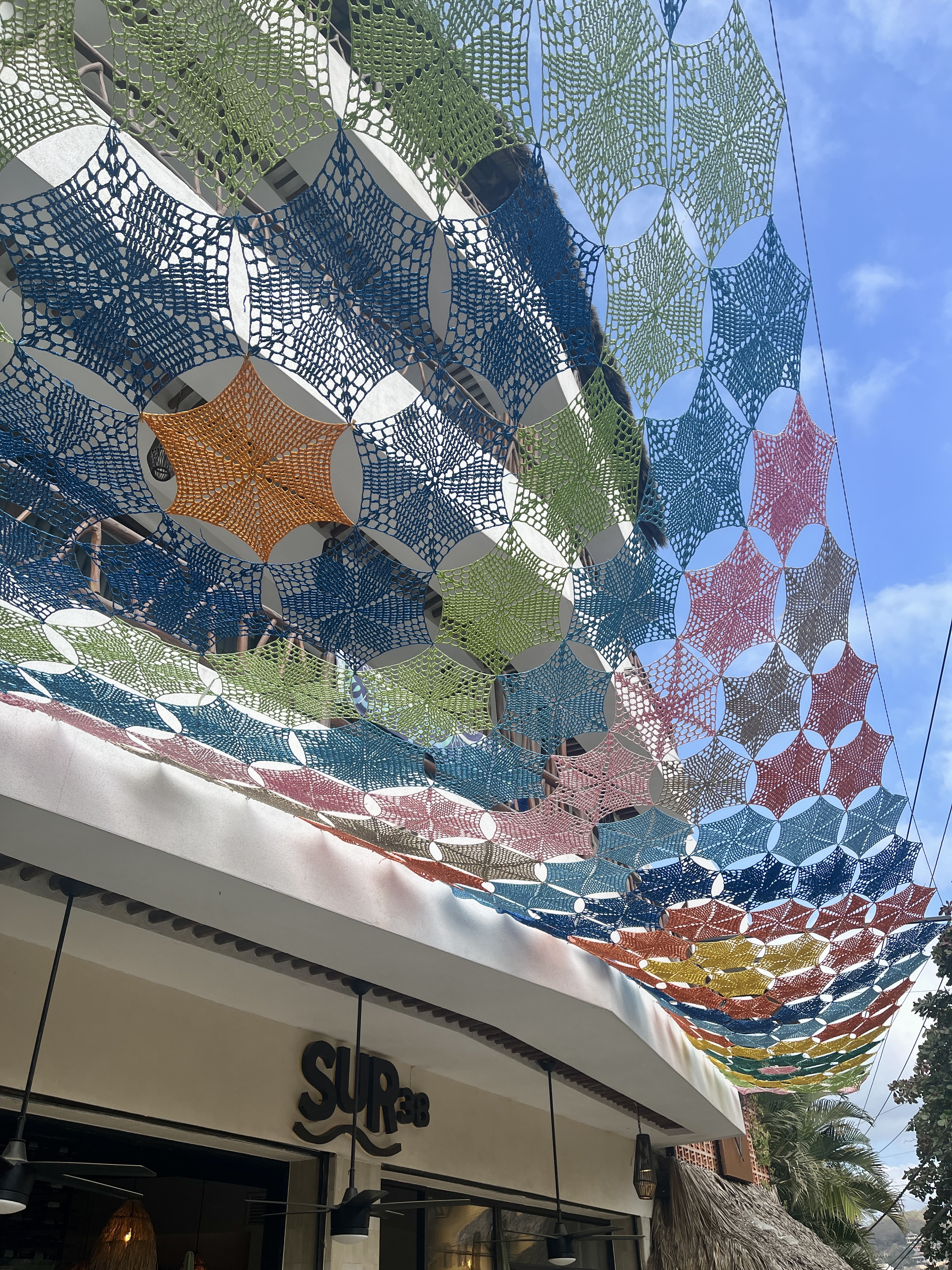


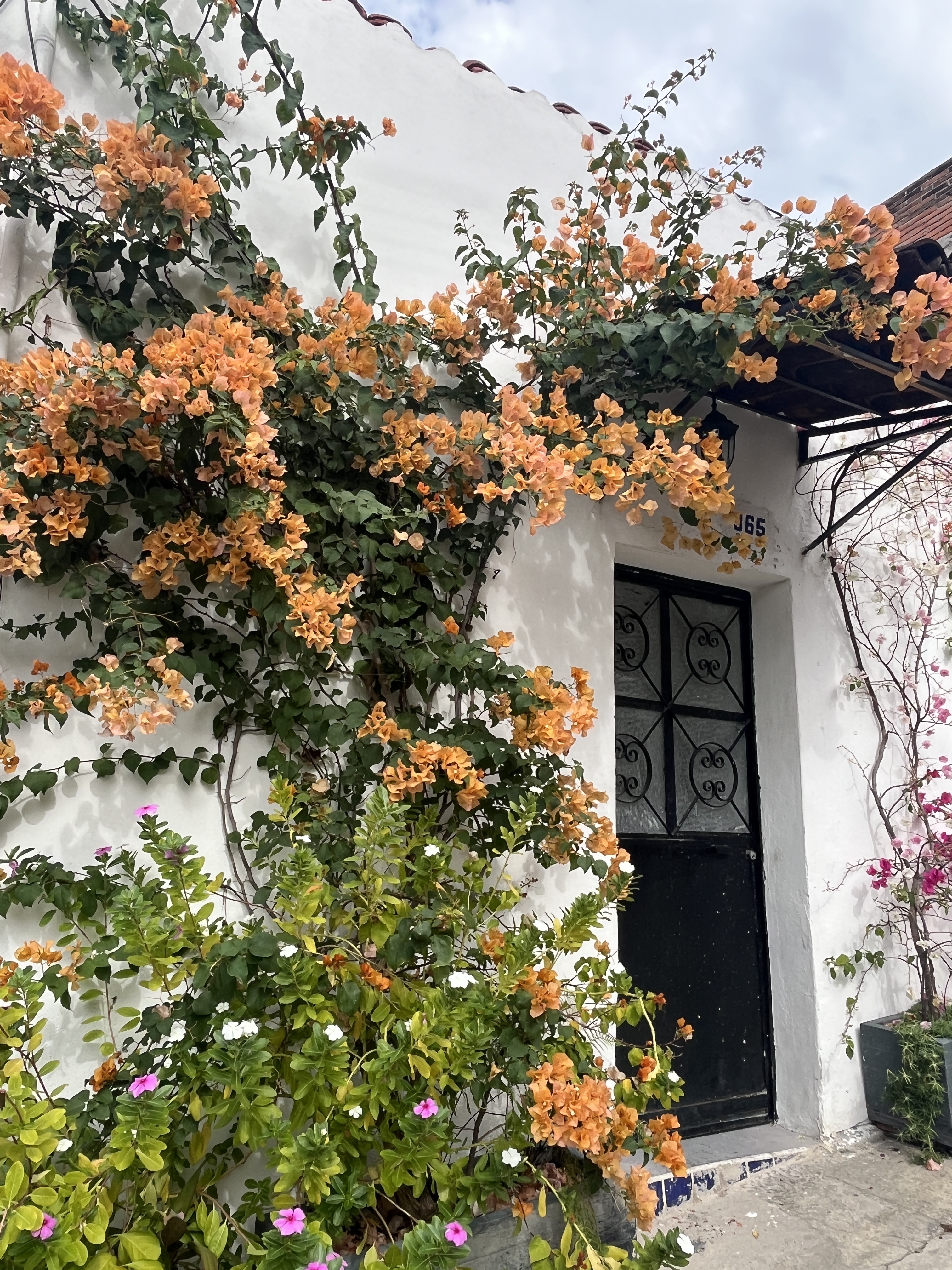

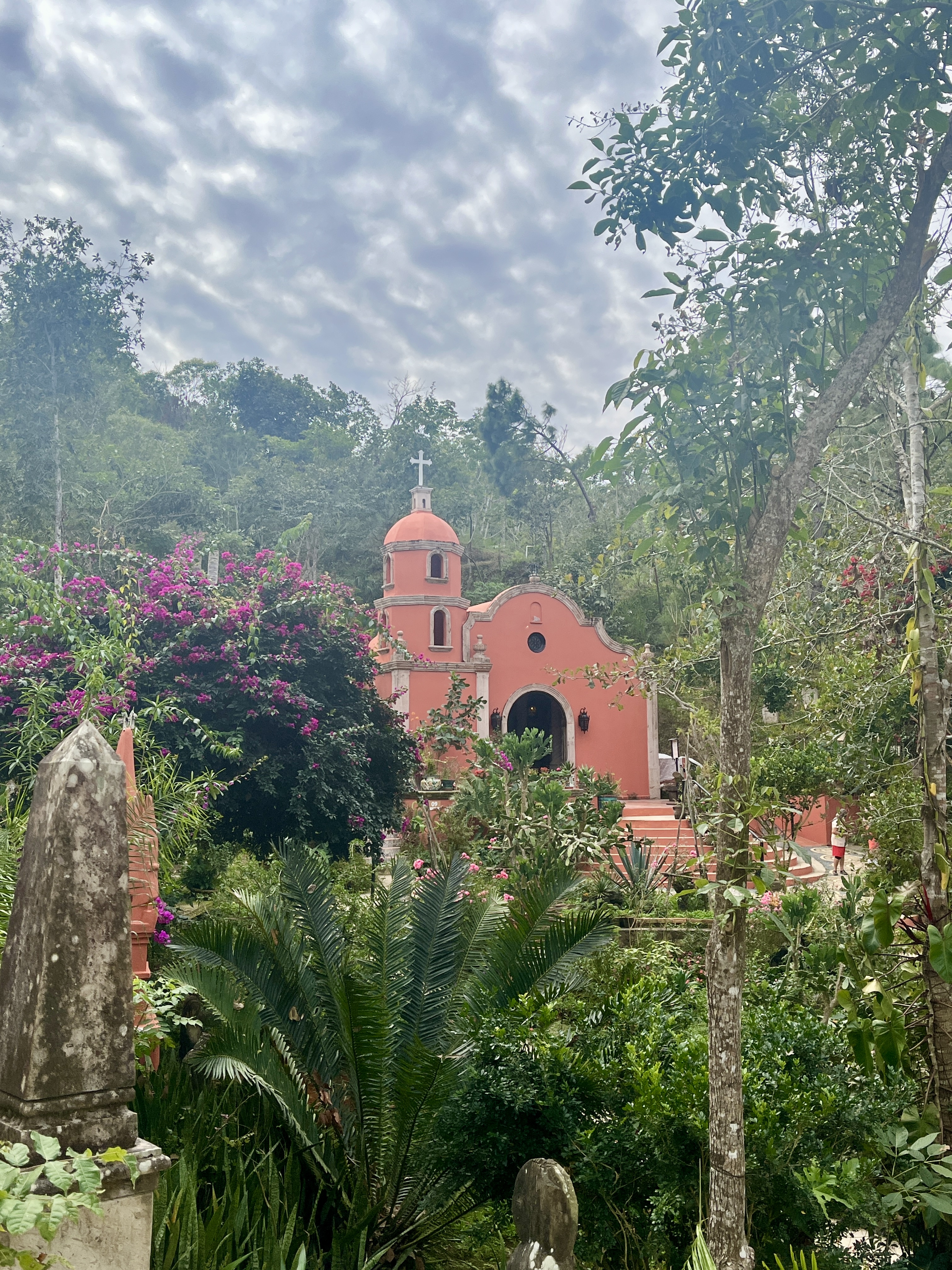
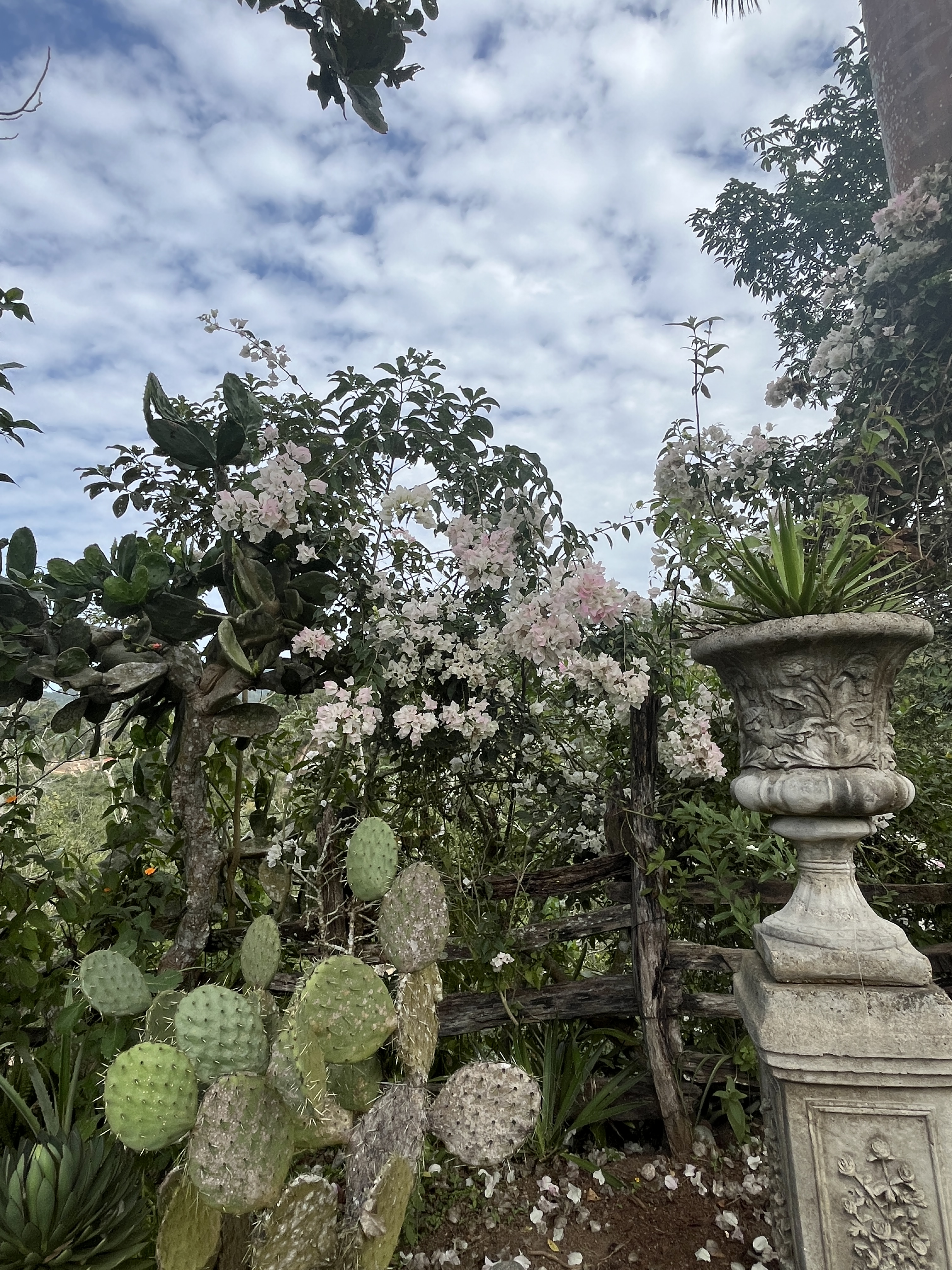


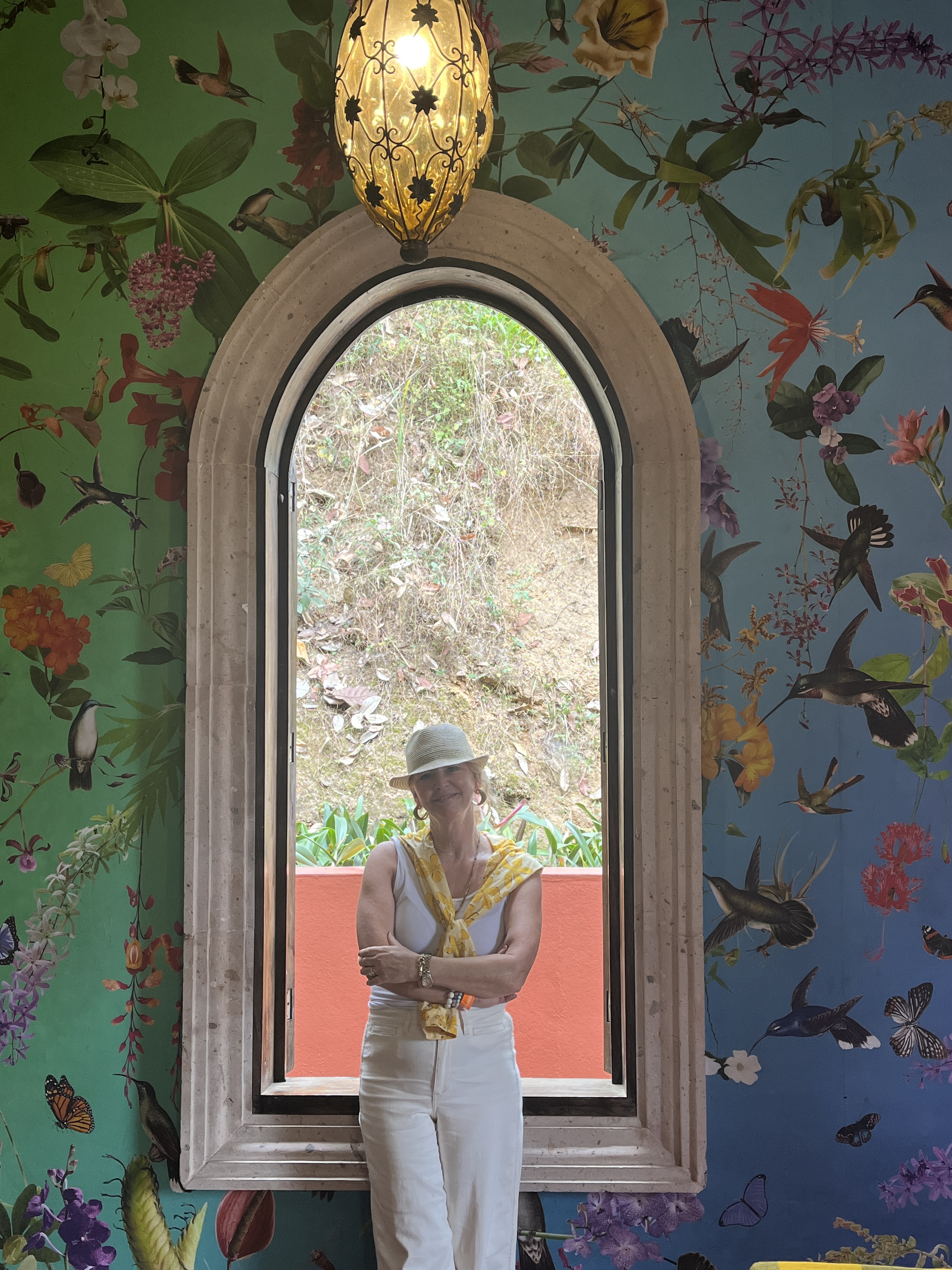
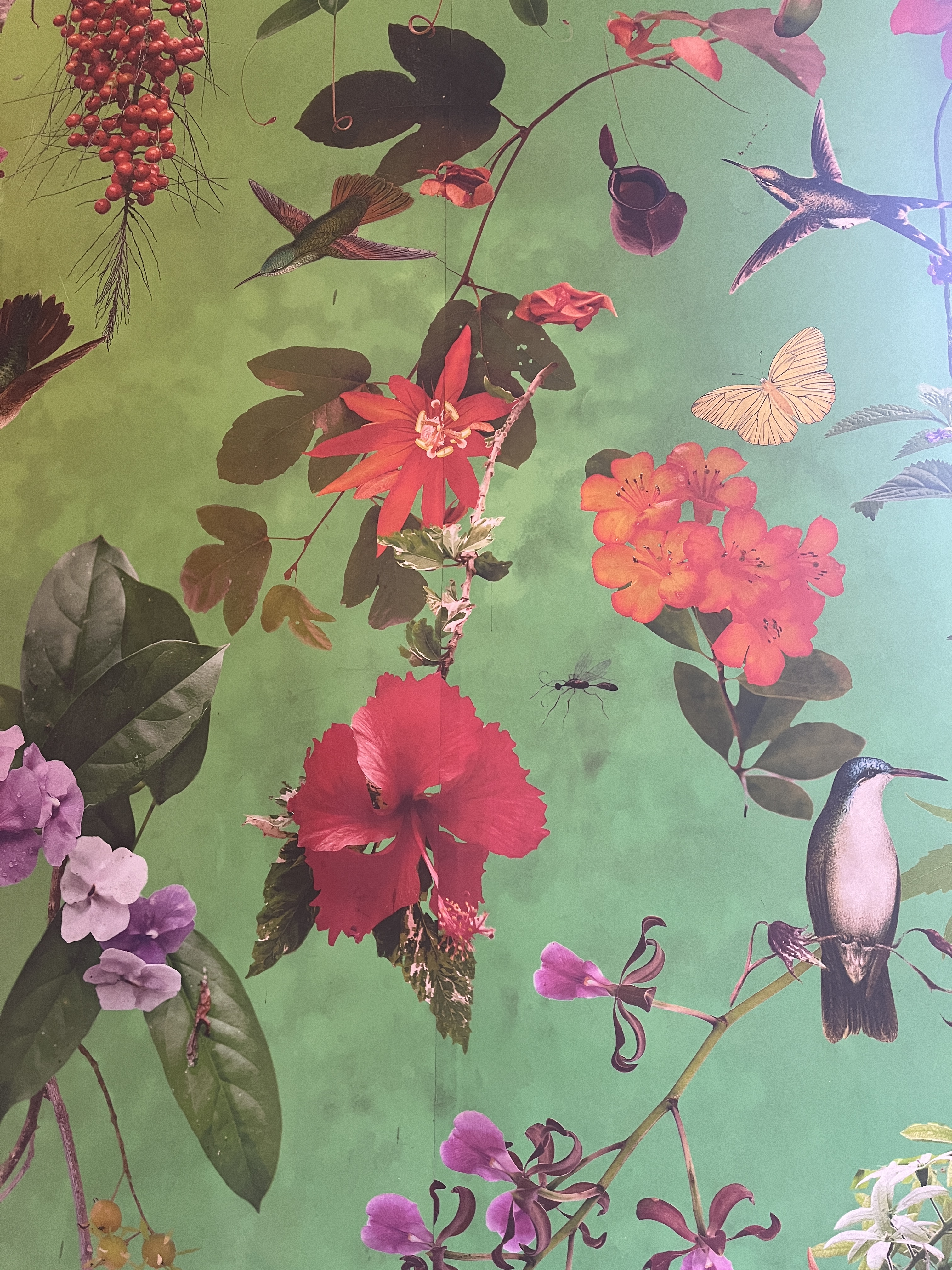

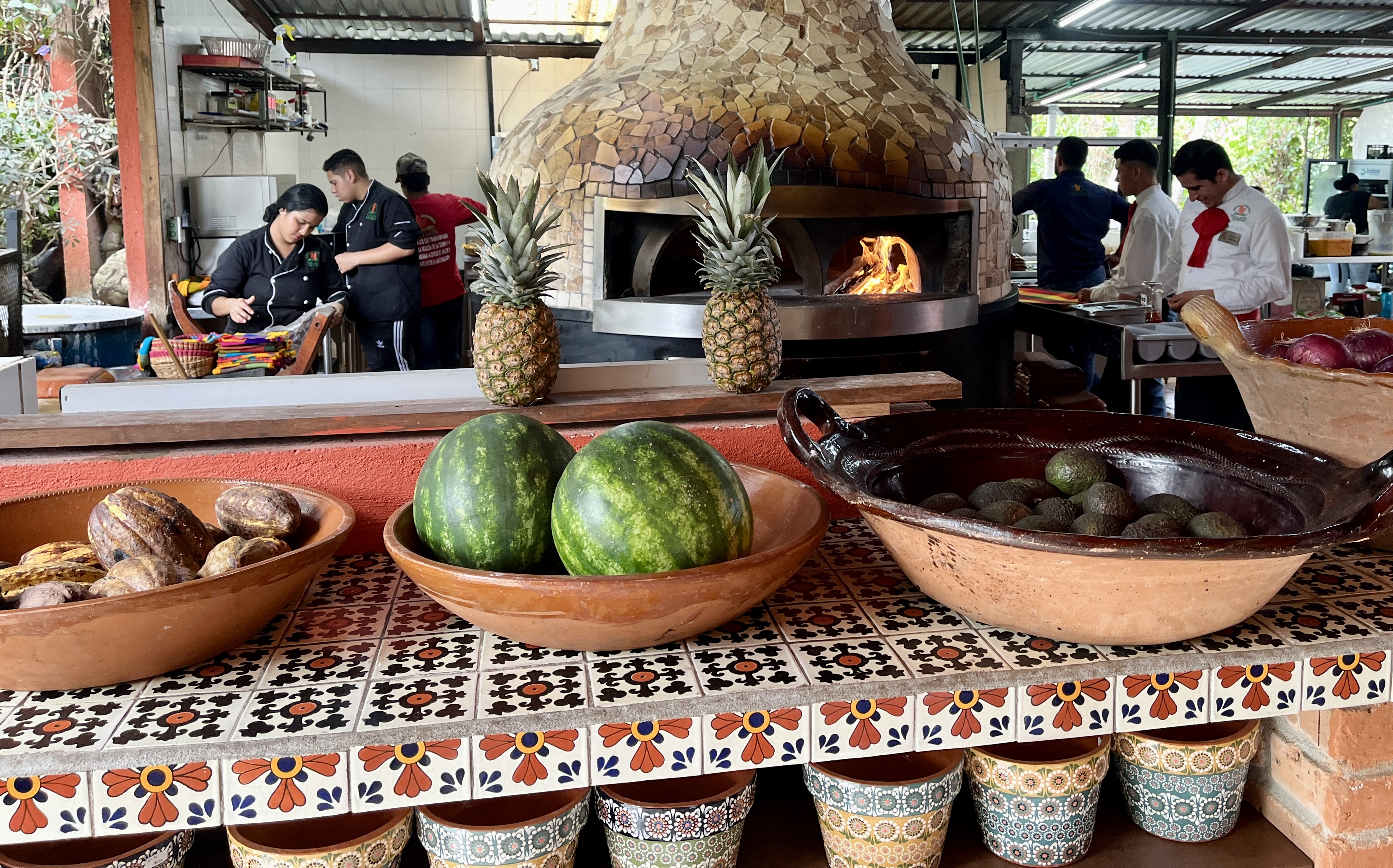
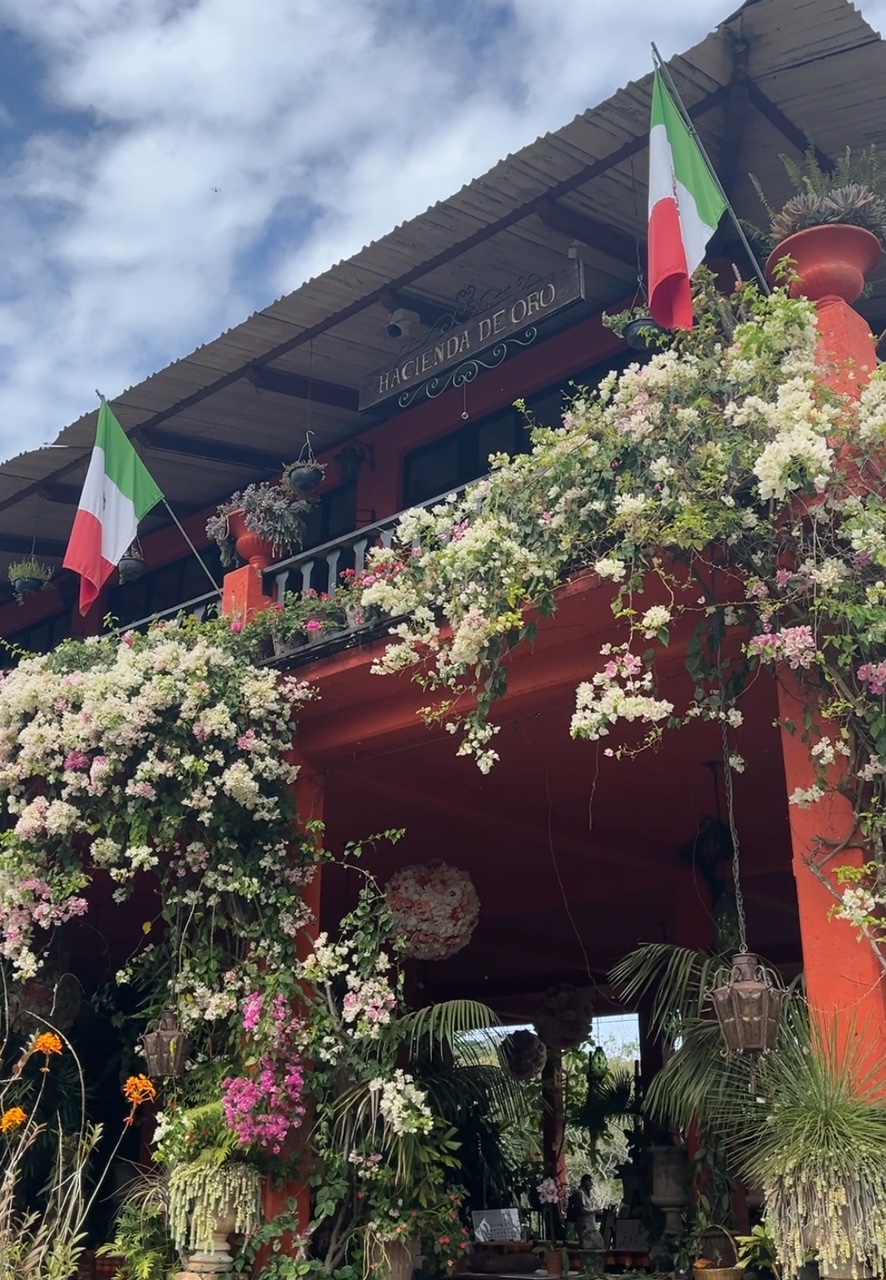
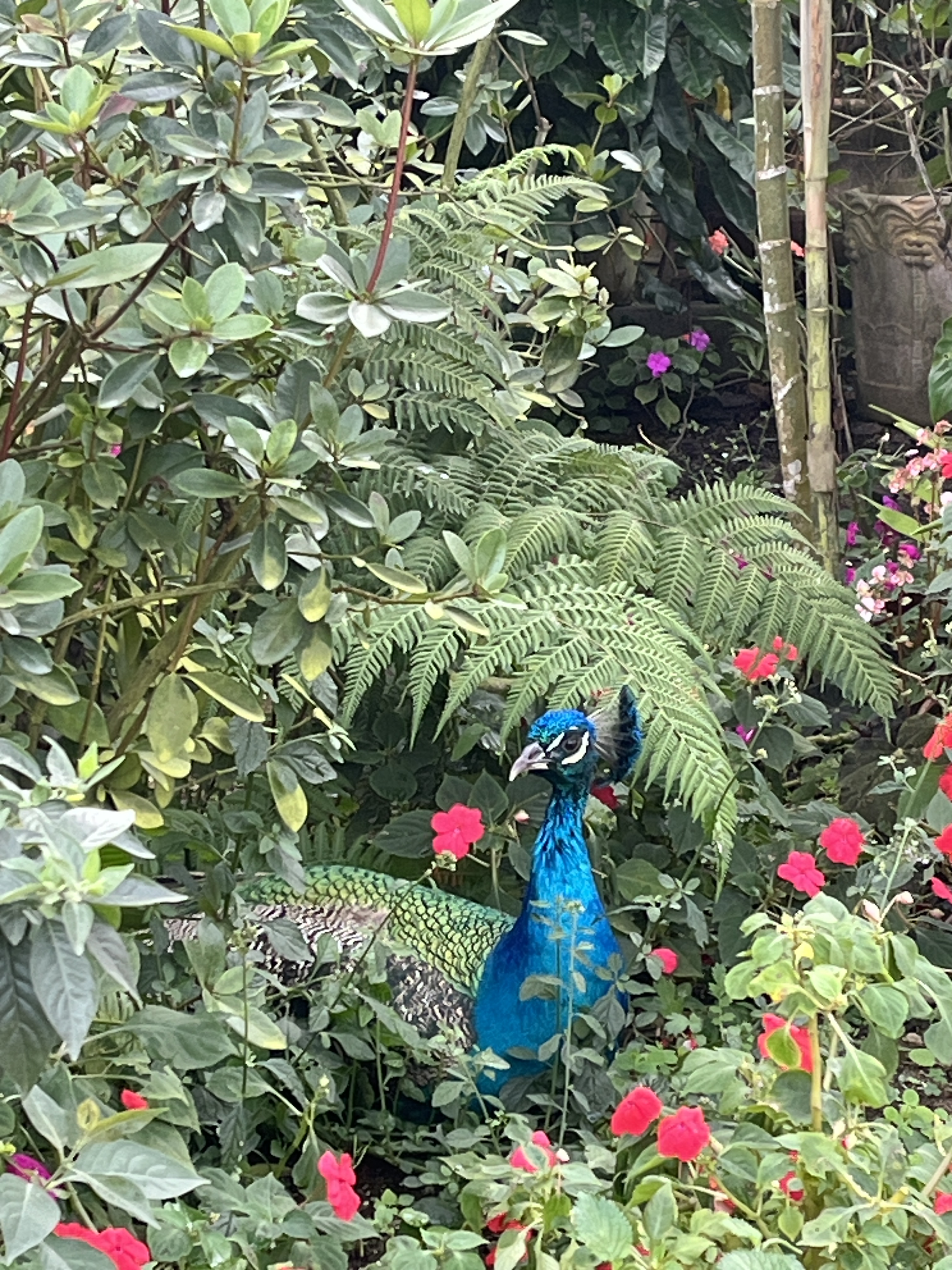
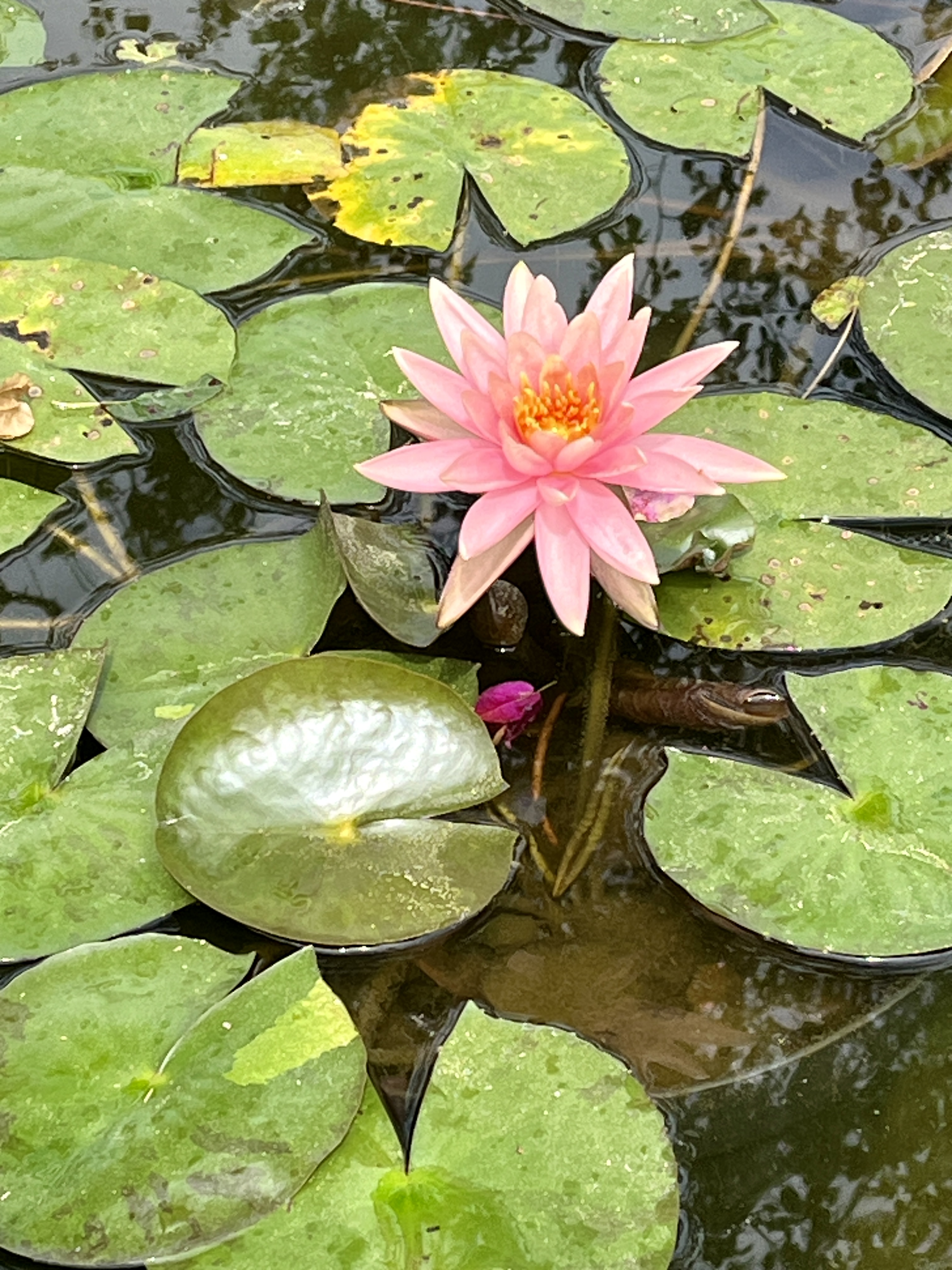

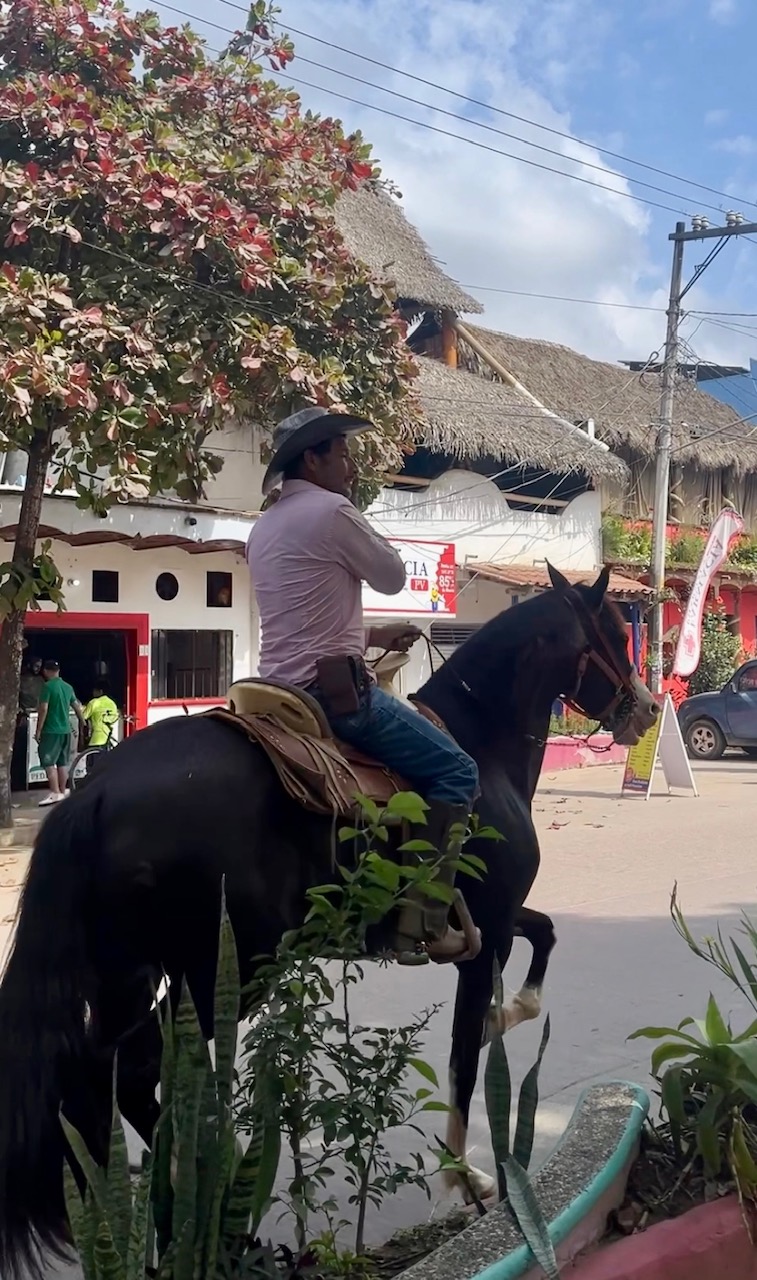

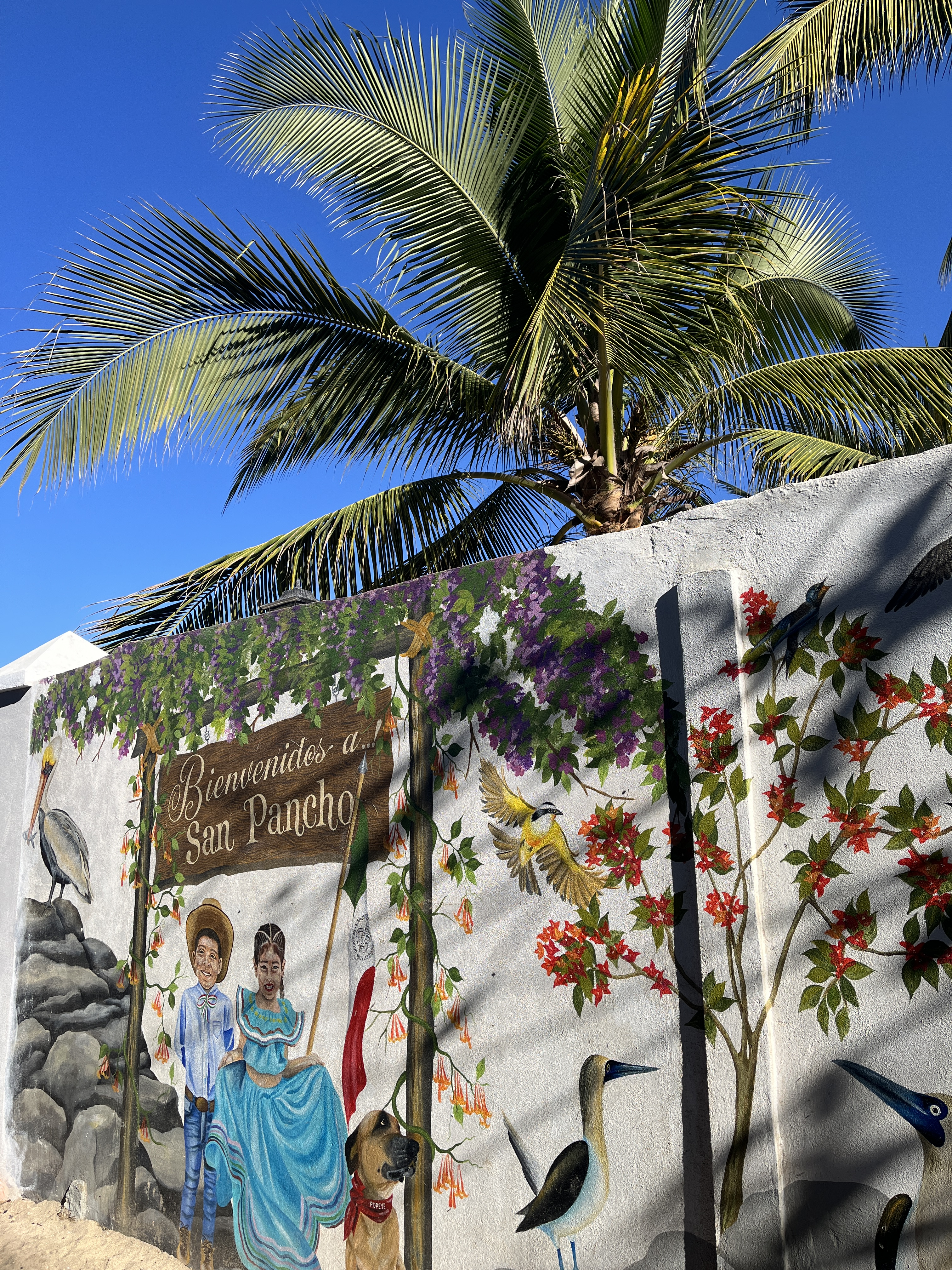

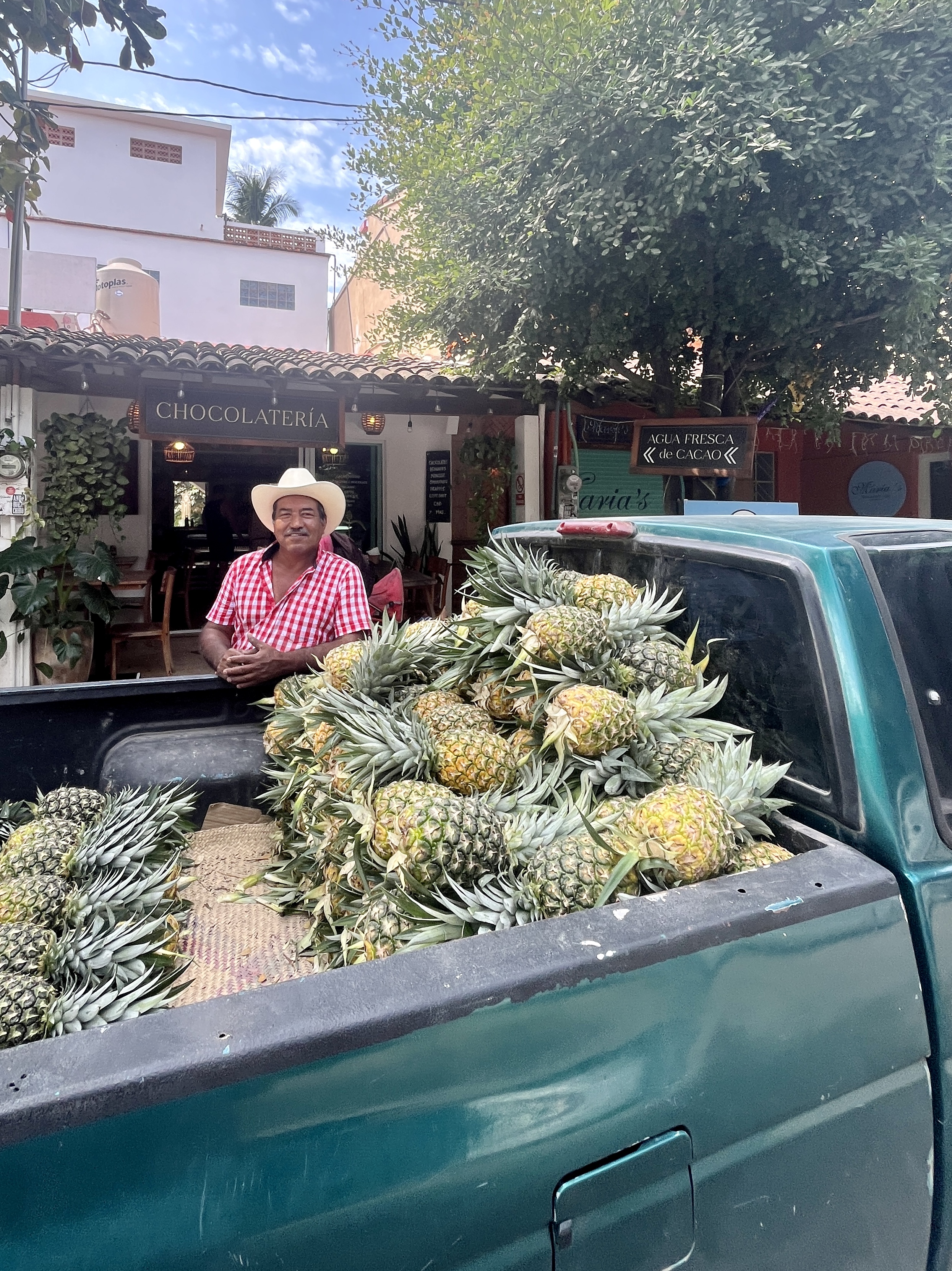


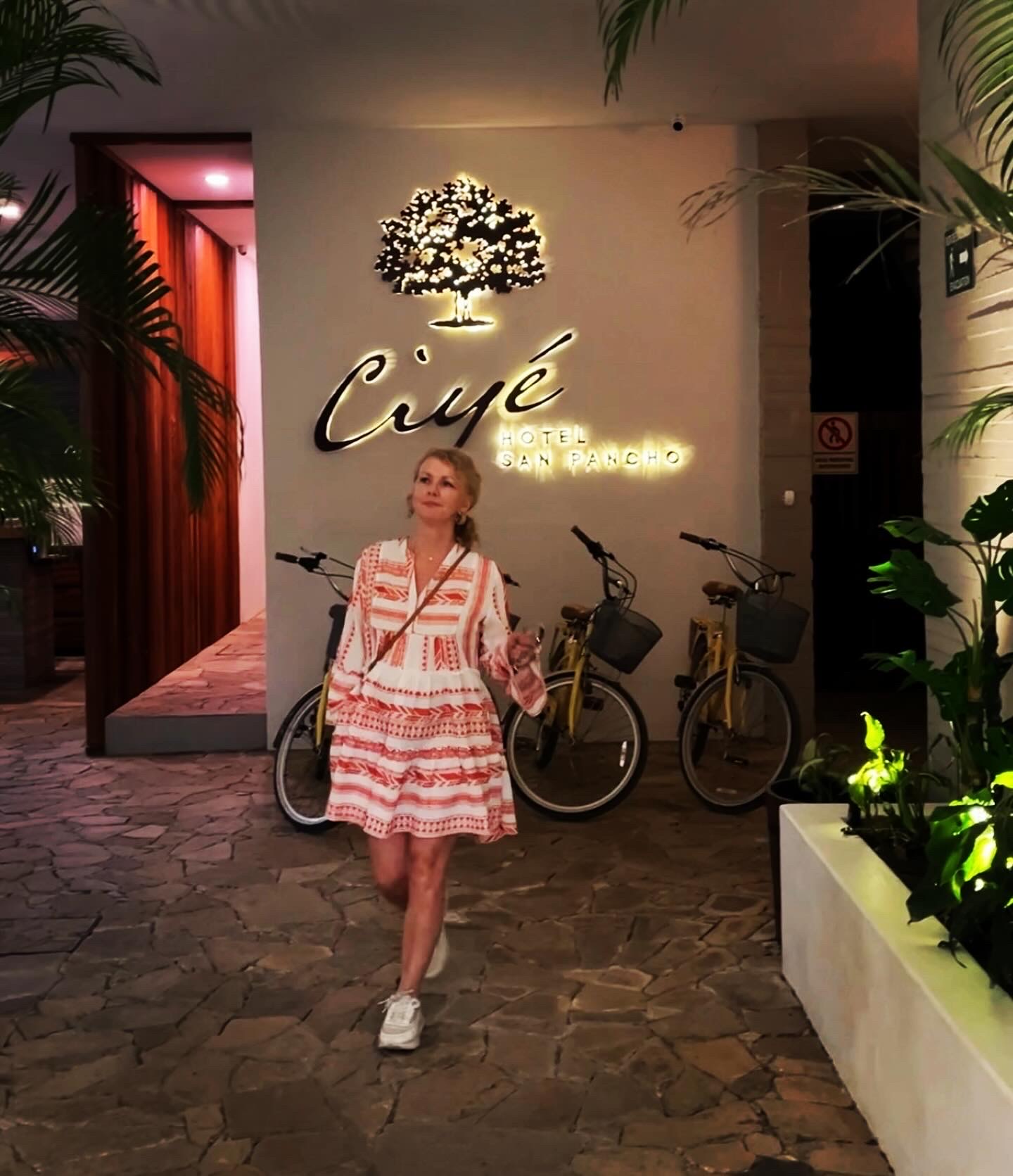
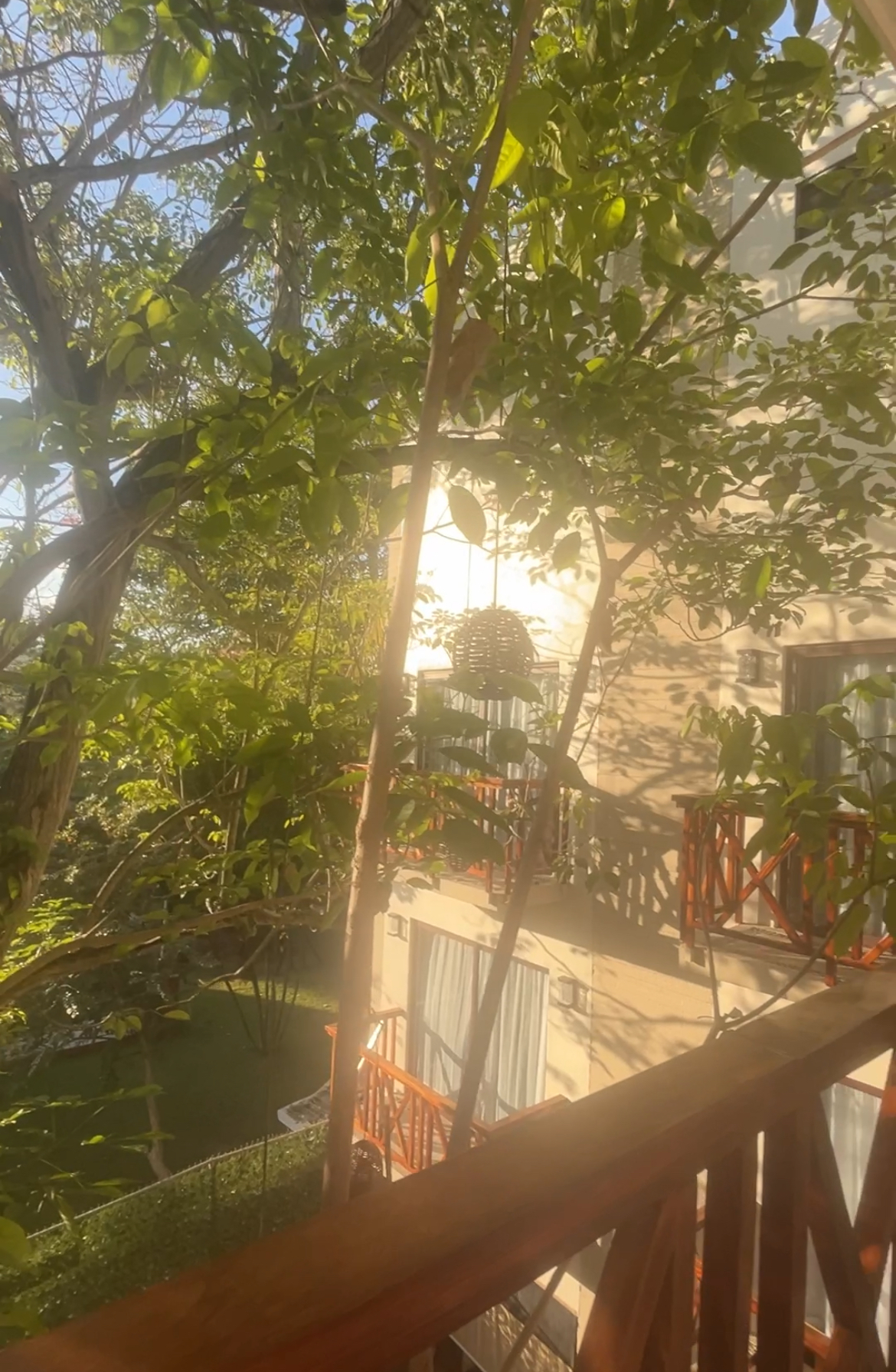

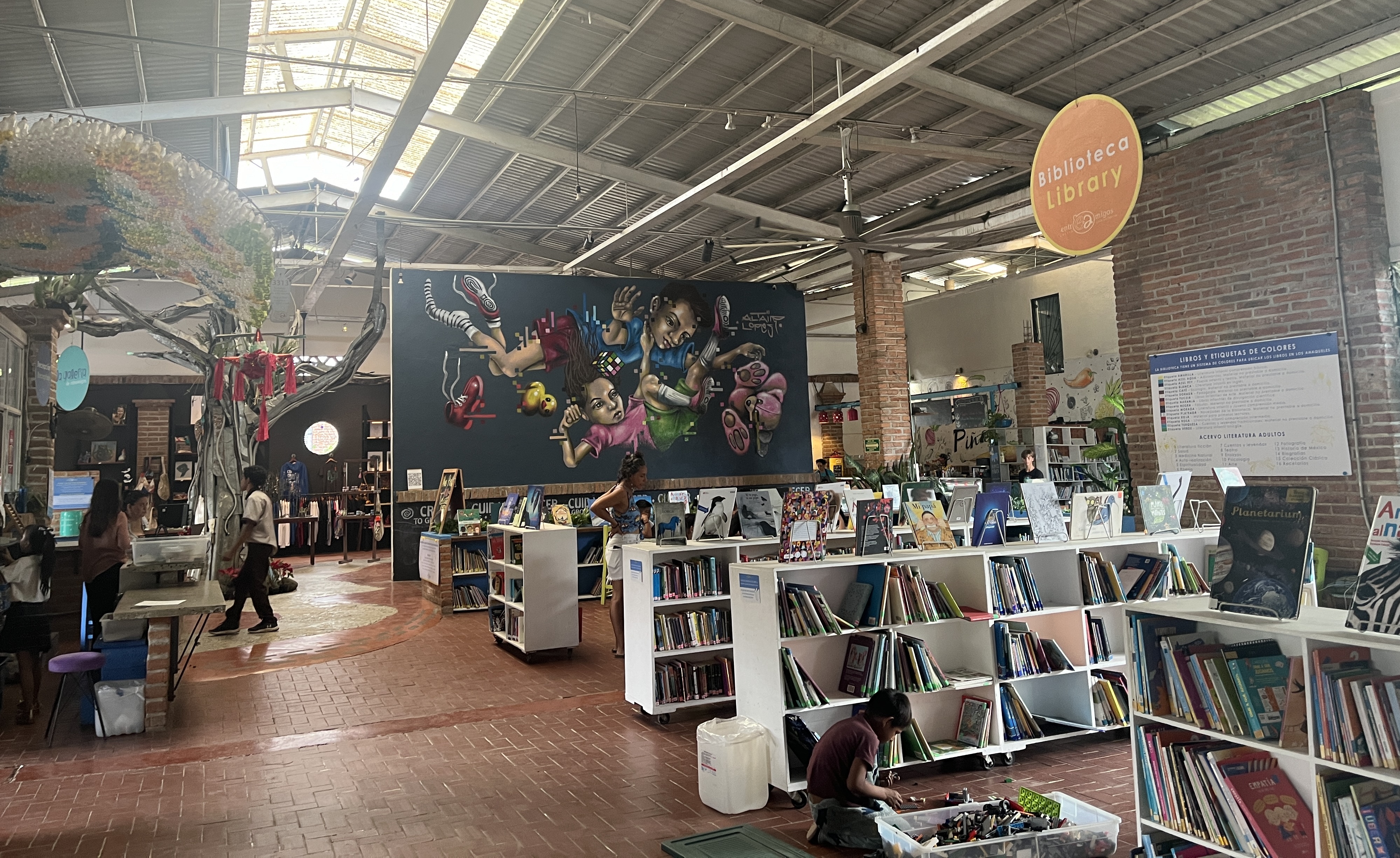
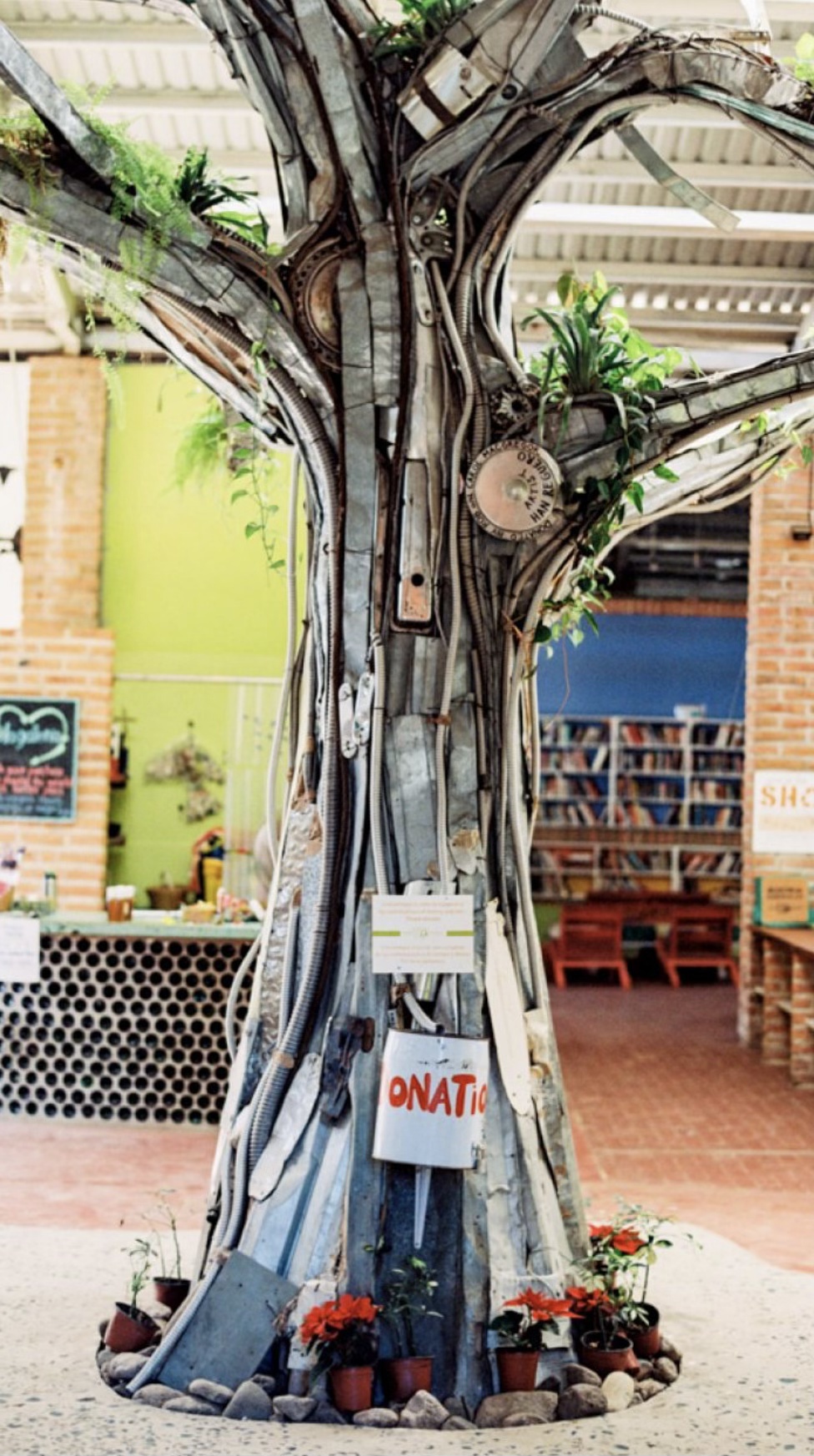
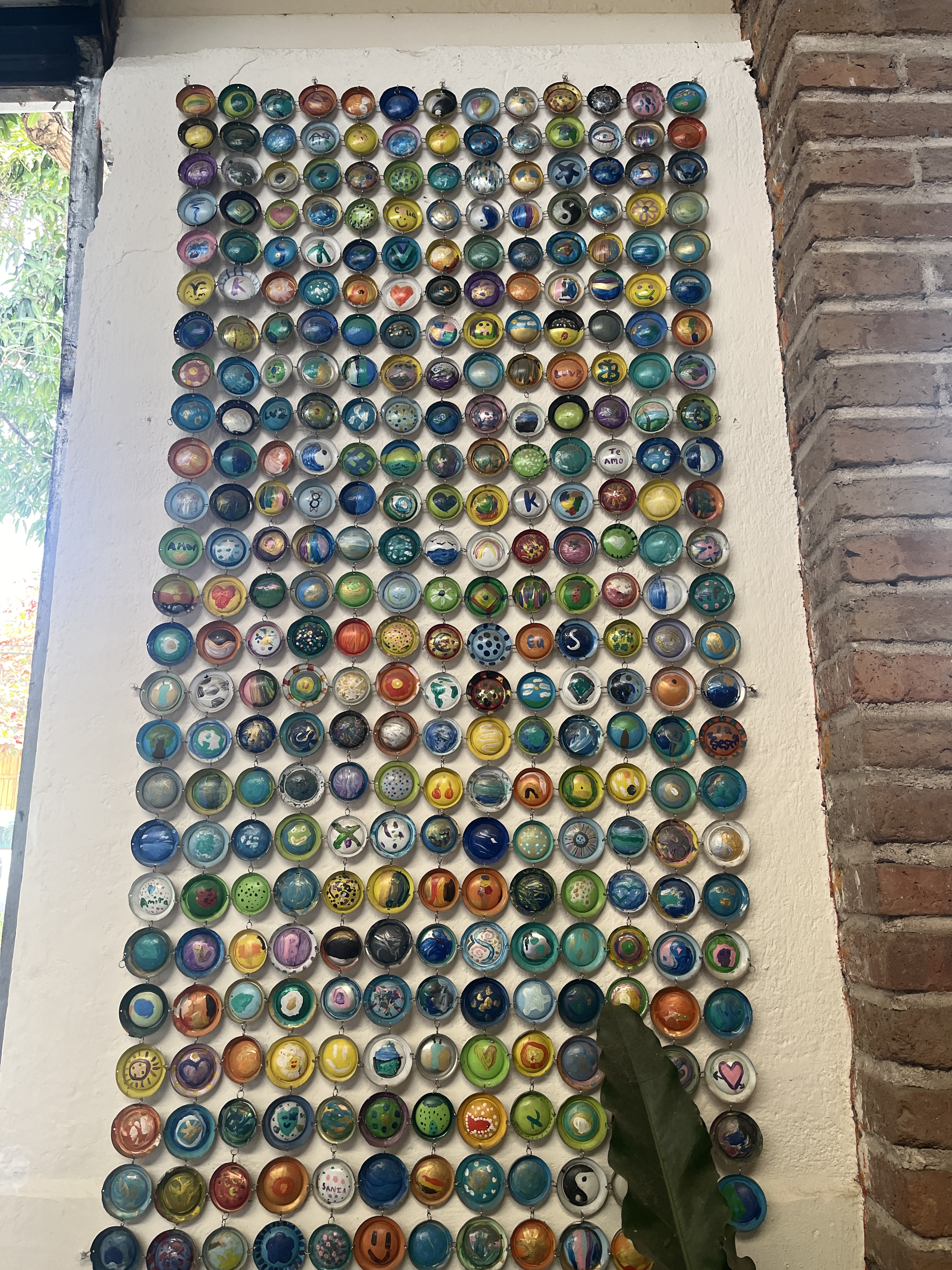
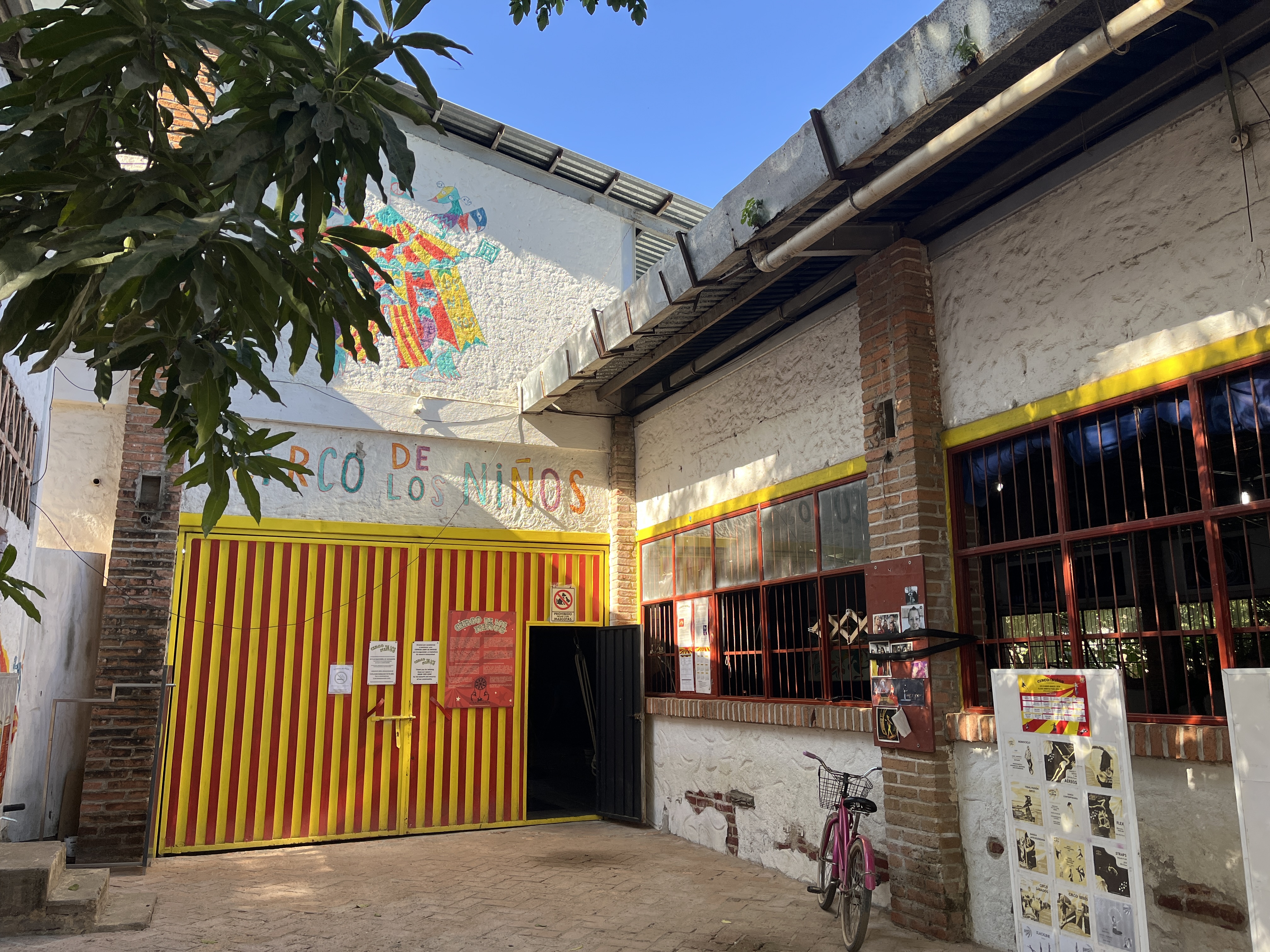
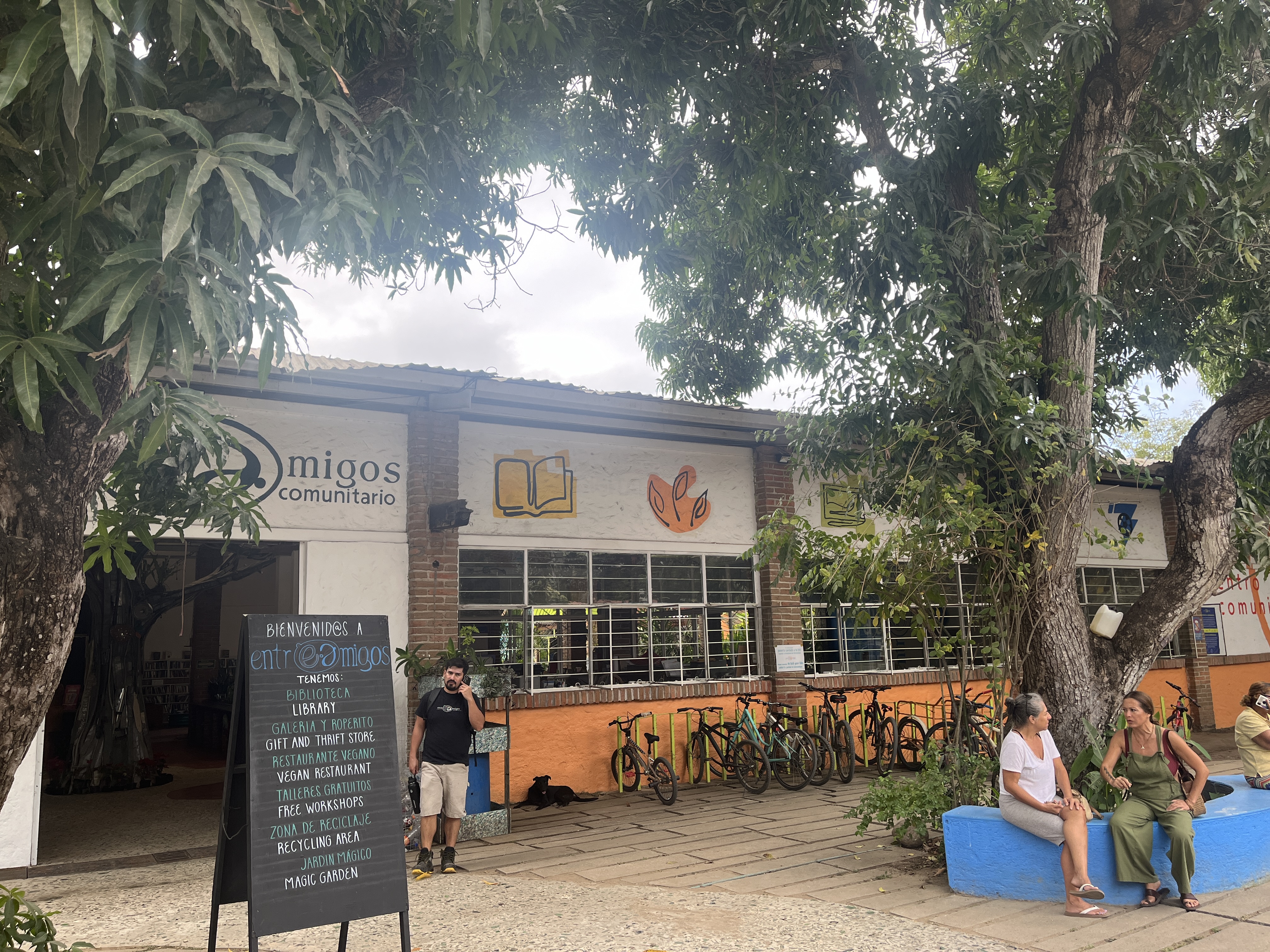
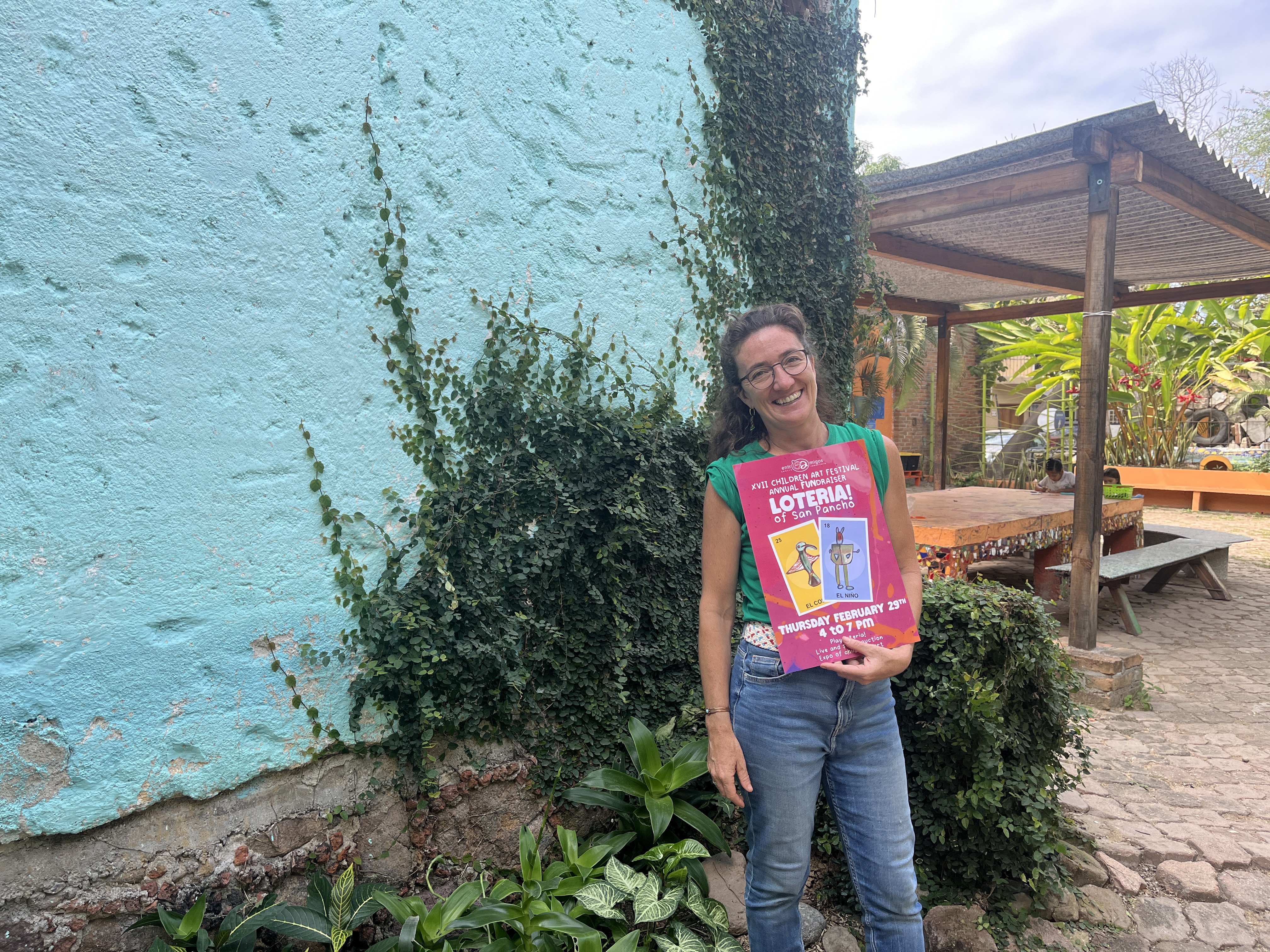


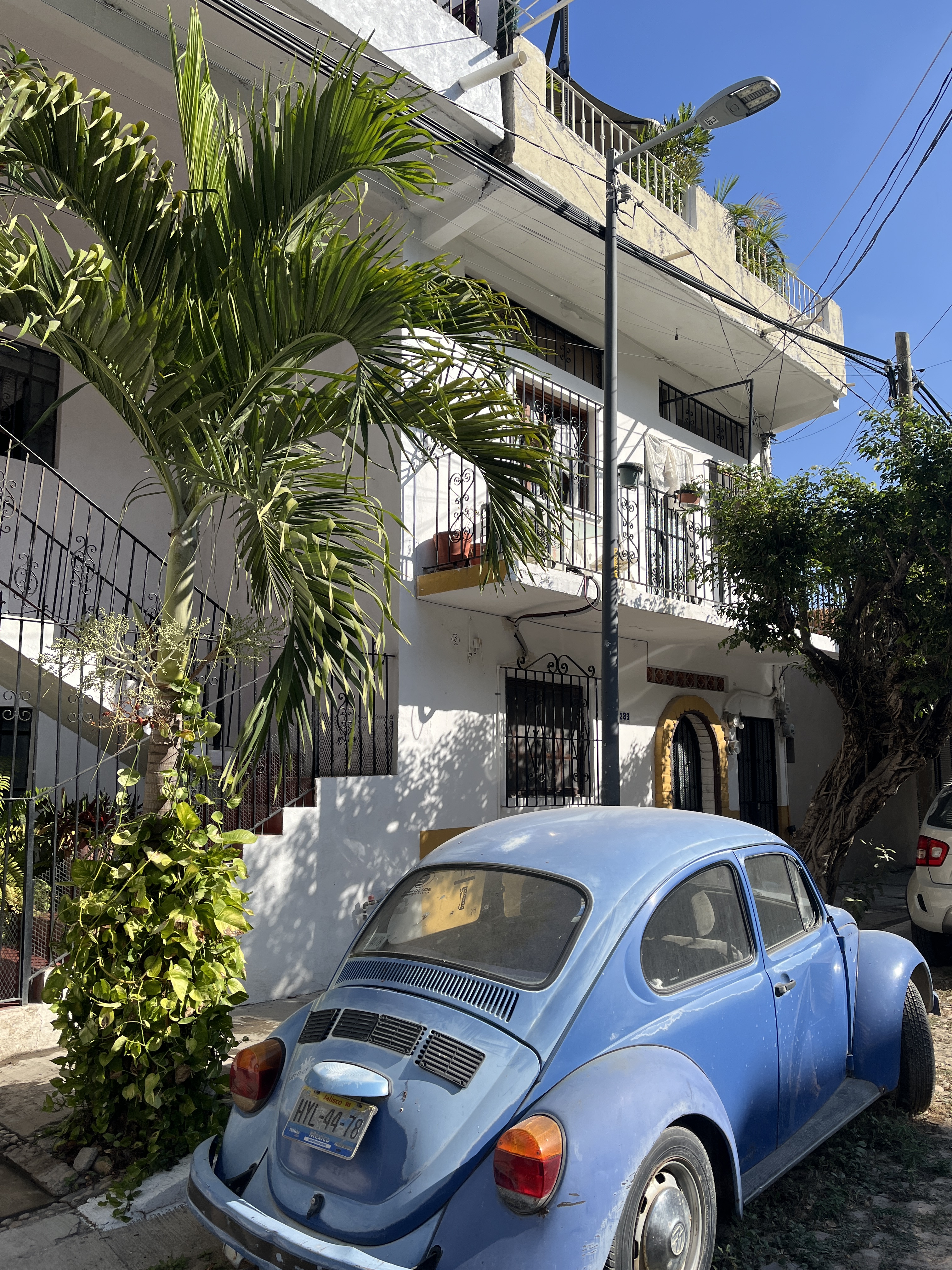


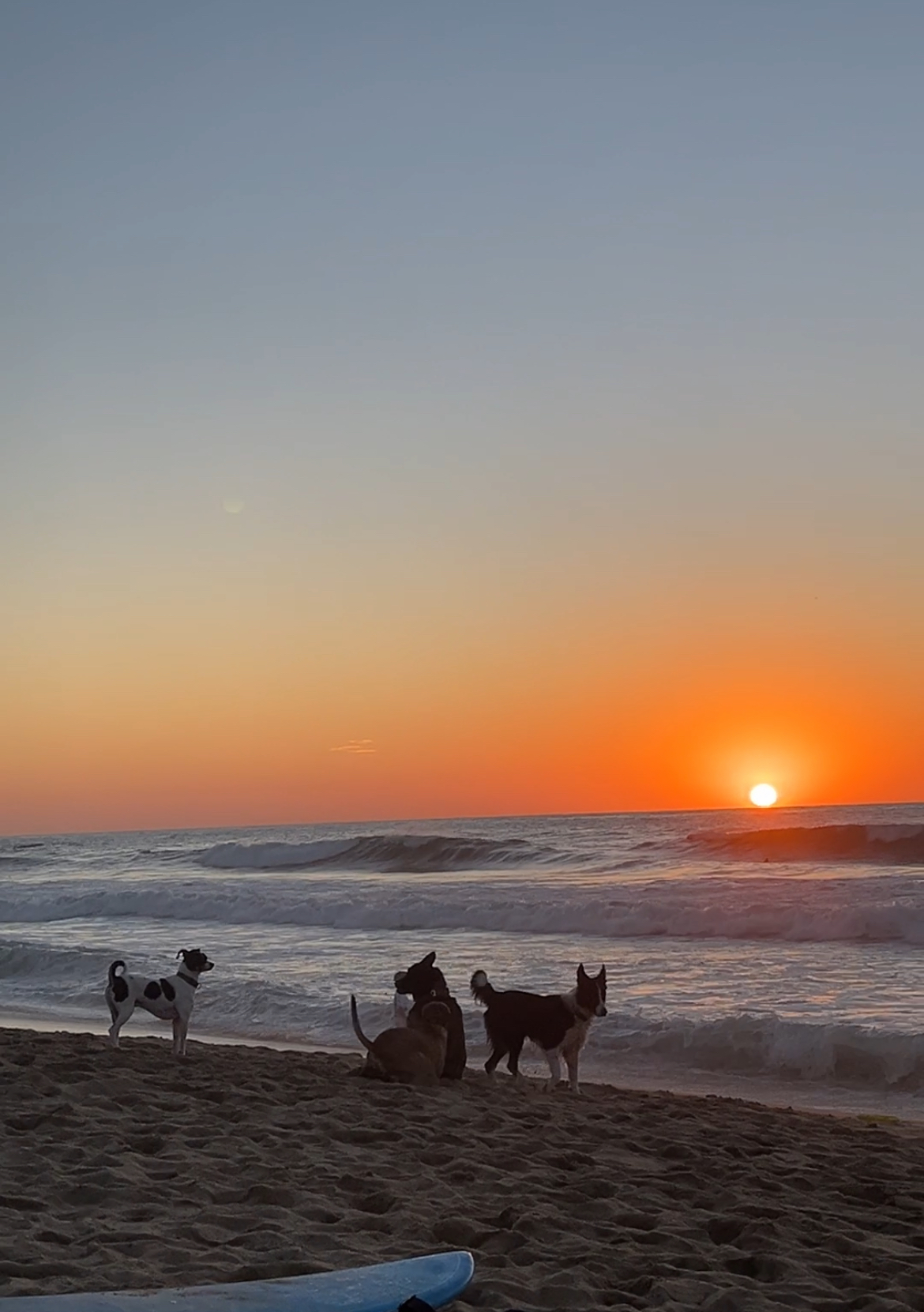

 notesonaboardingpass