Tag Archives: Statue of Liberty

New York, New York… Ode to spectacular NYC

Standard

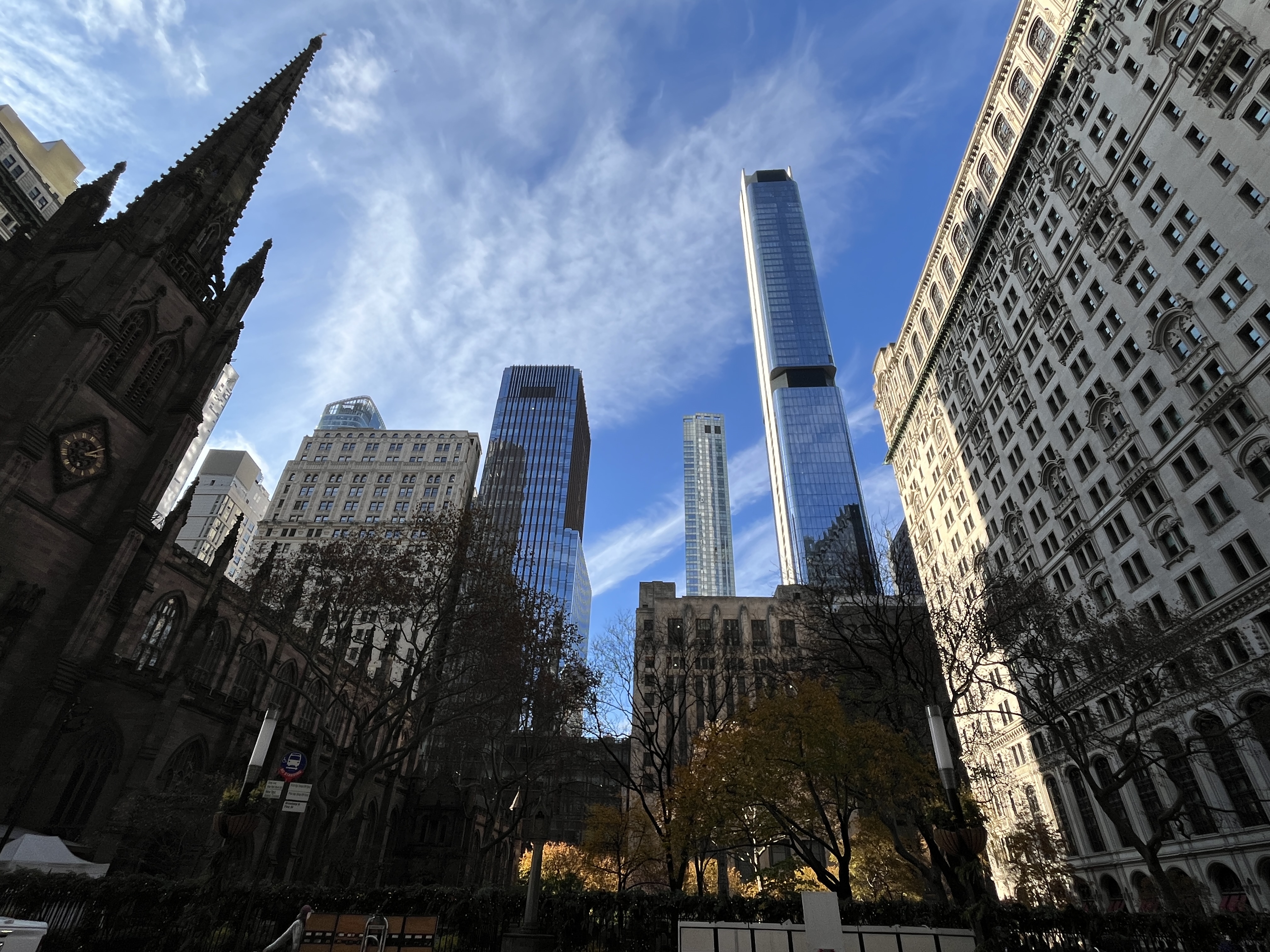
Oh NYC, you are as spectacular as I hoped you would be. Your vibrancy and beauty, your energy and grandeur is intoxicating.

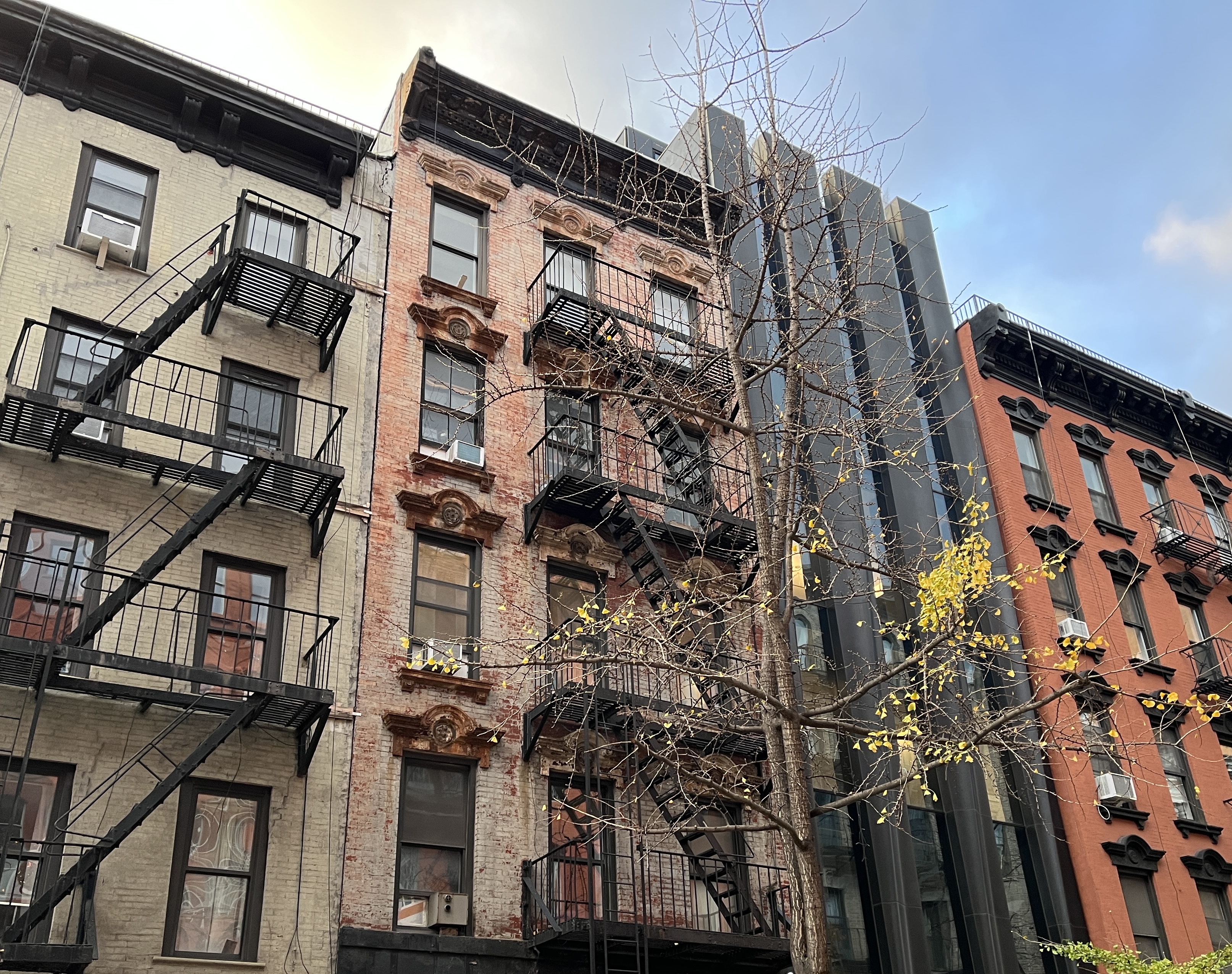
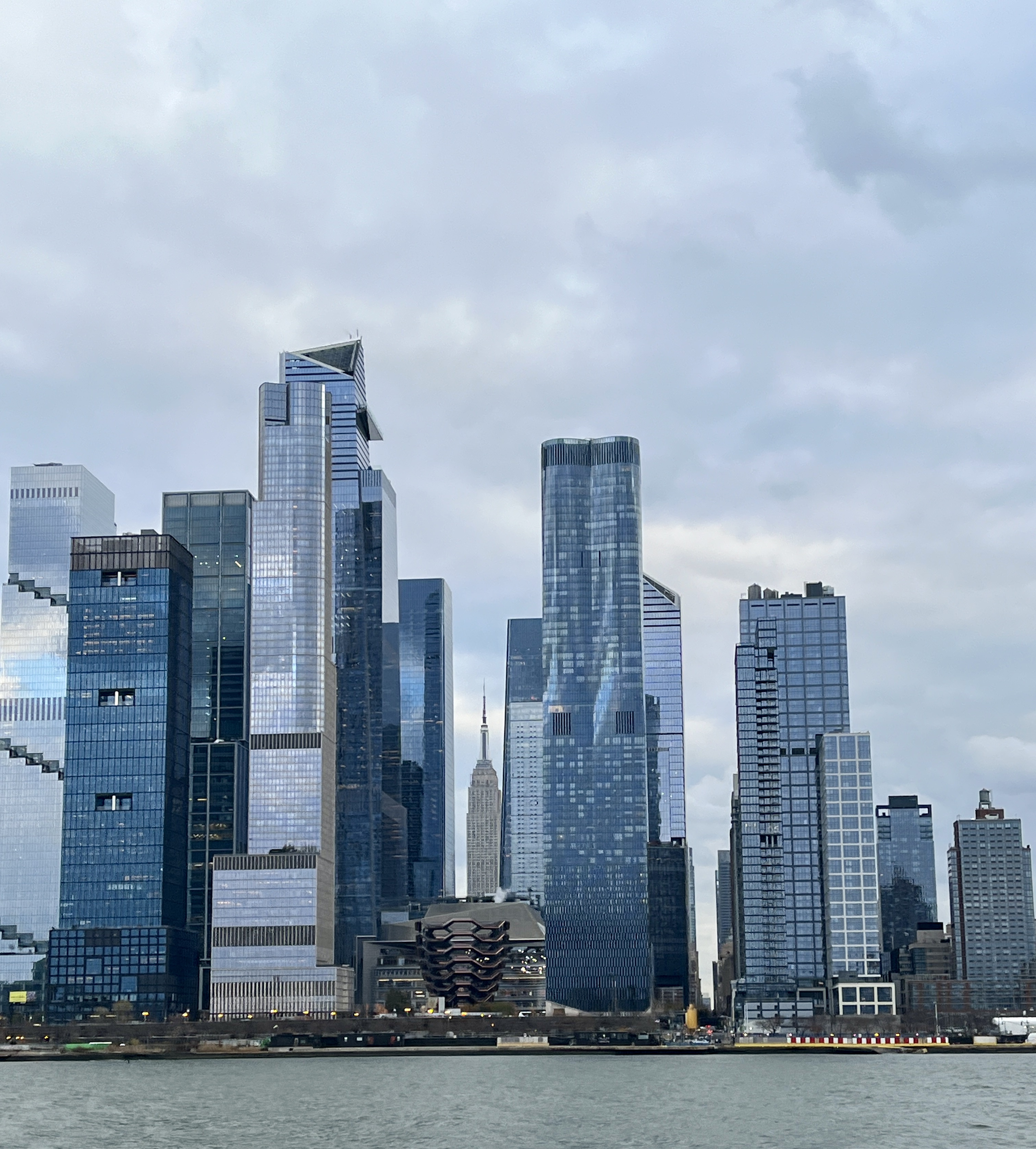
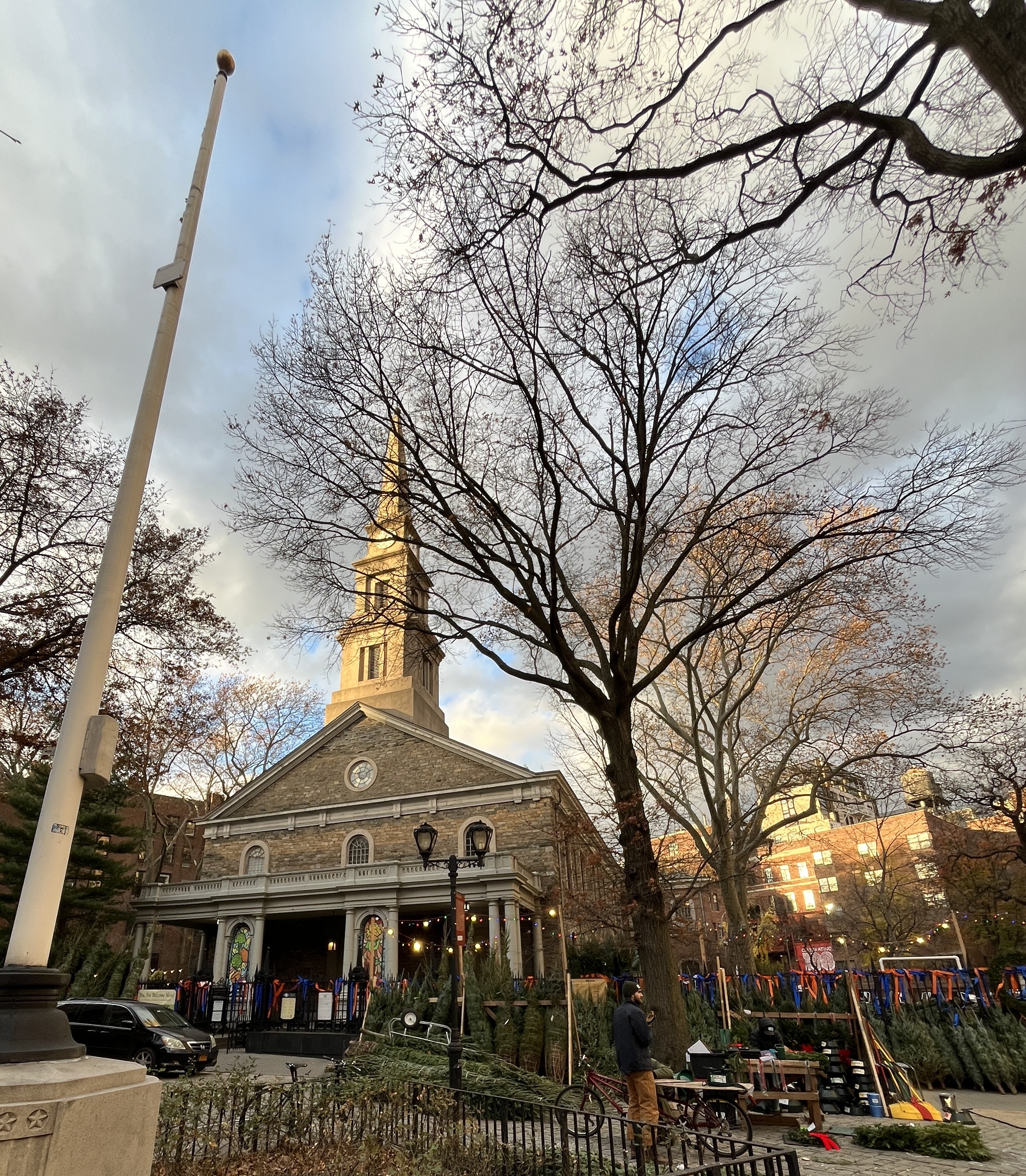
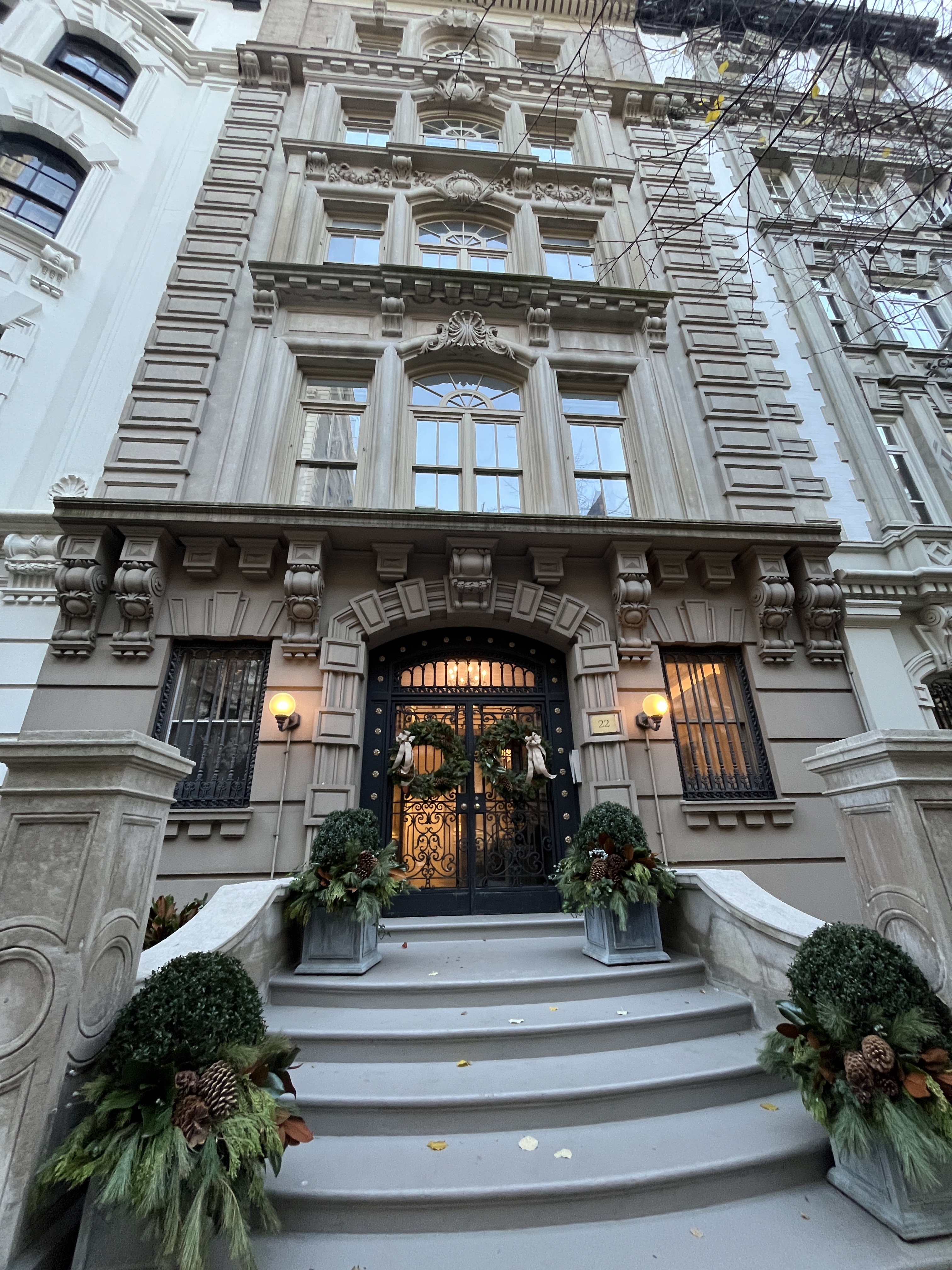
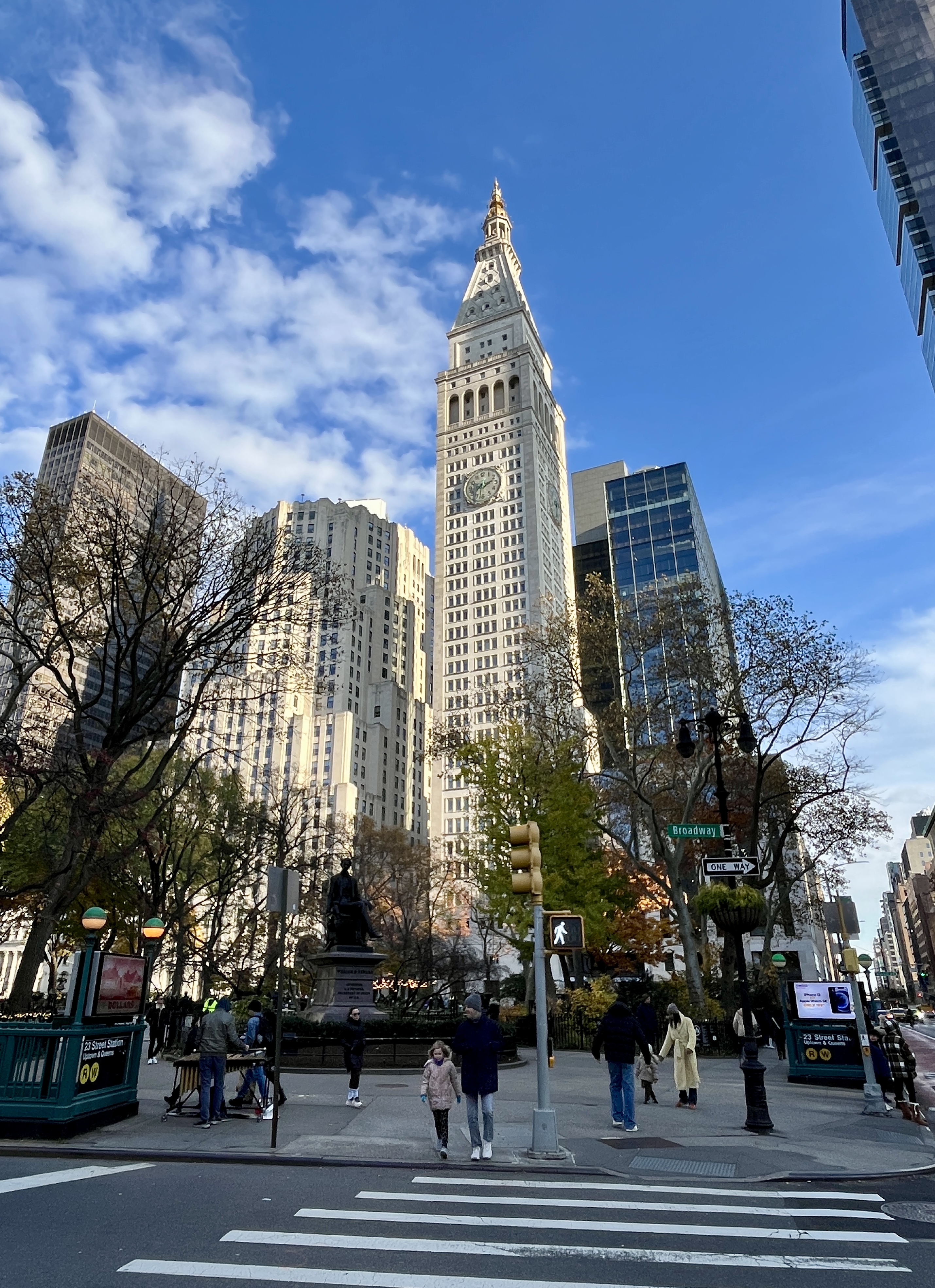
From Soho to East Village, from Greenwich to Chelsea, Harlem, Brooklyn, the Upper East Side to Central Park, we wandered endlessly from our Midtown Manhattan hotel. Chilly, crisp days of discovery and delightful marvel… from the grand iconic skyscrapers and venerable architecture, to the intimacy of brownstone townhouses and stamp-sized courtyards. From your Dutch West India Company Fort, a few windmills and men with lofty dreams, you grew to the enclave of New Amsterdam. The local Lenape peoples had called you Manna Hata, Island of the Hills.

Governor Stuyvesant soon arrived, bringing order to your unruly colony. Tobacco, beaver pelts, sugar and slaves now passing through your shores. Yet even as wealth ensued, you fell to the British in 1664 with little opposition – your new name, a tribute to the English Duke of York.
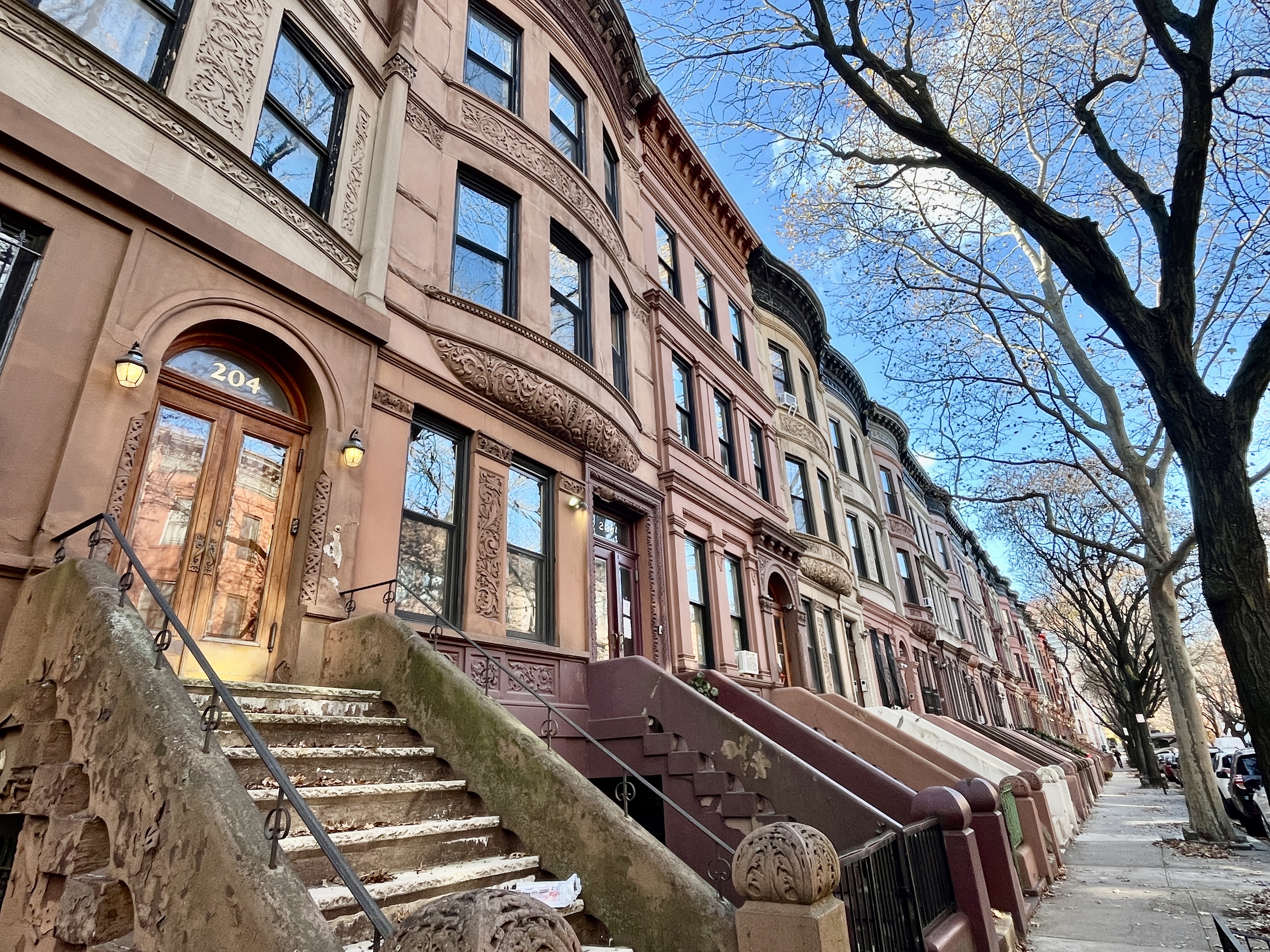
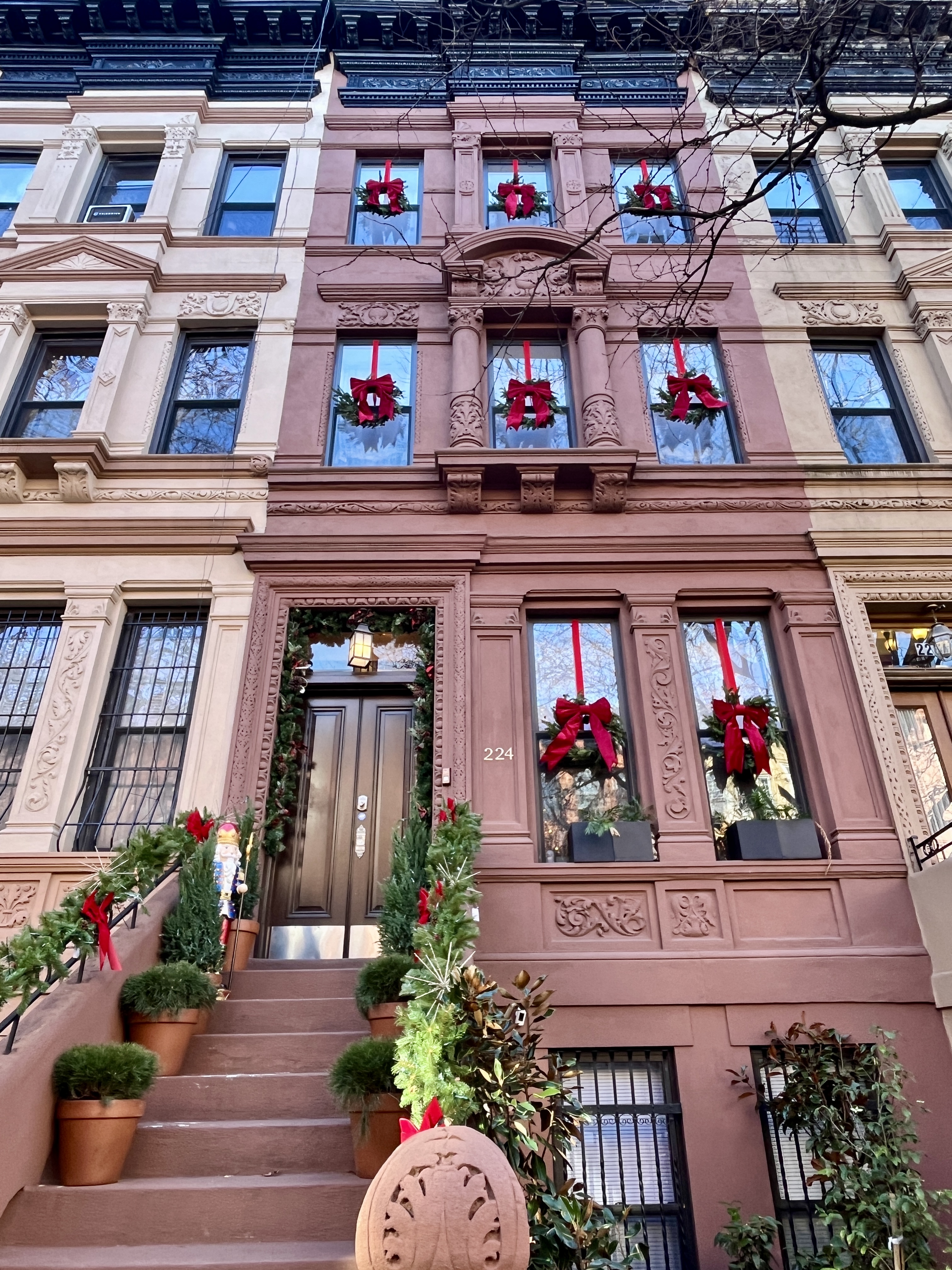
After revolutionary war and ravaging fires, the world began arriving on your shores. Soon, the juxtaposition of poor crowded neighbourhoods, with the elegance of mansions of the wealthy merchant classes would start to shape your burgeoning enclave. Many of your iconic, grand structures are from this Gilded Age, the late 1800’s. And then with their many newcomers, you welcomed Brooklyn, Queens, Staten Island and the Bronx into your fold to become the diverse, exuberant, city-that-never-sleeps of today.

We ferried past that welcoming symbol of freedom and liberty. When she arrived from France in 350 pieces, the Statue of Liberty wouldn’t know the enduring beacon of hope she symbolizes in New York Harbour still today. It’s believed that forty percent of Americans can trace their arrival on the continent from Ellis Island.

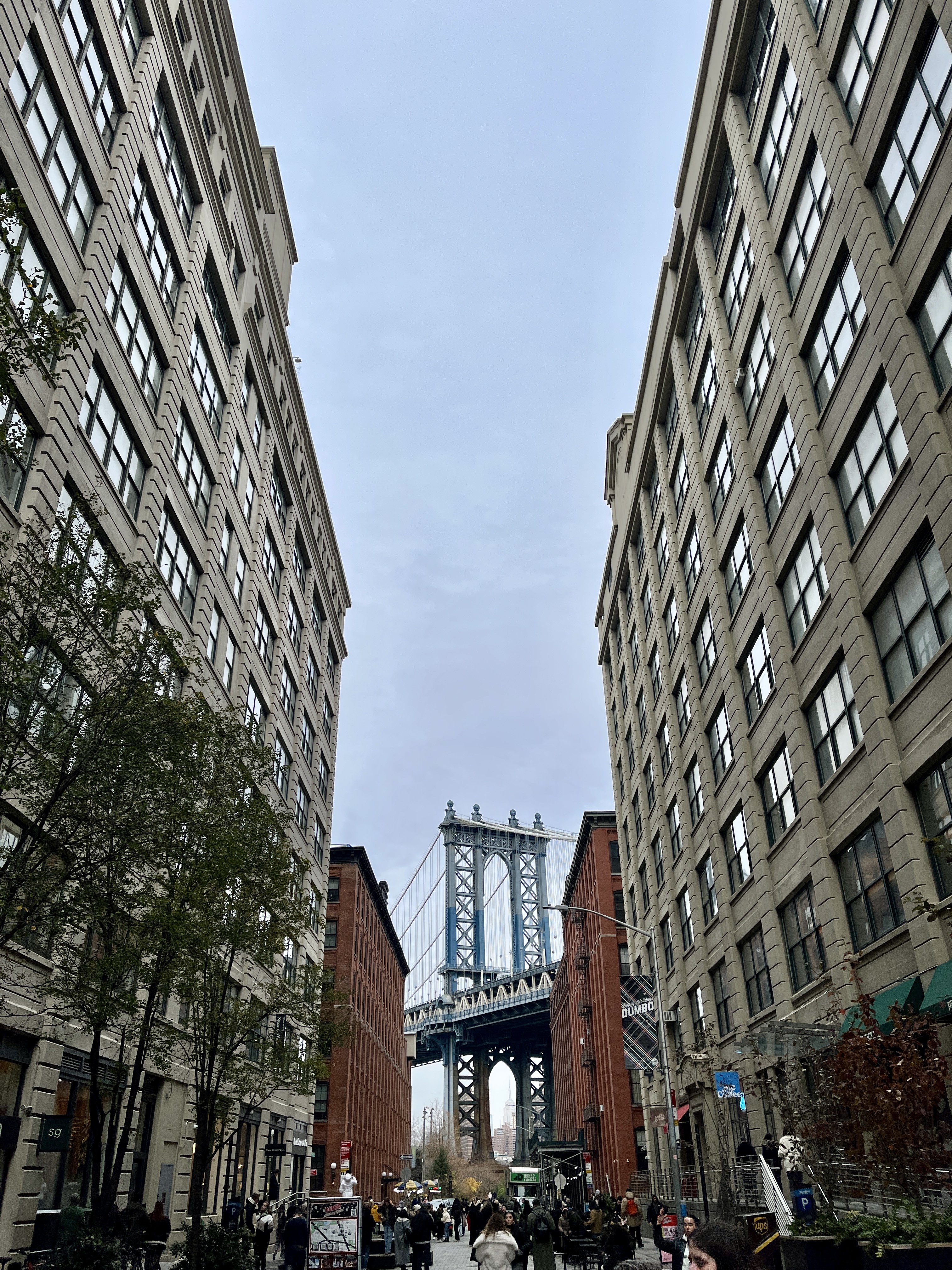
NYC you are familiar in our minds even without having visited. The movies, the TV shows, the music, and once you’re here it all falls into place.

The expansiveness of Grand Central Park, a lush bucolic retreat from the hectic streets.

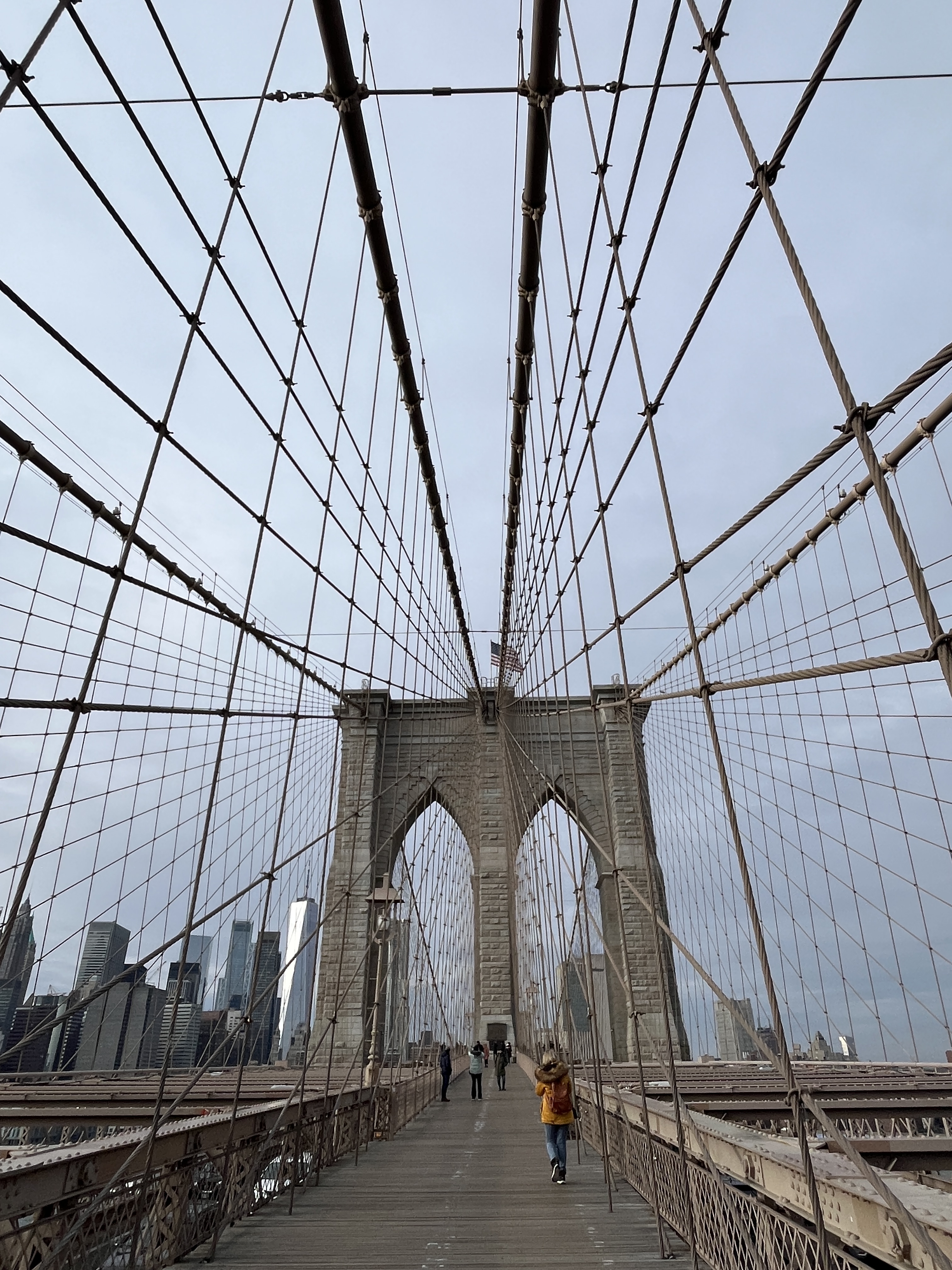
A stroll across the 1883 Brooklyn Bridge and through its iconic Gothic arches… Manhattan’s sweeping skyline seemingly at your fingertips.

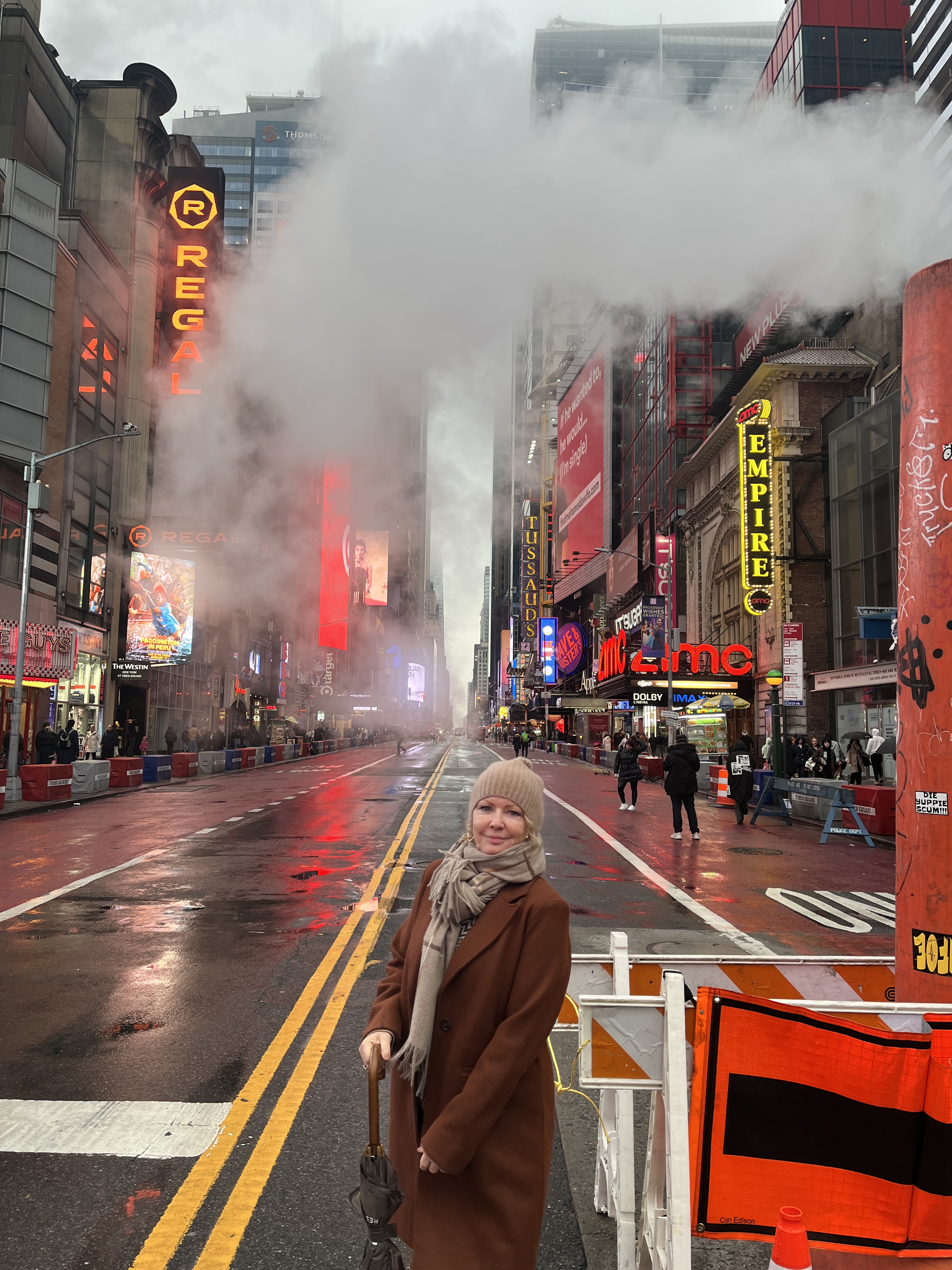
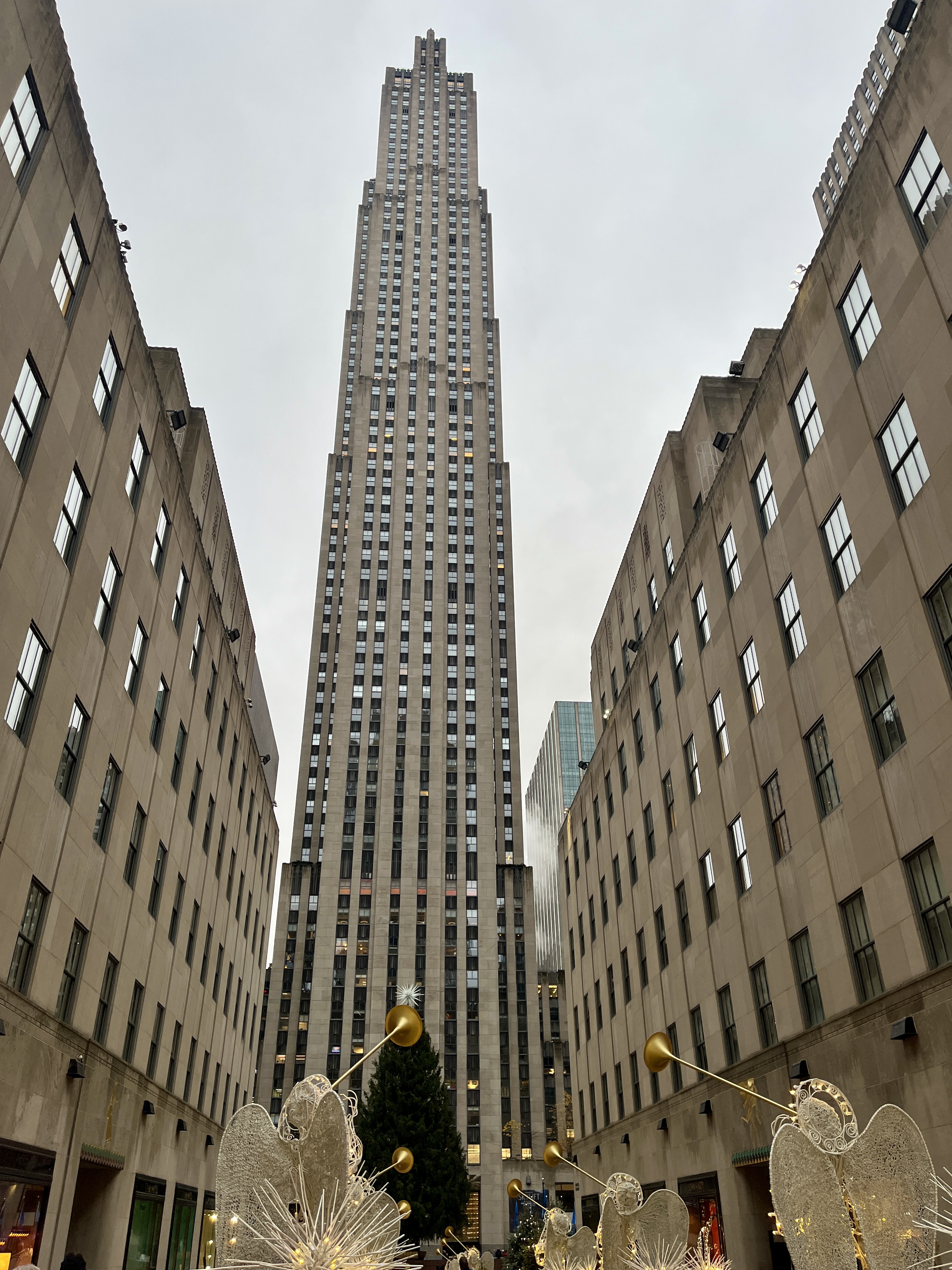
The dazzling Times Square in Midtown, the most visited place globally with 360,000 pedestrians visitors daily.

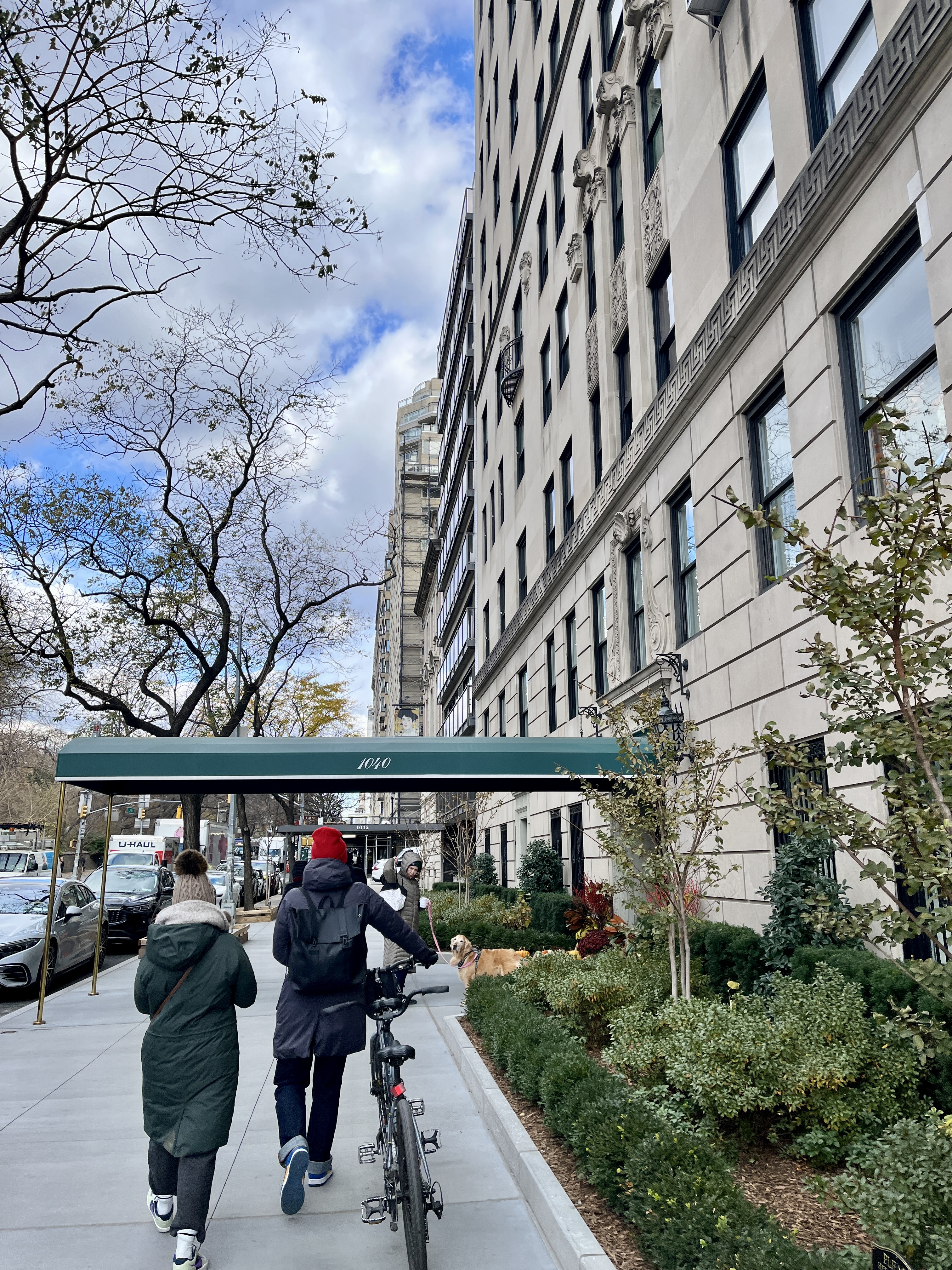
Museum Mile nestled amongst the elegant Beaux-Arts mansions flanking the Upper East side.

The salmon-hued and wide stoops of Harlem townhouses, nestled along storied leafy streets.

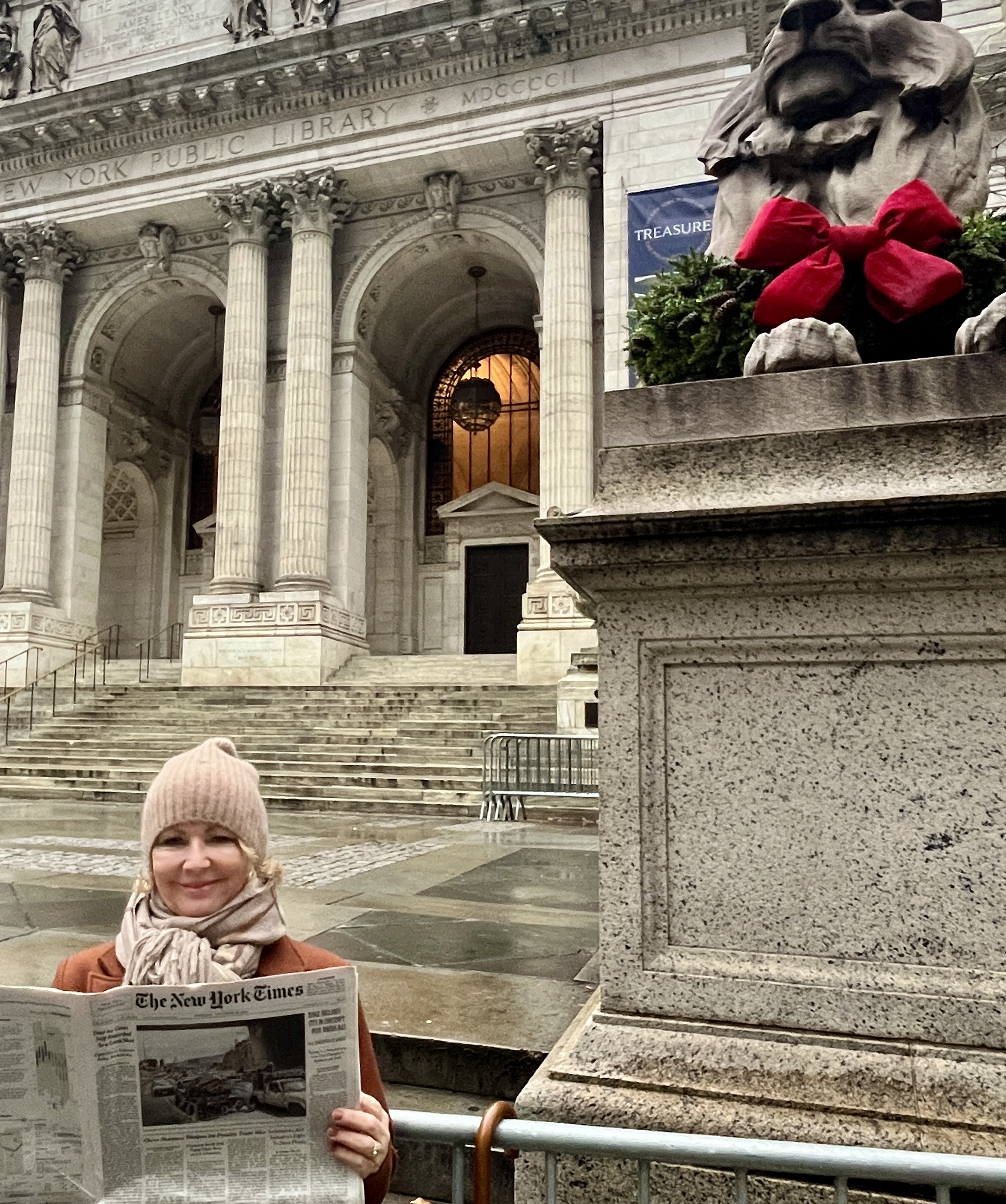
The beloved New York Public Library with its lavish architecture and vast Rose Reading Room… stretching two blocks with just seven million volumes to indulge in.

Cuisines from around the world, and that American icon of NYC pizza as well!

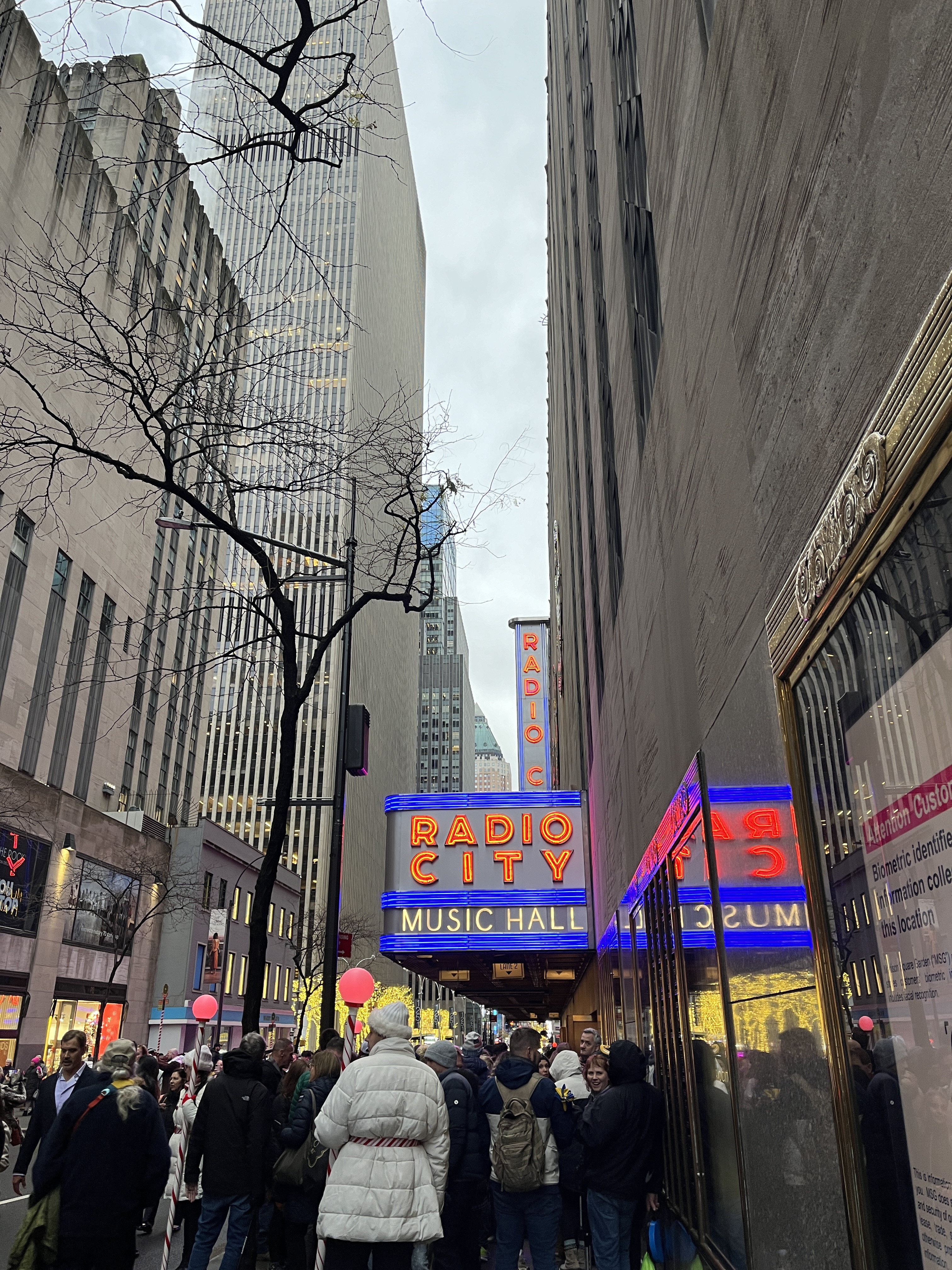
The spectacle of Broadway shows in breathtaking theatres, many now designated Historic Landmarks.

The evocative steam stacks erupting on busy streets – the largest such steam system in the world.

The opportunity to remember and honour at the National September 11 Memorial & Museum site.

And of course the friendly, hospitable people in your rich, and diverse metropolis. Thank you NYC, you are a true gem…

If You Visit…

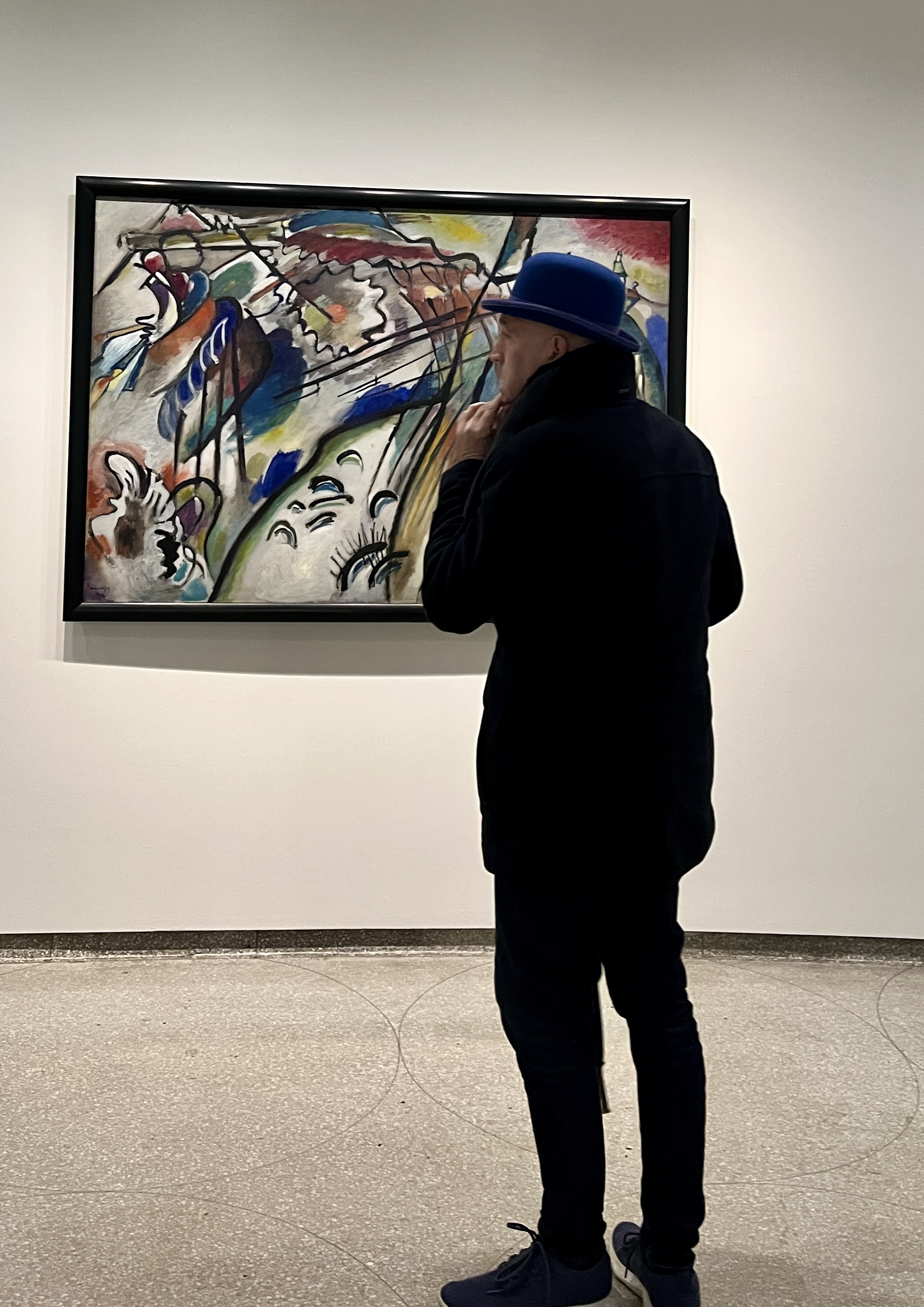
The Guggenheim Museum is a great alternative to the more expansive museums and part of the experience is the building itself. Designed by Frank Lloyd Wright it is a masterpiece, like many of the old Masters that you’ll see.

Close by on Museum Row is The Neue Galerie New York, showcasing Gvstav Klimt and other Austrian Masters. Housed in a designated landmark building, once the home of society doyenne, Mrs. C. Vanderbilt III.

New York Public Library is an essential experience with its own fascinating museum and grand sweeping architecture.

The ferry tour with Starship NYC is an insightful 90 minute tour of the Harbour, Statue of Liberty and a cruise under the Brookyln Bridge. The commentary is informative and entertaining.

Purchase a $35 bus and subway pass and traverse the entire city – easy, safe and a chance to be part of everyday NYC life.

Stroll the picturesque High Line, the former railway is now an elevated green walking space with dramatic city views. Finish with a cocktail at the iconic The Hotel Chelsea.

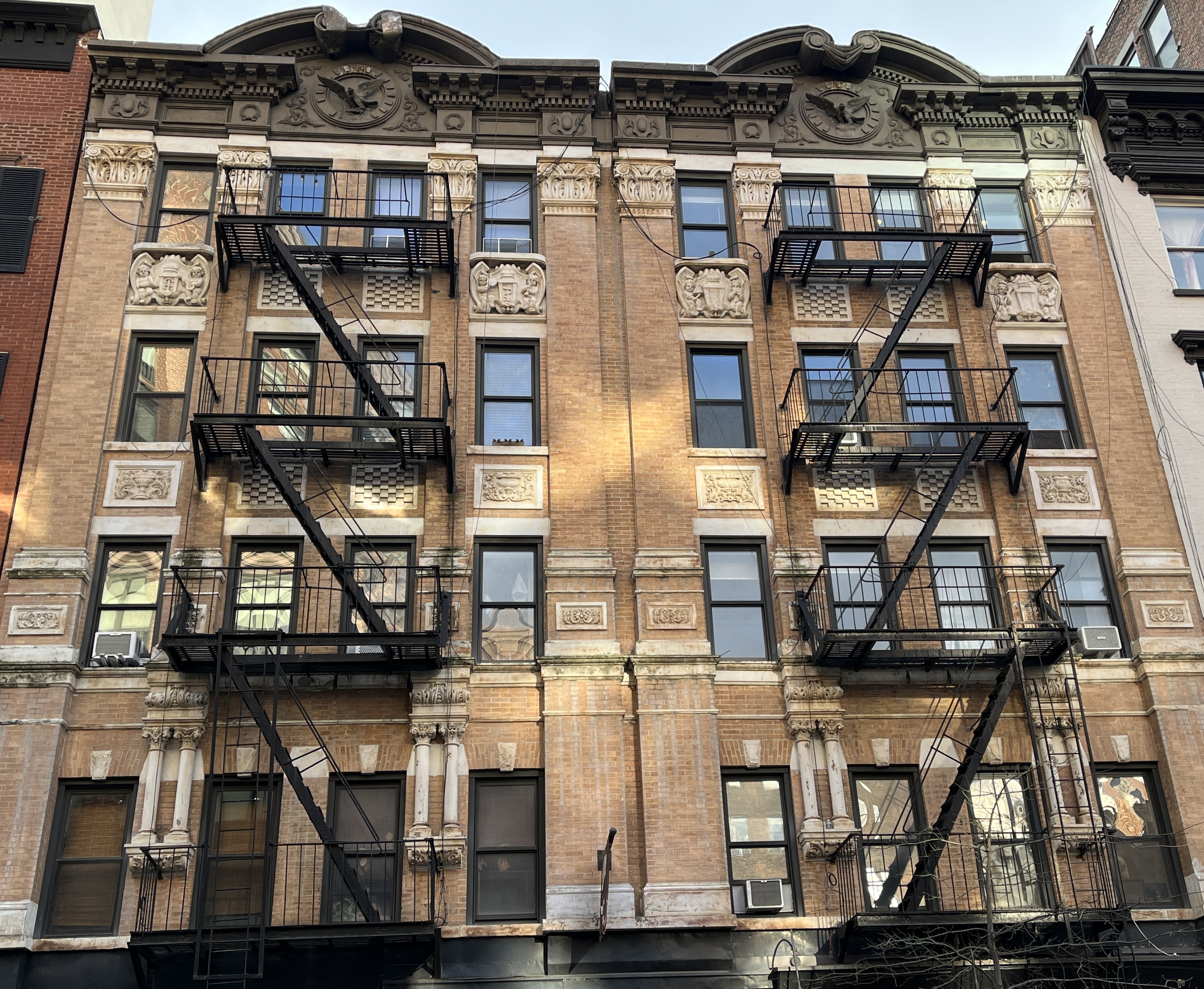
Admire the intricately designed cast-iron facades in SoHo and Tribeca. SoHo stands for ‘South of Houston Street’ and Tribeca for ‘Triangle Below Canal Street’.

My information for this trip was the excellent guide book, NEW YORK CITY by DK, 2025.

A few of our favourite restaurant finds…

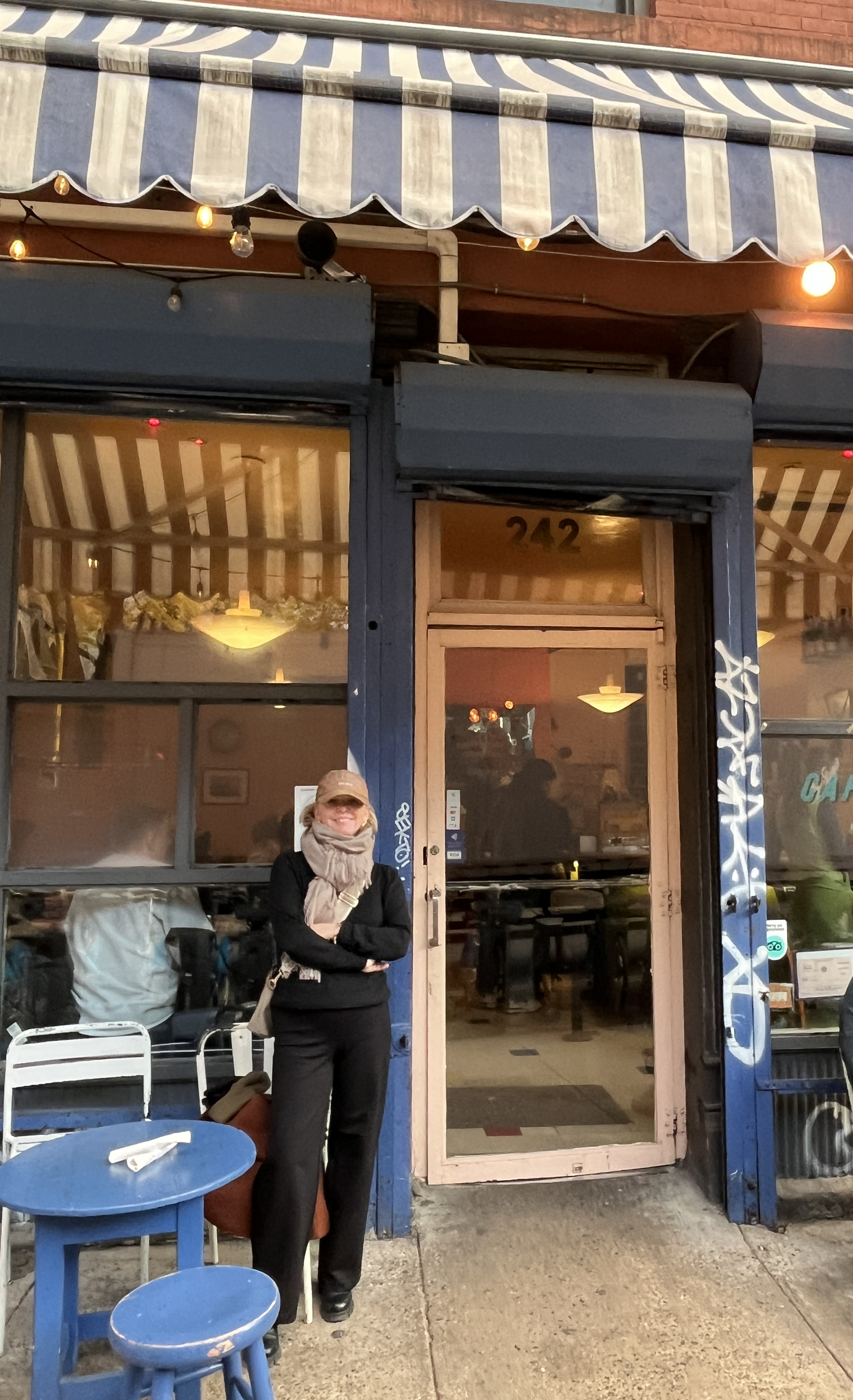
Buvette Gastrotheque in Greenwich Village for that special night out. Sit at the bar to enjoy the action unfold.

Cafe Gitane, Mott Street, East Village. Casual but cozy in a lovely neighbourhood.

5 Napkin Burger in Hell’s Kitchen for burgers and cocktails in a cool, diner vibe… our veg burger was great.

Eataly NYC Flatiron, a vibrant Italian marketplace with an array of eateries. Also a good excuse to see the iconic Flatiron building in the Gramercy District if you haven’t already done so.
Paris… Iron and Beauty, part one

Standard

On a recent trip to Paris I happened to become a little obsessed.  It wasn’t with the expected landmarks, the chic cafes, or even with the delicate mille-feuille pastries that I enjoyed daily (well just a slight obession with those.)

The graceful , timeless art form of iron

The graceful , timeless art form of iron

No, there’s an element to the city that can possibly be overlooked unless we narrow our gaze and ask; what is it that makes Paris so striking…so beautiful.

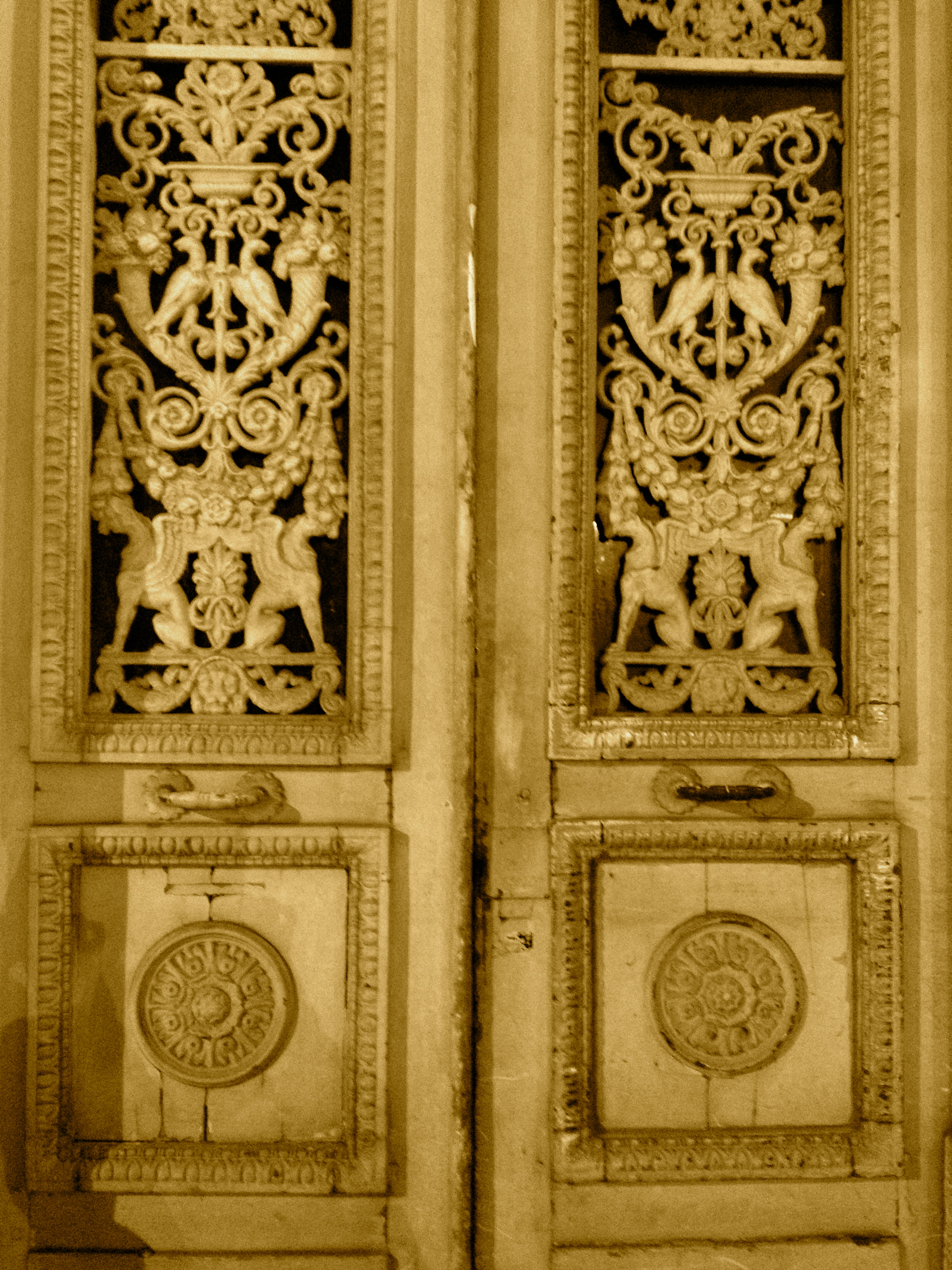
And, it’s everywhere.  Winding and curving in the decorative balconies, stairways and lamp posts. Inhabiting charming doorways, gates and the fanciful Metro signs and entrances.

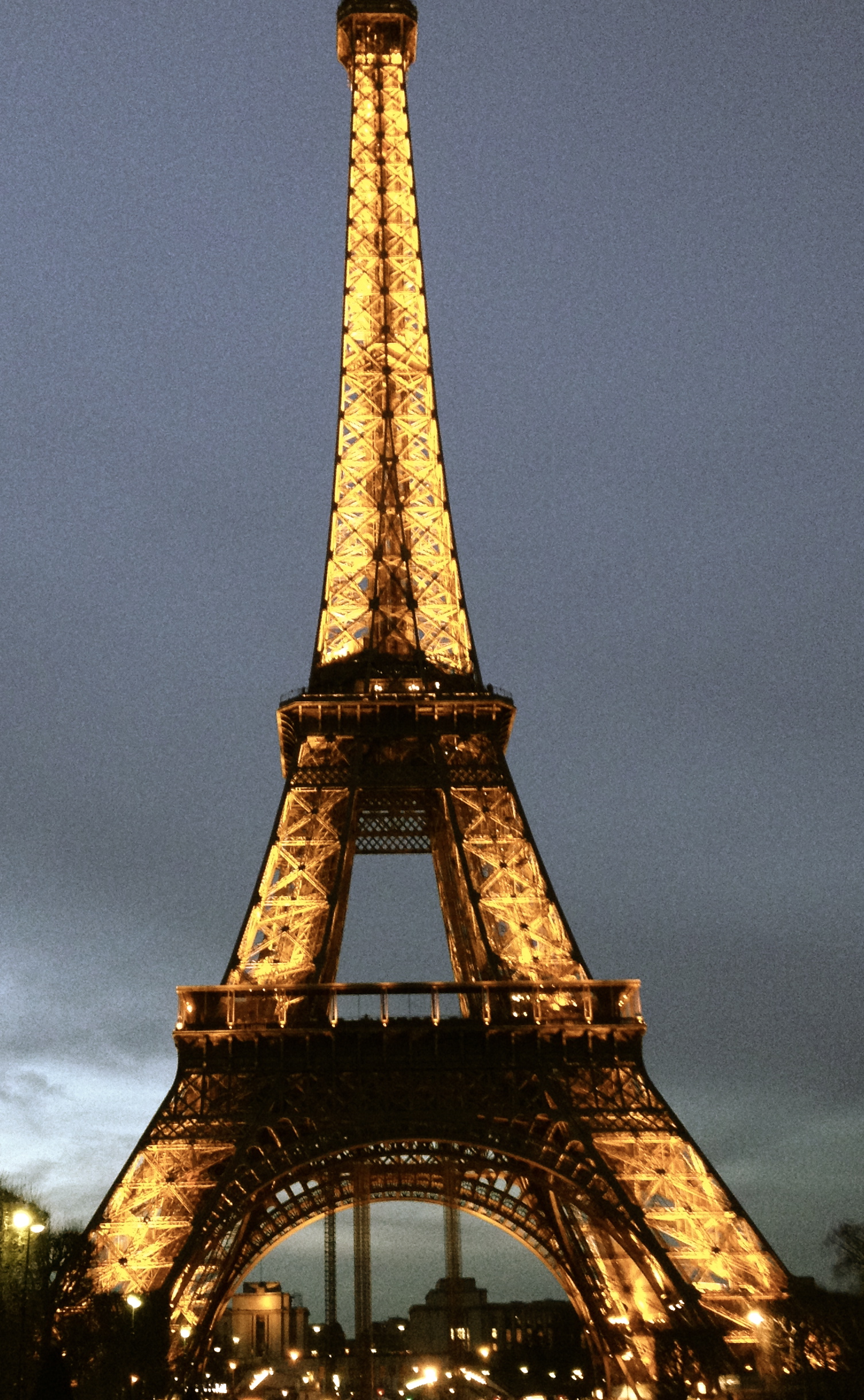
Not to mention, that the iconic Eiffel Tower is also abundant with the material. It stamps its romantic signature on the city; simply, it’s iron.

IMG_1929

Intricate iron carvings ‘inhabiting’ a wooden door

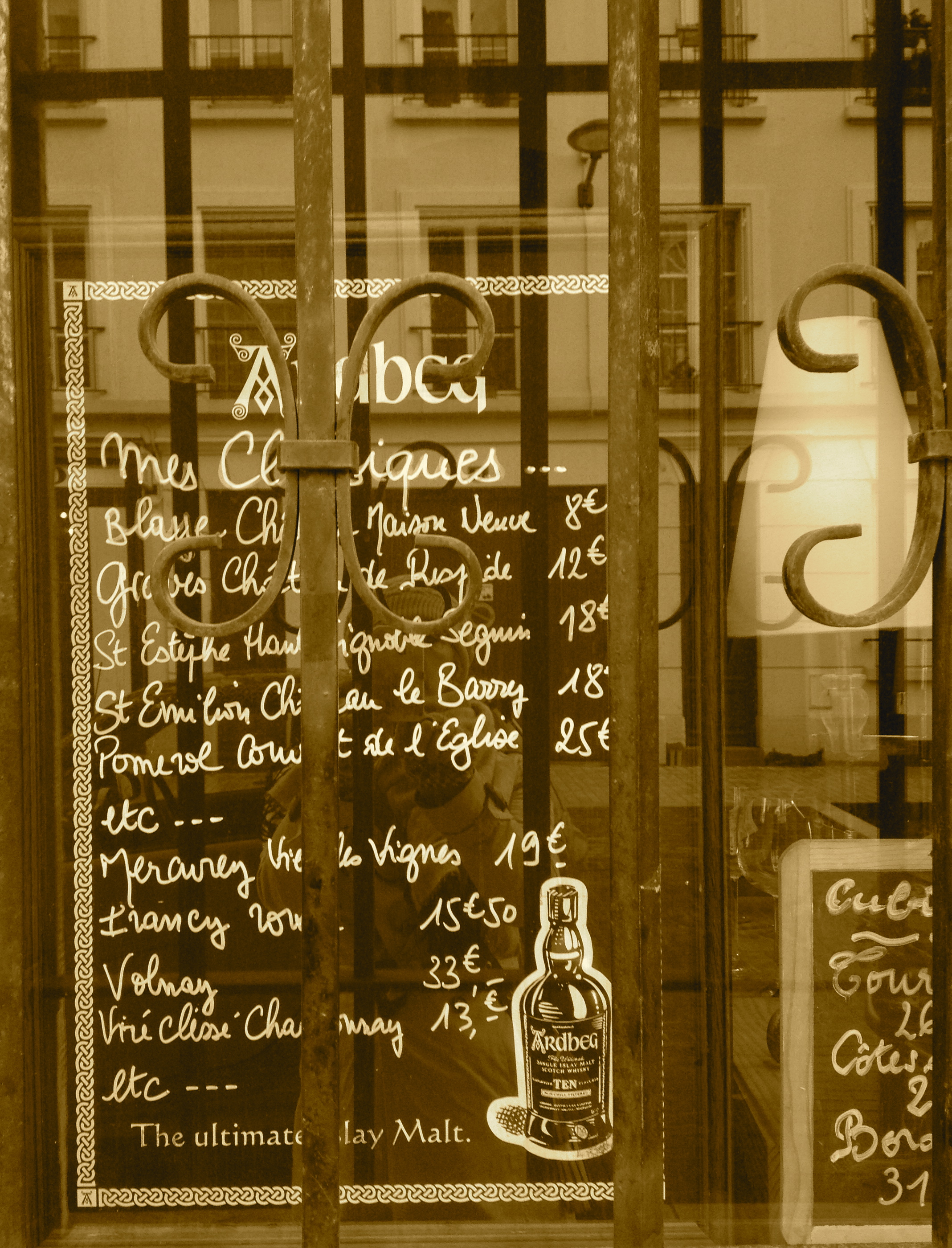
IMG_2014

A flourish of iron protects a Parisian cafe

For me, history and architecture are inextricably linked, especially in the case of Paris.  The iron structure that is the Eiffel Tower would not loom over the city, if… The Metro signs that ‘play’ with iron and grace the streets of Paris would not stand if… if the city had not hosted the International Exposition in 1889.   Up until that period, iron had been a coarse, hard material used as far back as 1500 BC for weapons and tools.  After the Middle Ages, it began to appear in doors and windows for protection from raiders and marauders.  Moving forward, prior to the Industrial Revolution, the ‘village smithy’ was a staple of every town. In fact ‘Smith’ is from the German meaning “skilled worker,” which concurs with the high status they enjoyed at the time, a town couldn’t ‘move’ without them.  From the 1500’s onwards, iron became sophisticated and decorative which leads us to Paris in the late 19th century.

IMG_1866

The tower that Eiffel built. All 18,000 iron bars of it and 2.5 million rivets!

As a city hosting the International Exposition, an iconic landmark was needed for the occasion and a design competition was launched.  Gustave Eiffel was awarded the commission and proceeded to design the iron lattice tower for the entrance of the Expo, all 18,000 iron bars of it! It was fiercely maligned by leading artists and intellects of the time.  They loathed it and pointed out that it didn’t do anything; it wasn’t a palace, a burial chamber, or a place of worship.  Eiffel himself had to admit that he mostly wanted to build it for the pleasure and notoriety, even footing 80% of the cost.*  A petition submitted by three hundred leading artists and intellects of the time ensued with the plea, “We, the writers, painters, sculptors, architects and lovers of the beauty of Paris, do protest with all our vigour and all our indignation, in the name of French taste and endangered French art and history, against the useless and monstrous Eiffel Tower!” Understandably,  it must have been an abomination as it towered over majestic landmarks such as the Pantheon and Notre Dame Cathedral which had dominated the skyline since the 1160’s.

Madame Liberty on display at the World Fair

A part of Madame Liberty on display at the World Fair

But alas, despite the outcry, the massive edifice was constructed with record speed. Eiffel had already established himself as a prolific engineer and his resume included the design and construction of the Statue of Liberty (a gift from France), among countless other projects.  The Parisians would eventually warm to the Eiffel Tower, as would the world, which still does to this day.  More than a century later, all that iron and its millions of twinkling lights is the most visited, paid monument in the world.  C’est magnifique!  Monsieur Eiffel would be proud indeed.

IMG_2016

Iron leaves wrap themselves around the one hundred year old sign

To prepare for the record number of visitors that would soon descend upon Paris for the Exhibition, a maze of underground transportation was planned by the Paris Subway (Métropolitain) Station.  We know it today as the Metro. The Parisian architect and designer Hector Guimard won the commission to not only mark the entrees and sorties to the new Metro, but to positively portray this new mode of transportation to the city folk.   And once again, the Parisians were not amused.

IMG_1901

A stately Metro sign along the Champs Elysees

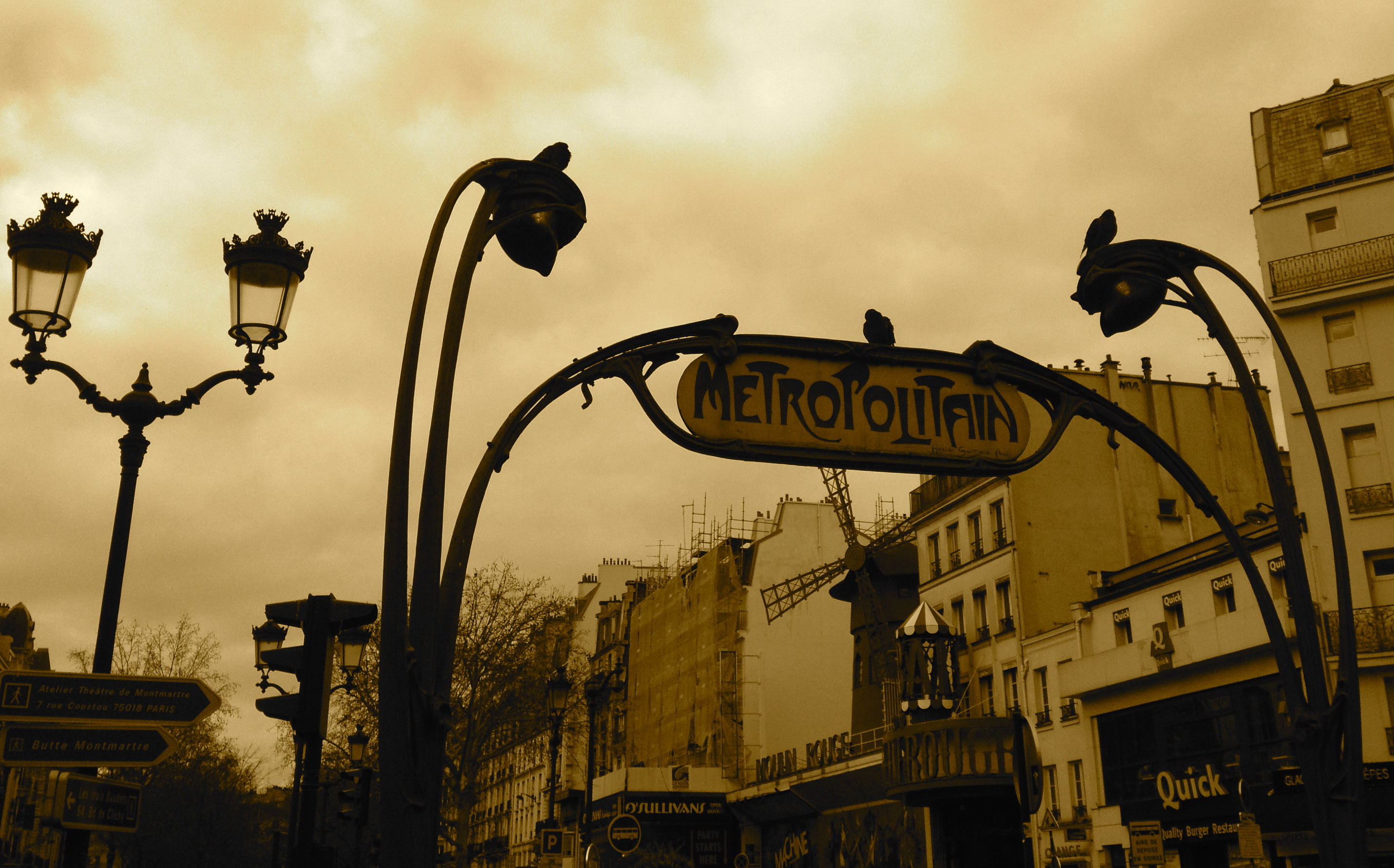
Initially, they were opposed to the gaping holes in their boulevards that descended to the dark, maze of tracks below.  And they most definitely didn’t appreciate the new Art Nouveau style of the Metro entrances and signs, iron twisting as if to impersonate vines or flowers.  The style was now ‘in vogue’, drawing inspiration from nature and natural forms.  Plant vitality interpreted in abrstract-linear lines. There were also complaints that the freestyle font used in ‘Metropolitian’ was difficult to read.  Guimard certainly would have been offended as it was reportedly his own script that he had used for the ‘flourishing sign’.  How could they have known that eventually there would be people like me who would stand before it and deem it so pleasing, so original.  A pleasant contrast to the stone structures that dominate the Paris landscape.

IMG_2038

The Iconic Metropolitain sign (deemed difficult to read) held between two oracle lamp posts that portray plant stems. Moulin Rouge is in the background.

I can happily declare that on this trip, I mostly mastered the extensive labyrinth of stations, lines and routes that is the Paris Metro.  Along the way, I  adored the Metro signs as I flitted from one stop to the next. From Montmarte to the Seine, from St. Germain to Le Defence, stopping to photograph them as the Parisians rushed past on their daily commutes.  I had time.  Time to appreciate their elaborate designs, fluid despite the iron they’re wrought with.  Whimsical, yet sturdy and reassuring.  They made me smile, and they just so happen to direct more than 4.2 million passengers daily to their destinations. Paris wouldn’t be the same without them.

IMG_2009

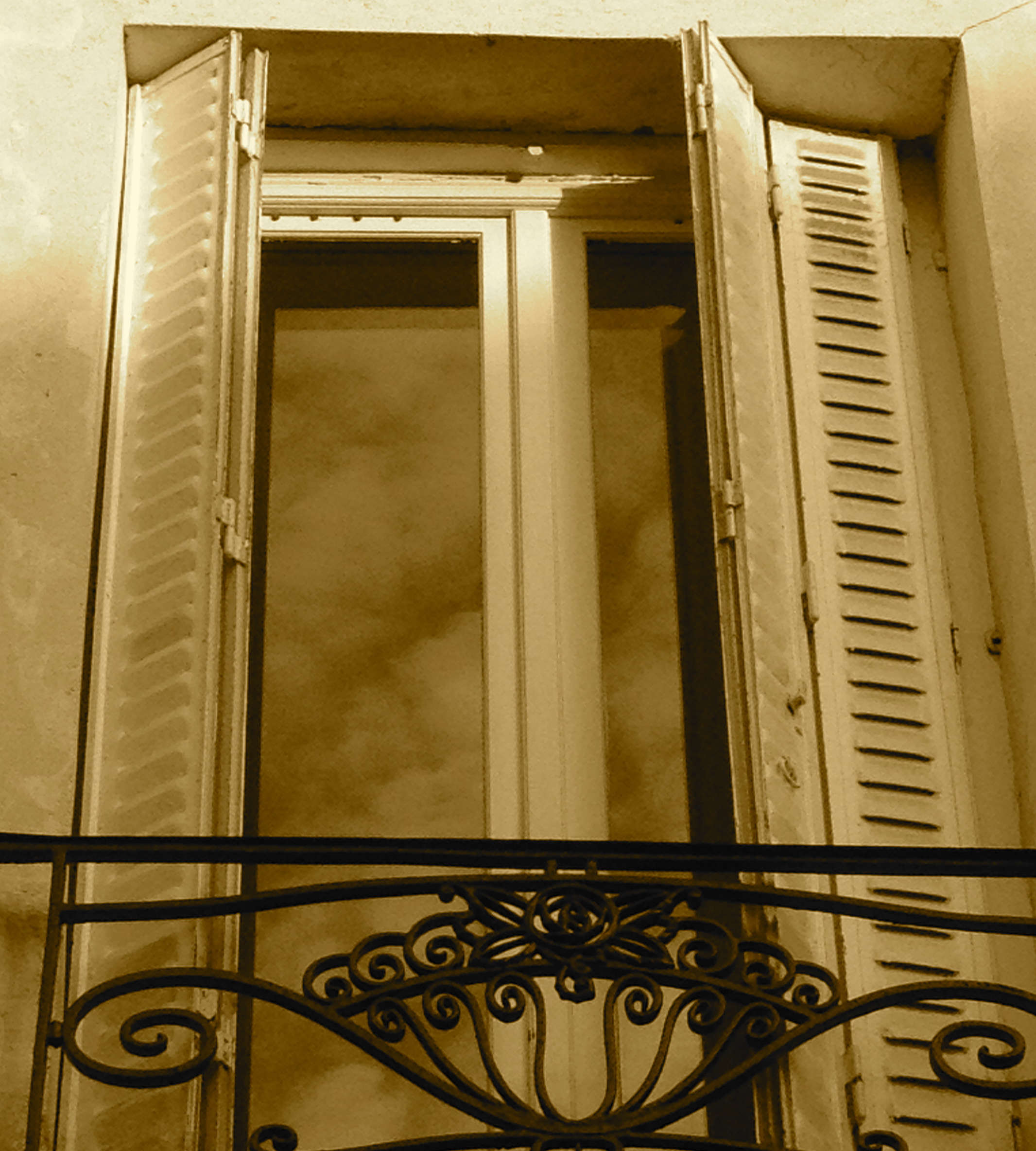
A delightful, decorative iron design on a Parisian balcony

And what of those two artisans that elevated iron to a higher level,  Eiffel and Guimard.  We know they left lasting legacies to the city of Paris, but what of their fate?  Eiffel had an illustrious career, eventually making significant contributions in aerodynamics and meterology. He died happily, listening to Beethoven in his lovely Paris mansion.

Guimard however, did not fare as well. He and his Jewish wife fled to New York before the Second World War, perhaps never to again have the pleasure of strolling past his designs that grace many Paris boulevards.  He died in obscurity in New York.

Fortunately, the work of these creative men continue to delight visitors to the ‘city of light’.  Let’s also spare a thought for the unsung heroes that worked in countless foundries, transforming iron into art that adorns a city which one cannot help, but to fall in love with. C’est Paris!

* Bill Bryson sums it up in his entertaining and informative, non fiction book ‘At Home, A Short History of Private Life‘… “Never in history has a structure been more technologically advanced, materially obsolescent and gloriously pointless all at the same time.”

*The Universal Exposition of 1889 was visited by some 28 million visitors. Considering many of them would have travelled by vessels across the ocean, it’s a staggering number.  Attractions included, unbelievably, a ‘Human Zoo’.  I had not realized this had existed.   Also, the Wild West Show was at the Expo, Buffalo Bill and Annie Oakley lassoing their way to notoriety.