Category Archives: Canadian National Parks

Summer Glamping in Golden… An Iconic Canadian Mountain Town

Standard

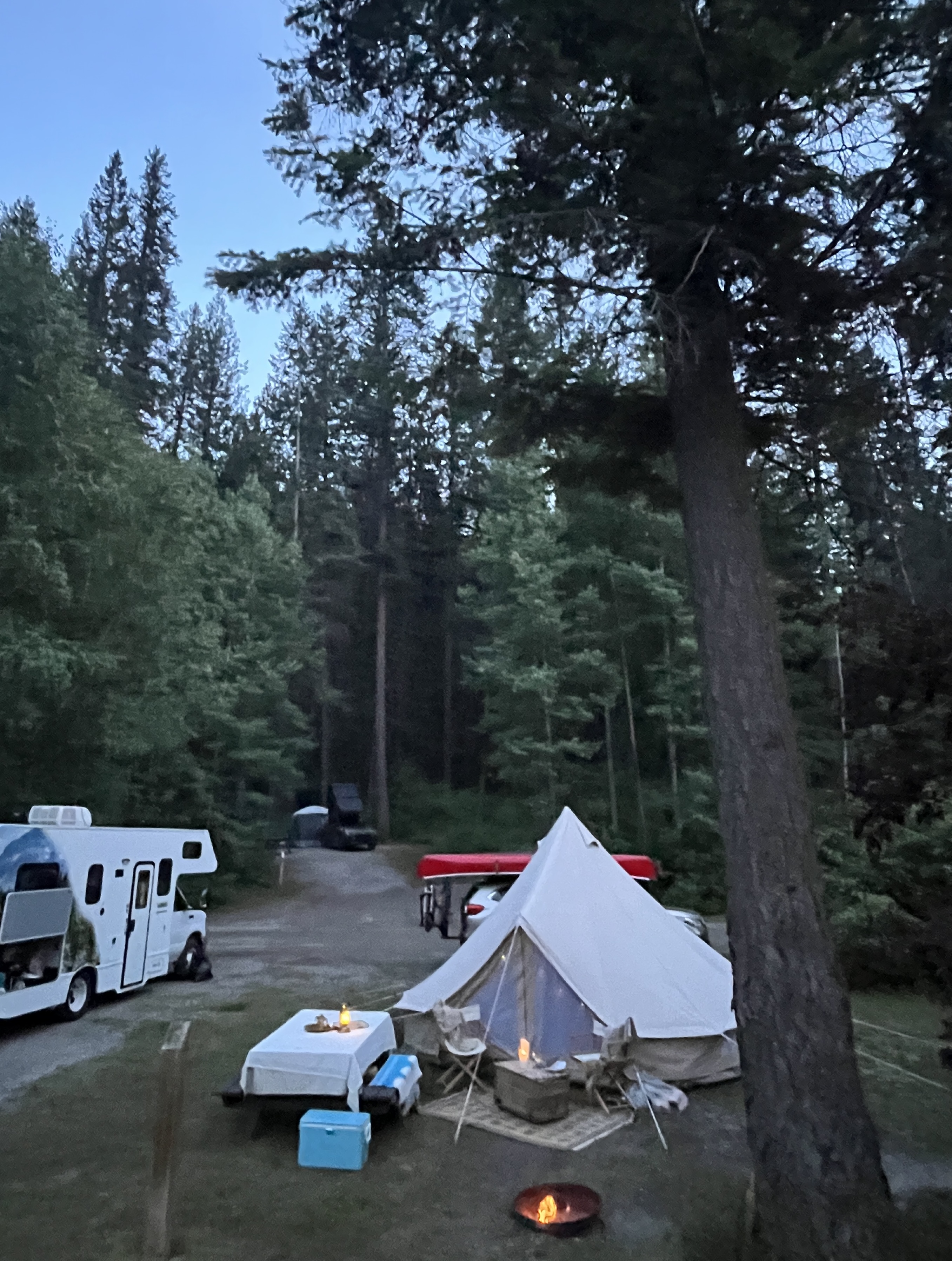
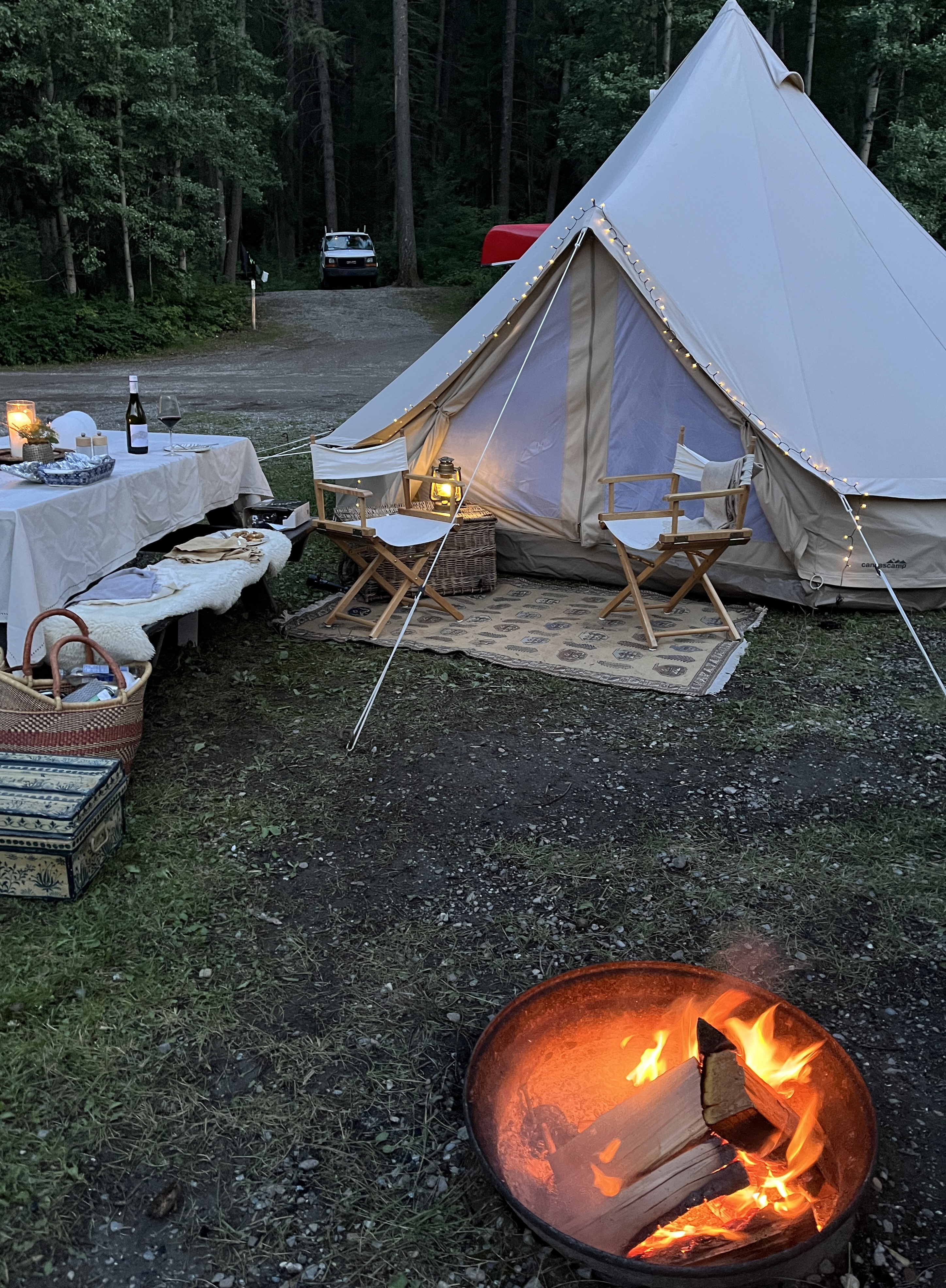
We call them mountain towns and nature has spoiled us with these veritable summer playgrounds. Nestled amongst majestic peaks and dazzling crystal-blue lakes and rivers, they’re gateways for hiking, biking, golfing, paddling, and camping. In our case glamping, as it comes with a dose of the glam with Lupin, our beloved Sibley Bell tent. With the car packed full to the gunnels, bikes and canoe strapped on, last month we chose a new mountain town to play in.

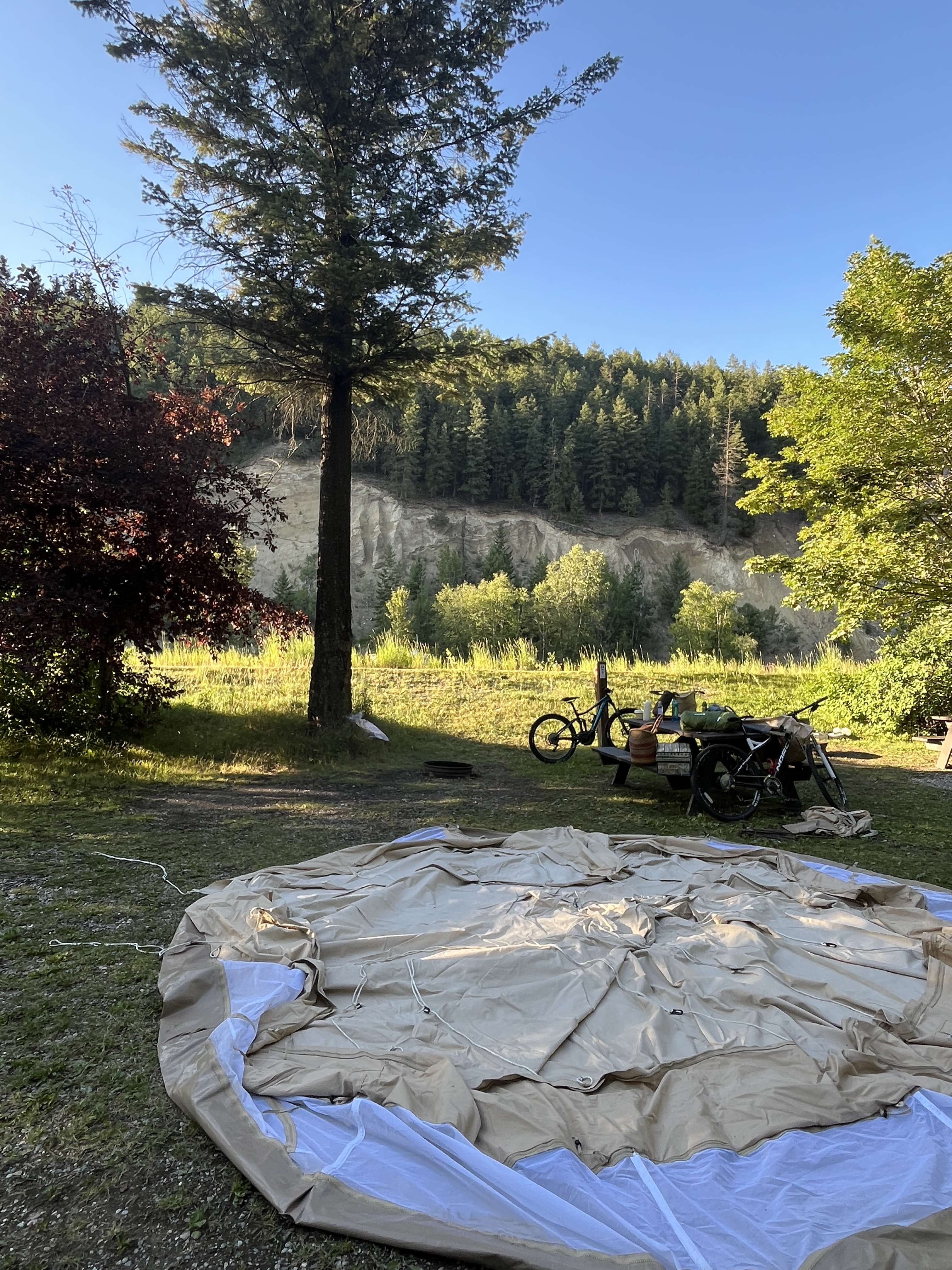
We often choose to stay in the heart of towns, in Municipal Campgrounds, as we did with our iconic glamp in Kaslo, near Nelson. In Golden, the choice graced us with a picturesque spot along the Kicking Horse River. Pesky mosquitoes were part of the welcome crew and with our site set up in about an hour, the campfire was soon crackling away, dinner and wine ensued. We savoured the slow unfolding of dusk and with the revelation of night upon us, we marvelled at a thousands stars in the twinkling sky above.

Nestled in the Rocky Mountain Trench, along the confluence of the Columbia and Kicking Horse Rivers, the town of Golden is surrounded by three different mountian ranges and five National Parks. Our camping spot was surrounded by other campers from the tiniest of tents, to grand trailers, to old-school camper trailers. It seemed that all of us – from the many Americans and overseas travellers, to fellow Canadians – were genuinely pleased just to be in the great outdoors, yet with amenities at our fingertips.

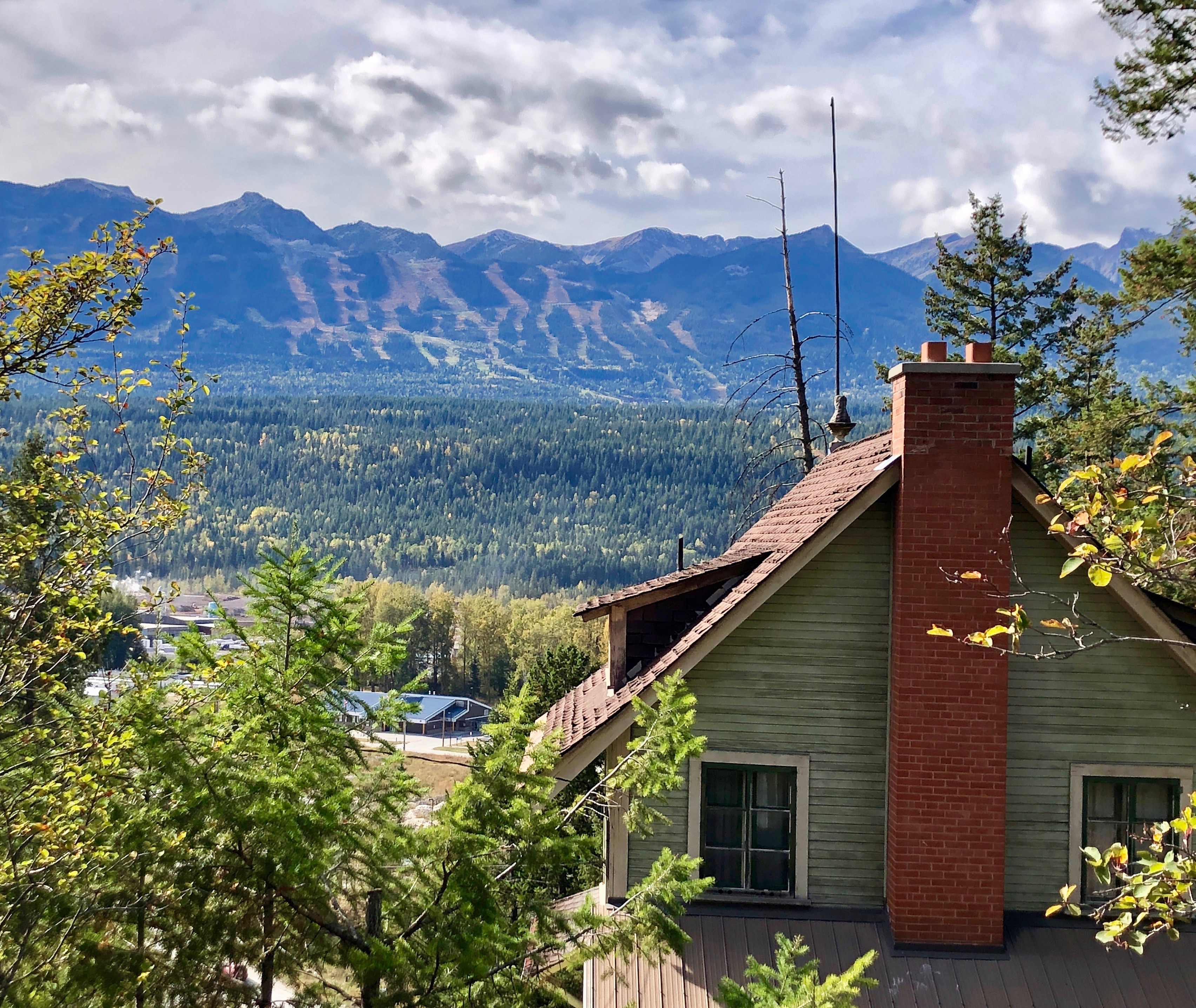
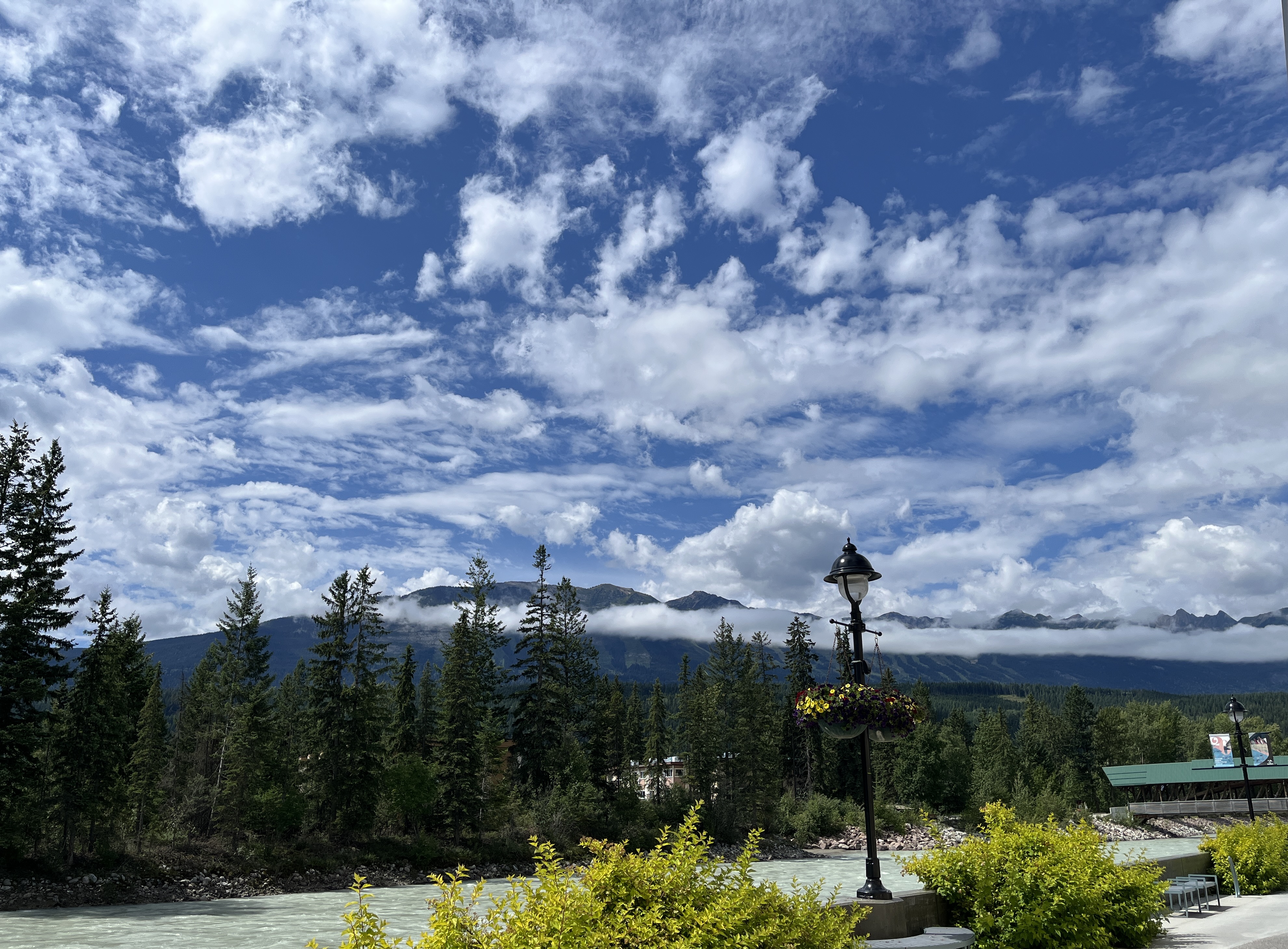
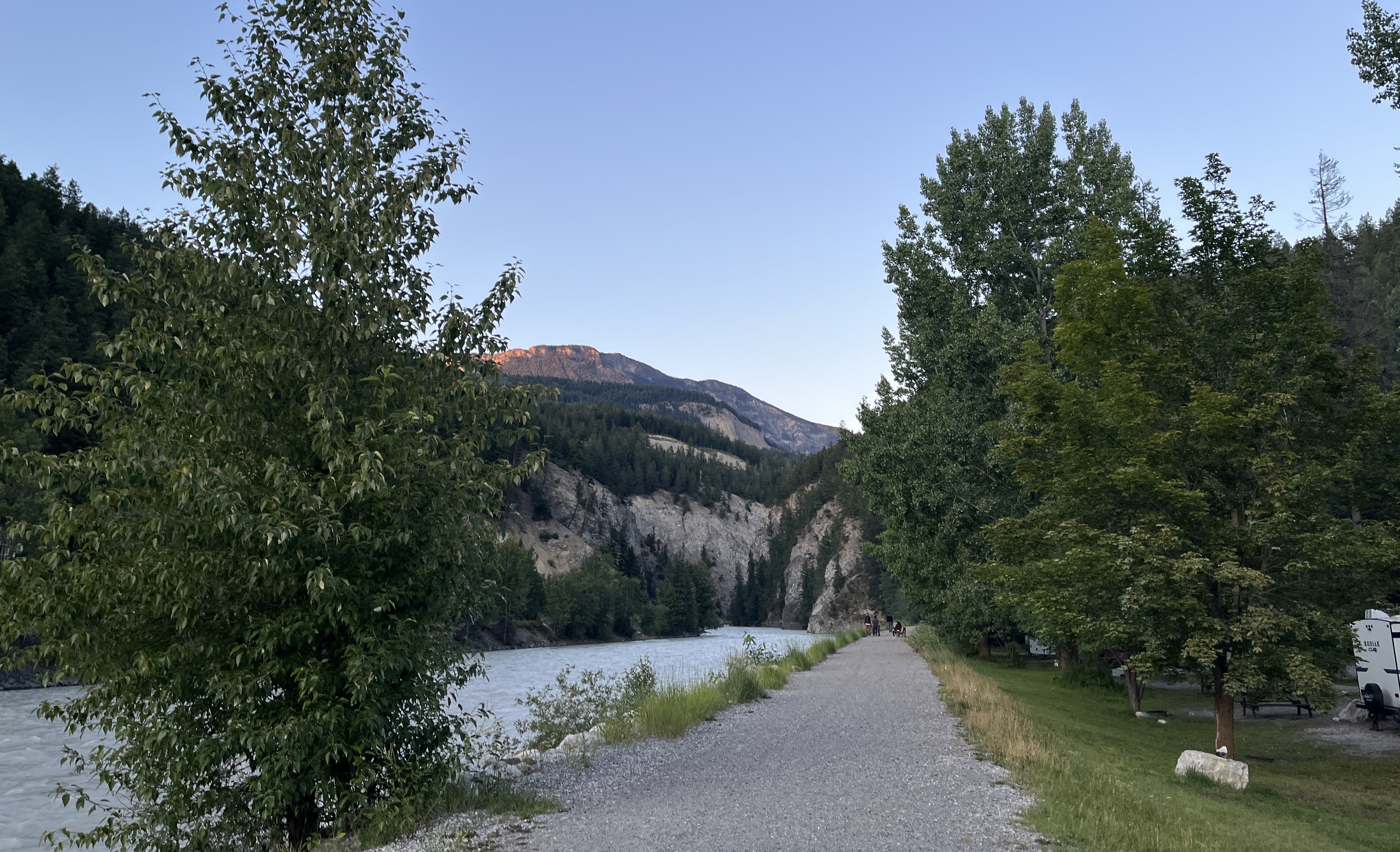
Each morning after coffee around the campfire, we’d set off on our bikes to explore the town. With its river running through it, Golden is bestowed with a stunning setting. The Kicking Horse Mountain Resort has an eagle eye’s view in the distance and a long promenade stretches alongside the river. Canada’s longest timber-framed bridge is its anchor.

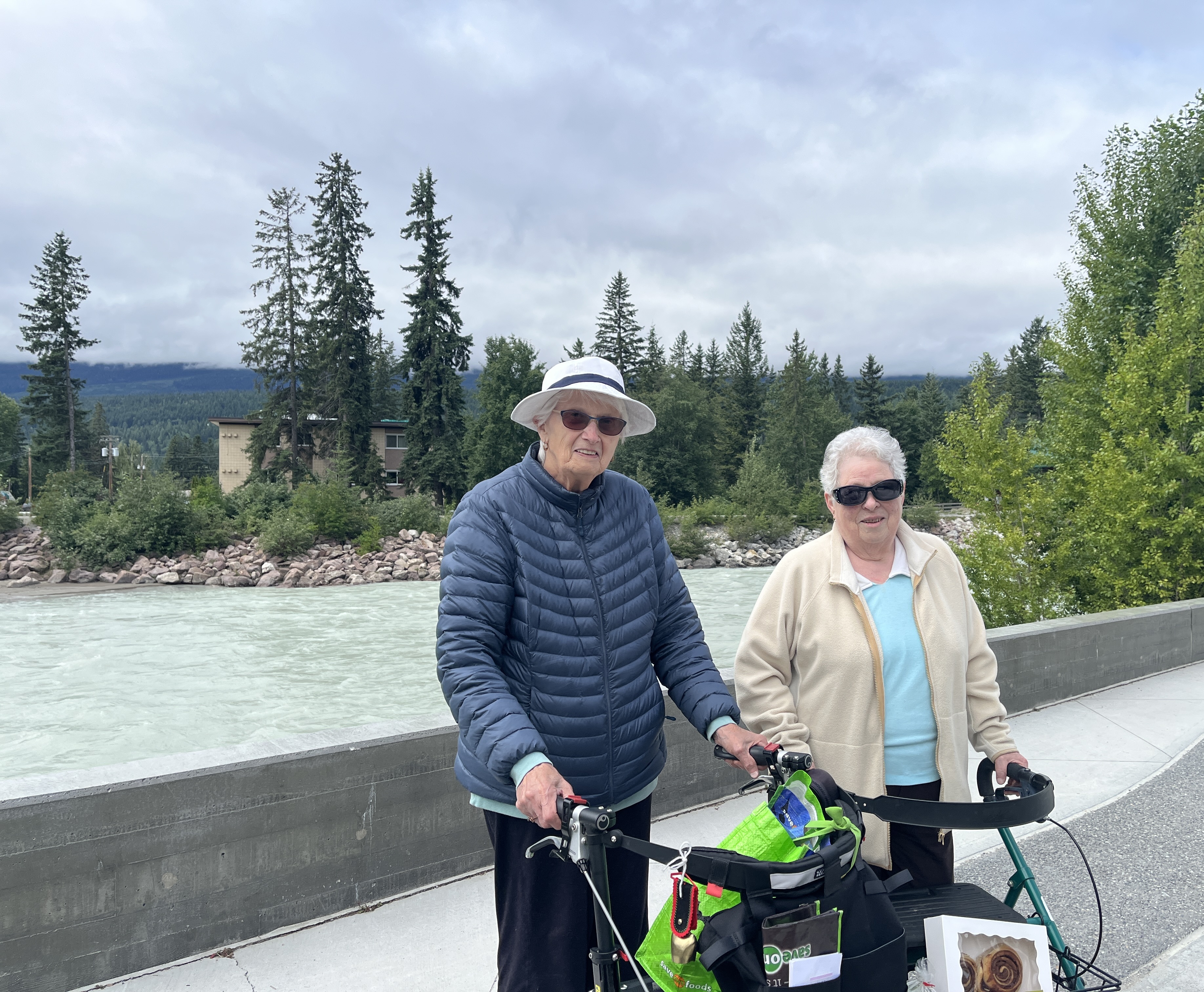
We chance upon Betty and Lynn out for a mid-morning stroll. “Such a beautiful spot for a morning walk,” I say with a smile. They immediately offer a sincere apologize,” We’re sorry that our mountain is hiding behind the clouds.”

“Oh I know it’s there,” I confirm, “your beloved ski hill is hiding! We’re from Kimberley, another ski hill town.”

“I was raised in Kimberley,” one of the ladies says fondly and from there our conversation flows.

The peaks soon reveal themselves in the unseasonably chilly morning and the ladies happily relate a few local stories of life here in the ’50’s.

“When we first arrived, there were only two telephones in the town and one of them was at my place… well you can imagine the commotion!” They admit the town has greatly changed as it’s now a world-class ski resort and hiking destination.

I‘ve written previously of the Swiss guides who first made Adventure Tourism possible in the area. The Canadian Pacific Railway brought the guides to the area in 1899. Earlier in that century, the renowned fur trader, surveyor and map maker David Thompson was tasked with opening a trading route to the Pacific Northwest. Navigating the vast and treacherous Rocky Mountains, he first travelled to the future site of Golden in 1807. It wasn’t until 1881 that the CPR hired A.B. Rogers to find a rail route through the region. The base camp established for his crew eventually first of the settlement now known as Golden.

The ladies tell me that the town was eventually named Golden. “It had to out-do nearby Silvertown.”
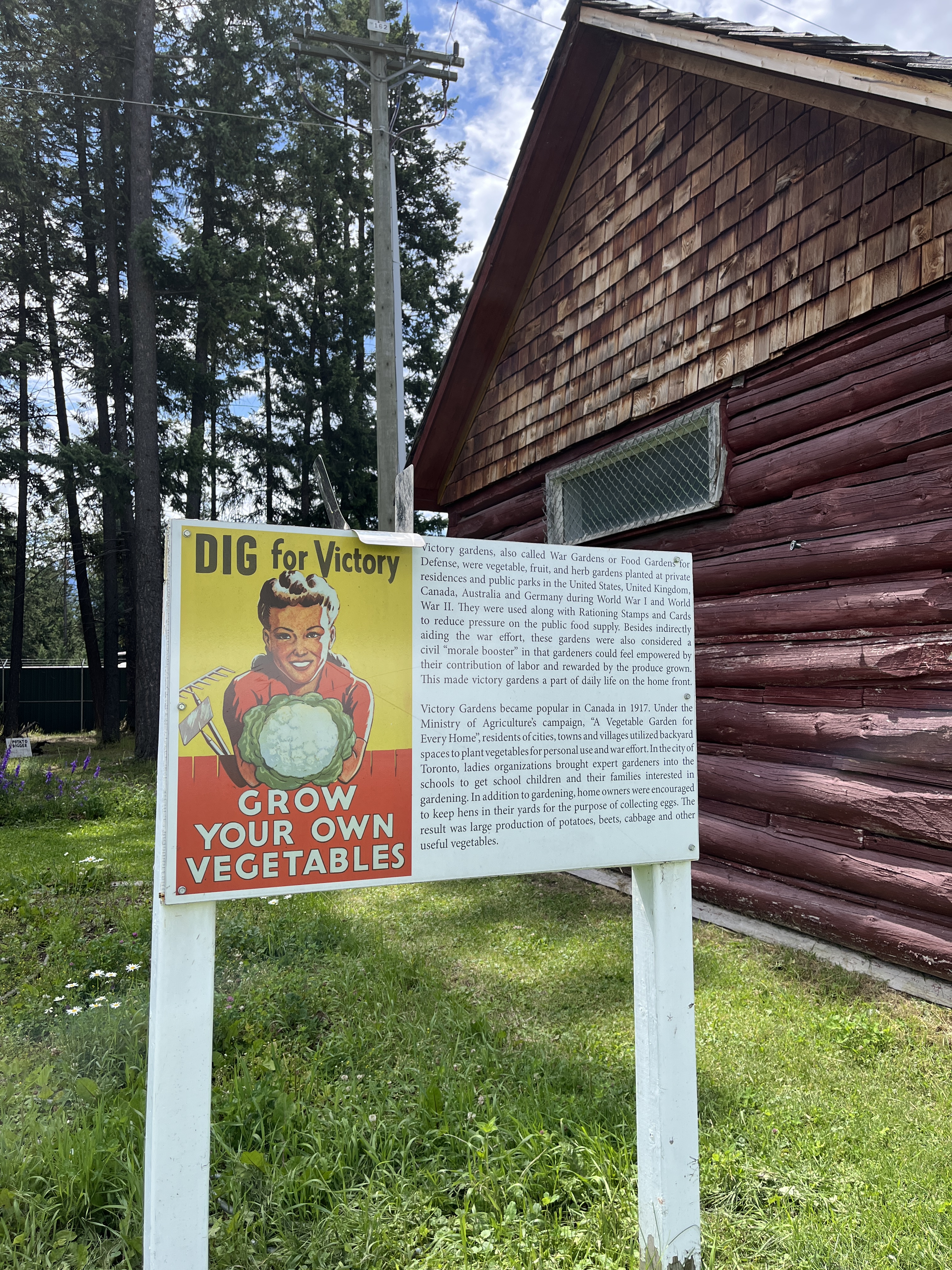
After our chat and a browse through the market, we cycle through the wide streets to the local Museum. It’s charming, full of information, and regals with stories about the original Columbia River Lumber Company which grew the settlement, while also attracting a large hard-working Sikh population. The Museum also pays homeage to Victory gardens, or war gardens, vital during the first World War; utilizing backyards for food, both for personal and the war effort. And of course there is much mention of the vital role those Swiss guides played.

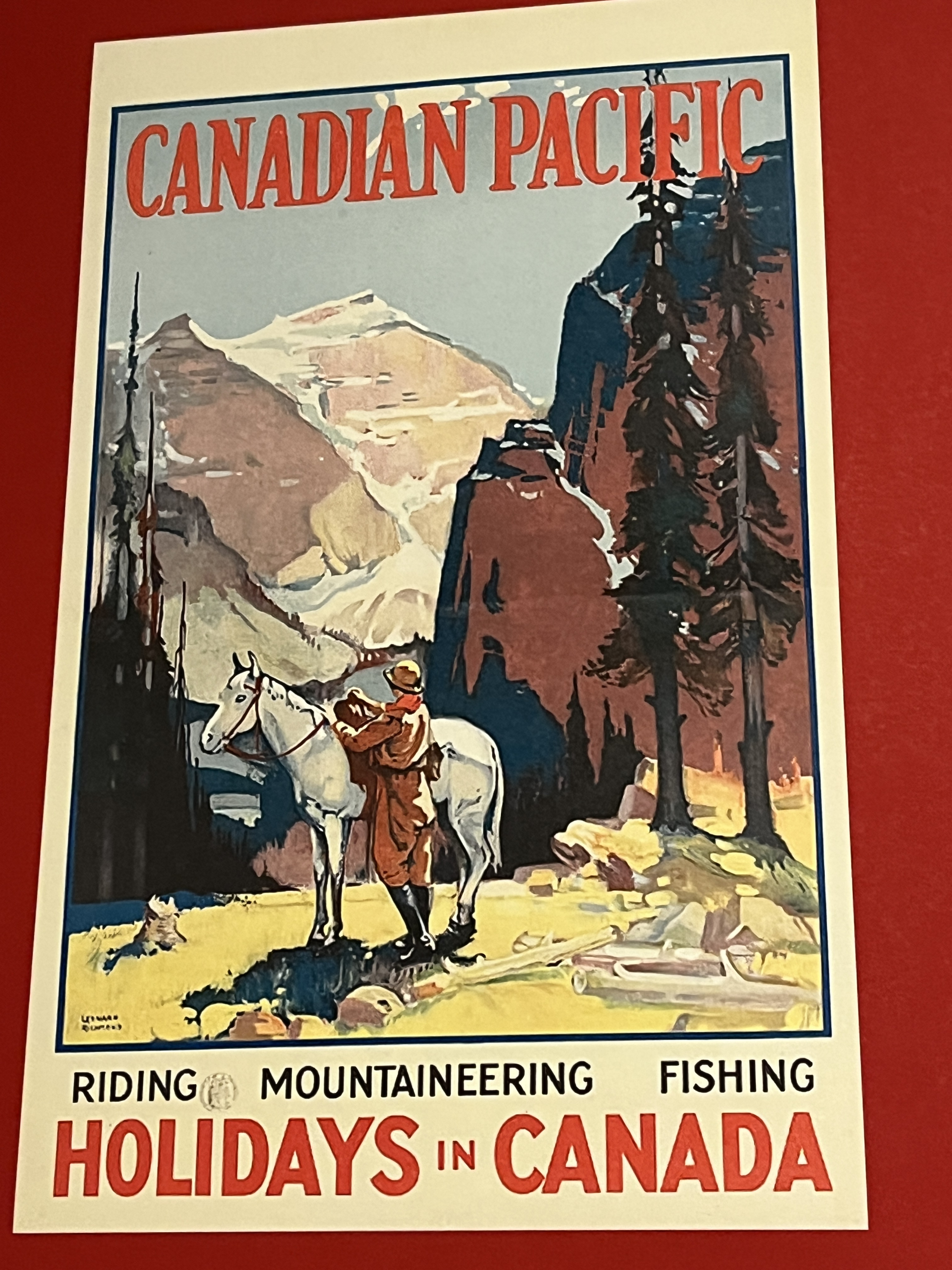
Swiss mountaineers were employed during the summers, returning home to Switzerland over the winter, most over-wintered working as caretakers for the seasonal CPR hotels. Of the fifty-six first ascents of mountains over 3000 metres prior to 1911, no fewer than 50 first ascents were made under the steady hand and sure foot of these experienced men. By 1925, CPR’s 35 Swiss Guides had led more than 250 first ascents in the mountains of western Canada. With no fatalities in their care, and perhaps basking in their reputation as gentlemen and colourful characters, many would bring their families to make their Golden home at the purpose-built Edelweiss Village.

We had visited their home-away-from-home a number of years ago, now it has greatly changed… refurbished, re-imagined and open to guests.

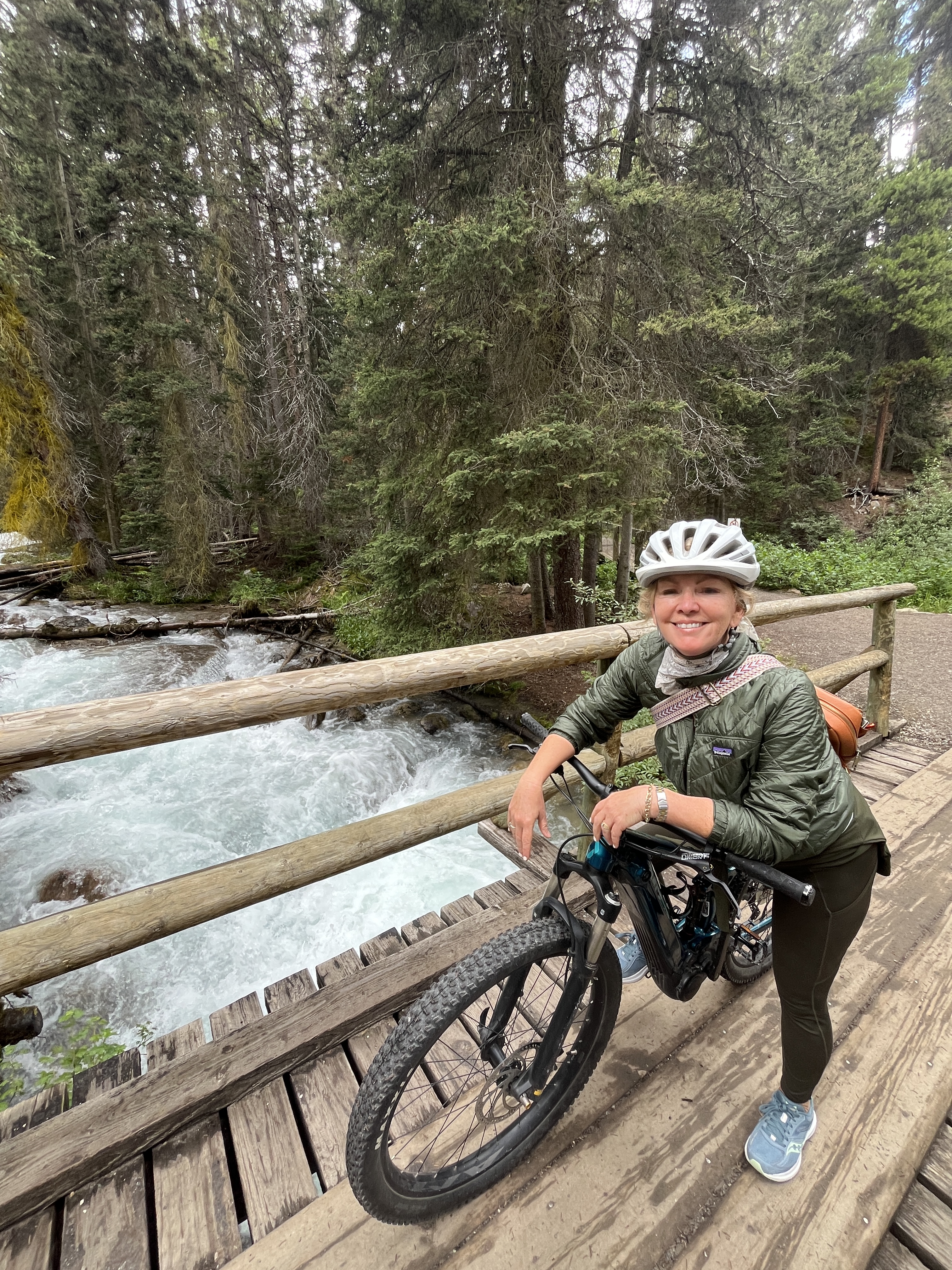
Our bike rides take us out of town, through forested trails, up and down mountains and on the last day to the famed Lake Louise… with a little driving in between. The beautiful drive from Golden to Lake Louise heads east, then south for about one hour through Yoho National Park. Stop at the Spiral Tunnels, the Golden Skybridge, Wapta Falls, Emerald Lake, or the sleepy but gloriously positioned town of Field.

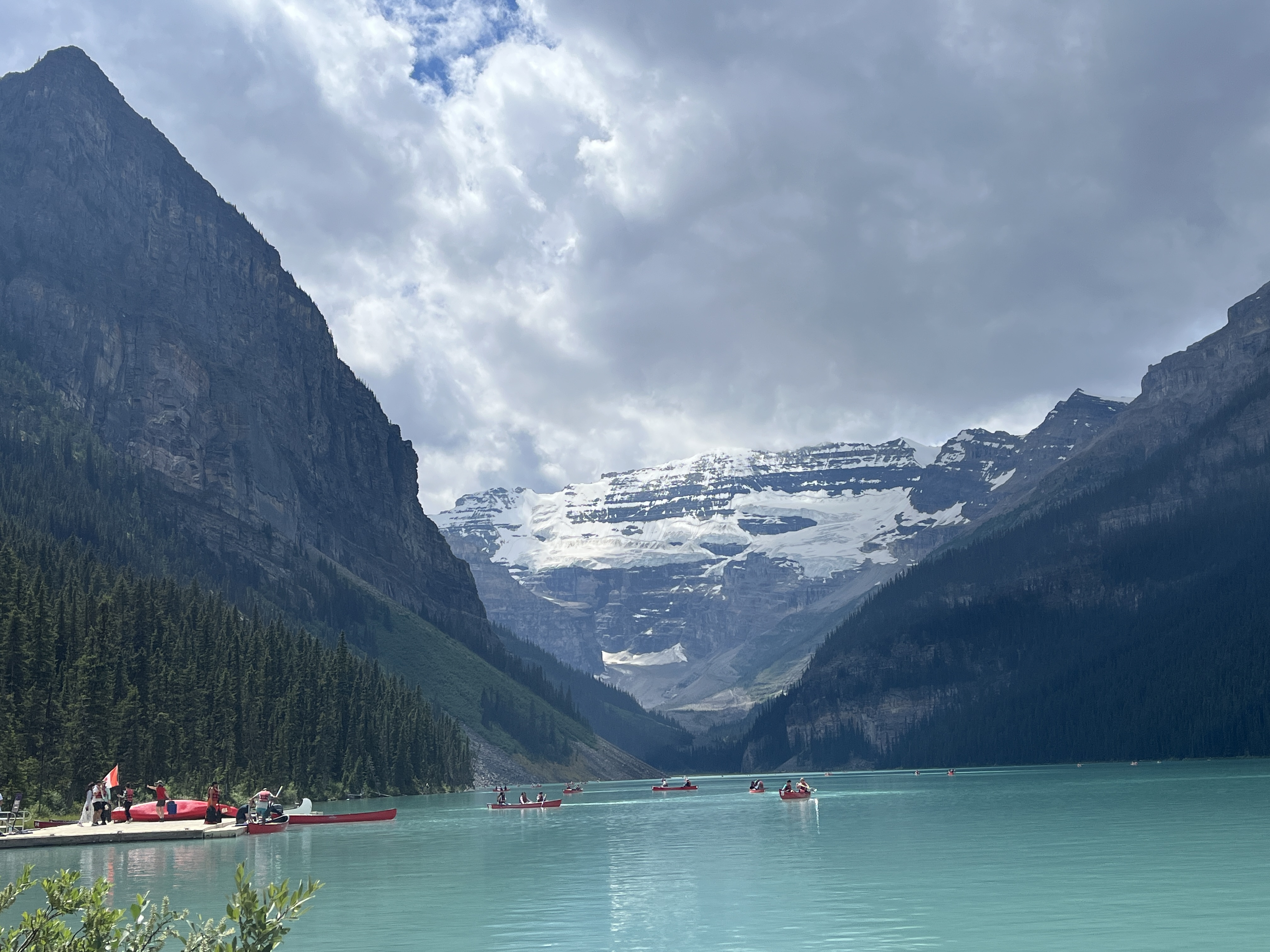
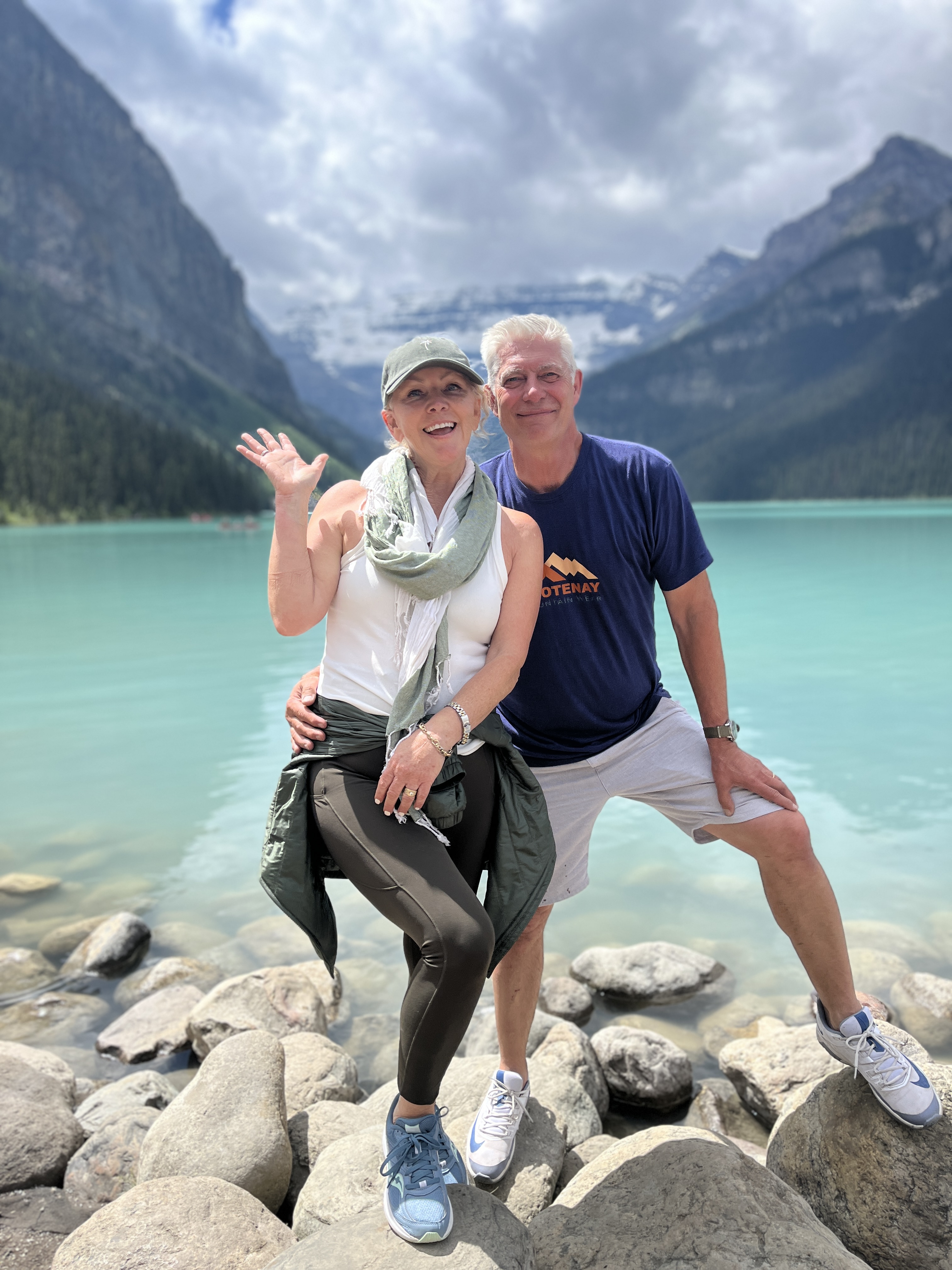
After parking in Lake Louise Village, we biked the former route of the tramway up to the lake – about 10 km both ways. The Tramline Trail leads you to one of Canada’s most breathtaking views. As always people have flocked from around the world to catch a glimpse of its iconic magic.
Back at the campsite on our last evening, a young father strolls past for a pre-bedtime walk with his children. “What a beautiful set-up, a bell tent. I know them well as I was in the military,” he tells me.

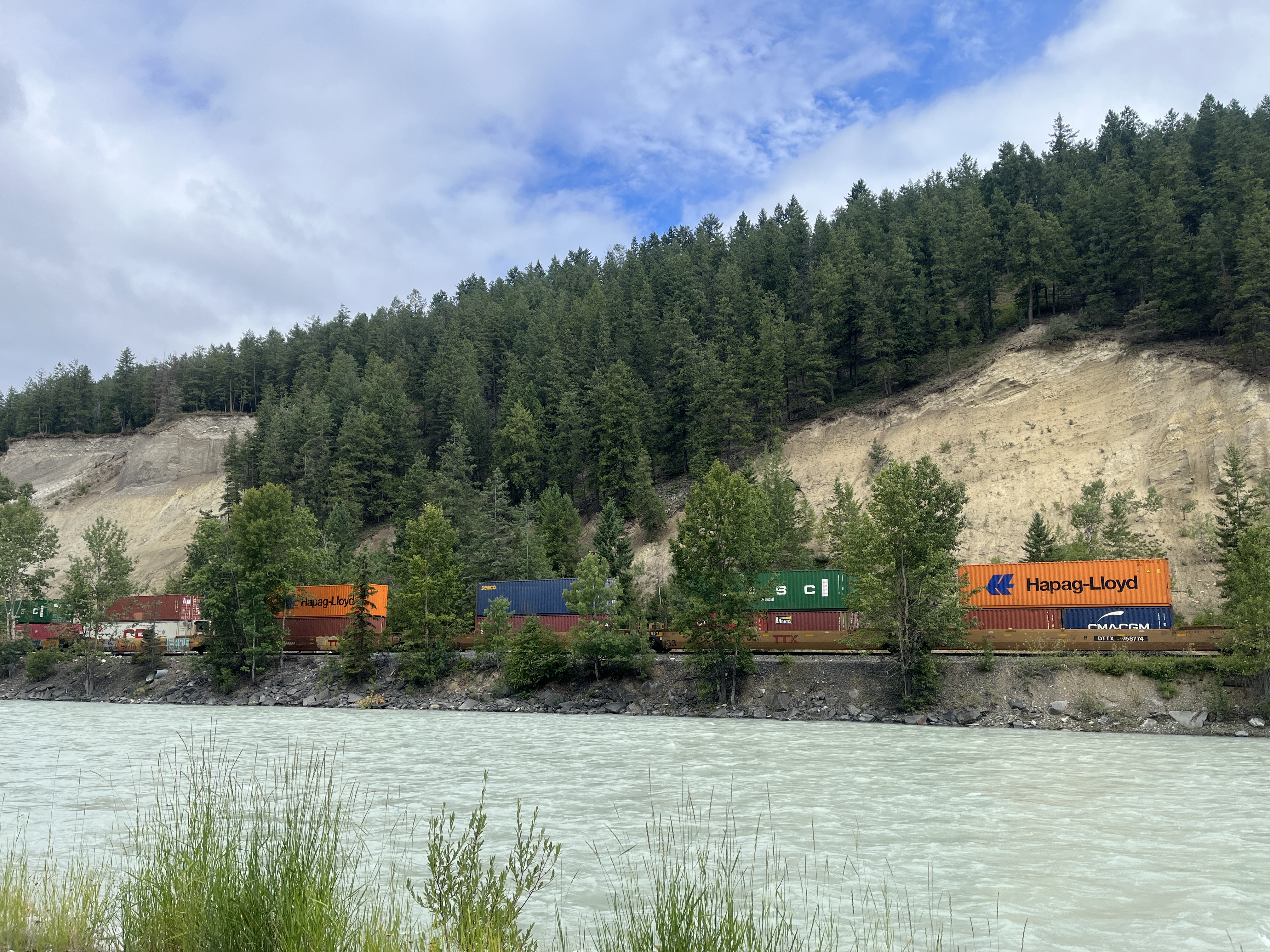
We’re used to compliments about our Lupin, she is always the ‘belle of the ball’ at any campsite. Dramatic on the outside, inside she’s cozy and warm. Shadows play on her canvas and the noises of the night may awaken you, but they accompany the scene like a grand outdoors sound track. Even the trains thundering past through the night, just on the other side of the river, weren’t bothersome but a tangible reminder of our vast country and the endless task of moving goods.

The Sibley Bell tent was invented by American military officer Henry Hopkins Sibley. Patented in 1856, the conical design stands about 3.7 metres high, 5.5 metres in diameter and can comfortably house about a dozen men. In our case, the most Lupin has slept is six adults and our grand-dog Captain… cozy indeed!
Autumn meanders… National Parks and Swiss Mountain Guides

Standard

Urged on by intimations of winter’s early arrival (but hey, it’s alway early here) we set off on one last meander. We’ve put away our glamping tent for the year, made reservations at a hotel and a lodge, and with the canoe strapped on the car, we journey from our mountain town through Kootenay National Park and, some three hours later, arrive in Alberta’s famed Banff National Park. I wrote of Banff a few years ago and never take it for granted that this international destination is in our own backyard.

Banff National Park holds the distinction of not only being Canada’s oldest National Park, but the fourth oldest in the world after The Bogd Khan Uul in Mongolia – 1783, Yellowstone National Park USA – 1872, and the Royal National Park in Australia – 1879.

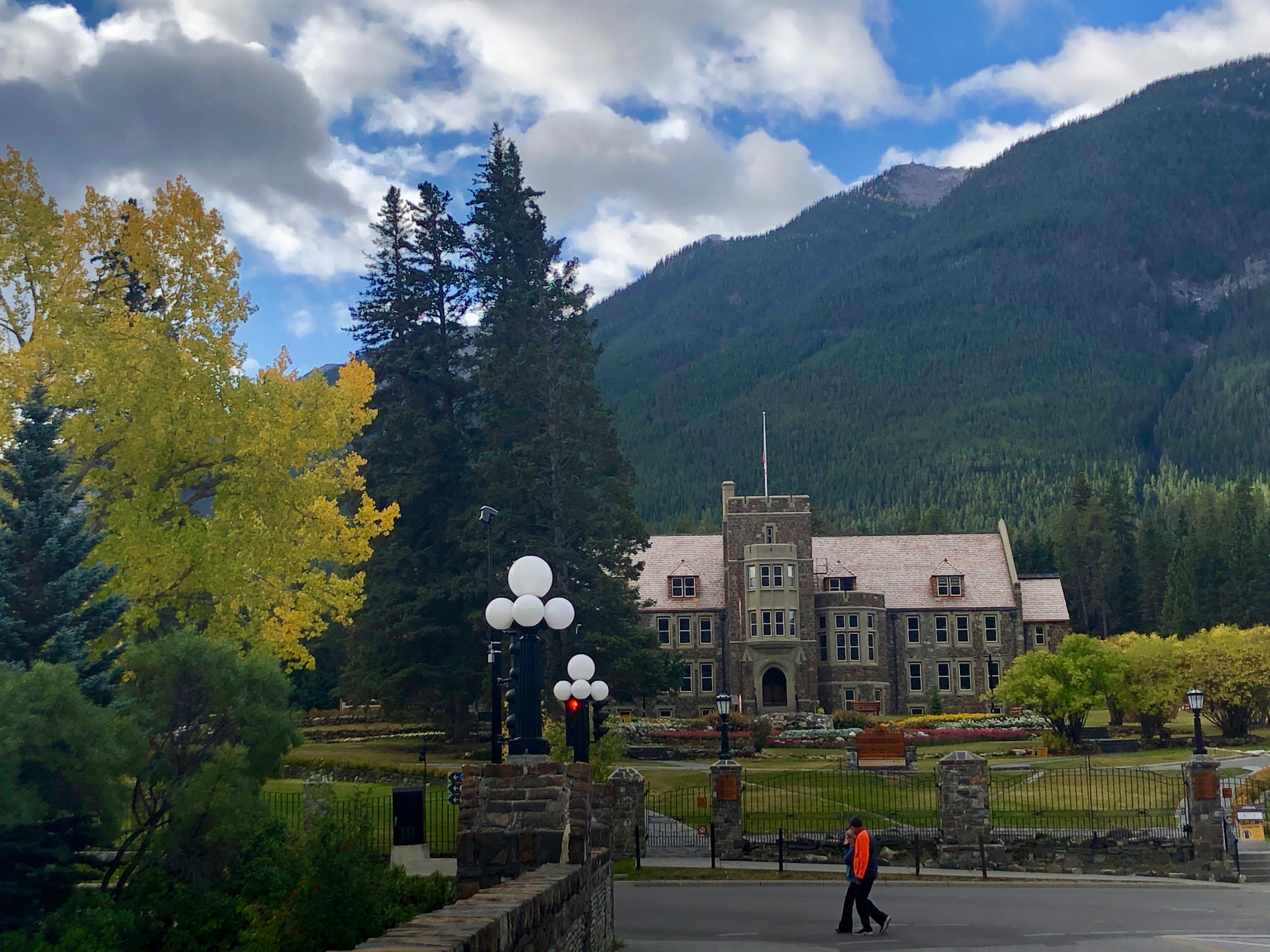
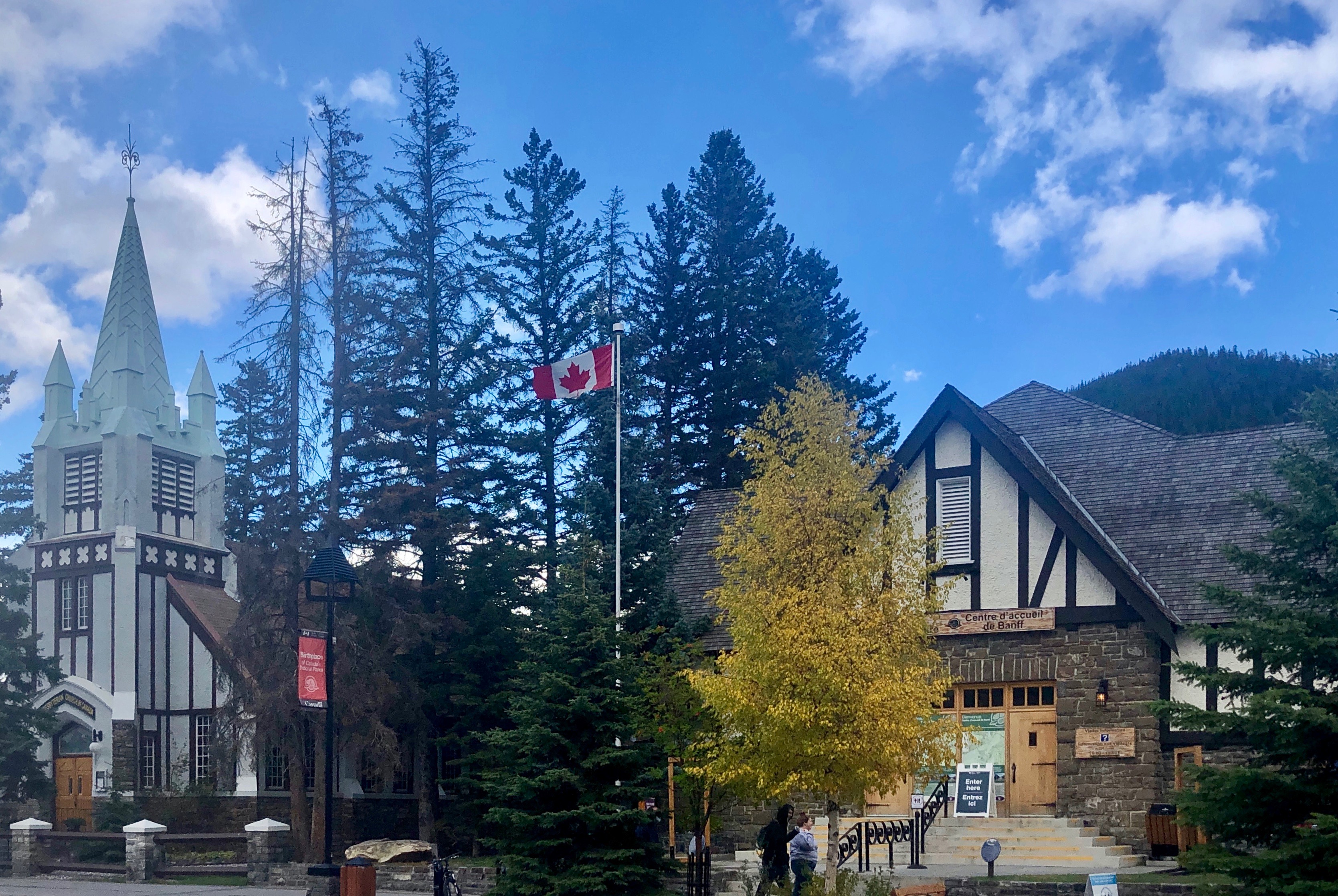
In 1885 Prime Minister John A. MacDonald set aside a small tract of land (while, sadly, removing the people of Stoney Nakoda First Nation between the years of 1890 to 1920’s) to establish the park. It soon attracted residents, tourists and sportsmen alike, in time becoming a playground for wealthy Europeans and American tourists. Today, the vibe along Banff Avenue, in the hotels, on the hiking, biking, skiing trails is a blend of nature and small town life… the highest town in Canada at just over 1300 metres.

We check into the Rimrock Hotel and it strikes us how strange it is to be in a hotel again, wonderful, but mildly disorienting during the ongoing pandemic. We welcome that masks are mandatory, inside and outside, and even as people socially distance, Banff bustles as always.

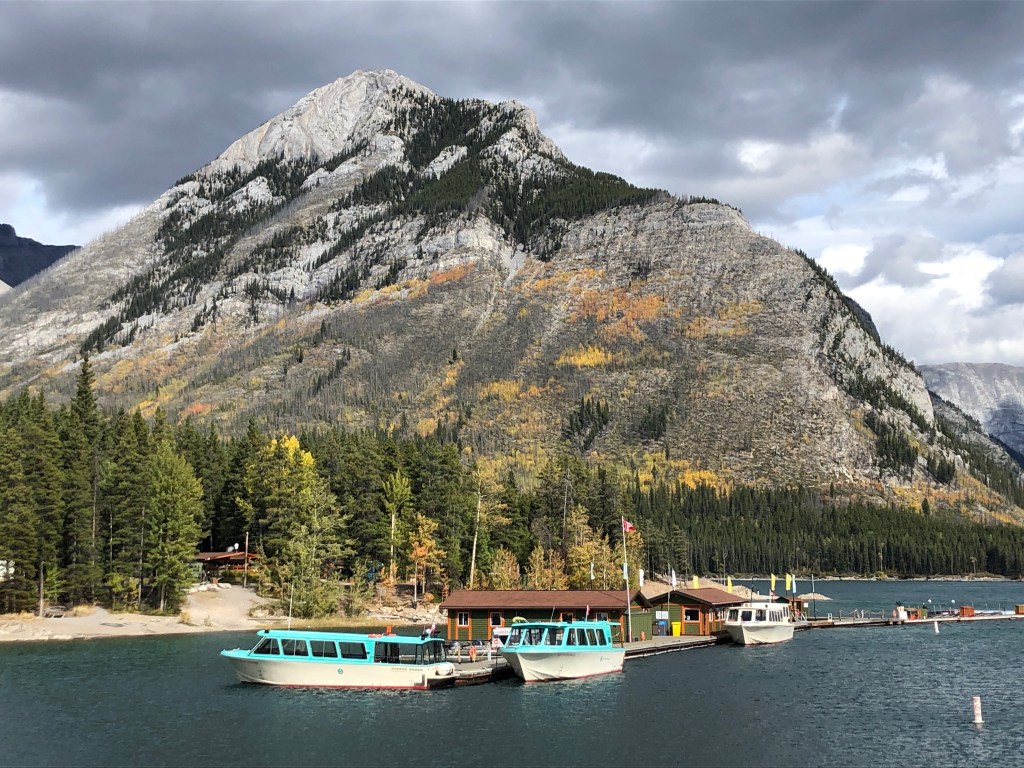
We hike a little, not far from the townsite, where Lake Minnewanka and its environs proclaim the wonder of autumn… russets, oranges and golds in a resplendent canvas. For more than one-hundred centuries, the First Nations hunted and camped along these shores of Mine-waki or Lake of the Spirits, both fearing and respecting its resident spirits. There are few remains of the summer village later established here in 1911, but then as now, boat cruises afforded the most spectacular views.

We choose to hike instead of taking to the water, conscious of and hoping not to encounter grizzly bears. This is the time of year when mamas and their cubs forage buffalo berries before hibernation…. the beauty surrounding us takes my mind (mostly) off their undoubted presence. The scenery is breathtaking and I’m reminded of our great fortune to have these National Parks; they are a gift to the people, to the earth.

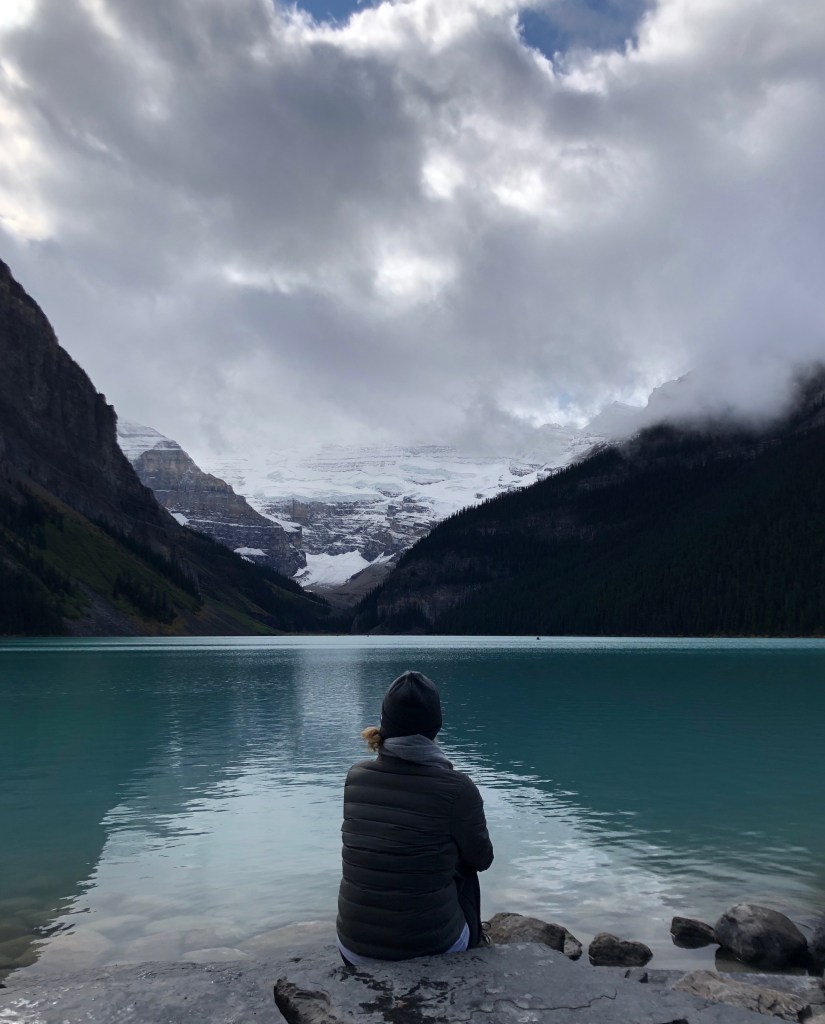
Leaving Banff, we drive north through the hamlet of Lake Louise stopping at the glacial lake itself. Tourists pose briefly for photos but I take a while, gazing out towards Mount Leroy, Mount Victoria, Mount Whyte. They are already snowy-wrapped as they anchor the striking emerald lake and the renowned Fairmont Chateau Lake Louise.

Gazing out to Lake Louise

Onward to our next destination, to another emerald-hued lake, aptly named Emerald Lake, which lies in Canada’s second oldest park. Yoho National Park in British Columbia was established in 1886 and in the local Cree language, yoho is an exclamation of awe, of wonder. It applies perfectly to the park’s expansive glaciers, impressive waterfalls, soaring peaks and ancient forests.

A few kilometres before the Emerald Lake turnoff, we pull into the small town of Field. Nestled at the foot of Mount Stephen, it is a gem, a gathering of history where mining preceded the settlement necessary for the advancement of the railway over the Kicking Horse Pass in 1883. A smattering of tents and timber shacks housed construction workers for the Canadian Pacific Railway; then eventually a name change to Field in the hope of wooing a would-be, but ultimately unrequited, American investor.

It’s a cold, misty afternoon as we enter the town. The deep rumbling of a CPR train echoes through the valley as it slowly grinds to a halt, stopping precisely in front of the old Telegraph building. The train seems like ‘a mile long’ but unlike the past, groups of tourists do not hasten off the train to dash-off a quick telegraph during their 20 minute stop.

Imagine it’s the late 1880’s. As in Banff and Lake Louise, the CPR has built yet another hotel to attract tourists and capitalise on the stunning scenery. Yet this smaller hotel in Field is initially designed as a simple meal stop between Banff and Golden – the steep grade of the ‘Big Hill’ at Kicking Horse Pass rendered dining cars too heavy to haul. By 1902 and with a major expansion, Mount Stephen House is as lavish as the outdoors is wild. Wealthy visitors ride the rails, soon stopping for the health, recreation and sheer pleasure of the mountains.

As I read about the Mount Stephen Hotel, I come across this fond endorsement:

“No intimation was given to me, that I should find Field a charming place and it has been a pleasant surprise to discover in the heart of the Rockies, as delightful a nook as any person may desire.” Edward Whymper 1901, First mountaineer to climb the Matterhorn.

His quote leads me deeper into the fascinating history of Swiss guides in the Canadian Rockies. It starts partly in Banff, in Golden, in Field, where to stimulate tourism, and to radiate confidence, experienced Swiss guides were brought in to escort amateur mountaineers. After a climbing accident of an American climber in 1896, the CPR realised the value of these seasoned experts and indeed when Englishman Edward Whymper, renowned for ascending the Matterhorn, promoted the Canadian Rockies as “50 Switzerlands in One“, the Rocky Mountains entered the world stage… waiting to be scaled and explored.

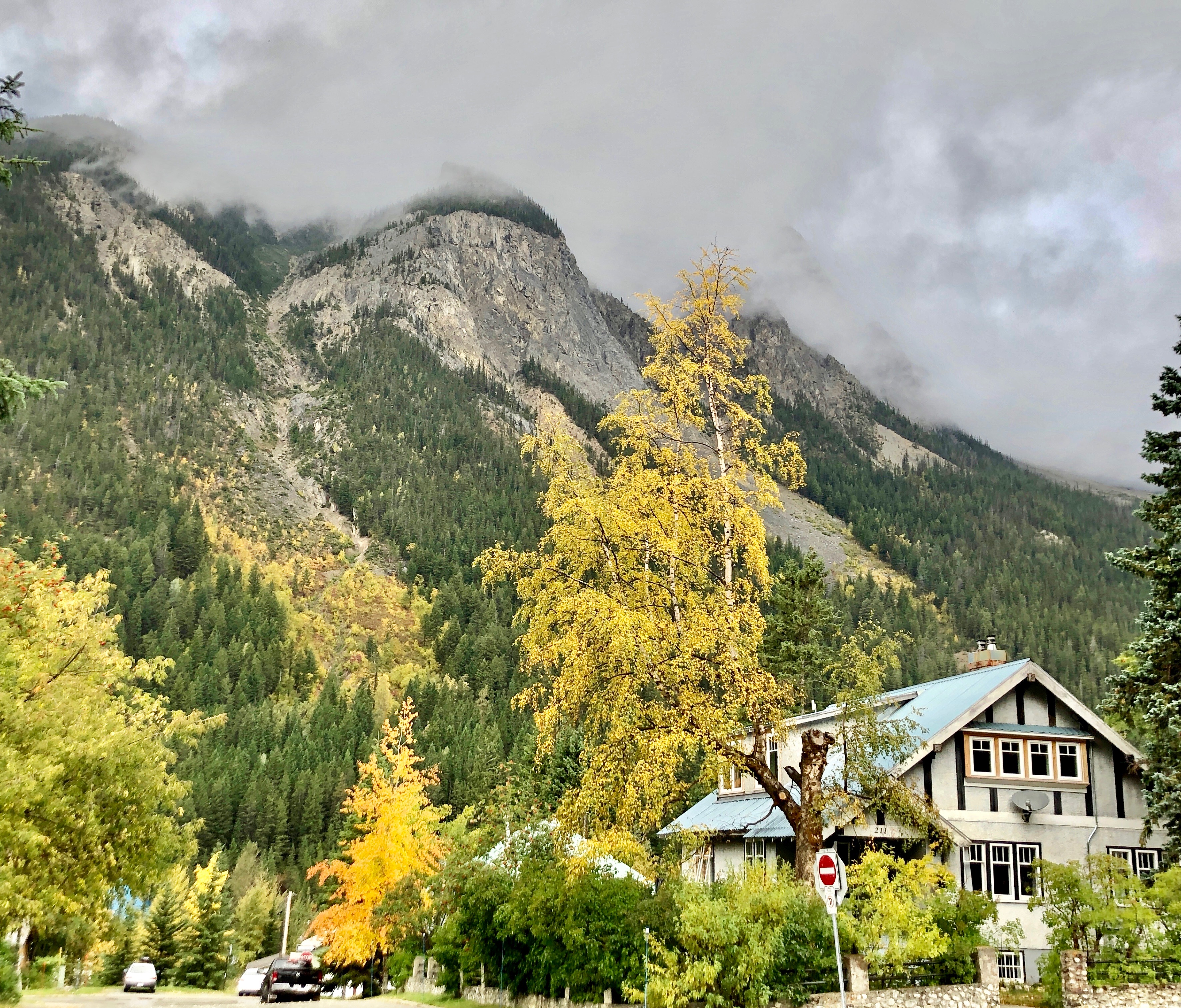
Swiss mountaineers were employed during the summers, returning home to Switzerland over the winter, though a number over-wintered working as caretakers for the seasonal CPR hotels. Of the fifty-six first ascents of mountains over 3000 metres prior to 1911, not less than 50 first ascents were made under the steady hand and sure foot of these experienced men. By 1925, CPR’s 35 Swiss Guides had led more than 250 first ascents in the mountains of western Canada. With no fatalities in their care, and perhaps basking in their reputation as gentlemen and colourful characters, many would bring their families to make Canada their home – especially in Golden at the purpose-built Edelweiss Village. A few striking houses still remain, high above the town on the eastern flank of the Rockies.

Today, Swiss guides are credited with laying the foundation for the birth of skiing and perhaps even shaping winter sports as a pastime in Canada. Their legacy also remains in the names of our mountains, our ‘Swiss chalets’ at ski hills, not to mention our propensity for Swiss fondues after a day on the slopes!

Swiss Guides and their namesake mountains

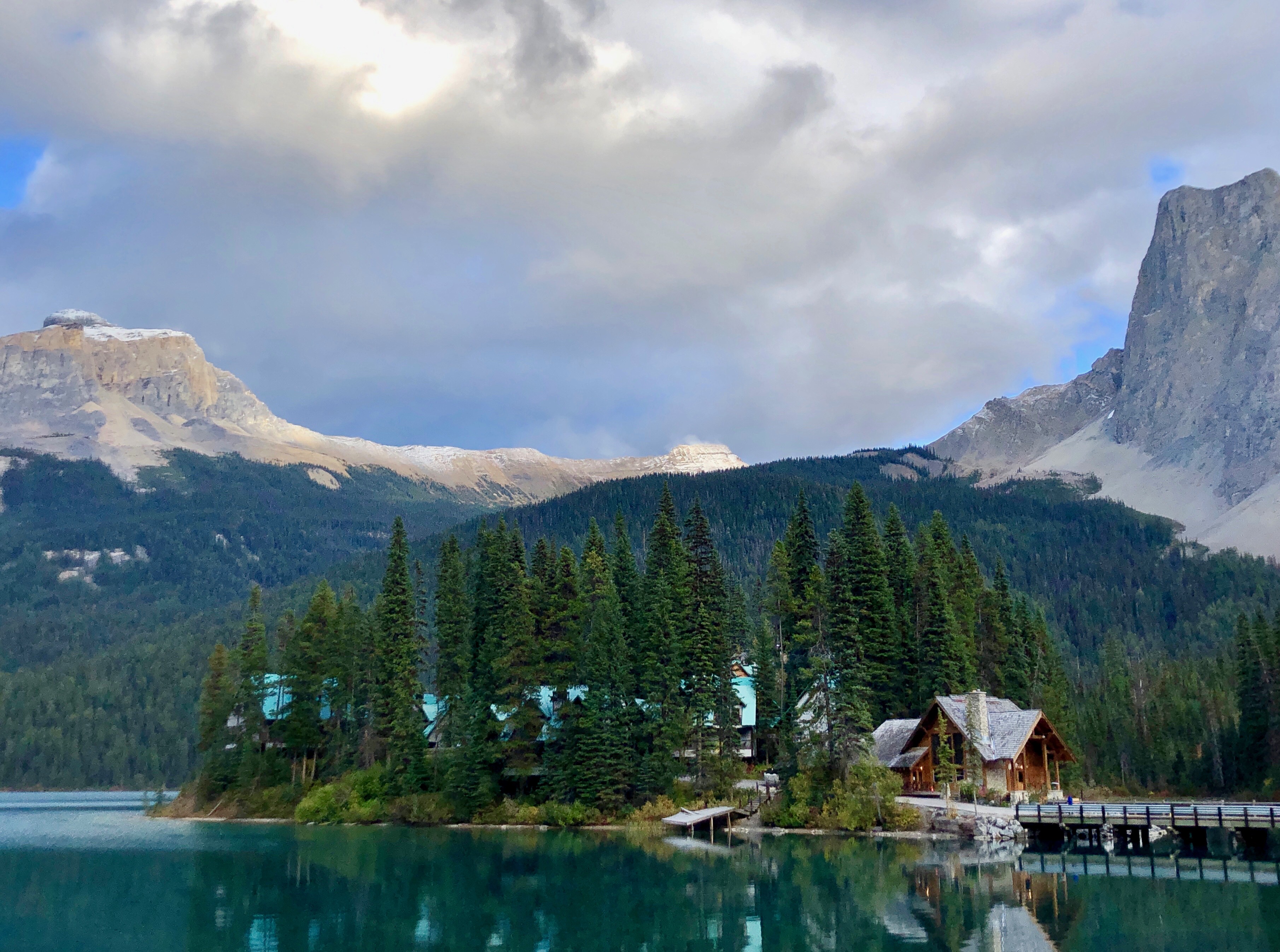
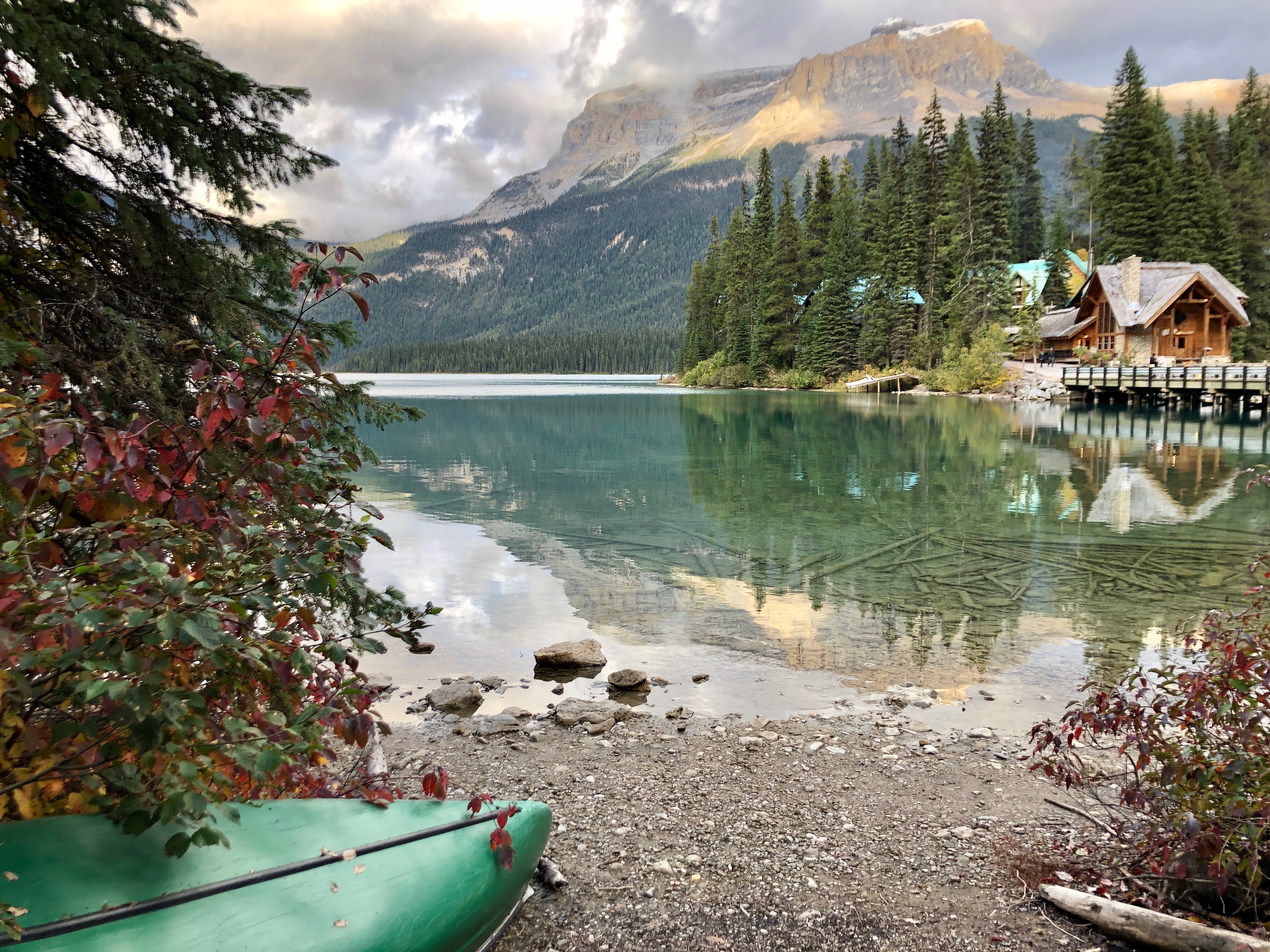
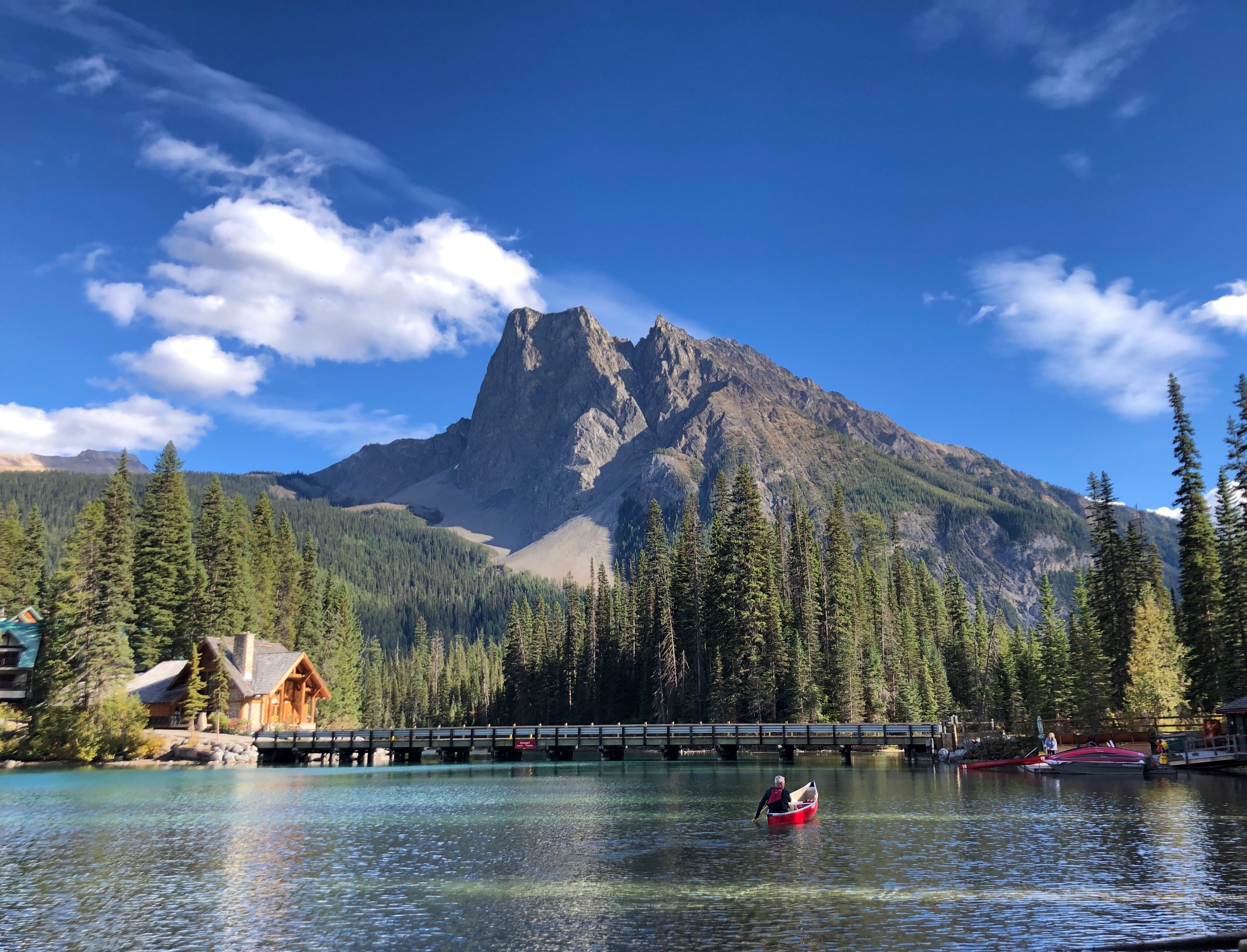
We meander onward from Field to our final destination, Emerald Lake, the darling of Yoho National Park. Although it’s our first time here, the lake’s image is iconic Canadian… and is as stunning in person as it is in photos. The lake derives its vivid colour from powdered limestone and nestles under Mount Burgess of the famed ‘Burgess Shale’ – the fortunate preservation of middle Cambrian (508 million years old) fossil beds, yielding species never before seen. The basin traps epic storms, and moisture, nurturing forests of western cedar and yew, hemlock and white pine.

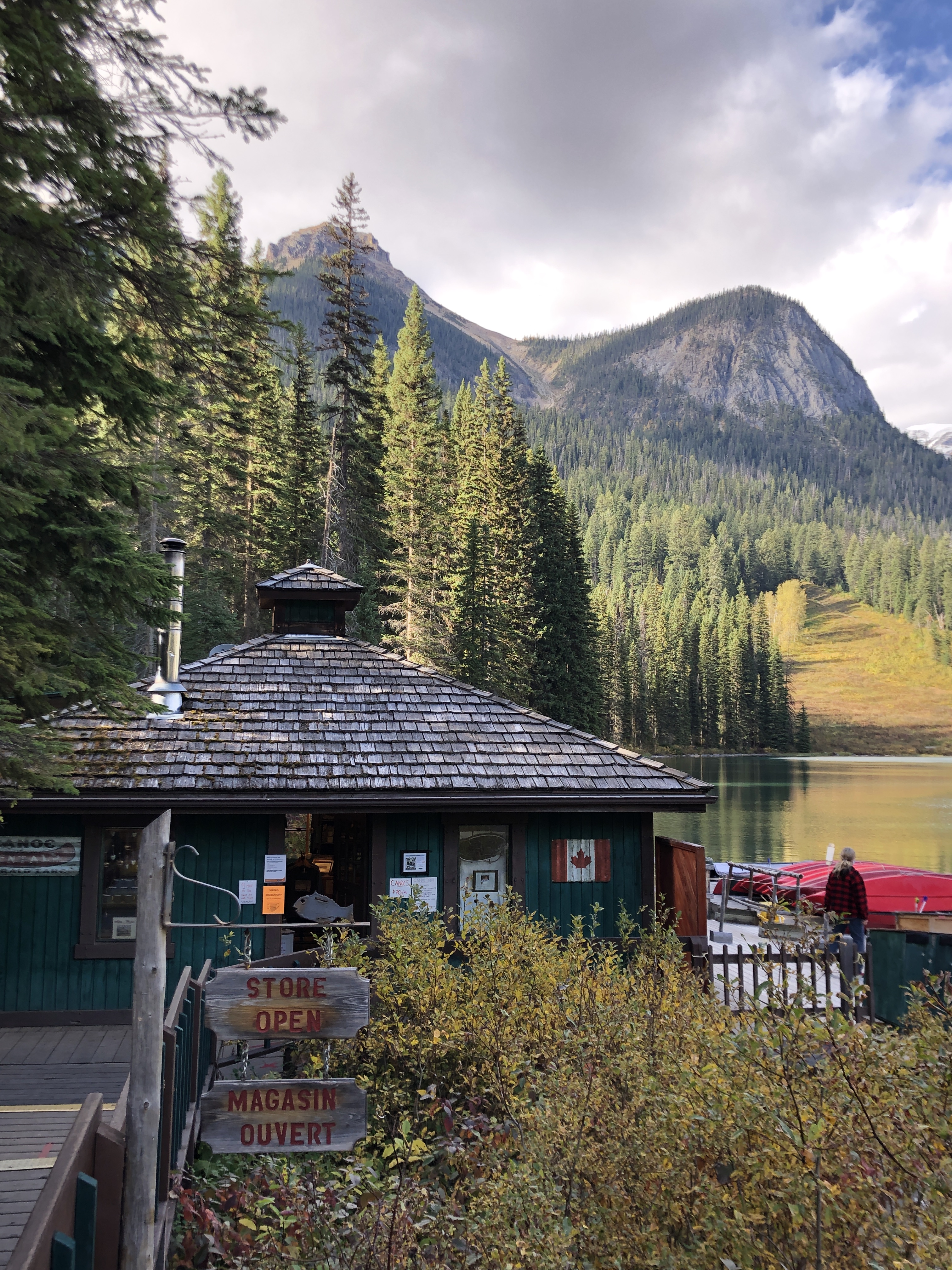
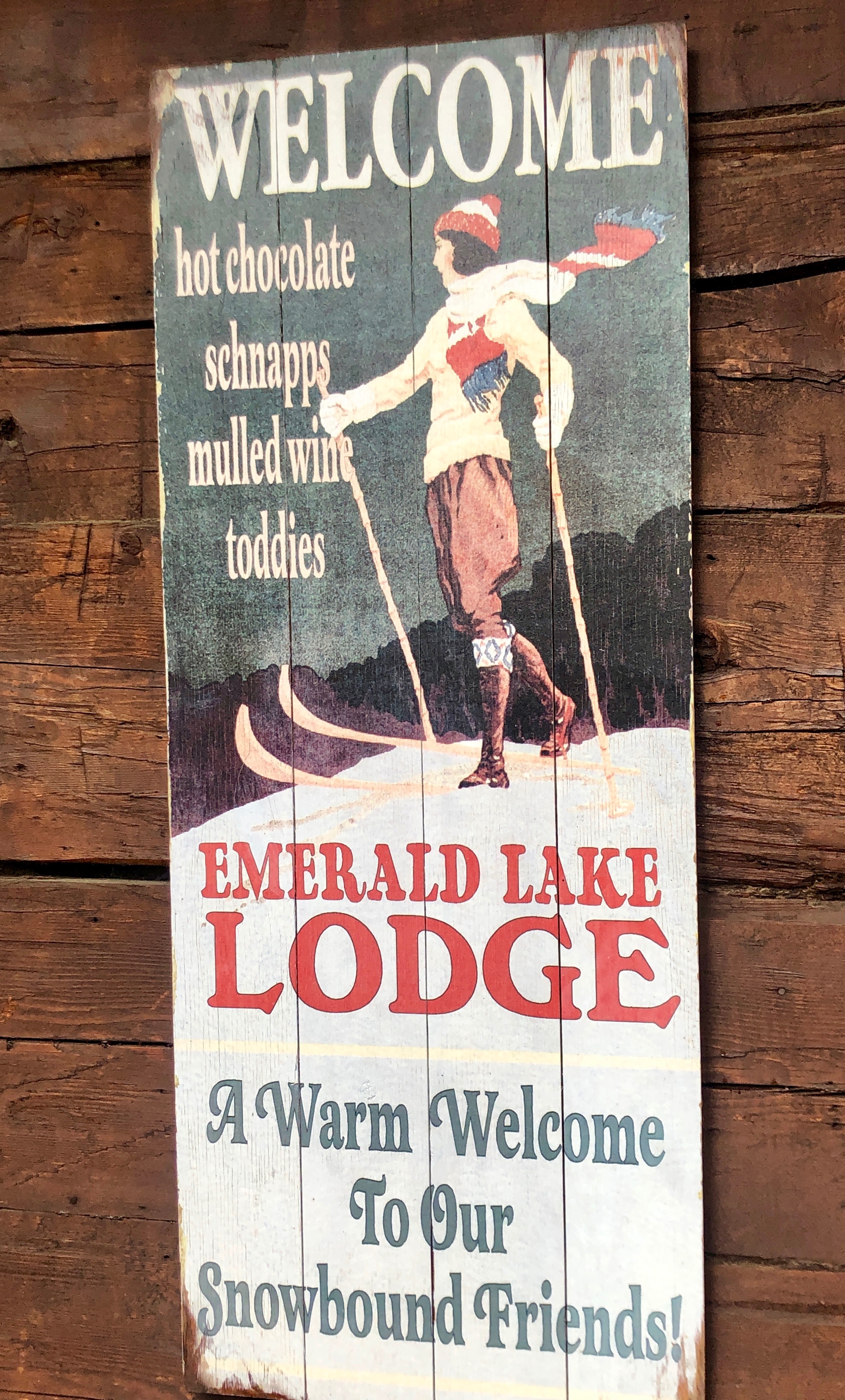
We walk the five kilometre route around the lake, marvelling at the old growth, savouring the birdsong, glimpsing the shimmering lake through the thick forest. We stay in the Emerald Lake Lodge, remembering the first tourists and the Swiss guides. We chat with the staff, gathered from other parts of the world who are having their own unique experience in the Canadian Rockies.

And finally, we heave that red canoe off the car. It’s a cool but sunny, clear afternoon and we spend hours on the serene lake. It is simply spectacular in a way that can defy description – and so, abandoning my search for new descriptive adjectives, let’s simply call it ‘Canadian-National-Park-iconic’. In the middle of these emerald waters I spread my arms wide and yell –”Yoho!”

Throughout the long paddle, we gaze into the turquoise water, up to the looming mountains, and over to each other and agree… this is the perfect ending to the season.