
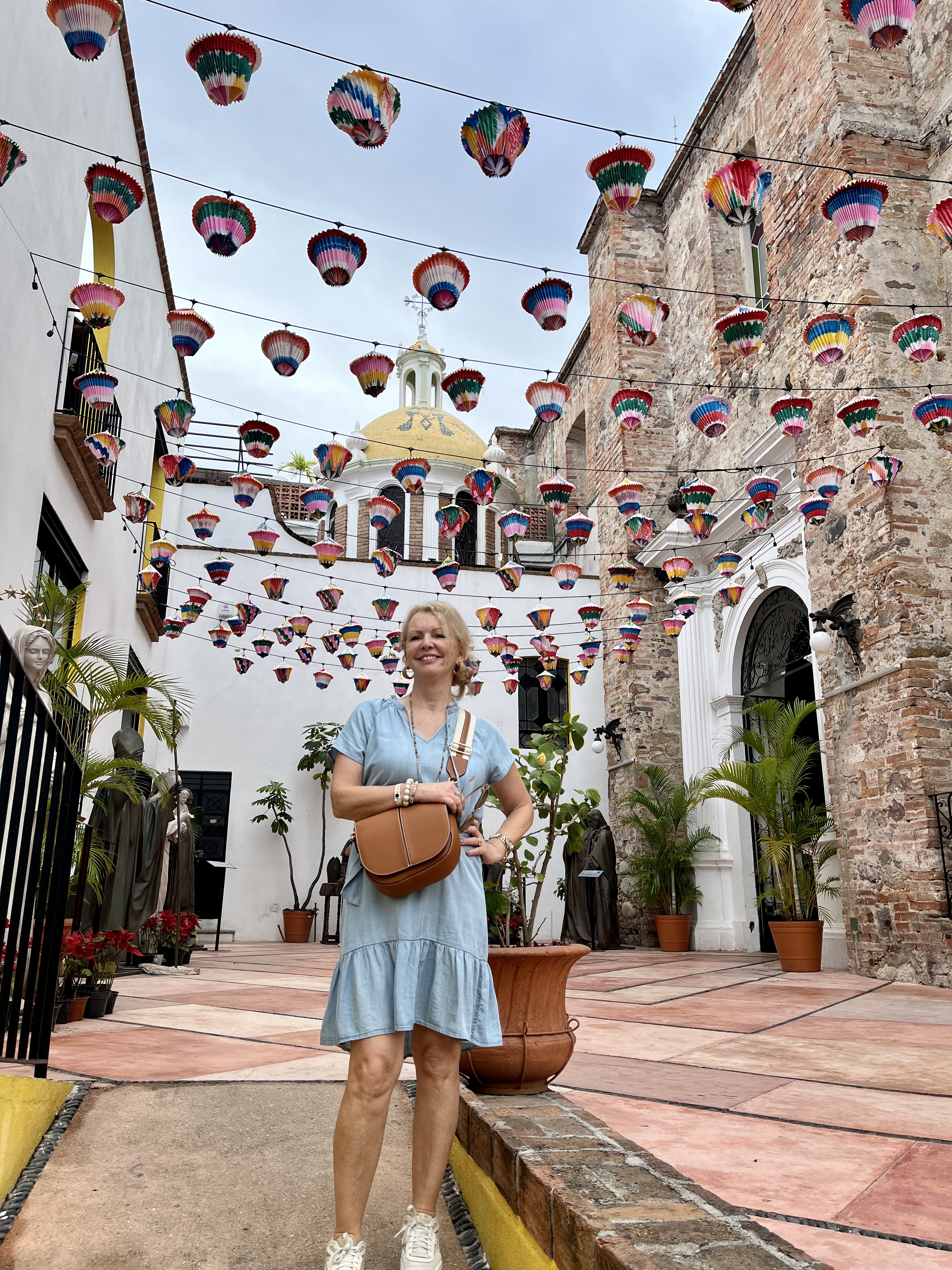

They flutter and wave gently in the breeze; evocative, colourful and providing just that little hint of shade and shadow. Called papel picado (perforated paper) this traditional Mexican decorative craft instantly charms and intrigues me. Throughout our eleven days on the Pacific coast I encounter these small celebrations of shape and design everywhere, often themed to reflect some aspect of the town. Celebrated for their cultural significance, they are also much beloved… even notable papel picado artists are a living cultural heritage, their work often displayed in prominent museums.
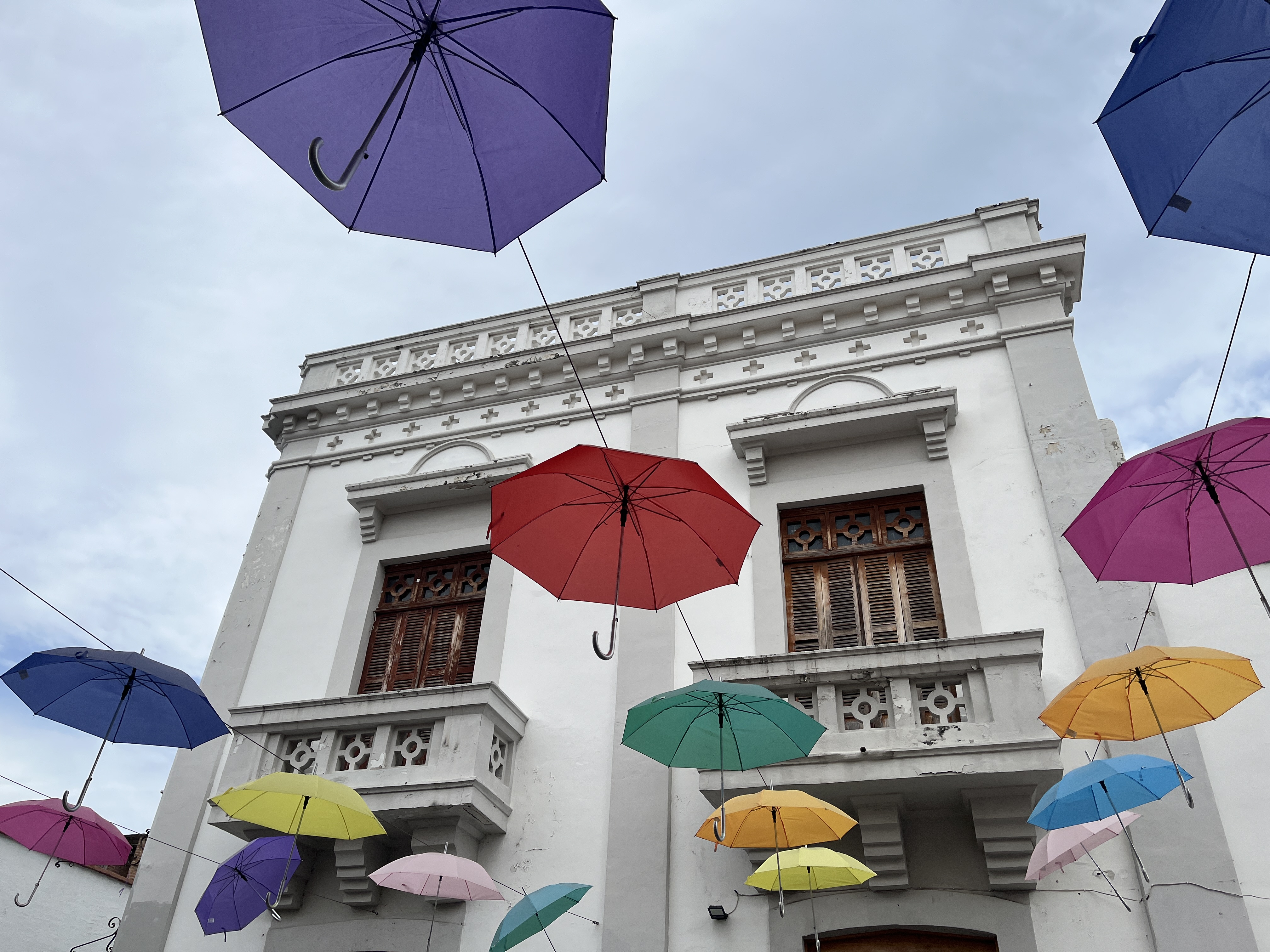
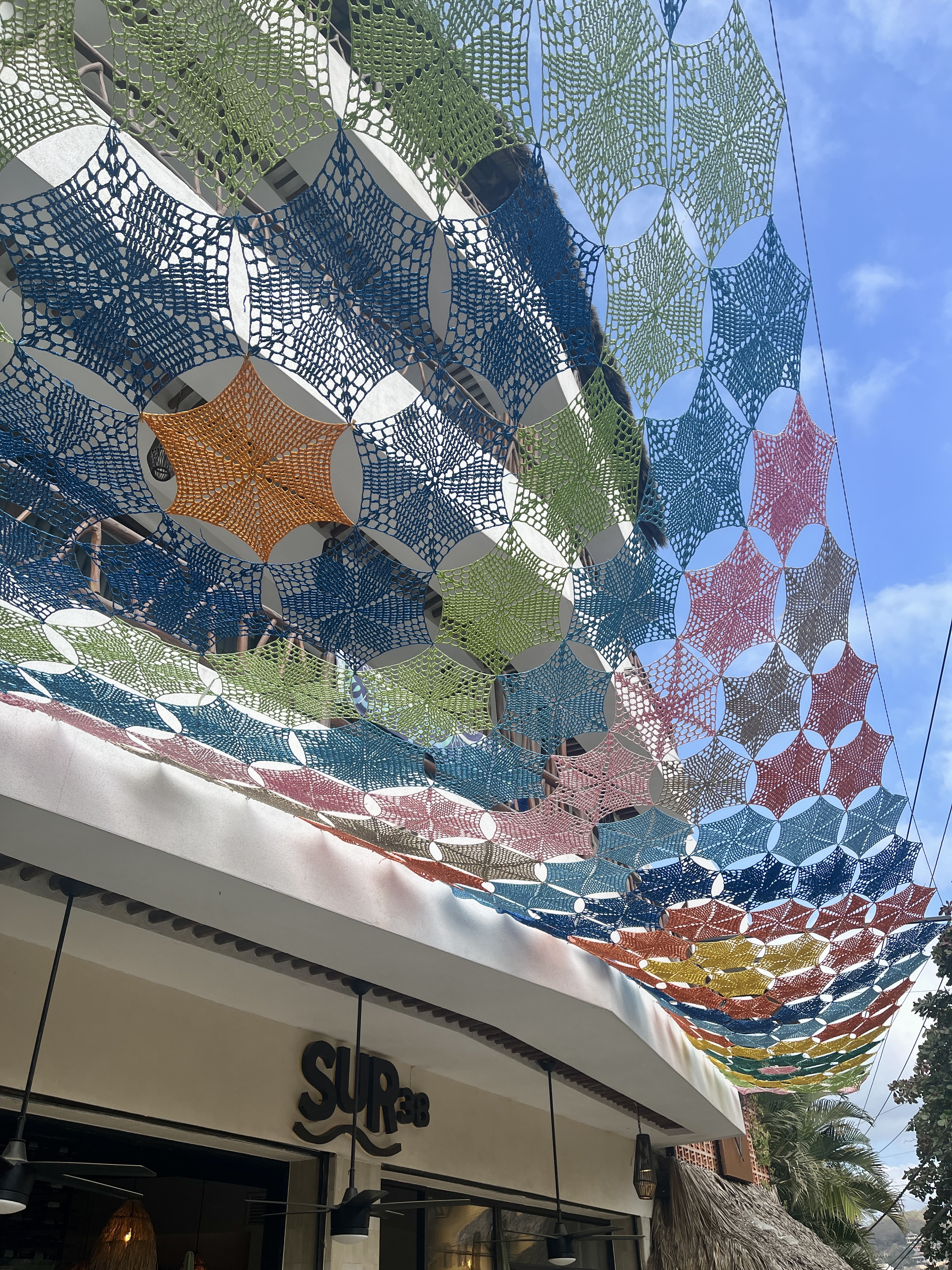
Papel picado feels like a natural complement to the vibrance of Mexican life, along with the buildings in rainbow hues, the vivacious flowers and lush tropical greens. In early Mexico, the Aztec used mulberry and fig tree bark to make a rough paper called amate, then chiseled figures into it, eventually evolving into this perforated art form. Artisans usually layer 40 to 50 layers of tissue paper and punch intricate designs using a type of chisel called a fierrito. Nowadays, most in public spaces are made of plastic yet the concept continues as I see umbrellas and crocheted pieces of yarn working the same magic as traditional papel picado... so delightful!
Puerta Vallarta



To kick off our trip, we choose Puerta Vallarta’s bustling Romantica Zone for four nights. From our older but well-situated hotel on the beach, we explore the many areas of Vallarta by foot. The city stretches along the coast, nestled between gentle verdant hills and the constant crash of Pacific Ocean waves.
We find fantastic restaurants to indulge ourselves, from the simple and authentic to the touristic and pricey… and absolutely, sampling guacamole and salsa become almost a twice-daily ritual! We enjoy live music, stroll the Malecon, attend an Art Walk, and I fill my suitcase with a few artisanal pieces. And of course, we simply spend a little time on the beach and revel in the exquisite sunsets.

On day three, we escape the city and hop on the bus at Station 3; the bus system is efficient and costs just a handful of pesos. As the lumbering bus snakes its way south along the coast, we drive past Boca De Tomatlan and the village of Mismaloya where the movie The Night of the Iguana was filmed in 1964. Starring Richard Burton and Ava Gardner – spiced up by the frequent visits of Elizabeth Taylor with whom Burton was having an affair – the extensive coverage helped catapult Vallarta into the tourist destination it is today.
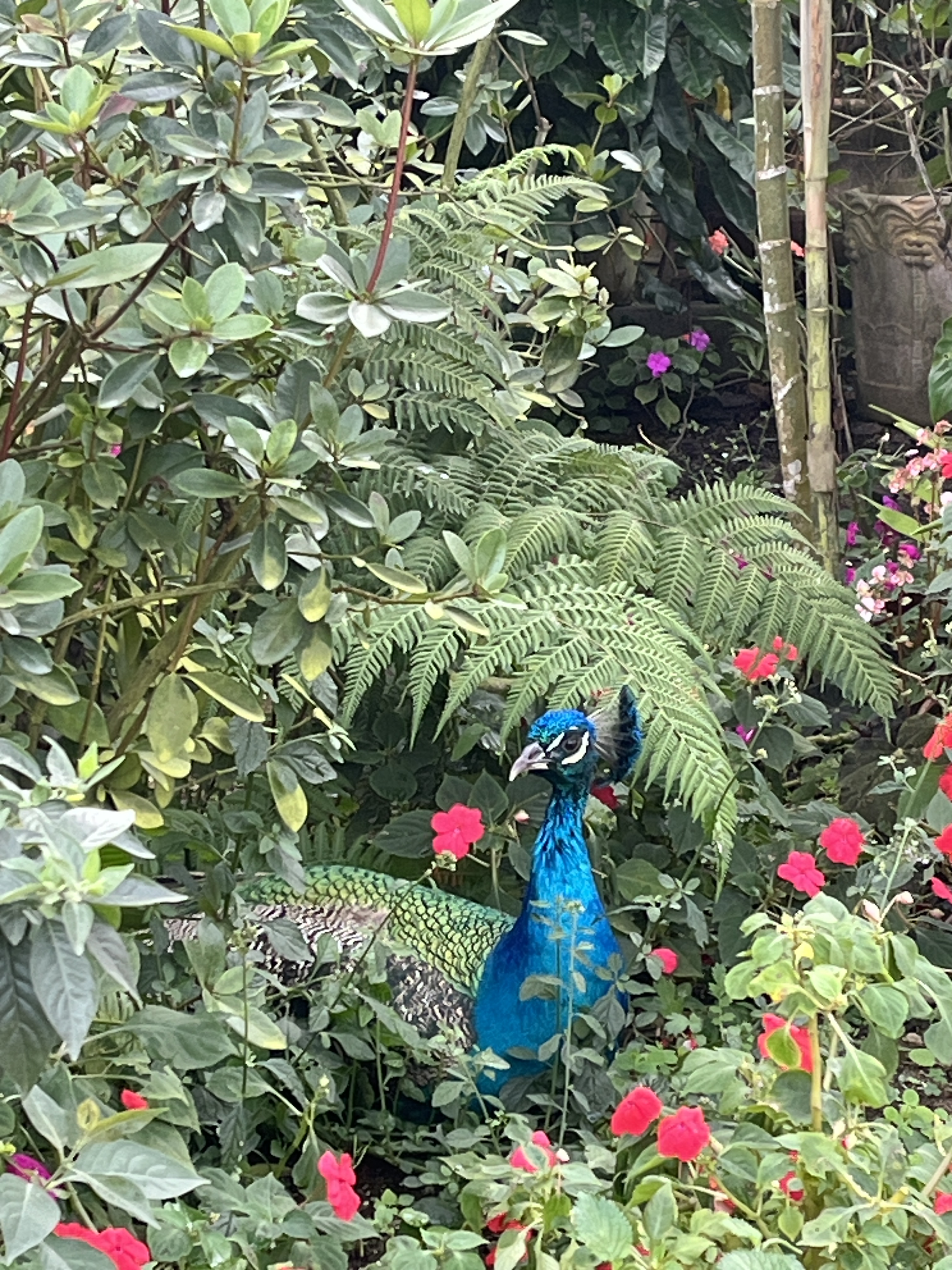
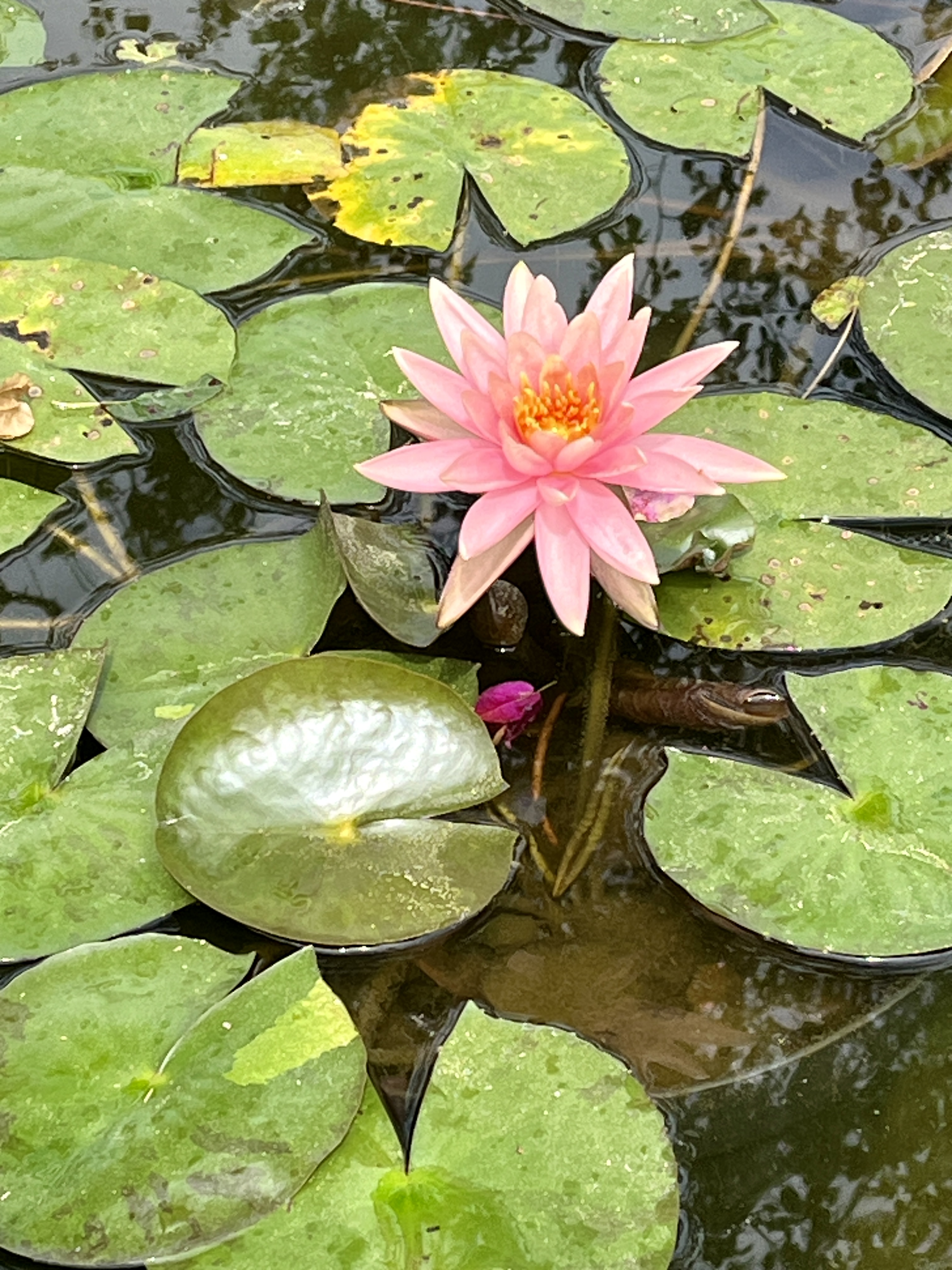
This large bay had once helped protect the cargo ships sailing the galleon trade route to the Philippines which started in the mid 1500’s. Banderas Bay and the area was eventually a hub for silver mining and palm oil production, yet from the mid 1800’s local vacationers pre-empted todays tourists and enjoyed the endless beaches, many now dotted with resorts. As we alight from the bus at our destination, Vallarta Botanical Garden, we arrive at a magical space. At once, a feeling of serenity envelopes me as the explosion of unique plants and birdsong welcomes us.
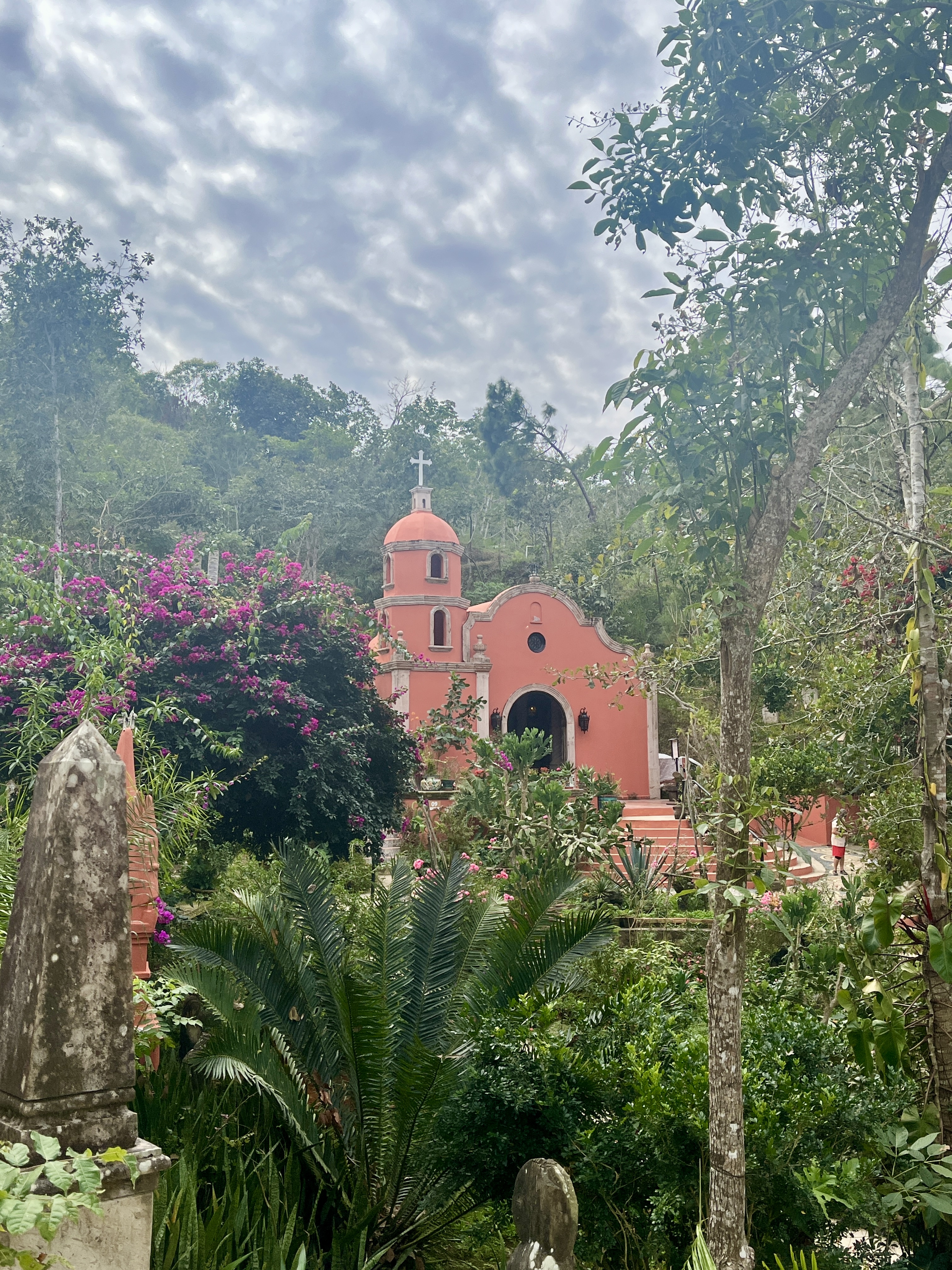
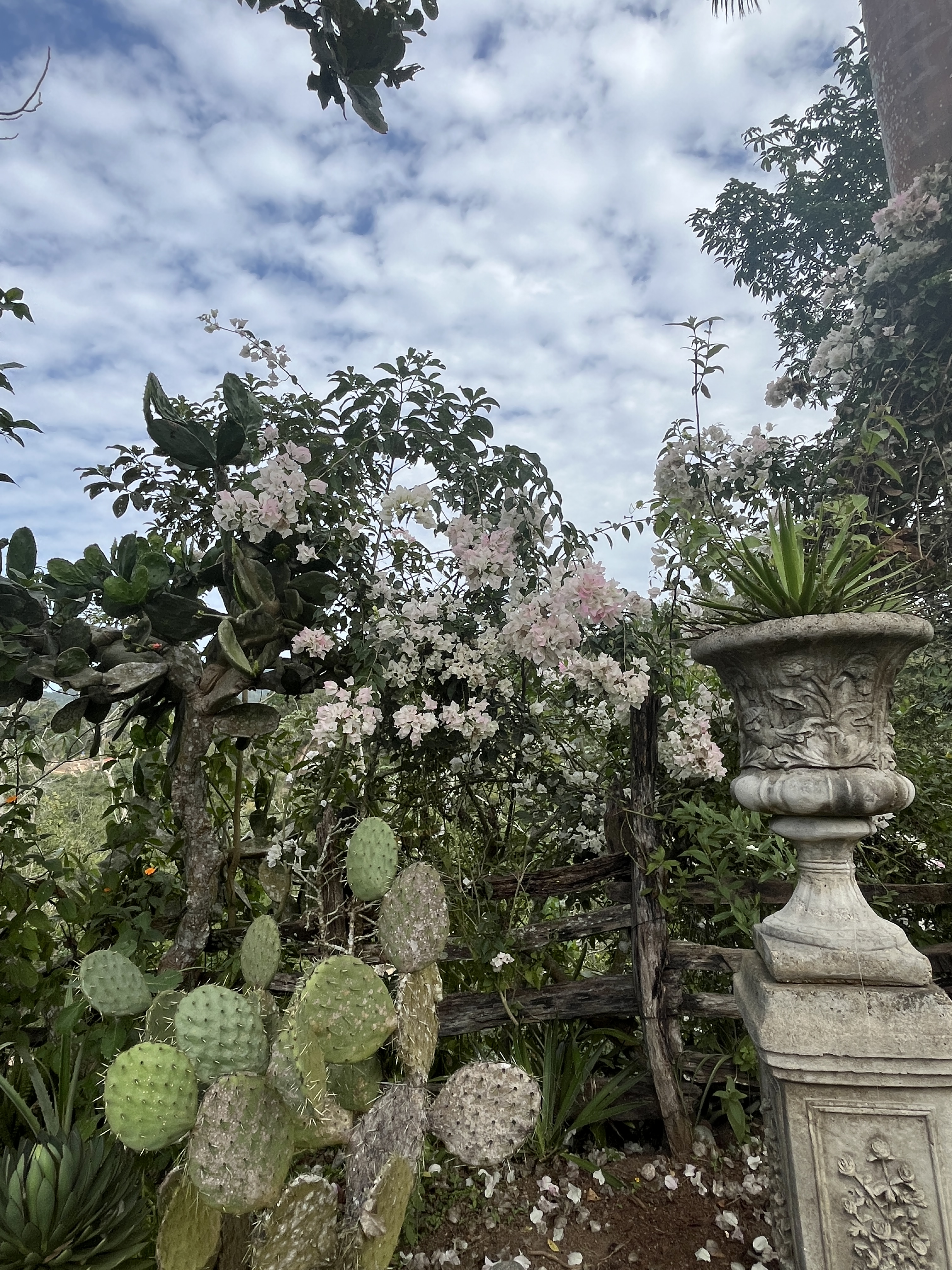

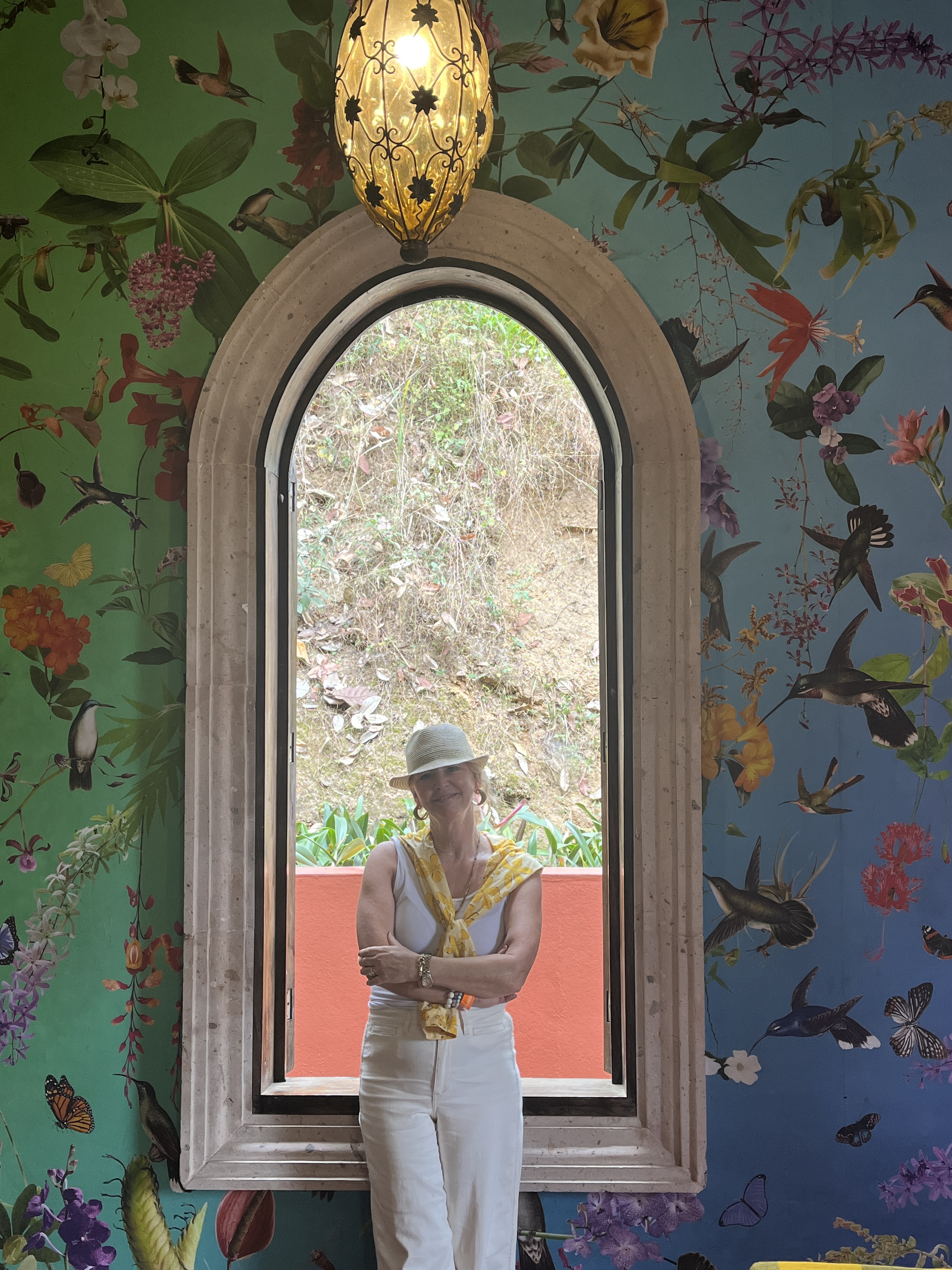
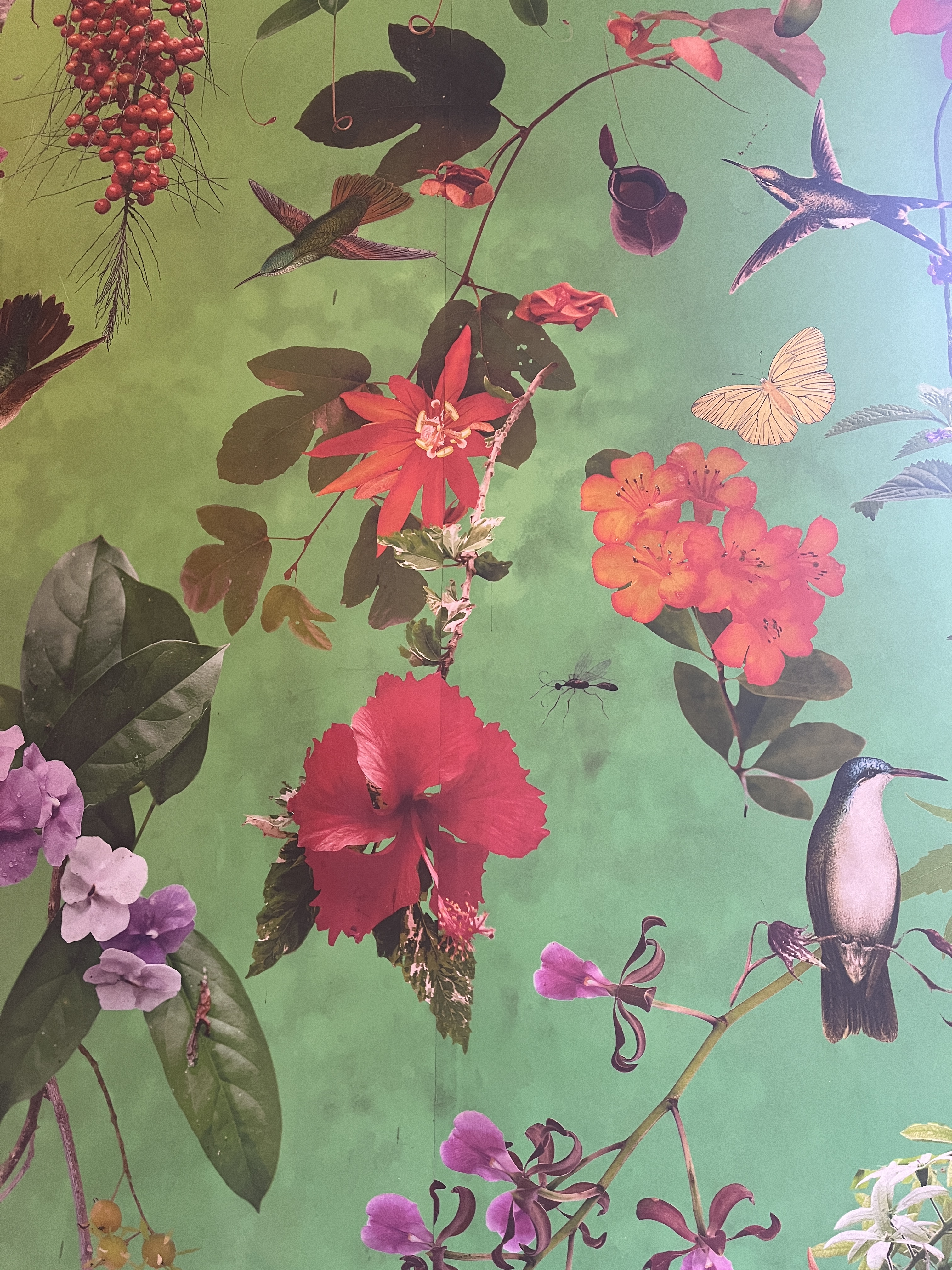
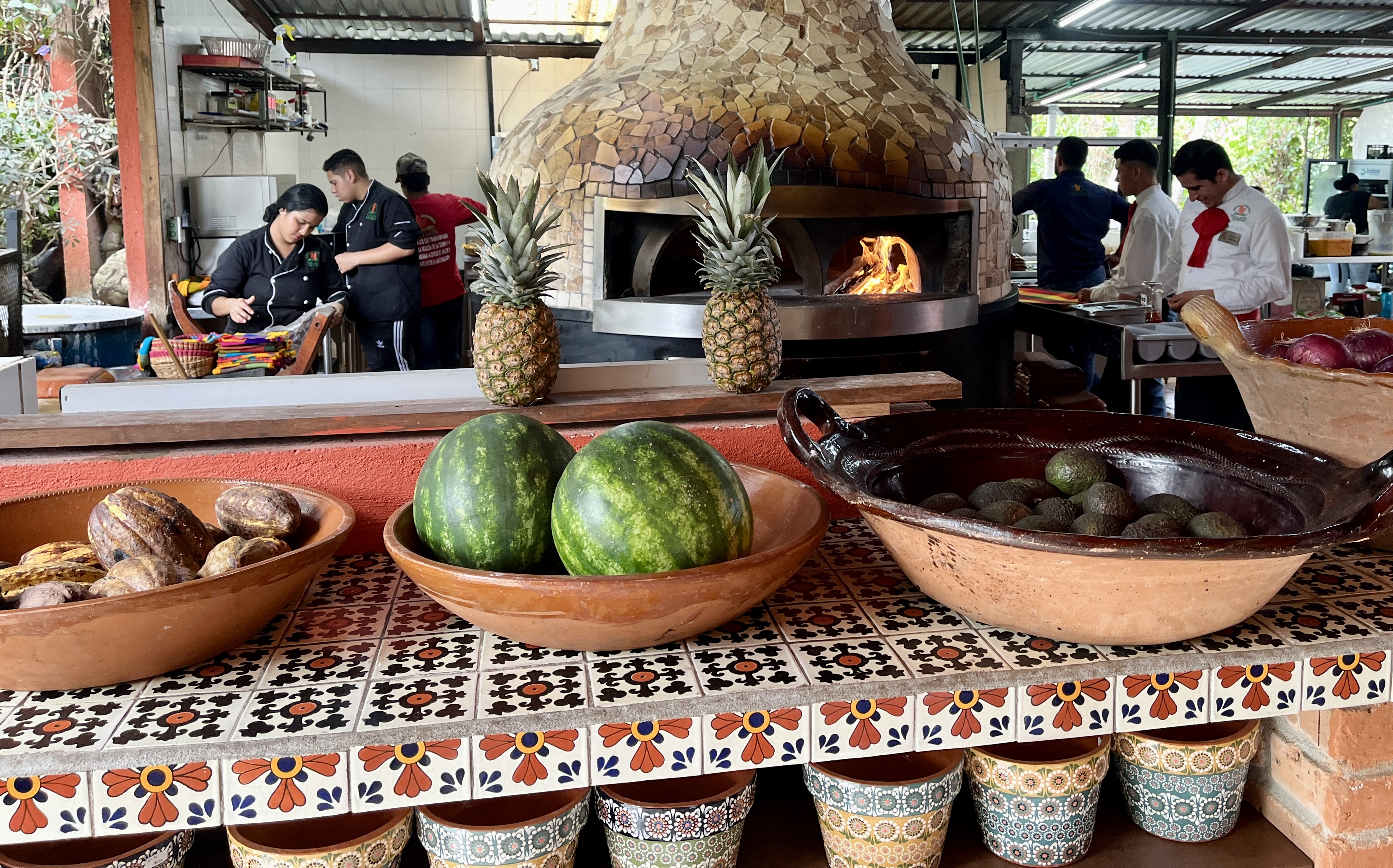
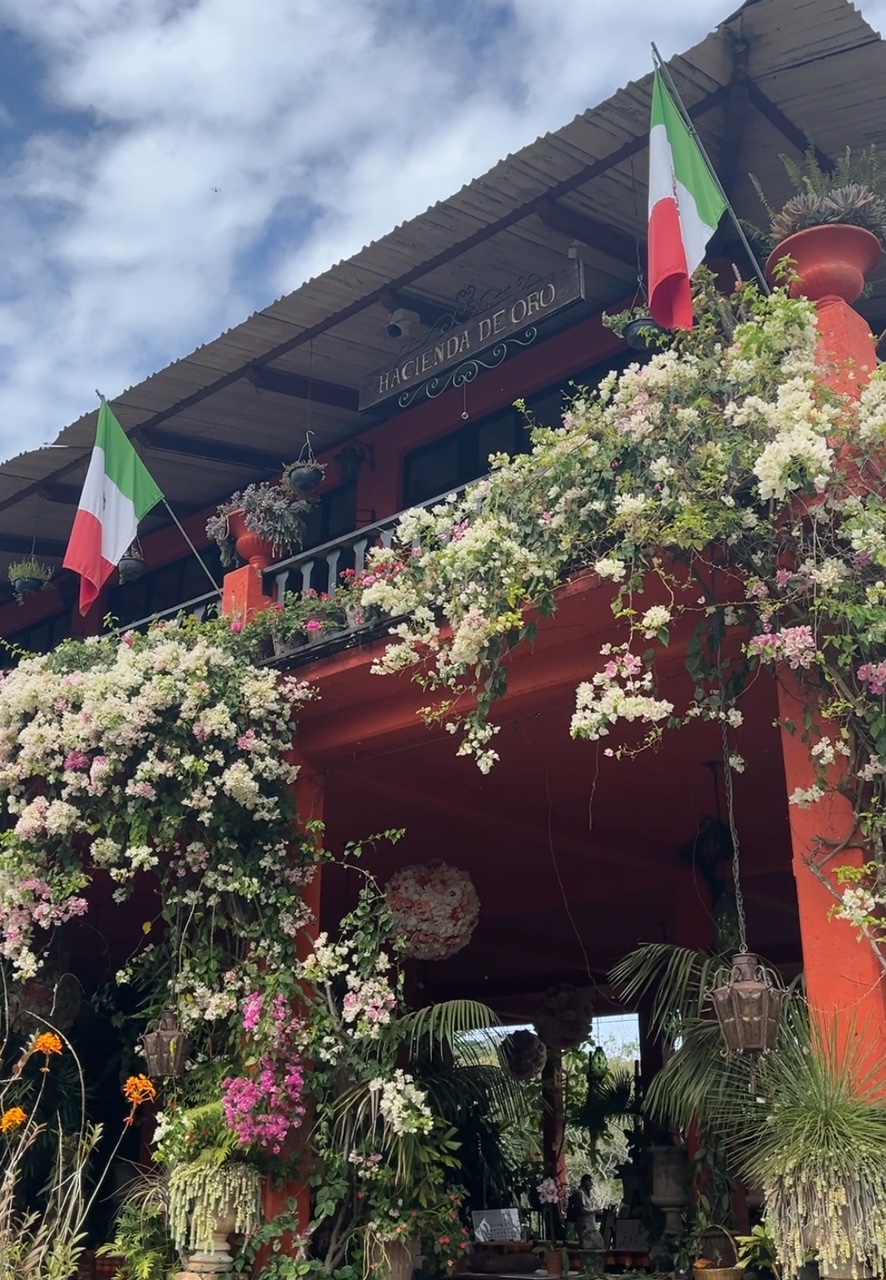
The Botanical Garden has been a top conservation leader in Mexico since 2004, playing a vital role in the conservation of the military macaw and Mexican native plants, especially the propagation of orchids. As we wander amongst the towering palms, cacti, bougainvillea and so much more, we find the romantic Our Lady of the Garden Chapel nestled amongst the verdant setting. It beautifully interrupts the scene with a mission ‘to inspire the human spirit to live in harmony with the natural world while promoting peace and understanding among diverse cultures and faiths.’ Once inside, a modern day fresco bursts on the walls ‘in honour of hummingbirds and pollinators, the little angels, that dance around the chapel’. Beautiful, such a glorious, modern celebration of flora and fauna. We finish our visit with a late lunch at the Hacienda de Oro. With outstanding views, delicious food and live music, it’s a must visit!


San Francisco, aka San Pancho, on Riviera Nayarit
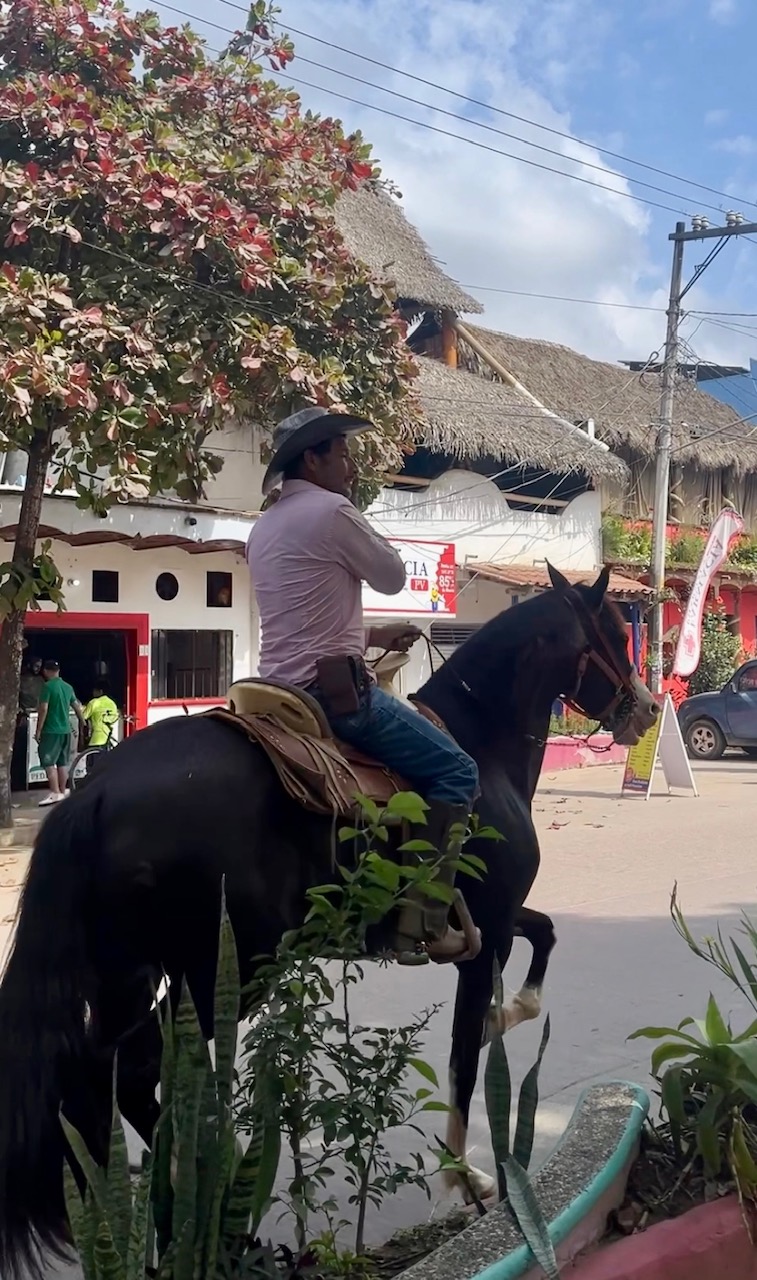
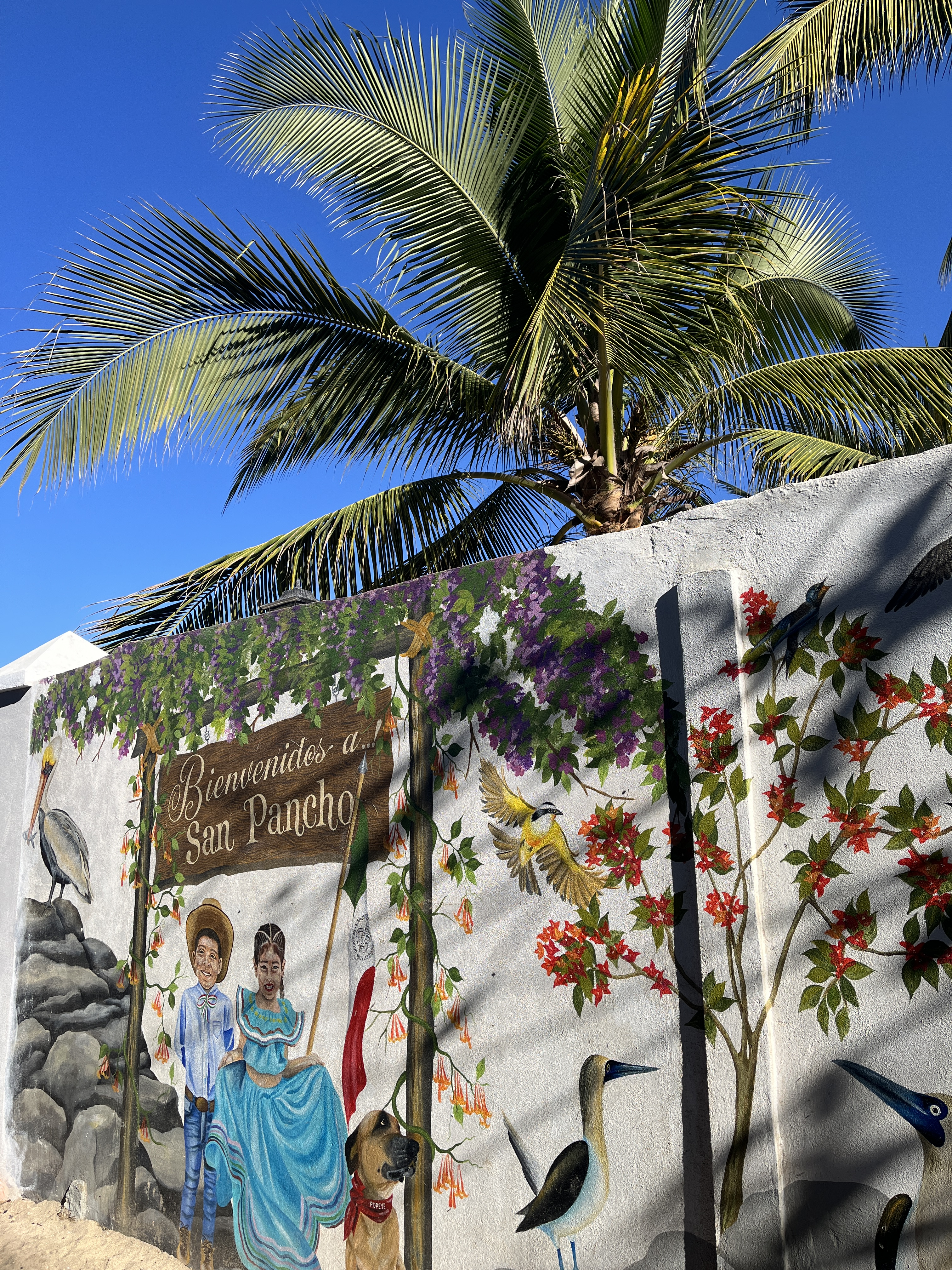
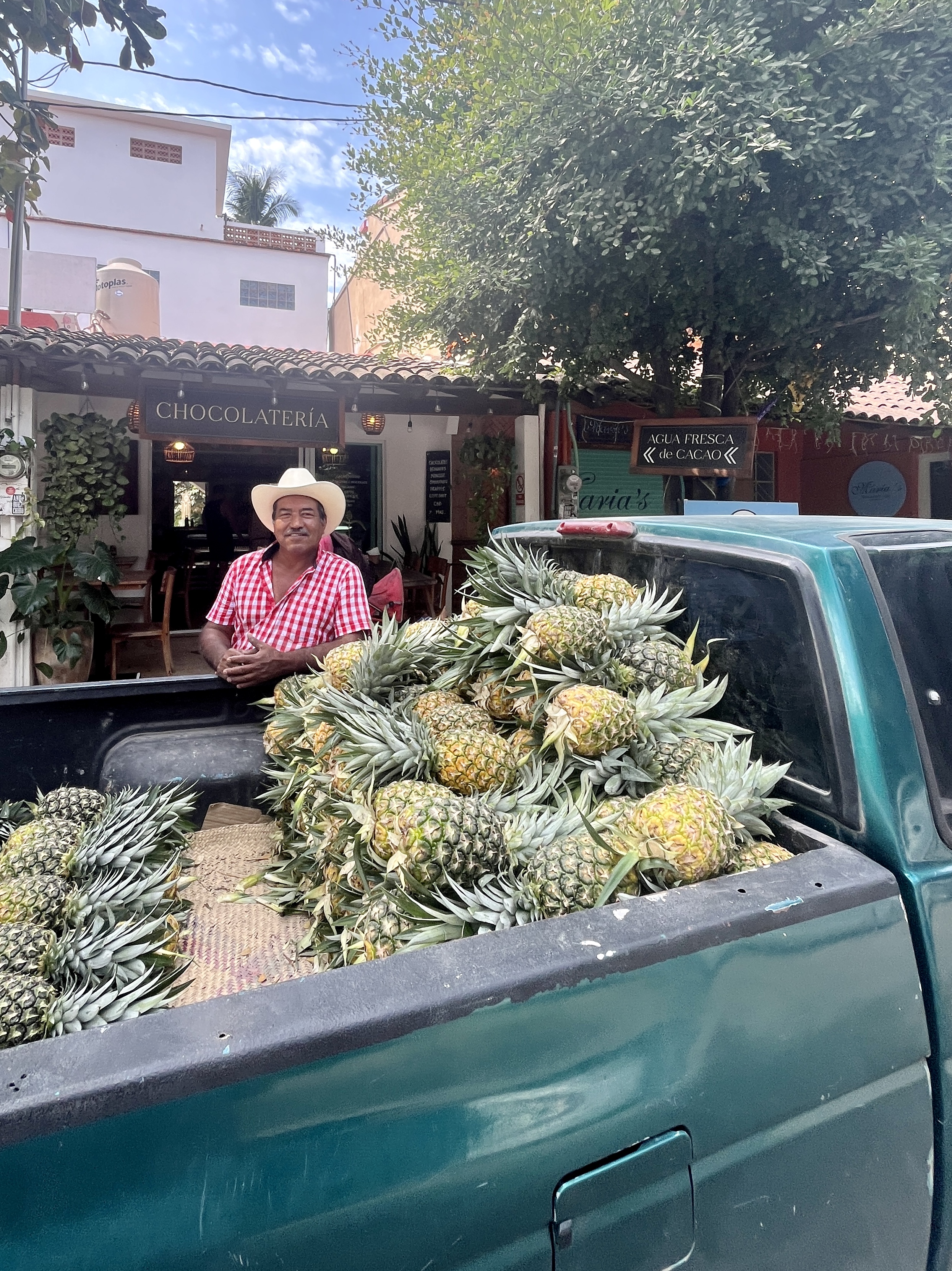
After a two-day stint in Nuevo Vallarta – an enclave of immaculate planned communities and large resorts – we choose the small town of San Pancho for a five day stay. It seems that many people I know have their chosen favourite Mexican spot that they return to time after time. As this is our first time vacationing in the country, San Pancho couldn’t have been a better introduction to a charming yet still authentic-feeling town. The type of place where locals might trot past on their horse and the pineapple guy comes into town with a pickup full of plump pinas. The kind of town where locals welcome you into their boutiques and in the evenings live music flows out from inner courtyards and intimate spaces. Main street runs down into the beach and ocean, its cobblestones and papel picado a backdrop for constant motion. There are surfers and their boards, locals, vendors and tourists alike. And a collection of dogs – most sporting tiny sweaters despite the heat – who seemingly idle away the day, making their way back home in the evening. All living peacefully under the brilliant blue skies.




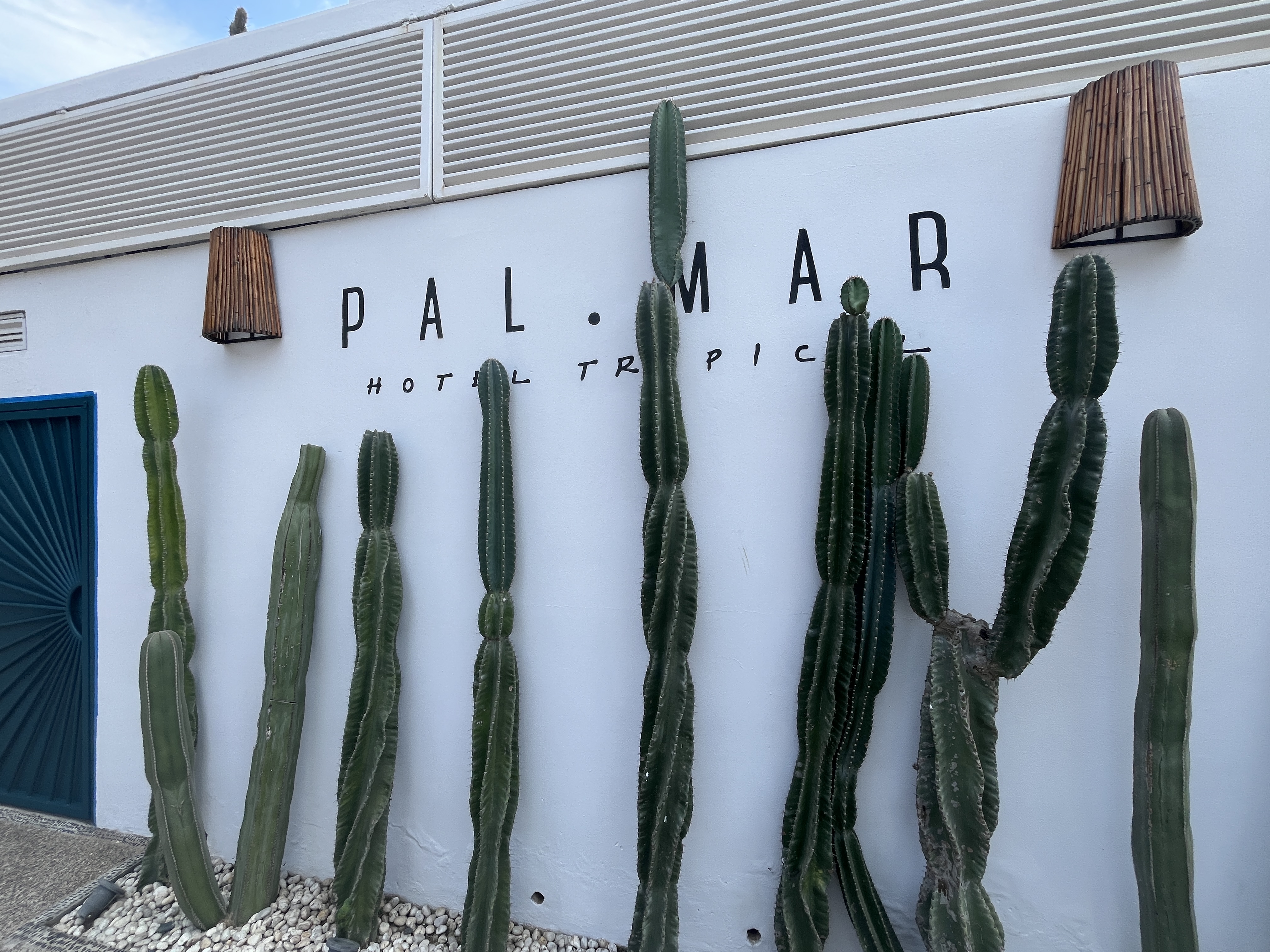

We settle into the Ciye Hotel on main street and love the relaxed, yet vibrant vibe. The bustle of life below drifts up to our balcony and the rooftop pool, the at-least-three-story tall Amapa tree reaches up through the courtard… home to birdsong and climbing ardillas. Apparently, the squirrels here are not afraid of heights!
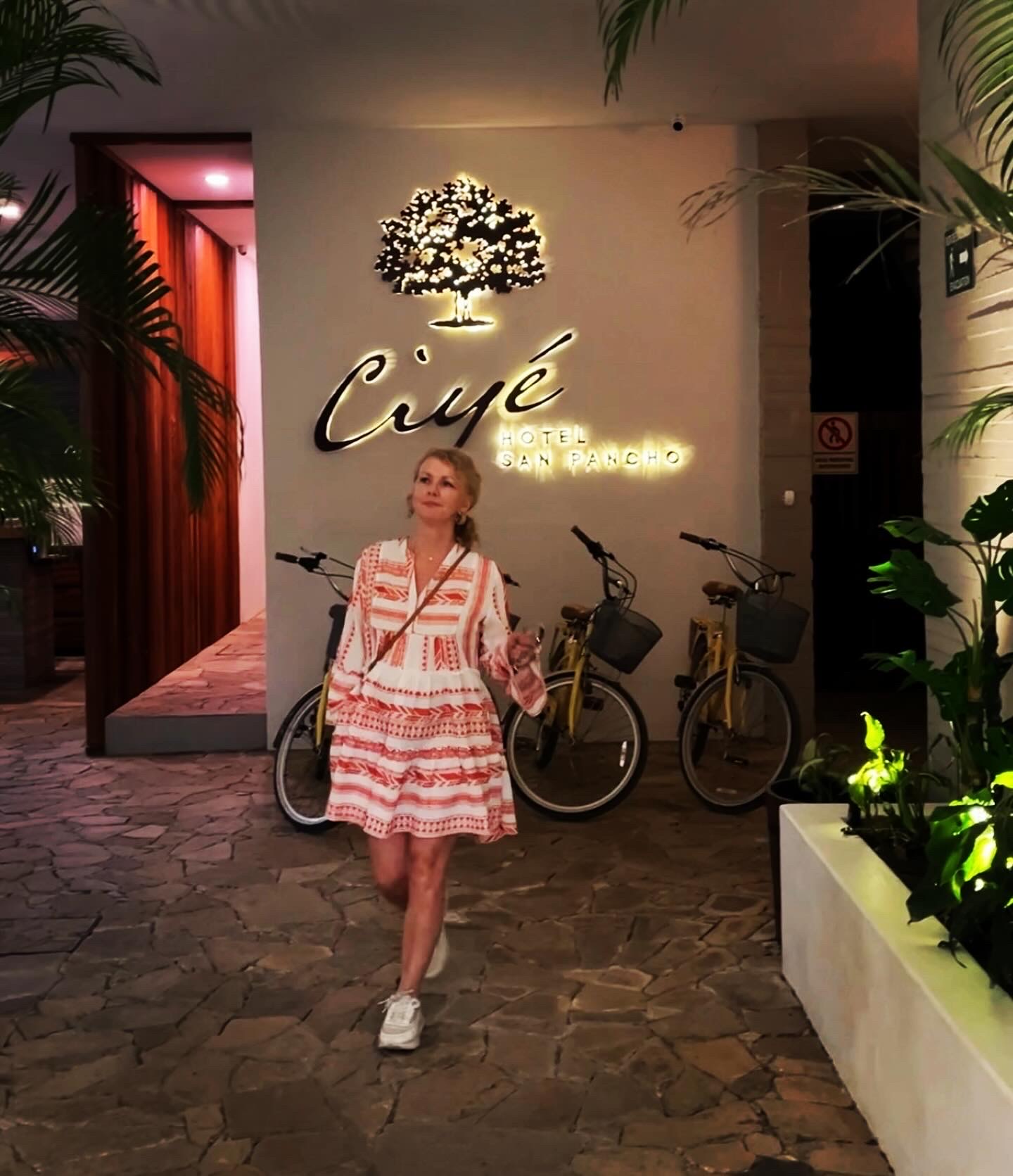
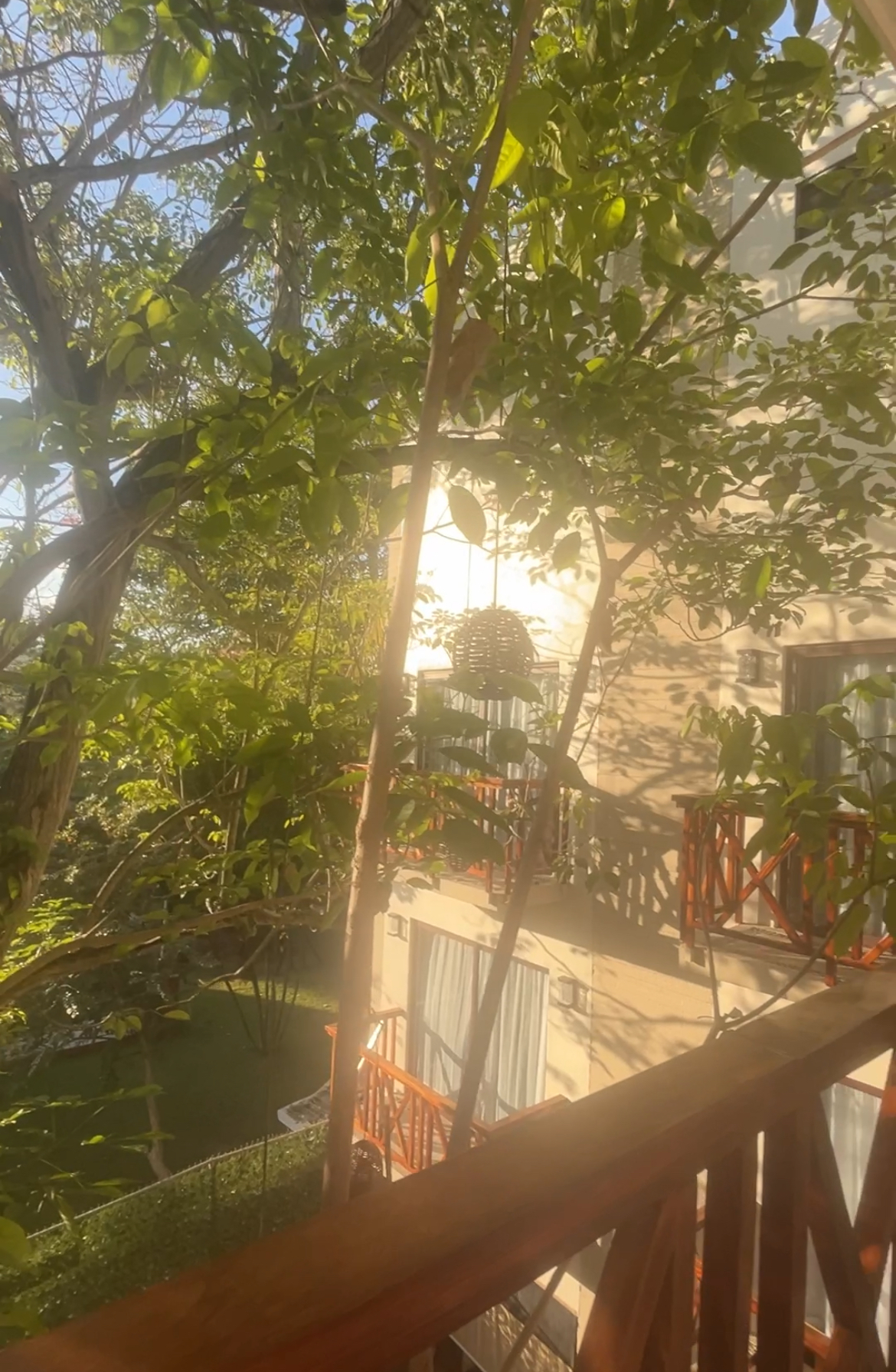

Our days are spent wandering the charming back streets, cycling, playing in the waves, sampling yet another restaurant, and wonderfully, we happen to share a few days with our son and daughter-in-law. And we come to learn that there’s a lot more to San Pancho’s history than meets the eye. We had noticed a number of factory-type buildings at the beginning of the long main street, Calle Tercer Mundo, (Third World Street) which helps explain the past.
From long before the arrival of the Spanish, until the present day, this mountainous region of the Sierra Madre Occidental has been populated by the indigenous Cora and Huichol people. Following Mexican independence from Spain in 1821, the land that occupies San Francisco and nearby Sayulita was transferred to communal ejido or communal land for the use of agriculture. This town relied on fishing and tropical fruit cultivation until in 1970 when President Echeverria made this his family’s vacation retreat. What followed was a dream of a ‘self-sufficient Third World Village’, including factories for the processing of meat, milk and tropical fruit. These thrived only until their sponsor fell from power in the mid 80’s. As funding and support evaporated, businesses failed, leaving a sprawl of abandoned buildings that sat patiently for two decades, waiting to be re-imagined.
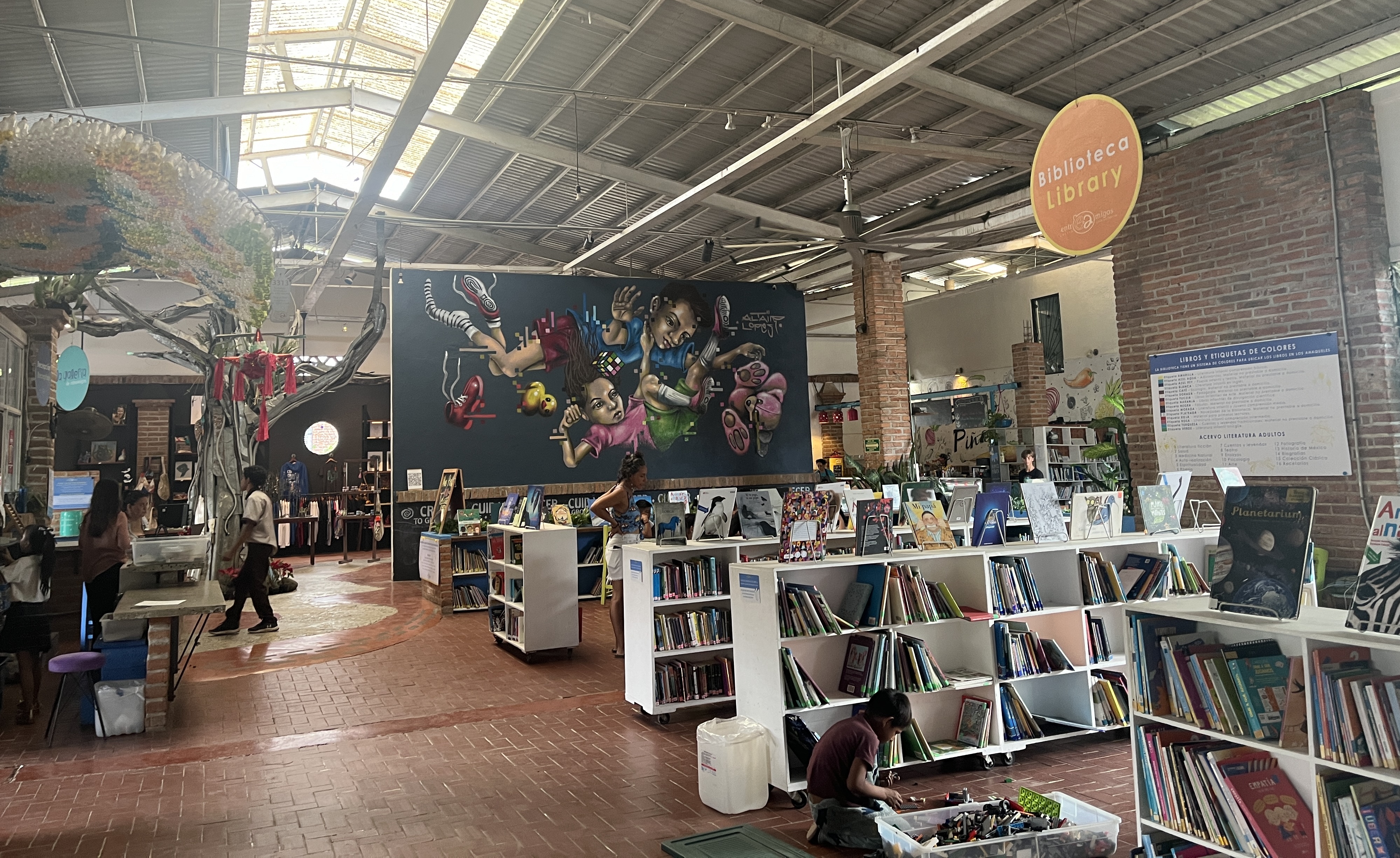
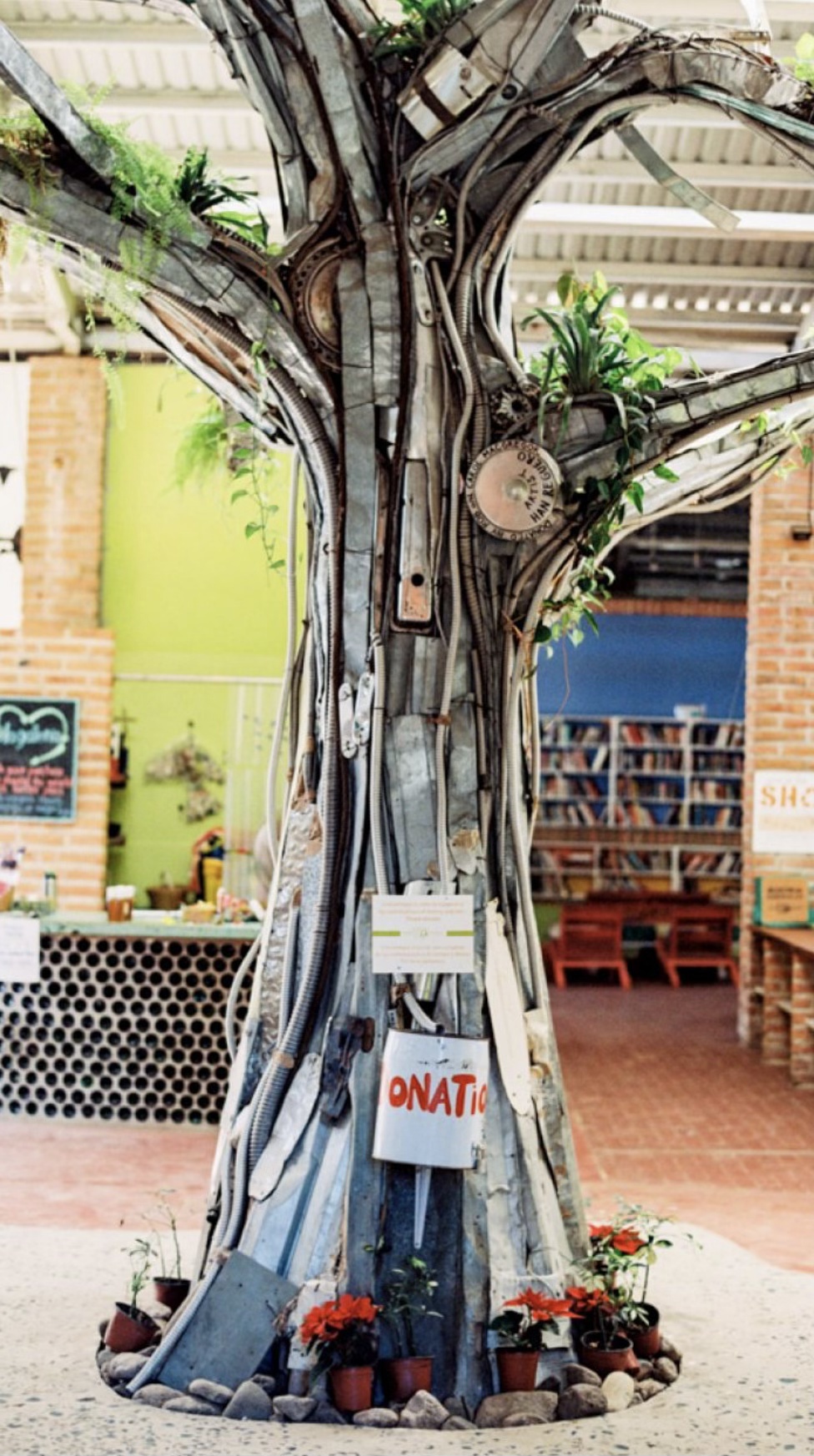
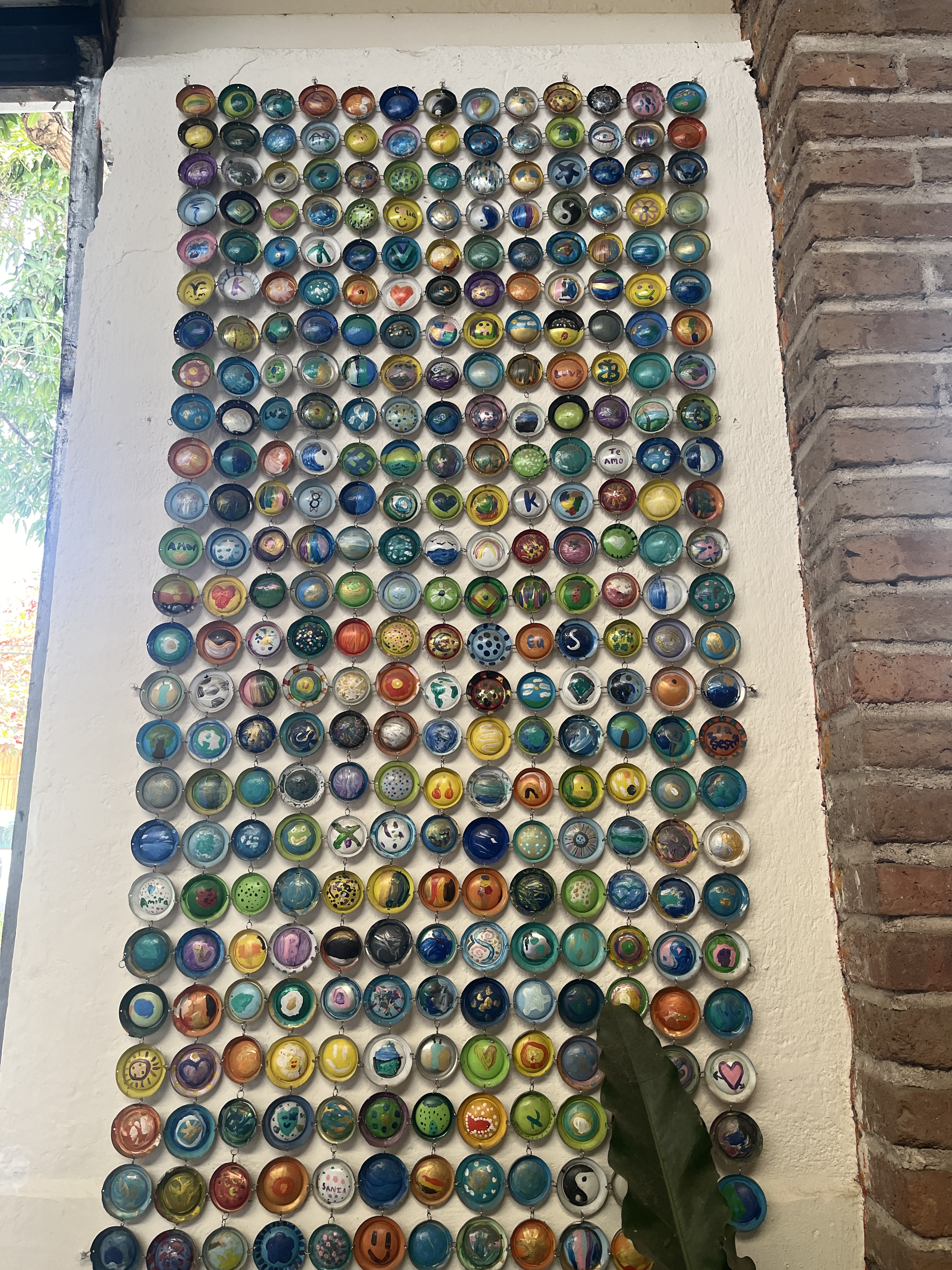
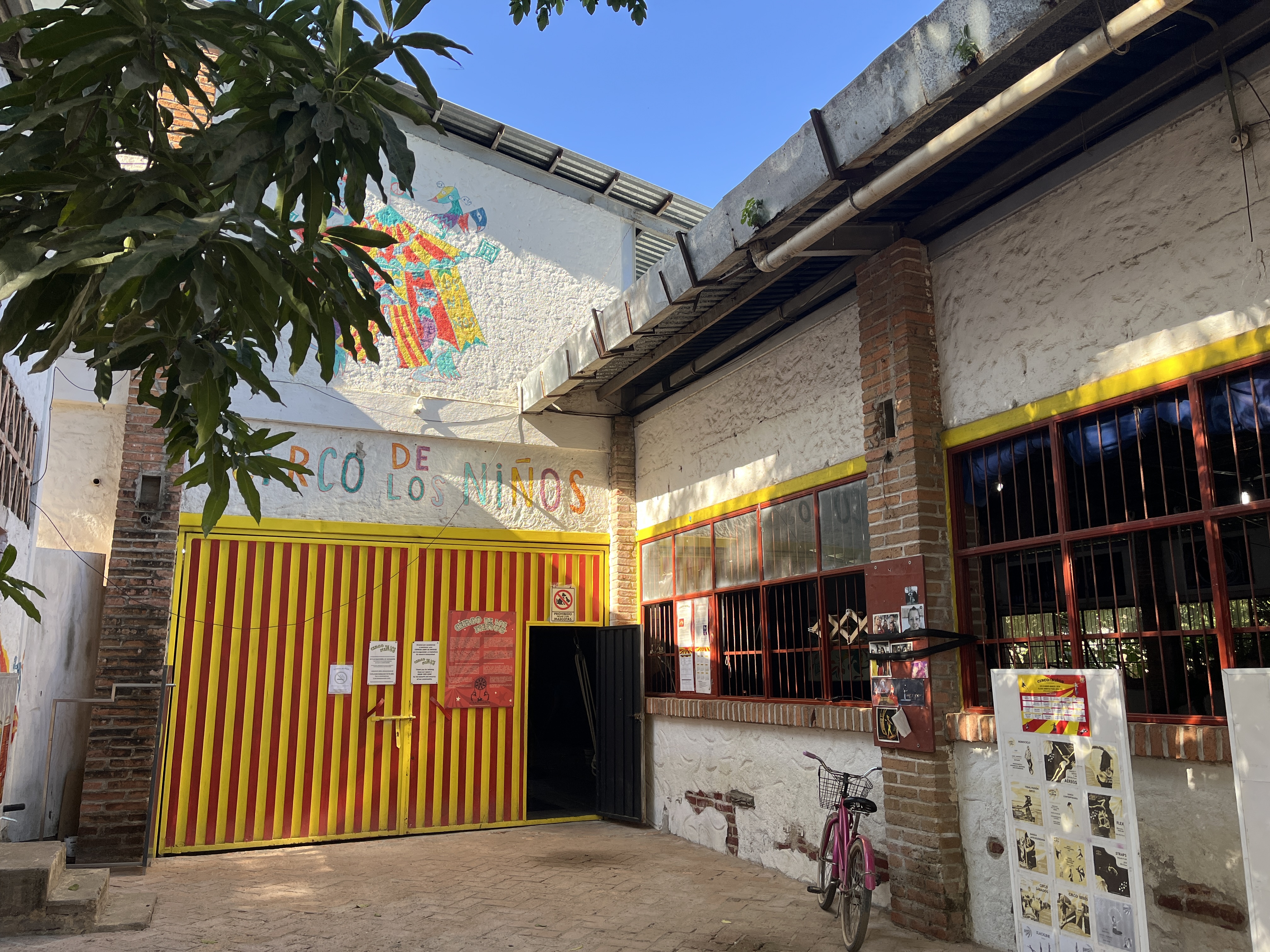
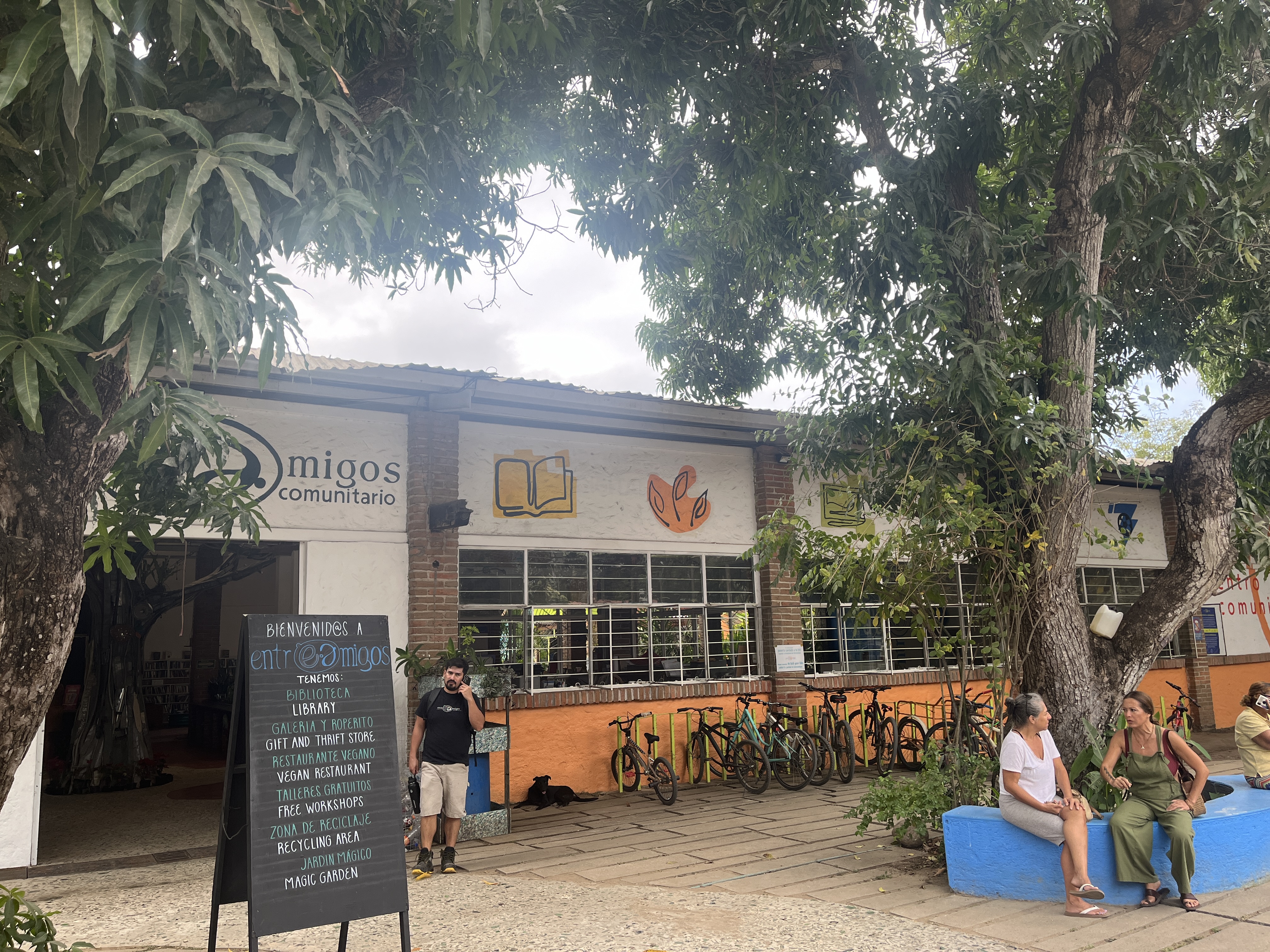
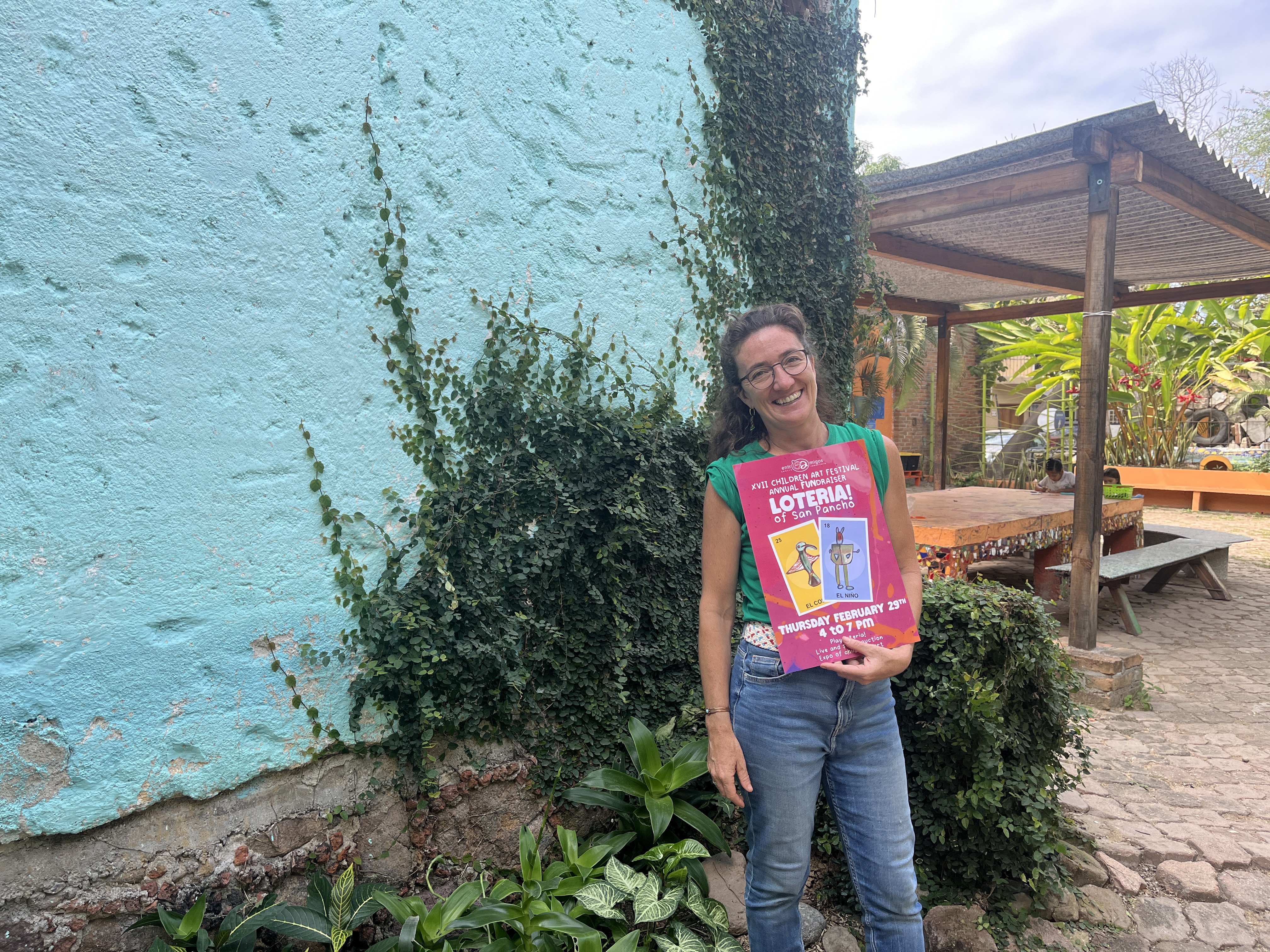
Giles St. Croix, the founder of Cirque du Soleil, and his wife did just that, forming Circo de los Ninos de San Pancho in a clutch of former factory buildings. Encouraging artistic, technical and personal development through the disciplines of circus and dance, this state of the art Circus School and performance space is a rare treasure. As is Entreamigos, just down the road. We happen to encounter Indira Santos, a co-founder who kindly guides us through the multiple buildings. They’re now repurposed into a thriving collection of community spaces offering a library, workshops, education for stewardship of the environment and community engagement. Indira explains the importance of the organization and its creative spaces, how it bridges between the English speaking and Spanish communities, and that it fosters entrepreneurship for women as well as supporting continuing education for children.
“It all began so humbly,” Indira explains as she walks us through the multiple spaces, “and now we’re building bridges and making a difference in so many people’s lives… including the local Huichol community.”
In yet another of the former processing facilities, a community theatre has been established and as we pass one evening, the audience has spilled out into the street to chat and take the air. We understand the power of these community spaces to ensure that the growth of San Pancho is for locals and transplants alike. These success stories speak to a future in which growth that caters for the tourist industry is balanced with sustainable and thoughtful community building.
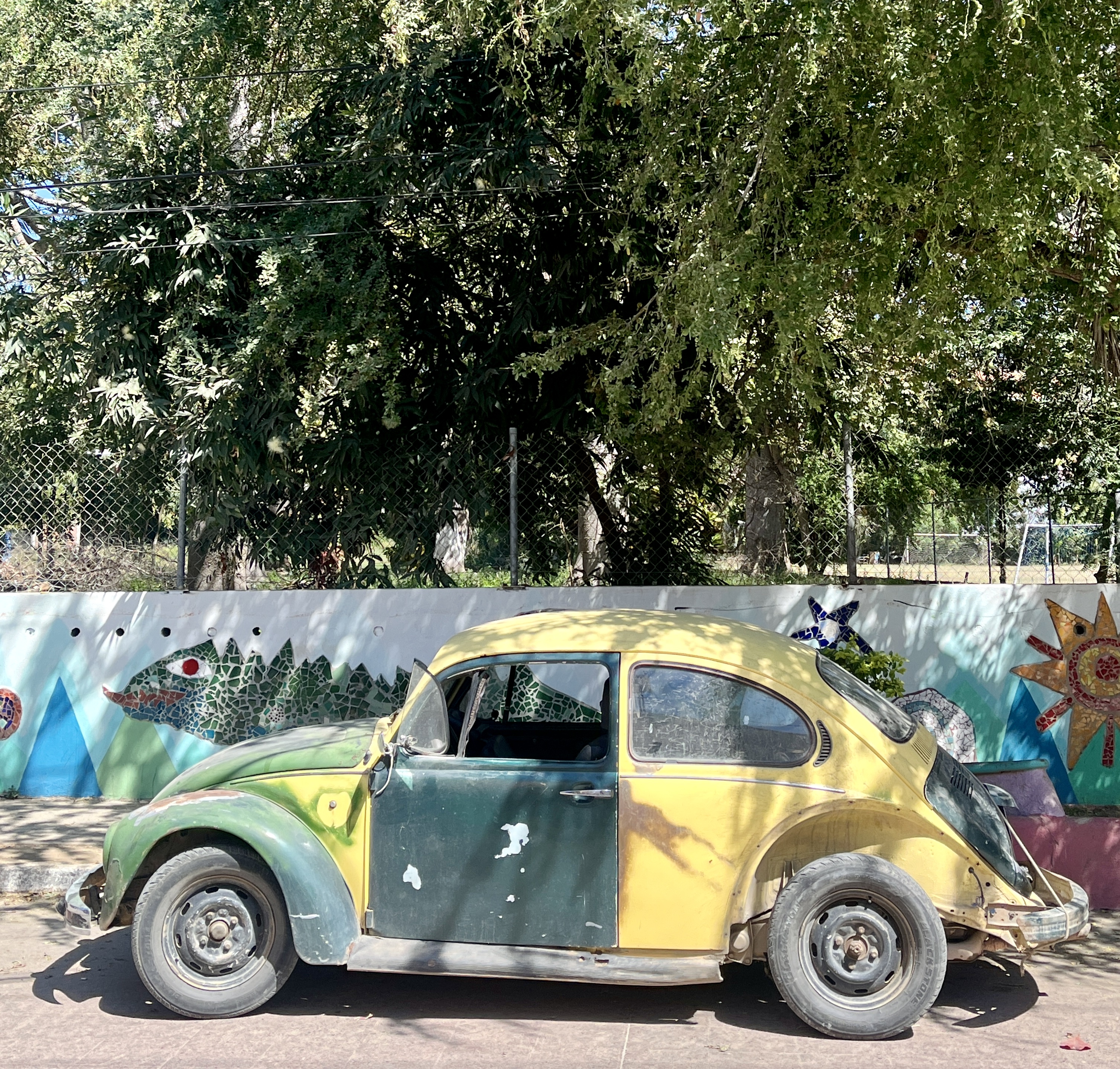
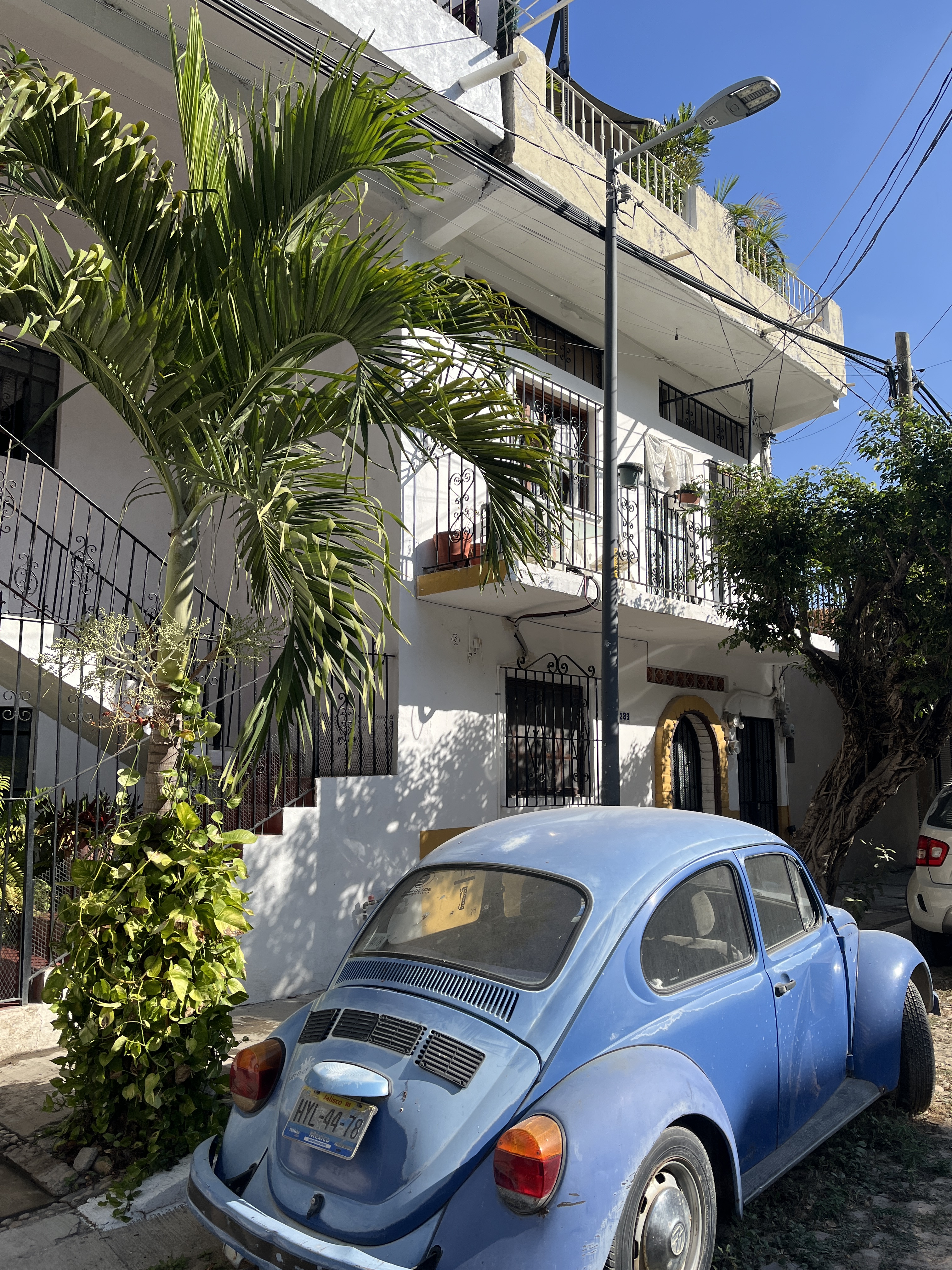
Back on the streets, both in Vallarta and in San Pancho, we notice a plethora of a certain type of car. VW Beetles are seemingly everywhere! Many are dusty and rusty, some beautifully restored, yet all undoubtedly still charming. So why is Mexico covered in VW’s? It turns out the Beetle had been produced since 1954 and despite the company halting production in Germany in 1978, the original Type 1 model was still rolled out in the country until 2003. Described as ‘the car that motorized Mexico’, they’re affectionately known as ‘Vochos’ (pronounced Bochos).
Despite VW advertising the car as, ‘It’s ugly, but it gets you there’, Mexico wholeheartedly embraced Vochos. Simple to repair, affordable, reliable and dexterous on steep roads, they’re apparently much beloved and considered one of the family. They remind me of places we’ve lived where certain cars seemed so iconic – the Lada in Kazakhstan, the Padmini in India – each an intriguing curiousity from a distance yet a bit of a box-checker once you had bumped and juddered your way through the streets in them. On reflection, it would have been a fun experience to have hired one for the day!



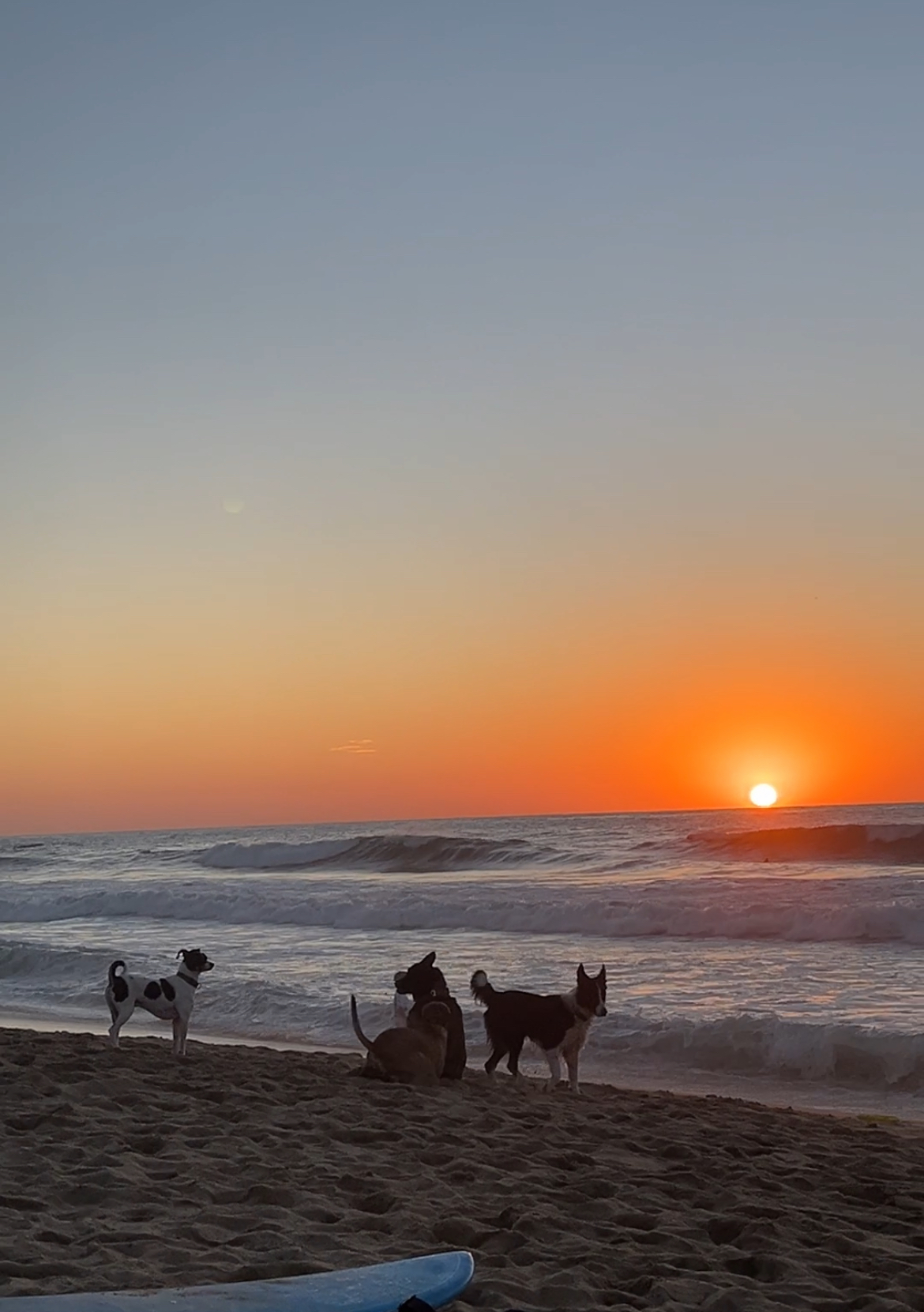
As our vacation comes to an end, sunset on the beach is a striking way to mark this all-too-brief yet reviving sojourn. As the sun slowly bids farewell for the day and edges into the horizon, a crowd gathers on the beach. Sunset cocktails are sipped, dogs frolic in the waves, yoga poses create striking silhouettes. As the sun fades away, an appreciative applause ripples out from the crowd… all thankful for another beautiful day in Mexico!



 notesonaboardingpass