
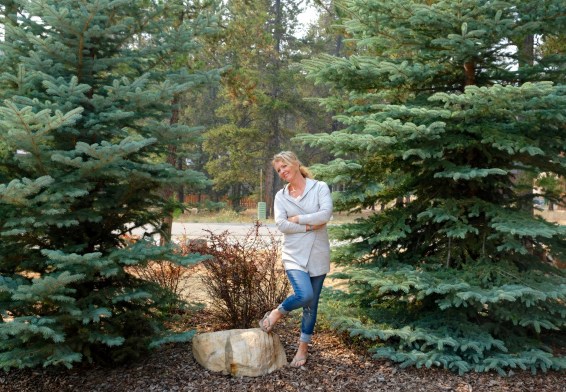
For now, I’ve bid farewell to my home in Canada. To my pine trees and my deck, perfectly-placed for moon and star gazing. To a place where the long summer evenings are precious with friends and family. It’s a home, and a town, that ever welcomes me when I return.
Now back in India, the inevitable week of adjustment is always my reality. I reconcile that I can’t jump into my vehicle and cruise the mountain roads or simply walk and breathe the fresh air. I already miss chats with family and not relying on Skype dates. Still, this past week was reserved to get over jet-lag and savour a little time before life gets busy for the rest of the year: final editing on a new book project, an upcoming visit from a dear friend, a retreat to Penang in November and the arrival of family for Christmas. But for just a few more days, I let vignettes of a Canadian summer play in my mind…
 A passion for trains…for a mountain lifestyle
Kai looked very much the part in his striped train conductor’s hat. Greeting each passenger one by one as they stepped down from the pristine and impressive Rocky Mountaineer, Kai delighted them with a ‘high five’ and a warm “Hello!”
“You’re the little fellow we were told about,” one gentleman remarked. “So I hear you really love this train?” Kai nodded with a broad smile.
The picturesque station for the Rocky Mountaineer is just south of Whistler, British Columbia. We watched the train round the bend, and ease its massive weight to a halt along the edge of Nita Lake.
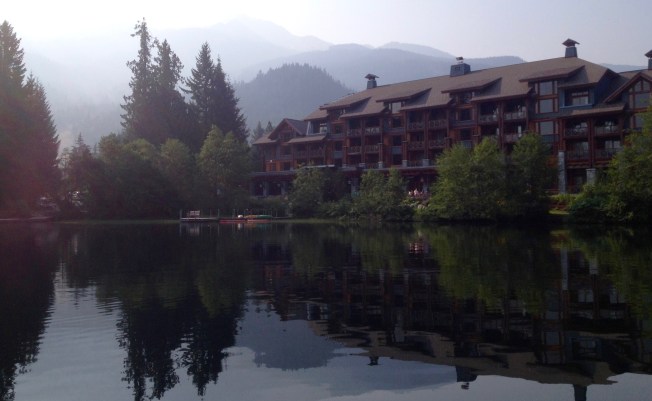
We were sojourning on its waterfront at The Lodge at Nita Lake. An idyllic place where canoes and kayaks tether to the Lodge’s private dock. We ventured out on early morning paddles – ducks floated gracefully in a line, loons called in the morning mist and a black bear browsed for berries at the water’s edge.

That afternoon we had cycled along the trails to Whistler, passing families canoeing and picnicking by the water’s edge. As we cycled from lake to lake, we came upon sculptures set in the lush riparian forest and kayakers paddling lazily through waterways. On emerald green waters a floatplane waited alongside a canoe – emblematic of Whistler’s coveted lifestyle.
And if you’re fortunate, you’ll spy another black bear up close. We rolled up to a group of cyclists stopped on the trail. “Wouldn’t go any further,” a local cautioned, motioning to a healthy-sized bear in the bushes up ahead. It was our second sighting of the day, a reminder that Whistler is very much their territory.
“Think we should leave that big guy alone”, the friendly cyclist suggested, hopping back on his bike. “Come on, I’ll show you a different trail.” We cycled further and saw more of the postcard-perfect town, quiet and serene, away from the multitude of tourists – a peek into the daily life of a local. It was late afternoon by this time and I was conscious that the Rocky Mountaineer would soon be arriving at Nita Lake Lodge.


As the impressive train slowed into the station just after 6 pm, I immediately noticed Kai. He went about his unofficial duties conscientiously – rolling out the red carpet, raising the Canadian flag then that of British Columbia, then positioning himself to welcome the travellers.
“This little guy is here every chance he gets,” Janice Bondi, the train’s manager remarked with affection. “You’d be surprised how many regulars we have at each stop.” As I watched Kai, I couldn’t imagine a more committed train lover.


As his father watched proudly nearby, I knew there was a reason why I too wanted to greet this iconic train in the Rocky Mountains. Its arrival evoked a sense of that slower, older lifestyle that early pioneers must have experienced. Witnessing the passion of a boy named Kai, made it a little bit more special.
A passion for Whistler, and for hats
Like me, Erik is fond of hats and considers himself fortunate to work with his passion. It was easy to warm to his friendly and engaging nature. “I ordered my first hat when I was ten years old,” he explained, “I like that you can customize your outfit with just a different hat.”
And Erik knows them well: beanies, flat caps, fedoras, buckets, suns, cowboys and of course the iconic Canadian toque. The Hat Gallery in the heart of Whistler is a place to try something different, or stick with what you love – it’s always a fedora for me.

“What kind of a pinch do you like in your fedora?” Erik asked as he scanned his displays. He patiently searched and suggested, all the while exuding an obvious love of his job. We found the fedora up high on a shelf – yes it was the perfect choice.
Erik is Canadian and admittedly a bit of an anomaly in Whistler’s workforce. The ski town has attracted thousands of young workers from other countries, especially from Australia and the U.K. I was told that most arrive with a two year work visa, but start the process of becoming a resident almost immediately. It’s an easy decision for them. They choose Whistler for the lifestyle – skiing, paddling, hiking and a mountain that transforms into a biker’s dream in the summer months.


Whistler’s pedestrian-friendly town is lively with tourists from all corners of the globe. Enticed by the allure of the mountains, the activities, the cool bars and restaurants, it attracts millions of tourists yearly and has grown beyond all expectations.
Two tribes of First Nations shared this territory before trappers, traders and loggers arrived in the mid 1800’s. All would change when the Phillips, a young couple from the United States, opened a fishing lodge in 1914. Rainbow Lodge enjoyed great success, especially renowned for its fishing package...return train trip from Vancouver, 2 nights at the lodge and fishing for $6.00…
 Visitors could also hike and horseback ride, enjoy a paddle on Alta Lake, or play with Teddy, Mrs. Philips’s pet bear. Myrtle Philips was the pillar of this new community that would eventually spread to nearby Whistler.
A ski hill developed in the ’60’s, a smattering of houses and the village itself in the early ’70’s. When the town needed a centre, town planner Eldon Beck planned a pedestrian village “where one could get lost, where things flowed like a river.” He could not have foreseen the success the mountain city would one day enjoy – being part-host to the 2010 Winter Olympics certainly helped. The Olympic rings are a tourist draw in themselves, a must-have backdrop for photos and selfies.
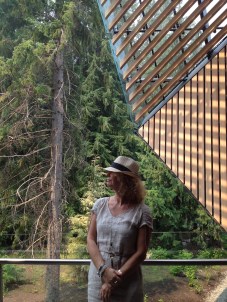
Whether it was Erik or other young people I met who couldn’t imagine leaving this outdoor haven, the passion for life in Whistler is palpable.
And of passion, there was one more stop to make. The new Audain Art Museum – ‘where art meets nature, nature meets art’. It is a fine collection of Northwest Coastal Masks, Emily Carr paintings and more. I have a great admiration for the gifted, if wonderfully eccentric, Canadian icon. The Audain is iconic as well. Designed as a modern day longhouse and raised above the forest floor, seemingly one with the trees in which it nestles, it is a recent addition to Whistler’s cultural mix – already an essential counterpoint anchoring the proud past to the present.
The pride of a ‘forever hometown’…
We enjoyed a quintessential summer road trip from Whistler, back through Vancouver, and eastward toward the Okanagan, Canada’s wine region, a detour to Banff, and back to our own mountain town in the interior of BC. Like Whistler, not only is Kimberley a ski town, it’s a summer feast of bike trails, golf courses, rivers and lakes. For us this town anchors our peripatetic life. It represents warmth and stability, the place we chose for our family home.


When a ski trip took us to the small city of 7,000 or so, we were immediately smitten. Situated in the Purcell Mountains with the Rockies as its backdrop, it seemed like an easy choice and we resolved that no matter where we live in the world, this is where we’d return to.
Kimberley was once home to the largest lead-zinc mine in the world and has long been a community that welcomes newcomers. The Scandiavians pioneered our first ski-hill, the Germans and Austrians gave us our Bavarian-themed town centre, the Platzl. It is a setting where, on a Saturday afternoon, you’re as likely to meet a barber-shop quartet as a party of golfers in town for a weekend foray. Kimberley might well be known as a golf and ski destination, but people are drawn to this mountain town for many more reasons. Increasingly young families are choosing Kimberley for its lifestyle, a place to raise children in a safe and active community. But then that is nothing new to generations of settlers.


I met Clarence, serenading visitors about to board the Kimberley Underground Mining Railway. Commuter trains no longer run to Kimberley, but this small train wends its way up the ski hill, or tours into the now closed Cominco Mine.


Clarence was playing ‘Smoke Gets In Your Eyes’, rather fitting considering the wildfires that rendered the mountains hazy through some of the summer. He flashed a wide grin as I identified the song and again when he heard I was an accordion player too. I asked Clarence how long he’s played.
“Oh since I was ten or so,” he remarked speaking fondly of his instrument, then assuring me that he loves keeping the tourists happy. “About ten-thousand rode this little train last year…good for the town.”
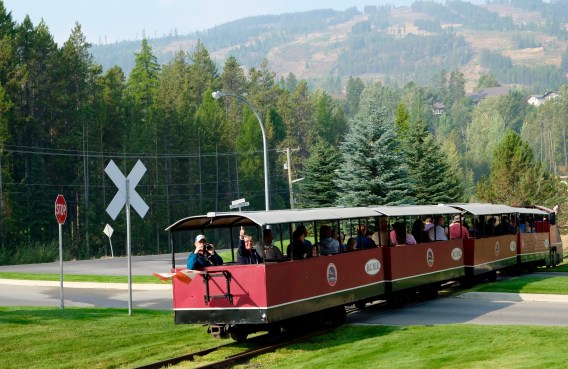
Clarence shared that he has been here, ‘a long while’, drawn here from a neighbouring province. I also made small-talk with the conductor as he waited for the 11 am tour to fill up.
“Are you from Kimberley?” I asked.
“I’ve been here for years, where else would I live?” I’m told matter-of-factly. People here get a little protective about this city, one of the highest in Canada – 1100 meters of altitude and only one stop-light. I hear this kind of unbridled hometown sentiment time and again. As Sonya, a good friend of mine, often comments, “Don’t get me started about how much I love this place.” She and her husband retired here three years ago and it quickly became their ‘forever hometown’.
Like Whistler, Kimberley has its share of locals who are passionate about their jobs and businesses. I’ve long been welcomed home by Robin and delight in her refined taste of home and kitchen wares she offers in her store, Grater Good.
And I love the quirky and eclectic goods at Old Koots. “Hey Terry Anne, welcome home,” Janet and Wendy greet me as I wander through their door, hoping for that one-of-a-kind find.
The date for my hair appointment at Wolfy’s is always booked the minute I get into the country. While Kellie and her mother Pat fill me in on the latest news, I sink back into the small town vibe and delight in the scene…yes, it’s a little like the set of Steel Magnolias.


I stop in at Caprice’s Fine Art Studio to admire her latest works. Caprice and I share the love of art-books and of Emily Carr. We even share the same hometowns, our original, and now our adopted. “Sometimes you just know when something is right,” Caprice tells me.


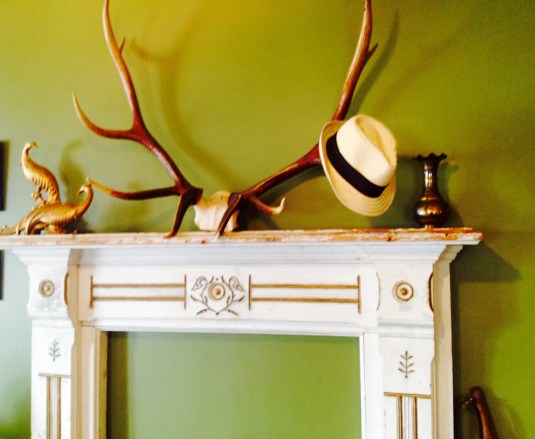
I find myself at my favourite coffee shop, Bean Tree. With its retro furniture, its door always propped open by a ski boot, and its antler-adorned fireplace, its charming atmosphere typifies this unique town.
With friends and family having come and gone, it was time to pack and ‘close up’ the house. And with that, I only just remembered to grab my new hat from its perch on the antlers at Bean Tree. I’ll need it for the days ahead in India. The pattern of my life continues…

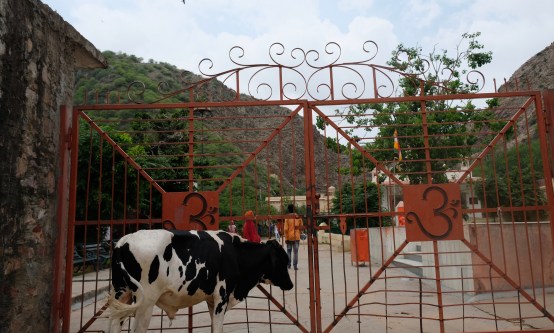


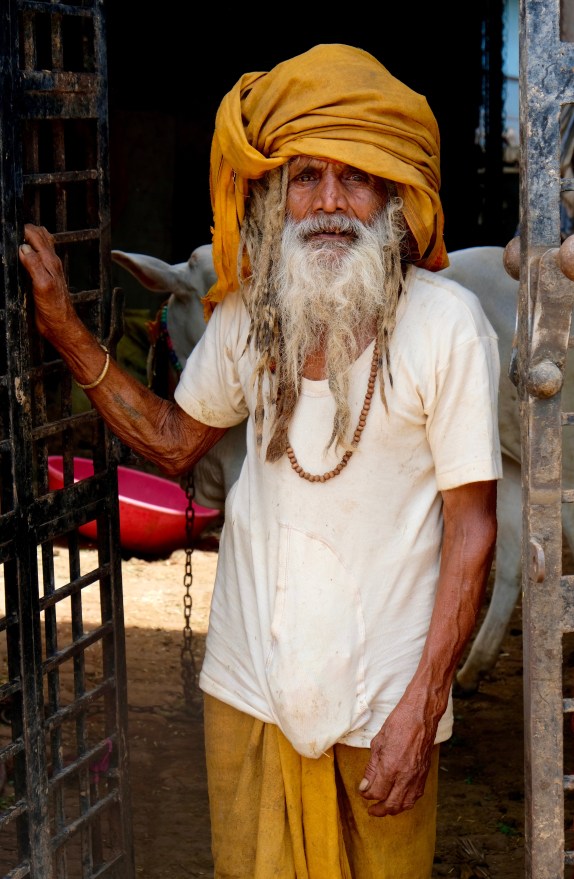

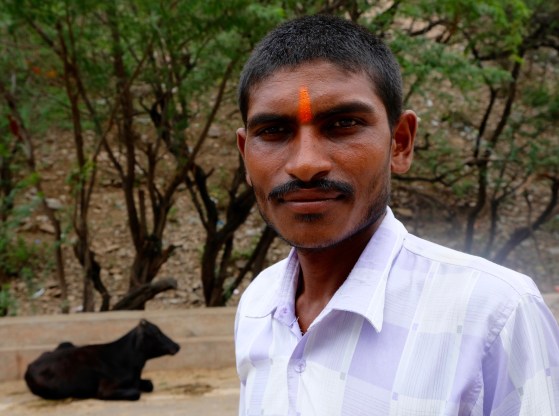


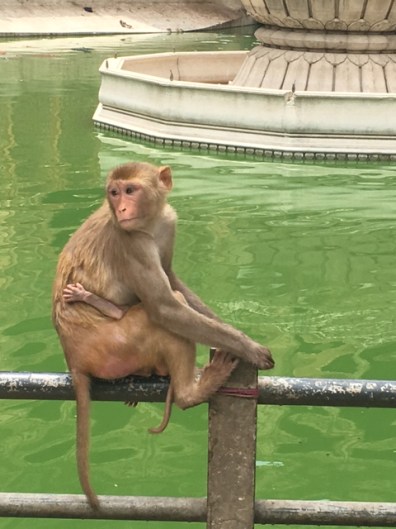
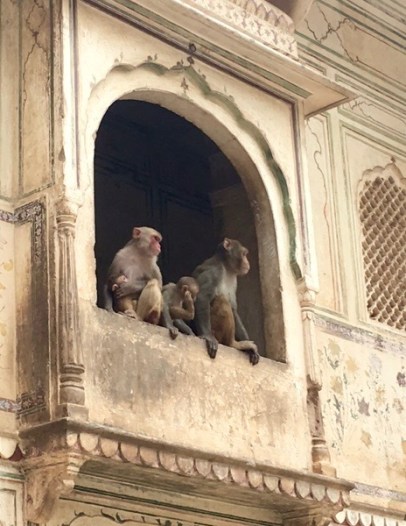

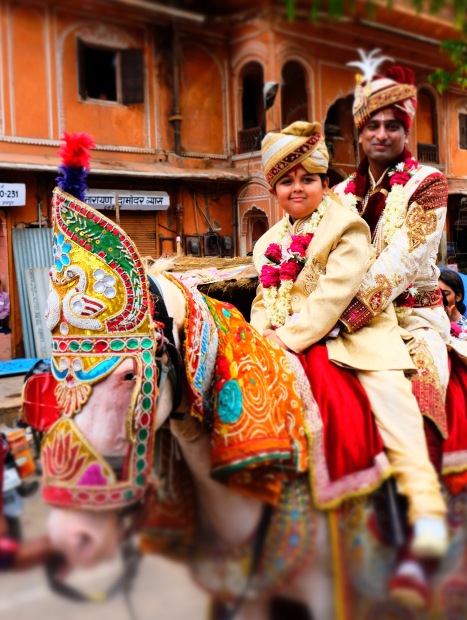


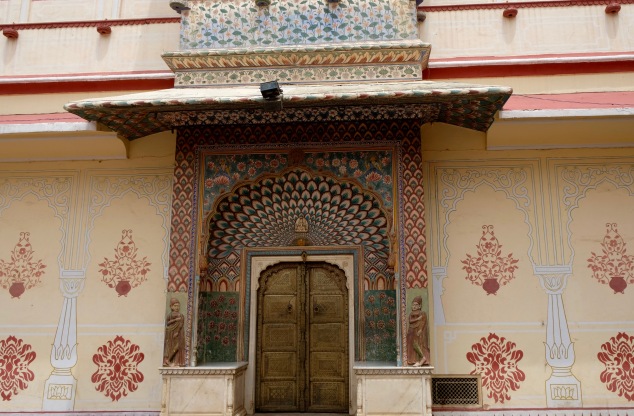




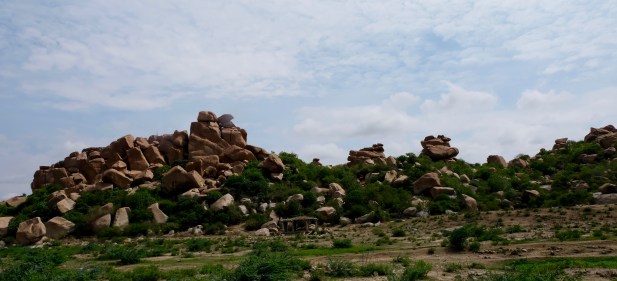

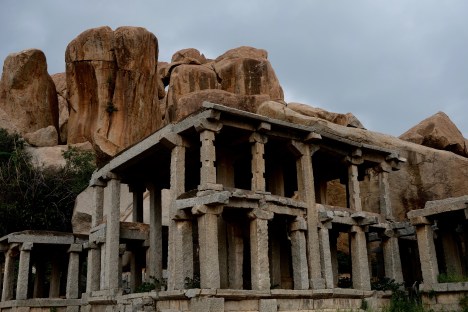 “Travelling about three-hundred miles from Goa, we arrived at the great city of Vijayanagara…sixty miles in circumference…ninety thousand men bear arms. Their king is more powerful than all the other kings in India. He takes to himself twelve thousand wives, of whom four thousand follow him on foot wherever he may go. A like number are handsomely equipped and ride on horseback.” Nicole Conti, an Italian traveller, 1420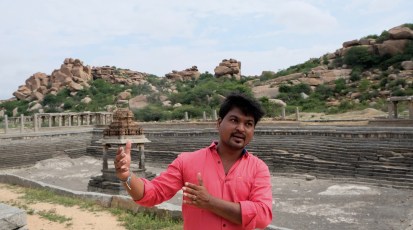


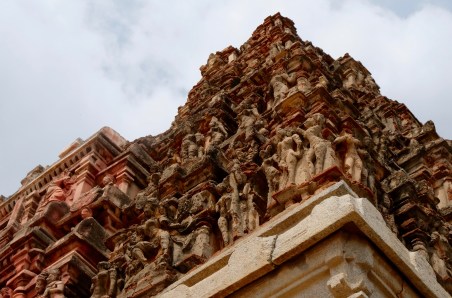

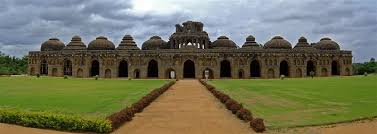 We dash across the rain-soaked grass to the stables with its lofty doomed roofs, surely too beautiful to only house elephants. But these beasts were an integral part of daily and royal life, fitting of an empire that ends…abruptly.
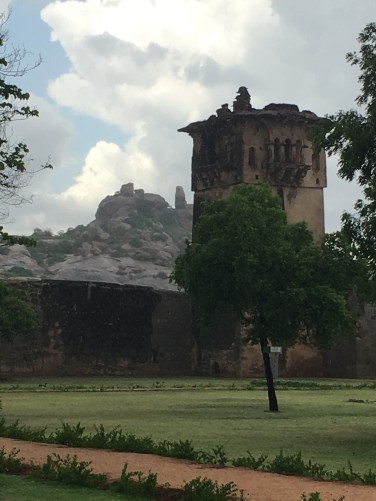 I almost don’t want to hear the fate of this once great city. In 1565 the empire’s armies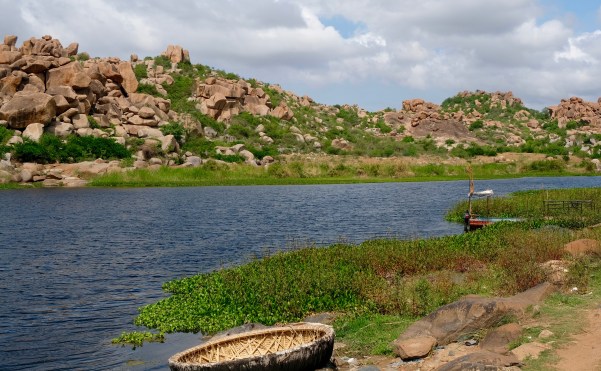
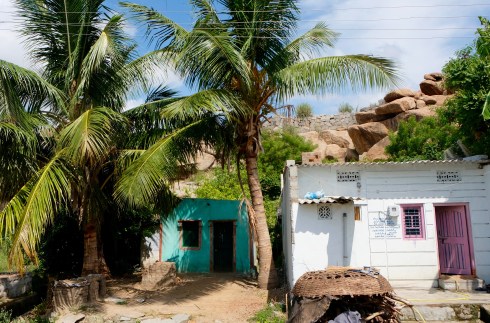


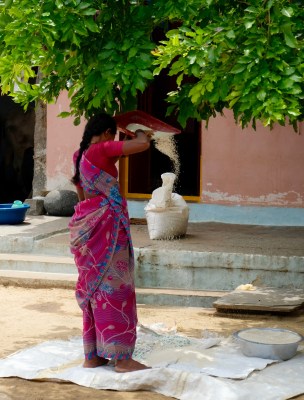


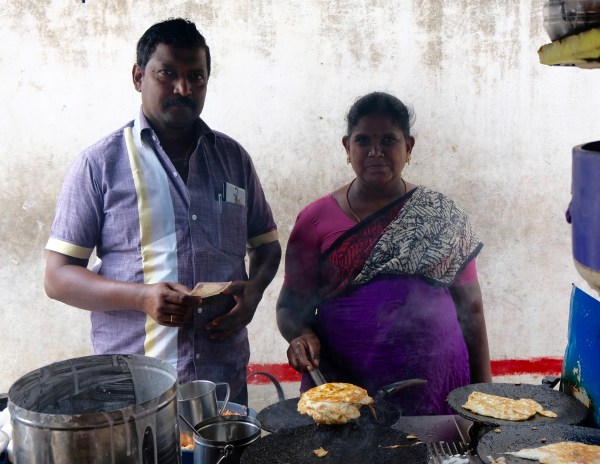


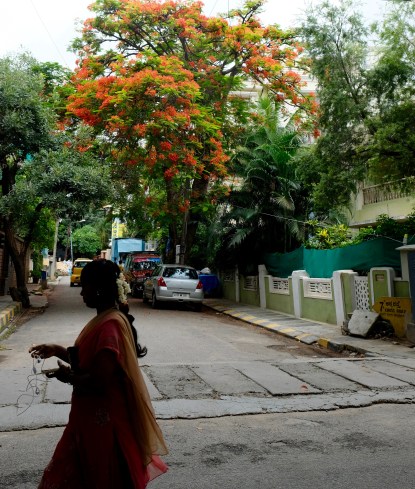


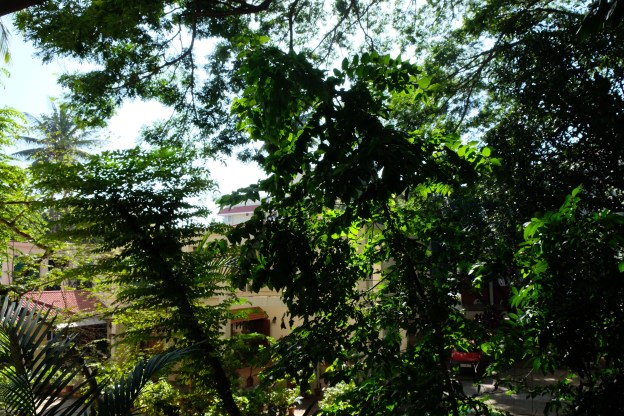
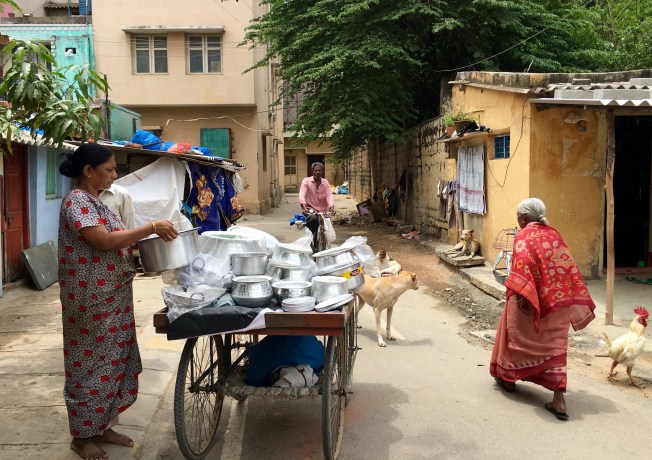
 These are a few negatives that I might have mentioned in the article, had I been more candid. After time in pedestrian and cycle-friendly Holland and the beautiful mountains and cityscapes of Canada, there is the inevitable adjustment to India. This coming and going in an expat life takes one across the full spectrum of experiences and emotions, there are many of them.


 The following Sunday morning we walk through nearby Cubbon Park. It’s not exactly manicured, but lush and peaceful nevertheless. There are glimpses of the city’s past as a British cantonment, military legacy of the final Mysore war. A reminder of when residents strolled through this once glorious ‘garden city’.




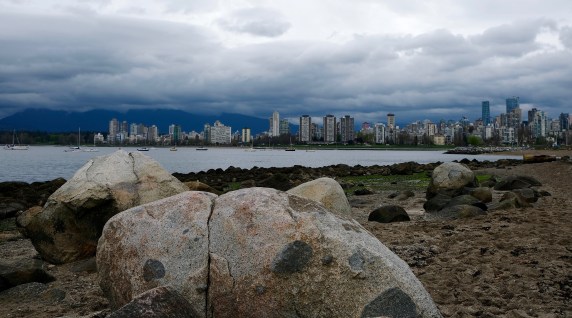
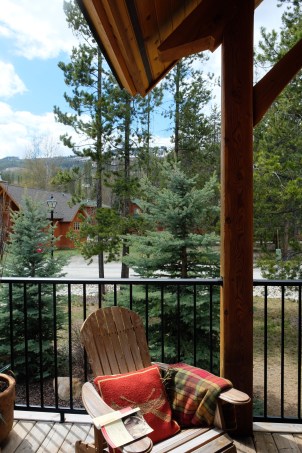 Back at our home base, we got down to practicalities. The lawn cried out for raking to usher spring growth, layers of dust counted the months since our last visit and the deck beckoned us to sit and luxuriate. During respites in a favourite chair, I looked longingly at my deserted flower pots, begging for summer blooms. But in vain; we won’t return until August.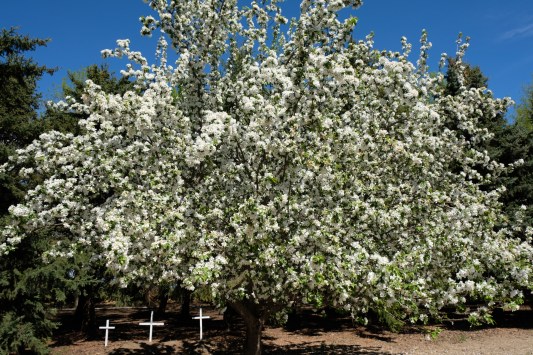
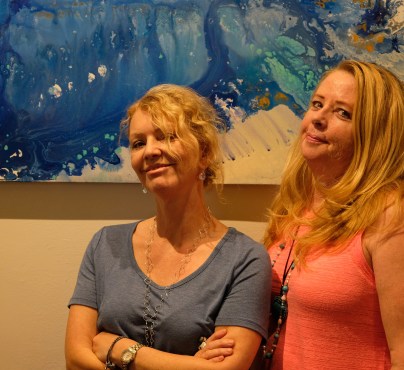 When Carol walked half an hour later into our small condo in Calgary, suitcases lined the hallway. She offered her condolences and with a hug reminded me, “You get to leave again.” Tales of my global life are music to her ears.
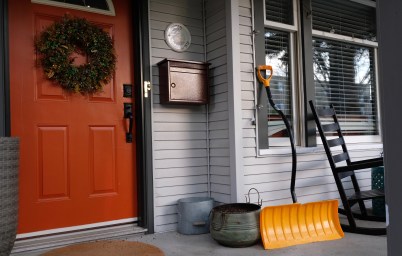 “It’s almost the end of May. How strange most homes still have a snow shovel on the front porch,” I remarked after yet another shovel belied the gorgeous weather.


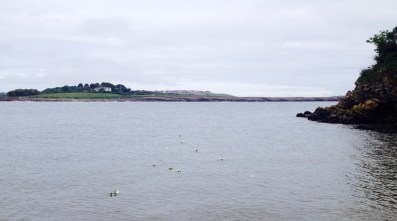 Fifteen roses, a loved one’s ashes, and a few Scottish thistles drifted peacefully out to sea. In remembrance of a life and good deeds done. And that seems all we can ask for; to live, to love, to have loved ones remember and speak well of us when our time comes. To be there for those who need comforting.
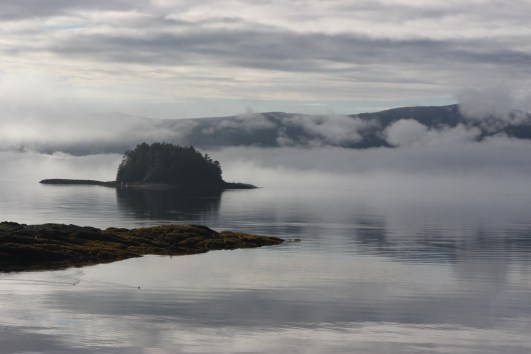


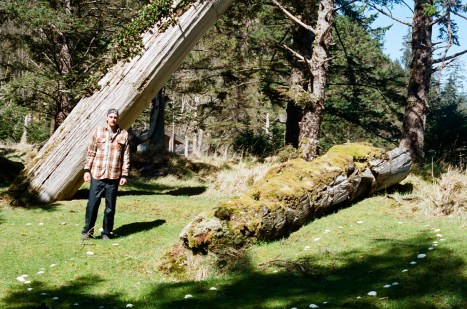
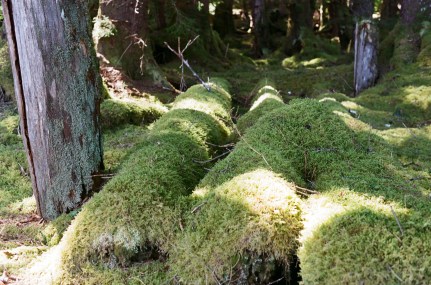


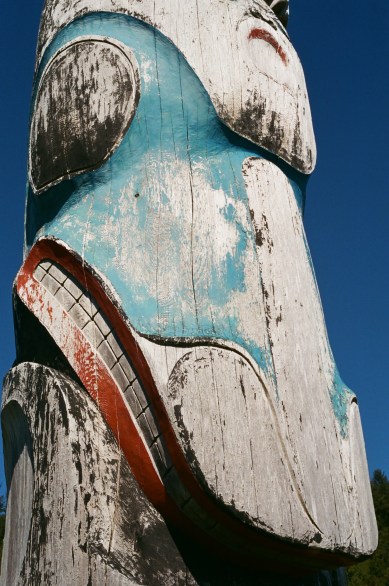
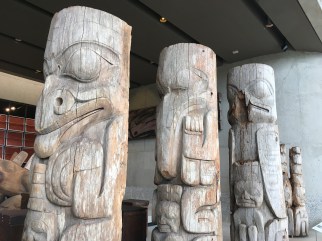
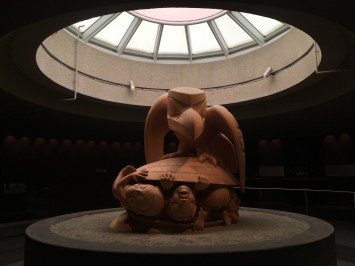

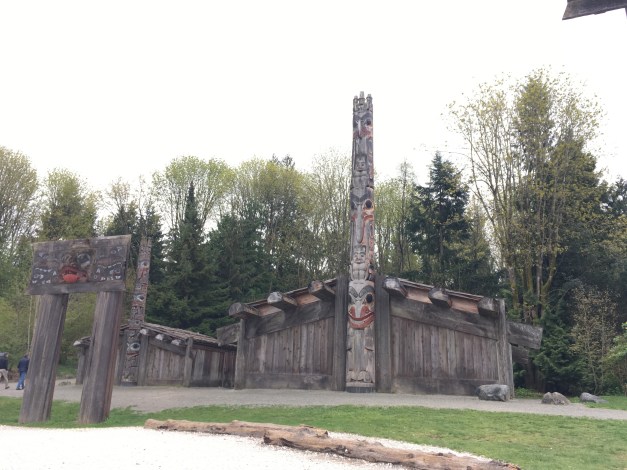
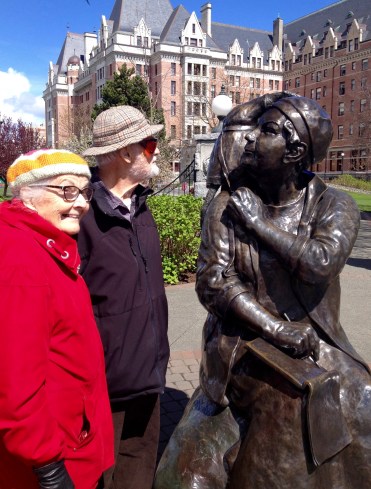
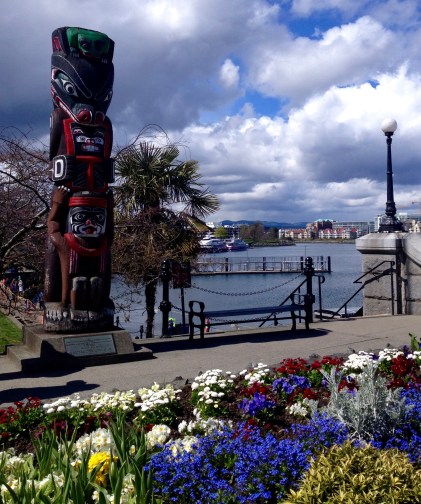
 I tell Jack and Eloise that as a writer, not only do I love Emily’s words, but I admire her intrepid explorations to capture her favourite subjects. Once vital cultural entities in First Nation villages, Emily seemed prescient in knowing that totems would ‘disappear’ as the Colonial settlers pushed the Coastal First Nations away from their lands, stripping them of their deep-rooted culture.






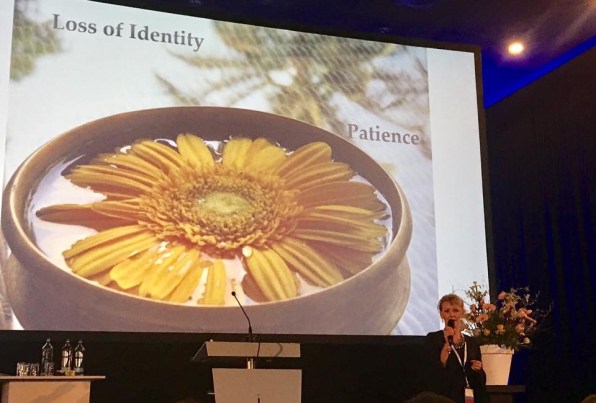
 For me, opportunities such as the FIGT Conference are a cause for pause and for celebration. The four day gathering is a meeting of people discussing, disseminating, listening, learning and sharing – then taking these ideas back to our global community.

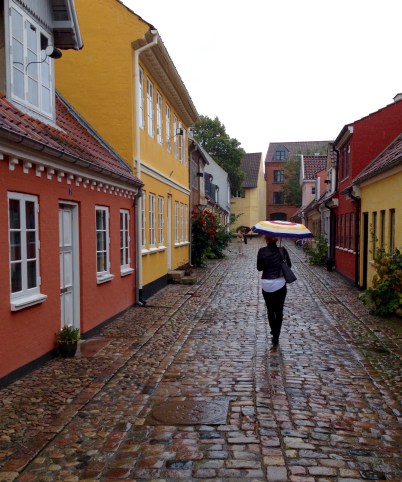 As the endless rain and the autumn winds welcomed us to Norway, our lively
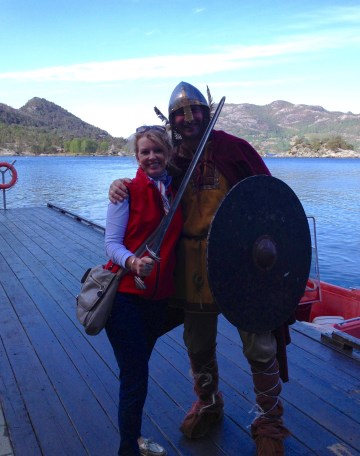 As important as it had been to me, I declined to teach as I had in other countries. I believed there would be a new opportunity and if I reverted to what I knew, I would not be in a position for this new country to infuse and inspire with its beauty and uniqueness.
 We departed my beloved Norway and soon called the soviet-style streets of Kazakhstan home. And we became empty-nesters.
 Yet on most days I choose to be joyful; to embrace the colour, the culture, the mysteries of India.
 So there is never truly ‘wasted time’ if we grow from it.
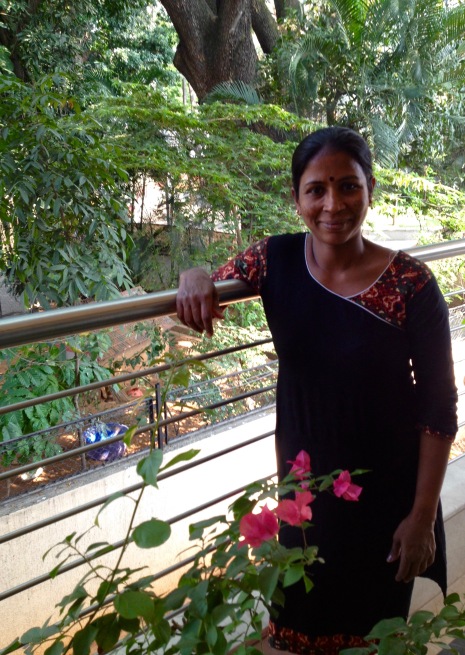 Priya’s story has revealed itself gradually; snippets of conversation as we’ve come to know each other in our one year in India. I have known since she joined us as housekeeper, that Priya is widowed and raising children alone. This in itself, could be considered remarkable in India.
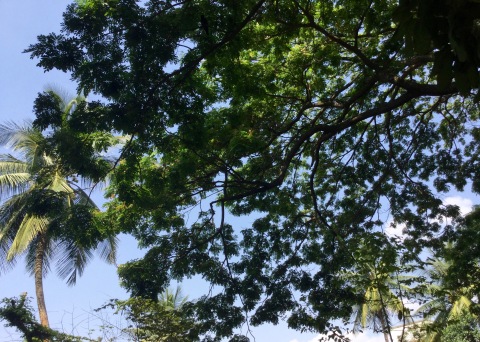 How did you feel, do you remember this? Oh yes, I was happy. Food was there. The bus ride was far, to Kerala, a convent. Sister Paulina took me. You know Madam, Priya gazes out to the lush rain tree and palm trees beyond for inspiration, coconut leaves were rolled long for lights (torch). Moved back and forth, very pretty at night. And spoons from jackfruit, we eat rice, lots of rice and coconut chutney always there. Priya smiles with the memory of this and I tell her I love this kind of chutney. Oh yes Madam!
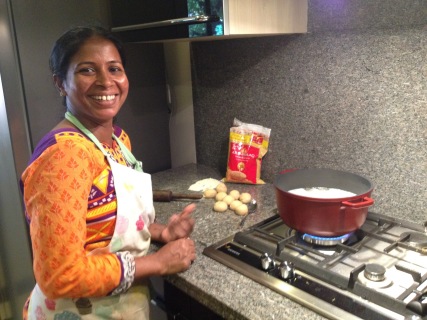 You didn’t go back home of course, you had no choice but to marry? No this is my life. I dream Madam and Priya laughs at her own naivety at the time, I can watch T.V, cook for my husband, a good life. Her voice trails off at what might have been…


