Tag Archives: travel

Summer Glamping in Golden… An Iconic Canadian Mountain Town

Standard

We call them mountain towns and nature has spoiled us with these veritable summer playgrounds. Nestled amongst majestic peaks and dazzling crystal-blue lakes and rivers, they’re gateways for hiking, biking, golfing, paddling, and camping. In our case glamping, as it comes with a dose of the glam with Lupin, our beloved Sibley Bell tent. With the car packed full to the gunnels, bikes and canoe strapped on, last month we chose a new mountain town to play in.

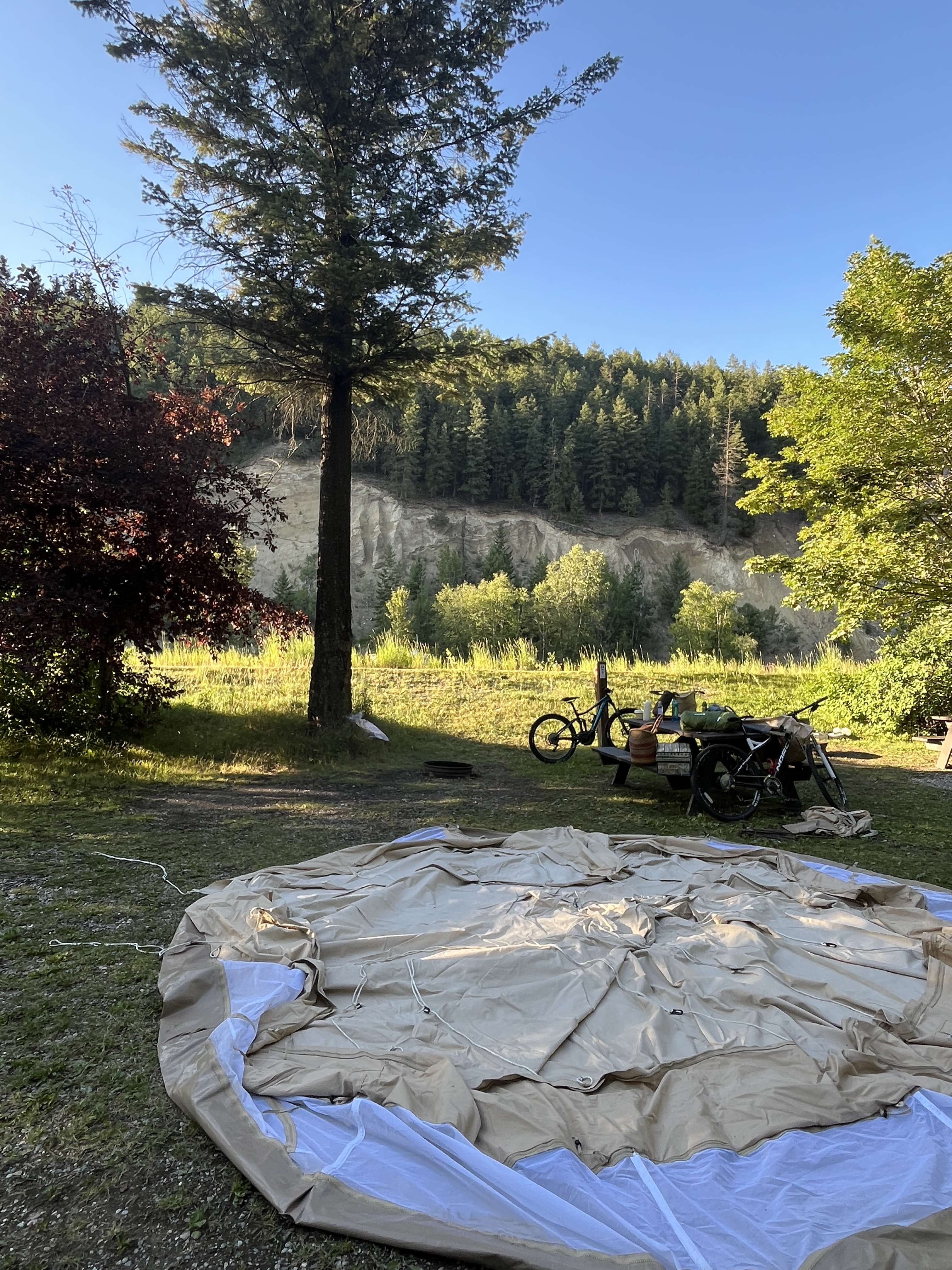
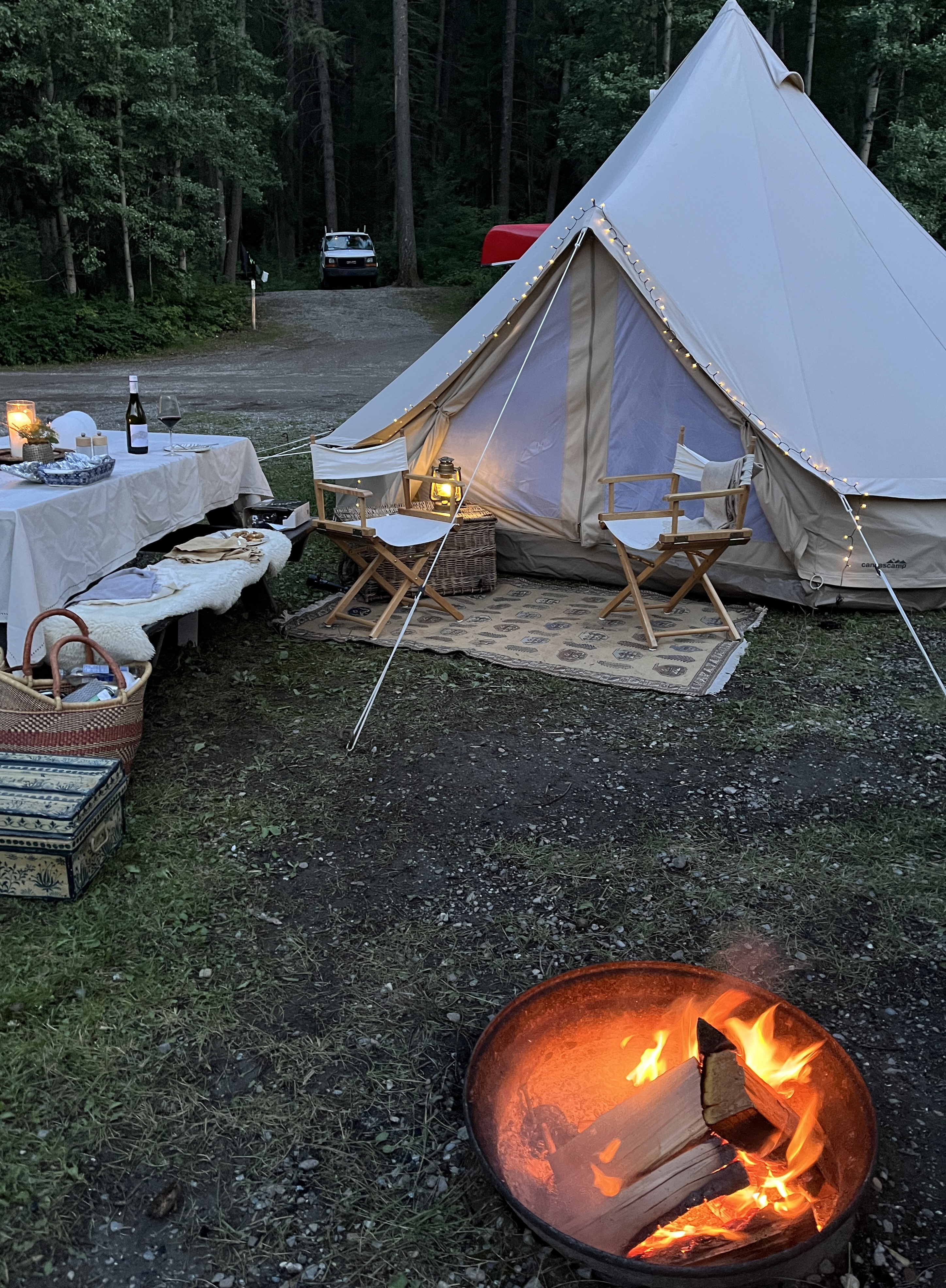
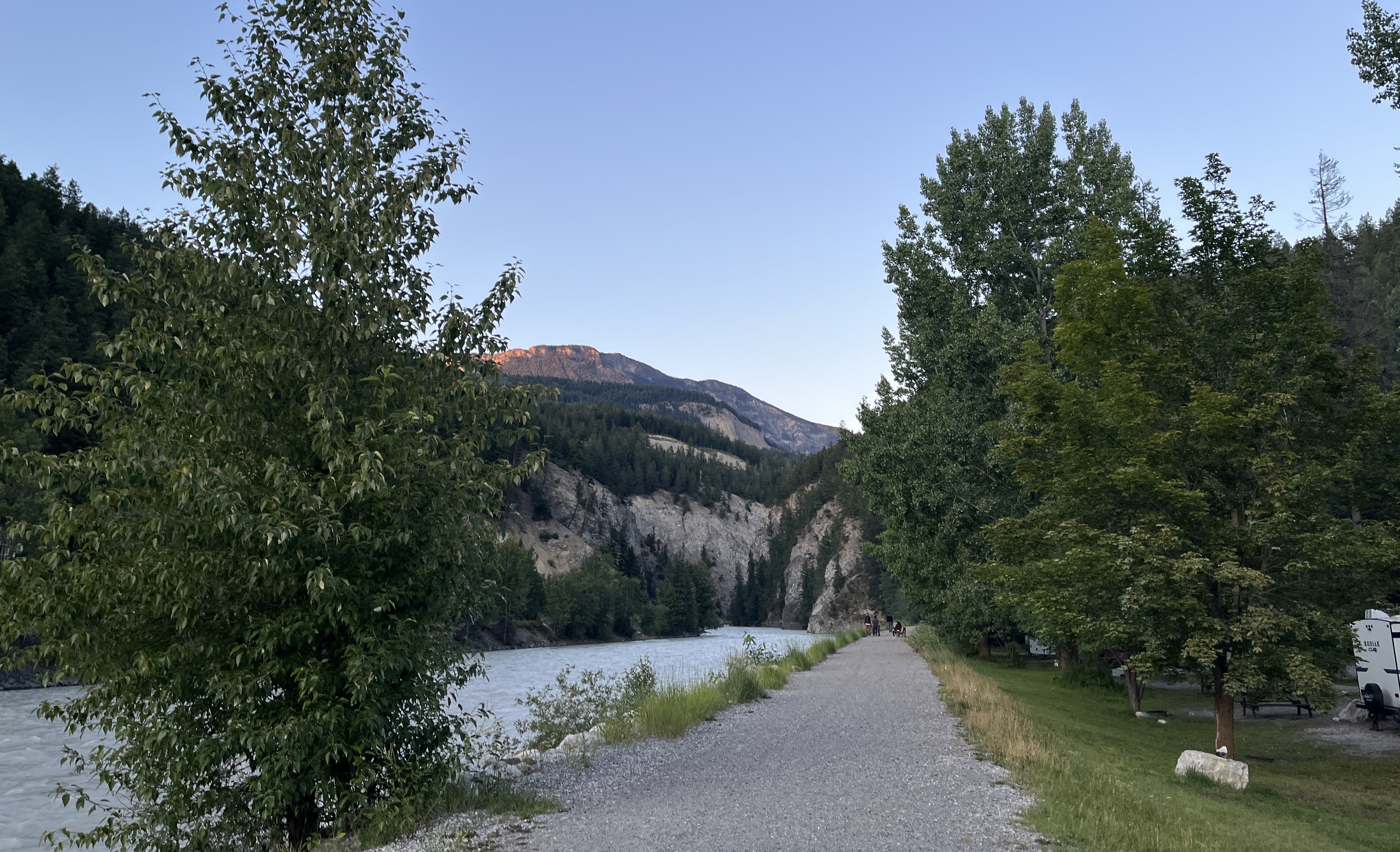
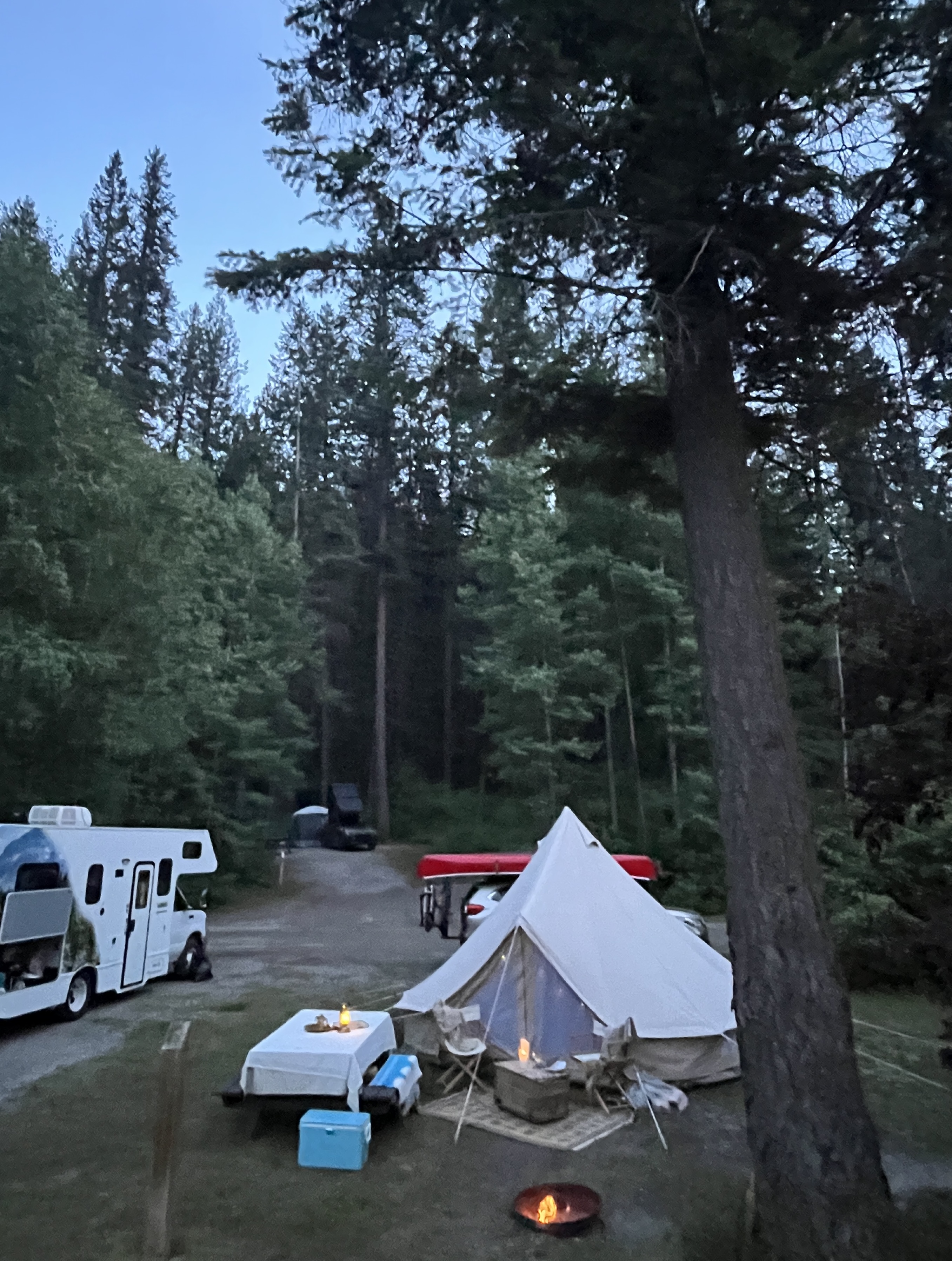
We often choose to stay in the heart of towns, in Municipal Campgrounds, as we did with our iconic glamp in Kaslo, near Nelson. In Golden, the choice graced us with a picturesque spot along the Kicking Horse River. Pesky mosquitoes were part of the welcome crew and with our site set up in about an hour, the campfire was soon crackling away, dinner and wine ensued. We savoured the slow unfolding of dusk and with the revelation of night upon us, we marvelled at a thousands stars in the twinkling sky above.

Nestled in the Rocky Mountain Trench, along the confluence of the Columbia and Kicking Horse Rivers, the town of Golden is surrounded by three different mountian ranges and five National Parks. Our camping spot was surrounded by other campers from the tiniest of tents, to grand trailers, to old-school camper trailers. It seemed that all of us – from the many Americans and overseas travellers, to fellow Canadians – were genuinely pleased just to be in the great outdoors, yet with amenities at our fingertips.

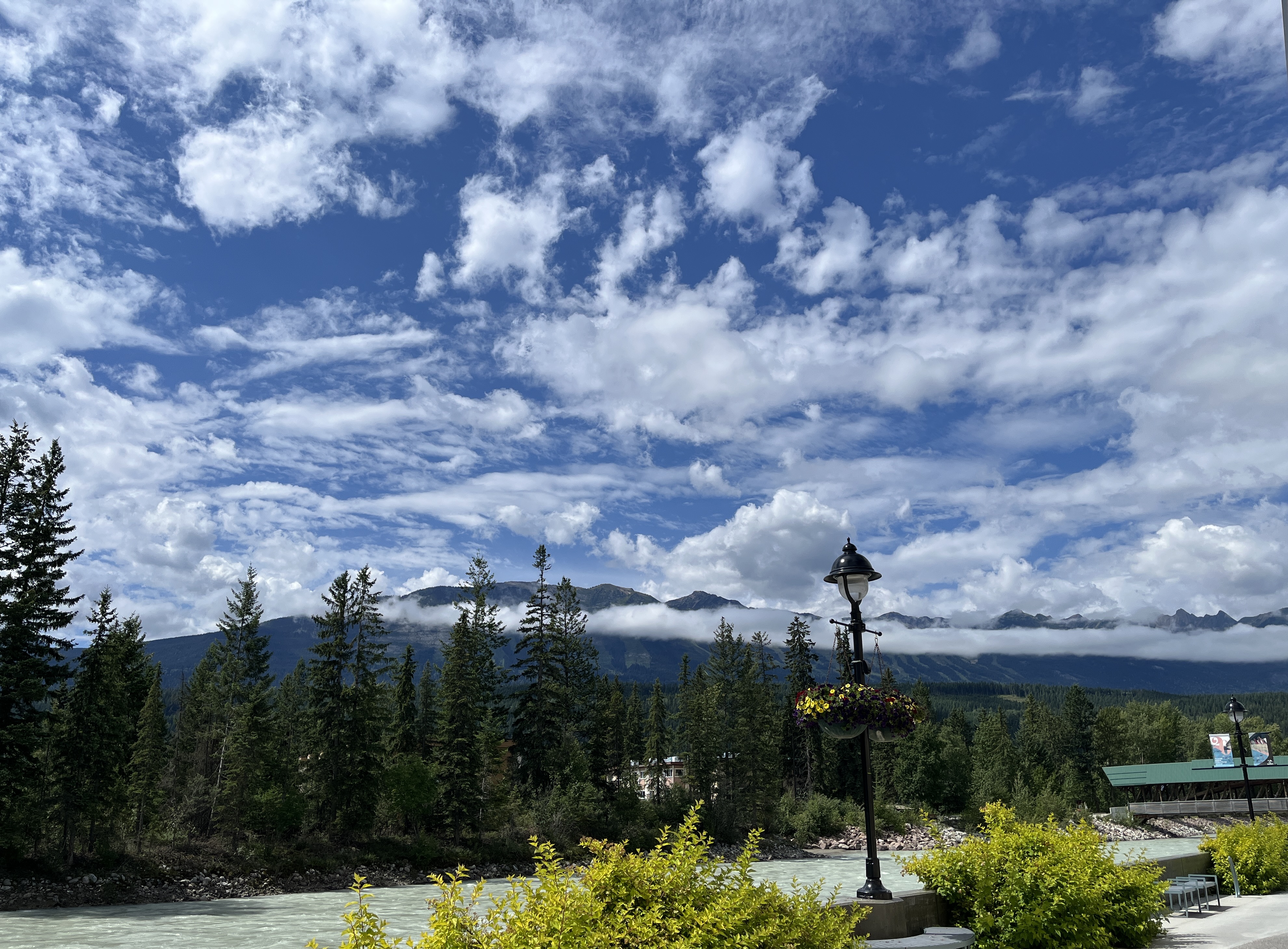
Each morning after coffee around the campfire, we’d set off on our bikes to explore the town. With its river running through it, Golden is bestowed with a stunning setting. The Kicking Horse Mountain Resort has an eagle eye’s view in the distance and a long promenade stretches alongside the river. Canada’s longest timber-framed bridge is its anchor.

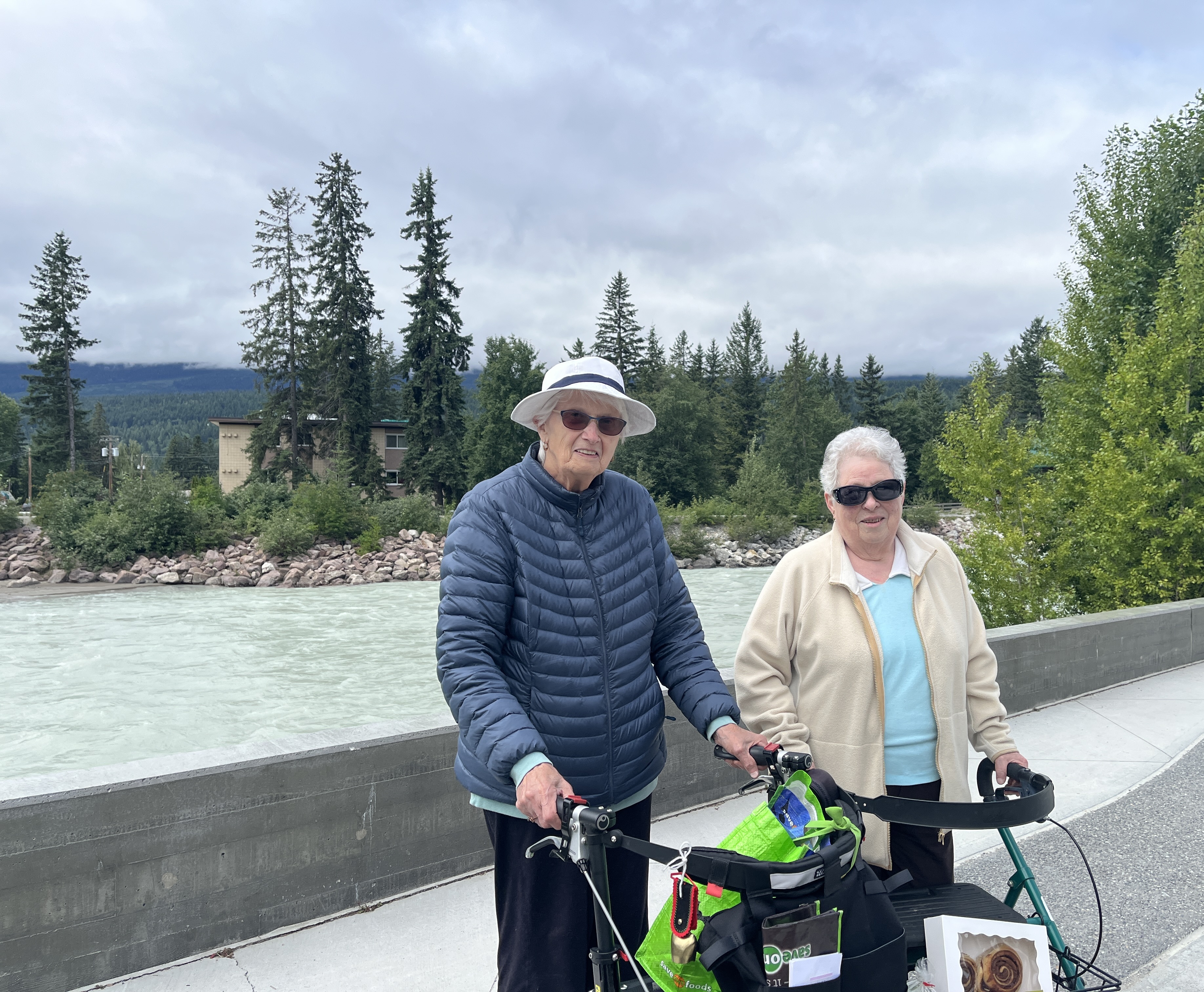
We chance upon Betty and Lynn out for a mid-morning stroll. “Such a beautiful spot for a morning walk,” I say with a smile. They immediately offer a sincere apologize,” We’re sorry that our mountain is hiding behind the clouds.”

“Oh I know it’s there,” I confirm, “your beloved ski hill is hiding! We’re from Kimberley, another ski hill town.”

“I was raised in Kimberley,” one of the ladies says fondly and from there our conversation flows.

The peaks soon reveal themselves in the unseasonably chilly morning and the ladies happily relate a few local stories of life here in the ’50’s.

“When we first arrived, there were only two telephones in the town and one of them was at my place… well you can imagine the commotion!” They admit the town has greatly changed as it’s now a world-class ski resort and hiking destination.

I‘ve written previously of the Swiss guides who first made Adventure Tourism possible in the area. The Canadian Pacific Railway brought the guides to the area in 1899. Earlier in that century, the renowned fur trader, surveyor and map maker David Thompson was tasked with opening a trading route to the Pacific Northwest. Navigating the vast and treacherous Rocky Mountains, he first travelled to the future site of Golden in 1807. It wasn’t until 1881 that the CPR hired A.B. Rogers to find a rail route through the region. The base camp established for his crew eventually first of the settlement now known as Golden.

The ladies tell me that the town was eventually named Golden. “It had to out-do nearby Silvertown.”

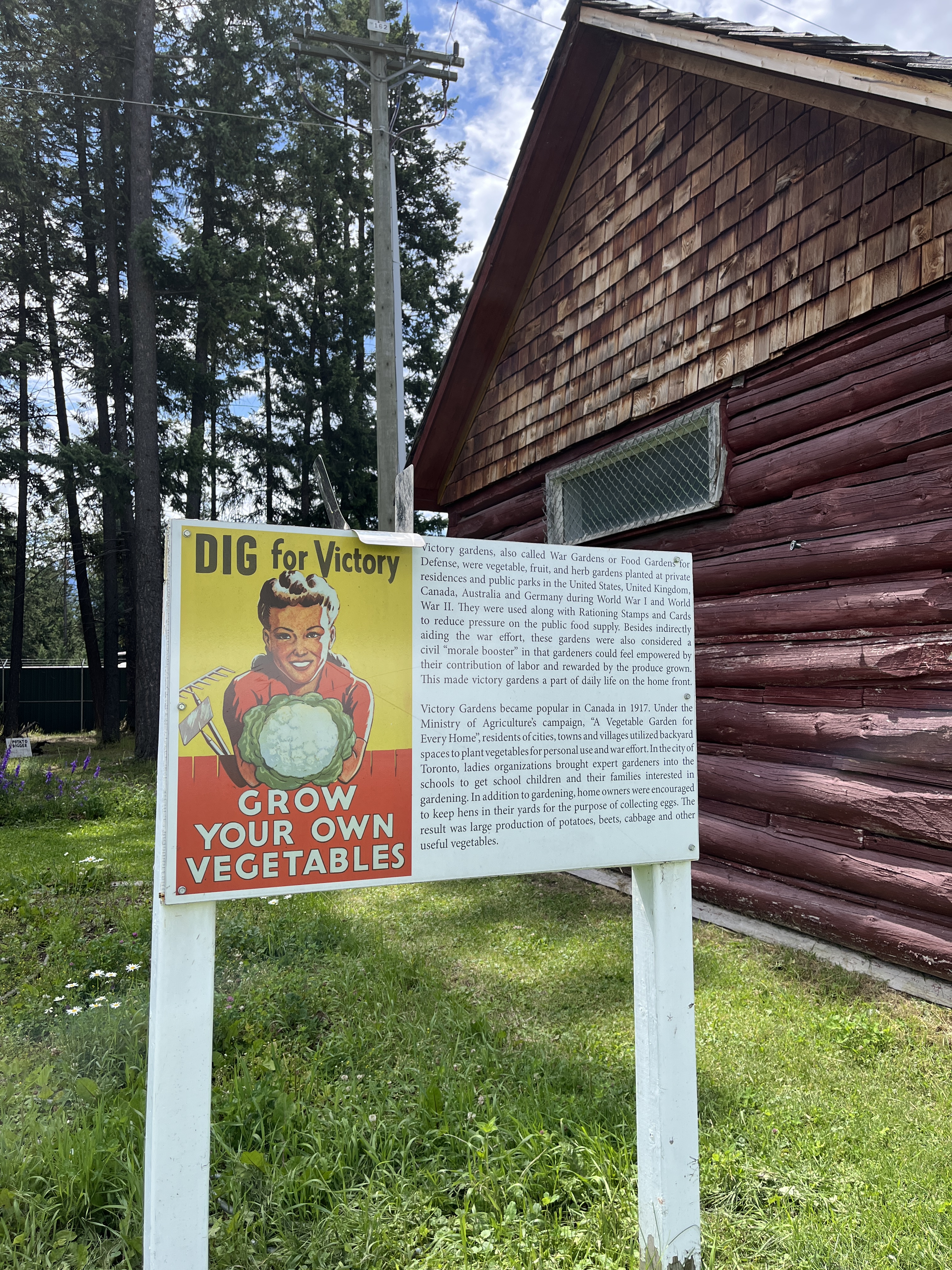
After our chat and a browse through the market, we cycle through the wide streets to the local Museum. It’s charming, full of information, and regals with stories about the original Columbia River Lumber Company which grew the settlement, while also attracting a large hard-working Sikh population. The Museum also pays homeage to Victory gardens, or war gardens, vital during the first World War; utilizing backyards for food, both for personal and the war effort. And of course there is much mention of the vital role those Swiss guides played.

Swiss mountaineers were employed during the summers, returning home to Switzerland over the winter, most over-wintered working as caretakers for the seasonal CPR hotels. Of the fifty-six first ascents of mountains over 3000 metres prior to 1911, no fewer than 50 first ascents were made under the steady hand and sure foot of these experienced men. By 1925, CPR’s 35 Swiss Guides had led more than 250 first ascents in the mountains of western Canada. With no fatalities in their care, and perhaps basking in their reputation as gentlemen and colourful characters, many would bring their families to make their Golden home at the purpose-built Edelweiss Village.

We had visited their home-away-from-home a number of years ago, now it has greatly changed… refurbished, re-imagined and open to guests.

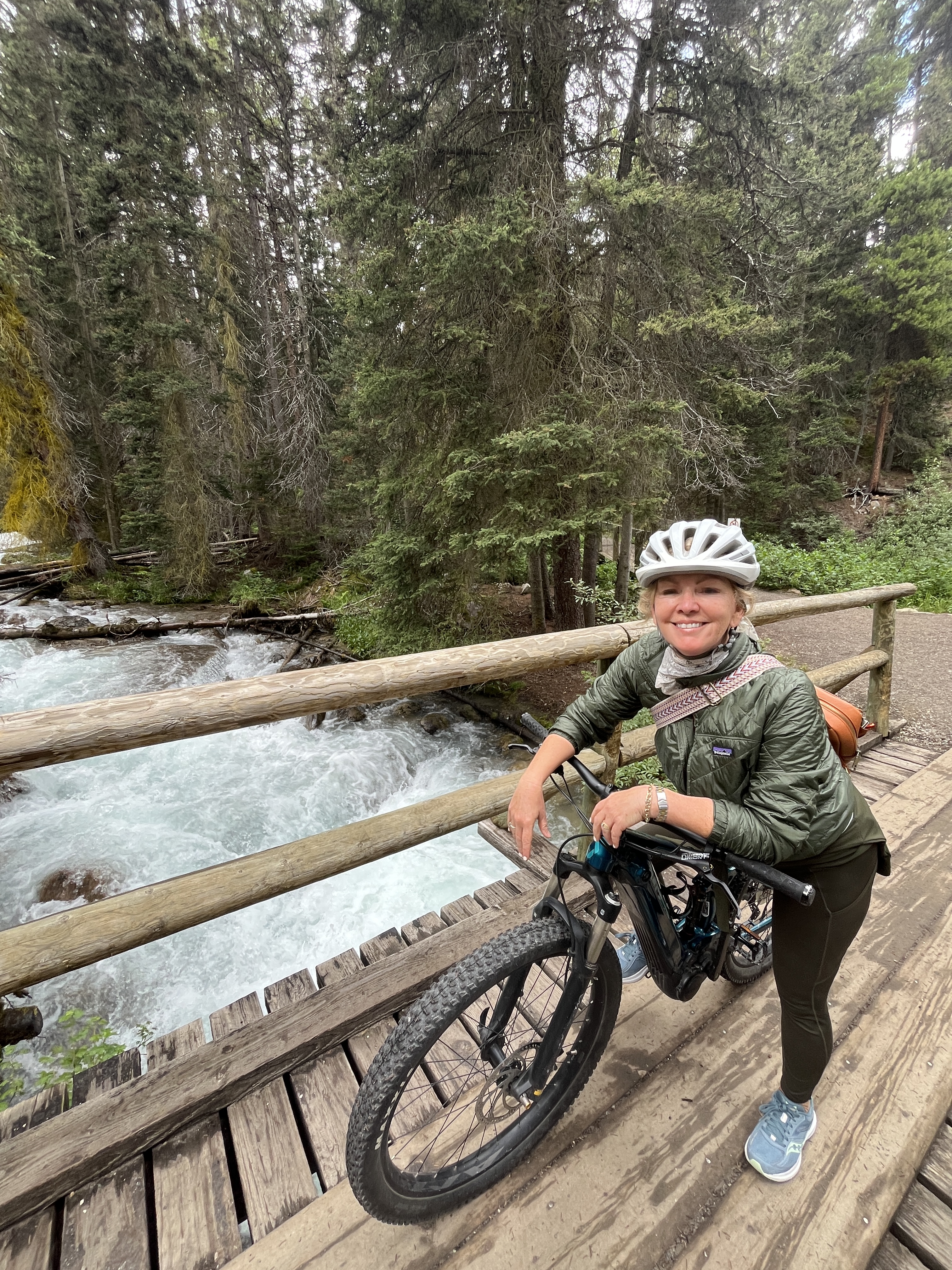
Our bike rides take us out of town, through forested trails, up and down mountains and on the last day to the famed Lake Louise… with a little driving in between. The beautiful drive from Golden to Lake Louise heads east, then south for about one hour through Yoho National Park. Stop at the Spiral Tunnels, the Golden Skybridge, Wapta Falls, Emerald Lake, or the sleepy but gloriously positioned town of Field.

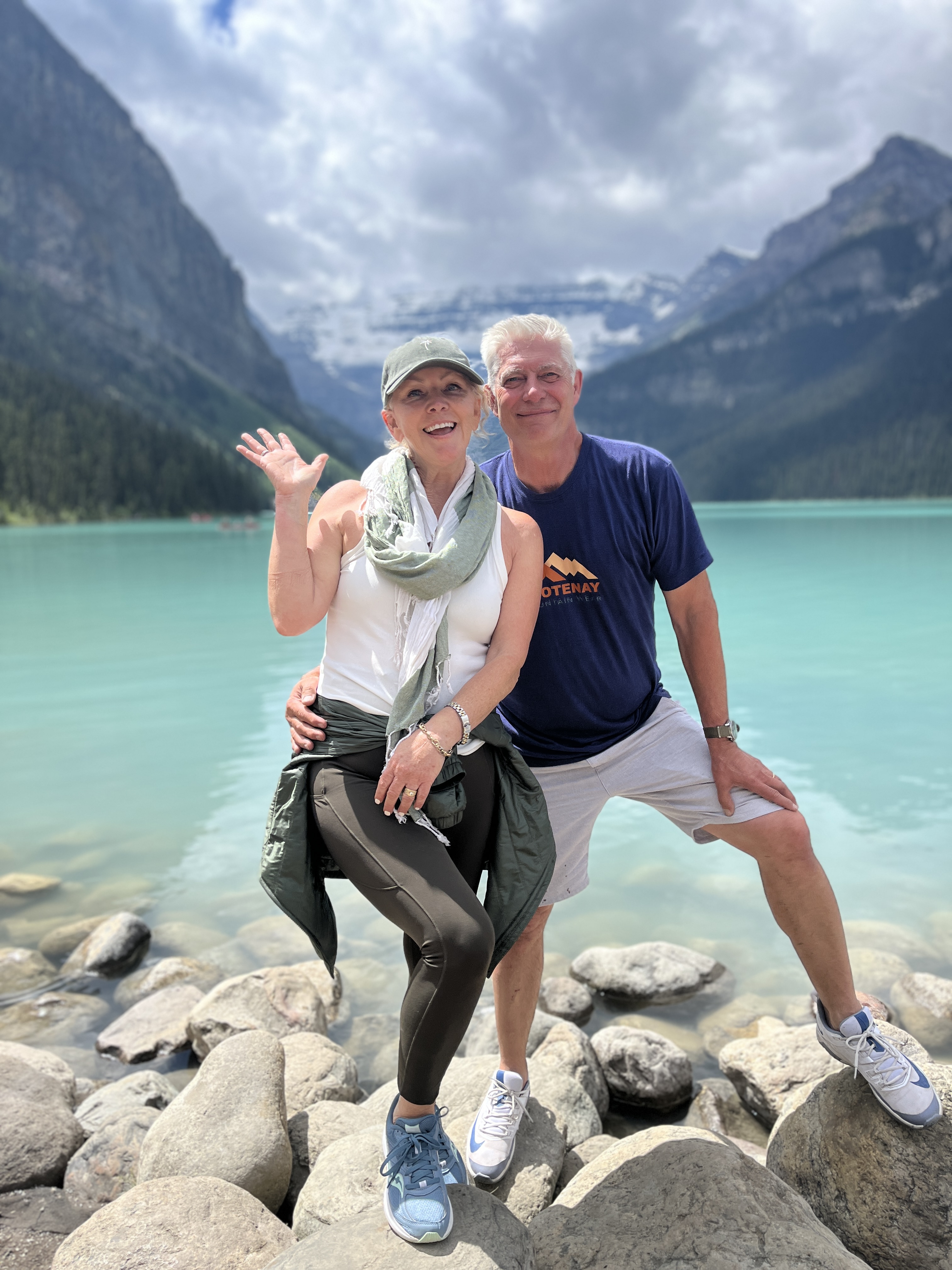
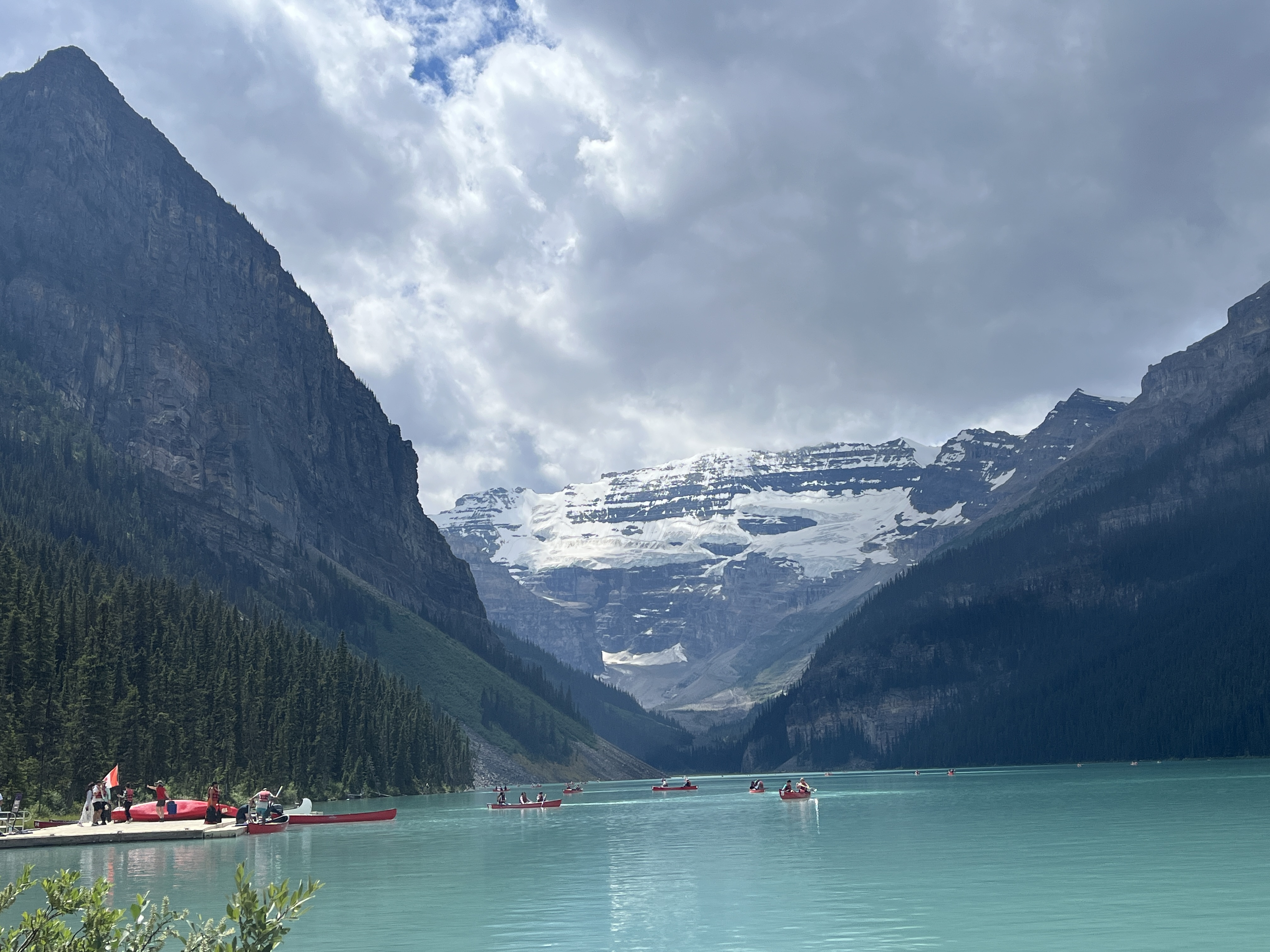
After parking in Lake Louise Village, we biked the former route of the tramway up to the lake – about 10 km both ways. The Tramline Trail leads you to one of Canada’s most breathtaking views. As always people have flocked from around the world to catch a glimpse of its iconic magic.

Back at the campsite on our last evening, a young father strolls past for a pre-bedtime walk with his children. “What a beautiful set-up, a bell tent. I know them well as I was in the military,” he tells me.

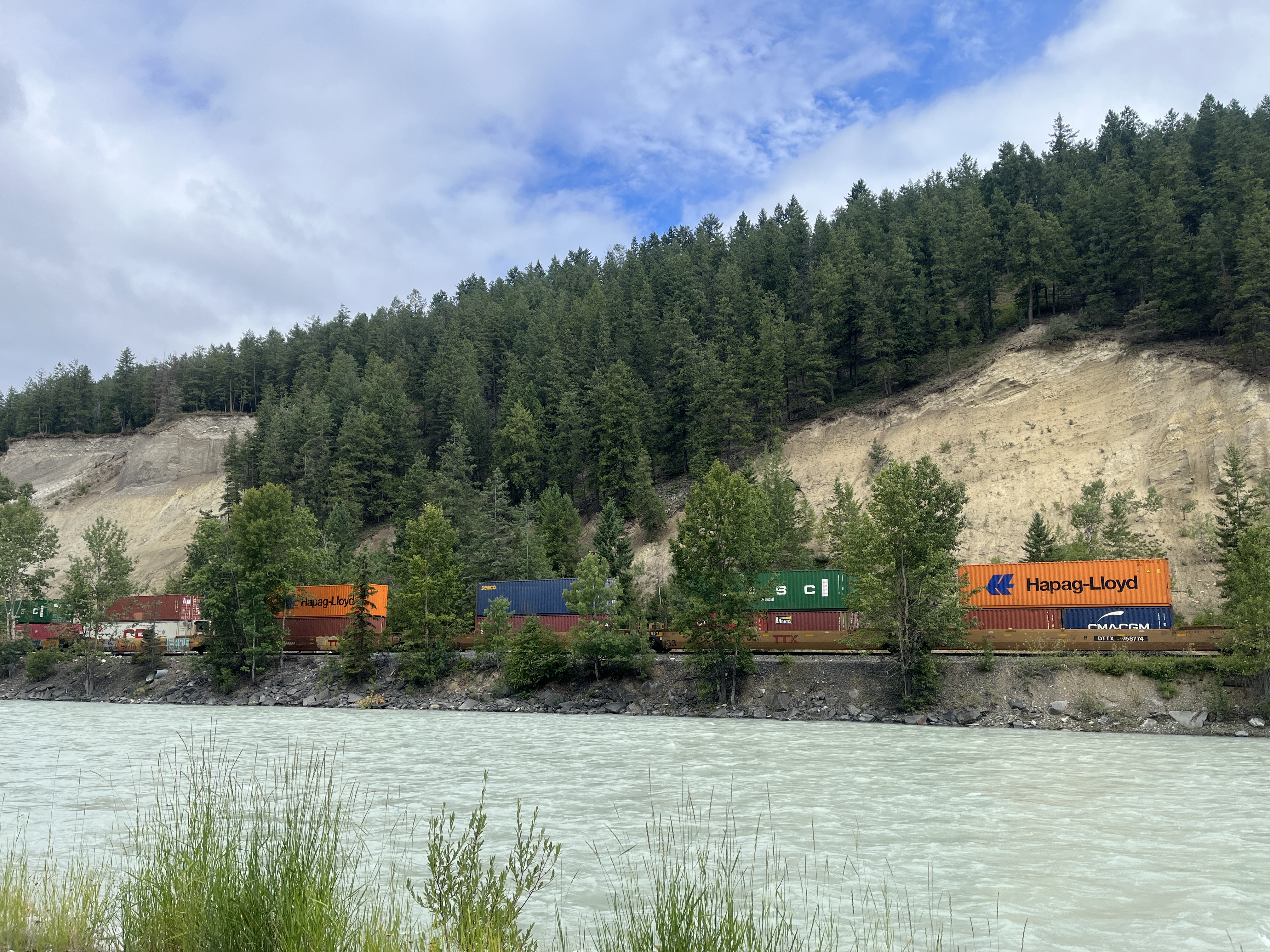
We’re used to compliments about our Lupin, she is always the ‘belle of the ball’ at any campsite. Dramatic on the outside, inside she’s cozy and warm. Shadows play on her canvas and the noises of the night may awaken you, but they accompany the scene like a grand outdoors sound track. Even the trains thundering past through the night, just on the other side of the river, weren’t bothersome but a tangible reminder of our vast country and the endless task of moving goods.

The Sibley Bell tent was invented by American military officer Henry Hopkins Sibley. Patented in 1856, the conical design stands about 3.7 metres high, 5.5 metres in diameter and can comfortably house about a dozen men. In our case, the most Lupin has slept is six adults and our grand-dog Captain… cozy indeed!

Sensational Seville… Solo travel Spanish style

Standard

As I check into the gorgeous Tayko Hotel, one of the friendly staff orientates me with the city. Miquel explains that there’s a fun saying in Seville. “There’s more tapas bars than people,” he quips as he jots down a few of his favourites on the city map. He explains that here in Andalusia, they love humour and exaggeration. Over the next four days, not only will I find my own favourite tapas bar, I’ll notice that the locals absolutely have a certain joy and exuberance for life, a love of music and dance… and then there’s the flamenco!

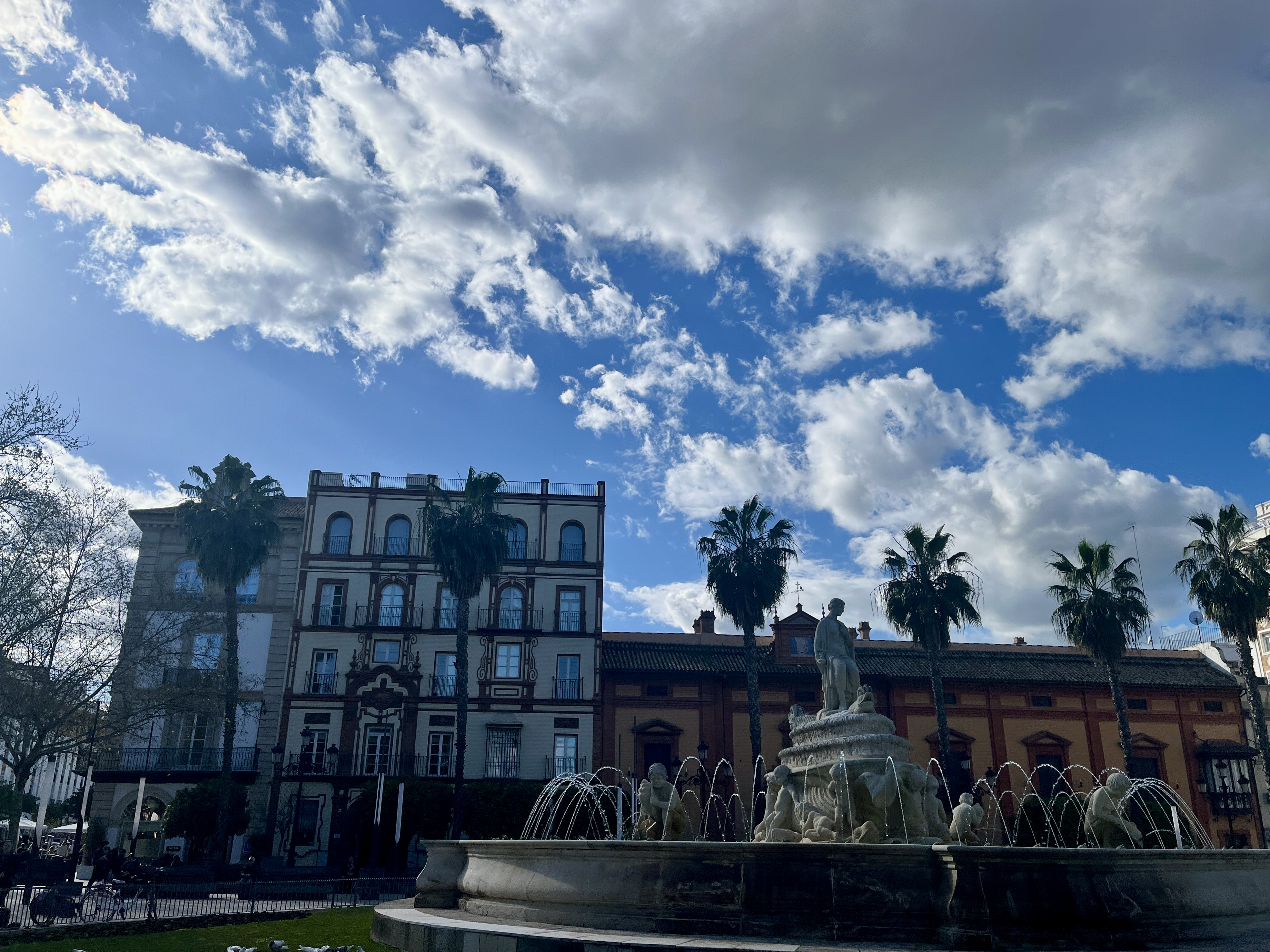
Seville (seh-VEE-yah) is flamboyant, beautiful, stately yet inviting. ‘A vibrant sangria of civilization,’ to borrow Rick Steve’s apt description. Also, I find it to be a veritable city garden, where luscious oranges and lemons really do dangle from tree-lined bouvelards. The City of Oranges, as it’s known, is also blessed with the tallest of palm trees, vivid bird-of-paradise, parakeets and white doves in abundance, gorgeous white bougainvillea against crinkly cacti, and the jasmine blooms are just beginning to perfume the late March air. Colourful mosaics adorn walls, musicians take their turns on street corners, and the layering of the past… Roman, Moorish and Spanish is an intoxicating palimpset of history.

I‘m delighted to have some warm weather as this trip started in rainy Barcelona. I use ‘I’m’ as this is mostly a trip of solo travel. Other than a lovely two day visit with a friend in Valencia and a writing retreat still to come with friends after Seville, I’m on my own. At breakfast this morning, another solo traveller from the Netherlands and I were discussing the advantages of meandering single. We celebrated the challenge and thrill of navigating and scheduling – thankfully the Spanish train system is efficient – and the satisfaction of arriving where you’d hope to be. Call me old school, yet I prefer a physical map to google – maps of Barcelona, Valencia and Seville are already tatty, marked and ‘souvenirs’.

Solo travel allows for serendipitous encounters, both with other travellers and locals. The Spanish are welcoming with a fascinating, proud culture. As a travel writer, being on my own allows me to observe and explore thoroughly, to fully embrace the history and nuances of a place. I admit by sunset, sitting alone at an outdoor cafe in a plaza thrumming with life can feel a little lonely and yet that’s how I’ve already met so many interesting people on this trip. Taking a local tour is also essential when you’re travelling alone. In Barcelona, I did a paella making course, fantastic and delicious! Here I tour twice in one day, the old town, then the Jewish area which finishes with a group tapas date… insightful, lively and lovely company for an evening.

Speaking of exploring, we know that explorers Amerigo Vespucci and Ferdinand Magellan sailed from this river harbour, discovering new trade routes and abundant sources of cocoa, tobacco, gold and silver. When Spain boomed as a gateway to the New World in the 1500’s, Sevilla also transformed. Yet another great explorer had sailed from nearby even earlier. In 1492, the Italian Christopher Columbus had persuaded the Spanish Monarchs to finance his bold scheme to trade with the East by sailing West.

Yet that’s really more ‘recent’ history. Seville was founded as the Roman city of Hispalis, one of the most important cities in the empire. Nearby Italica was founded in perhaps 200 BC, Trajan and Hadrian called it their hometown. Move forward to 711 AD, and it became Ishbiliyah during the Islamic conquest, then part of the Arab kingdom Taifa of Seville, eventually incorporated to the Crown of Castile in 1248.

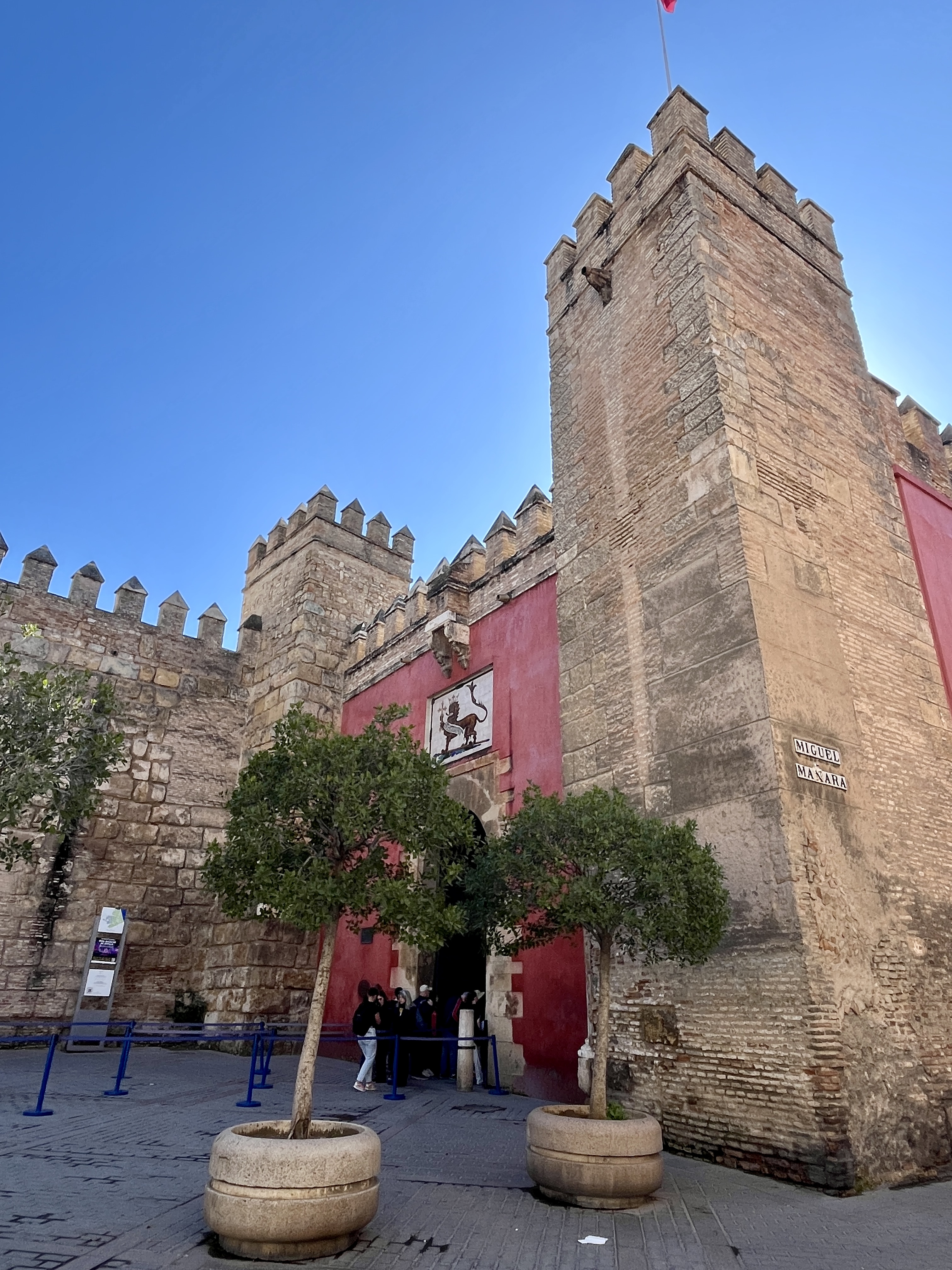
Today this rich history is now a UNESCO World Heritage Site known as the old town… the Alcazar palace, the largest Gothic cathedral in the world – once a mosque – and the General Archive of the Indies as its anchors.

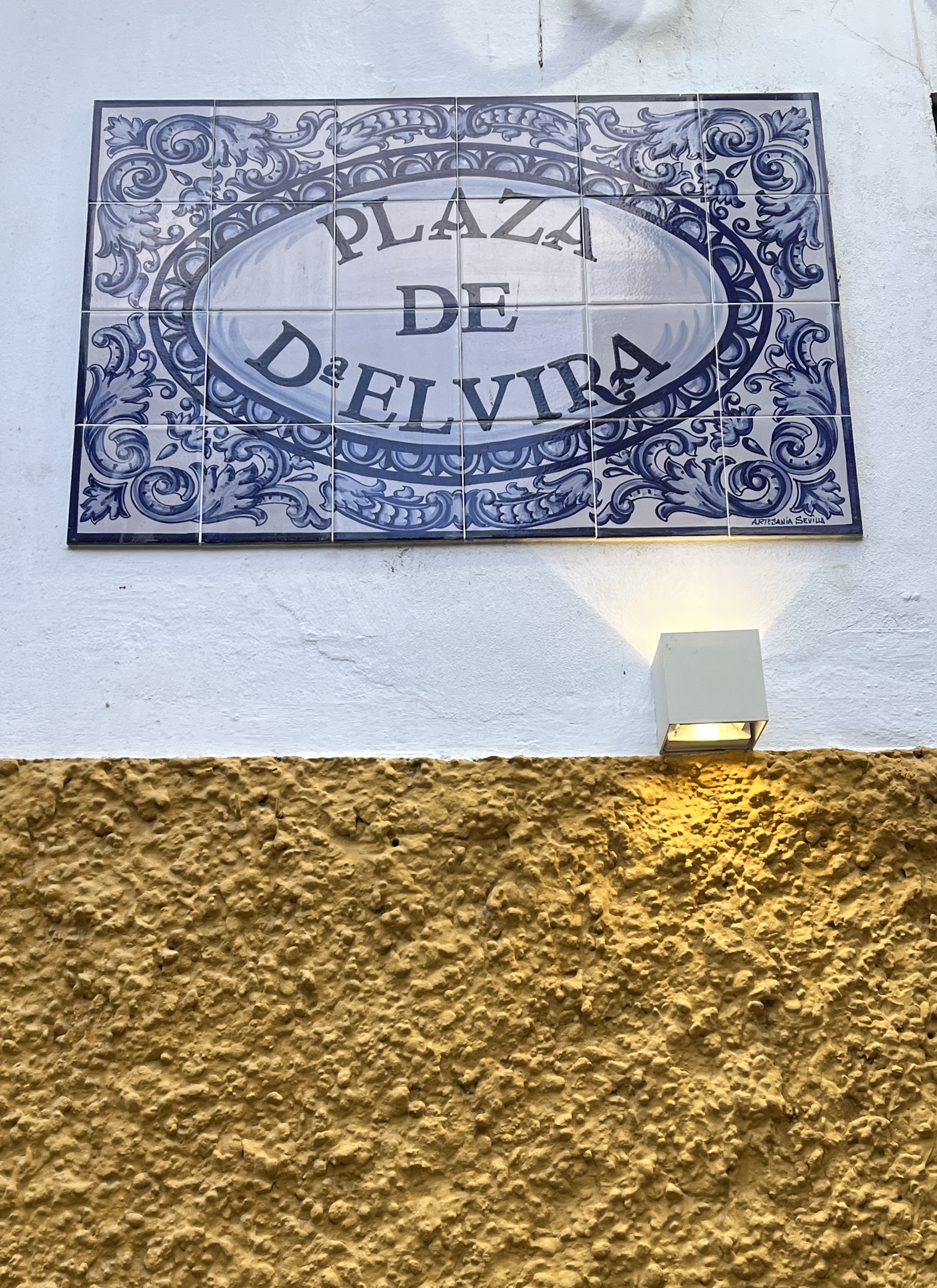
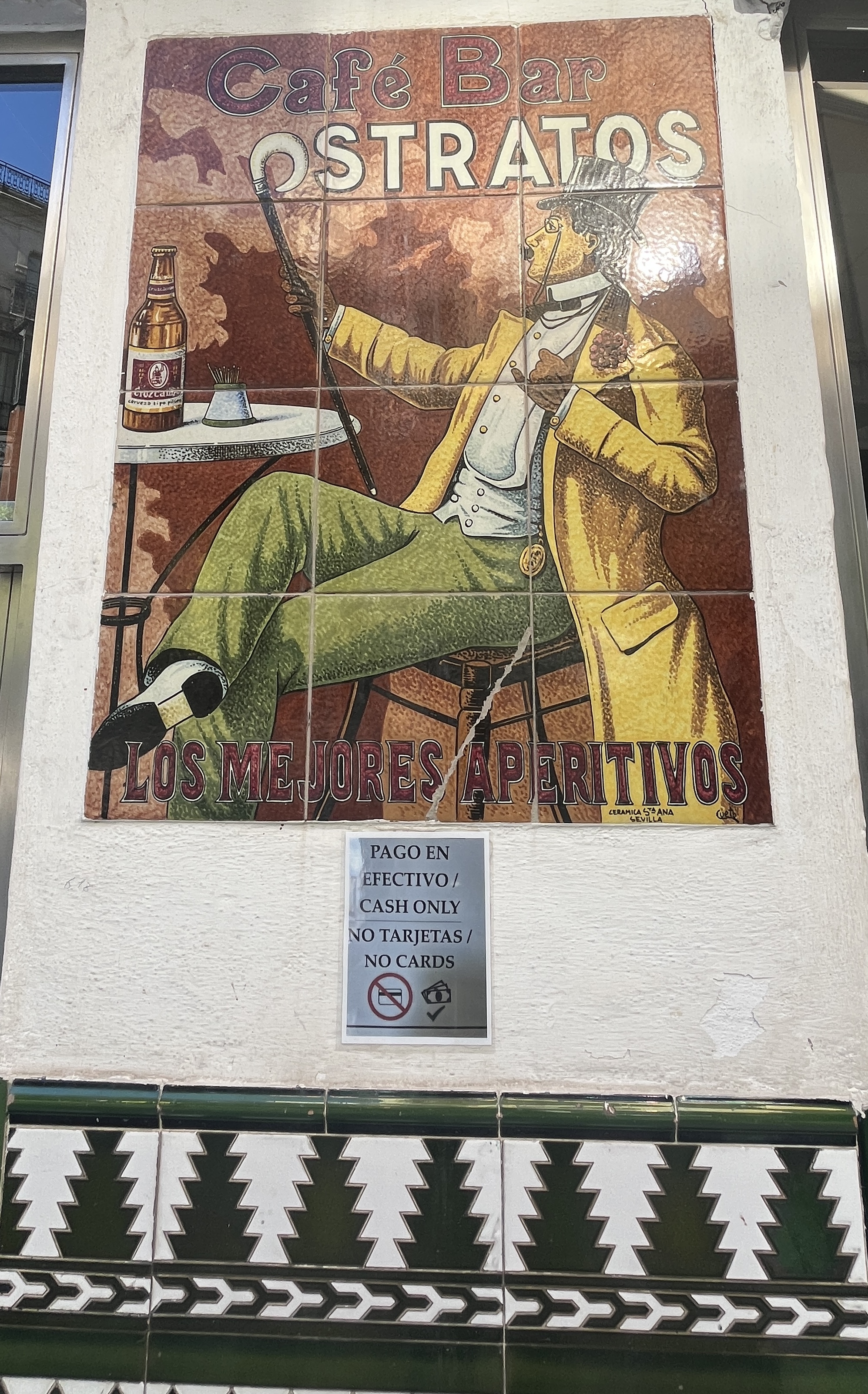
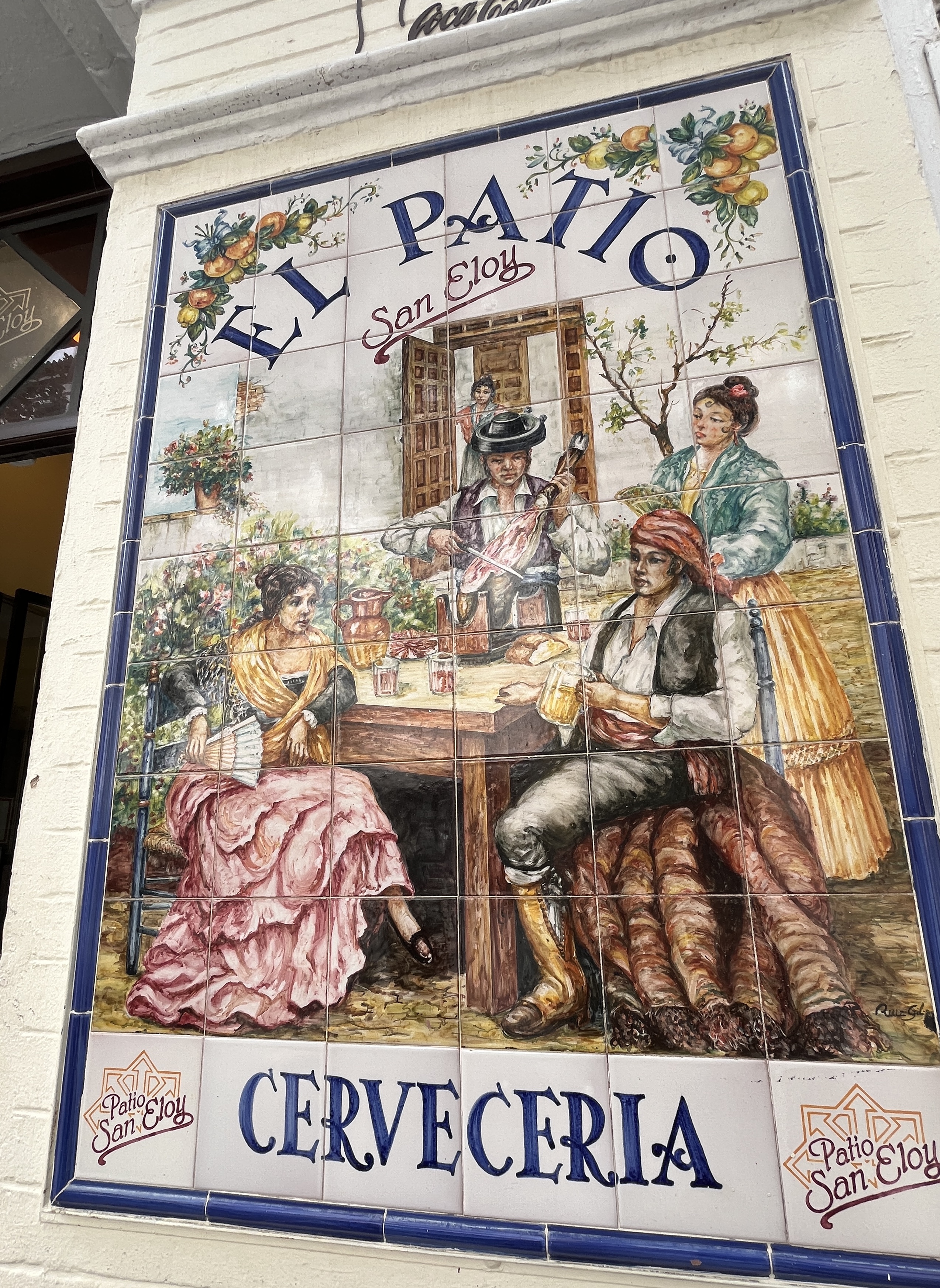
I tour the old town which finishes at the grand Plaza de Espana, a Renaissance/neo-Moorish monstrosity, built as a centerpiece for the Ibero-American Exhibition in 1929. Along with the multitude of pavilions and a canal for rowing, 48 alcoves and benches pay tribute to Spain’s provinces. Ensconced in Maria Luisa park, this masterpiece is also a showcase of azulejos, small tiles. Azulejos have been produced in Spain since the 14th century. Later, the bourgeoisie began embellishing their residences to identify their houses and portray their importance and wealth. Today they might also announce a town plaza or place of business; the Cerveceria, the Carnisseria, the Cocina, the Panaderia, the Taberna.

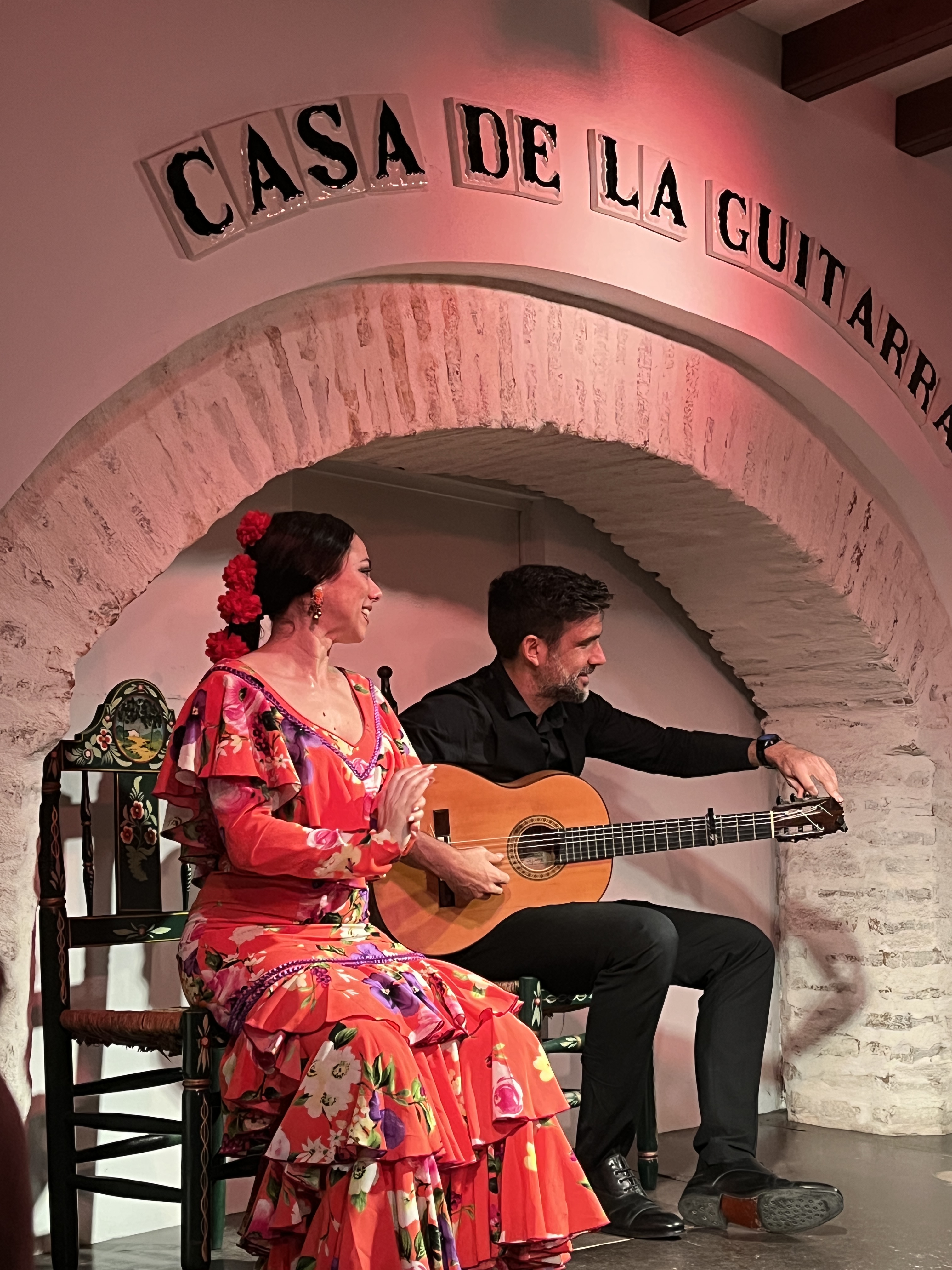
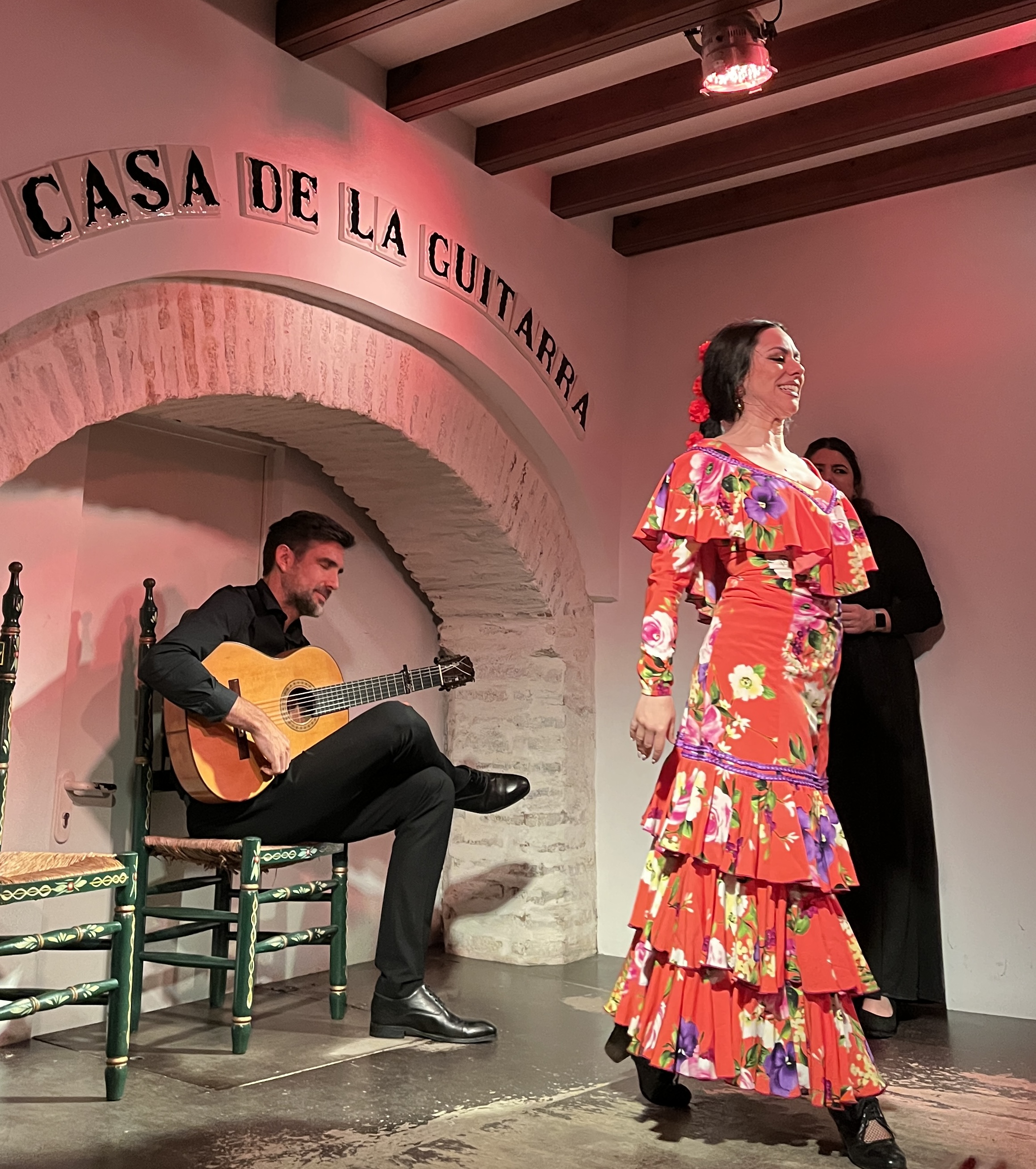
Cultural heritages are still relevant and part of everyday life in Seville and I immerse myself in two of them. One evening I attend my first-ever Flamenco performance at the intimate Casa De La Guitarra. This art form is based on folkloric music from this area, traditionally with performers of both Spanish and gitano heritage. Flamenco music dates back to 1774 and is a UNESCO declared Masterpiece of the Oral and Intangible Heritage of Humanity. The hour long performance is one of the most poignant you could experience.

The small audience waits in anticipation and soon our senses are filled with the evocative, the soulful, the sensual from the guitarist, the singer (cantaora) and the dancer. With fingers flying over his Spanish guitar, the guitarist leads the performance. The cantaora sings and claps the palmas, essential in flamenco music to punctuate and accentuate the song and dance, then carries the mournful, then exuberant tune with the occasional ole to cheer on and praise the dance performance. And of the dancer’s performance, I can hardly do it justice by describing her deep range of emotion, the raw magnetic energy, the machine gun-fire foot work, the grace, the soulful interpretation of the music. The audience is in awe of the three performers and their creation. Indeed, I now understand the poignancy in something I had read, ‘Seville is a place where little girls still dream of becoming a flamenco dancer.’

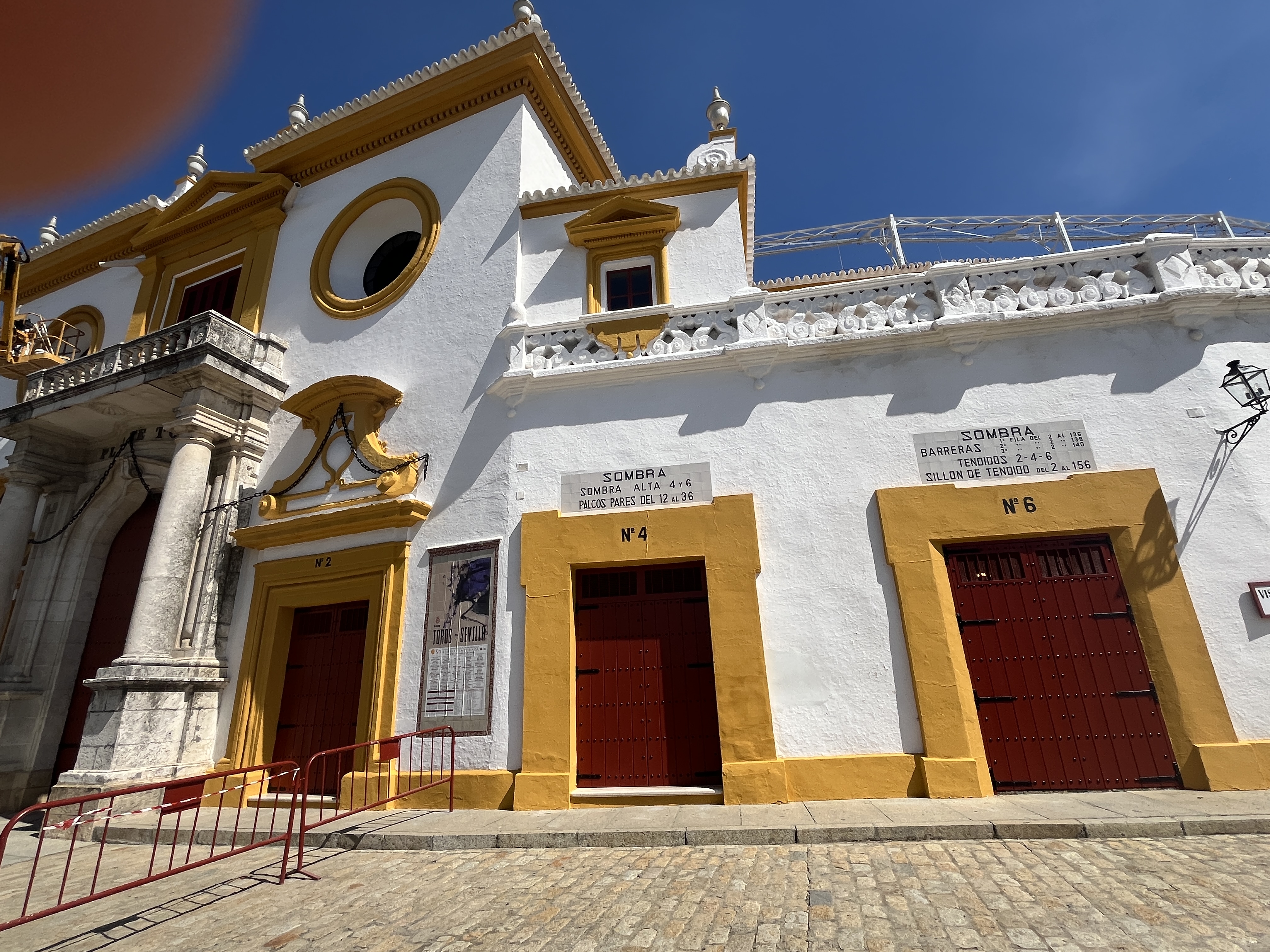
And of that other deep-rooted cultural tradition, of bullfighting? It’s not yet quite the season here in Seville and I wouldn’t have attended, yet as Miquel had told me back at the hotel, “Half of the population still revere it as a cultural practice, the other not.” And indeed, while some consider it a blood sport, many in Spain define bullfighting as an art form. Seville’s La Maestranze is the oldest bullring in Spain.

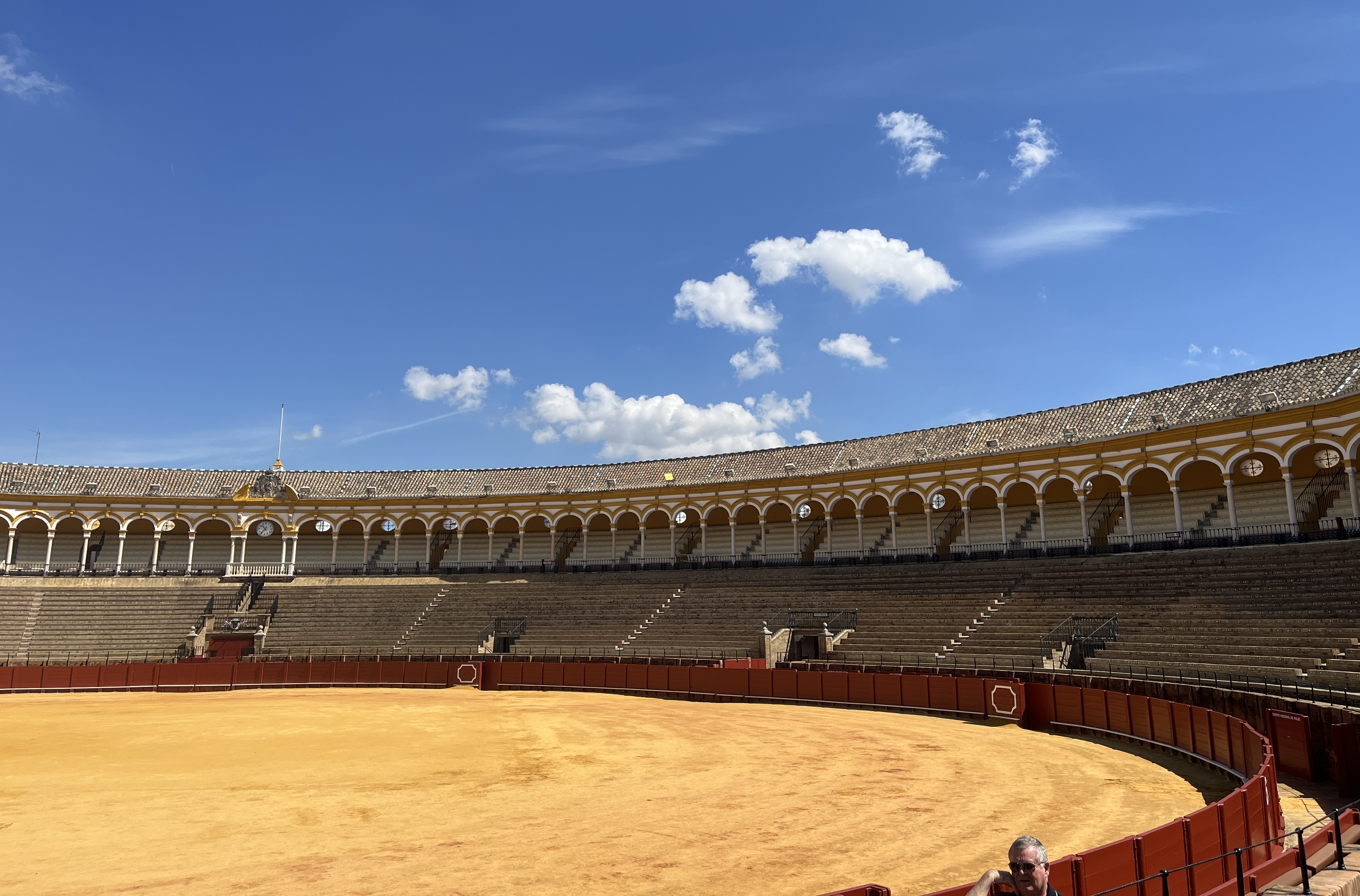
Situated within the heart of the city, I pay a small fee to visit apparently one of the world’s most challenging bullrings. For bullfighting aficionados, the history, memorabilia and grandeur of this bullring speaks volumes and is considered an essential visit when in Seville. Construction of the circular ring began in 1749 and has seen many evolutions, today’s seating capacity is 12,000. I wander through the museum, marvelling at the matador’s costumes, the awards and the posters that are works of art unto themselves. When I venture out into the stands, the vast ring before me, I get a small sense of what La Maestranze must be like during the season… this same sensation as standing in the Roman Colosseum and imagining the roar of the crowds, the excitement, and the misery.

By chance, my go-to bar pays homage to bullfighting with iconic, aged posters and the many regal heads of bulls on display throughout the cozy, historic bar. My new friend, Maria, explains the plaques under each majestic head; the bull’s name, to which matador it lost its life, where and when. They are noble even in death and there’s some relief in knowing they are preserved for posterity.

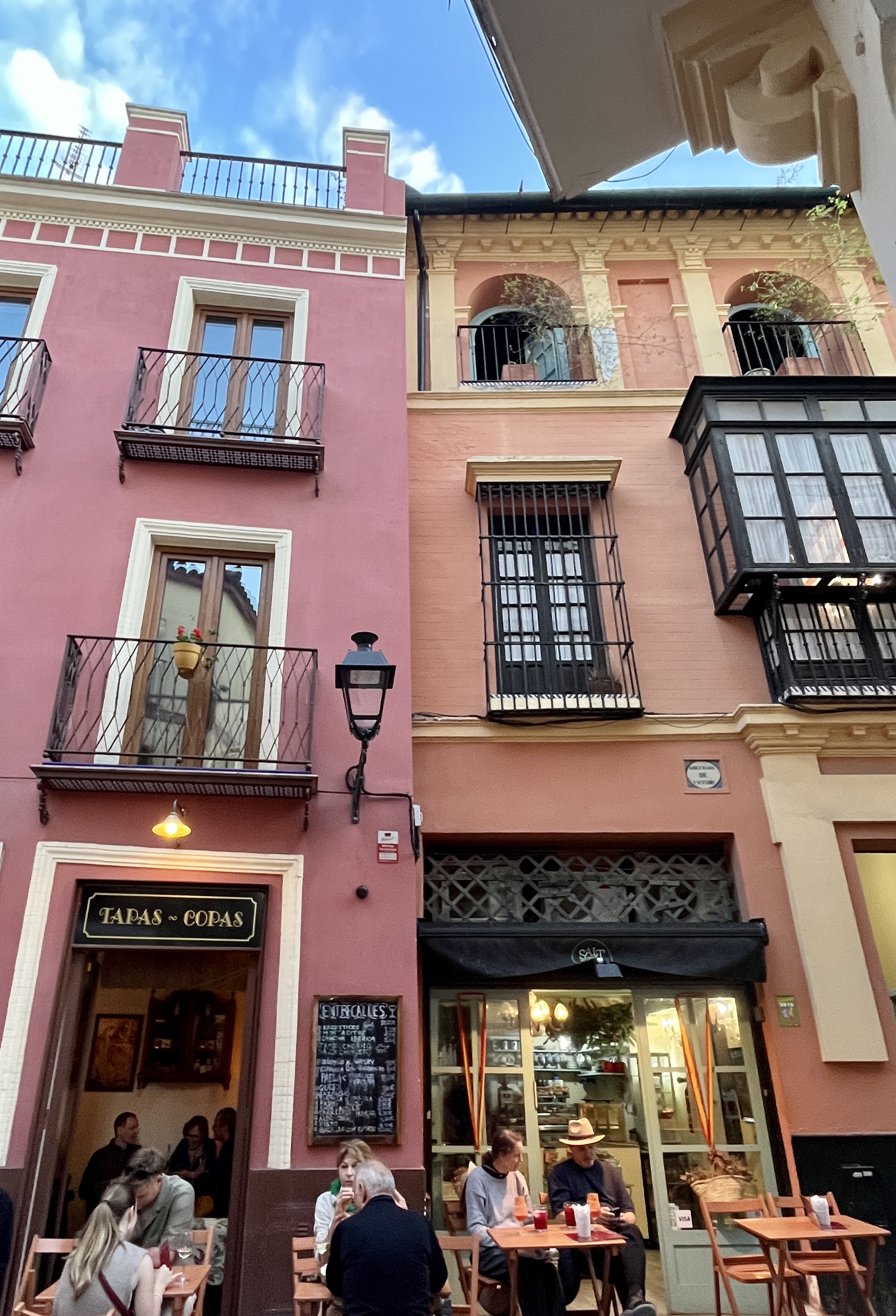
Located on the gastronomic haven of Mateos Gago Street, just along from the Cathedral, Cerveceria Catedral Bar becomes my once-daily pause for tapas, a glass of white redjo, and just to watch the world go by after a day of discovery. As a solo traveller, don’t be afraid to return to a place where you feel comfortable and welcomed.

“Hola la senora?” Maria says cheerily, “Same, a Verdejo?

I nod, “Si, por favor,” find a seat and plot which delectable tapas I’ll have this fine, late afternoon…

New York, New York… Ode to spectacular NYC

Standard

Oh NYC, you are as spectacular as I hoped you would be. Your vibrancy and beauty, your energy and grandeur is intoxicating.

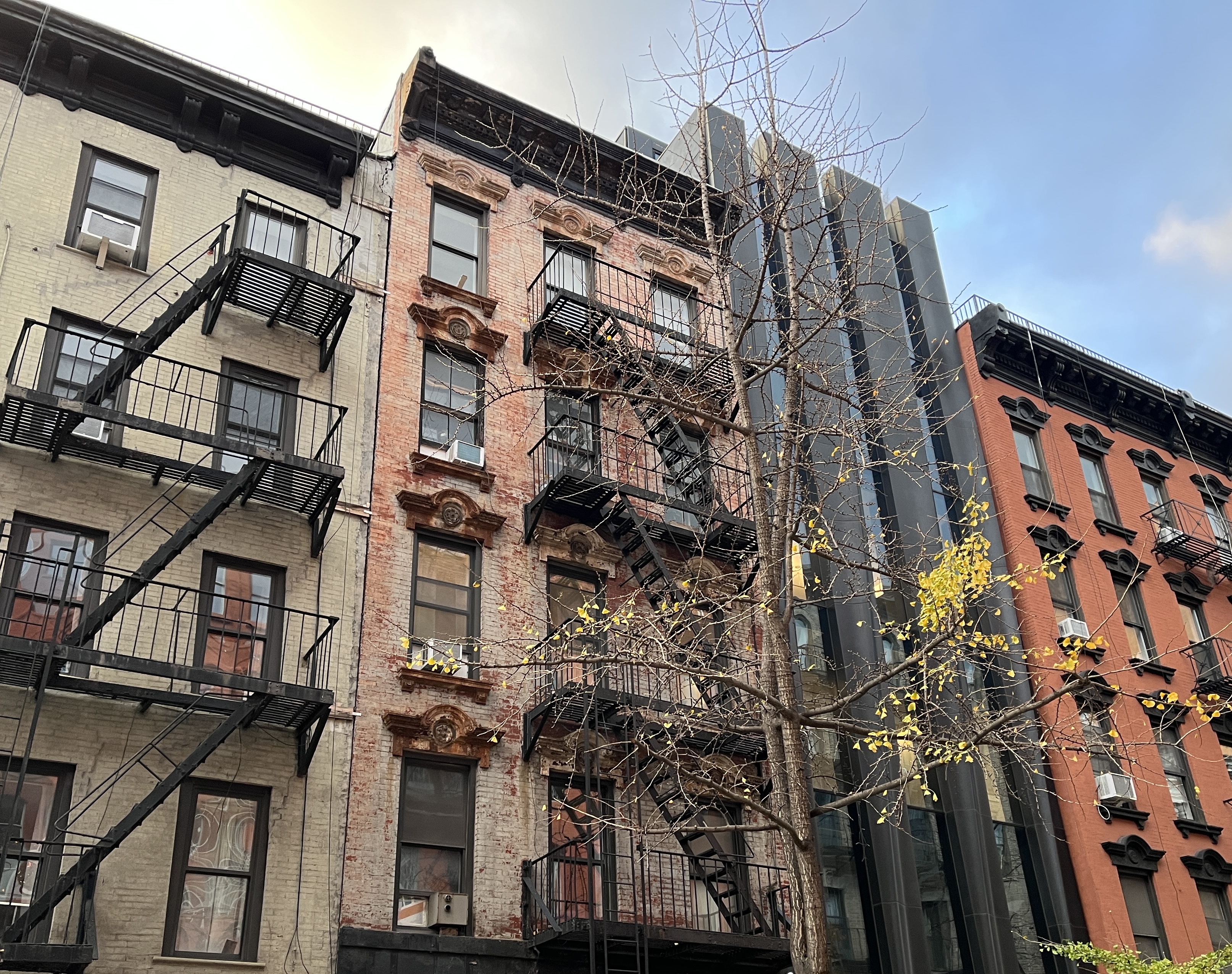
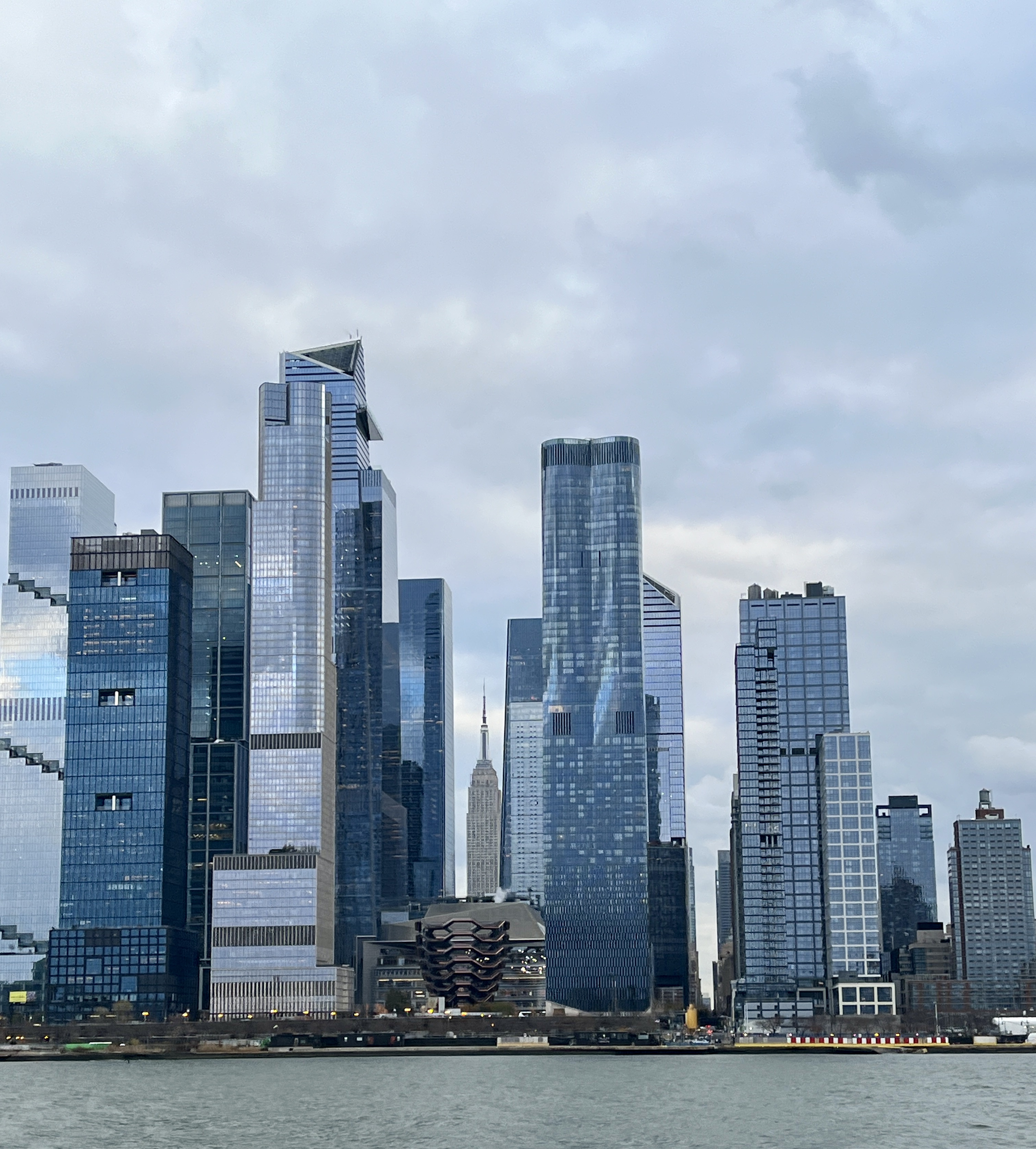
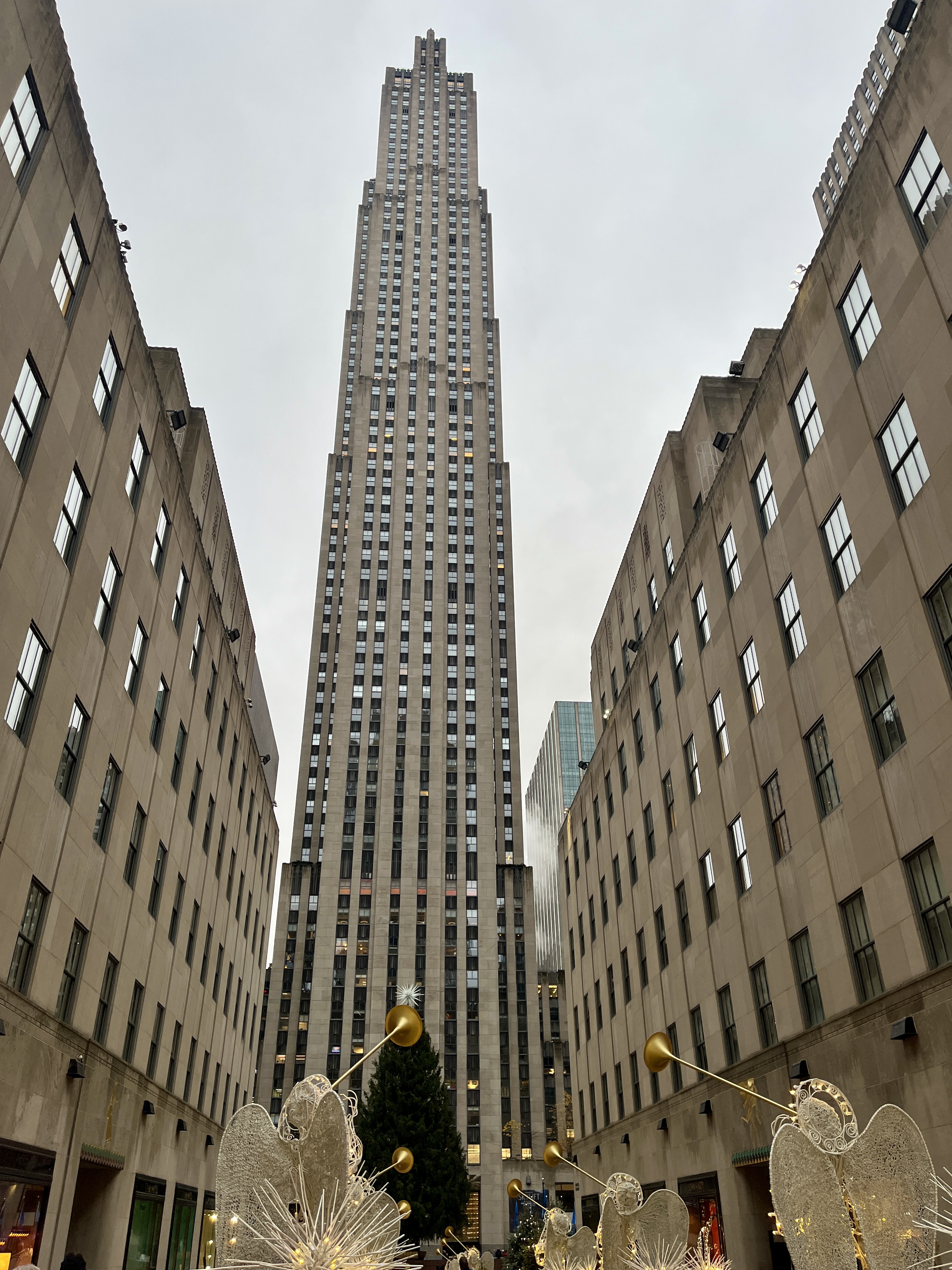
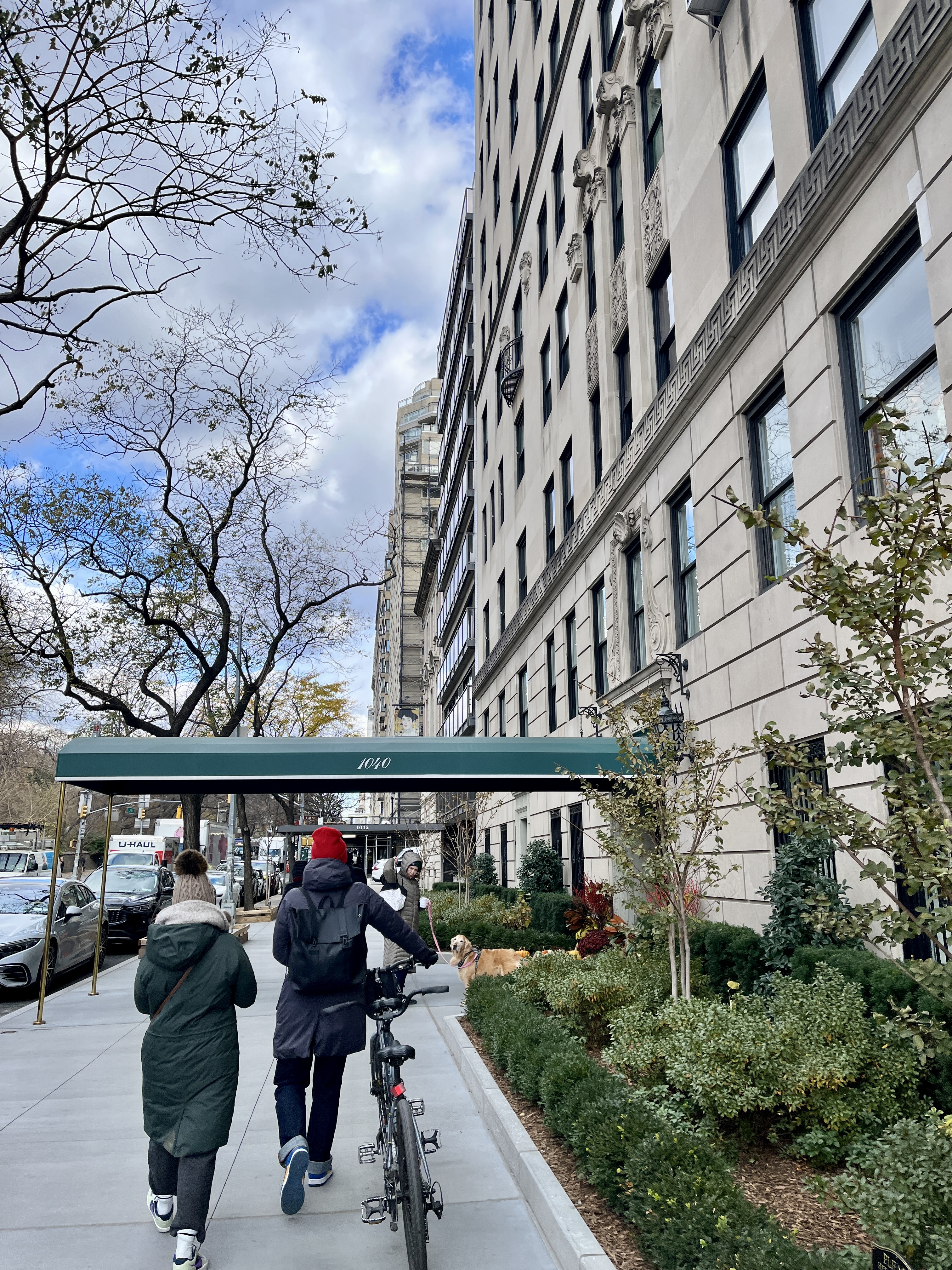
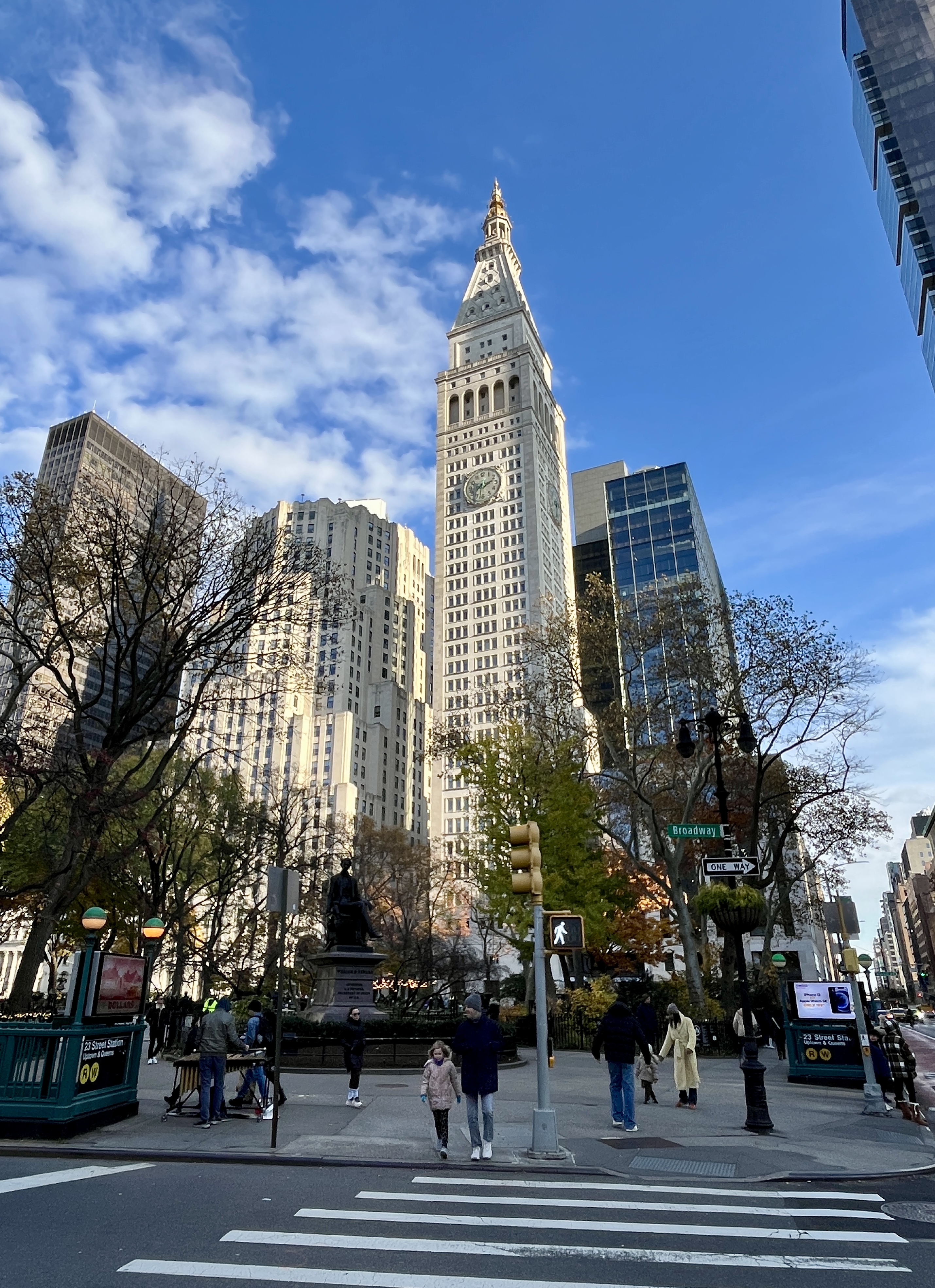
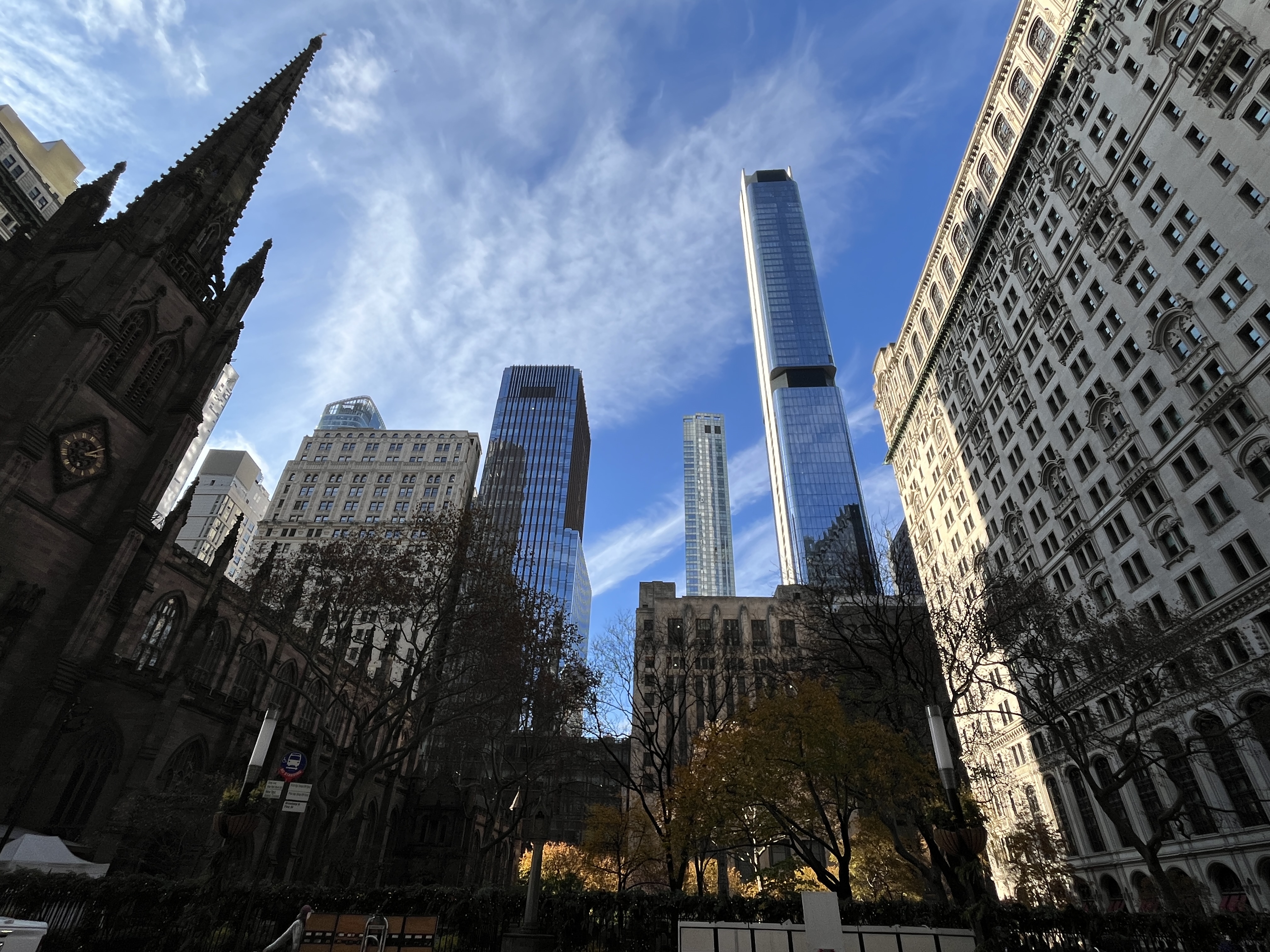
From Soho to East Village, from Greenwich to Chelsea, Harlem, Brooklyn, the Upper East Side to Central Park, we wandered endlessly from our Midtown Manhattan hotel. Chilly, crisp days of discovery and delightful marvel… from the grand iconic skyscrapers and venerable architecture, to the intimacy of brownstone townhouses and stamp-sized courtyards. From your Dutch West India Company Fort, a few windmills and men with lofty dreams, you grew to the enclave of New Amsterdam. The local Lenape peoples had called you Manna Hata, Island of the Hills.

Governor Stuyvesant soon arrived, bringing order to your unruly colony. Tobacco, beaver pelts, sugar and slaves now passing through your shores. Yet even as wealth ensued, you fell to the British in 1664 with little opposition – your new name, a tribute to the English Duke of York.

After revolutionary war and ravaging fires, the world began arriving on your shores. Soon, the juxtaposition of poor crowded neighbourhoods, with the elegance of mansions of the wealthy merchant classes would start to shape your burgeoning enclave. Many of your iconic, grand structures are from this Gilded Age, the late 1800’s. And then with their many newcomers, you welcomed Brooklyn, Queens, Staten Island and the Bronx into your fold to become the diverse, exuberant, city-that-never-sleeps of today.

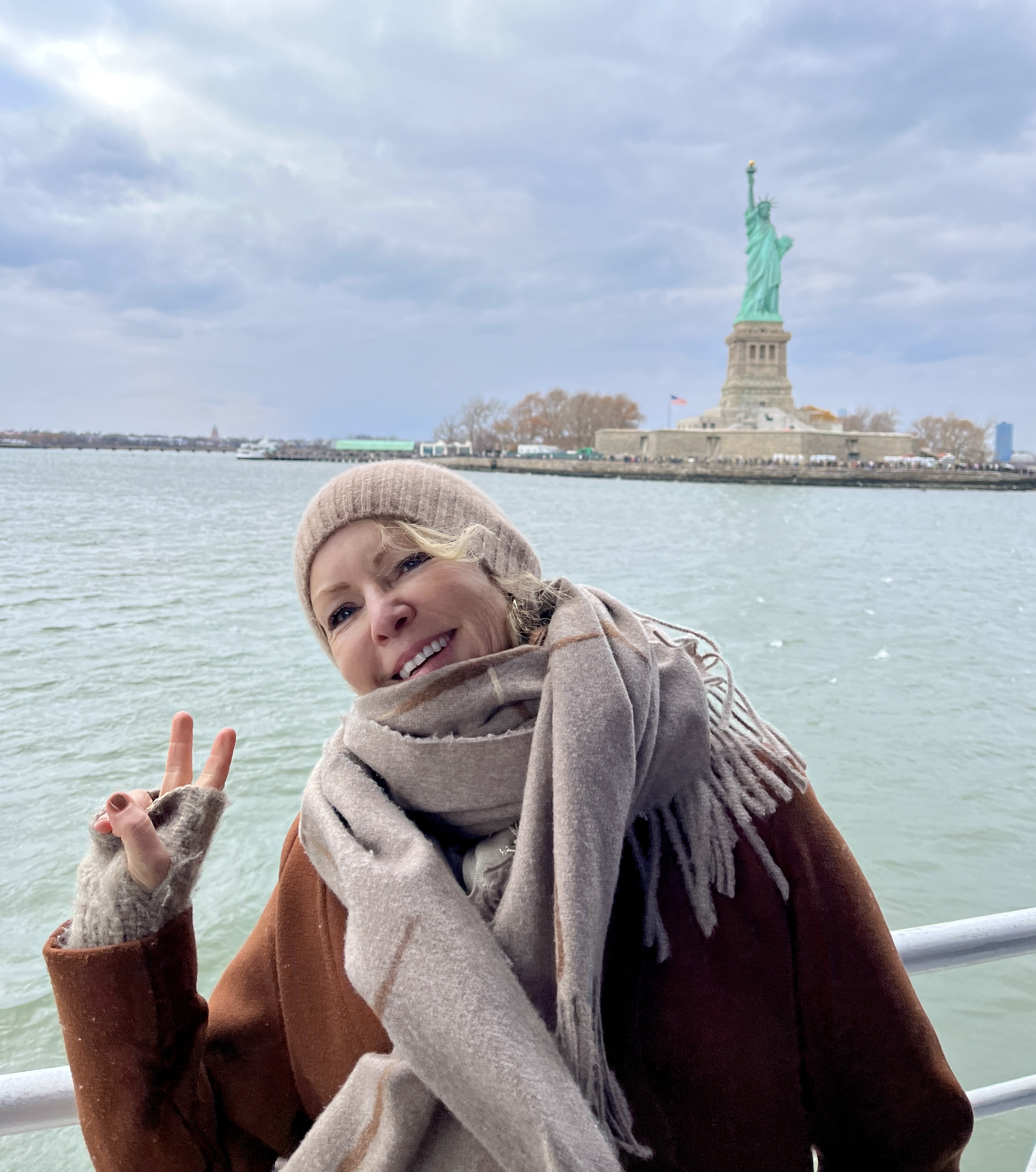
We ferried past that welcoming symbol of freedom and liberty. When she arrived from France in 350 pieces, the Statue of Liberty wouldn’t know the enduring beacon of hope she symbolizes in New York Harbour still today. It’s believed that forty percent of Americans can trace their arrival on the continent from Ellis Island.

NYC you are familiar in our minds even without having visited. The movies, the TV shows, the music, and once you’re here it all falls into place.

The expansiveness of Grand Central Park, a lush bucolic retreat from the hectic streets.

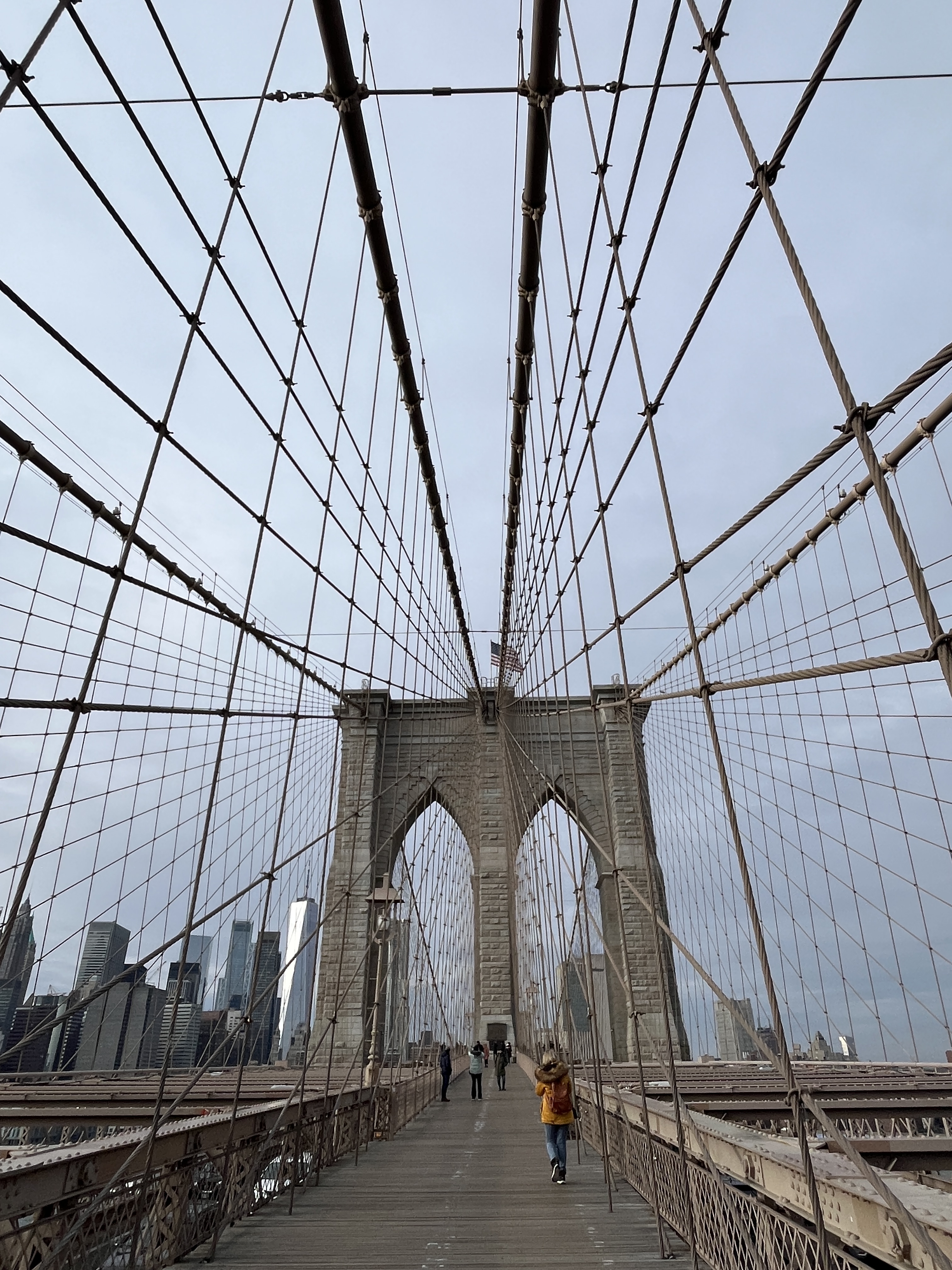
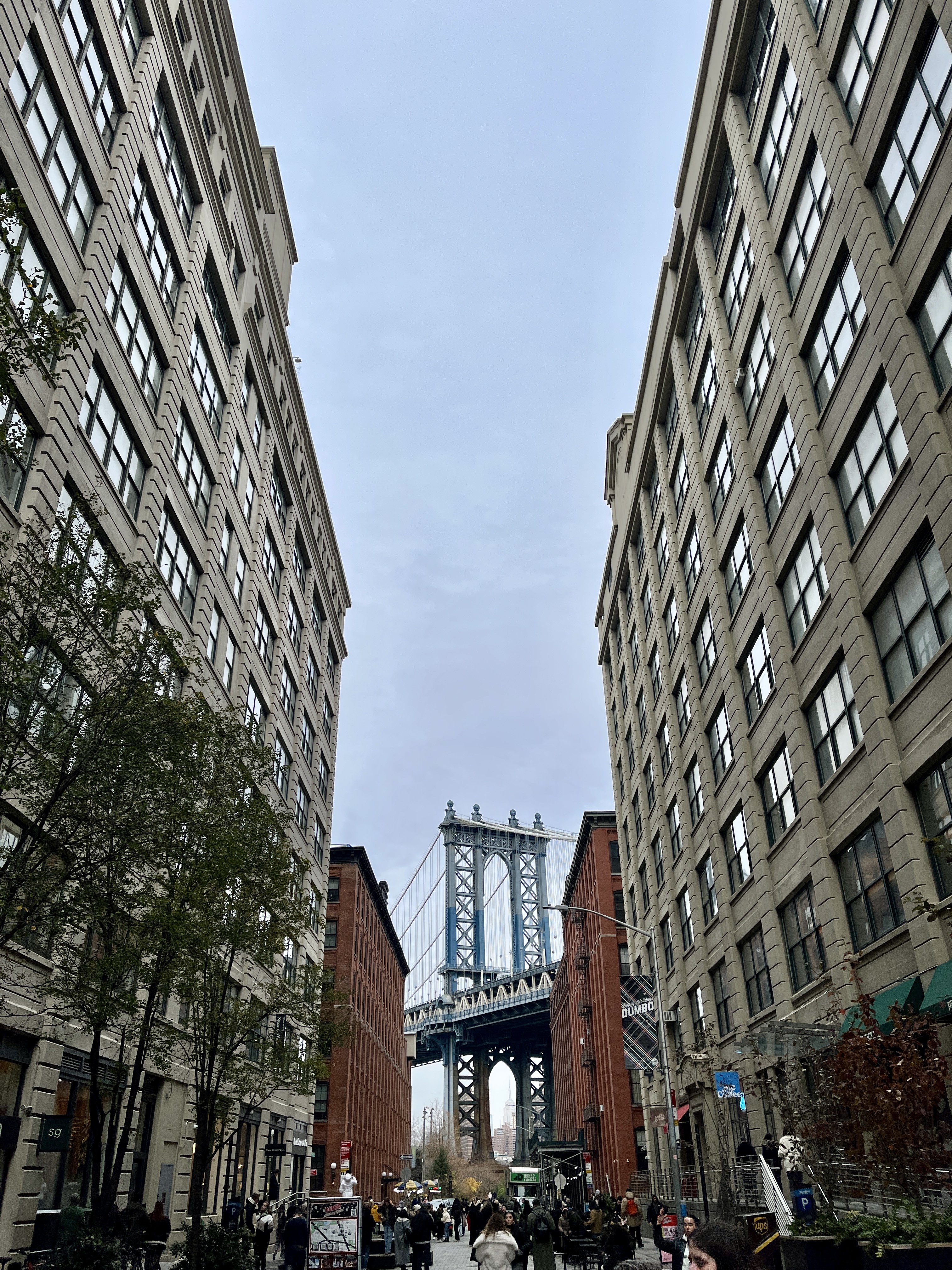
A stroll across the 1883 Brooklyn Bridge and through its iconic Gothic arches… Manhattan’s sweeping skyline seemingly at your fingertips.

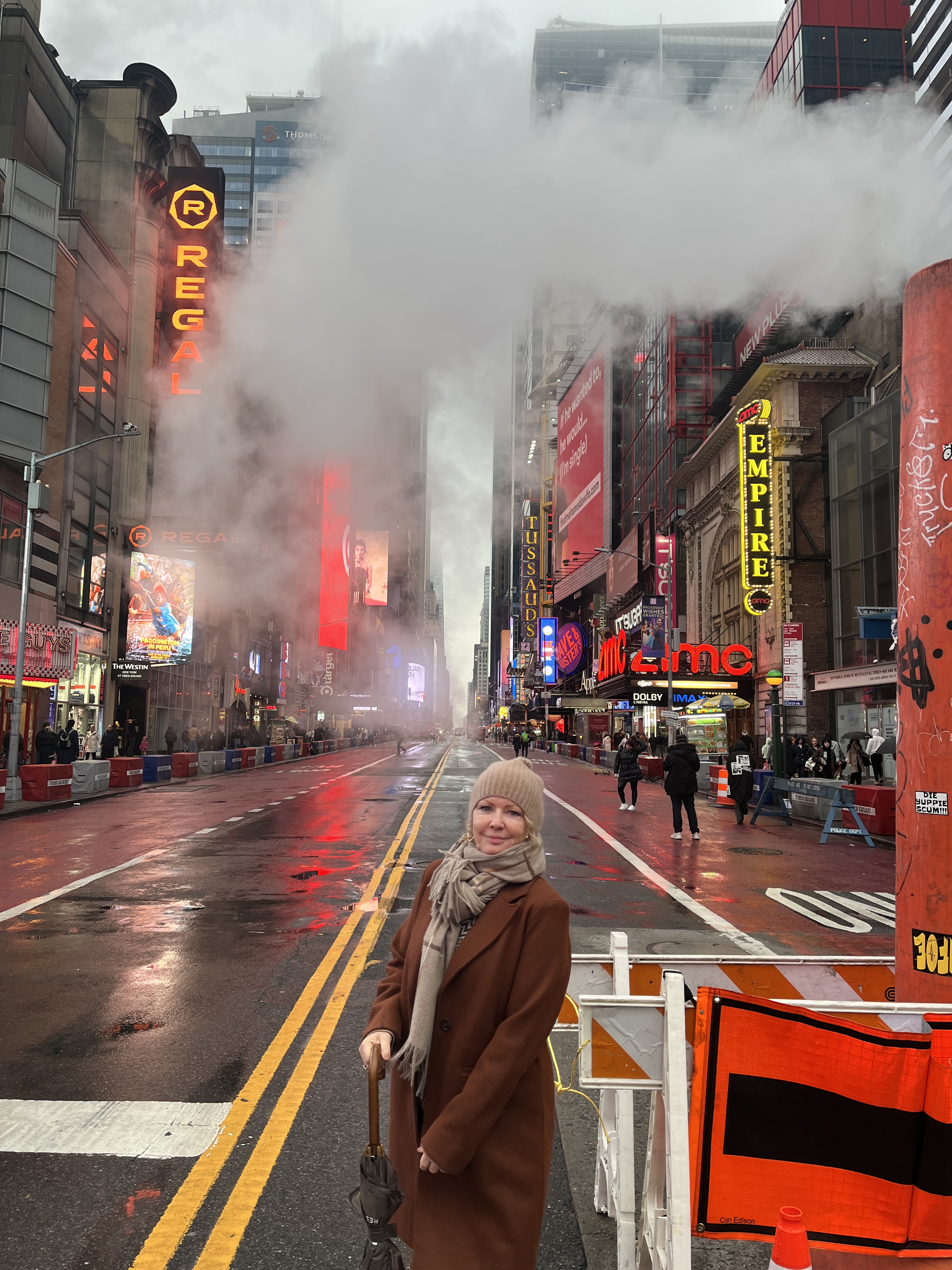
The dazzling Times Square in Midtown, the most visited place globally with 360,000 pedestrians visitors daily.

Museum Mile nestled amongst the elegant Beaux-Arts mansions flanking the Upper East side.

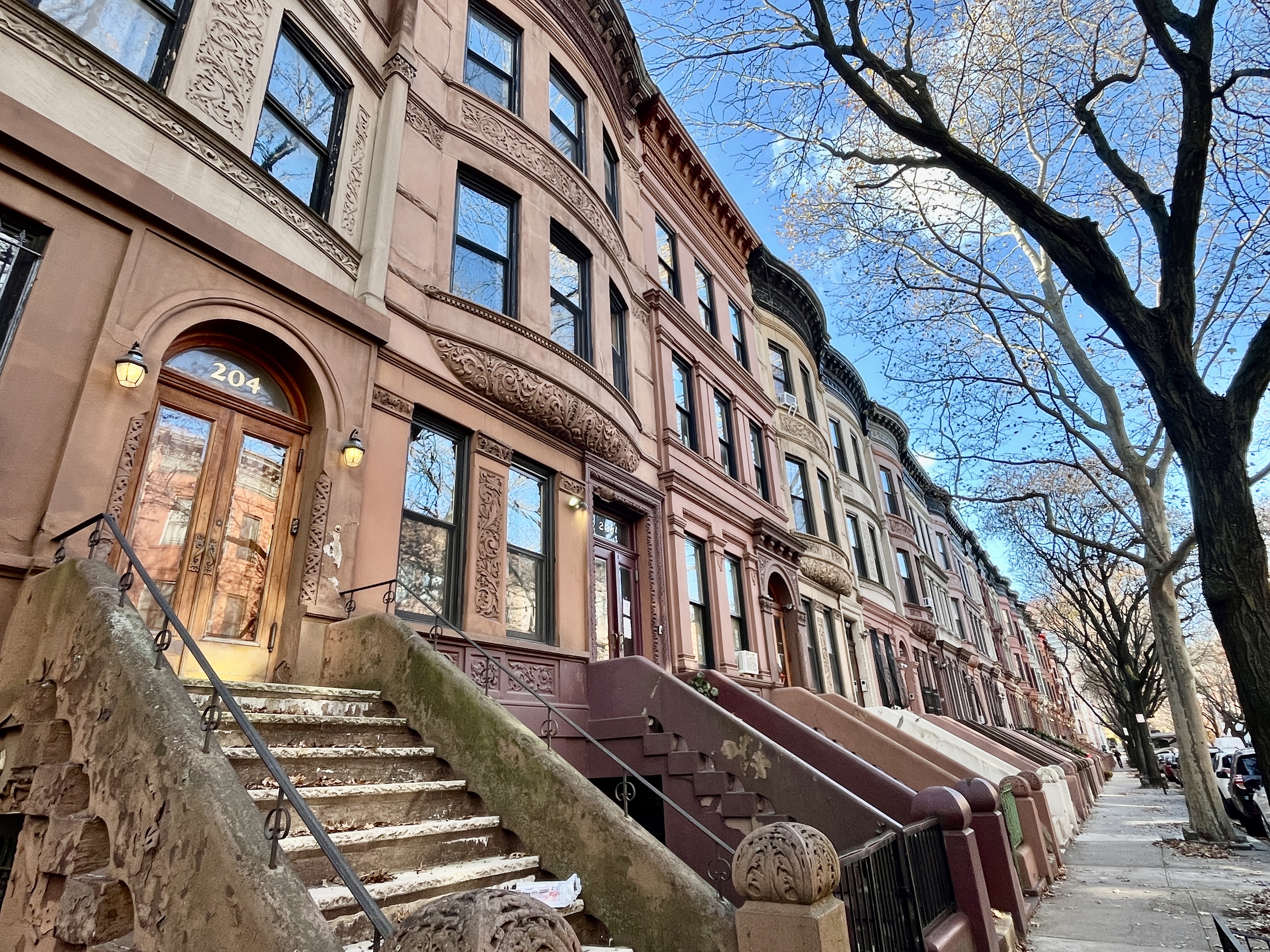
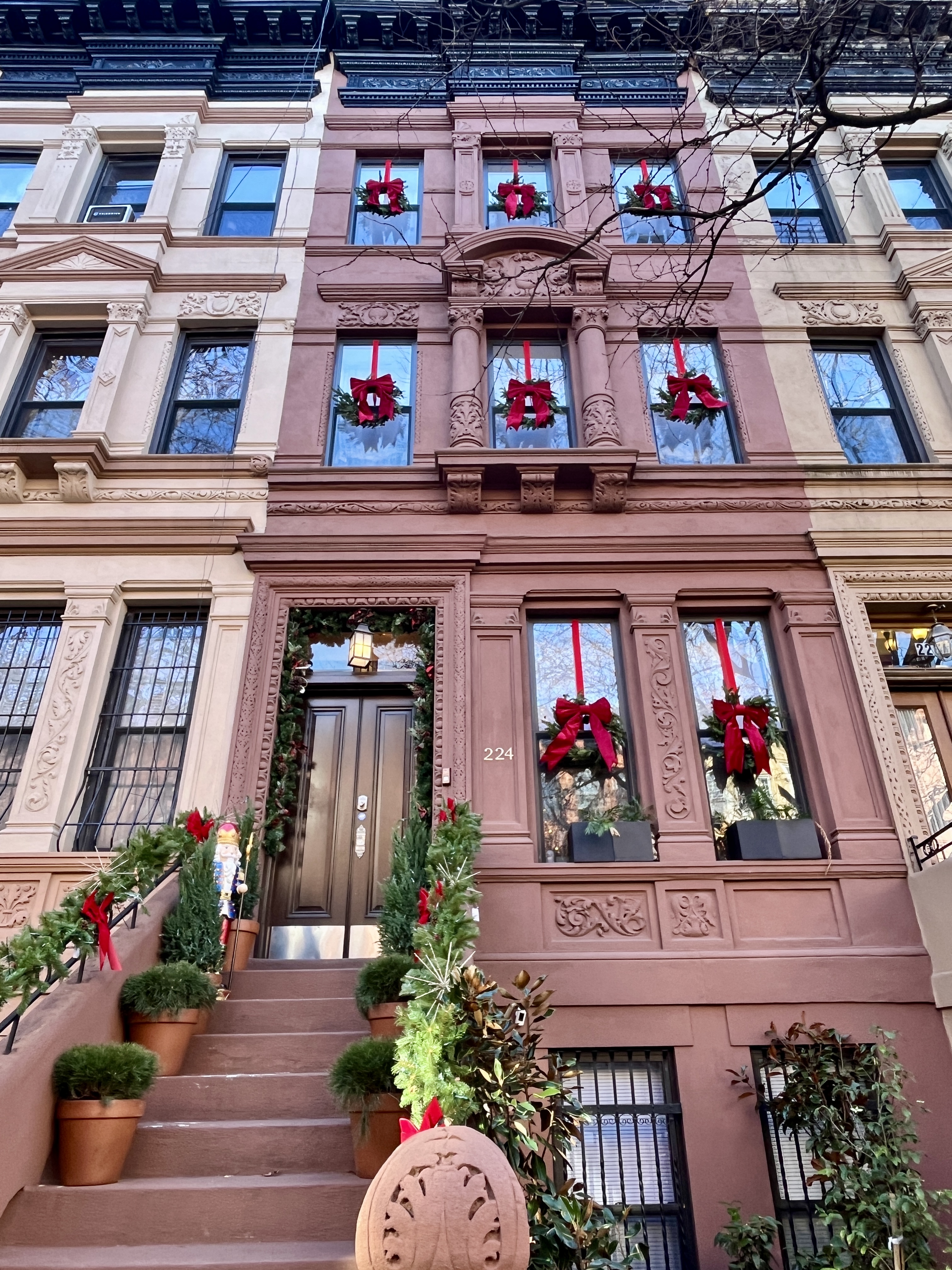
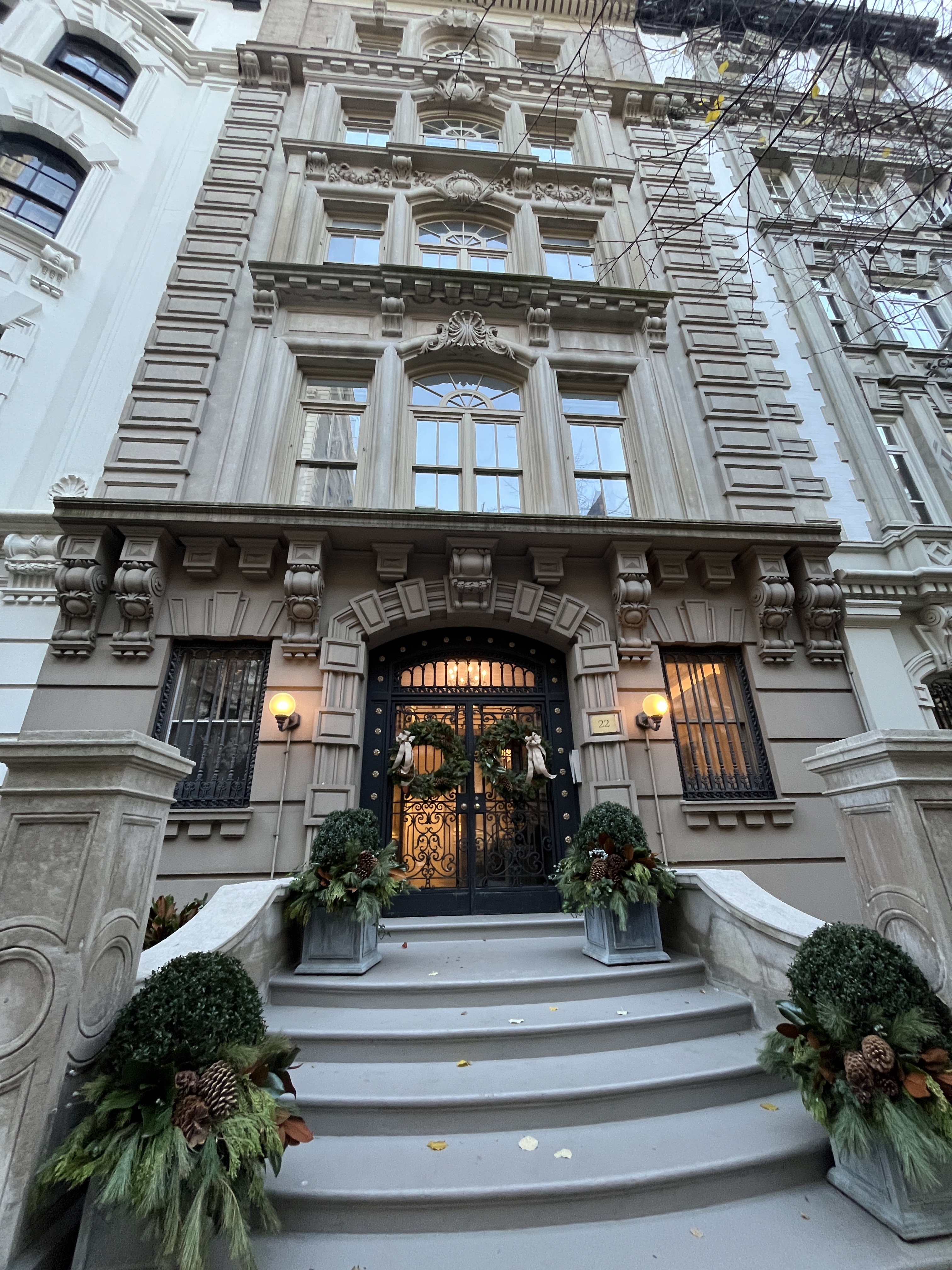
The salmon-hued and wide stoops of Harlem townhouses, nestled along storied leafy streets.

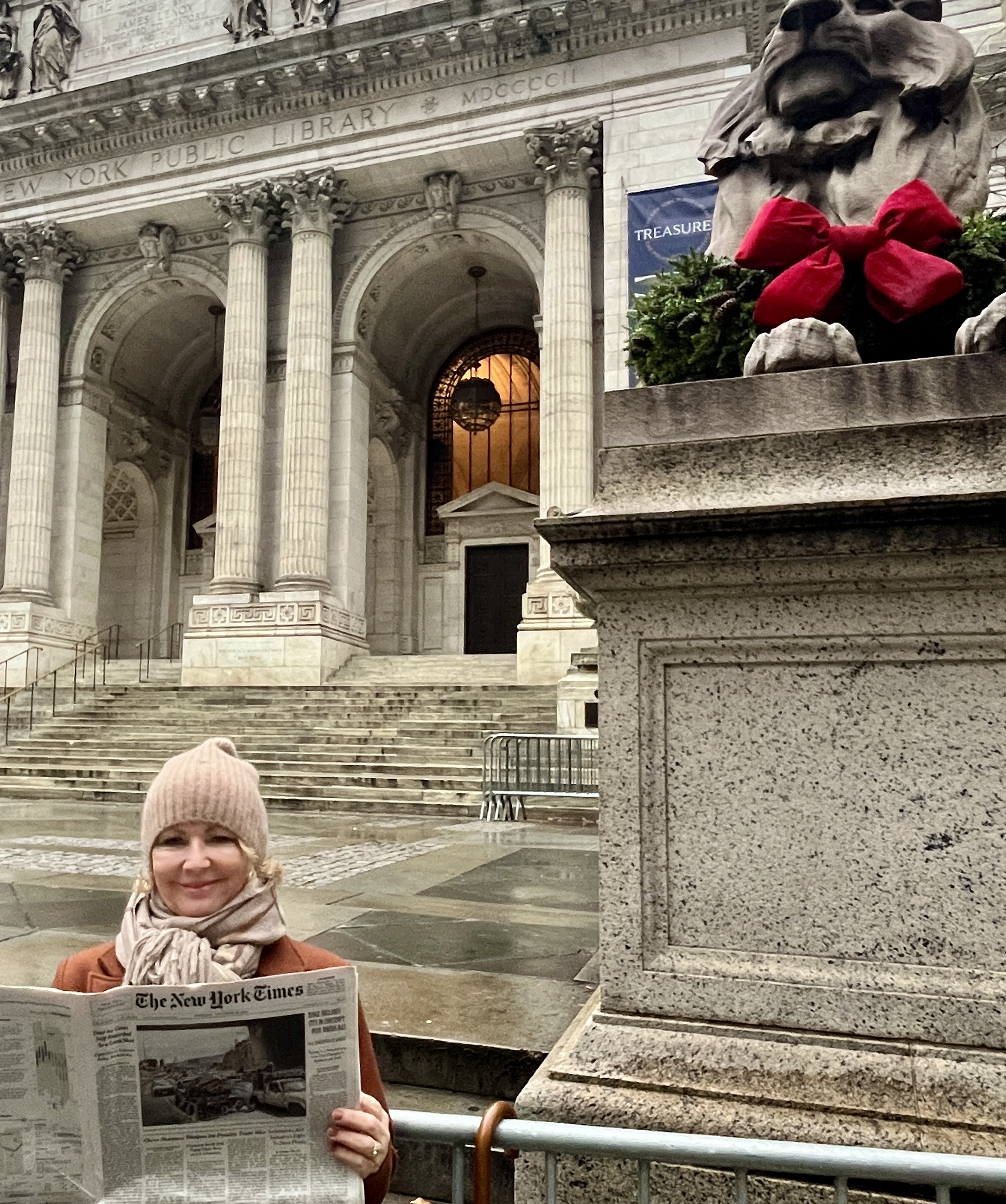
The beloved New York Public Library with its lavish architecture and vast Rose Reading Room… stretching two blocks with just seven million volumes to indulge in.

Cuisines from around the world, and that American icon of NYC pizza as well!

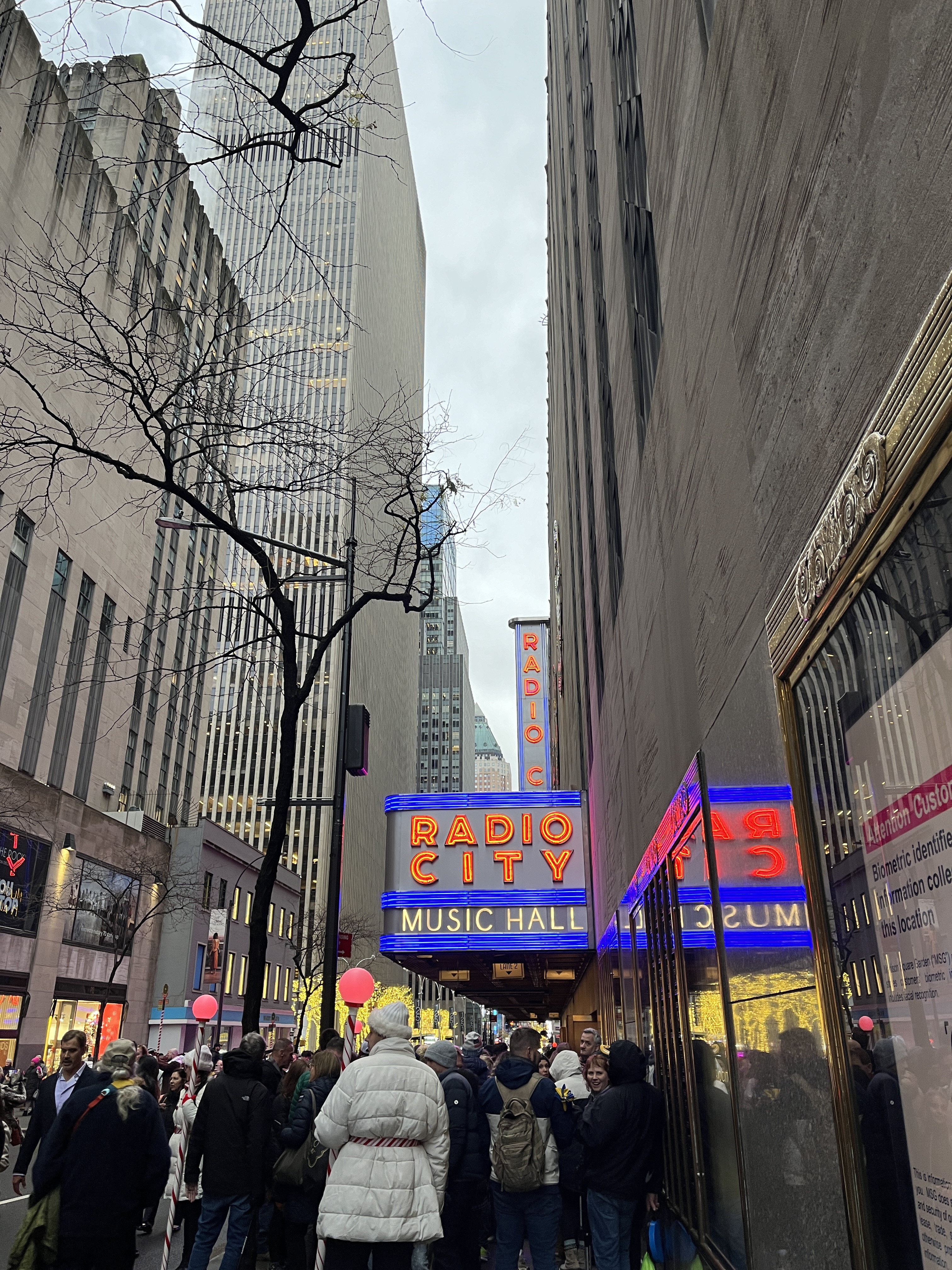
The spectacle of Broadway shows in breathtaking theatres, many now designated Historic Landmarks.

The evocative steam stacks erupting on busy streets – the largest such steam system in the world.

The opportunity to remember and honour at the National September 11 Memorial & Museum site.

And of course the friendly, hospitable people in your rich, and diverse metropolis. Thank you NYC, you are a true gem…

If You Visit…

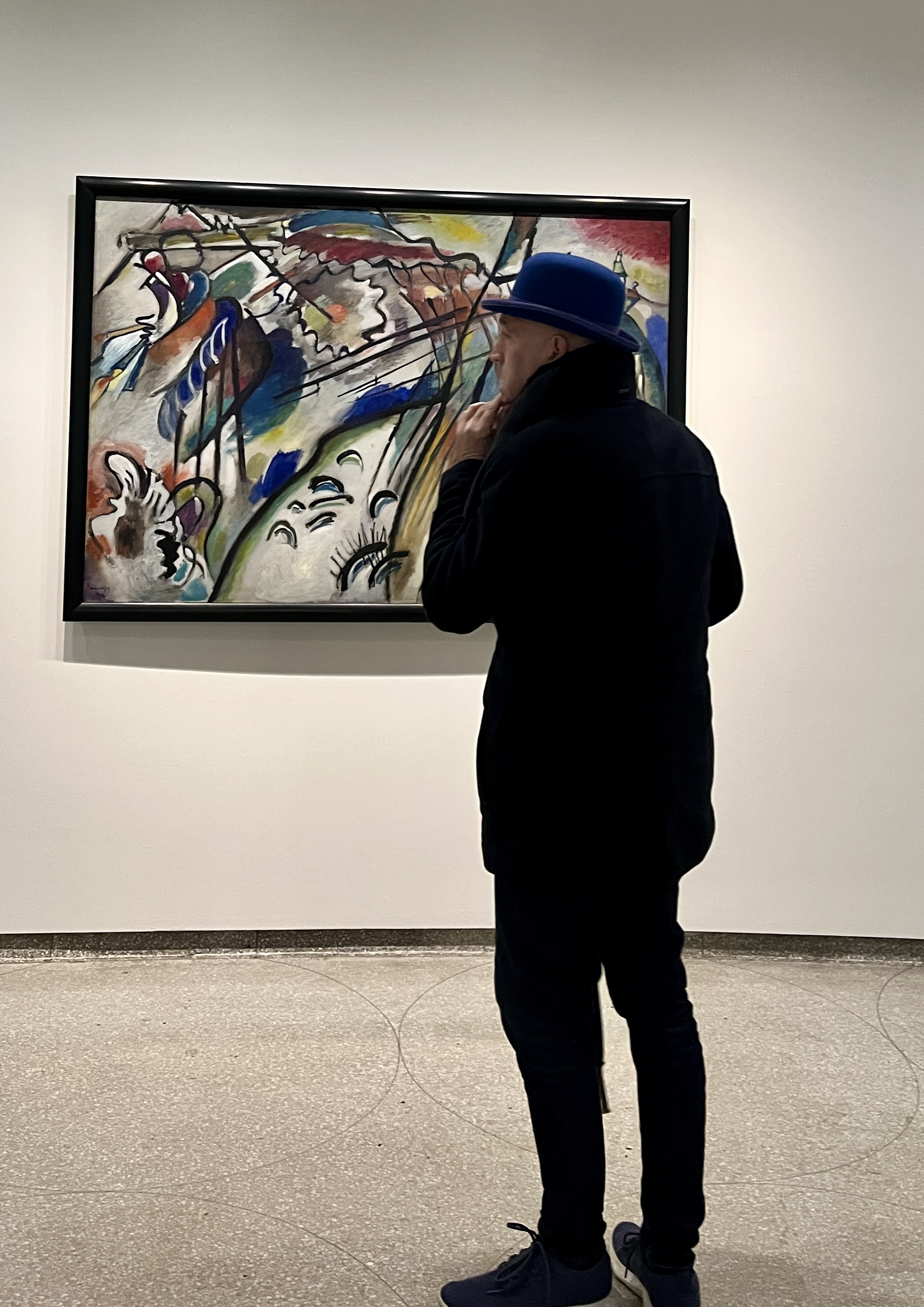
The Guggenheim Museum is a great alternative to the more expansive museums and part of the experience is the building itself. Designed by Frank Lloyd Wright it is a masterpiece, like many of the old Masters that you’ll see.

Close by on Museum Row is The Neue Galerie New York, showcasing Gvstav Klimt and other Austrian Masters. Housed in a designated landmark building, once the home of society doyenne, Mrs. C. Vanderbilt III.

New York Public Library is an essential experience with its own fascinating museum and grand sweeping architecture.

The ferry tour with Starship NYC is an insightful 90 minute tour of the Harbour, Statue of Liberty and a cruise under the Brookyln Bridge. The commentary is informative and entertaining.

Purchase a $35 bus and subway pass and traverse the entire city – easy, safe and a chance to be part of everyday NYC life.

Stroll the picturesque High Line, the former railway is now an elevated green walking space with dramatic city views. Finish with a cocktail at the iconic The Hotel Chelsea.

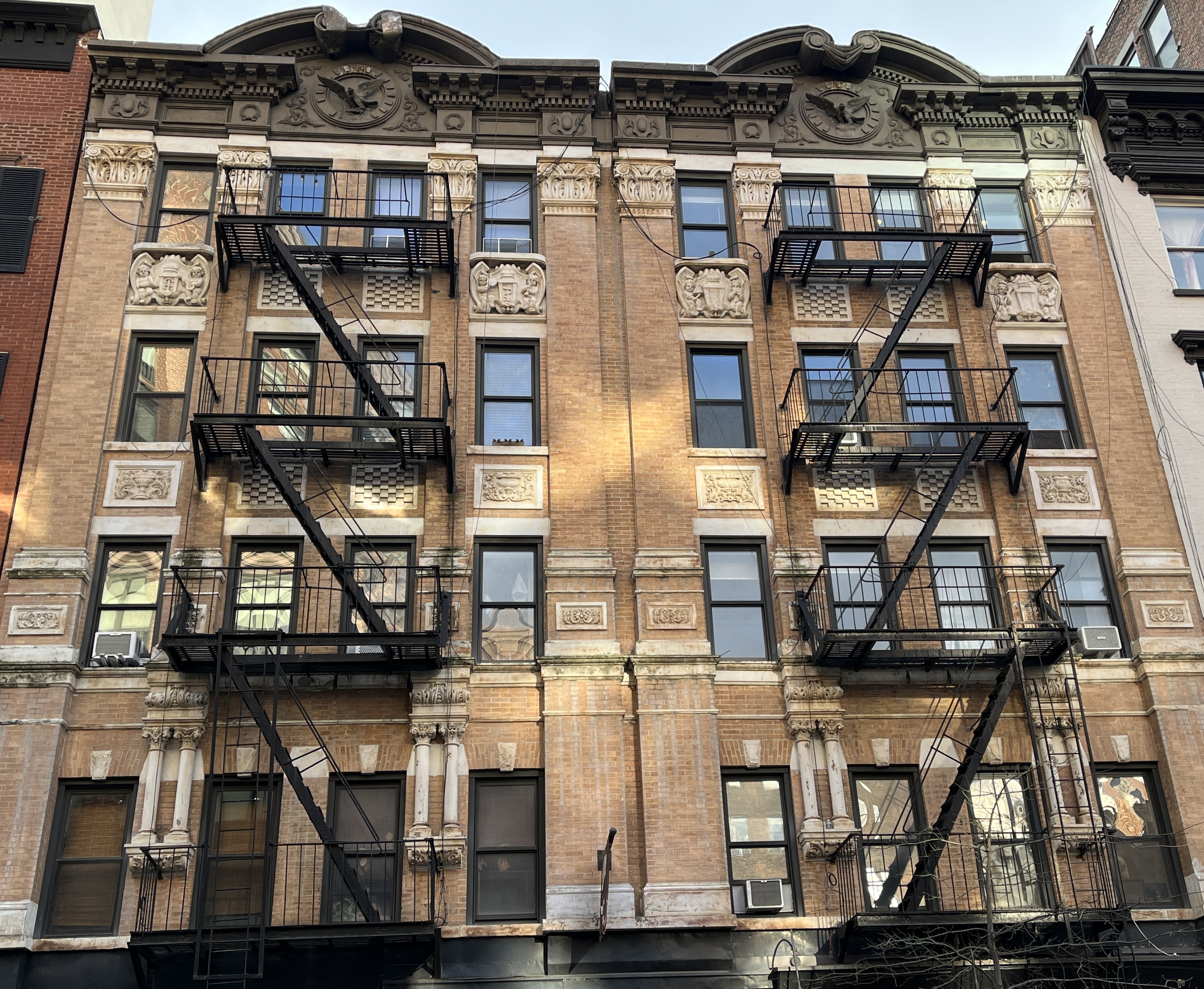
Admire the intricately designed cast-iron facades in SoHo and Tribeca. SoHo stands for ‘South of Houston Street’ and Tribeca for ‘Triangle Below Canal Street’.

My information for this trip was the excellent guide book, NEW YORK CITY by DK, 2025.

A few of our favourite restaurant finds…

Buvette Gastrotheque in Greenwich Village for that special night out. Sit at the bar to enjoy the action unfold.

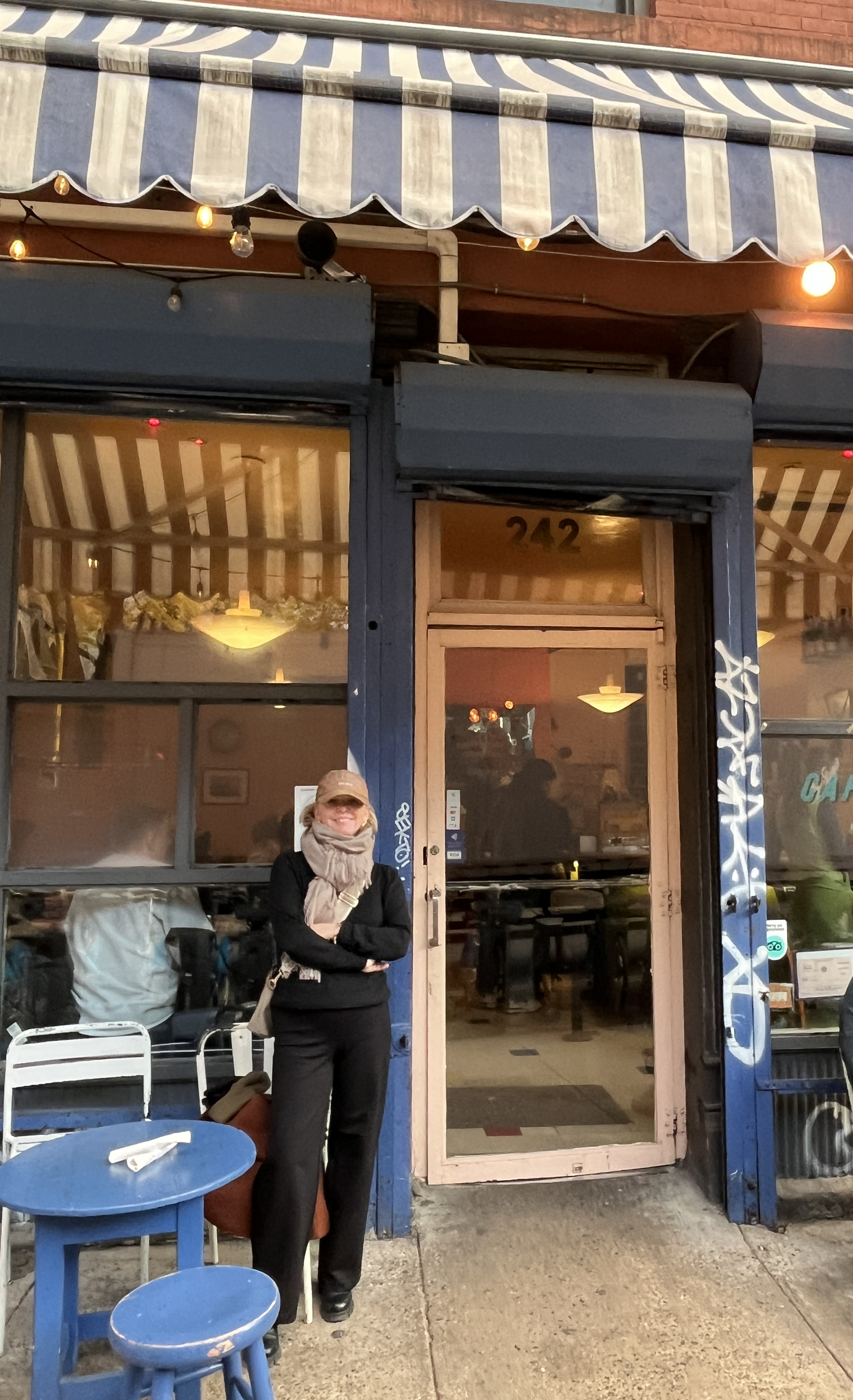
Cafe Gitane, Mott Street, East Village. Casual but cozy in a lovely neighbourhood.

5 Napkin Burger in Hell’s Kitchen for burgers and cocktails in a cool, diner vibe… our veg burger was great.

Eataly NYC Flatiron, a vibrant Italian marketplace with an array of eateries. Also a good excuse to see the iconic Flatiron building in the Gramercy District if you haven’t already done so.

Lovely, Charming Lucca… Meet Me In The Piazza!

Standard

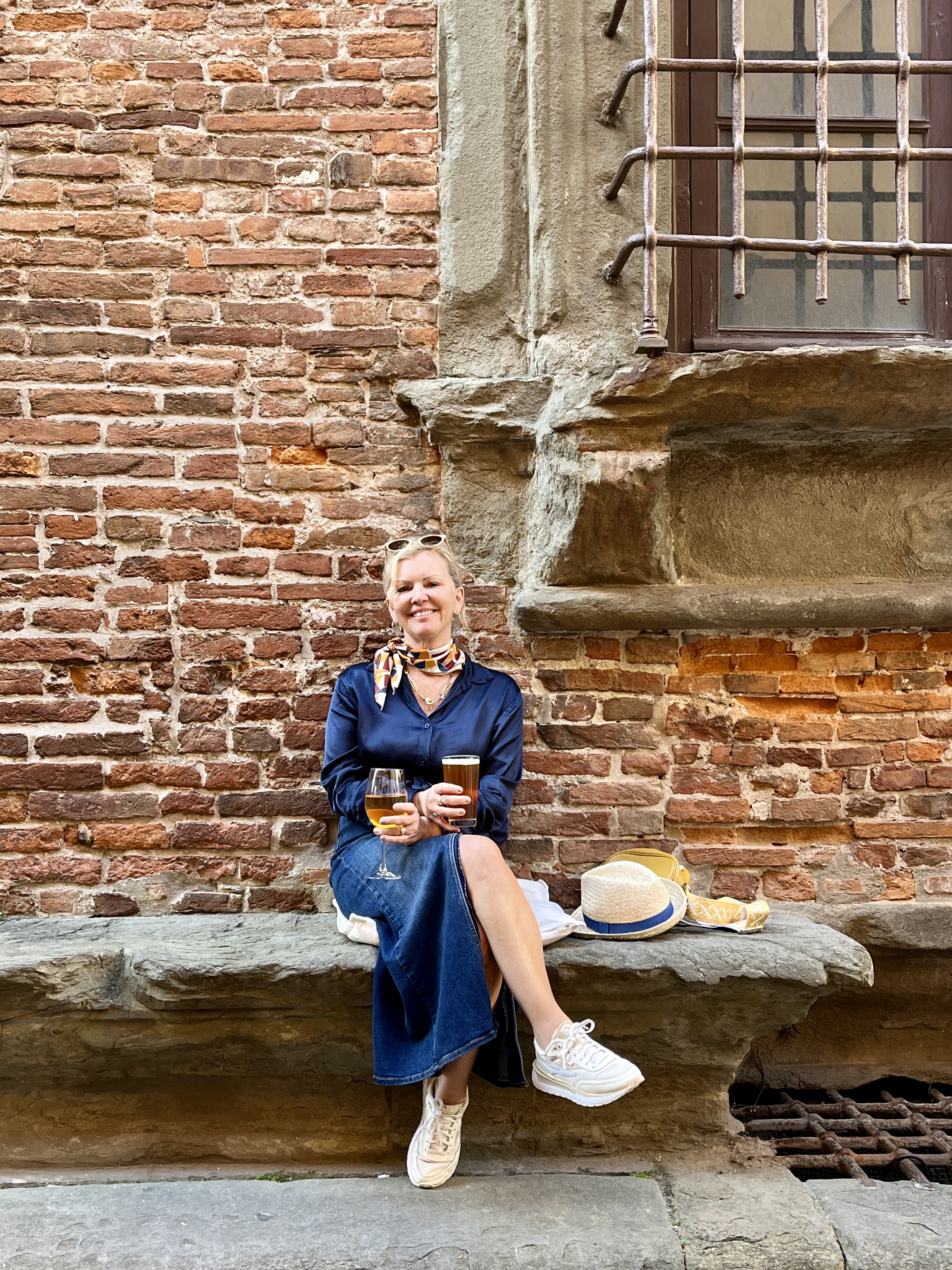
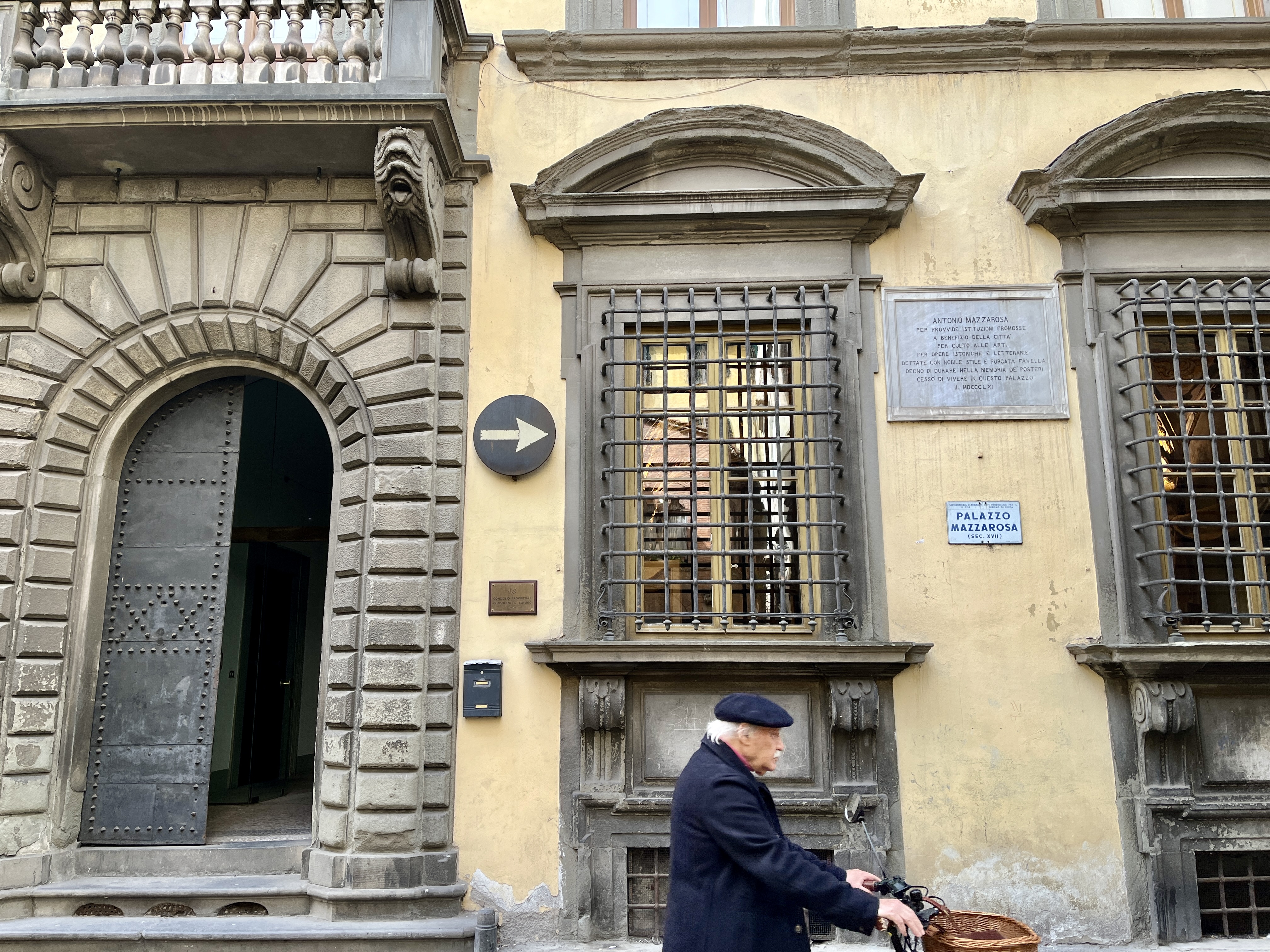
Our two week sojourn in this charming city comes to an end on a gorgeous, sun-filled evening… just the serendipitous way it was meant to. After strolling the city walls one last time, Bruce urges me to climb the Guinigi Tower with him, that one historic icon of the city we’ve left unexplored. But I’m exhausted. My legs have carried me along myriad streets over the past three weeks, up endless stairs and hills – Rome, the Amalfi Coast, Pompeii, Perugia, Lucca – and I simply can’t move another step. “You go ahead, I’ll perch myself right here,” motioning to a stone bench set into the walls of the Palazzo Guinigi. As was often the case in the grand palazzi of the 13th and 14th century, benches lined one side of the expansive home, a place for visitors to wait or for the common folk to linger. I eye the bar across the narrow Via Sant’ Andrea – seeing others happily enjoying a cocktail. “I’ll be right here on my ancient ‘bar seat’ with a glass of wine. Enjoy the view up there!”

As the hour passes, I count my blessings for the unexpected treasure that is Lucca. I had twice been here but only briefly, and choosing Lucca (and later Cortona) for the first of our leisurely two-week stints has been a wonderful revelation. Lucca’s compact inner city, inhabited for over two-thousand years and still fully embraced by impressive ancient walls, is rich in culture, history and beauty. With its original Roman street layout, this once silk producing capital of Europe beguiles visitors with intriguing scenes around every corner… countless piazzas, ninety-nine churches and vibrant cafes.

The intact Medieval wall encircles the city. Topped by a broad pathway flanked by elderly trees, it offers four kilometres of cycling or walking and the views are superb. When we arrived two weeks ago, the soaring Sycamores were readying to unfurl their canopies. Now, spring is announced by their baby-green leaves, the heavenly scent of wisteria and the already lush rhododendrons blooming along the stone walls.

Bruce is back down from the quaintly tree-topped Guinigi Tower and orders a beer. “Quite the view in every direction, I could even see the marble mountains near Carara.” The Guinigi family clearly had the best view in town, as would have been expected of one of the most prominent families in Lucca. From the 1200’s onwards, noble and wealthy families in Tuscany built impressive urban tower houses, part palazzo and part stronghold… signs of power and economic prosperity. From these palatial perches, they were able to play a greater part in running the ‘commune’ of Lucca, one of the prominent city states of Tuscany. Only nine towers remain in Lucca today, yet as many as 250 defensive tower houses once framed the skyline. With narrow via and narrower still vicoli, and at times hemmed in by towers and four-storied buildings, Lucca can feel a little closed in at times. Yet there is always sunshine to be found in the piazzas!

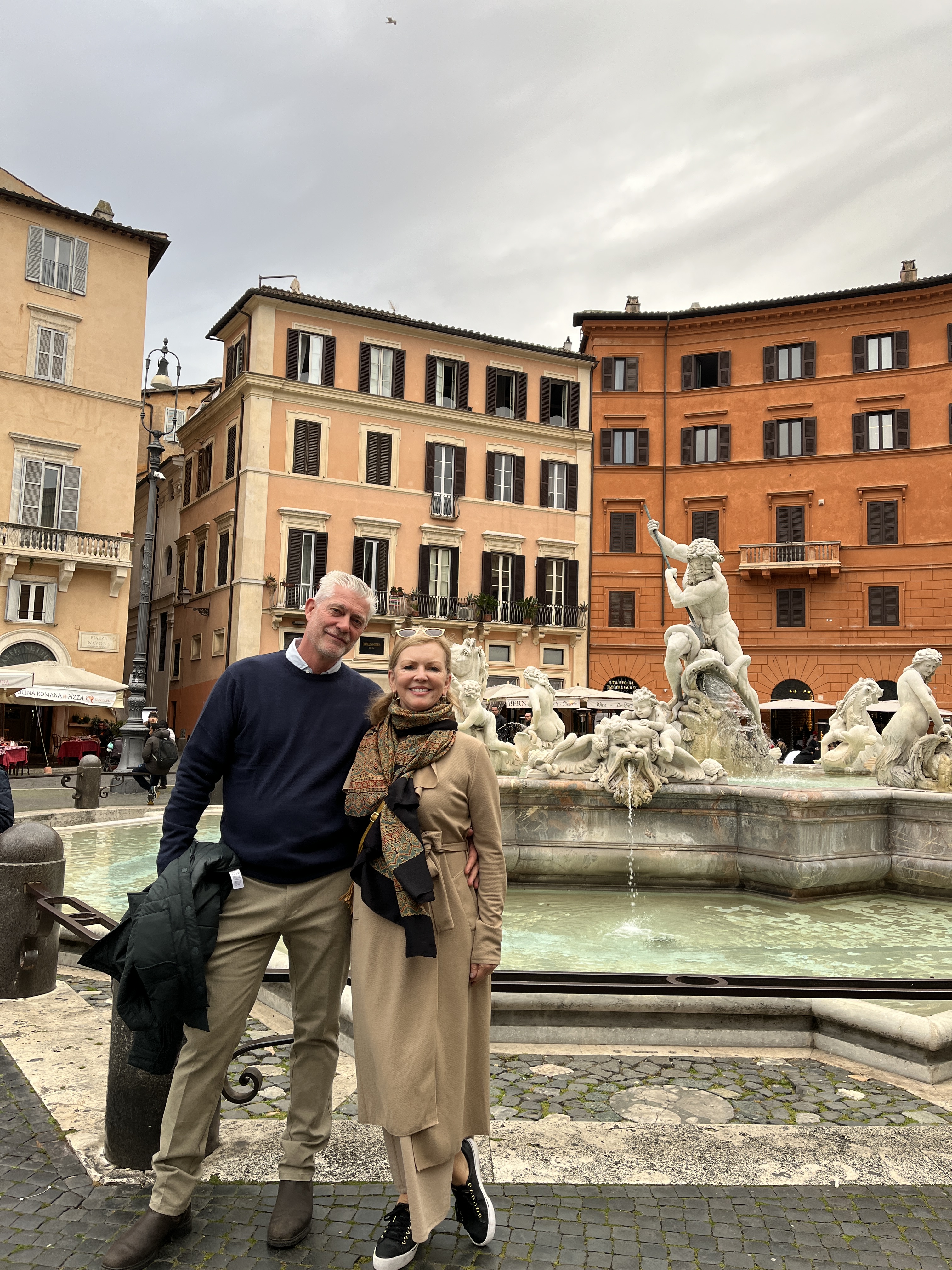
I fall head over heels with the multitude of piazzas, piazzales and piazzettas – from grand squares, to not quite square-shaped squares to little postage-stamp corners that might be no more than the broadening of a street, marked by a tree or an ornate fountain. Let me take you to a few that became dear to me, for it’s here that the stories of lovely Lucca tend to reveal themselves.

Piazza San Michele

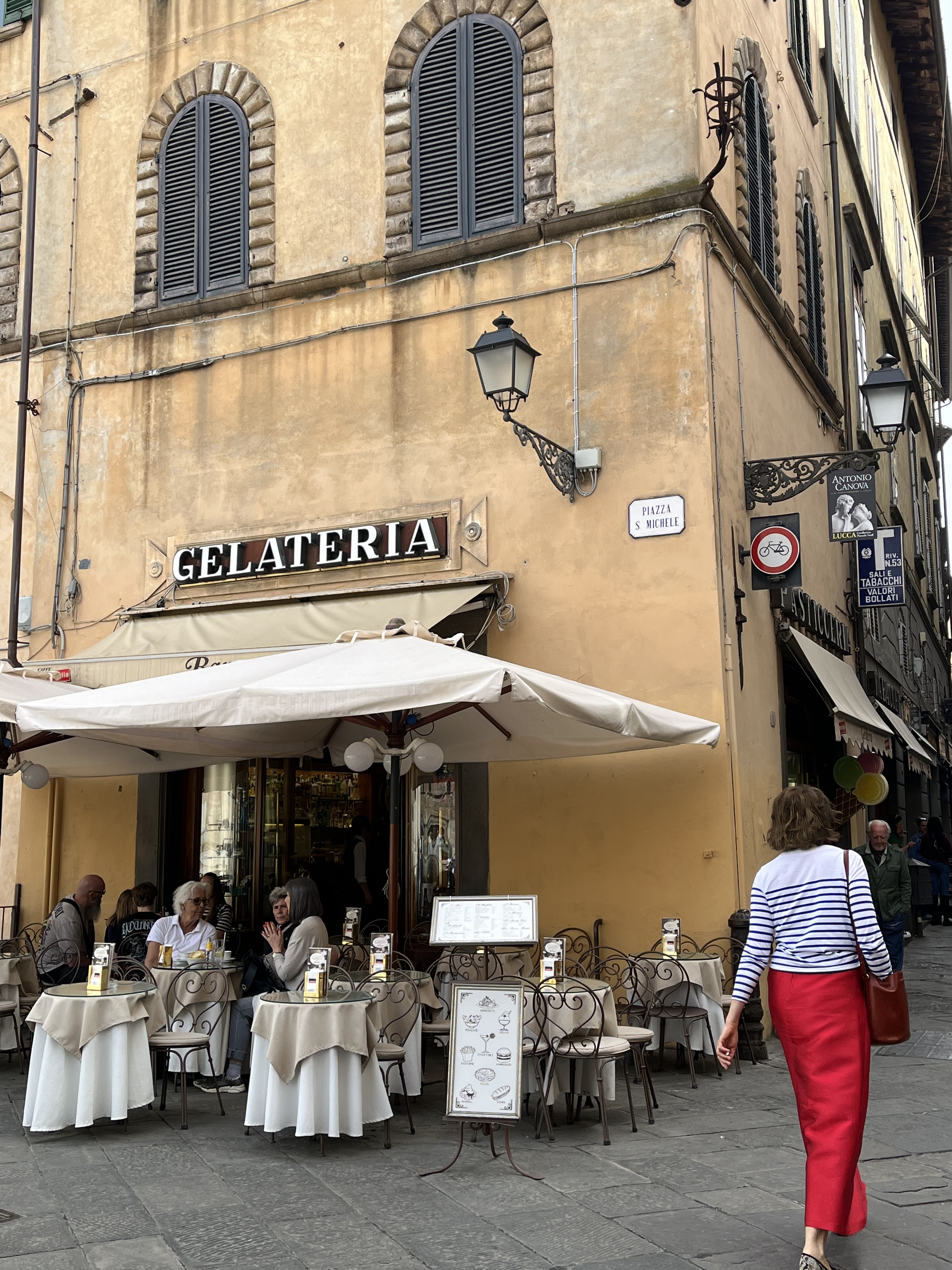
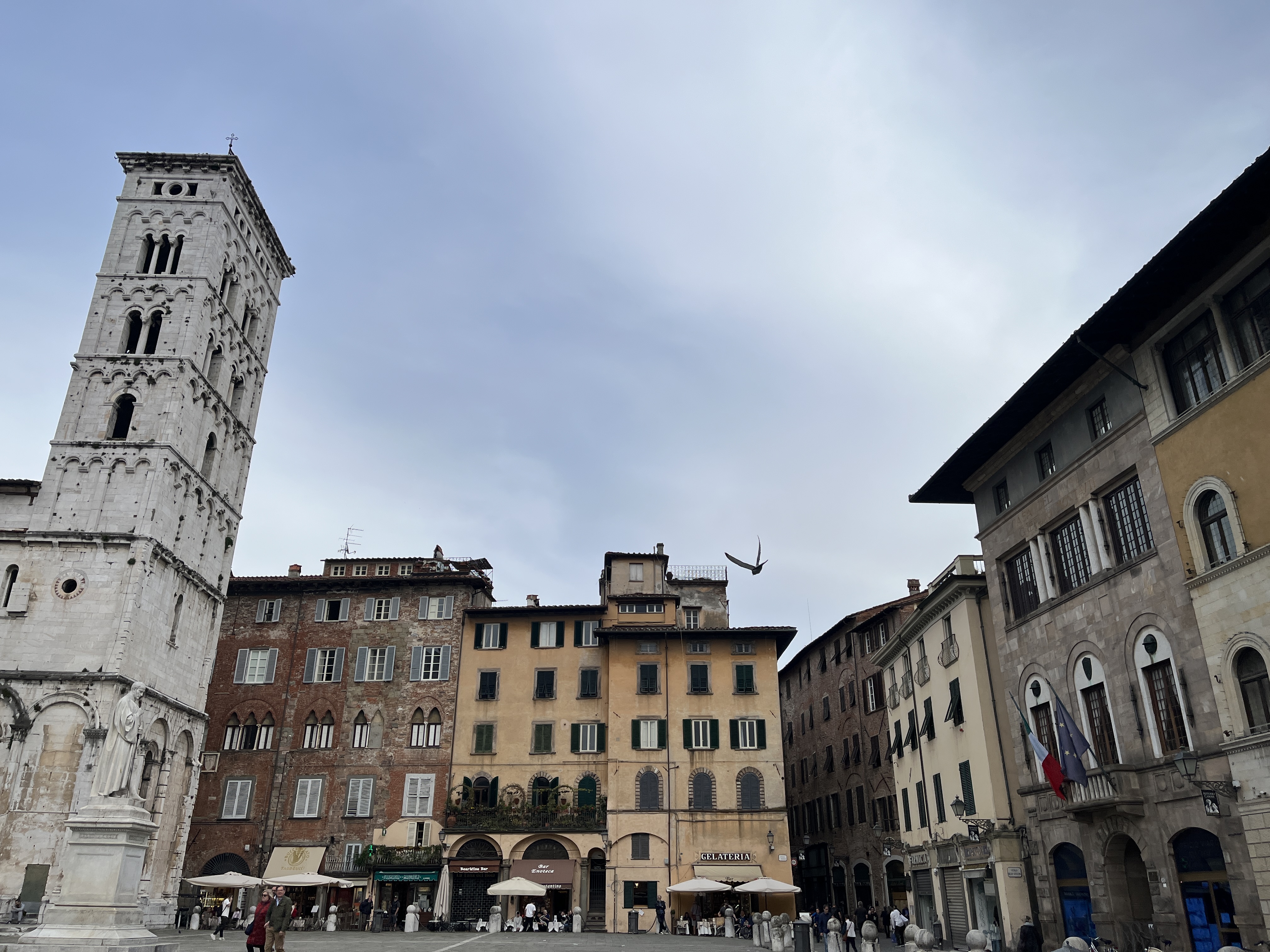
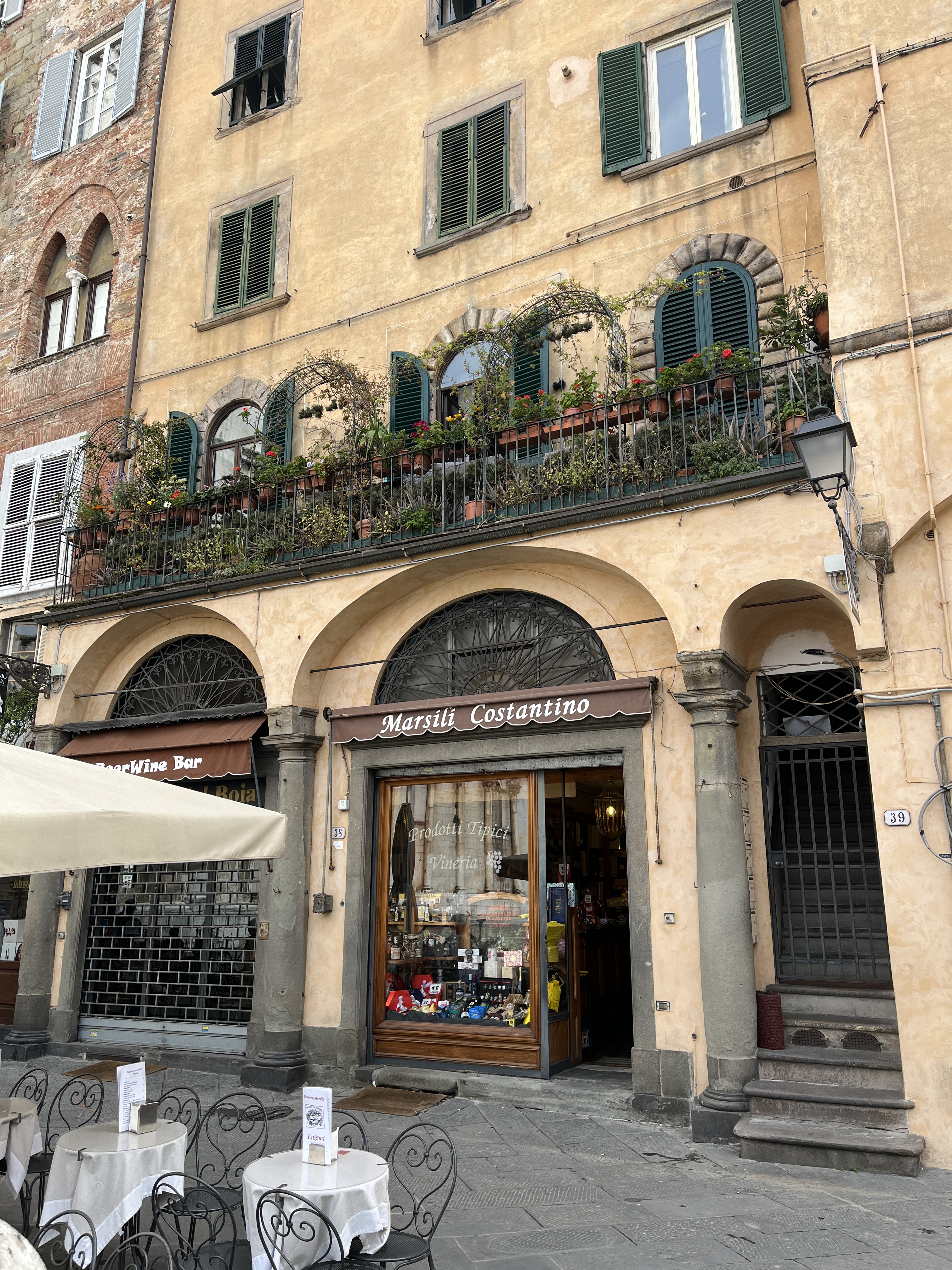
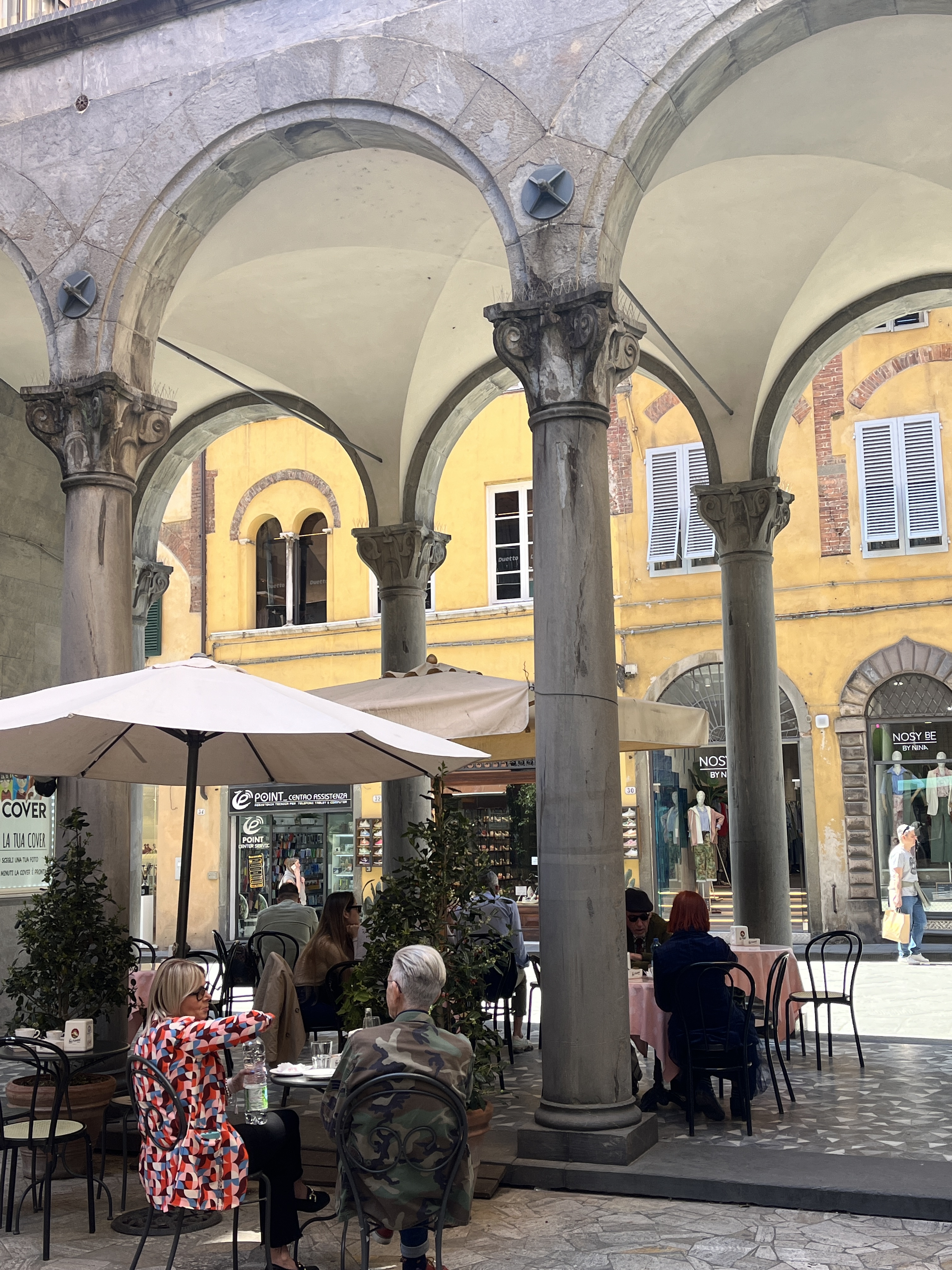
This is the beating heart and the crossroads of the city, where life swirls around you at any time of day. I have the feeling that writers over the centuries have claimed their favourite spot at one of the corner cafes on this massive square, for me it’s Caffe Casoli. Dal 1880 is indicated on its frontage – it’s been here awhile – but might still be considered a young upstart in this ancient town. From my usual perch, a wrought iron chair at the tiny round linen-decked table, I jot notes and observe. The square surrounds the Church of Saint Michele before me. Children kick a football, others play tag, parents chat and people of all ages settle themselves against the massive wall to savour their gelatos. Like many, I gaze up in admiration.

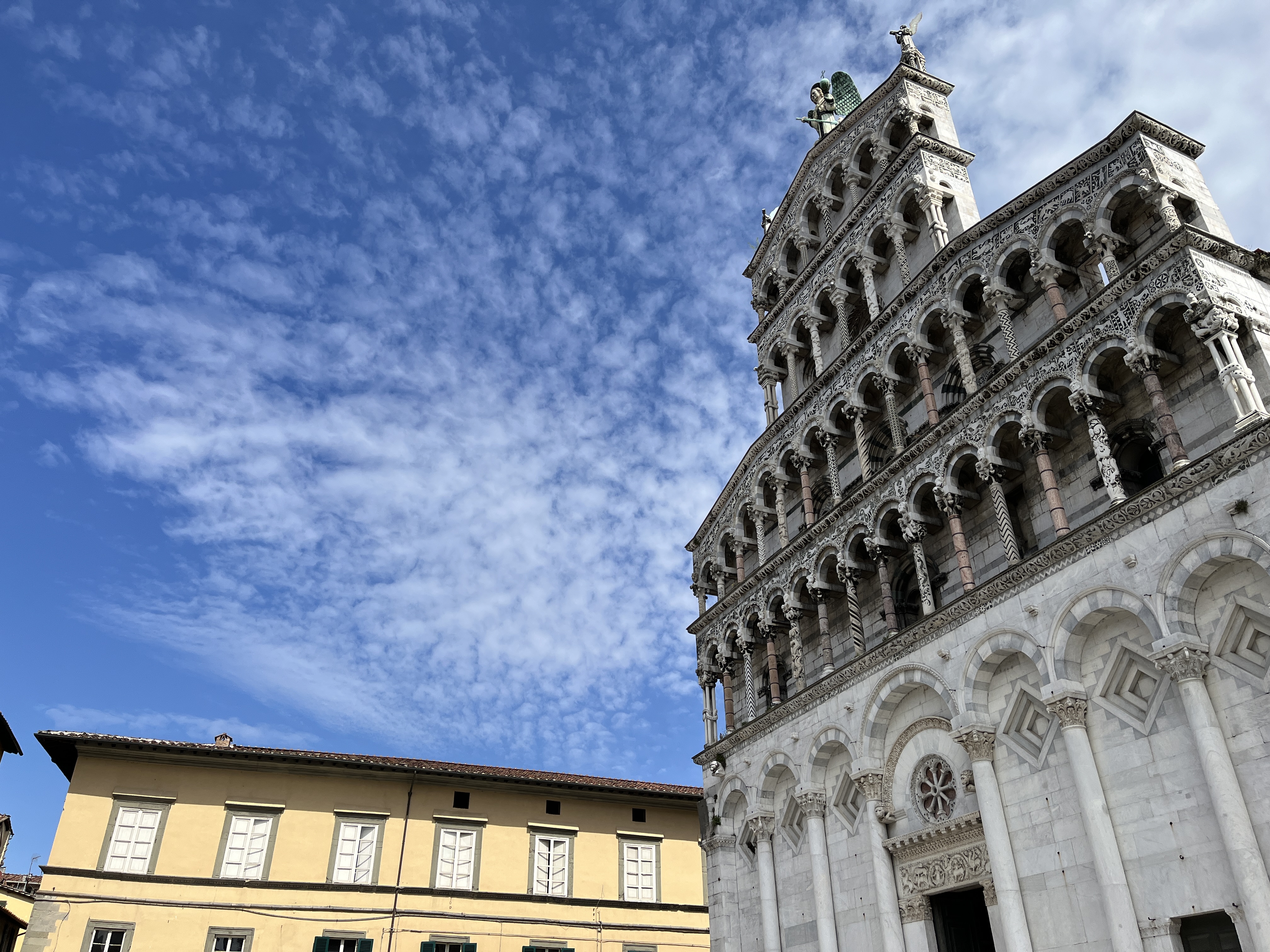
The great Church of Saint Michele was built over the ancient Roman forum – the Etruscans were here before that – with the church first mentioned in 795. In the middle ages it was a place of pilgrimage with a hospital nearby to care for pilgrims passing through on the Via Francigena. This ancient road ran from Canterbury in England, through France, Spain, Switzerland, and onward to Rome. Or if you were making the ultimate Christian pilgrimage, further yet to Apulia where ports of embarkation sailed you off to the Holy Land. Lucca was on this pilgrimage trail, just before Siena and Rome, yet the pilgrim road wasn’t only about the destination. The route facilitated an exchange of ideas, goods and trade in the 12 and 1300’s.

In the Middle Ages, rivalry between neighbouring towns was intense with churches being bragging pieces. From my vantage point, the facade of San Michele is a spectacular projection of power and a fine example of Tuscan architecture. I marvel at the 12 ft high statue of the Archangel Michael watching over his city, angels by his side trumpeting victory over sin. I love the horizontal stripes of muted whites, grey and green marble that define this and most of the churches in Lucca.

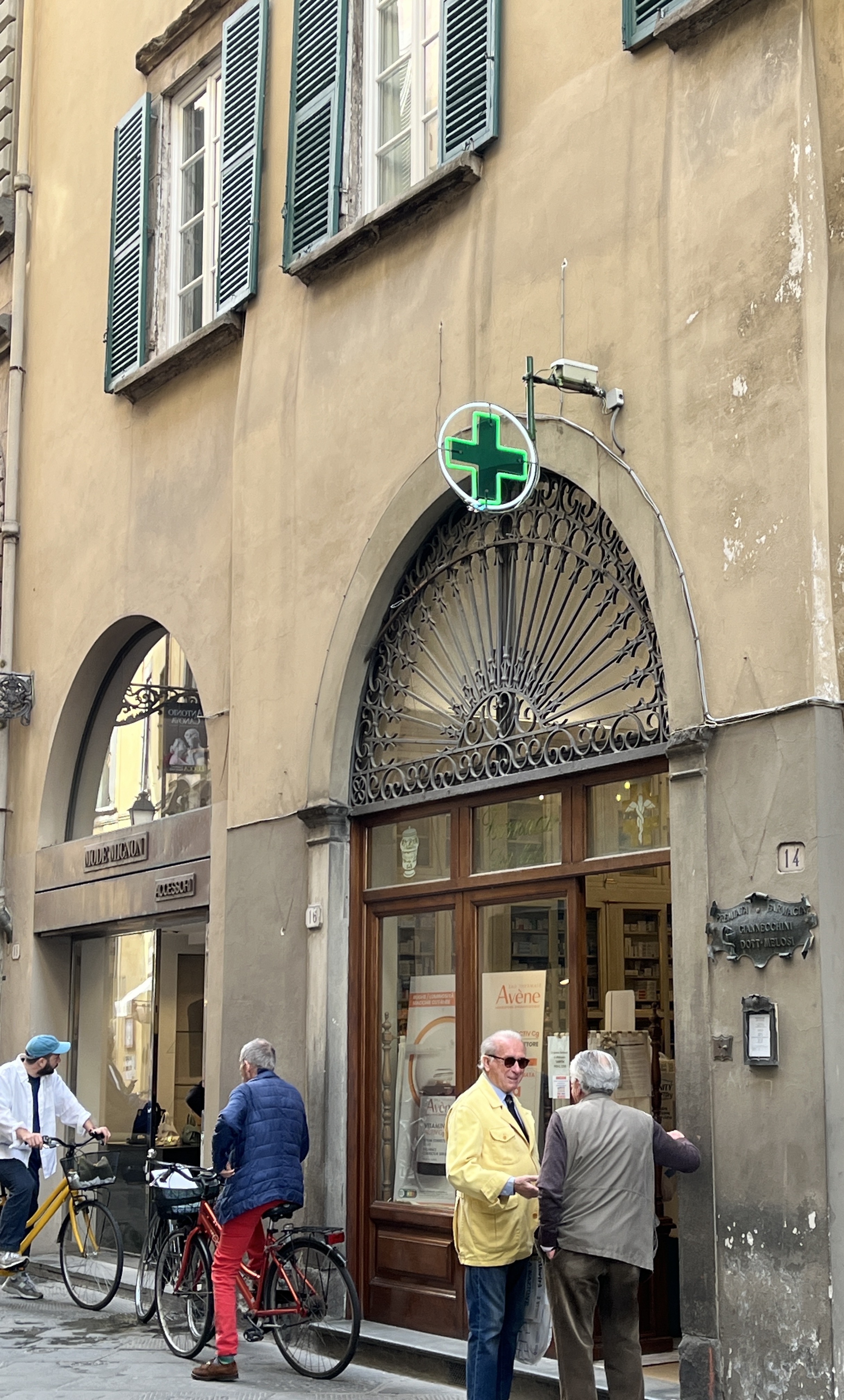
On the left side of the square, the elegant old family palaces – palazzi – still add grandeur to the setting. And to my left at the corner of Via Roma and Via Beccheria, is the intersection I never tire of. The Lucchese are in constant motion – bike riders, dog walkers, shoppers coming from the Farmacia, the Enoteca. Going about their day with so many visitors to contend with, at times I sense the occasional annoyance with the crowds, yet as always there is a certain style and grace as they live their daily life. And they never seem too busy to slow down and catch up with their friends along the street. Lucchese know the art of mingling and good conversation!

Piazza Cittadella

I‘m sitting at Madama Butterfly Caffe for a leisurely lunch as groups of tourists wander along and pose with the stately bronze statue of Giacomo Puccini. Once home to the celebrated composer, the cozy square is infused with hues of lemony yellows and ochres, white and faded green shutters and cafes aptly named after Puccini’s famous operas. After visiting the Puccini museum in the once family home, I understand Lucca’s pride in this dynasty of five generations of composers. The last, Giacomo, and his celebrated works that include Madame Butterfly, Tosca, La Boheme and Turandot, are interwoven into Lucca’s identity. From cafes and souvenirs, to impromptu recitals and evening operatic performances, Puccini is part of the experience of the city. Puccini, who passed away in 1924, would undoubtedly be thrilled to know that on evening after evening, people from around the world revel in the heavenly operatic performances of his masterful works… fantastic, assolutamente fantastico!

Piazza San Martino

When’s the last time you came across a postcard cart?” I muse to Bruce as we wander into Piazza San Martino. “How terrific, it reminds me of my first time in Italy!”

The tiny shop on wheels is wonderfully incongrous against the luminous, grand Cathedral of San Martino. Postcards and guide books line the cart, leaving just enough space for the friendly seller to climb off and on the bike buried beneath his wares. Originally from Venezuela, Arron tells me he’s been selling here for some 25 years. I meet his dog Pongo who lies patiently in the shade of the cart. Periodically his master jumps on his e-scooter and they zip through the piazza for a quick ‘walk’ between customers. After our chat, Arron calls out a ‘Ciao bella,’ to me and thereafter each time I visit the square. I feel like there should be a postcard of him, Pongo and his timeless tiny shop!

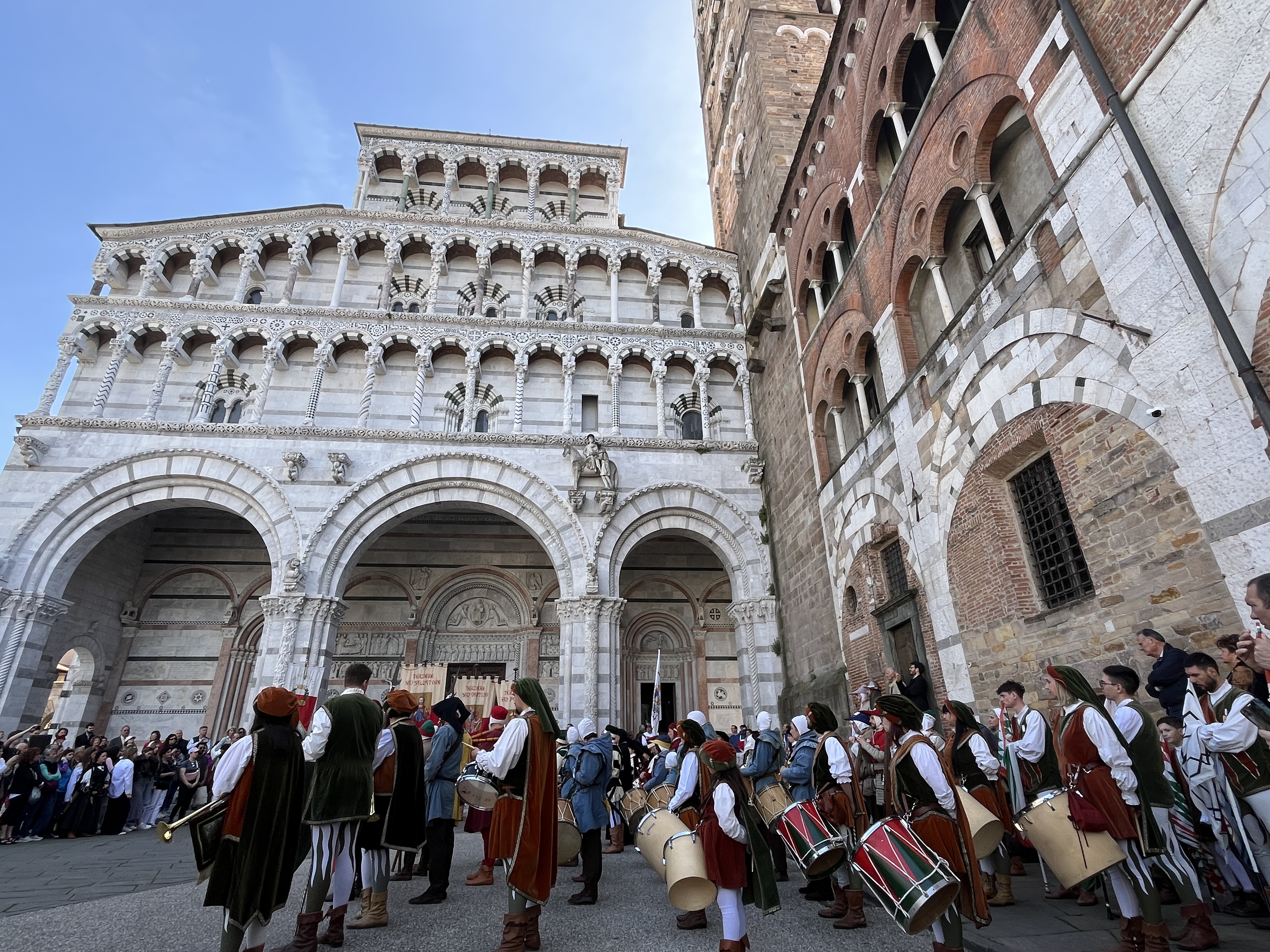
Bruce and I go back a few times to gaze up at the Cathedral. We stare in wonder ; su, su, su – up, up, up – at the imposing, almost impossible ediface and tower. The 700’s were years of growth for Lucca – surrounding buildings were torn down to make space for the church and piazza. The creativity and the intricacy of the carvings on the facade of the church are every bit as outstanding as the chapel’s interiors and priceless works of art.

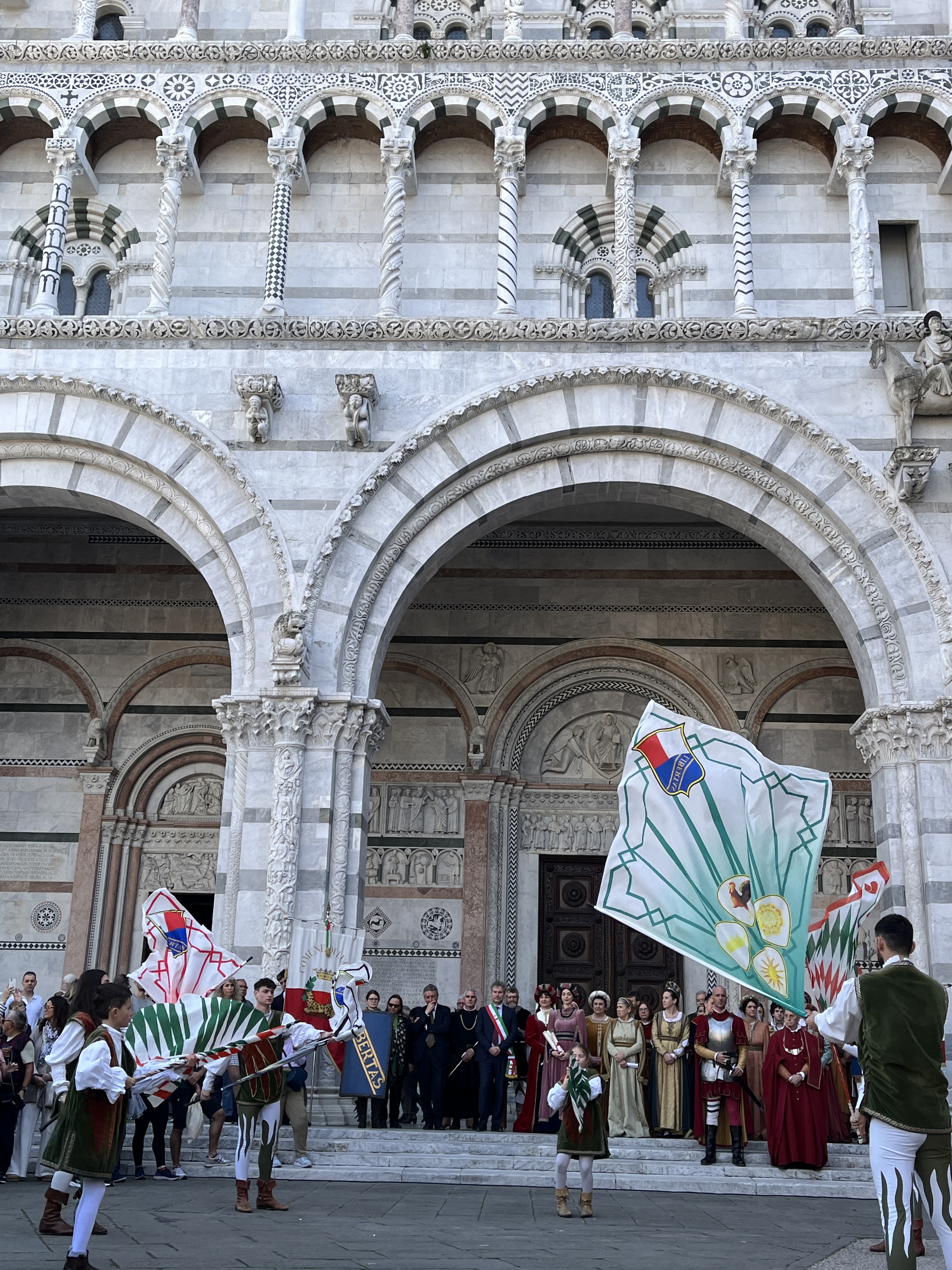
On a fine Sunday morning, the Cathedral becomes the backdrop for a celebration dear to the Lucchese. Each spring, they pay homage to their liberation from those pesky Pisans as the city honours the 1369 liberty of Emperor Charles IV exchanging Lucca to Pisa for a large sum of money… La Festa della Liberazione – Liberation Day. Lucca fought hard to maintain its continued independence from Pisa and Florence. These days Pisa is just a mere twenty minutes by train over the hills, one of my favourite Tuscan cities.

The costumes, musicians, and flag throwing is resplendent, evoking celebrations of the Middle Ages. Flags are sent spinning up into the air, are caught and tossed again. Four flags are handled at once to the huge appreciation and applause of the crowd. This craft dates back to medieval guilds in many European countries when a guild’s banner or flag was considered a symbol of purity. Best not to let it touch the ground or fall into enemy hands! As I crouch down to take video, a local asks me where I’m from, pleased that I’m witnessing the event. She wants me to know the importance of it all. I playfully ask if there’s still a rivalry between Lucca and Pisa? “Allora, maybe only in football,” she says with a wink.

Piazza San Frediano

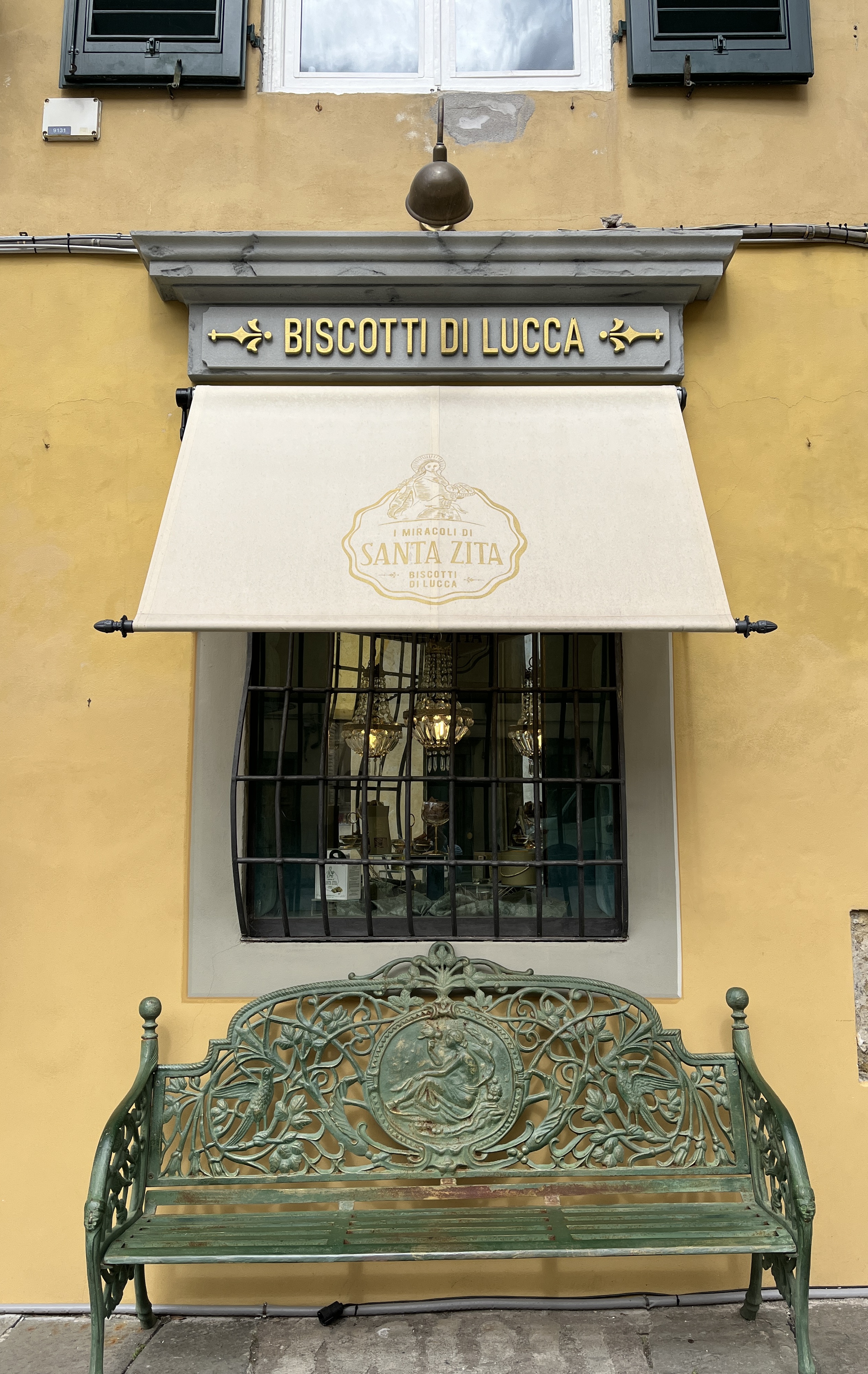
This piazza becomes our ‘home square’. Just a stone’s throw from our apartment on Via Fillungo, there seems never to be a dull moment; whether during our strolls, cutting through the square to the nearby streets or while enjoying a glass of local Vermentino to the strains of musicians. Anchoring it all is the golden mosaic adorning the Roman Basilica of San Frediano. An Irish bishop in Lucca built a church on this spot in the early 500’s, yet the present day appearance is more an 1100’s version of Roman simplicity. It’s less grand than others, yet has a welcoming feel. I’m intrigued to hear the story of the church’s patron saint, Santa Zita.

Zita entered domestic service at the age of twelve, serving a prominent silk merchant family for almost fifty years. She was known for doing ordinary things well and for her kindness and generosity to the poor. It’s said that a star appeared above the bedroom attic at the moment of her death at sixty years old. After 150 miracles had been attributed to Zita’s intercession she was recognized by the church and canonnized in 1696. Guilds were established in her honour and still today on April 27th, families bake a loaf of bread and gather in celebration of Saint Zita. I notice that she’s portrayed with a bundle of keys and is the saint to invoke if indeed you’ve lost yours. Not possible for us – the iron key to our ancient accommodation is the size of a serving spoon!

Spending time in this square feels quintessentially Lucca, especially when beautiful melodies float this way from the nearby Music Conservatory. People stroll through on passeggiata while the bells toll their pleasant sonorous melody. ‘Meet me in the piazza’ becomes the phrase I say to Bruce if I’ve gone out and we plan to meet later for appertivo. He’ll know where to find me. And so we meet, we sit, we listen, we sip… late afternoon fades into evening.

Ten Years of ‘notes’ from Italy… an ode to my travel partner

Standard

When I started ‘notes’, I wouldn’t have known that last week on the tenth anniversary of that first post, I’d be in the Eternal City of Rome. It seems almost too perfect a full circle; after all, it was here in Italy that my passion for travelling was first kindled. I’ve returned often since that first trip in the late ’80’s, yet this visit is more of a sojourn. Over these seven weeks, we’ll not only travel but situate ourselves in small Italian cities to gain a sense of actually ‘living’ here and embracing that dolce vita!

If you’ve followed along on ‘notes’ you’ll know that after thirty years of life overseas, we’ve settled in the beautiful Canadian mountain town of Kimberley in British Columbia. We have our children around us, we’re part of the community and Bruce and I are both working on projects that we love. And yet for us, travelling and journeying together is part of our ongoing story.

I opened my blog recently to a ‘Ten Year Congratulations’ message from WordPress, making me smile widely. Yes I wish I had written more often, yet I’m thankful that I’ve captured the essence of many travels and experiences. It’s also heartwarming to know that in 155 countries, people have taken the time to read my stories and I consider it an absolute honour to perhaps have made the world a smaller and more colourful place in my own little way. I’ve shared posts from Kazakhstan to Norway, from Malta to India and so many more in between. On this tenth anniversary, I’m especially thankful for my husband/travel partner for the inspiration that encourages me to research, wander, explore and then write.

Before arriving in Rome, I received a message from Bruce who was working and travelling in Scotland. “Can’t wait for our first passeggiata in Rome sweetheart!’ This seemingly simple statement sums up so much as we both anticipated that first early evening stroll along cobblestoned strade, that Italian tradition of ambling leisurely to the piazza and watching life play out against the avenues and architecture that we have come to love. And so this milestone is really an ode to my travel partner. The one who carries that extra bag for me, navigates the train schedules, figures out the best route to hotels. The one who waits patiently or joins me as I meander down yet ‘one more side street.’ That once travel boyfriend who I’ve travelled through life with hand in hand while working and raising children… and to have the great fortune to experience life in many places. And through those experiences and this continued traveling life, we’re ever thankful for this precious gift of time together.

So this post is a short missive, an ode to embracing travel and the life experiences that it encourages. And most of all it’s a heartfelt grazie mille to Bruce – my forever partner-in wandering – see you in the piazza!

I leave you with a piece I wrote on Monday Morning Emails the last time we were in Italy together…

TRAVEL

Monday Morning Musings #20 – For the love of luggage, and a certain ‘porter’

terryannewilsonEdit”Monday Morning Musings #20 – For the love of luggage, and a certain ‘porter’”

IMG_E0480

This past month, while away on a month-long trip through Italy and Slovenia, a dear friend messaged me.

“How is it that you have so many clothes with you? Following your social media pics, it seems you always have the right thing to wear,” Gillian wrote. “A friend and I have a question – do you travel with a suitcase or only a carry on? The bet is on!”

I practically laughed out loud when I read it. Oh how I wish I could stroll onto a plane with just a sleek carry-on and a handbag… if only! But no, this traveller goes prepared; a selection of shoes, a good clutch of scarves, some basics of course, but also outfits I might only wear once as was the case for the writer’s retreat, the main pretext for this trip. Naturally it was all too much and I regretted over-packing, yet again.

Was it because I knew that in the back of my mind my porter, aka my travel companion of thirty years, was joining me? He does often joke that the sole reason he meets me, wherever I might roam, is to help carry my bags home. And it seems, this trip was no different.

After the writer’s retreat, we agreed to rendezvous in Florence before making our way north and onwards to Slovenia. Checking into a rather stately hotel, was it not confirmed that my beloved Bruce is surely my very own personal porter?

Let me back up. After fleeing an Air B n B (a veritable ‘subterranean cavern’) that he had inadvertently booked for our reunion (accommodation is usually my department), we arrived at that lovely hotel on one of Florence’s prettiest streets.

But no, we didn’t glide into the lobby as if we belonged there. It was more a barrage of luggage, backpacks and two overheated travellers. We had rattled our way from one end of town to the other, the clatter of my luggage causing an obnoxious racket on ancient cobblestone streets. Did I imagine looks of disdain as the locals enjoyed their la passeggiata, their evening stroll?

But allora, then, we present ourselves at the hotel.

“Checking in for Wilson,” I say to the perfectly coiffed, attractive lady behind the sleek check-in desk, all the while attempting graceful dabs at my ‘glowing’ forehead. The silk scarf looped around my neck has come in handy indeed!

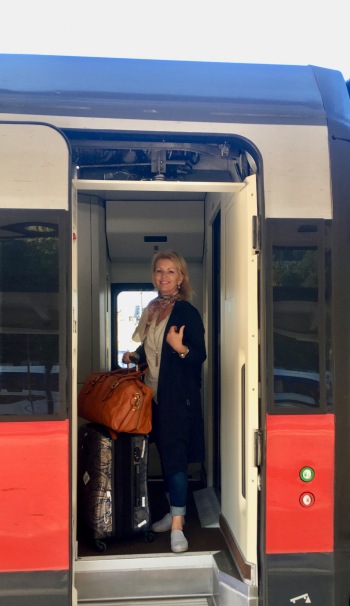
Bruce is standing off to the side, laden with two backpacks, my overstuffed suitcase and my shiny new leather grip-bag that I seemingly could not leave Pisa without. I glance over and smile at my travel companion, the one I’ve logged a ‘million’ miles, but the not so-romantic-image of the porters at Indian train stations suddenly pop into my mind – all he’s missing is yet another bag perched precariously on his handsome head.

“Yes, checking in… with my porter,” comes out of my mouth. It seems I’ve attempted a joke.

“But madam,” the lady replies matter of factly, “you’ve only booked for two.”

She surveys Bruce with a wry glance. Yes, she’s truly under the impression that indeed he is my porter and that apparently, my true romeo will appear at any moment. Perhaps he’s out front, parking the Maserati or the Lamborghini.

“Oh no, no, no,” I clarify. “He isn’t my porter, this is Mr. Wilson,” and hand over our passports as proof.

“Ah, va bene. Good then. Do you need help carrying the bags to your room Mr. Wilson?”

“Oh no,” my intrepid companion says with a grin, “I’ve got this!”

One last thing about that beautiful new leather bag. Surely it is part of a fervent plan. On my next trip, I will glide onto a plane with it and it alone… oh one can but dream!

Colourful Post Cards from Mexico… Vallarta & Riviera Nayarit

Standard

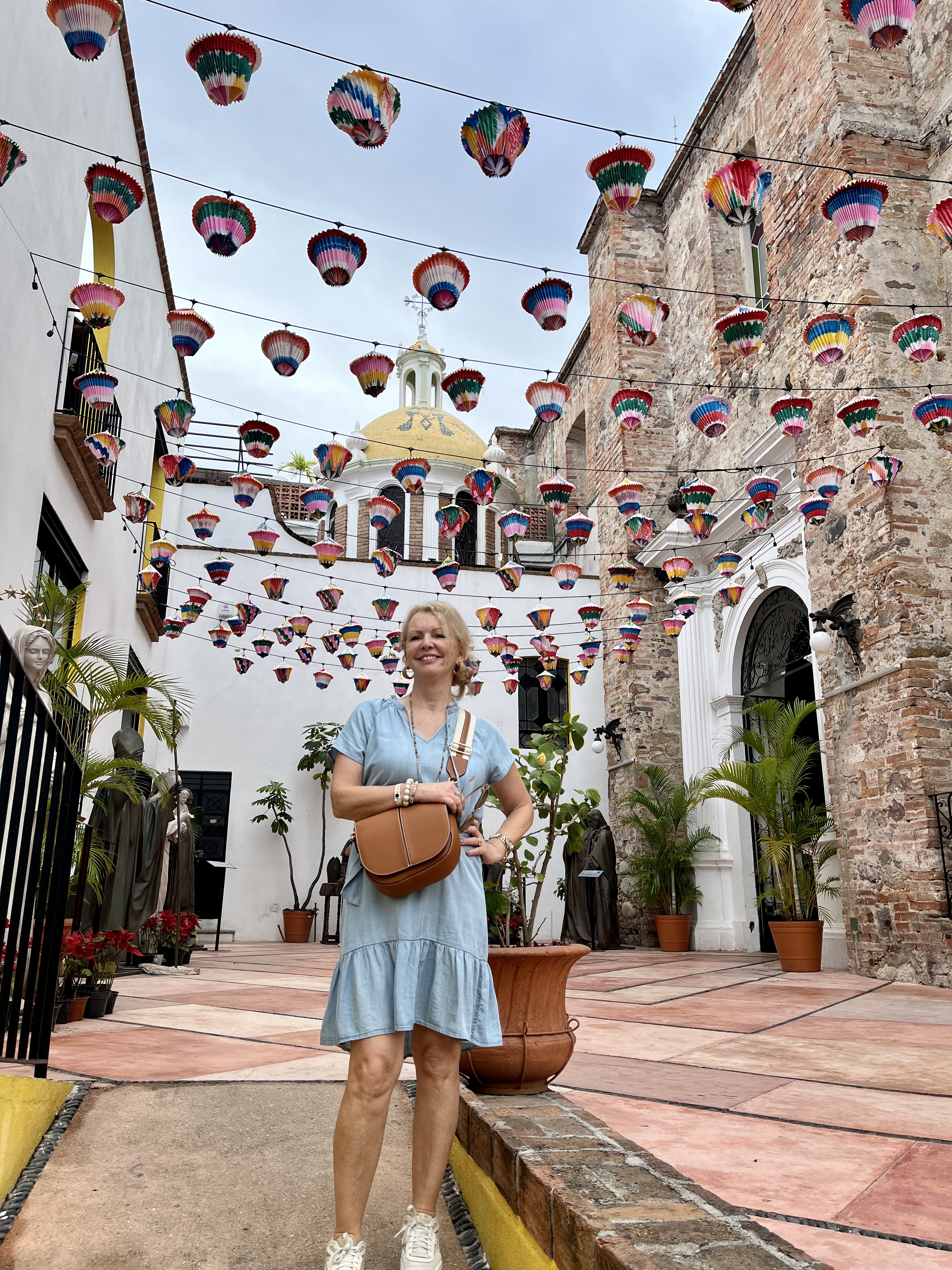
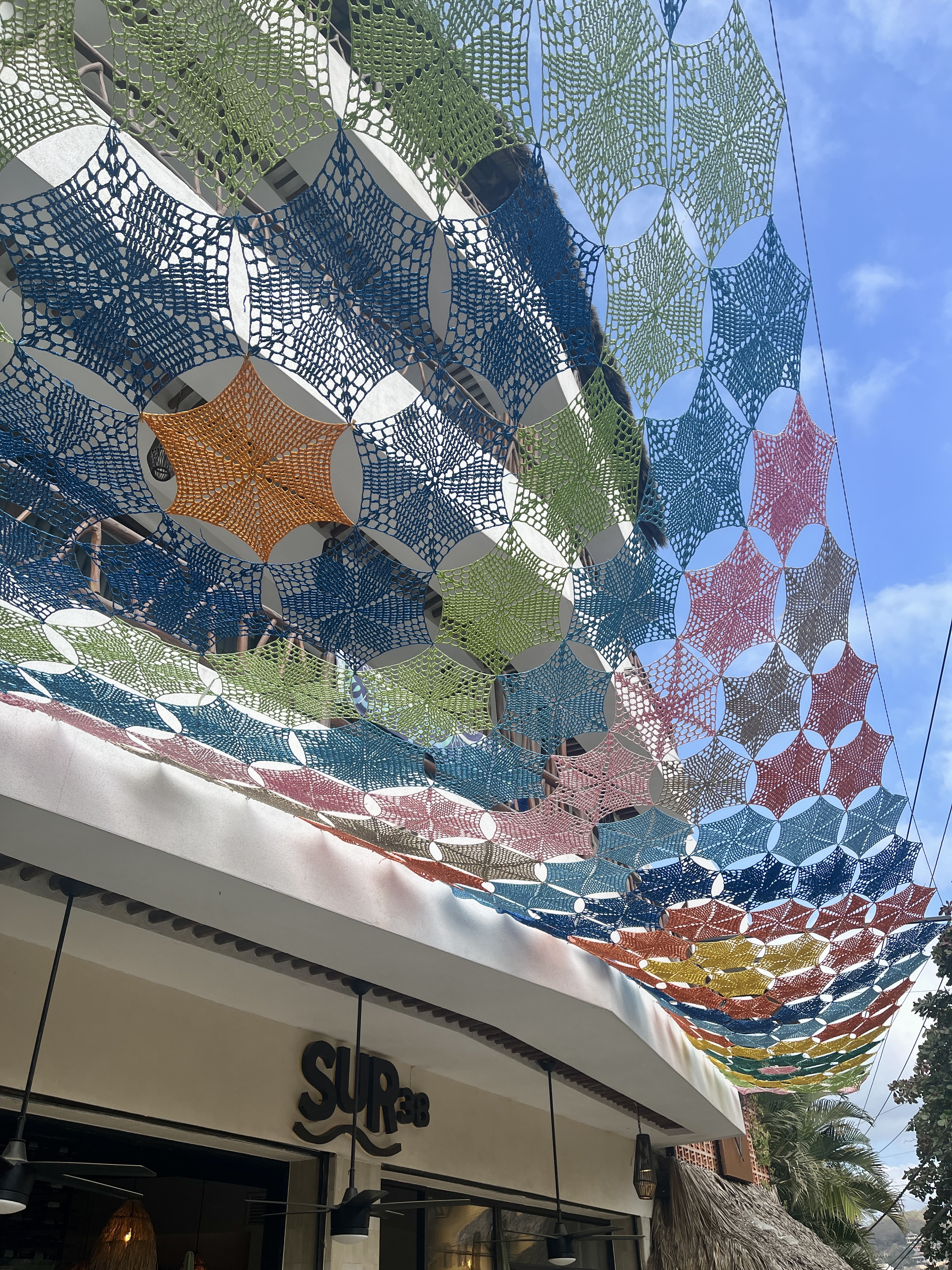
They flutter and wave gently in the breeze; evocative, colourful and providing just that little hint of shade and shadow. Called papel picado (perforated paper) this traditional Mexican decorative craft instantly charms and intrigues me. Throughout our eleven days on the Pacific coast I encounter these small celebrations of shape and design everywhere, often themed to reflect some aspect of the town. Celebrated for their cultural significance, they are also much beloved… even notable papel picado artists are a living cultural heritage, their work often displayed in prominent museums.

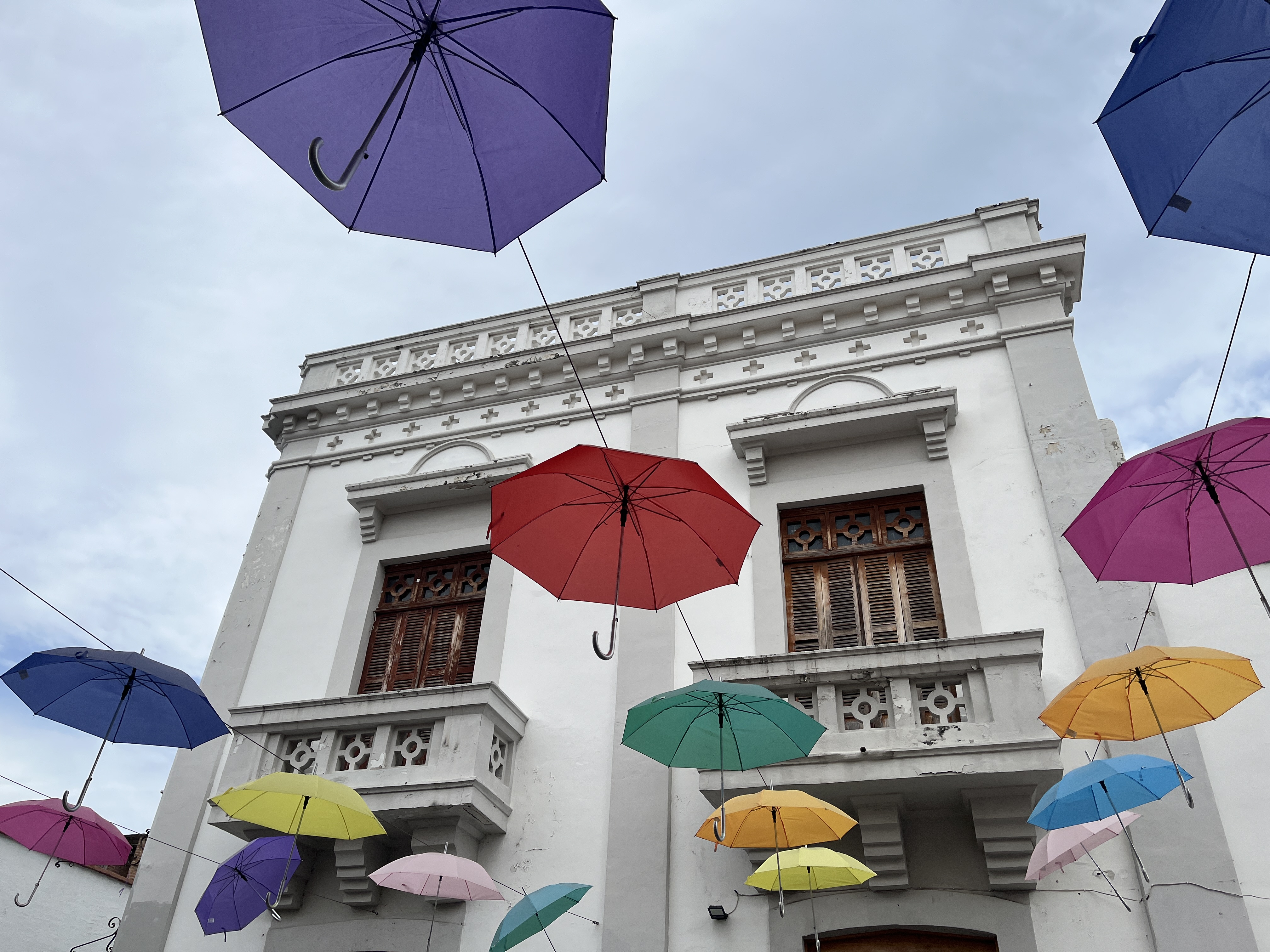
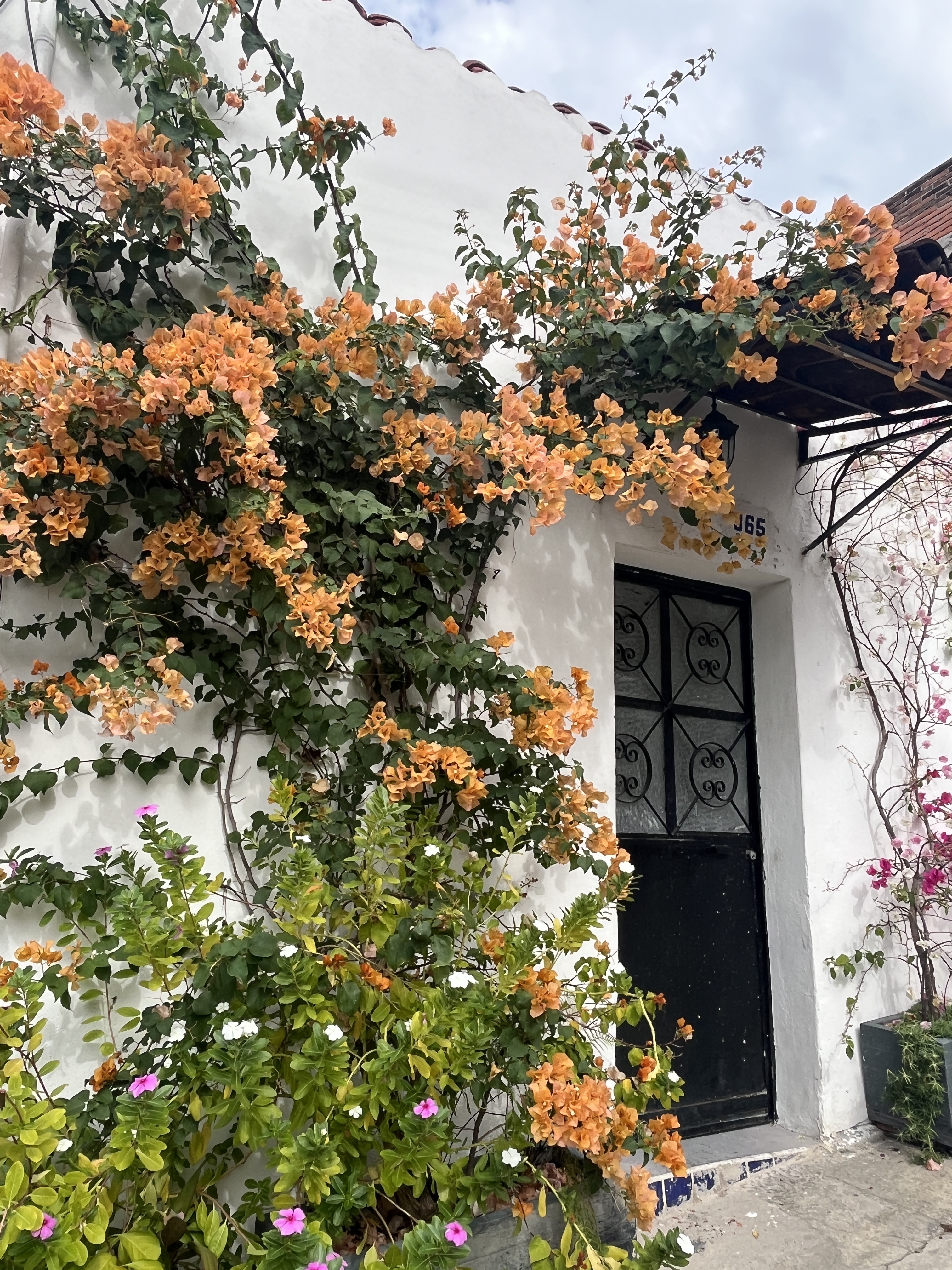
Papel picado feels like a natural complement to the vibrance of Mexican life, along with the buildings in rainbow hues, the vivacious flowers and lush tropical greens. In early Mexico, the Aztec used mulberry and fig tree bark to make a rough paper called amate, then chiseled figures into it, eventually evolving into this perforated art form. Artisans usually layer 40 to 50 layers of tissue paper and punch intricate designs using a type of chisel called a fierrito. Nowadays, most in public spaces are made of plastic yet the concept continues as I see umbrellas and crocheted pieces of yarn working the same magic as traditional papel picado... so delightful!

Puerta Vallarta

To kick off our trip, we choose Puerta Vallarta’s bustling Romantica Zone for four nights. From our older but well-situated hotel on the beach, we explore the many areas of Vallarta by foot. The city stretches along the coast, nestled between gentle verdant hills and the constant crash of Pacific Ocean waves.

We find fantastic restaurants to indulge ourselves, from the simple and authentic to the touristic and pricey… and absolutely, sampling guacamole and salsa become almost a twice-daily ritual! We enjoy live music, stroll the Malecon, attend an Art Walk, and I fill my suitcase with a few artisanal pieces. And of course, we simply spend a little time on the beach and revel in the exquisite sunsets.

On day three, we escape the city and hop on the bus at Station 3; the bus system is efficient and costs just a handful of pesos. As the lumbering bus snakes its way south along the coast, we drive past Boca De Tomatlan and the village of Mismaloya where the movie The Night of the Iguana was filmed in 1964. Starring Richard Burton and Ava Gardner – spiced up by the frequent visits of Elizabeth Taylor with whom Burton was having an affair – the extensive coverage helped catapult Vallarta into the tourist destination it is today.

This large bay had once helped protect the cargo ships sailing the galleon trade route to the Philippines which started in the mid 1500’s. Banderas Bay and the area was eventually a hub for silver mining and palm oil production, yet from the mid 1800’s local vacationers pre-empted todays tourists and enjoyed the endless beaches, many now dotted with resorts. As we alight from the bus at our destination, Vallarta Botanical Garden, we arrive at a magical space. At once, a feeling of serenity envelopes me as the explosion of unique plants and birdsong welcomes us.

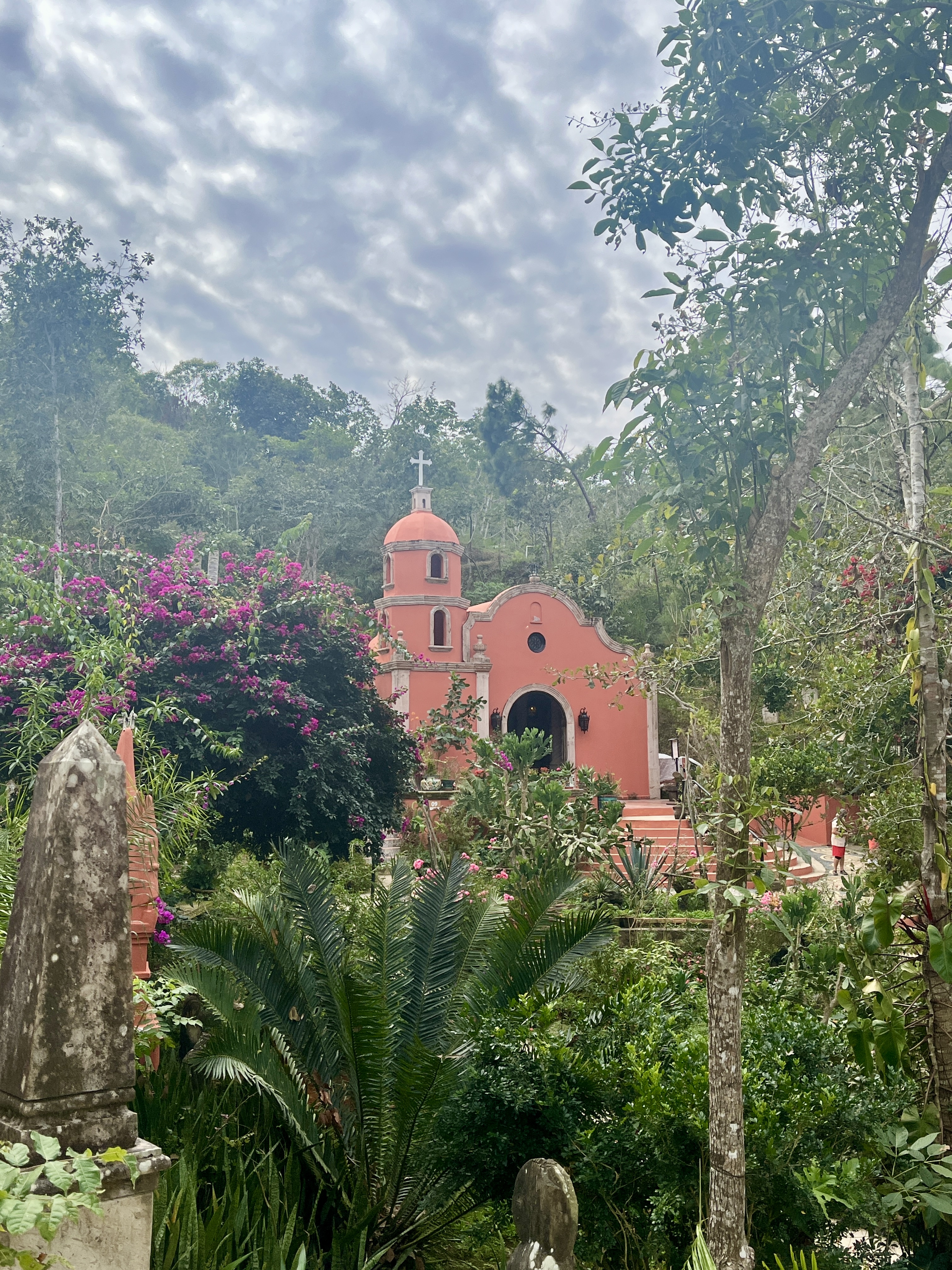
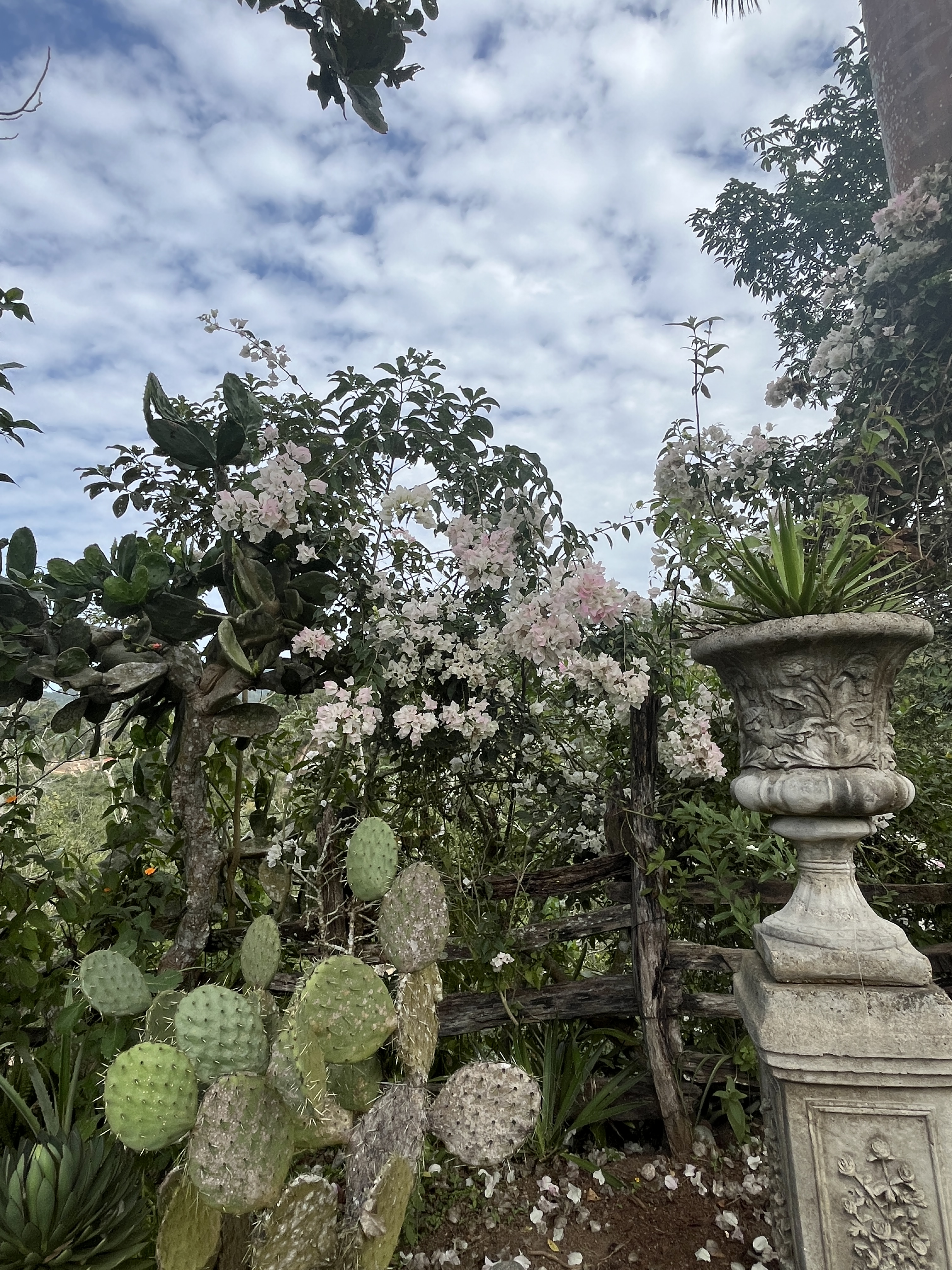
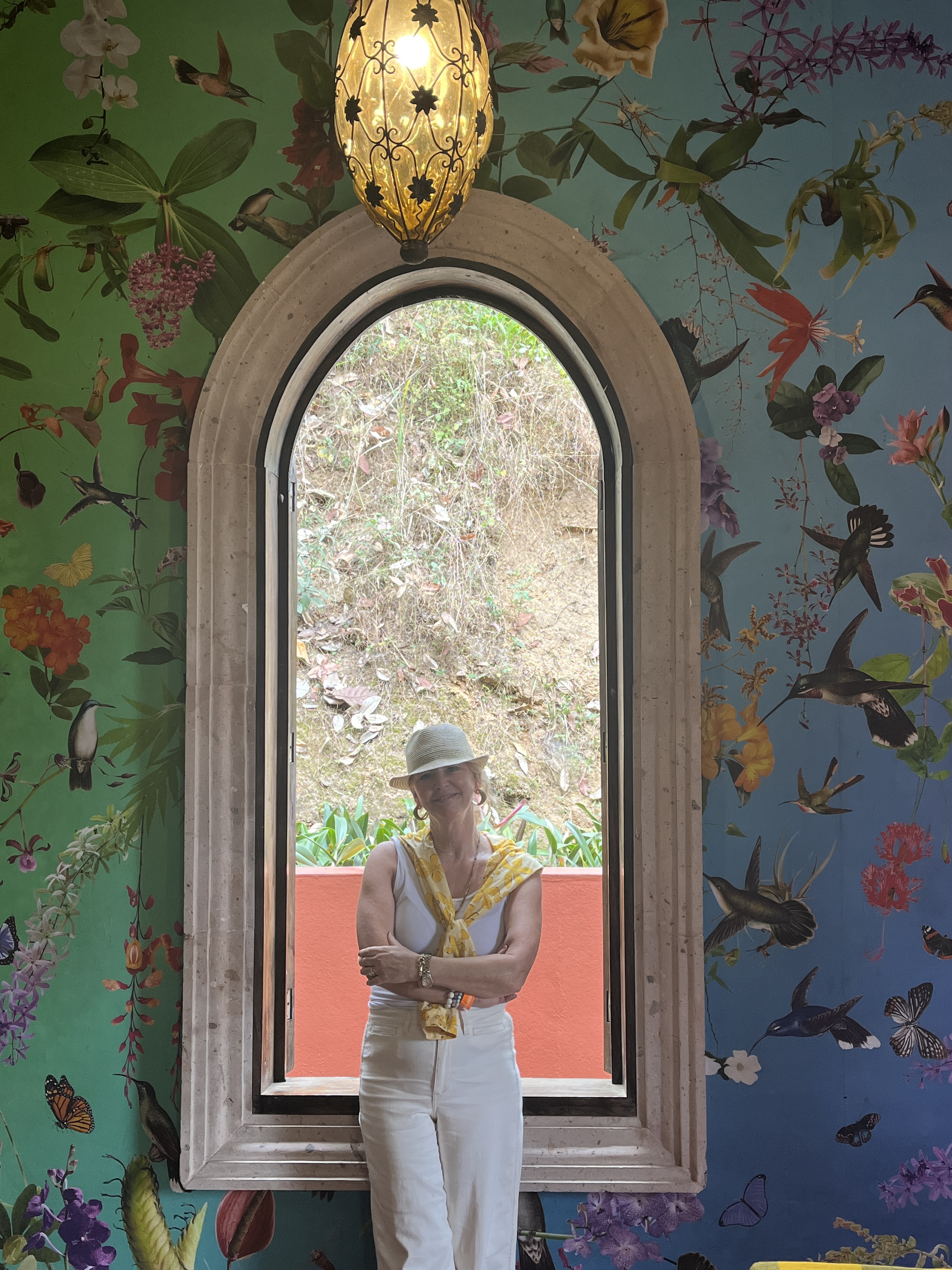
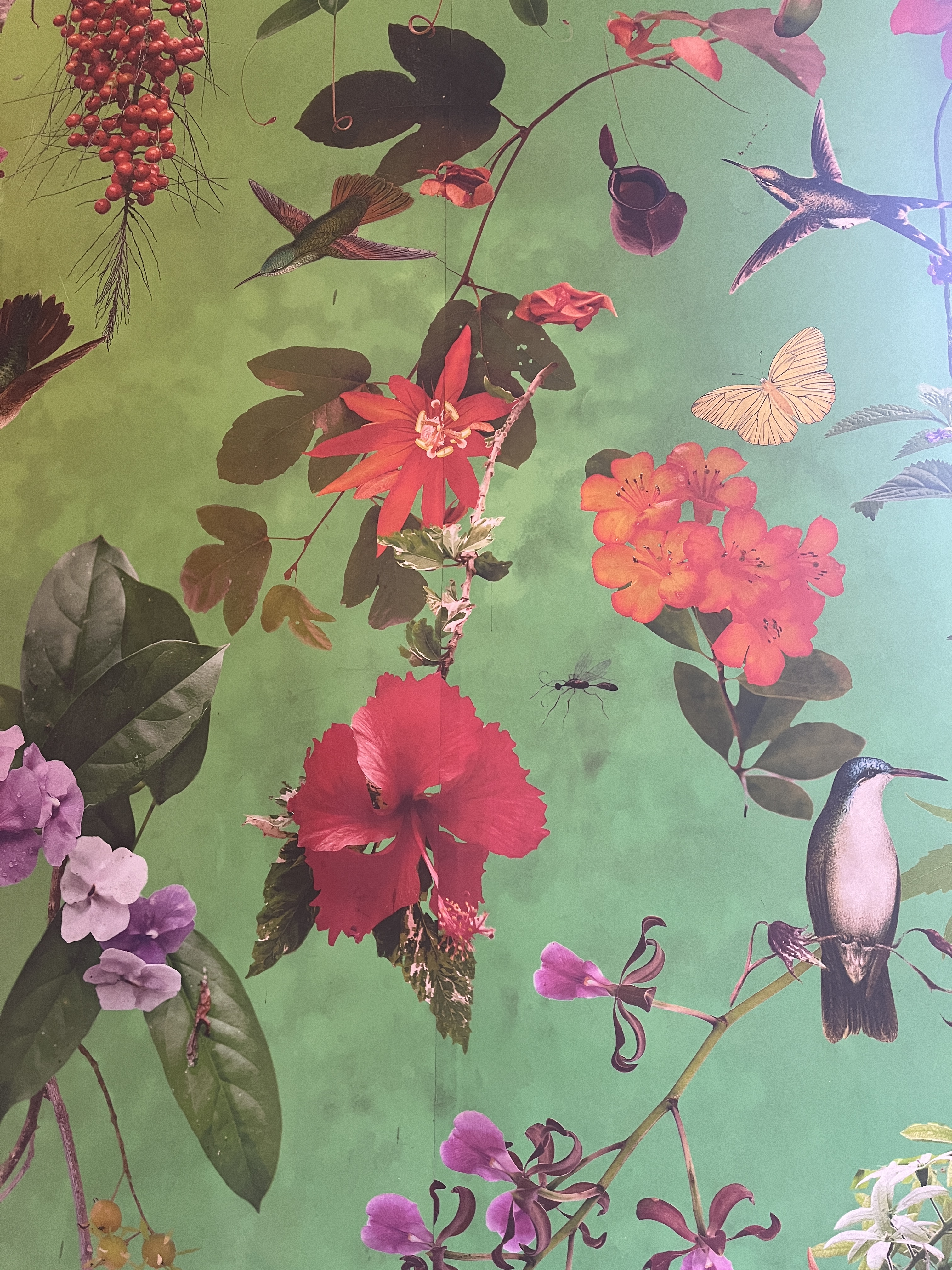
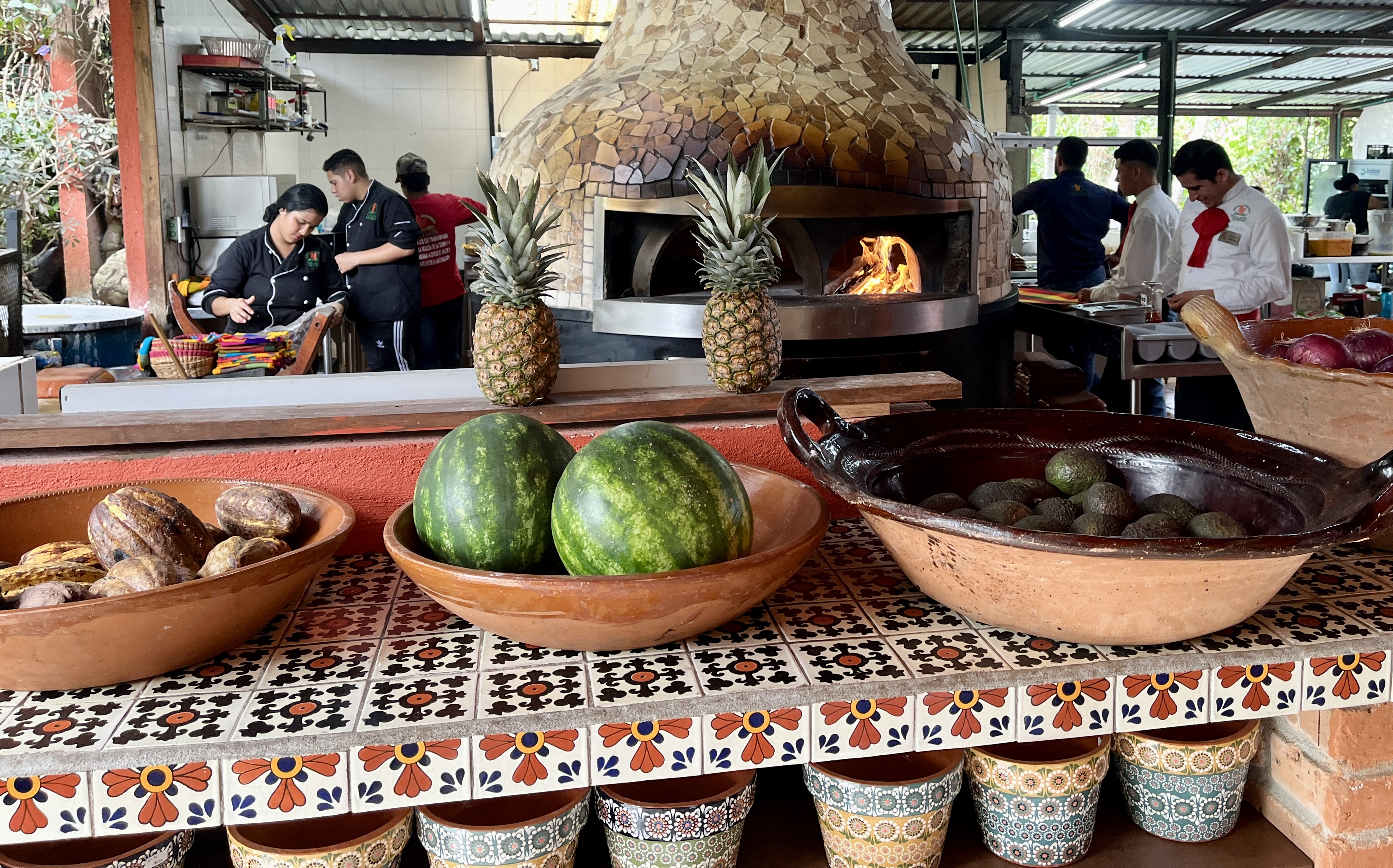
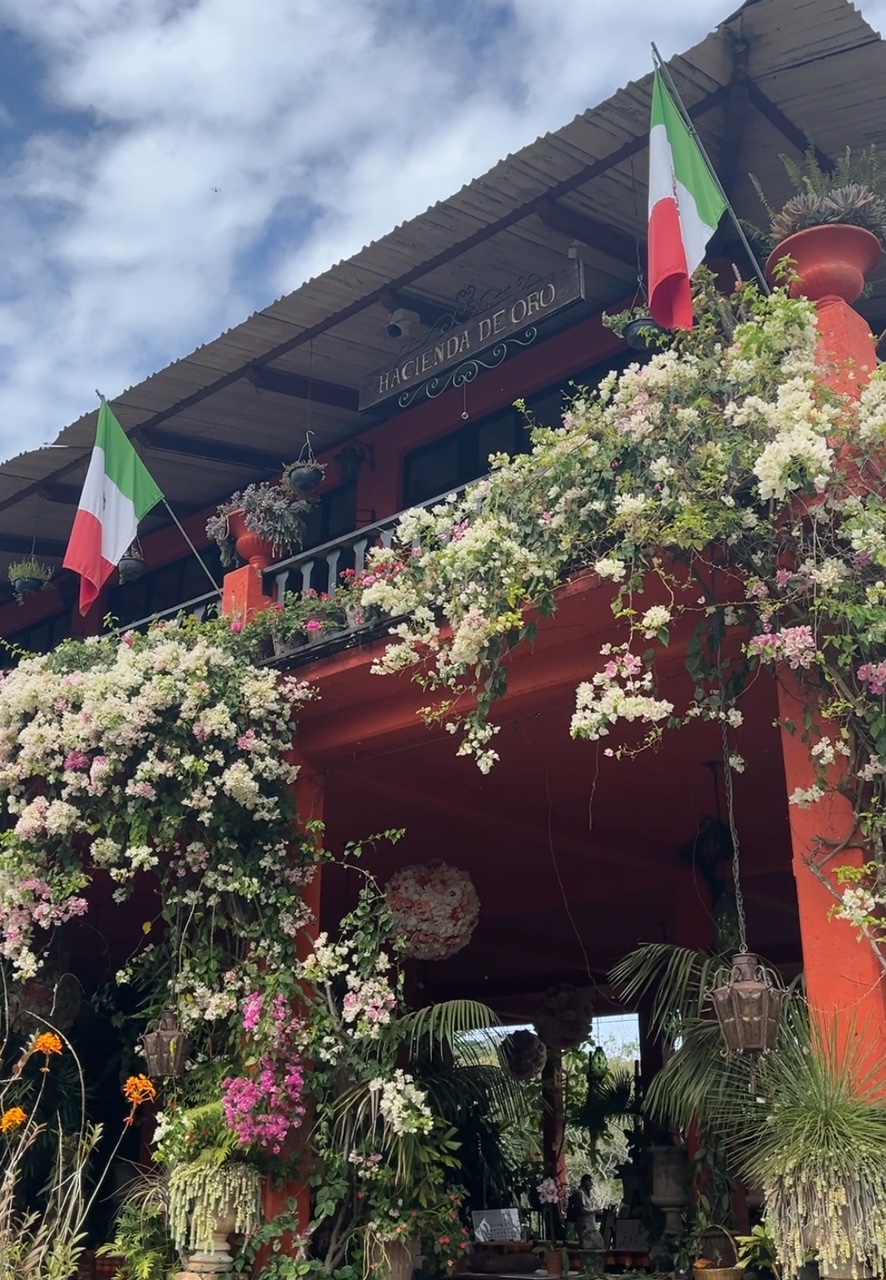
The Botanical Garden has been a top conservation leader in Mexico since 2004, playing a vital role in the conservation of the military macaw and Mexican native plants, especially the propagation of orchids. As we wander amongst the towering palms, cacti, bougainvillea and so much more, we find the romantic Our Lady of the Garden Chapel nestled amongst the verdant setting. It beautifully interrupts the scene with a mission ‘to inspire the human spirit to live in harmony with the natural world while promoting peace and understanding among diverse cultures and faiths.’ Once inside, a modern day fresco bursts on the walls ‘in honour of hummingbirds and pollinators, the little angels, that dance around the chapel’. Beautiful, such a glorious, modern celebration of flora and fauna. We finish our visit with a late lunch at the Hacienda de Oro. With outstanding views, delicious food and live music, it’s a must visit!

San Francisco, aka San Pancho, on Riviera Nayarit

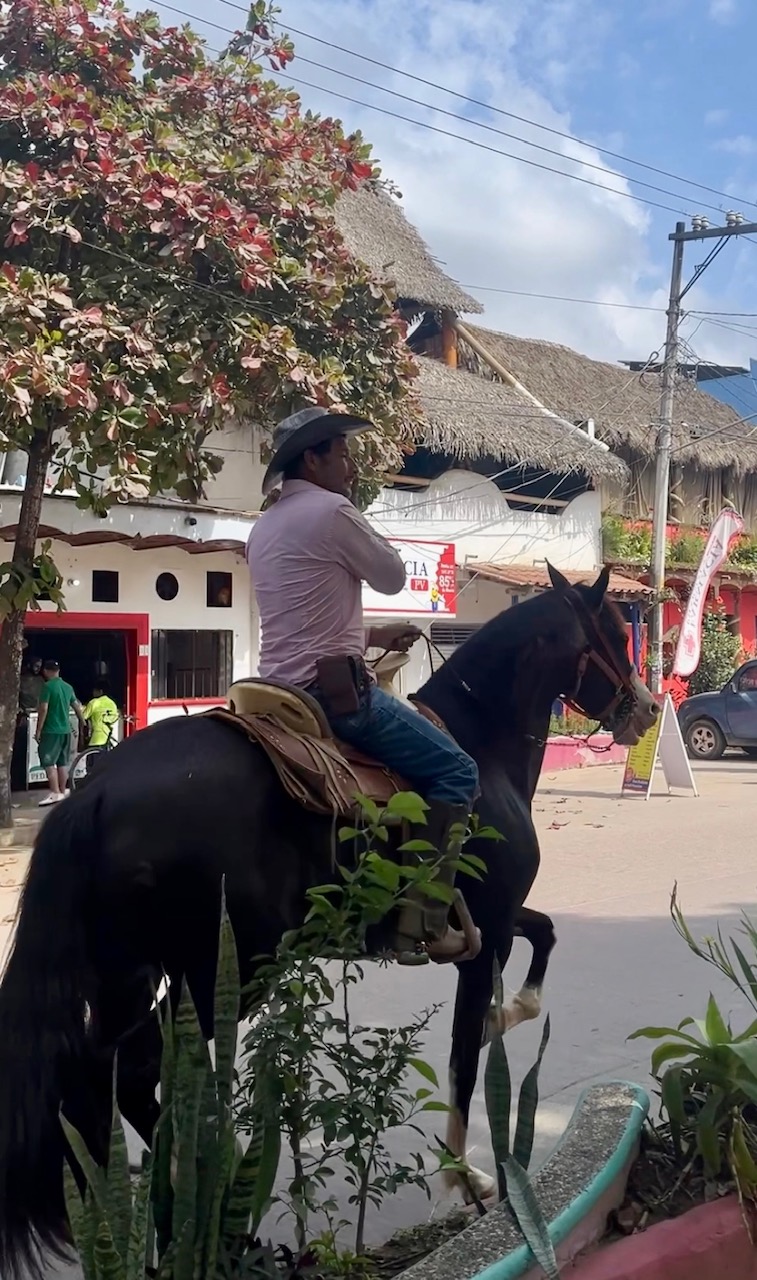
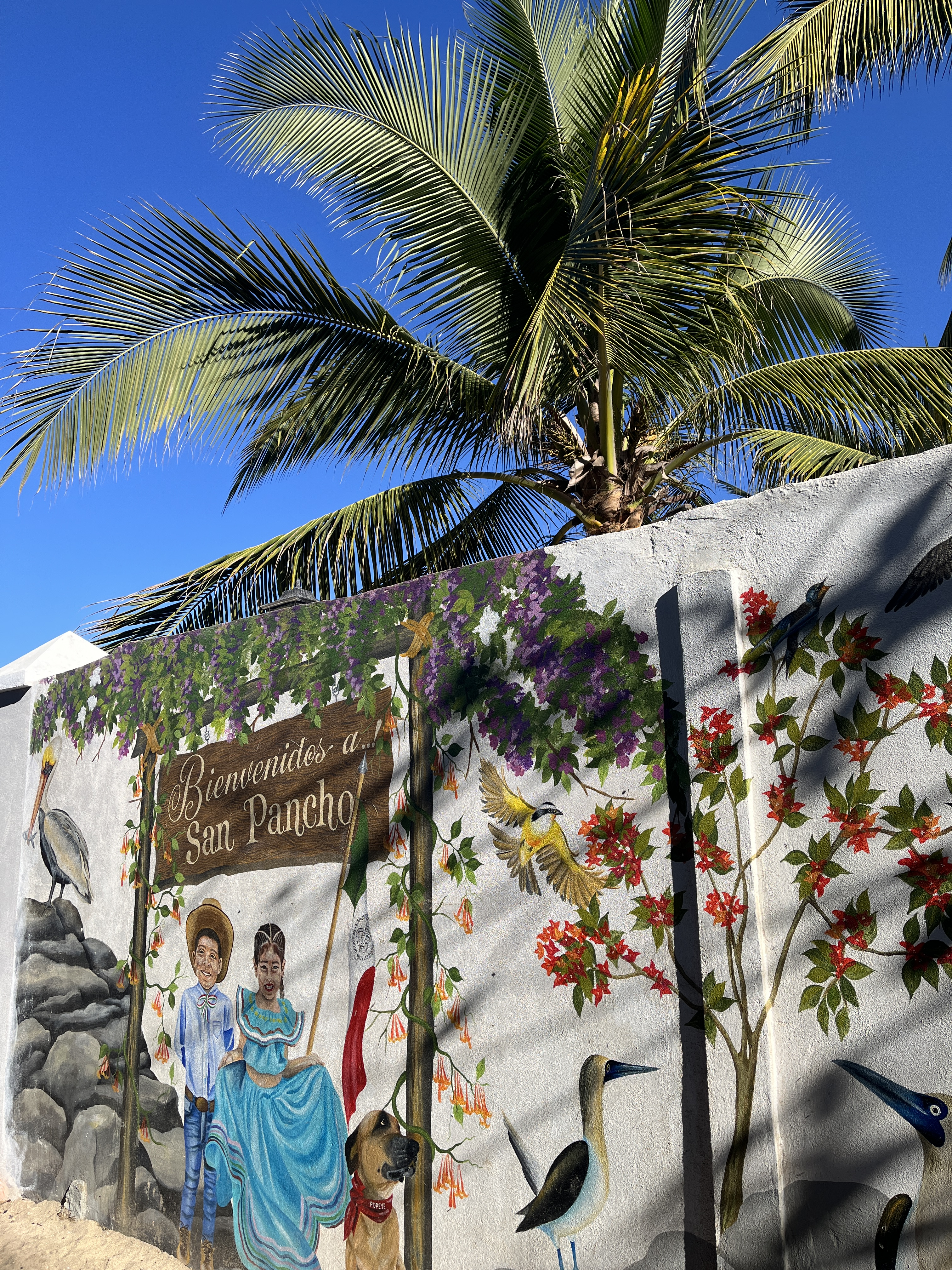
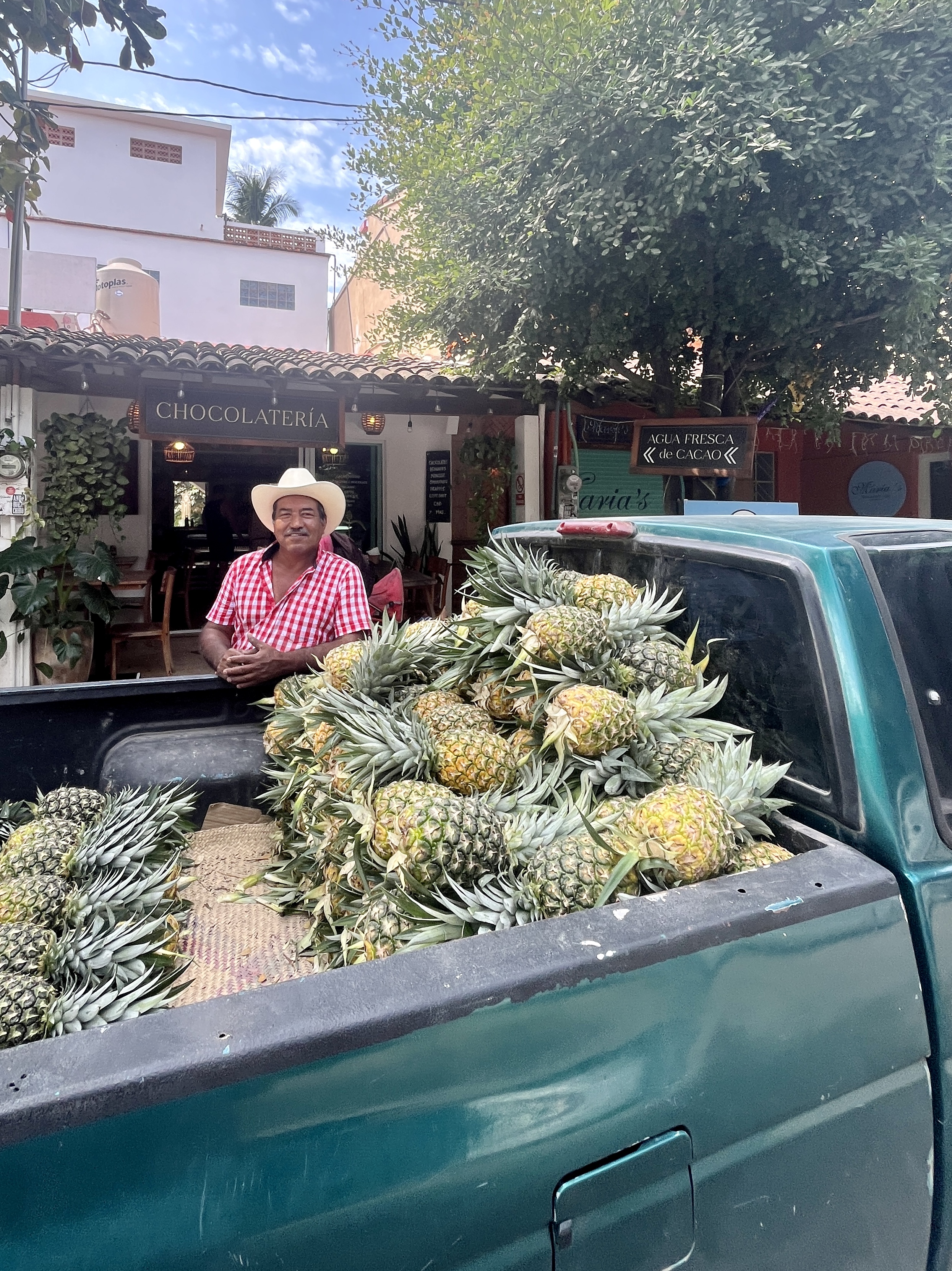
After a two-day stint in Nuevo Vallarta – an enclave of immaculate planned communities and large resorts – we choose the small town of San Pancho for a five day stay. It seems that many people I know have their chosen favourite Mexican spot that they return to time after time. As this is our first time vacationing in the country, San Pancho couldn’t have been a better introduction to a charming yet still authentic-feeling town. The type of place where locals might trot past on their horse and the pineapple guy comes into town with a pickup full of plump pinas. The kind of town where locals welcome you into their boutiques and in the evenings live music flows out from inner courtyards and intimate spaces. Main street runs down into the beach and ocean, its cobblestones and papel picado a backdrop for constant motion. There are surfers and their boards, locals, vendors and tourists alike. And a collection of dogs – most sporting tiny sweaters despite the heat – who seemingly idle away the day, making their way back home in the evening. All living peacefully under the brilliant blue skies.

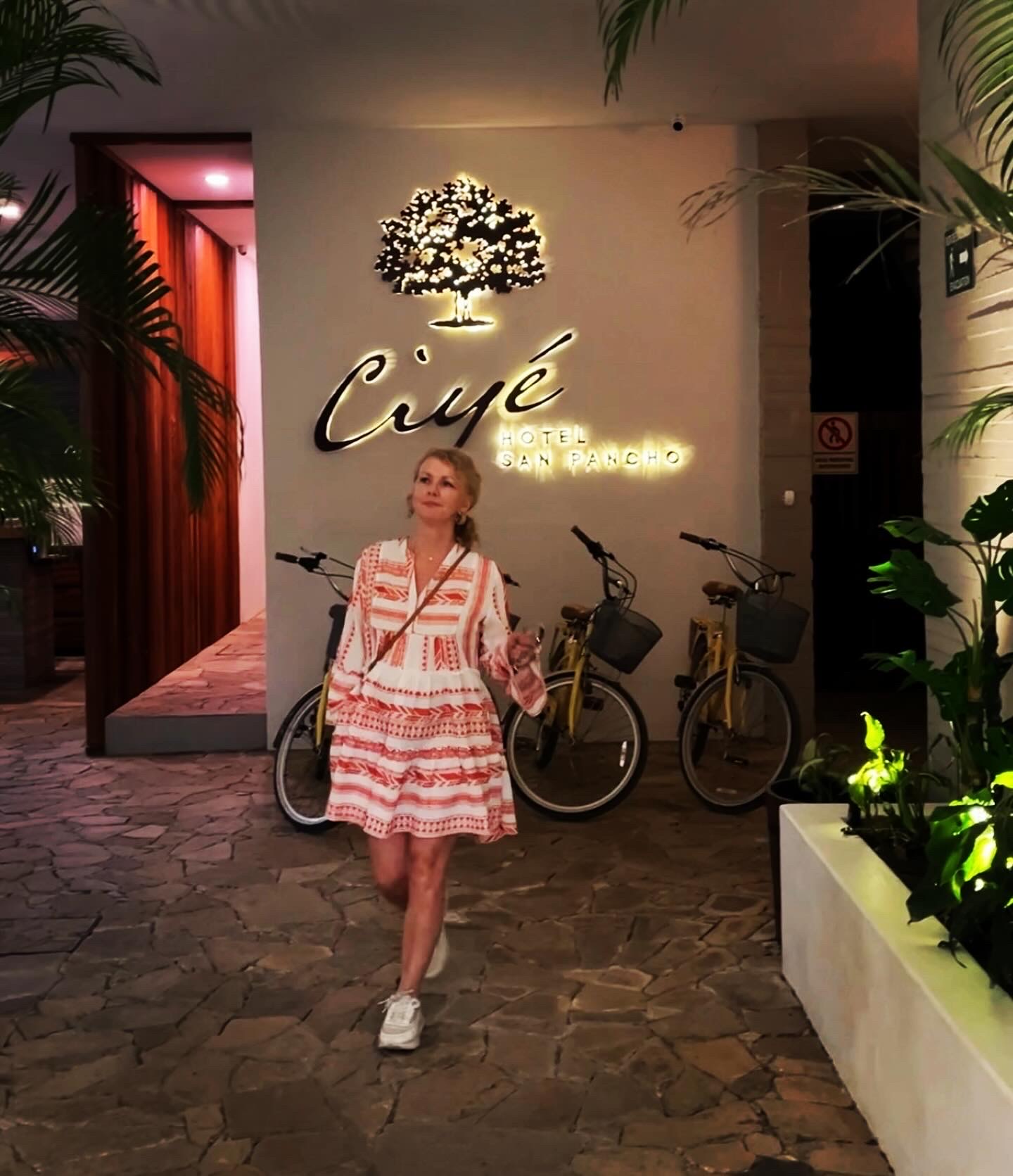
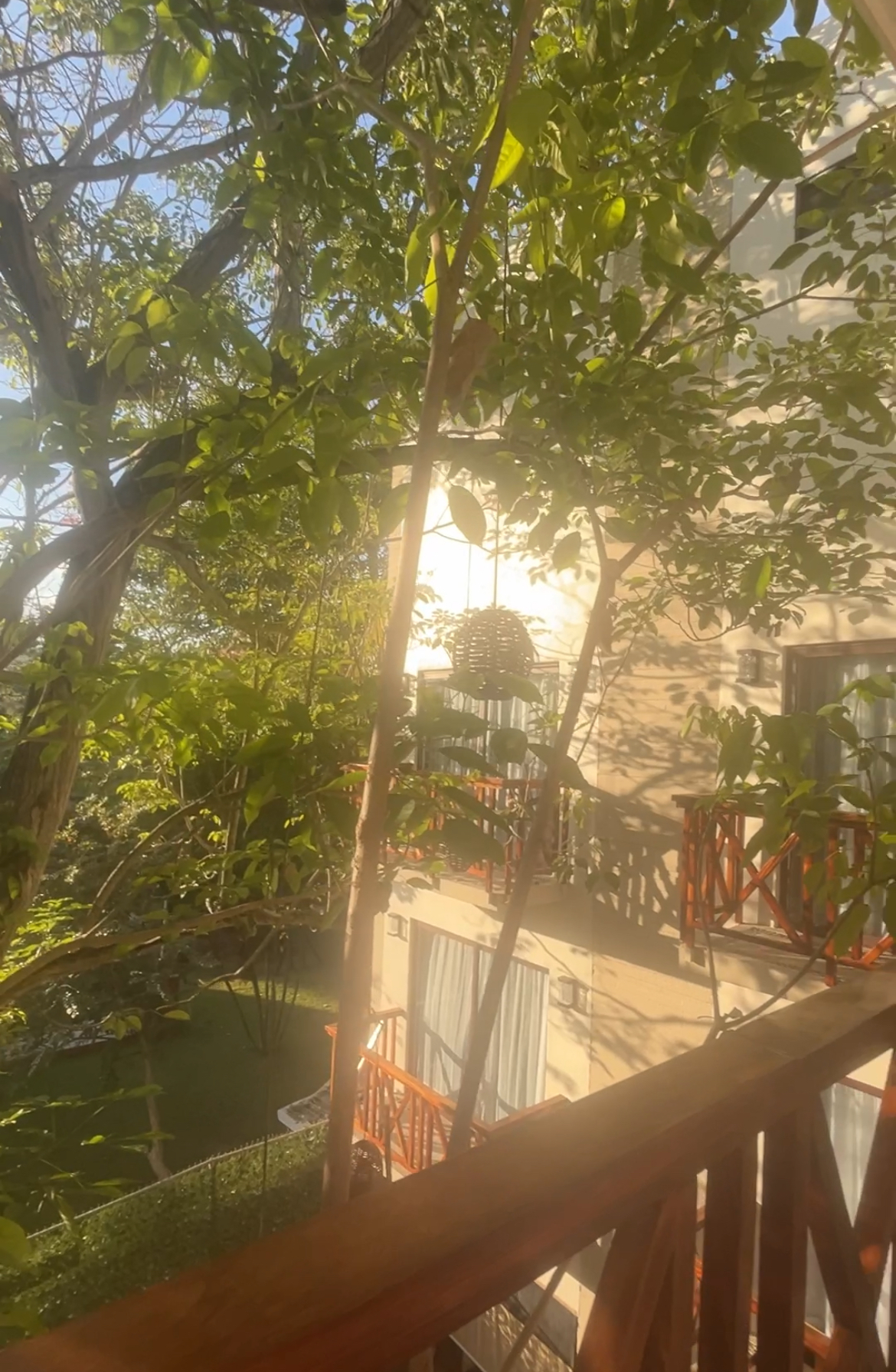
We settle into the Ciye Hotel on main street and love the relaxed, yet vibrant vibe. The bustle of life below drifts up to our balcony and the rooftop pool, the at-least-three-story tall Amapa tree reaches up through the courtard… home to birdsong and climbing ardillas. Apparently, the squirrels here are not afraid of heights!

Our days are spent wandering the charming back streets, cycling, playing in the waves, sampling yet another restaurant, and wonderfully, we happen to share a few days with our son and daughter-in-law. And we come to learn that there’s a lot more to San Pancho’s history than meets the eye. We had noticed a number of factory-type buildings at the beginning of the long main street, Calle Tercer Mundo, (Third World Street) which helps explain the past.

From long before the arrival of the Spanish, until the present day, this mountainous region of the Sierra Madre Occidental has been populated by the indigenous Cora and Huichol people. Following Mexican independence from Spain in 1821, the land that occupies San Francisco and nearby Sayulita was transferred to communal ejido or communal land for the use of agriculture. This town relied on fishing and tropical fruit cultivation until in 1970 when President Echeverria made this his family’s vacation retreat. What followed was a dream of a ‘self-sufficient Third World Village’, including factories for the processing of meat, milk and tropical fruit. These thrived only until their sponsor fell from power in the mid 80’s. As funding and support evaporated, businesses failed, leaving a sprawl of abandoned buildings that sat patiently for two decades, waiting to be re-imagined.

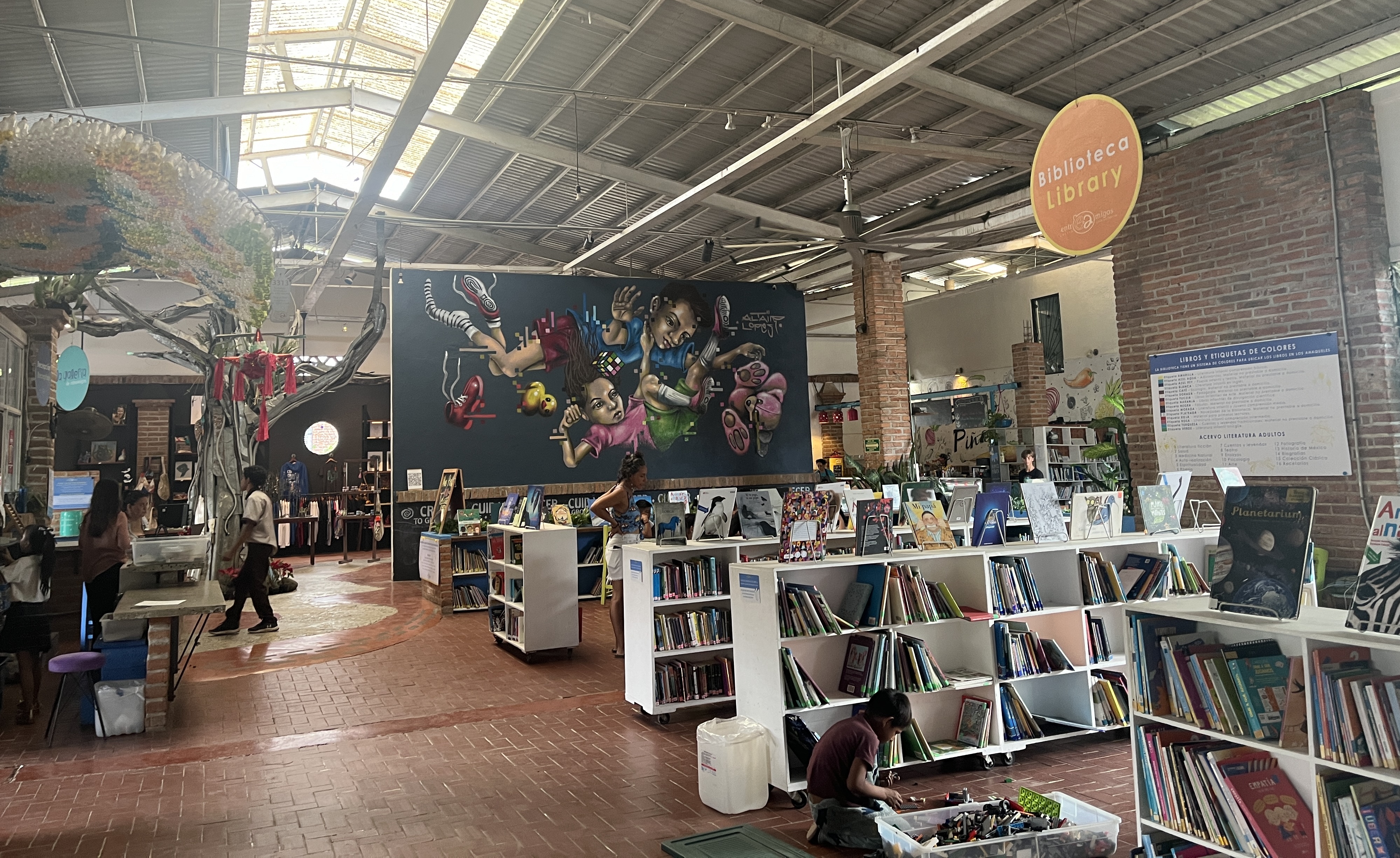
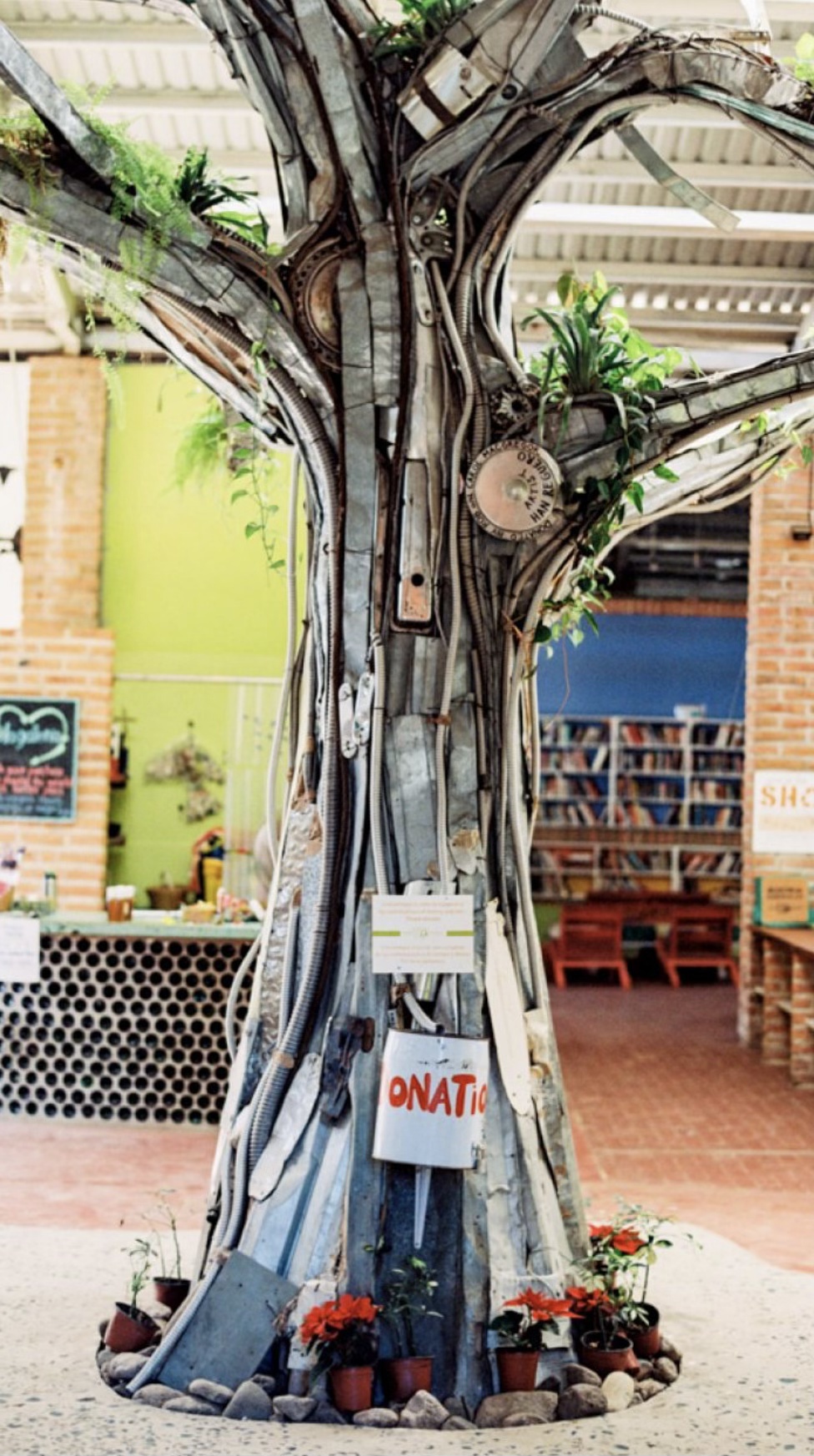
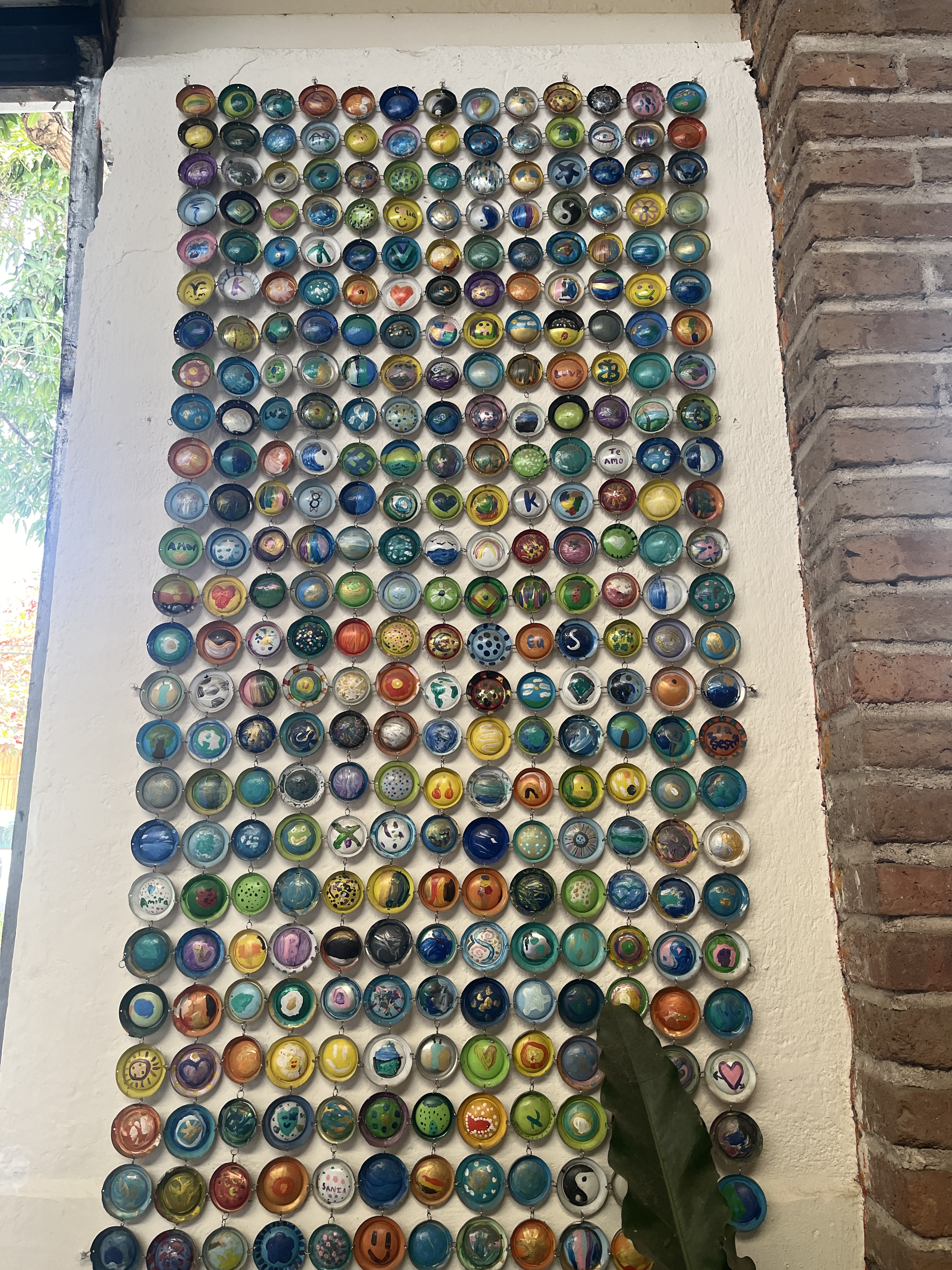
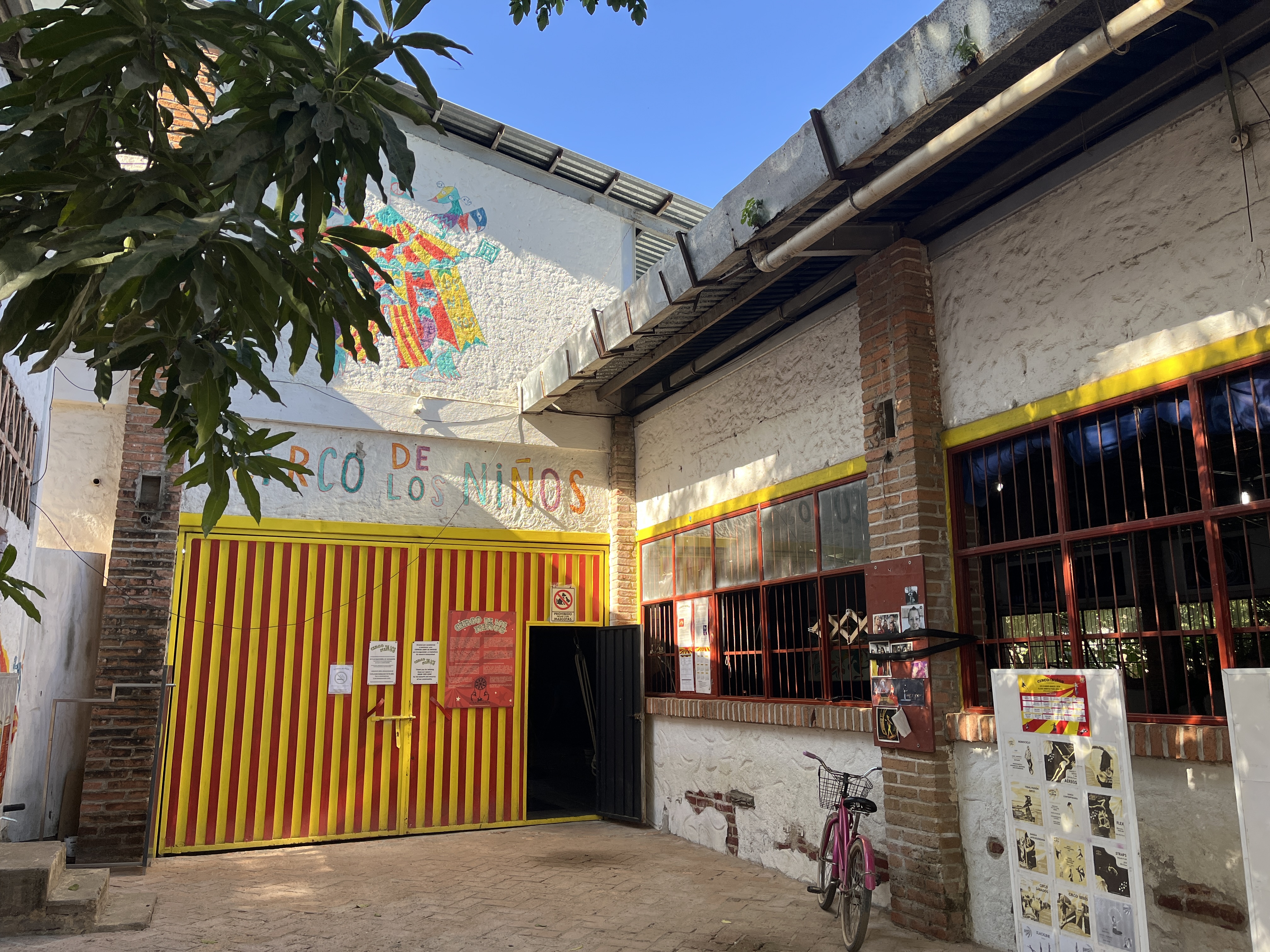
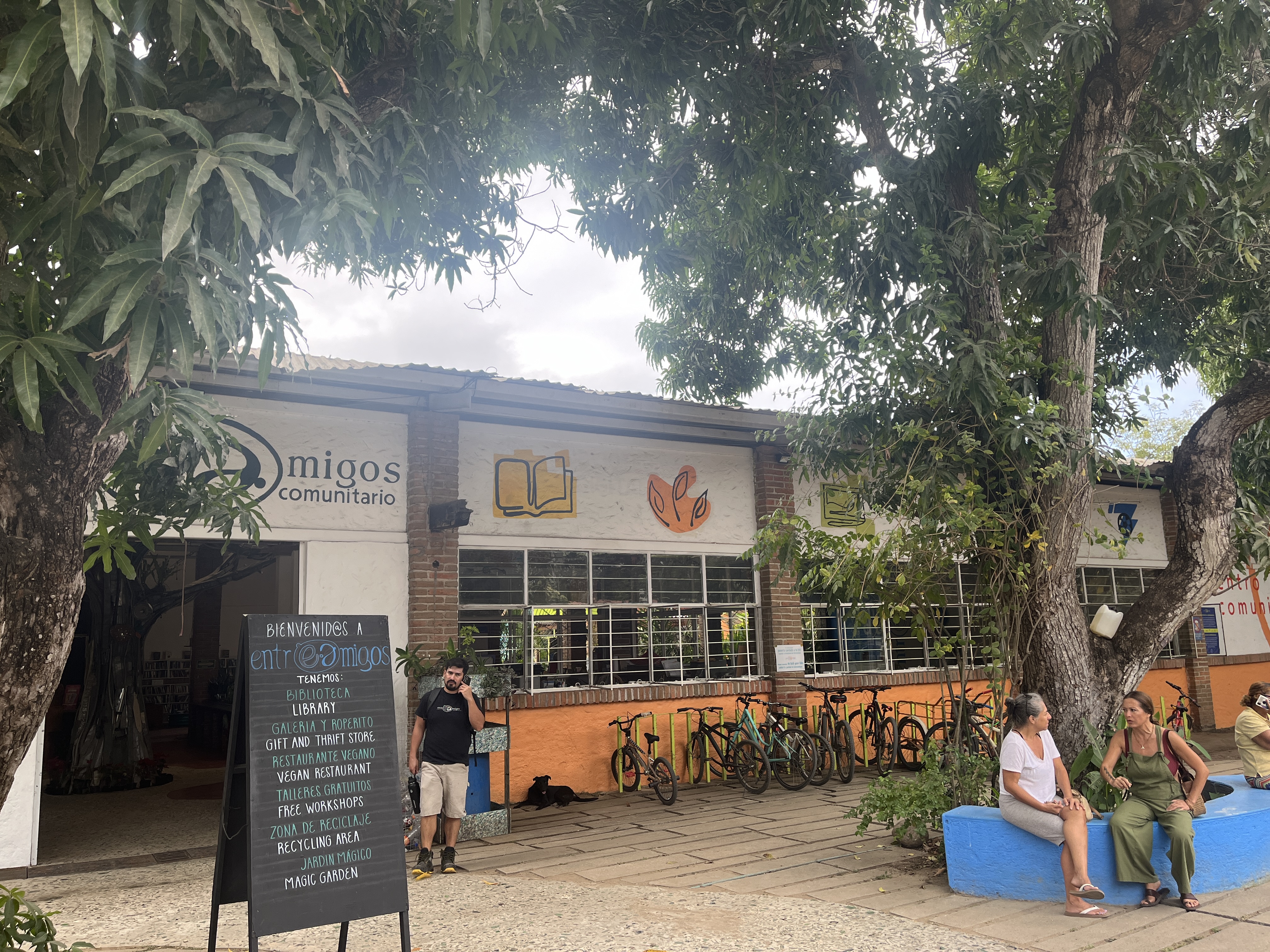
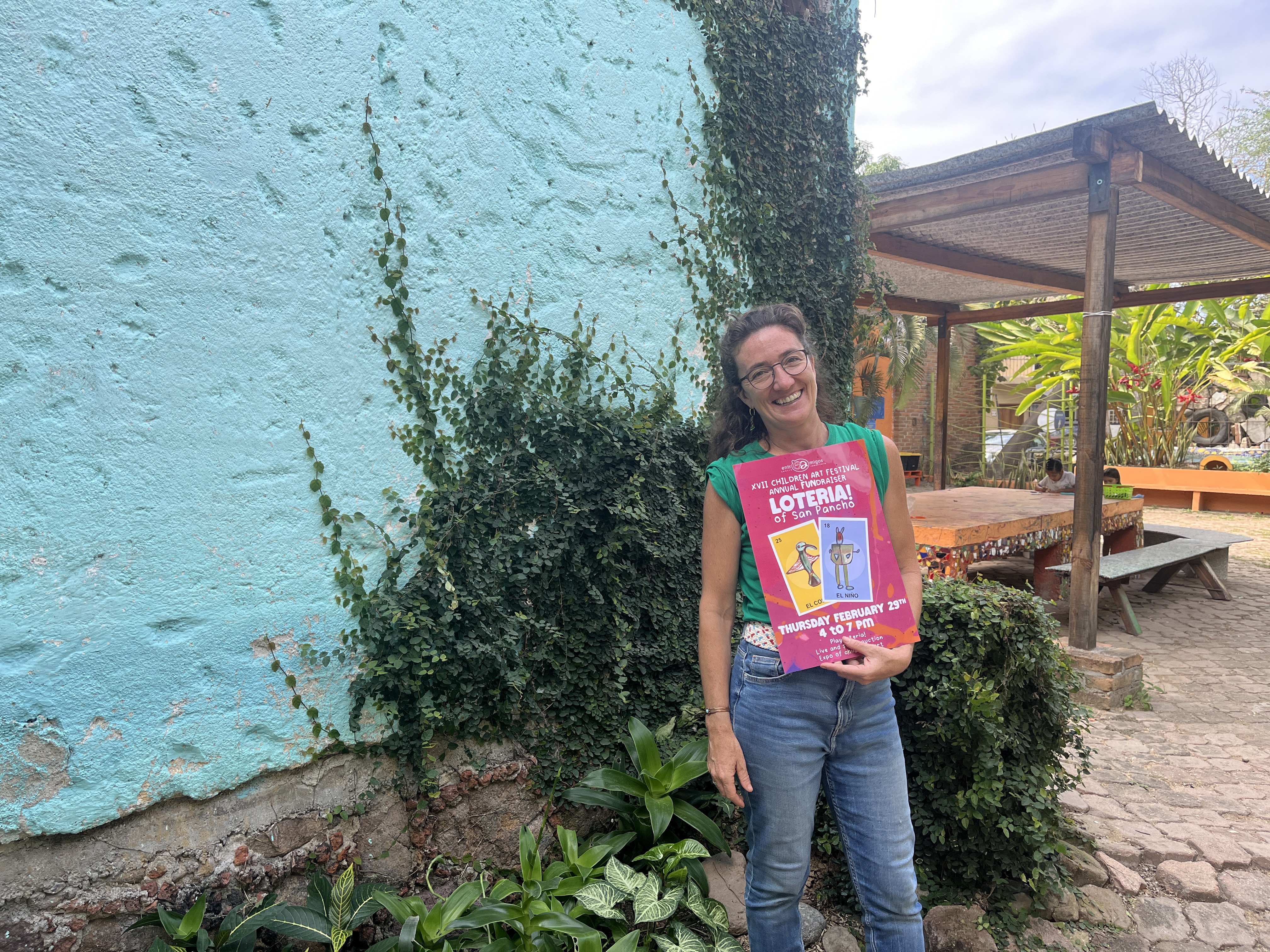
Giles St. Croix, the founder of Cirque du Soleil, and his wife did just that, forming Circo de los Ninos de San Pancho in a clutch of former factory buildings. Encouraging artistic, technical and personal development through the disciplines of circus and dance, this state of the art Circus School and performance space is a rare treasure. As is Entreamigos, just down the road. We happen to encounter Indira Santos, a co-founder who kindly guides us through the multiple buildings. They’re now repurposed into a thriving collection of community spaces offering a library, workshops, education for stewardship of the environment and community engagement. Indira explains the importance of the organization and its creative spaces, how it bridges between the English speaking and Spanish communities, and that it fosters entrepreneurship for women as well as supporting continuing education for children.

“It all began so humbly,” Indira explains as she walks us through the multiple spaces, “and now we’re building bridges and making a difference in so many people’s lives… including the local Huichol community.”

In yet another of the former processing facilities, a community theatre has been established and as we pass one evening, the audience has spilled out into the street to chat and take the air. We understand the power of these community spaces to ensure that the growth of San Pancho is for locals and transplants alike. These success stories speak to a future in which growth that caters for the tourist industry is balanced with sustainable and thoughtful community building.

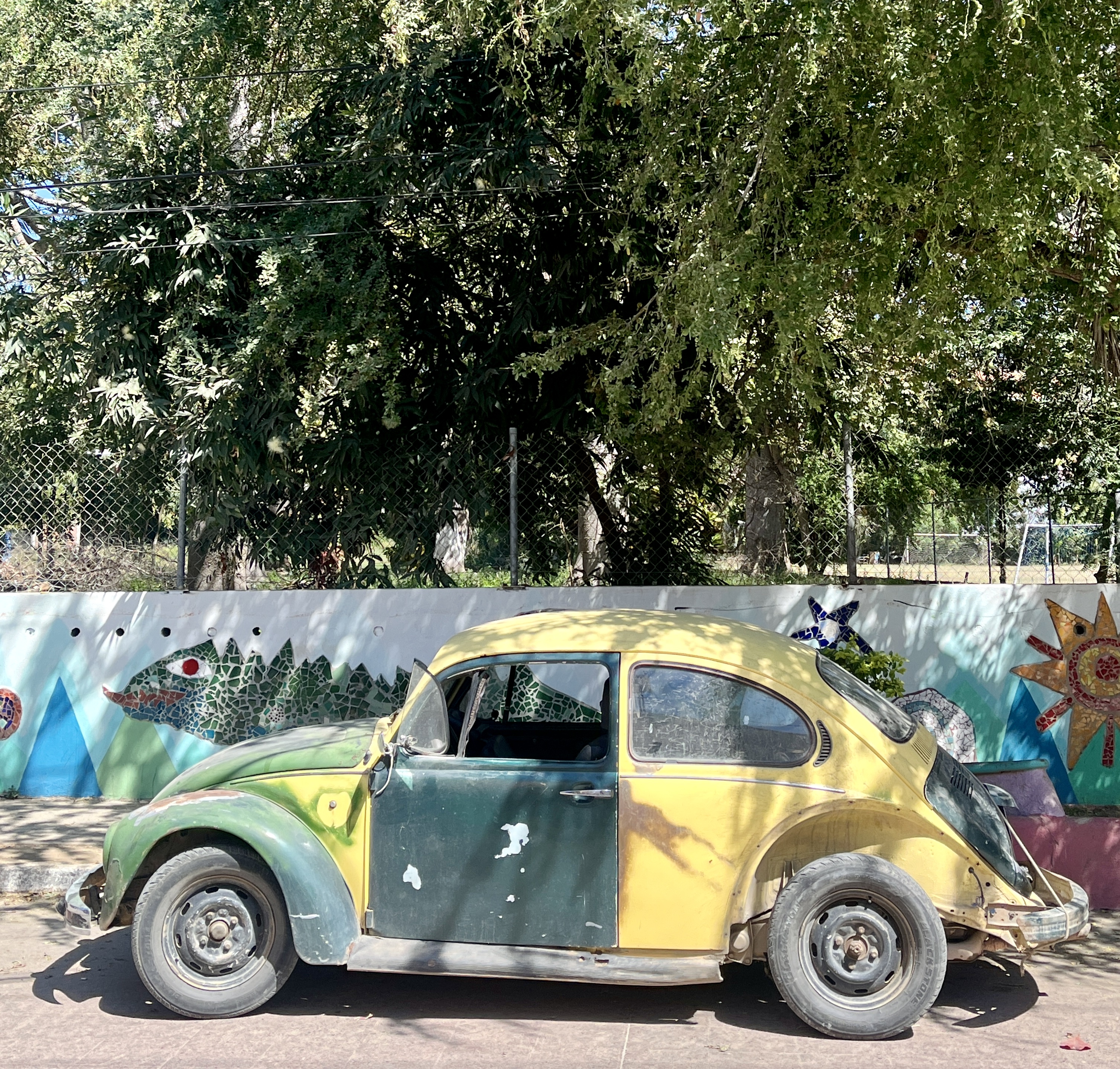
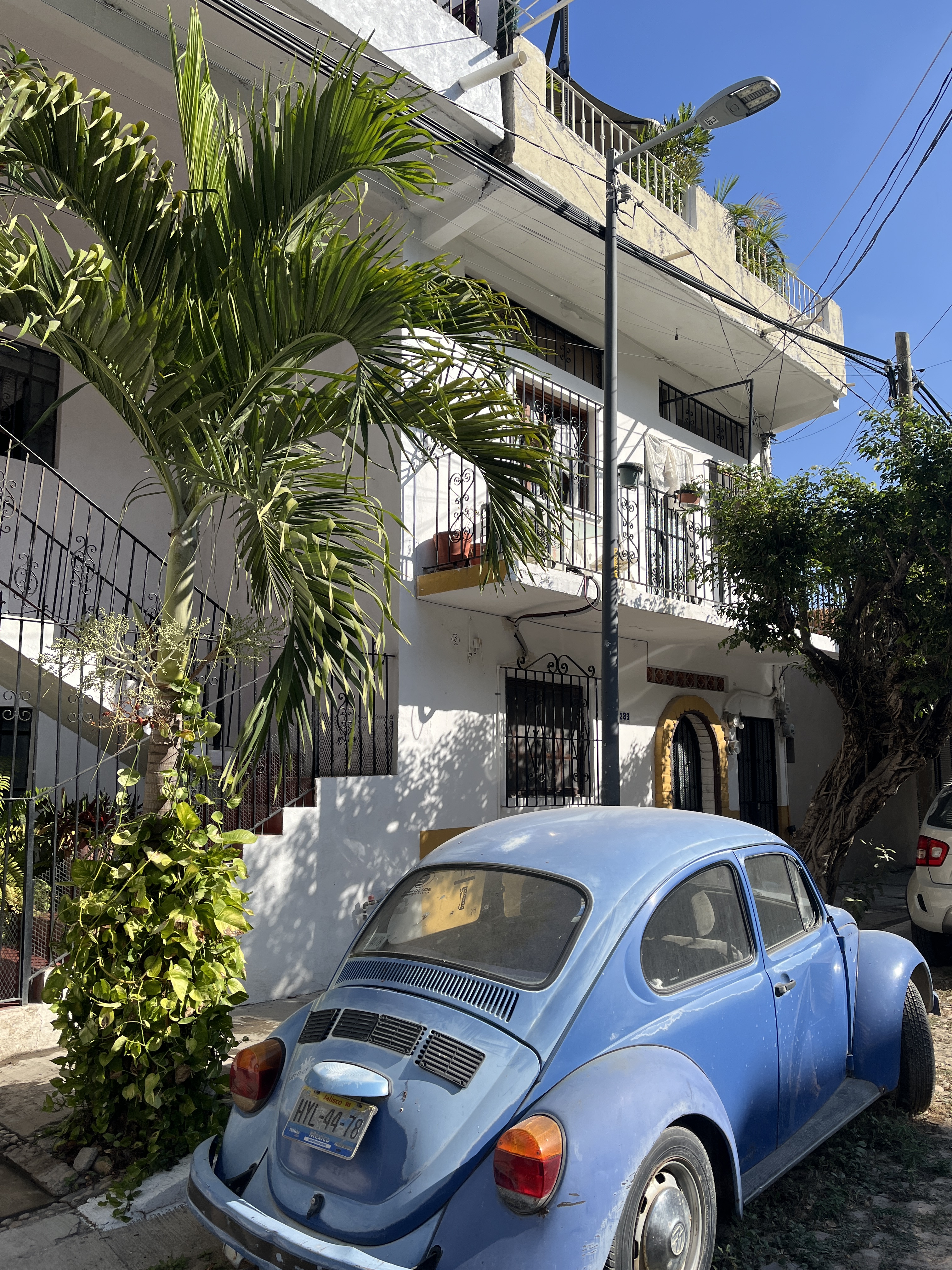
Back on the streets, both in Vallarta and in San Pancho, we notice a plethora of a certain type of car. VW Beetles are seemingly everywhere! Many are dusty and rusty, some beautifully restored, yet all undoubtedly still charming. So why is Mexico covered in VW’s? It turns out the Beetle had been produced since 1954 and despite the company halting production in Germany in 1978, the original Type 1 model was still rolled out in the country until 2003. Described as ‘the car that motorized Mexico’, they’re affectionately known as ‘Vochos’ (pronounced Bochos).
Despite VW advertising the car as, ‘It’s ugly, but it gets you there’, Mexico wholeheartedly embraced Vochos. Simple to repair, affordable, reliable and dexterous on steep roads, they’re apparently much beloved and considered one of the family. They remind me of places we’ve lived where certain cars seemed so iconic – the Lada in Kazakhstan, the Padmini in India – each an intriguing curiousity from a distance yet a bit of a box-checker once you had bumped and juddered your way through the streets in them. On reflection, it would have been a fun experience to have hired one for the day!
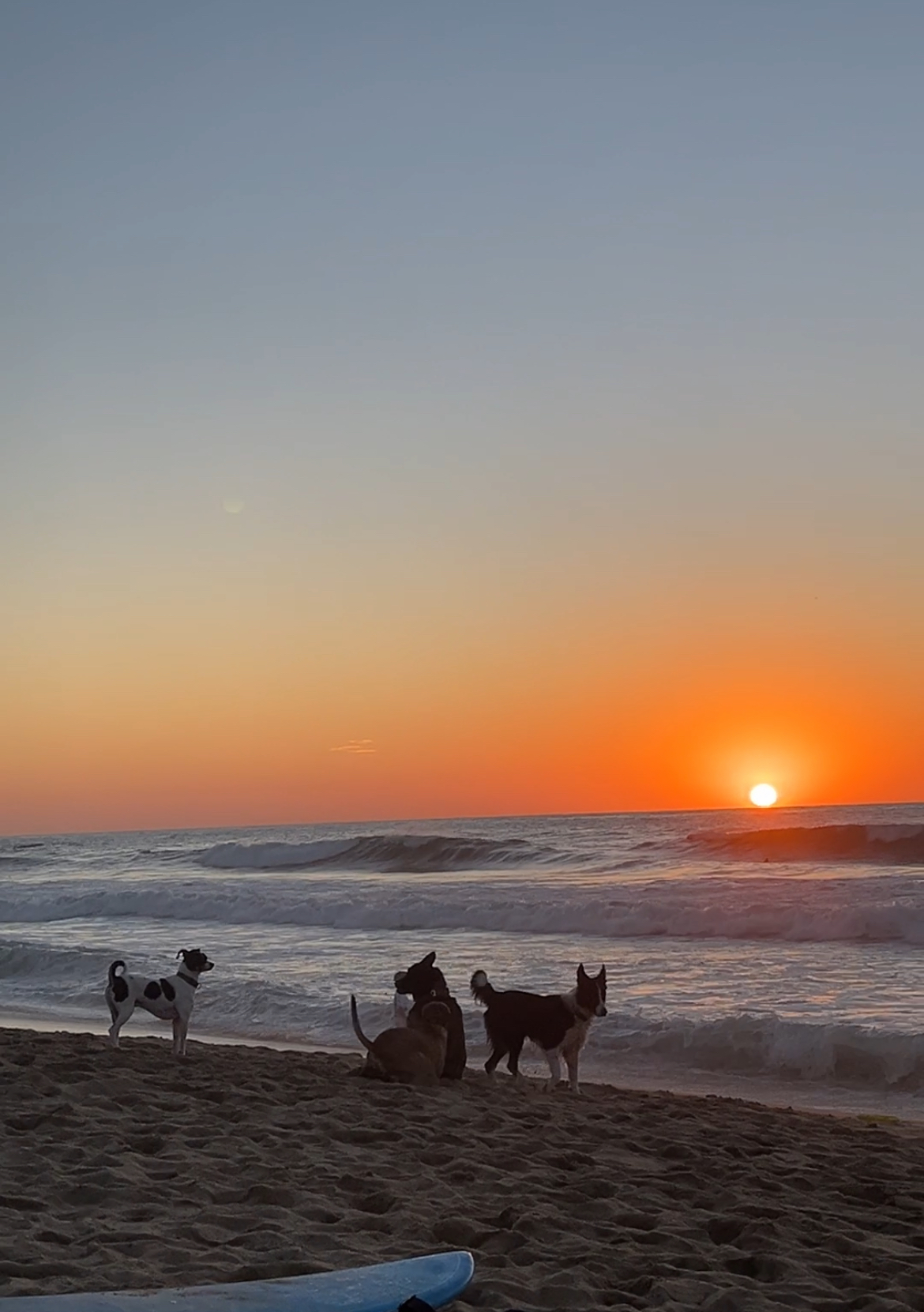
As our vacation comes to an end, sunset on the beach is a striking way to mark this all-too-brief yet reviving sojourn. As the sun slowly bids farewell for the day and edges into the horizon, a crowd gathers on the beach. Sunset cocktails are sipped, dogs frolic in the waves, yoga poses create striking silhouettes. As the sun fades away, an appreciative applause ripples out from the crowd… all thankful for another beautiful day in Mexico!

From Italy, with love… a few unsent postcards

Standard


As with previous years, January finds me dreamily perusing last year’s photos and notebooks. There isn’t always time to write while I’m travelling, so in the chill of midwinter, I gladly relive a few of those interesting vignettes. All three of the settings were first-time visits. Oh the joy of unanticipated discoveries! So today, let’s wander back to Italy…


Bologna… of porticoes, tall towers and gastronomy

I can’t think why Bologna hadn’t been on my list of Italian cities to visit. It is now perhaps in the top five of my treasured collection.

Why Bologna? It’s quite simple… the towers, the porticoes, and the food.

Let’s begin with the setting – an architectural feast of light and shadows created by kilometre after kilometre of arched walkways. In fact the over thirty-eight kilometres of porticoes (harking back to the porticus of Roman times) which through their varied construction tell stories spanning the ages – from medieval wooden to frescoed renaissance to the austere functionality of post world war II.

They are simply beautiful. Deemed a UNESCO World Heritage Site, I found them entrancing, and useful as the rain dampened the streets late one afternoon. Through their evocative and protecting arch ways, we ‘mazed’ our way to another of the cities’ well-known landmarks, the tallest leaning medieval tower in the world. At over 97 meters tall, the Asinelli Tower tops that of Pisa – I know, it gets all the attention – but with its little sis, Garisenda nestled beside it, these two are excellent examples of tower homes.

Becoming prominent from the pre-Renaissance period, wealthy, feuding families in the 12th and 13th centuries attempted to outbuild each other, for the purpose of defensive and sheer rivalry. Often taking as long as ten years to construct, as many as 180 of these laboriously built ‘homes’ once dotted Bologna’s skyline. By the end of the 1200’s many had collapsed or been dismantled, making these two ‘sister’s that much more valuable. I admit that despite their enduring presence, they don’t quite have the same allure as the leaning tower in Pisa. Yet, their imposing silhouettes surely transport us to a vision of Bologna’s once-soaring skyline.

Bologna understands both old… and modern vibrancy. The city boasts the world’s oldest university, rendered new by the young and edgy vibe of student life. Students gather and commune in the squares, under and near the porticoes, and most definitely in the Quadrilatero. This compact area is teeming day and night with market stalls, lavish gourmet deli shops and packed cafes.

After all, Bologna is known as La Grassa, the fat one. To say that it is renowned for its food would be an understatement to the Bolognesi. This is where ragu or bolognese originated. Where delicate pouches of ravioli melt in your mouth. Where the Palazzo della Mercanzia keeps the recipes of Bologna’s world famous dishes under ‘lock and key’. Yes, they are that precious.

So Bologna? An amazing display of porticoes and lively streets – a blend of many centuries. And a veritable feast for both the gastronome and the architectural connoisseur!


A Lunch Date in Cinque Terre...

There we were, eight of us on a day trip from our writer’s retreat in Tuscany – let loose in the Cinque Terre (five lands). For many visitors these once isolated villages, strung along the Mediterranean Sea, are a destination for hiking from village to village. We do no such thing.

We jump on the 9:30 train from Aulla, to La Spezia. Then onto the ‘Cinque Terre train’ where we cram toe to toe with day-trippers in sun hats, safari hats, hiking boots and backpacks. Yes, many are doing ‘the hike’ a pilgrimage of sorts, but we were definitely the ‘merry writers on excursion’. As the crowded train whisks through the countryside, we catch brief glimpses of tall cypresses against country villas, castles clinging to hilltops, and then finally, of the dazzling Mediterranean. It was official – we had arrived at the Italian Riviera.

We alight at Monterosso and soon cozy-up at an outdoor cafe. Soaking in the shimmering sea, we order our first espressos of the day. We watch loungers and bathers claim their spots under paint-box-orange and Italian-green umbrellas. We, on the other hand, wander. A hat for all is in order and carefully chosen. Then we embark upon a slow, picturesque stroll along an ancient via. It meanders, and along with prickly pears and milky-green olive trees, it clings precariously to the hillside. The emerald-green-turquoise-saphire-blue water fans out below us like a rich, shimmering fabric. Being writers, we ponder… surely there must be a word for such a brilliant colour. None is conjured!

We hop onto a short ferry ride to Vernazza, which despite swarms of tourists and cruise ship passengers, still feels authentic and genuine. It’s an old sea-faring town with car-free, narrow lanes snaking upwards, fringed with mountainside vineyards just beyond the small settlement.

img_9197

We join the fray in the busy piazza. It is seemingly laundry day, townfolk’s washing hanging from tall, peeling and faded pastel homes. As in Venice, the port’s water once lapped against the houses themselves, but now this main square folds down to the water; a beach, an impromptu soccer field, a place for passiagetta, the evening ritual of strolling.

It’s time for a late lunch and Roberto, our favourite Italian guy and in our group, manages to secure us a table at a restaurant with a view, Ristorante Gambio Rosso. It is ideally located on the square… allowing us to gaze out to the small inlet, to the crowds and up to the floating laundry. Now Roberto, our ‘gentleman on tour’, becomes our unofficial translator as we navigate the menu. We then dine in sheer pleasure. It is the scrumptious food, refreshing local wine and glorious company over a luxurious long lunch. Allore, it was surely a mix of the right place and the excellent company of ‘merry writers’.

The Cinque Terre –  and especially Vernazza – claimed a little of our hearts that day.


Trieste… of the grand, of light on pastel 

Trieste? Yet another unexpected delight hints that there will be yet more to find. Head north, past Venice, 150km onwards, to the very eastern top of Italy’s ‘boot’. Nestled at the foot of the mountains, on the Gulf of Trieste, this once prosperous seaport was one of the oldest cities of the Austro-Hungarian Empire. Today, it feels a little like Vienna, or Salzburg with stately opulent buildings, many that harken back to the days of mighty shipping companies.

We explore endlessly, we eat often, and sometimes we hide in neighbourhood bars from that wind – the north-easterly bora – racing briskly up the Adriatic. In one, I taste the sweetest, thickest, most delicious hot chocolate I already know I’ll ever savour. It’s barely noon, but the bar is busy. A place where wine and beer already flows and where the daily paper is ritually digested.

When the sun comes out, Trieste is full of light dancing on pastel-hued buildings. Its grand square is simply resplendent. I’m taken aback at how ‘unItalian’ it feels. But then this storied city has always been at the crossroads of Latin, Slavic and Germanic cultures.

We also explore the coast in a little Fiat, grand castles and hillside villages dotted along this narrow ribbon of land between mountain ridge and the azure sea.

Our stay is brief; in fact, we’re on our way to Slovenia to visit our son and his girlfriend. So Trieste… what can I say. Simply splendid that we happened to be passing through!


Poster-perfect Banff in the Canadian Rockies…

Standard

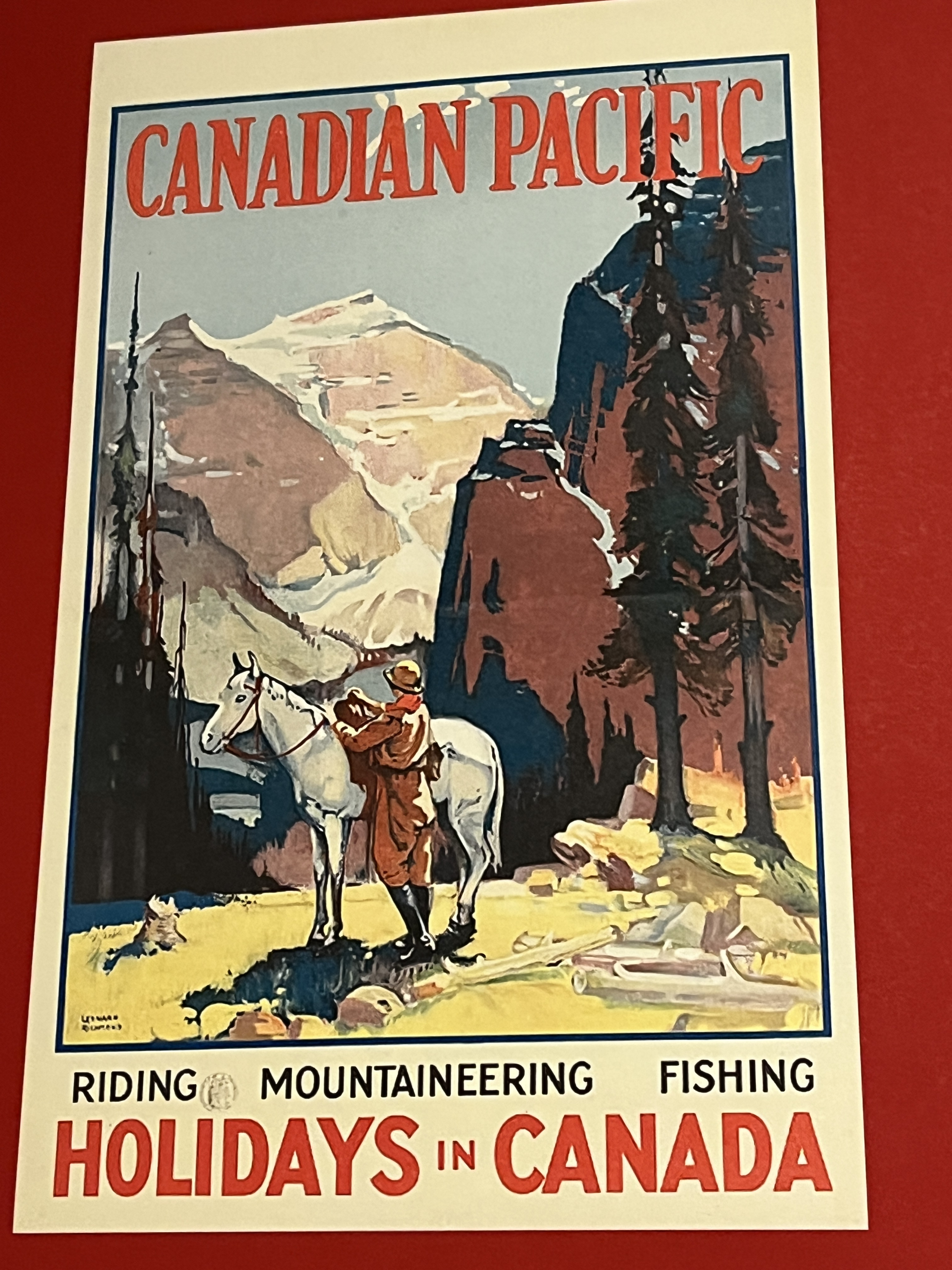
Still vibrant, these classic posters leap out, drawing you into their spectacular mountain scenes and alluring pastimes; skating, skiing, hiking, or just feeling glorious as a pampered world traveller. Depicting the splendour of the great Canadian outdoors, these advertisements weren’t created by happenstance. They spoke of the promise of luxury travel to the Canadian West and no place better epitomised this than Banff, in the Canadian Rockies.

I admit that a few years ago, I found it impossible to resist acquiring a limited reproduction of one of these treasured posters. They evoke a distinctive time and place and also represent one of the best advertising campaigns of the late 19th and 20th centuries – Canadian Pacific Railway decided who their market was and captured it well. The exacting quality and style that they sought often called for prominent artists who created posters by the thousands in different languages. Distributed globally, they portrayed a dream, a lifestyle and on a recent trip to Banff, I wanted to get a little more ‘into the ink of it all’. How did it come about? How did this once obscure settlement, once known as ‘Siding 29’ with little more than a house and a small log store, become world renowned Banff?

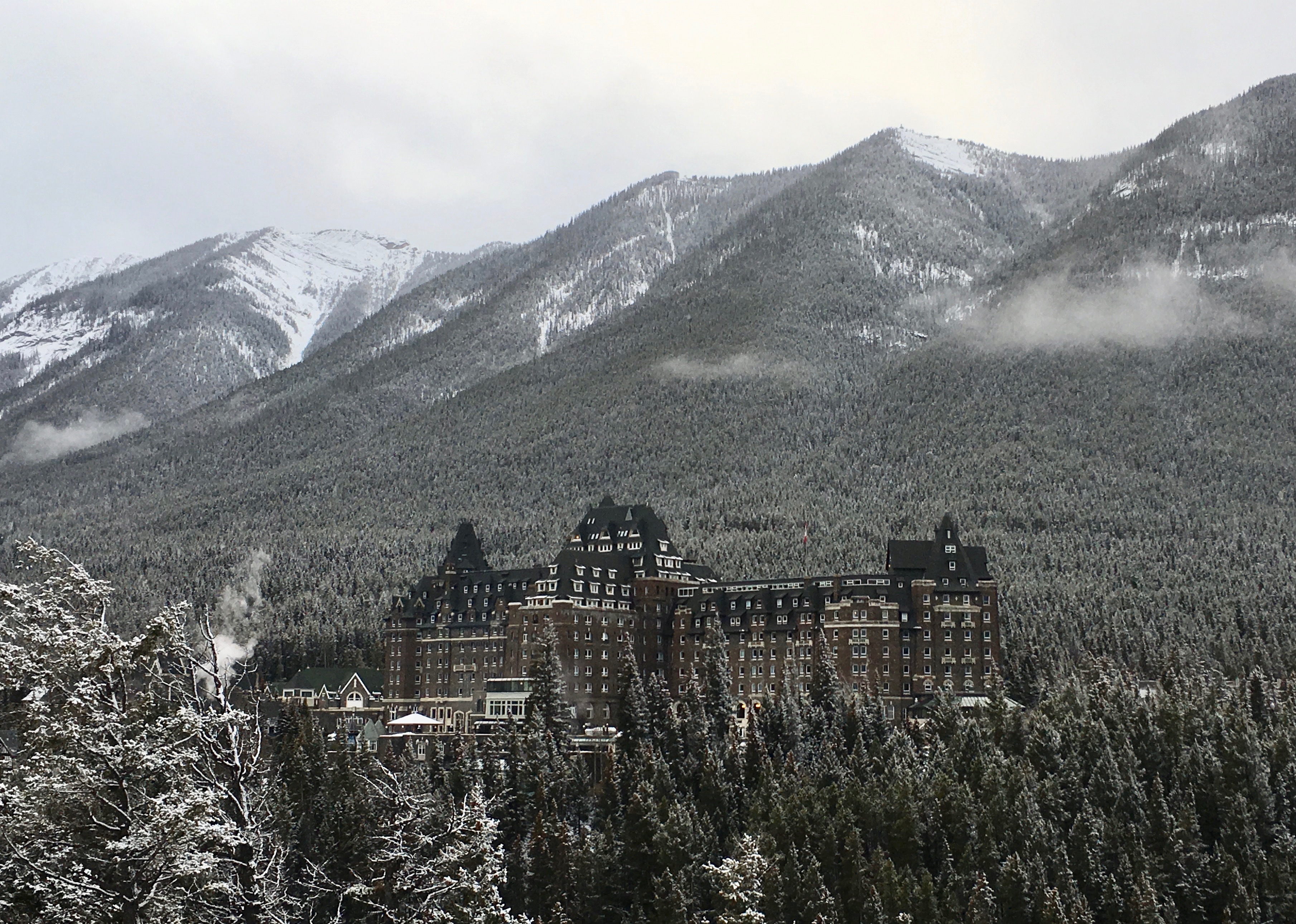
It’s quite simple. Without the Canadian Pacific Railway there would have been no unified Canada. Without the railway, Banff would never have achieved renown, nor would that splendid ‘castle in the mountains’, the Fairmont Banff Springs Hotel, exist. The railroad helped catapult Banff from obscurity and it all began with one man’s vision.

img_1565

His name was Cornelius Van Horne and he had a flair for railway ventures. Under his leadership, the Canadian Pacific Railway (CPR) was completed in 1885 and Canada had achieved its dream of becoming a united country; connected from the Atlantic to the Pacific. The Government of Canada was a mere eighteen years old. How would the CPR recover the enormous costs of building this ribbon of steel across thousands of acres of wilderness? They now had a railway and 25 million acres of land, an area larger than Ireland, granted to them by the government. Beyond the myriad small settlements that sprouted up close to the newly laid rails and the few burgeoning settlements such as Vancouver and Calgary, the vast tract of land was largely unsettled. But Van Horne soon realised there was an opportunity to attract tourists to Canada’s western frontier. In a moment of inspiration, he was reported to have exclaimed:

“Since we can’t export the scenery, we’ll have to import the tourists.”

Van Horne realised the potential of tourism and he executed the next phase. The CPR began building luxury lodgings such as the Banff Springs Hotel, the Empress Hotel in Victoria and the Chateau Frontenac in Quebec City. They would cater to wealthy visitors from Europe and the United States and the posters would become Canada’s ‘calling cards’… but mostly for the privileged few.

img_1615

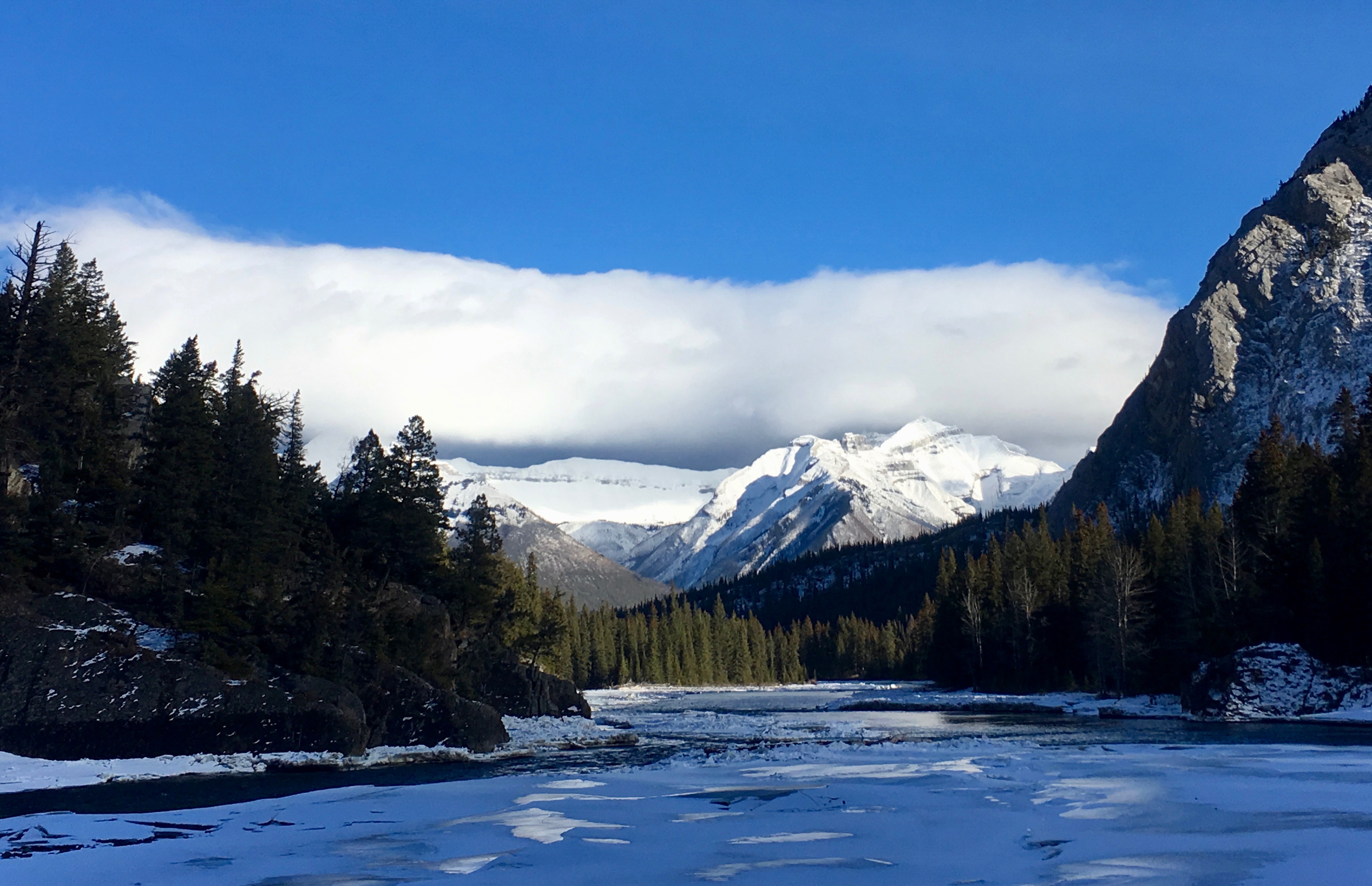
Banff had it all from the outset. Health-giving natural hot springs, spectacular scenery and legendary mountains all rooted along and backdropped by the Bow River. Older than the mountains themselves, the Bow is a place where as long as 11,000 years ago, the First Nations people gathered wood for their bows along the banks… hence the name. They camped and fished the rivers replete in trout: brook, cutthroat, and Dolly Varden. They lived in what could be a harsh, but spiritual environment which they deeply revered. It was a place of seven hundred-year-old Douglas Firs. A landscape shared with grizzly and black bears, bison, moose, lynx, cougars and wolves.

Few Europeans had yet passed through the region; Simpson from the Hudson’s Bay Company, a few military detachments, one Reverend T. Rundle in 1847, and explorer J. Hector in 1858. But in the autumn of 1883, the first train tracks made steady progress up the Bow Valley passing and in 1886 through what would become Banff. This pristine wilderness was now part of the important link in the nation’s transportation and commercial corridor. Railway workers had noticed a natural hot springs and eventually Van Horne would convince the Government to reserve 26 square kilometres of land around the springs – the beginning of Canada’s national park system.

We spend our few days in Banff feeling as if we’re tourists. I’ve been coming here since ‘forever’, but this time we’re hosting family from The Netherlands and we savour the experience as a small holiday. We stay in a woodsy lodge where a roaring fireplace and a  colossal stuffed bison head presides over the grand room, watching tourists from around the world come and go. We stroll the streets of the small town, the prominent Cascade Mountain aligned perfectly on the axis of the bustling Banff Avenue. We admire a cluster of small cabins, some of the first homes of the original settlers, now part of the excellent Whyte Museum. People like David MacIntosh White, who in 1886 followed the adage to ‘Go West, Young Man’ first working for the CPR before becoming one of Banff’s founding businessmen. More brothers followed David from Eastern Canada and the White (later Whyte) family would become naturalists, poets, painters, park wardens, mountain guides, ski adventurers; they and the mountain community thrived.

Enthusiasm abounded and by the end of 1887, settlers had applied for almost 180 lots, both for home ownership and for businesses. There were six hotels, nine stores, two churches, a school and a post office. Along came a log railway station, roads were built. An impressive new hotel was under construction and, anticipating what would follow, access to the Cave and Basin and the Upper Hot Springs was improved.

We luxuriate in those same Upper Hot Springs one evening. It’s -5 degrees below outside and under a waxing gibbous moon, we steep in curative minerals, vapours steaming around us through the frigid mountain air. It’s nothing short of breathtaking and in the idyllic setting, we all understand the long-attraction of these health-giving waters. We return to our lodge room and gather around a crackling fire; a winter getaway to perfection!

img_1614

The next day, I’m determined to explore a little more of Van Horne’s iconic creation. Van Horne himself occupies a commanding position near the entrance to his Banff Springs Hotel, his statue presiding over the arrivals and departures of guests. Testament that without his vision of bringing the people to the mountains, none of this might be here. When the hotel opened in 1888, its architect Bruce Price of New York, described it as a ‘bastion of luxury’. And bastion it was! With two-hundred and fifty rooms that opened seasonally from mid May to early October, CPR’s advertising strategies quickly paid off and they continued building their chateau inspired masterpieces. Even as round-the-world tours began in  association with P&O, CPR also acquired their own steamships bringing the international set from far and wide to the Canadian Rockies.

The increasing popularity of the hotel as an international mountain destination cried out for the need to replace the original wooden structure. Soon an eleven storey tower and additional wings were added and in 1928 new styling was unveiled ‘in the spirt of a Scottish baronial castle’. Little expense appears to have been spared as stone-cutters from Italy and masons from Scotland were brought in to render this masterpiece.

As I wander through the sprawling hotel, it is rich with carvings, tartan carpets, soaring fireplaces and ballrooms that seem to beg for bagpipes. The million-dollar views are spectacular and I can easily imagine global travellers arriving at the station and being whisked to the ‘castle’ in a ‘tally-ho’, the original Brewster carriages. Many arrived for their four-month stay with stacks of luggage and a $50,000 letter of credit to see them through the season. Their’s was a life of luxury… just as the evocative posters had promised.

I peer out to the Bow River beyond. It’s always been a multi-use kind of river – perhaps a curling sheet, a hockey rink, a backdrop for one of Marilyn Monroe’s movies, or a royal visit by King George VI, Queen Elizabeth, Theodore Roosevelt and William Lyon Mackenzie King.

Yet as I gaze a little longer, I’m also reminded of those who laboured to bring the tracks to this setting. Those like the legendary Swedes, who they say handled the railway ties as though they were mere toothpicks. And the mixes of other ethnicities who contributed to unifying this country; Italians, Norwegians, Irish, Germans, Japanese, Chinese, British, Americans and Canadians. Most suffered hardship, many lost their lives, some stayed to settle this vast land. Their perseverance enabled more than two million settlers from Europe and the United States to pour into the west between 1886 and 1914 – the first and greatest wave of immigration in Canadian history. By 1901, this new country would have a population of five million, some 700,000 born overseas. Many would acquire plots from the CPR, choosing to homestead… our first farmers and ranchers. All of them welcomed and needed in the new colonial, cultural mosaic of Canada.

For me, Banff is much more than the opulence of a beautiful hotel and the lure of stupendous scenery or world-class ski hills. From the First Nations to present day peoples, it’s about the cultural heritage that still echoes throughout these grand peaks.

the_canadian_1955

If you go, allow me my suggestions:

Stay at the Buffalo Mountain Lodge, besides the lobby, fireplaces are also in individual rooms.

Stop, or stay, at the Fairmont Banff Springs. Take the stairs to the second level and wander!

Be sure to luxuriate at the Upper Hot Springs. Eat at the casual and fun Magpie and Stump. Don’t miss the iconic Hudson’s Bay store on Banff Avenue. Visit the Whyte Museum. Stop on your way, or afterwards in nearby Canmore, stroll the shops and the the beautiful scenery along the river.

The breathtaking Bugaboos… a welcome home to a ‘cathedral in the sky’

Standard


I’m now in Canada, dear readers, and I apologise for my absence from these pages. Through my last blogs, you’ll know we left our Indian home of two years. We travelled through Greece, Scotland and England, then a two-month stay in The Netherlands, before finally, beautiful British Columbia greeted us. It was as if our dear mountain home sighed with relief, “Ah, you’ve finally returned.’ It had been nine months.

So, we’re home, perhaps to live (to be decided) but nonetheless, the transition of almost thirty years overseas and now having one address is ongoing. You can read more at Monday Morning Musings.

IMG_8897Call it a welcome home or an initiation back to Canada, recently I was enticed into an overnight hike. Really, it was into a wonderland of chiselled granite at 2230 meters, into a rapture of beauty. It was a profound privilege, yet, it had to be earned.

The world acclaimed Bugaboos are at our doorstep, a range within the great Purcell Mountains – the Rockies are just across the valley. We joined many others who journey from around the world to hike and take on some serious climbing. My hiking partners promised that I would manage the ascent, but as is often the case, I’m the weakest link… the little engine that ‘hopefully can’.

The hike’s end point was to a hut that has seemingly been dropped from the heavens onto a granite outcrop. Flanked by a glacier and granite spires piercing the clouds, the Conrad Kain hut will take us about four hours to reach. A little nervous, I comfort myself with my badge of honour; that eleven-day hike back in the day to the base camp of Annapurna in the Himalayas. There have been many hikes since, but gazing up to this ‘hut in the sky,’ it seems a little formidable.

It begins easily enough, a gentle meander through aged forest and feathery ferns, past dainty wildflowers and lush meadows. That pleasant amble gives no indication of what will soon be asked of us. To tread carefully along steep granite steps and narrow edges. To grip chains for safety and ladder up a boulder. To climb higher and higher, the small green dot of the Kain hut ever-looming in the distance to encourage our progress.

We break in much needed shade for lunch, a carpet of pine needles and knobbly tree roots our bench. We chat with other hikers and guides who encourage their charges up the mountain.

Our unofficial guide is friend and neighbour, John Parker. John exudes calm encouragement, yet there is a task at hand and there isn’t time for idle dallying. But then, this was John’s work and his passion, the commitment to his lifelong career shows as he leads a steady way. “You’re doing great,” “Take small steps on the steep ascents”, he encourages me. By the fourth hour of the hike, I need all the inspiration I can muster.

IMG_1012

My legs are seizing up. My back is aching. Thankfully, my breathing isn’t as bad as I feared, but I am now w i l l i n g each step, hoping for the end. And then, as if nature senses that it’s time, one of the most glorious views reveals itself. A meadow of wild flowers opens up, a crystal-clear melt-water torrent rushes from the glacier, and we cross a simple metal bridge to the final climb to the Conrad Kain hut. Without a doubt, it is one of the most beautiful sights I’ve ever seen. Anywhere.

IMG_8908

Perched on a granite prominence, the hut with its green arched roof contrasts with its backdrop of glaciers, vast fields of ice, rugged and cracked, harbouring crevasses of the deepest cobalt blue. The hut and the enveloping landscape beckons me as I trudge up the final metres. It seems to say, “You’ve made it, welcome!”

The four of us unburden ourselves of our packs, add our climbing poles to the collection already outside the hut, and hug each other. “Well done, Terry Anne. You’ve achieved this,” John congratulates me. Sonya and Bruce do as well, and I admit to feeling like a school girl who has gained some respect from her teacher. Later that evening, I’ll hear more about John’s students and his career, but first we take in the buzz of the hut.

We’ll join about thirty other people who will spend the night on mattresses lined edge to edge over two upper floors. Sleeping bags claim their spots. But it won’t be a quiet night, what with the snores of exhausted climbers or 2 am alarms set for pre-sunrise departures for distant climbs. Head lamps light the way, for many early trekkers, the hut a staging point for serious climbers. Ropes are wound, helmets wait at the ready, crampons packed, quick-draws checked and counted, ice picks hang nearby.

The communal dining room, with its million-dollar view, is a place for sharing climbing stories and discussing routes, for reading and games, and replenishing weary bodies with freeze dried food. Though wonderfully, Bruce and Sonya on cooking duty would out do themselves – our dinner and breakfast warmed in the hut’s vast kitchen was just what my weary body needed.

Happily, it’s happy-hour, Sonya and I retreat to the side of the hut, exhausted but gleeful. A tin of glacier-chilled wine is our reward… and of course, that view. Surely, Conrad Kain would approve of his eponymous mountain abode. They say that Kain brought glamour and imagination into the sport of mountaineering as few guides had before him.

For nearly thirty years, the Austrian born guide, saw peaks as the personification of  beauty, as living entities to climb – firstly in Europe, then New Zealand and Canada. With his short, stocky stature, the climber achieved more than sixty first ascents, including the Bugaboo Spire in 1916 which now presides over us and the lesser spires like a grand citadel.

IMG_8919

We exhilarate in this cathedral of nature, and while Bruce and John hike upwards to the Applebee camp for a closer view of the ‘citadel’, Sonya and I stay put, entranced by the view. I recall what I had read of Conrad Kain. He eventually settled nearby, largely earning his living as a trapper, a hunting guide and an outfitter. His passion for communing with nature was steadfast. Kain once wrote, “Life is so short, and I think one should make a good time of it if one can. The only thing I enjoy now is Nature, especially spring in the mountains, and letters from friends. Sometimes I think I have seen too much for a poor man.”

Apparently Kain’s principles kept him poorer than he might have been and despite his achievements he sought no fame. With a grateful look across a beautiful alpine scene, he was known to have remarked, “It occurred to me that after all I was a rich man, even if I had no money.”

IMG_8159

I feel that now. The sheer beauty of this view is truly priceless. And somehow, it’s all that much more special because of the effort invested in reaching it. As I watch climbers trek off to the campground, a rainbow of tents pitched on a natural rock plateau, and as others ready their gear, I understand this world a little more. I now appreciate why one of our sons and his girlfriend are passionate about hiking and climbing. I more easily see why, when my husband and another son came back from trekking in Nepal a number of months ago, Bruce remarked, “It’s the sheer uplift of the soul… being part of primal wilderness.”

A few hours later we linger over our well-earned dinner that we had packed up the mountain. I ask John more about his career, surely a celebration of the great outdoors, as he helped design the curriculum for Outdoor Education Ontario, in his particular school. It offered high school students the opportunity to grow, to learn self-reliance, to move out of their comfort zone through outdoor pursuits.

IMG_8192

John Parker

“It might have been rock climbing, hiking, wayfinding, canoeing, winter camping or Nordic skiing. They learned confidence and independence. But I had hoops they had to jump through to earn their place on these trips; they were real achievements.”

John relates the life-changing impact the program had on students, the passion he still feels as a retiree is clear. “Years later, I’ve had calls from former students wanting me to know that I inspired them to become teachers themselves. They’ve told me how the program turned their life around. You really bond when you’re in the wilderness, barriers drop and kids confide in you. And I made them journal their experiences for self-reflection.”

As we listen to John reflect, I can’t imagine there isn’t one of us that doesn’t wish our children had been part of an outdoor education program. Our sons were avid sportsmen and yes, we were often outdoors, but studies show there is something intrinsic and vital about the connection, the challenges, and the healing of nature.

It’s still light outside at 2200 meters and as much I’d love to stay awake to watch the moon rise over the whites of the glacier and the grand citadel, it’s difficult to keep my eyes open. It’s only 9 pm.

The door opens and in bursts a climber, “Ah you’re back,” someone at the table exclaims in a German accent.

“It was awesome, been out for 25 hours straight,” the climber says. He’s draped with ropes and his tired but satisfied smile speaks volumes.

I say goodnight to my own climbing buddies, but realize I have just one more question for John.

“Did your students call you Mr. Parker on these trips, in those outdoor classrooms?”

John answered me in his usual charming, warm tone. “No, I was usually J.P.”

“Ok, J.P, thanks for the day and leading the way… just amazing!”

I don’t yet know, that descending tomorrow will be even worse than the climb. That I’ll take a tumble and that once I’m down the mountain I’ll gaze back up at it in awe. Already missing its serene and hallowed place.

But for now, my aching legs climb the ladder to the loft and slip into the cocoon of my sleeping bag, joining the long rows of sated guests. But still no sight of the moon – only a glacier and a glorious granite spire to lull me to sleep. It takes about two minutes.

Like those students of J.P’s, I feel a sense of achievement and fulfilment. Even though I had stepped out of my comfort zone, through this hike I have re-discovered what it means to be… home.

IMG_8978

*Where The Clouds Can Go, by Conrad Kain, first published in 1935, is meant to be a very good read.


A train passage to Enchanting Hampi…

Standard

DSCF1077


Night train to Hampi – day one

The Hampi Express pulls into Bangalore just before 10 p.m. Hauling a staggering number
of carriages, it almost snakes its way back out of the station as hundreds of people rush at it. Those with general tickets jostle to find a seat; the 365 km journey to Hampi is a long way if you must stand.

We have the luxury of being booked in a four person sleeper. Two sturdy ceiling fans, frayed burgundy curtains and packages of linens await us…Southern Indian Railways bordering their edges. Two long seats below will transform into beds, while above, two bunks are perfectly serviceable for those who don’t toss and turn.

Lulled to sleep by the gentle locomotion, I am awakened through the night by the absence of movement at various stations. At one, I pull back the curtain as the unwelcome light from a platform threads into our compartment. On a station bench a tall gangly figure is wrapped in a shawl, arms on knees, his eyes pierce mine. I modestly retreat behind my drape, but as we roll along through the night I imagine all the people. All of the lives in the small villages that line the track…some seventy percent of India lives rurally.

I peer outside just before sunrise, steel factories loom against the awakening sky. This land is rich in iron ore and I see shadows of families scavenging scattered pieces, tumbled from passing trains and scooped into wicker baskets.

Hampi unwrapped – day two

The cry of a chai wallah from outside our compartment awakes us– an informal announcement that we’ve arrived at Hospete station. We disembark at 7:20 am, two of us rested, one of us groggy. Our senses are immediately heightened as we alight. Carriages disgorge flocks of passengers. Porters proffer their services twirling cloths into mini turbans on crowns of heads, a ready perch for a bag or two. Wallahs announce and drivers implore, tuk-tuk, tuk-tuk?

We have a driver waiting and he is soon maneuvering through traffic along with stray dogs, cows and bulls, wild pigs and piglets…all navigating the lively streets.

DSCF0767

After a quick refresh and breakfast at our hotel, we’re back on the road and the lush countryside welcomes us. We pass bullock cart after bullock cart laden with feed, crops and the fruits of the land. I understand why this site was chosen as the heart of an empire. The Tungabhadra river runs through the valley bringing sustenance to sugar cane and banana plantations, rice paddies and coconut groves. It is fertile and beautiful.

DSCF0617

A few kilometres down the road we come upon Hampi, a richness of deep-red soil framed by massive monolithic boulders. Shades of bronzes and rust, pale pinks and greys offered a natural defence (and building material) for the once mighty Vijayanagara Empire. After waiting for a shepherd and his goats to pass, we enter through the narrow Talavaraghatta Gate. One passes into an enchanting land…

DSCF0781

Now a UNESCO World Heritage Site, Hampi has attracted settlers, travellers, traders and pilgrims since the mid 1300’s. With ruins that rival those of Rome and Pompeii, accounts from early foreign travellers capture scenes from the past…

DSCF1078“Travelling about three-hundred miles from Goa, we arrived at the great city of Vijayanagara…sixty miles in circumference…ninety thousand men bear arms. Their king is more powerful than all the other kings in India. He takes to himself twelve thousand wives, of whom four thousand follow him on foot wherever he may go. A like number are handsomely equipped and ride on horseback.” Nicole Conti, an Italian traveller, 1420

The lore of Hampi is not only infused with tales of an extravagant and powerful empire, but with the presence of gods, goddesses and heroes – a connection to the Ramayana, the ancient Sanskrit epic which follows Prince Rama’s quest to rescue his beloved wife Sita from the clutches of Ravana with the help of an army of monkeys. We learn this through Basava, our guide throughout the day from Explore Hampi.

“Everyone calls me Hampi Basava,” he tells us. The son of a farmer, Basava grew up hearing tales of the great empire from his grandmother, inspiring him to share the richness of his hometown. As did encounters with archeologists who excavated the site, “I learned much from them, but still learning.”

DSCF0608

The Vijayanagara empire reached the zenith of its power under Krishnadevaraya from 1509 to 1529. Over time the city of Vijayanagara Pattana, became simply ‘Hampi’ and hosted the Pan Supari Bazaar with its daily market and almost one-thousand meters of stalls.

We walk the broad boulevards now quiet and forlorn, but I can still feel and hear the pulse of the people. The clatter of hooves mixing with the slow squeak of a rusty oxen cart. The calling of traders from colonnaded street-long bazaars. Colours gleaming against the scorching sun – gold and jewels glinting. Exotic spices, vermillion, turmeric and sandalwood piling in peaked domes. Sensuous silks and imported Chinese blue and white, hiding in the shade of the columned stalls. A chiseled relief of a fish announcing a nearby water-well. A sign suggesting the courtesan’s bazaar…always held on a Tuesday.

DSCF1067

In 1520 Domingo Paes, a Portuguese horse-trader, wrote…”In this city, you will find belonging to every nation and people, because of the great trade which it was and the many precious stones there…the streets and markets are full of laden oxen.”

We approach the Vitthala Temple and I am instantly mesmerized. The massive enclosure has lofty gopuras (pyramidal temples) to three sides, grandiose protection to Vishnu’s mode of conveyance, the opulent stone chariot. “The wheels were once capable of turning,” Basava assures us. The king, concerned with the long treks the pilgrims endured to the sacred temples, entreated the weary pilgrims…Take the energy of the wheels.

DSCF0630

The nearby mandapas, intricately columned gathering places, are exquisite. Relief carvings depict dancers, drummers, voluptuous courtesans and warriors, royal elephants and sartorial hints of foreign visitors…a fez from Morocco, a cloak from Europe, a turban from the Middle East.

Basava taps on musical stone pillars sending harmonious notes through the open air pavilions. The granite architecture has beguiling lotus motifs with traces of colours that once decorated and hints of Chinese, Indo-Islamic and European influence. We see shrines, sculptured gateways and monuments to a legion of gods, Shiva, Vishnu and Ganesha, a god favoured for good luck.

DSCF0624

Nearby at the Royal Enclosure, the queens private bath, the royal stage, the king’s underground shrine and even a stepped water-tank speak of grandeur. The king had admired it else elsewhere and imported it piece by piece, step by step. Numbered and reassembled in its odd- numbered formatting. These are the numbers Indians favour – 1 for a preferred God, 3 for the past, present and future, 5 for the elements, 7 for the days, 9 for the planets.

DSCF1023

By late afternoon the much anticipated monsoon-rain threatens on the horizon. Clouds roll over orchards and palms, and the granite-bouldered sky. It’s been a stifling hot day, the wind picks up and the clouds shower upon us. We don’t mind. It is cooling and refreshing. “Raindrops like lotus buds,” Basava says lyrically. “The farmers will be blessed. Come, we can’t miss the elephant stables.”
The number varies as to how many elephants the kings kept, accounts speak of anywhere from four to nine-hundred. Twelve or so royal elephants resided in the lavish stables. Domingo Paes elaborated…“The elephants are covered with velvet and gold with fringes, and rich cloths of many colours, with bells so that the earth resounds. On their heads are painted faces of giants and beasts. On the back of each one of them are three or four men, armed with shields and javelins.”

imagesWe dash across the rain-soaked grass to the stables with its lofty doomed roofs, surely too beautiful to only house elephants. But these beasts were an integral part of daily and royal life, fitting of an empire that ends…abruptly.


IMG_5164I almost don’t want to hear the fate of this once great city. In 1565 the empire’s armies
suffered a catastrophic defeat by an alliance of Muslim sultanates. The great city was captured, plundered, holy Hindu sites destroyed and more than 100,000 Hindus massacred. As with many great empires, its life cut abruptly short…its heart and soul ripped away.

On a mountain side at the end of the day, we stop for a cooling drink of coconut water. The river gently flows below us and I hear a haunting voice, repeating like an ancient mantra. Lost in her own thoughts, a tiny aged woman crouches under the shade of a boulder. The plaintive strains of her lyrics punctuate the day. Quietly I sit, and listen.


A coracle across the river – day three

With the option of a small ferry or a coracle, we chose the latter. The round cane-bound vessels have plied this river since before the days of the empire and though precarious to board, we float peacefully down the Tungabhadra River. Only the warnings of crocodiles concern us…the monkeys play in the temples, the sloth bears and leopards stay on land. Patches of leafy greens contrast the boulders that seem set to topple into the shallow waters. Temples are chiseled from the granite, integrated seamlessly into the chunky contours of the land.

DSCF0799

We walk a kilometre or so along a winding road, through a hamlet and past emerald fields. We pass local teens playing cricket, heaps of sugar cane piled on stout wagons and the shell of an old coracle now tidily protecting firewood.DSCF0802

We reach Anegondi the 3rd century capital of the Vijayanagara empire. Yet even before then, legend speaks of the monkey kingdom here as noted in Ramayana. Local story-tellers refer to Anegondi as mother earth, one of the cradles of dynasties.

After walking through its ancient gate, we are almost immediately upon the town square, a ceremonial ‘temple car’ parked off to one corner. Unlike the stone chariot in Hampi, the elaborately carved wooden ‘car’ can be pulled through the streets on festival days. Rickshaws, town-folk, holy-cows and cyclists manouver a smooth, black-stoned sculpture…perhaps it is the town round-about.


Close by, the Gagan Mahal begs to be restored and I picture how stunning the palace must have once been with its lattice work detailed arches and breezy terraces. While I’m peeking inside, Bruce is surrounded by village children. They flip through our guide book and hoist themselves up on the stone wall. I line them up for a photograph and on a whim decide to buy them a drink. Our ‘child’ is back at the hotel recovering from sun-stroke so we’re happy to improvise. It’s Father’s Day after all.

We march the troops across the street and besiege the small shop. The shopkeeper is surprised, perhaps he knows that news travels fast in this sleepy town. Before we know it, yet more youngsters gather and holler out their drink of choice. “Now enough,” the shopkeeper firmly cuts us off as other customers await their turn, not entirely amused by our generosity.

We wander further, the same children pass on their bikes and shout a ‘hello, namaste, thank-you.’ We stroll onwards through the streets.
DSCF0885


Rice shifts and slides from bamboo baskets.


DSCF0901


Bangles are offered from a turbaned peddler.


DSCF0864


Slathers of mandarin-orange paint brighten a simple village home.


I am happy here, surrounded by shades of pinks, baby-blues and soft greens. It reminds me of those romantic, carefree days of travelling in India from our past…no agenda, no expectations, just the hope of serendipity.

We travel the ferry back across the river, taking the bus instead of a tuk-tuk to the hotel and unbeknownst to us, the next day we’ll hire a car instead of returning home by train. Southern Indian Railways inexplicably cancels our return tickets. We can stand, we can wait five days until sleepers can be booked, or we can see the countryside by car. There isn’t much choice, perhaps it is what I hoped for after all. And my lingering image?

As we leave Hampi behind, a group of nine or so people journey along-side the road. One waves a bright red trianglular flag, each person wears a matching scarf – no bags, no luggage. They are pilgrims.

“Going to the Hampi temple,” our drivers enlightens us, “finding sleep in temples along the way.”

“How far have they walked?” I ask.

“Maybe days are there, or weeks from village.”

For many this will always be a spiritual and magical place.